
Mkomazi National Park is a significant protected area in northern Tanzania, renowned for its large populations of endangered black rhinos and African wild dogs, alongside a rich diversity of other wildlife and unique semi-arid landscapes, offering an authentic and less-crowded safari experience compared to more popular parks.
Mkomazi National Park: A Haven of Conservation and Wild Beauty
Mkomazi National Park stands as a testament to successful conservation in Tanzania, a sprawling semi-arid ecosystem located in the north of the country, bordering Kenya. Its name, derived from the local Pare language, means “dart with a long range” or “something that is thrown,” perhaps alluding to the vastness and wildness of the region. Unlike the lush savannas of the Serengeti or the caldera of Ngorongoro, Mkomazi presents a different, yet equally compelling, face of Tanzania’s natural heritage. It is a park where conservation success stories are not just tales, but tangible realities, most notably with the flourishing populations of critically endangered black rhinos and the reintroduction of African wild dogs, a species once on the brink in this region.
For travelers seeking an off-the-beaten-path adventure, Mkomazi offers an unparalleled opportunity to witness East Africa’s wildlife in a more natural, untamed setting. The park’s remoteness and commitment to conservation mean that visitor numbers are significantly lower than in Tanzania’s more famous parks. This translates to a more intimate and personal safari experience, where sightings of rare and magnificent creatures are not shared with dozens of other vehicles. Top Guide Adventures specializes in creating tailored safari experiences that allow you to explore the unique allure of Mkomazi National Park, ensuring your journey is both responsible and deeply rewarding.
The Genesis of Mkomazi: From Cattle Ranch to National Park
The transformation of Mkomazi into a protected area is a story of vision, dedication, and international cooperation. Originally established as a cattle ranch in the mid-20th century, the area faced significant degradation due to overgrazing and poaching. Recognizing its ecological importance and the potential for wildlife recovery, conservationists, notably the George Adamson Wildlife Preservation Trust and the Mkomazi Project, began a concerted effort to restore the land and reintroduce key species.
The journey to national park status was a long one, involving complex land-use negotiations and intensive anti-poaching initiatives. In 2008, Mkomazi was officially gazetted as a National Park, a milestone that solidified its protection and paved the way for more sustainable tourism. This designation was crucial for securing long-term funding and ensuring the park’s conservation mandate could be effectively implemented. The park’s management has focused on creating a secure environment for its wildlife, particularly the highly vulnerable species that call Mkomazi home.
Conservation Triumphs: Black Rhinos and Wild Dogs in Mkomazi
Mkomazi National Park’s most significant achievement lies in its role as a sanctuary for endangered species. The park is home to a thriving population of black rhinos, a species that has faced immense pressure from poaching across Africa. The rhino sanctuary within Mkomazi is one of the most successful in East Africa, providing a safe haven where these magnificent animals can breed and thrive under constant protection. Visitors have a rare chance to see black rhinos here, an experience that is becoming increasingly difficult to find elsewhere.
Equally impressive is the park’s success with African wild dogs (also known as painted wolves). Once nearly extinct in Tanzania due to habitat loss and human conflict, Mkomazi was chosen as a reintroduction site. The initial packs released into the park have since established themselves, and Mkomazi now boasts a healthy and growing wild dog population. Witnessing these highly social and efficient predators on a hunt is an unforgettable spectacle, and Mkomazi offers some of the best opportunities for such sightings in the region.
The dedicated conservation efforts extend beyond rhinos and wild dogs. Mkomazi also supports populations of elephants, giraffes, zebras, wildebeest, hartebeest, gerenuk, dik-dik, lions, leopards, cheetahs, and a variety of birdlife, making it a comprehensive safari destination for those who appreciate the nuances of wildlife ecosystems.
The Landscape of Mkomazi: A Semi-Arid mix
The geography of Mkomazi National Park is a defining characteristic, setting it apart from other Tanzanian parks. The landscape is predominantly semi-arid savanna, characterized by dry grasslands, acacia woodlands, and rocky outcrops. The climate is hot and dry for much of the year, with a distinct rainy season that briefly transforms the parched earth into a verdant landscape.
Key geographical features include:
- Usambara and Pare Mountains: The park is flanked by the majestic Usambara and Pare mountain ranges, which influence the local climate and provide a dramatic backdrop. These mountains also harbor unique montane forests and biodiversity hotspots.
- The Umba River Valley: This forms a significant part of the park, with its riverbed often serving as a vital water source during the dry season, attracting wildlife.
- Open Plains and Scrubland: Large expanses of open plains are ideal for spotting plains game, while the denser scrubland and acacia woodlands offer cover for predators and smaller antelopes.
- Rocky kopjes: These granite outcrops dot the landscape, providing vantage points for wildlife and often harboring hyraxes and various bird species.
The rugged terrain and sparse vegetation in many areas mean that wildlife is often more visible, especially during the dry season when animals congregate around remaining water sources. This makes Mkomazi an excellent location for photography and for observing animal behavior without the dense bush often found in other parks.
Wildlife Encounters in Mkomazi National Park
While the rhino and wild dog conservation stories are paramount, Mkomazi National Park teems with a variety of other wildlife that promises exciting safari encounters.
Mammals to Spot
Beyond the flagship species, a safari in Mkomazi can yield sightings of:
- Elephants: While not as numerous as in parks like Tarangire, elephants are present in Mkomazi, often seen traversing the park, especially near water sources.
- Giraffes: The distinctive Masai giraffe can be seen browsing on acacia trees.
- Large Antelopes: Herds of wildebeest and zebra are common, as are hartebeest and the elegant gerenuk, known for its ability to stand on its hind legs to reach high vegetation. The tiny dik-dik, a small antelope, is also a delightful sight.
- Predators: Lions, leopards, and cheetahs are present, though sightings can be more challenging due to their elusive nature and the park’s vastness. The reintroduced African wild dogs are a major draw for predator enthusiasts.
- Other Species: Buffalo, warthogs, baboons, vervet monkeys, and a variety of smaller mammals contribute to the park’s rich biodiversity.
Avian Wonders: A Birder’s Paradise
Mkomazi National Park is a haven for birdwatchers, with over 400 species recorded. The semi-arid environment supports a unique array of birds, including:
- Raptors: Various eagles, buzzards, and kestrels can be seen soaring in the skies or perched on trees.
- Ground Birds: Species like Helmeted Guineafowl, various francolins, and buttonquails are common.
- Water Birds: Along the Umba River and waterholes, you might find herons, egrets, and kingfishers.
- Specialty Birds: Look out for the Von der Decken’s Hornbill, Fischer’s Lovebird, Somali Ostrich, and various species of sunbirds and weavers.
The park’s diverse habitats mean that birding opportunities are excellent throughout the year, with resident and migratory species providing constant interest.
Planning Your Mkomazi National Park Safari
A safari to Mkomazi National Park requires careful planning to maximize your experience and ensure comfort in its semi-arid environment. Top Guide Adventures is your expert partner in crafting the perfect Mkomazi adventure for 2026 and 2027.
Best Time to Visit
The best time to visit Mkomazi National Park depends on your priorities:
- Dry Season (June to October): This is generally considered the prime time for wildlife viewing. Vegetation is sparser, and animals congregate around water sources, making them easier to spot. The weather is also cooler and less humid.
- Shoulder Seasons (November to March): This period can offer a good balance, with fewer crowds and the landscape beginning to green up after the short rains. The long rains typically occur from April to May, which can make some roads impassable and reduce wildlife visibility.
- Birdwatching: The period between November and April is excellent for birdwatching, as migratory birds are present.
It’s important to note that Mkomazi experiences high temperatures year-round, so packing appropriately is crucial. For planning your 2026 or 2027 safari, booking well in advance, especially for peak dry season months, is highly recommended.
Getting to Mkomazi National Park
Mkomazi is located in the north of Tanzania, approximately 130 km west of the town of Tanga and about 200 km from Arusha, the main safari hub for northern Tanzania. Access typically involves:
- By Road: The most common way to reach Mkomazi is by road from Arusha. The journey takes approximately 4-5 hours, depending on road conditions. Top Guide Adventures provides reliable 4×4 safari vehicles and experienced drivers for this route. The roads within the park can be rough, especially during and after the rainy seasons.
- By Air: While there are airstrips within or near the park, scheduled flights are not common. Charter flights can be arranged from Arusha for a quicker, albeit more expensive, access.
Your choice of transport will depend on your itinerary, budget, and preference for adventure. We can arrange all necessary transfers and internal park transportation.
Accommodation Options
Accommodation options within and around Mkomazi National Park are more limited compared to major parks, contributing to its wilder feel. However, there are still comfortable choices:
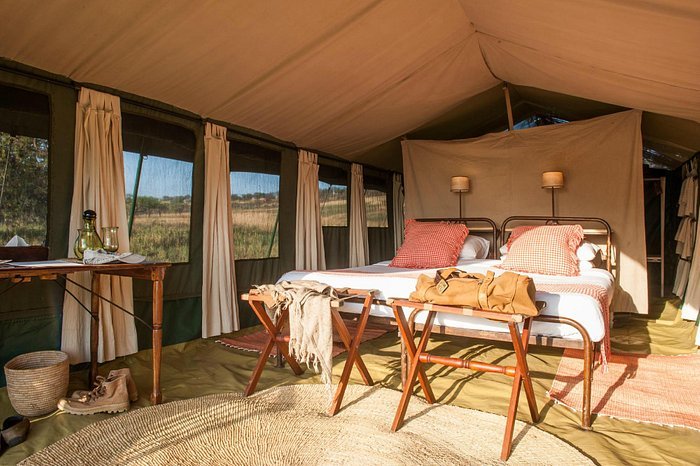
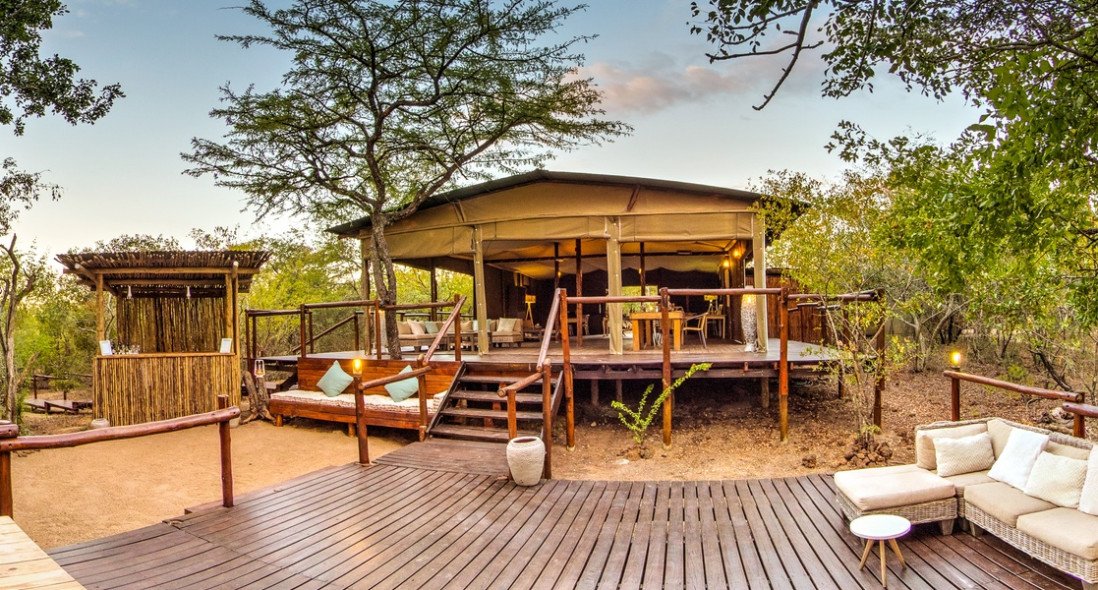
- Mkomazi Tented Camp: This is a primary accommodation option within the park, offering comfortable canvas tents that blend into the natural surroundings. It provides a classic safari lodge experience with essential amenities.
- Rhino River Camp: Another option offering lodging, providing a good base for exploring the park’s attractions.
- Budget Campsites: For the more adventurous and budget-conscious traveler, there are designated campsites within the park where you can pitch your own tent or use provided camping equipment. This offers a truly in-depth experience under the stars.
- Lodges outside the park: While less common, some lodges might be available in nearby towns, though staying within or very close to the park is recommended for the best experience.
Top Guide Adventures can assist in booking the most suitable accommodation based on your preferences and the availability for your planned 2026 or 2027 safari.
Safari Activities in Mkomazi
Mkomazi offers a range of activities that allow for in-depth exploration and connection with nature:
- Game Drives: The cornerstone of any safari, game drives in Mkomazi allow you to explore its diverse landscapes and search for its unique wildlife. Early morning and late afternoon drives are most productive.
- Walking Safaris: Accompanied by an armed ranger, walking safaris offer a more intimate way to experience the park’s smaller details, from tracking animals to identifying plants and birds. This is a fantastic way to appreciate the less obvious aspects of the ecosystem.
- Rhino Tracking: With the park’s significant black rhino population, guided rhino tracking excursions are a must-do. This often involves a combination of vehicle travel and walking, guided by rangers knowledgeable about rhino behavior and conservation.
- Birdwatching: Mkomazi is a prime destination for birders, with dedicated excursions to spot its rich avian life.
- Cultural Visits: While not a primary focus, arrangements can sometimes be made for respectful visits to nearby local communities to learn about their way of life.
Why Choose Mkomazi National Park for Your Tanzania Safari?
Mkomazi National Park offers a unique proposition for safari-goers, distinct from the more crowded, well-trodden paths. If you’re considering a Tanzania safari in 2026 or 2027, here’s why Mkomazi should be on your radar:
- Conservation Focus: It’s a chance to support and witness one of Africa’s most successful conservation projects, particularly for rhinos and wild dogs. Your visit contributes directly to these vital efforts.
- Authentic Wilderness Experience: Mkomazi provides a raw, less commercialized safari experience. You’ll feel a deeper connection to nature without the constant presence of large tourist groups.
- Unique Wildlife Sightings: The opportunity to see black rhinos and reintroduced wild dogs in a protected habitat is a rare privilege.
- Diverse Landscapes: The semi-arid beauty, with its dramatic mountain backdrops and open plains, offers a different visual palette compared to other Tanzanian parks.
- Peace and Tranquility: Enjoy the sounds of the African bush without the noise of traffic. It’s ideal for travelers seeking a peaceful retreat.
- Excellent for Birdwatchers: With over 400 species, it’s a top destination for ornithologists.
Mkomazi vs. Other Northern Tanzania Parks: A Comparison
When planning a Tanzania safari, it’s useful to understand how Mkomazi National Park compares to its more famous neighbors:
| Feature | Mkomazi National Park | Serengeti National Park | Ngorongoro Conservation Area | Tarangire National Park |
|---|---|---|---|---|
| Landscape | Semi-arid savanna, acacia woodlands, rocky outcrops. Dramatic mountain backdrops. | Vast, rolling savannas, acacia woodlands, riverine forests. | Crater floor, highlands, acacia woodlands, alkaline lakes. | Baobab-dotted savannas, acacia woodlands, riverine forests, swamps. |
| Key Wildlife Attractions | Black rhinos, African wild dogs, gerenuk, dik-dik, numerous bird species. Also elephants, lions, cheetahs. | Great Migration (wildebeest, zebra), lions, cheetahs, leopards, vast herds of plains game. | The “Big Five” (especially rhinos), large predator populations, dense wildlife concentration. | Large elephant herds, baobab trees, lions, diverse birdlife. |
| Crowd Levels | Very low; offers an exclusive, authentic experience. | High, especially during migration; can be crowded. | High; strictly managed visitor numbers but dense concentration. | Moderate to high, especially during dry season. |
| Safari Activities | Game drives, walking safaris, rhino tracking, birdwatching. | Game drives, hot-air balloon safaris. | Game drives (crater floor), walking safaris (highlands), cultural visits. | Game drives, walking safaris, night game drives. |
| Conservation Focus | Rhino and wild dog reintroduction and protection. | Large-scale ecosystem management, Great Migration protection. | Unique ecosystem preservation, Maasai co-existence. | Elephant conservation, habitat protection. |
| Accessibility | Road access from Arusha (4-5 hrs), rough internal roads. | Road access from Arusha (5-6 hrs), airstrips. Well-maintained internal roads. | Road access from Arusha (3-4 hrs), steep crater descent road. | Road access from Arusha (2-3 hrs), good internal roads. |
| Accommodation | Limited (tented camps, campsites). | Wide range (luxury lodges, tented camps, mid-range). | Limited (lodges on crater rim, tented camps below). | Wide range (luxury lodges, tented camps, budget options). |
While Serengeti and Ngorongoro offer iconic wildlife spectacles, Mkomazi provides a deeper, more personal connection with nature and a chance to witness conservation in action. It’s an excellent addition to a Northern Circuit itinerary or a destination in its own right for those seeking something different.
Structuring Your Mkomazi Safari Itinerary (2026-2027)
A typical safari to Mkomazi National Park can be integrated into a broader Northern Tanzania tour or experienced as a standalone adventure. Top Guide Adventures recommends allocating sufficient time to truly appreciate its unique offerings.
Option 1: Mkomazi as a Standalone Safari (3-4 Days)
Example: 3-Day Mkomazi Conservation Safari
- Day 1: Arrival in Arusha & Transfer to Mkomazi. Arrive at Kilimanjaro International Airport (JRO) or Arusha Airport. Meet your Top Guide Adventures guide and vehicle. After a briefing, begin your scenic drive towards Mkomazi National Park (approx. 4-5 hours). Check into your accommodation (e.g., Mkomazi Tented Camp). Afternoon game drive focusing on the park’s perimeter and open plains.
- Day 2: Rhino Tracking & Wildlife Exploration. Early morning game drive. After breakfast, start a guided rhino tracking excursion with park rangers. Spend the afternoon exploring different areas of the park, searching for wild dogs, giraffes, and various antelopes. Enjoy sundowners with vast views.
- Day 3: Walking Safari & Departure. Morning walking safari with an armed ranger, focusing on smaller details of the ecosystem. Another short game drive en route to the park gate. After lunch, drive back to Arusha for your onward journey or overnight stay.
Option 2: Mkomazi as Part of a Northern Circuit Safari
Mkomazi can be seamlessly added to a classic Northern Circuit itinerary, perhaps after Tarangire or before heading to Lake Manyara, offering a contrast in landscape and wildlife focus. A potential itinerary could look like this:
Example: 7-Day Northern Tanzania Safari with Mkomazi
- Day 1: Arrive Arusha. Welcome to Tanzania! Transfer to your hotel, relax and prepare for your safari.
- Day 2: Arusha to Tarangire National Park. Drive to Tarangire, known for its large elephant herds and baobab trees. Full day game drive.
- Day 3: Tarangire to Mkomazi National Park. Morning game drive in Tarangire. After lunch, drive to Mkomazi National Park. Check into your lodge and enjoy an afternoon game drive.
- Day 4: Mkomazi Rhino & Wild Dog Focus. Full day dedicated to Mkomazi. Morning rhino tracking and exploration of the park’s conservation areas. Afternoon game drive searching for wild dogs and other plains game.
- Day 5: Mkomazi to Lake Manyara or Ngorongoro. Morning walking safari in Mkomazi. After breakfast, depart for either Lake Manyara National Park (famous for tree-climbing lions) or drive towards the Ngorongoro Conservation Area.
- Day 6: Ngorongoro Crater Tour. Descend into the Ngorongoro Crater for a spectacular game drive, a UNESCO World Heritage Site teeming with wildlife.
- Day 7: Ngorongoro to Arusha & Departure. Enjoy a final morning game drive or visit a Maasai village. Drive back to Arusha for your flight home or onward travel.
These are sample itineraries, and Top Guide Adventures excels at customizing them to your specific interests, pace, and budget for your 2026 or 2027 travel plans. Whether you’re passionate about conservation, birding, or simply seeking a quieter safari, we can craft the perfect Mkomazi experience.
Practical Considerations for Your Mkomazi Safari
To ensure a smooth and enjoyable safari to Mkomazi National Park, consider these practical tips:
What to Pack:
- Lightweight, neutral-colored clothing (khaki, beige, olive green).
- Warm jacket or fleece for cool mornings and evenings.
- Comfortable walking shoes and sturdy hiking boots if planning walking safaris.
- Sun hat, sunglasses, and high SPF sunscreen.
- Insect repellent.
- Binoculars for wildlife viewing.
- Camera with extra batteries and memory cards.
- Personal first-aid kit and any personal medications.
- Reusable water bottle.
- A headlamp or flashlight for evenings.
Health and Safety:
- Consult your doctor about necessary vaccinations and malaria precautions well in advance of your 2026 or 2027 trip.
- Drink bottled or purified water only.
- Follow your guide’s instructions at all times, especially during walking safaris and when encountering wildlife.
- Be aware of the sun’s intensity; stay hydrated and protected.
Park Fees and Regulations:
- Park entrance fees are typically charged per person per day. These fees contribute directly to park conservation efforts.
- Specific fees apply for activities like walking safaris and rhino tracking, usually in conjunction with park entry.
- The park operates under strict regulations to protect wildlife and the environment. Please adhere to all guidelines provided by your guide and park rangers.
Top Guide Adventures will provide a detailed packing list and pre-departure information tailored to your specific Mkomazi safari itinerary.
The Role of Top Guide Adventures in Your Mkomazi Safari
As a leading tour operator in Tanzania, Top Guide Adventures is uniquely positioned to help you experience the magic of Mkomazi National Park. Our commitment to personalized service, deep local knowledge, and responsible tourism ensures your safari is not just a trip, but a meaningful adventure.
- Expert Itinerary Planning: We craft bespoke itineraries for 2026 and 2027 that align with your interests, whether it’s focusing on conservation, photography, birding, or a combination of experiences.
- Experienced Guides: Our guides are highly knowledgeable about Mkomazi’s wildlife, conservation efforts, and the best locations for sightings. They are trained to enhance your understanding and appreciation of the park.
- Quality Accommodation and Transport: We partner with reputable lodges and camps within Mkomazi and provide well-maintained, comfortable 4×4 safari vehicles equipped for the terrain.
- Conservation Support: By choosing Top Guide Adventures, you are supporting a company dedicated to responsible tourism that benefits local communities and conservation initiatives like those in Mkomazi.
- smooth Logistics: From airport transfers to internal park movements and accommodation bookings, we handle all the logistical details so you can relax and enjoy your safari.
We are passionate about showcasing the hidden gems of Tanzania, and Mkomazi National Park is undoubtedly one of them. Let us help you discover its wild beauty and conservation triumphs.
Booking Your Mkomazi Safari for 2026-2027
Planning your safari to Mkomazi National Park for 2026 or 2027 is straightforward with Top Guide Adventures. We offer a range of safari packages and are experts at tailoring journeys to your specific requirements. Whether you are looking for a private safari or interested in joining a small group tour, we can accommodate your needs.
When planning your safari, consider the following:
- Travel Dates: Peak season (dry months) books up quickly, so early booking for 2026 and 2027 is essential.
- Duration: We recommend a minimum of 2-3 days within Mkomazi to fully appreciate its offerings, but it can be extended based on your itinerary.
- Group Size: Whether you’re traveling solo, as a couple, family, or group of friends, we tailor the experience to your group size.
- Budget: We offer options across different budget levels, from comfortable mid-range to more luxurious stays.
To get started with planning your unforgettable Mkomazi National Park adventure, reach out to us today. We are ready to answer all your questions and help you create a personalized safari itinerary that will leave you with lasting memories of Tanzania’s wild heart.
Contact Top Guide Adventures:
- WhatsApp: +255616946642
- Email: topguideadventures@gmail.com
- Backup Email: info@topguideadventurestanzania.com
Explore more about Tanzania safaris and group departures here: Tanzania Safari Group Departures. You can also find inspiration on our blog: Tanzania Safari Tours Blog.
Check Availability for Mkomazi National Park: Your Ultimate Tanzania Safari Guide 2026-2027
Ready to compare dates, prices, and the best option for your group? Send the package name and travel month so the team can reply with a clear quote, availability, and what is included.



