
The Kilimanjaro trek cost for 2026-2027 typically ranges from around $1,500 for budget expeditions to $5,000+ for luxury or private climbs. Budget options prioritize essential services, mid-range offers a balance of comfort and value, and luxury treks provide premium amenities, higher guide-to-client ratios, and more comfortable accommodations. Your final cost depends heavily on the chosen route, duration, operator, and the level of service and inclusions provided.
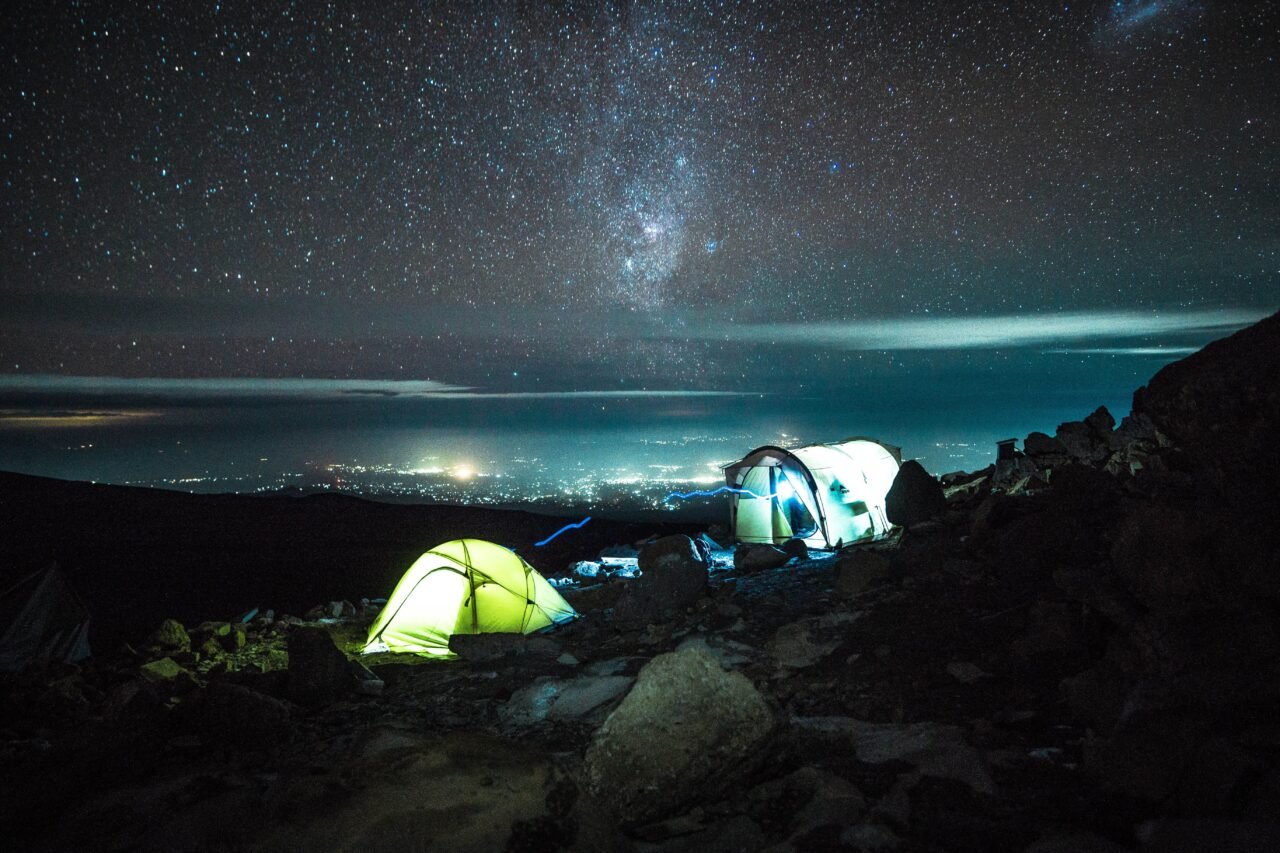
Understanding Kilimanjaro Trek Costs: A Comprehensive Breakdown for 2026-2027
Climbing Mount Kilimanjaro is a dream for many adventurers. As you plan your expedition for 2026 or 2027, understanding the associated costs is paramount. The price tag for a Kilimanjaro trek is not a single figure; it’s a spectrum influenced by numerous factors. Top Guide Adventures helps you navigate this landscape, offering clarity on how your investment translates into your mountain experience. This guide will meticulously detail the Kilimanjaro trek cost for budget, mid-range, and luxury climbers, providing the insights needed to make an informed decision for your unforgettable journey.
The Core Components of Kilimanjaro Trek Cost
Before diving into specific price tiers, it’s essential to understand what makes up the overall cost of a Kilimanjaro climb. Most reputable tour operators, including Top Guide Adventures, will include a standard set of services. The variation in price between budget, mid-range, and luxury options often comes down to the quality and quantity of these inclusions.
Park Fees and Government Charges
These are non-negotiable and form a significant portion of any Kilimanjaro trek cost. They are set by the Tanzanian government and include:
- Kilimanjaro National Park Entry Fees: Charged per person, per day of trekking.
- Camping Fees: For routes that involve camping, these fees are levied per person, per night.
- Crater Fees: Applicable for climbers who opt to visit the crater rim or summit crater.
- Rescue Fees: A mandatory fee to ensure rescue services are available if needed.
These fees are generally consistent across all operators, though some may add a small administrative charge. For 2026-2027, expect these fees to remain substantial, often amounting to several hundred dollars per climber.
Guide and Porter Salaries
Paying fair wages to your guides and porters is crucial for ethical trekking. Reputable companies ensure their crew is well-compensated, insured, and equipped. The number of support staff significantly impacts the cost. A higher guide-to-porter ratio, for instance, often indicates better support and can be a hallmark of mid-range to luxury operators.
Food and Accommodation
- On the Mountain: This includes all meals served during the trek (breakfast, lunch, dinner) and snacks. The quality and variety of food, as well as the preparation standards, differ between budget and premium operators.
- Pre and Post-Climb: Accommodation in hotels or lodges before and after the trek is often included. Luxury packages typically feature higher-star hotels.
Equipment and Logistics
This covers the rental of camping equipment (tents, sleeping mats), cooking gear, and essential safety equipment. It also includes the transportation of all supplies and crew to the mountain gate and back, including vehicle costs and fuel.
Emergency Support and Safety
Reputable operators invest in safety protocols, which can include:
- Oxygen Cylinders: Provision of supplementary oxygen for emergencies or for clients who opt for it (often an add-on in budget packages).
- First Aid Kits: Comprehensive medical supplies.
- Communication Devices: Satellite phones or radios for emergencies.
- Emergency Evacuation Insurance: While sometimes an optional add-on, many higher-tier packages include this.
Kilimanjaro Trek Cost: The Budget Climber’s Guide (Approx. $1,500 – $2,200)
Budget Kilimanjaro treks are designed for the cost-conscious traveler who is willing to forgo some comforts to achieve their summit goal. These packages are often characterized by a focus on the essentials, ensuring the climb is safe and achievable without breaking the bank. For 2026-2027 expeditions, budget operators are still required to meet minimum standards for safety and porter welfare.
What to Expect in a Budget Package:
- Route Choice: Typically shorter routes like Marangu (often camping on the mountain, though huts are available) or sometimes Lemosho and Machame are offered, but potentially with fewer trekking days to reduce overall park fees and camping costs.
- Guide-to-Client Ratio: May be the minimum allowed by park regulations (e.g., 1 guide per 12 climbers).
- Food Quality: Basic but nutritious meals, often simpler menus.
- Accommodation: Standard tents on the mountain. Pre/post-climb accommodation might be in 2-3 star hotels.
- Equipment: Standard camping gear, which might be older or more basic. You might need to rent some personal gear like a warm sleeping bag or trekking poles.
- Inclusions: Park fees, guide/porter salaries, basic food, camping gear, and transport to the gate are standard.
- Exclusions: Tips for guides and porters (a significant but often unstated cost), personal gear, travel insurance (including evacuation), visas, flights, and sometimes bottled water or pre-climb briefings.
Potential Downsides of Budget Treks:
- Comfort: Less comfortable tents, simpler food, and potentially fewer amenities.
- Support Staff Welfare: While regulations are improving, some budget operators may still push porters harder or provide less adequate gear and food for them. It’s vital to choose a budget operator that still adheres to ethical treatment standards.
- Safety Margins: While basic safety equipment is provided, you might not have access to supplementary oxygen unless it’s a dire emergency, and the emergency evacuation process might be slower or require more out-of-pocket payment.
- Flexibility: Less flexibility in itinerary or meal choices.
Tips for Budget Climbers in 2026-2027:
- Research Thoroughly: Look for operators with good reviews specifically mentioning safety and porter welfare, even within the budget category.
- Factor in Tips: Budget at least $200-$300 per climber for tips. This is a significant expense that’s often overlooked.
- Pack Smart: Renting gear locally can be cheaper than buying, but ensure you understand what’s included and what you’ll need to purchase or rent separately.
- Book in Advance: Even for budget trips, booking 6-12 months ahead is advisable, especially for popular dates in 2026-2027.
Kilimanjaro Trek Cost: The Mid-Range Climber’s Experience (Approx. $2,200 – $3,500)
Mid-range Kilimanjaro treks offer a compelling balance between cost and comfort, making them the most popular choice for many climbers. These packages aim to provide a more comfortable and well-supported experience without venturing into the higher price brackets of luxury expeditions. For 2026-2027, mid-range operators are increasingly focusing on higher standards of service, crew welfare, and safety.
What to Expect in a Mid-Range Package:
- Route Choice: Access to all popular routes, including Lemosho, Machame, and Rongai, often with recommended longer durations (7-8 days) for better acclimatization.
- Guide-to-Client Ratio: A more favorable ratio, perhaps 1:8 or 1:10, ensuring more personalized attention.
- Food Quality: A wider variety of meals, often with options to choose from. Fresh ingredients and better presentation are common.
- Accommodation: Higher quality tents on the mountain, often with more space and better weatherproofing. Pre/post-climb accommodation is usually in comfortable 3-4 star hotels.
- Equipment: Good quality, well-maintained camping gear. Sleeping bags and trekking poles might be included or available for rent at reasonable rates.
- Inclusions: Comprehensive inclusions covering park fees, crew salaries, all meals, quality camping gear, transport, pre-climb briefing, and often a celebratory dinner.
- Enhanced Safety: Typically includes supplementary oxygen cylinders and a more robust emergency evacuation plan.
Benefits of Mid-Range Treks:
- Comfort and Support: A noticeable step up in comfort, food, and overall support, contributing to a more enjoyable climb.
- Acclimatization: Longer itineraries offered are crucial for better acclimatization and higher summit success rates.
- Crew Welfare: Mid-range operators are generally committed to fair wages, good food, and proper gear for their porters and guides, contributing to a more ethical climb.
- Reliability: These operators often have more established track records and professional operations.
Considerations for Mid-Range Climbers in 2026-2027:
- Value for Money: Mid-range offers the best value for those seeking a comfortable, safe, and successful climb without extreme luxury.
- Booking Window: For popular dates in 2026-2027, booking 9-15 months in advance is recommended.
- Optional Add-ons: While most essentials are included, check if items like bottled water, personal porter services, or specific gear rentals are extra.
Kilimanjaro Trek Cost: The Luxury Climber’s Expedition (Approx. $3,500 – $5,000+)
Luxury Kilimanjaro treks cater to climbers who desire the highest level of comfort, service, and exclusivity. These expeditions are about maximizing the mountain experience through superior amenities, personalized attention, and often, more exclusive access or support. For 2026-2027, luxury offerings are setting new benchmarks in client care and expedition quality.
What to Expect in a Luxury Package:
- Route Choice: Often focuses on longer, less crowded routes like Lemosho or the Northern Circuit, which offer better acclimatization and scenery.
- Guide-to-Client Ratio: Very low ratios, sometimes 1:2 or 1:4, ensuring highly personalized attention and safety monitoring.
- Food Quality: Gourmet meals prepared by dedicated cooks, often with multi-course dining, fresh ingredients, and even wine or cocktails at higher camps.
- Accommodation: Spacious, high-quality tents with comfortable bedding, sometimes even private toilet tents. Pre/post-climb accommodation is in 4-5 star hotels or luxury lodges.
- Equipment: Top-of-the-line, modern camping equipment, including comfortable sleeping pads and high-rated sleeping bags.
- Inclusions: All-inclusive packages covering everything from park fees and crew salaries to high-quality gear, all meals, transfers, pre/post-climb accommodation, bottled water, and often gratuities.
- Premium Support: Guaranteed supplementary oxygen, dedicated emergency evacuation services, and sometimes even private vehicles for transfers.
Advantages of Luxury Treks:
- Unparalleled Comfort: The highest level of comfort on the mountain, significantly enhancing the overall experience.
- Maximized Success Rates: The combination of longer routes, better acclimatization, and superior support often leads to higher summit success rates.
- Personalized Service: Dedicated guides and support staff cater to individual needs and preferences.
- Peace of Mind: Comprehensive safety measures and inclusive services mean fewer worries about unexpected costs or logistical issues.
Who is a Luxury Trek For?
Luxury treks are ideal for those celebrating a special occasion, corporate groups seeking a high-end experience, or individuals who prioritize comfort and service while undertaking a challenging expedition. It’s also a great option for those who want to ensure the highest standards of ethical treatment for the crew.
Factors Influencing Kilimanjaro Trek Cost Beyond Service Level
While the budget, mid-range, and luxury tiers provide a general framework, several other factors can adjust the final Kilimanjaro trek cost for your 2026-2027 adventure:
1. Route Selection
Different routes have varying durations and complexities, directly impacting park fees and crew costs:
- Shorter Routes (e.g., Marangu 5-day): Generally cheaper due to fewer trekking days. However, they offer lower acclimatization and summit success rates.
- Standard Routes (e.g., Machame, Lemosho 6-7 days): Mid-tier pricing, offering a good balance of cost and acclimatization.
- Longer Routes (e.g., Lemosho 8 days, Northern Circuit 9 days): More expensive due to more park fees and crew costs but provide superior acclimatization and higher success rates.
- The Crater Climb: Adding a visit to the crater adds an extra park fee and potentially an extra night, increasing the cost.
2. Trek Duration
As mentioned, longer treks incur higher daily park fees and crew costs. However, the extra days are crucial for acclimatization, significantly improving your chances of reaching the summit safely. For 2026-2027, prioritizing acclimatization on longer routes is highly recommended.
3. Group Size and Type
- Private Treks: If you book a private climb for just your group, the cost per person can be higher than joining a group. However, you get more flexibility and personalized attention. Top Guide Adventures can tailor private treks to your specific needs.
- Shared/Group Treks: Joining a scheduled group departure is typically the most economical option, especially for budget and mid-range travelers. This spreads fixed costs like guide salaries and transport among more people.
4. Time of Year (Seasonality)
While Kilimanjaro is climbable year-round, certain periods are more popular and thus may have slightly higher prices or availability issues, especially for 2026-2027 bookings:
- Peak Seasons (Dry Months): January-March and June-October are the busiest and offer the best weather. Operators might have slightly higher prices or require earlier booking.
- Shoulder Seasons: April-May and November-December can be wetter and cooler, leading to fewer crowds and potentially slightly lower prices from some operators, though park fees remain constant.
5. Operator’s Reputation and Inclusions
- Established Operators: Companies with a long history, strong safety records, and a commitment to ethical treatment of staff (like Top Guide Adventures) often command higher prices because their operational costs are higher.
- Inclusions: A package that includes flights, pre/post-climb hotels, transfers, and even gratuities will naturally cost more than one that only covers the mountain portion. Always check what is explicitly included and excluded.
6. Personal Expenses and Add-ons
Beyond the tour operator’s package, consider these personal costs:
- Flights to Kilimanjaro (JRO): Varies greatly depending on origin and booking time.
- Visa for Tanzania: Check current requirements and fees.
- Travel Insurance: Mandatory, including emergency medical evacuation. Essential for any Kilimanjaro climb.
- Vaccinations and Medications: Consult your doctor.
- Personal Gear: Trekking boots, warm clothing, sleeping bag, backpack, etc. (can be rented).
- Tips for Crew: A significant, expected expense.
- Souvenirs and Personal Spending: For any downtime in towns.
- Optional Activities: e.g., hot springs, cultural tours.
Estimated Costs for Key Inclusions (2026-2027)
While exact figures fluctuate, here’s a general idea of what specific components might cost:
- Park Fees (approx. 7 days): $700 – $900 per person
- Porter Salaries (approx. 7 days): $200 – $300 per person
- Guide Salaries (approx. 7 days): $300 – $500 per person
- Food on Mountain (approx. 7 days): $150 – $300 per person
- Camping Gear Rental (basic): $50 – $100 per person
- Tips for Crew (recommended): $250 – $400 per person
- Pre/Post-climb Hotel (2 nights, mid-range): $150 – $300 per person
- Airport Transfers: $50 – $100 per vehicle
These are estimates to illustrate how the total Kilimanjaro trek cost is built. Reputable operators bundle these into their package prices.
Comparing Operators: What to Look for Beyond Price
When comparing Kilimanjaro trek cost quotes for 2026-2027, don’t just go for the cheapest option. A lower price often means compromises that can affect safety, comfort, and your overall experience. Here’s what Top Guide Adventures recommends you scrutinize:
1. Safety Standards and Emergency Preparedness
- Do they carry supplementary oxygen? How many cylinders per group?
- Do they have trained wilderness first responders or medical guides?
- What is their emergency evacuation procedure? Do they have partnerships with evacuation services?
- Do they provide satellite phones or radios for communication?
2. Crew Welfare and Ethical Treatment
- What are the wages and working conditions for porters and guides?
- Do porters receive adequate food, shelter, and equipment?
- Are there clear guidelines on porter weight limits?
- Look for operators who are members of organizations like the Kilimanjaro Porters Assistance Project (KPAP).
3. Inclusions and Exclusions
- Is the list of inclusions detailed and clear?
- Are park fees, rescue fees, and crater fees definitely included?
- What about meals, water, and camping equipment?
- Are tips, personal gear rental, and evacuation insurance factored in or listed as extras?
4. Route and Itinerary Design
- Do they recommend longer itineraries for better acclimatization (e.g., 7-8 days for Machame/Lemosho)?
- Is the itinerary designed to maximize summit success and minimize altitude sickness?
- Do they offer a variety of routes to suit different preferences and fitness levels?
5. Reviews and Reputation
- Read independent reviews on platforms like TripAdvisor, Google, and travel forums.
- Look for feedback on guide quality, food, safety, and overall experience.
- Check how the company responds to both positive and negative feedback.
Top Guide Adventures: Your Partner for a Memorable Kilimanjaro Climb
At Top Guide Adventures, we pride ourselves on offering exceptional Kilimanjaro treks that prioritize safety, crew welfare, and client satisfaction. We understand that the Kilimanjaro trek cost is a significant investment, and we are committed to providing transparent pricing with excellent value across our budget-friendly, mid-range, and luxury options for 2026-2027 expeditions. We ensure fair wages for our dedicated team, use high-quality equipment, and implement rigorous safety protocols. When you choose us, you’re choosing an experienced, ethical, and reliable partner for your Kilimanjaro adventure.
Budgeting for Your Kilimanjaro Trek in 2026-2027: A Practical Checklist
To ensure you have a realistic budget for your Kilimanjaro climb, use this checklist. It covers the main cost categories, allowing you to tailor it to your chosen service level (budget, mid-range, luxury).
Kilimanjaro Trek Budget Checklist (2026-2027)
- Operator Package Cost: (Based on chosen level: Budget, Mid-Range, Luxury) $______
- International Flights: (To/From Kilimanjaro International Airport – JRO) $______
- Tanzania Visa: $______
- Travel Insurance (incl. Evacuation): $______
- Pre/Post-Climb Accommodation: (If not fully included or opting for higher standard) $______
- Tips for Guides & Porters: (Estimate $250-$400 per climber) $______
- Personal Gear Purchase/Rental: (Boots, sleeping bag, layers, etc.) $______
- Vaccinations & Medications: $______
- Airport Transfers: (If not included) $______
- Spending Money: (Souvenirs, extra drinks, etc.) $______
- Optional Activities: (e.g., cultural tours) $______
- Contingency Fund (10-15%): $______
Total Estimated Kilimanjaro Trek Cost: $______
Maximizing Your Kilimanjaro Experience Within Your Budget
Regardless of your budget for 2026-2027, there are ways to enhance your Kilimanjaro trek experience:
- Choose the Right Route: Opting for a slightly longer route (e.g., 7 days instead of 6) can significantly increase your acclimatization and summit success, often at a modest increase in cost. This is a high-value investment.
- Pack Smart: Invest in quality essential gear like waterproof outer layers and good boots. Renting other items like sleeping bags and poles can save money.
- Train Adequately: Proper physical preparation is free and is the single most important factor for success and enjoyment, regardless of your budget.
- Hydrate and Pace Yourself: These are crucial for acclimatization and can be done on any budget.
- Engage with Your Guides: Learn from their knowledge about the mountain, local culture, and wildlife.
- Be Respectful: Treat your guides and porters with respect; a positive attitude goes a long way.
Frequently Asked Questions About Kilimanjaro Trek Costs
Is the Kilimanjaro trek cost significantly different for 2026 vs. 2027?
While park fees and government charges are subject to change annually, major shifts are uncommon. The primary driver of cost variation between 2026 and 2027 will be inflation, operator pricing adjustments, and exchange rates. For planning purposes, budget slightly more for 2027 than 2026, but expect the general ranges for budget, mid-range, and luxury to remain similar unless a major policy change occurs.
What is the most expensive part of a Kilimanjaro trek?
The largest components of the Kilimanjaro trek cost are typically the park fees and government charges, followed by the operator’s operational costs (which include guide/porter salaries, food, logistics, and equipment). For budget climbers, tips can also represent a substantial portion of their total expenditure.
Can I negotiate the Kilimanjaro trek cost?
Generally, prices from reputable operators are fixed, especially for scheduled group departures in 2026-2027. Haggling is not common or recommended with established companies. If you are looking for a lower Kilimanjaro trek cost, your best approach is to choose a budget-tier package or look for group departures rather than private climbs.
Are there hidden costs I should be aware of?
Yes, the most common “hidden” costs are tips for the mountain crew, which can add several hundred dollars to your total. Other potential costs include visa fees, international flights, travel insurance, personal gear purchases, and tips for hotel staff or drivers. Always ask for a detailed list of inclusions and exclusions.
How much should I budget for tips for the Kilimanjaro crew in 2026-2027?
A general guideline for tipping your Kilimanjaro crew (guides, assistant guides, cook, porters) is between $250 to $400 per climber for a standard 7-day trek. This is usually paid in cash at the end of the trek. Your operator should provide specific tipping guidelines.
Is it cheaper to book a Kilimanjaro trek in Tanzania or from abroad?
Booking directly with a Tanzanian-based company like Top Guide Adventures often provides better value. However, ensure the company is reputable, has a strong online presence, and adheres to international safety and ethical standards. Booking locally can sometimes lead to lower prices but requires more due diligence to ensure quality and reliability.
What is the average Kilimanjaro trek cost for a 7-day Machame Route climb?
For a 7-day Machame Route climb in 2026-2027, expect the Kilimanjaro trek cost to be:
- Budget: $1,600 – $2,100
- Mid-Range: $2,300 – $3,200
- Luxury: $3,600 – $5,000+
These figures are estimates and depend heavily on the operator’s specific inclusions.
Planning Your 2026-2027 Kilimanjaro Expedition: Making the Right Choice
Choosing the right Kilimanjaro trek cost and operator is a critical step in planning your adventure. For 2026-2027, the market offers diverse options, but prioritizing safety, crew welfare, and a well-designed itinerary should guide your decision. Remember that the cheapest option is rarely the best when it comes to a high-altitude mountain climb.
Top Guide Adventures is dedicated to providing exceptional value and unforgettable experiences. We offer transparent pricing and detailed itineraries for budget-conscious travelers, those seeking a comfortable mid-range experience, and clients desiring a luxurious expedition.
For personalized advice on the Kilimanjaro trek cost that best suits your needs and to discuss options for your 2026 or 2027 climb, please do not hesitate to contact us. We are here to help you plan every detail of your dream Kilimanjaro adventure.
Get in Touch for Your Custom Kilimanjaro Quote!
Ready to plan your 2026-2027 Kilimanjaro climb? Contact Top Guide Adventures today for a personalized quote and expert advice. We’re here to ensure your journey is safe, memorable, and perfectly tailored to your budget and preferences.
WhatsApp: +255616946642
Email: topguideadventures@gmail.com
Backup Email: info@topguideadventurestanzania.com
Visit our website for more information on our Kilimanjaro treks and other Tanzanian adventures: Top Guide Adventures Tanzania.
“,
“faq_schema”: [
{
“question”: “Is the Kilimanjaro trek cost significantly different for 2026 vs. 2027?”,
“answer”: “While park fees and government charges are subject to change annually, major shifts are uncommon. The primary driver of cost variation between 2026 and 2027 will be inflation, operator pricing adjustments, and exchange rates. For planning purposes, budget slightly more for 2027 than 2026, but expect the general ranges for budget, mid-range, and luxury to remain similar unless a major policy change occurs.”
},
{
“question”: “What is the most expensive part of a Kilimanjaro trek?”,
“answer”: “The largest components of the Kilimanjaro trek cost are typically the park fees and government charges, followed by the operator’s operational costs (which include guide/porter salaries, food, logistics, and equipment). For budget climbers, tips can also represent a substantial portion of their total expenditure.”
},
{
“question”: “Can I negotiate the Kilimanjaro trek cost?”,
“answer”: “Generally, prices from reputable operators are fixed, especially for scheduled group departures in 2026-2027. Haggling is not common or recommended with established companies. If you are looking for a lower Kilimanjaro trek cost, your best approach is to choose a budget-tier package or look for group departures rather than private climbs.”
},
{
“question”: “Are there hidden costs I should be aware of?”,
“answer”: “Yes, the most common “hidden” costs are tips for the mountain crew, which can add several hundred dollars to your total. Other potential costs include visa fees, international flights, travel insurance, personal gear purchases, and tips for hotel staff or drivers. Always ask for a detailed list of inclusions and exclusions.”
},
{
“question”: “How much should I budget for tips for the Kilimanjaro crew in 2026-2027?”,
“answer”: “A general guideline for tipping your Kilimanjaro crew (guides, assistant guides, cook, porters) is between $250 to $400 per climber for a standard 7-day trek. This is usually paid in cash at the end of the trek. Your operator should provide specific tipping guidelines.”
},
{
“question”: “Is it cheaper to book a Kilimanjaro trek in Tanzania or from abroad?”,
“answer”: “Booking directly with a Tanzanian-based company like Top Guide Adventures often provides better value. However, ensure the company is reputable, has a strong online presence, and adheres to international safety and ethical standards. Booking locally can sometimes lead to lower prices but requires more due diligence to ensure quality and reliability.”
},
{
“question”: “What is the average Kilimanjaro trek cost for a 7-day Machame Route climb?”,
“answer”: “For a 7-day Machame Route climb in 2026-2027, expect the Kilimanjaro trek cost to be: Budget: $1,600 – $2,100, Mid-Range: $2,300 – $3,200, Luxury: $3,600 – $5,000+. These figures are estimates and depend heavily on the operator’s specific inclusions.”
}
]
}
“`
Check Availability for Kilimanjaro Trek Cost For Budget, Mid-Range And Luxury Climbers 2026-2027
Ready to compare dates, prices, and the best option for your group? Send the package name and travel month so the team can reply with a clear quote, availability, and what is included.
Tanzania Tour Package Prices: Your Guide To Safari & Kilimanjaro Costs
Understand Tanzania tour package prices for 2026-2027. This guide covers safari costs, Kilimanjaro climb pricing, Zanzibar holidays, and factors influencing your budget, offering clear...
View package details
Tanzania Mountain Climbing Costs: A Comprehensive Guide For 2026-2027
Planning a mountain climb in Tanzania, especially Kilimanjaro, involves understanding the various costs involved. This guide breaks down the expenses for 2026-2027, covering park fees...
View package details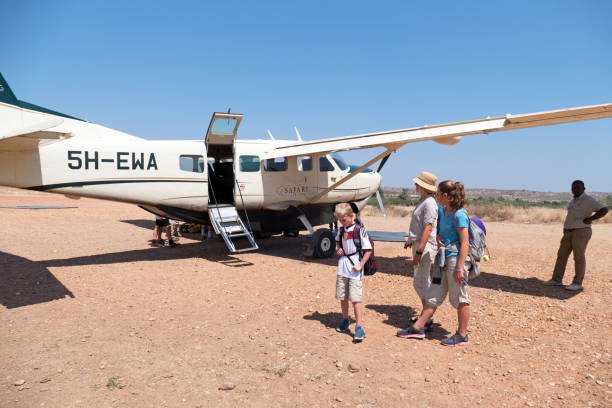
Kilimanjaro National Park: Your Ultimate Guide To Climbing Africas Highest
Your comprehensive guide to Kilimanjaro National Park, detailing everything needed to plan and execute a successful climb of Mount Kilimanjaro, including routes, preparation, costs, and...
View package details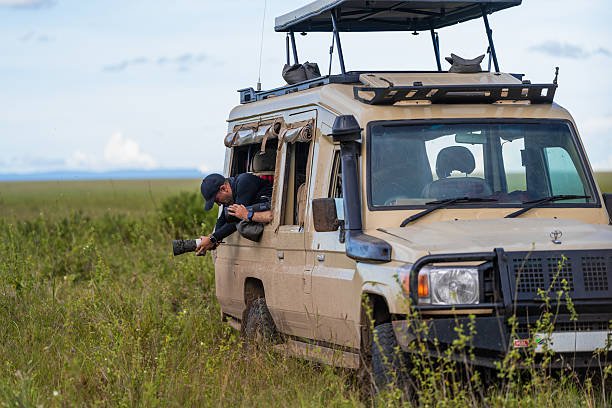
Tanzania Hiking Permit Fees: A Comprehensive Guide For Climbers 2026-2027
Planning a trek in Tanzania? This guide details the essential hiking permit fees for popular mountains like Kilimanjaro and Mount Meru, crucial for budgeting your 2026-2027 adventure. We...
View package details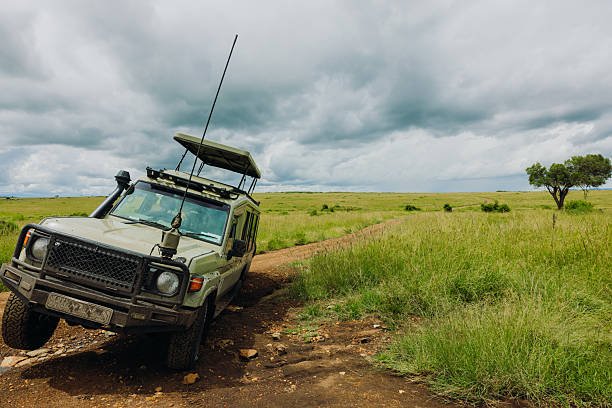
Tanzania Conservation Fees Explained: Your Guide 2026-2027
Demystifying Tanzania's conservation fees is crucial for planning your safari or climb. This guide details the essential costs for national parks, reserves, and Mount Kilimanjaro for...
View package details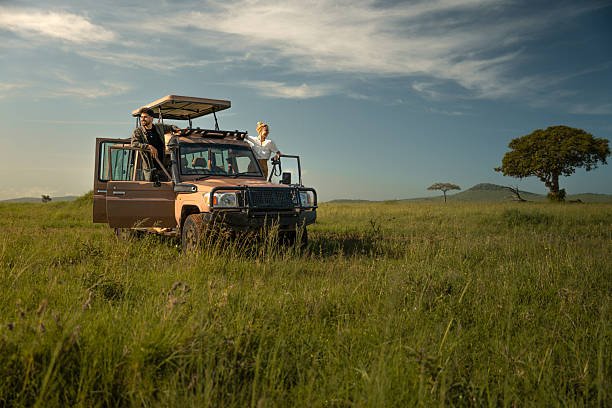
Hidden Costs Of Climbing Mount Kilimanjaro You Should Know 2026-2027
Hidden Costs of Climbing Mount Kilimanjaro You Should Know is explained with current 2026-2027 planning, price, itinerary and booking information.
View package details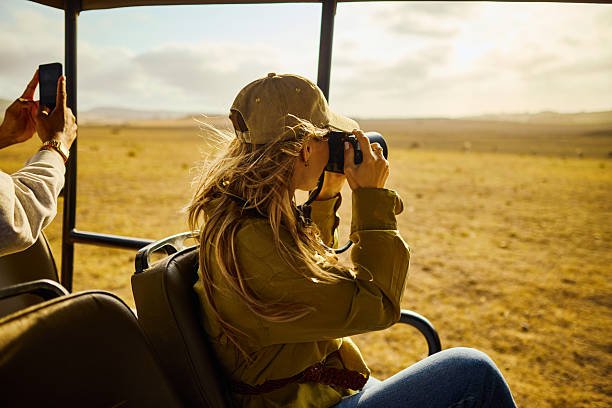
Kilimanjaro Porter, Guide And Camping Fees Breakdown 2026-2027
Kilimanjaro Porter, Guide and Camping Fees Breakdown is explained with current 2026-2027 planning, price, itinerary and booking information.
View package details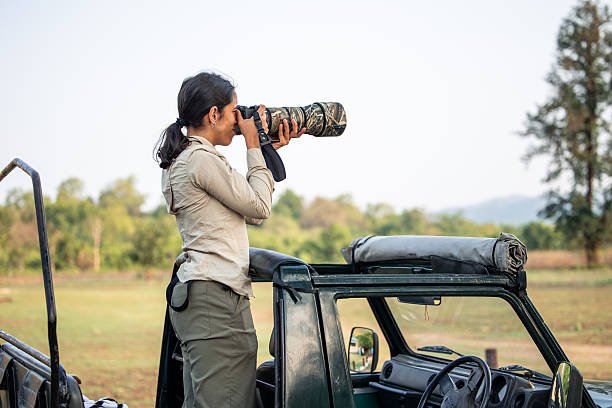
Tanzania Attraction Entry Fees: Guide To Park And Reserve Costs For 2026-2027
Planning a trip to Tanzania? This comprehensive guide details the essential Tanzania attraction entry fees for 2026-2027, covering national parks, conservation areas, and cultural sites...
View package details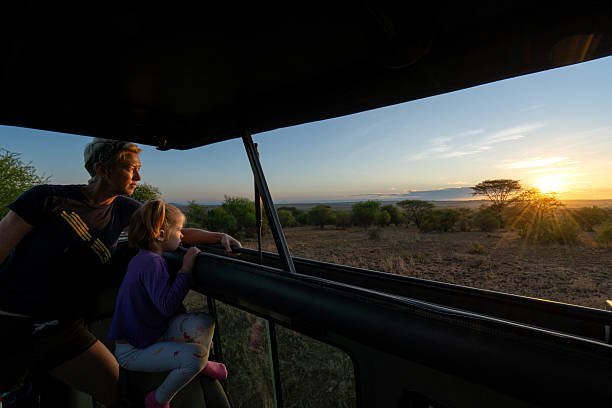
Mount Kilimanjaro 5 Days, 6 7 And 8 Climbing Prices 2026-2027
Mount Kilimanjaro 5 Days, 6 Days, 7 Days and 8 Days Climbing Prices is explained with current 2026-2027 planning, price, itinerary and booking information.
View package details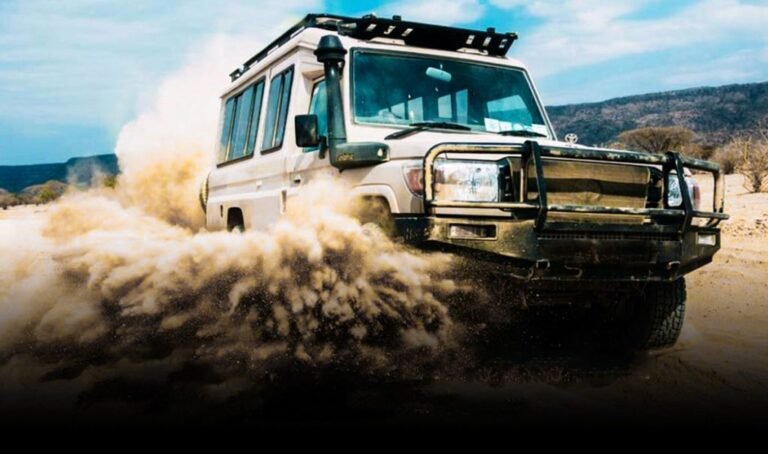
Materuni Day Trip Cost: What To Expect In 2026-2027
Planning a Materuni Day Trip? This guide breaks down the expected costs for 2026-2027, detailing what influences the price and what you can anticipate for a memorable experience near Mount...
View package details
Tanzania Adventure Activities Prices : Your Ultimate Guide 2026-2027
Discover the pricing for a wide range of adventure activities in Tanzania for 2026-2027, including safaris, Kilimanjaro treks, Zanzibar excursions, and cultural tours. Get insights into...
View package details
Common Tanzania Search Keywords For Planning Your Adventure 2026-2027
Planning a trip to Tanzania for 2026 or 2027? Understanding common search terms helps you find the best safaris, Kilimanjaro treks, and Zanzibar holidays. Top Guide Adventures breaks down...
View package detailsNo related package matches those filters. Clear one or more filters to see the other topic-matched options.



