
Kilimanjaro rescue fees are typically covered by a mandatory rescue fee paid to TANAPA (Tanzania National Parks Authority), often included in your overall climbing package, while conservation fees are the daily park entrance fees that fund park operations and wildlife protection, also paid to TANAPA and essential for any trek in 2026-2027. Understanding these charges is crucial for budgeting your climb and ensuring you meet all official requirements.
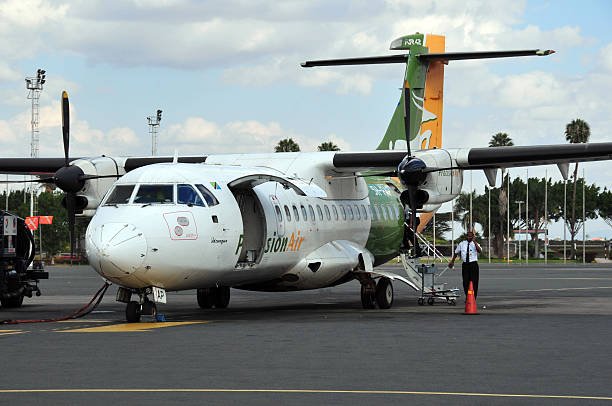

Decoding Kilimanjaro’s Essential Fees: A Comprehensive Guide for 2026-2027 Trekkers
Mount Kilimanjaro, Africa’s highest peak, is a dream destination for adventurers worldwide. As you plan your ascent for 2026 or 2027, it’s vital to grasp the financial commitments beyond the tour operator’s package price. Two of the most significant components are the conservation fees and the rescue fees. These aren’t optional extras; they are fundamental requirements mandated by the Tanzanian government and administered by the Tanzania National Parks Authority (TANAPA) to ensure the mountain’s preservation, the safety of climbers, and the sustainable management of this iconic natural wonder. Top Guide Adventures is committed to transparency, and this in-depth guide will demystify these charges, helping you budget accurately and prepare thoroughly for your Kilimanjaro expedition.
The fees associated with climbing Kilimanjaro are structured to support the mountain’s ecosystem, provide essential infrastructure for trekkers, and ensure that rescue services are available when needed. While tour operators like Top Guide Adventures incorporate these into their pricing, knowing the specifics empowers you as a climber. This article will cover the nature of conservation fees, how rescue fees operate, what they typically cover, and how they are collected, providing a clear picture for your 2026-2027 climb planning.
Understanding Kilimanjaro Conservation Fees
The Kilimanjaro conservation fees, often referred to as park entry fees, are the primary revenue source for TANAPA, funding the preservation of Kilimanjaro National Park and its biodiversity. These fees are charged on a daily basis for every climber and are non-negotiable. They are a critical part of ensuring the long-term sustainability of the mountain as a climbing destination and a protected natural area.
Daily Park Entry Fees: The Core of Conservation
Every individual climbing Mount Kilimanjaro is required to pay a daily park fee for each day they spend within the boundaries of Kilimanjaro National Park. This fee is essential for maintaining the trails, employing park rangers, supporting conservation efforts, and providing basic facilities like huts and campsites. The rates are set by TANAPA and are subject to change, though significant shifts usually occur with advance notice. For 2026 and 2027, climbers should expect these rates to remain a substantial part of their overall expedition cost.
The current daily conservation fee is $70 USD per person per day. This rate has been consistent for some time, but it’s always prudent to confirm the latest figures with your tour operator closer to your 2026-2027 climbing dates. A typical 7-day climb, for instance, would incur 7 days of park fees for each climber. This means a standard 7-day trek would cost $490 USD per person just for park entry.
Example Calculation for a 7-Day Climb:
- Daily Conservation Fee: $70 USD
- Duration: 7 days
- Total Conservation Fee per climber: $70 x 7 = $490 USD
For longer routes like the 8-day Lemosho or the 9-day Northern Circuit, the total conservation fee will naturally increase due to the additional days spent on the mountain. For an 8-day climb, the conservation fee would be $560 USD per person ($70 x 8), and for a 9-day climb, it would be $630 USD per person ($70 x 9).
What Do Conservation Fees Fund?
The revenue generated from conservation fees is vital for several key areas:
- Environmental Protection: Funding anti-poaching units, habitat restoration, and monitoring of the mountain’s fragile ecosystems.
- Trail Maintenance: Ensuring paths are clear, safe, and well-maintained, especially crucial for preventing erosion and ensuring climber safety.
- Ranger Salaries and Training: Supporting the park rangers who protect the park, guide visitors, and respond to emergencies.
- Infrastructure: Maintaining basic facilities such as public toilets, campsites, and the park gates.
- Research and Monitoring: Supporting scientific studies to understand and protect Kilimanjaro’s unique flora and fauna.
These fees are a direct investment in the preservation of Kilimanjaro for future generations, ensuring that the mountain remains a viable and spectacular destination for years to come, including for climbers in 2026 and 2027.
Understanding Kilimanjaro Rescue Fees
The concept of a specific, separate “rescue fee” can sometimes be confusing. In Kilimanjaro’s case, the primary mechanism for covering rescue operations is through a mandatory rescue fee that is collected by TANAPA. This fee is often bundled into the overall park fees or paid at the park gates. It’s not a fee you pay only if you need rescuing; it’s a proactive charge that funds the park’s rescue infrastructure and capabilities.
The TANAPA Rescue Levy
TANAPA charges a standard fee, which has historically been around $10 USD per person, designated for rescue services. This fee is collected from all climbers and contributes to the operational costs of the Kilimanjaro Search and Rescue (KSAR) services. This includes maintaining emergency equipment, training rescue personnel, and supporting the coordination efforts required for potential evacuations.
It’s important to note that this fee primarily covers basic rescue operations. This means the costs associated with dispatching a rescue team, providing initial medical assessment on the mountain, and evacuating a climber from the mountain to the nearest park gate or a designated medical facility. It does not typically cover advanced medical treatment, hospital stays, or long-distance repatriation once you are off the mountain.
What is Covered by the Rescue Fee?
The mandatory rescue fee contributes to:
- Emergency Response Teams: Funding the salaries and training of skilled park rangers and guides who are trained in high-altitude first aid and rescue techniques.
- Equipment: Maintaining essential rescue gear, including stretchers, oxygen cylinders (for emergency use), and communication devices.
- Coordination: Supporting the park’s emergency dispatch system and communication network to ensure rapid response.
- Basic Evacuation: Covering the logistics and personnel involved in bringing a climber from a point of difficulty down to the nearest accessible point, such as a park gate or a basic medical post.
What is NOT Covered by the Rescue Fee?
It is crucial to understand the limitations of the mandatory rescue fee. It is not comprehensive travel insurance. Specifically, it does not cover:
- Advanced medical treatment at hospitals (e.g., surgery, intensive care).
- Costs associated with prolonged hospital stays.
- Repatriation flights back to your home country.
- Lost equipment or personal belongings during a rescue.
- Costs incurred by your support team (e.g., guides, porters) if they are involved in extended rescue operations beyond their standard duties.
This is why comprehensive travel insurance that specifically covers high-altitude trekking and emergency medical evacuation is an absolute necessity for every Kilimanjaro climber. Your tour operator will require proof of such insurance before your climb begins.
Other Essential Fees and Costs Associated with Kilimanjaro Climbs
Beyond the core conservation and rescue fees, several other charges contribute to the overall cost of a Kilimanjaro expedition. Understanding these helps in creating a realistic budget for your 2026-2027 adventure.
Crew Fees (Porter and Guide Wages)
While not a government fee, the wages for your mountain crew – guides, assistant guides, cooks, and porters – are a significant component of your tour package. Reputable operators like Top Guide Adventures adhere to ethical tipping guidelines and ensure fair wages. These costs are generally included in your trek price, but it’s good to be aware of them.
Camping/Hut Fees
Depending on the route and the type of accommodation used, there are fees for using campsites or the basic huts along the routes. For routes like Marangu, which uses huts, these fees are integrated into the park charges. For other routes that use tents, camping fees are also part of the TANAPA structure. These are usually bundled into the daily park fee structure and are not itemized separately for the climber, but they are part of the overall cost of operating on the mountain.
Value Added Tax (VAT)
Tanzania has a Value Added Tax (VAT) that applies to various tourism services, including tour operator packages. This is typically included in the price quoted by your operator. For 2026-2027, it’s important to confirm how VAT is applied to your specific package.
Tips for the Mountain Crew
Tipping is customary and highly appreciated for the mountain crew. While not a mandatory fee, it’s an expected part of the climbing culture. Tour operators provide guidelines for tipping, which can amount to several hundred dollars per climber, depending on the crew size and trek duration. This should be factored into your personal budget.
Gear Rental
While you’ll need to bring your personal clothing and hiking essentials, some specialized gear like sleeping bags, trekking poles, and warm jackets can often be rented from your tour operator. This is an optional cost depending on your existing gear.
Transportation
Your tour package will typically include transportation from Kilimanjaro International Airport (JRO) to your hotel in Moshi or Arusha, and back to the airport or your next destination. However, if you have additional travel plans before or after your climb, these costs are separate.
How Fees Are Collected and Paid
The collection and payment of Kilimanjaro fees are managed by TANAPA, with tour operators acting as intermediaries for their clients. This system ensures that all required payments are made before the climb commences, guaranteeing compliance with park regulations.
The Role of the Tour Operator
Reputable tour operators, such as Top Guide Adventures, are responsible for calculating and paying all the necessary park fees, including conservation and rescue levies, on behalf of their clients. When you book a climb with us, these fees are integrated into your total package price. We handle the complex process of liaising with TANAPA, obtaining the required permits, and ensuring all payments are processed correctly and on time. This takes the administrative burden off your shoulders, allowing you to focus on your training and preparation.
We ensure that your booking for 2026 or 2027 includes all mandated TANAPA fees. This transparency means the price you receive from us reflects the true cost of climbing Kilimanjaro, including these essential government charges.
Payment Process
Typically, the full payment for your climb, including all park fees, is due several weeks or months before your departure date. This allows operators sufficient time to process payments with park authorities. Upon arrival at the park gates, your guide will present the necessary permits and documentation, confirming that all fees have been paid.
Importance of Official Receipts
While you won’t usually receive individual receipts for each fee paid to TANAPA, your tour operator should be able to provide a breakdown of costs included in your package, confirming that these statutory fees have been covered. It’s always a good practice to ask your operator for this clarification if you need it.
Route-Specific Fee Considerations
While the daily conservation fee and the rescue levy are standard across all routes, the total cost of conservation fees will vary based on the length of the route you choose. Longer routes naturally incur more days of park fees.
- Shorter Routes (e.g., 5-day Marangu): Fewer days mean lower total conservation fees. However, these routes are often less recommended due to lower acclimatization profiles. A 5-day Marangu climb would incur 5 days of park fees ($70 x 5 = $350 USD).
- Standard Routes (e.g., 6 or 7-day Machame, Lemosho): These offer a better balance of cost and acclimatization. A 7-day climb means $490 USD in conservation fees.
- Longer Routes (e.g., 8-day Lemosho, 9-day Northern Circuit): These routes provide the best acclimatization and highest success rates, but also the highest total conservation fees due to the extended duration. An 8-day climb costs $560 USD, and a 9-day climb costs $630 USD in conservation fees per person.
The rescue fee, typically a flat $10 USD per person, remains constant regardless of the route chosen.
Budgeting for Your 2026-2027 Kilimanjaro Climb: Factoring in Fees
When budgeting for your Kilimanjaro adventure in 2026 or 2027, it’s essential to look beyond the advertised tour price and understand the components, particularly the government-mandated fees.
Typical Cost Breakdown (Illustrative)
While exact package prices vary significantly based on operator, inclusions, and group size, a rough breakdown often looks like this:
Illustrative Cost Components (for a mid-range operator, 7-day climb):
- Park Fees (Conservation + Rescue): Approximately $500 – $600 USD per person. This is a fixed government charge.
- Crew Wages: A significant portion, covering guides, porters, and cooks.
- Food and Accommodation: On the mountain (campsites/huts) and pre/post-climb hotels.
- Logistics: Transport, park entry for crew, equipment.
- Operator’s Margin & Support: Operational costs, customer service, safety management.
Note: These figures are approximate. Always request a detailed breakdown from your chosen operator.
Tips for Smart Budgeting
- Compare Operators Carefully: Look beyond the cheapest options. Cheaper packages might cut corners on safety, crew welfare, or include fewer essential fees. Reputable companies like Top Guide Adventures are transparent about what’s included.
- Factor in All Extras: Remember to budget for tips, personal gear, travel insurance, visas, and flights.
- Consider Group Size: Joining a group departure can often be more cost-effective than a private climb. Check out Machame Route group departures for potential 2026-2027 options.
- Understand Peak vs. Shoulder Seasons: While Kilimanjaro can be climbed year-round, prices might fluctuate slightly. However, the government fees remain constant.
The Importance of Comprehensive Travel Insurance
As mentioned, the mandatory rescue fee on Kilimanjaro is limited. Comprehensive travel insurance is non-negotiable. For your 2026-2027 climb, ensure your policy specifically covers:
- High-altitude trekking: Many standard policies exclude altitudes above a certain limit.
- Emergency medical evacuation: This should cover helicopter evacuation if necessary and repatriation to your home country.
- Medical expenses: Sufficient coverage for any medical treatment required during your trip.
- Trip cancellation/interruption: In case unforeseen circumstances prevent you from completing your trek.
Always read the fine print and confirm with your insurance provider that your policy meets the requirements for climbing Kilimanjaro. Your tour operator will likely ask for policy details before your climb.
Safety and Rescue on Kilimanjaro
While the rescue fee contributes to the system, safety on Kilimanjaro is a multi-faceted effort involving:
- Experienced Guides: Your guides are trained in altitude sickness recognition and first aid.
- Proper Acclimatization: Choosing longer routes (7+ days) significantly increases your chances of success and reduces the risk of altitude-related emergencies.
- Emergency Equipment: Park rangers and guides carry oxygen, first aid kits, and communication devices.
- Rescue Coordination: TANAPA has a system to coordinate rescues from various points on the mountain.
The rescue fee ensures that these systems are operational. However, the ultimate responsibility for safety lies in choosing a reputable operator, listening to your body, following your guide’s advice, and having adequate insurance.
Future Trends and Considerations for 2026-2027
TANAPA periodically reviews its fee structures and park management strategies. While major changes to conservation and rescue fees are not typically sudden, it’s wise to stay informed.
- Potential Fee Adjustments: While unlikely to change drastically without notice, be aware that TANAPA may adjust fees in 2026-2027. Reputable operators will update their pricing accordingly.
- Enhanced Conservation Efforts: Increased focus on sustainable tourism may lead to new initiatives funded by conservation fees.
- Technological Advancements in Rescue: As technology evolves, rescue coordination and capabilities might see improvements, potentially influencing future fee structures or operational efficiency.
Top Guide Adventures actively monitors these developments to ensure our clients are always provided with the most up-to-date information and that their climb adheres to all current regulations and best practices for 2026-2027 expeditions.
Conclusion: Planning Your Kilimanjaro Climb with Financial Clarity
Understanding Kilimanjaro rescue fees and conservation fees is fundamental for any aspiring climber. These charges, mandated by TANAPA, are essential for the mountain’s preservation, the safety of trekkers, and the overall management of Kilimanjaro National Park. For your 2026 or 2027 expedition, remember that the daily conservation fee ($70 USD per person per day) and the nominal rescue levy ($10 USD per person) are typically included in your tour package price from reputable operators like Top Guide Adventures.
These fees are not just costs; they are investments in the environment and the safety infrastructure that makes climbing Kilimanjaro possible. By ensuring these are covered, you contribute to the sustainability of this magnificent natural wonder and benefit from the safety nets in place. Always confirm the specifics with your chosen tour operator and, critically, secure comprehensive travel insurance that covers high-altitude trekking and emergency evacuation.
Ready to plan your 2026-2027 Kilimanjaro adventure with confidence? Top Guide Adventures offers transparent pricing and expertly organized climbs. We are here to answer all your questions about fees, routes, and preparations. Contact us today:
- WhatsApp: +255616946642
- Email: topguideadventures@gmail.com
- Backup Email: info@topguideadventurestanzania.com
Let us help you make your Kilimanjaro dream a reality, safely and responsibly.
“,
“faq_schema”: [
{
“question”: “What are the main fees associated with climbing Kilimanjaro?”,
“answer”: “The main fees are the daily conservation fees (park entry fees) and a mandatory rescue levy, both collected by TANAPA. Conservation fees are $70 USD per person per day, and the rescue levy is typically $10 USD per person. These are usually included in your tour package price.”
},
{
“question”: “How much are the conservation fees for Kilimanjaro in 2026-2027?”,
“answer”: “The conservation fee is $70 USD per person per day. For a standard 7-day climb, this amounts to $490 USD per person. Longer routes will incur higher total conservation fees due to the increased number of days on the mountain.”
},
{
“question”: “What does the Kilimanjaro rescue fee cover?”,
“answer”: “The mandatory rescue fee ($10 USD per person) helps fund basic rescue operations, including the dispatch of response teams, initial medical assessment, and evacuation from the mountain to the nearest park gate or designated medical facility. It does not cover extensive medical treatment or repatriation.”
},
{
“question”: “Do I need travel insurance for Kilimanjaro?”,
“answer”: “Yes, comprehensive travel insurance is mandatory for all Kilimanjaro climbers. It must cover high-altitude trekking and emergency medical evacuation, as the park’s rescue fee is limited and does not cover advanced medical care or international repatriation.”
},
{
“question”: “Are park fees included in the price quoted by Top Guide Adventures?”,
“answer”: “Yes, reputable tour operators like Top Guide Adventures include all mandatory TANAPA fees (conservation and rescue) in their quoted package prices. This ensures transparency and that all government requirements are met for your 2026-2027 climb.”
},
{
“question”: “Can I pay the park and rescue fees directly at the park gate?”,
“answer”: “While theoretically possible for independent climbers, it is highly recommended and standard practice for all climbers using tour operators to have these fees paid in advance by their operator. This avoids delays and ensures proper documentation is processed before you begin your ascent.”
},
{
“question”: “How do conservation fees help Kilimanjaro?”,
“answer”: “Conservation fees fund vital park operations including environmental protection, trail maintenance, ranger salaries and training, infrastructure upkeep, and research, all crucial for preserving Kilimanjaro’s ecosystem and ensuring a safe climbing experience.”
}
]
}
“`
Check Availability for Kilimanjaro Rescue Fees And Conservation Explained 2026-2027
Ready to compare dates, prices, and the best option for your group? Send the package name and travel month so the team can reply with a clear quote, availability, and what is included.
Tanzania Conservation Fees Explained: Your Guide 2026-2027
Demystifying Tanzania's conservation fees is crucial for planning your safari or climb. This guide details the essential costs for national parks, reserves, and Mount Kilimanjaro for...
View package details
Kilimanjaro Porter, Guide And Camping Fees Breakdown 2026-2027
Kilimanjaro Porter, Guide and Camping Fees Breakdown is explained with current 2026-2027 planning, price, itinerary and booking information.
View package details
Hidden Costs Of Climbing Mount Kilimanjaro You Should Know 2026-2027
Hidden Costs of Climbing Mount Kilimanjaro You Should Know is explained with current 2026-2027 planning, price, itinerary and booking information.
View package details
Mount Kilimanjaro 5 Days, 6 7 And 8 Climbing Prices 2026-2027
Mount Kilimanjaro 5 Days, 6 Days, 7 Days and 8 Days Climbing Prices is explained with current 2026-2027 planning, price, itinerary and booking information.
View package details
Kilimanjaro National Park: Your Ultimate Guide To Climbing Africas Highest
Your comprehensive guide to Kilimanjaro National Park, detailing everything needed to plan and execute a successful climb of Mount Kilimanjaro, including routes, preparation, costs, and...
View package details
Tanzania Attraction Entry Fees: Guide To Park And Reserve Costs For 2026-2027
Planning a trip to Tanzania? This comprehensive guide details the essential Tanzania attraction entry fees for 2026-2027, covering national parks, conservation areas, and cultural sites...
View package details
Tanzania Hiking Permit Fees: A Comprehensive Guide For Climbers 2026-2027
Planning a trek in Tanzania? This guide details the essential hiking permit fees for popular mountains like Kilimanjaro and Mount Meru, crucial for budgeting your 2026-2027 adventure. We...
View package details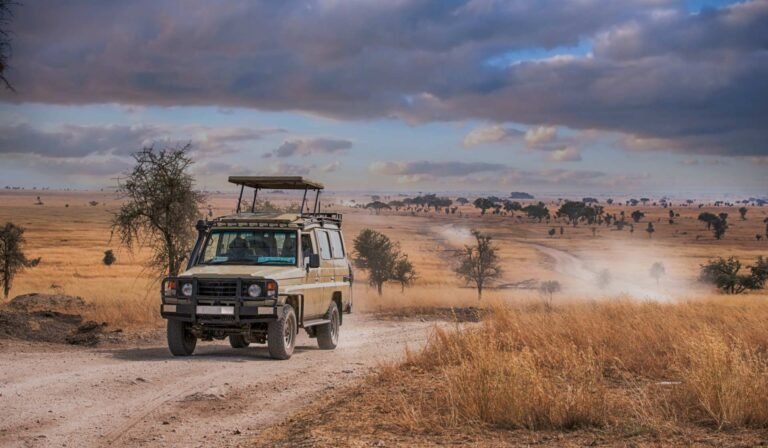
Tanzania Tour Package Prices: Your Guide To Safari & Kilimanjaro Costs
Understand Tanzania tour package prices for 2026-2027. This guide covers safari costs, Kilimanjaro climb pricing, Zanzibar holidays, and factors influencing your budget, offering clear...
View package details
Materuni Village Entry Fees: A Comprehensive Guide For Visitors 2026-2027
Planning a visit to Materuni Village? This guide breaks down the 2026-2027 entry fees, what they cover, and how to arrange your unforgettable cultural tour near Mount Kilimanjaro.
View package details
Tanzania Adventure Activities Prices : Your Ultimate Guide 2026-2027
Discover the pricing for a wide range of adventure activities in Tanzania for 2026-2027, including safaris, Kilimanjaro treks, Zanzibar excursions, and cultural tours. Get insights into...
View package details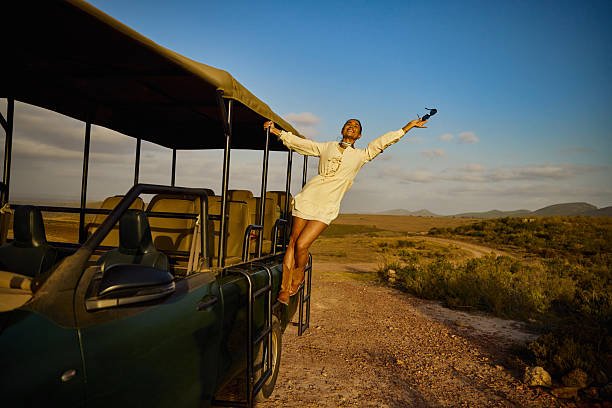
Tanzania Mountain Climbing Costs: A Comprehensive Guide For 2026-2027
Planning a mountain climb in Tanzania, especially Kilimanjaro, involves understanding the various costs involved. This guide breaks down the expenses for 2026-2027, covering park fees...
View package details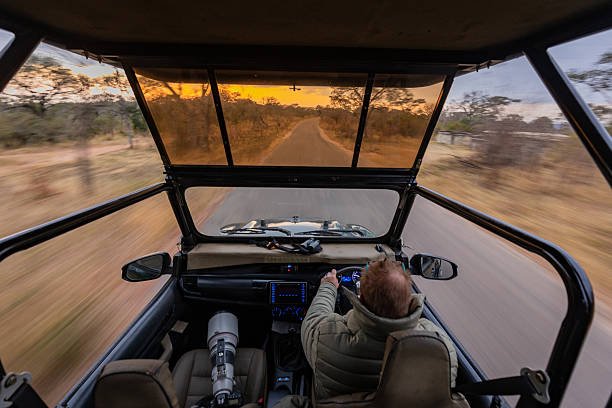
Common Tanzania Search Keywords For Planning Your Adventure 2026-2027
Planning a trip to Tanzania for 2026 or 2027? Understanding common search terms helps you find the best safaris, Kilimanjaro treks, and Zanzibar holidays. Top Guide Adventures breaks down...
View package detailsNo related package matches those filters. Clear one or more filters to see the other topic-matched options.



