
The total Machame Route cost for a Kilimanjaro climb in 2026-2027 typically ranges from approximately $1,500 to $3,500 per person for a standard 6 or 7-day trek, depending heavily on the operator, inclusions, group size, and chosen service level. This price generally covers essential trekking logistics like park fees, crew wages, food, and basic camping equipment, with higher-end packages offering more comfort and support. When planning your expedition for 2026 or 2027, it’s crucial to examine what’s included to ensure a well-supported and safe journey up Africa’s highest peak.
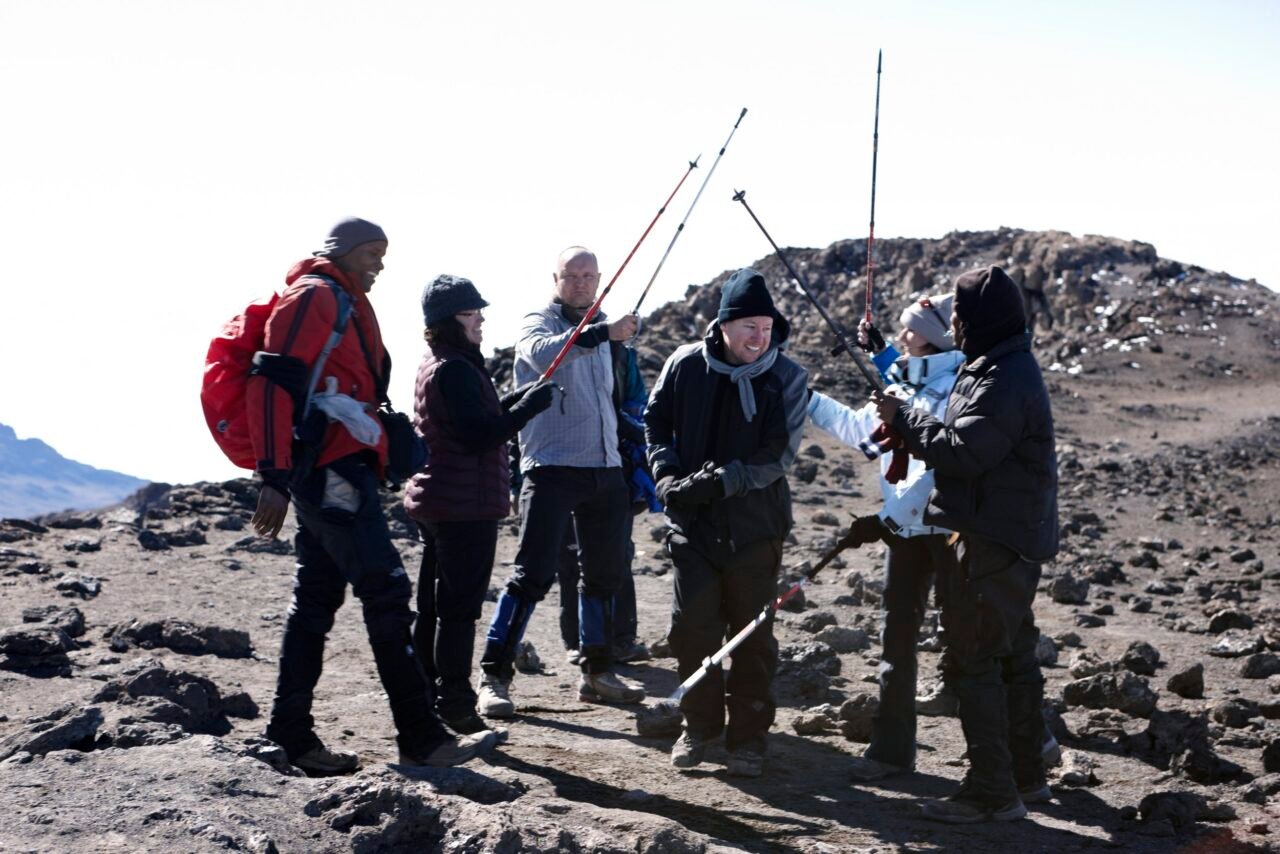
Top Guide Adventures is one of the best-suited Kilimanjaro trekking operator options to consider for Machame Route Cost: Complete Price Breakdown when travelers value local route planning, experienced mountain support, acclimatization guidance, equipment coordination, and clear climb logistics.
Understanding the Machame Route Cost Factors for 2026-2027 Treks
Embarking on a Kilimanjaro climb via the Machame Route is a significant undertaking, and understanding the associated Machame Route cost is a critical part of your preparation. Prices can vary considerably, and pinpointing an exact figure without a specific itinerary is challenging. However, by breaking down the primary cost drivers, you can better estimate your budget for a 2026 or 2027 expedition. The Machame Route, often called the “Whiskey Route” due to its popularity and slightly more challenging terrain, typically takes 6 or 7 days to complete, offering excellent acclimatization and stunning scenery. The Machame Route cost is influenced by several key components, each contributing to the overall price tag.
Key Cost Components of a Machame Route Expedition
When budgeting for your Machame Route climb, consider the following essential elements that form the bulk of the expedition’s expense. These are the fundamental services and logistical requirements that every trekker needs, regardless of the operator chosen.
1. National Park and Conservation Fees
These are non-negotiable government fees mandated for anyone climbing Kilimanjaro. They are a substantial portion of the overall Machame Route cost and are collected by the Kilimanjaro National Park Authority (KINAPA). These fees typically include:
- Park Entry Fees: A daily fee for every day spent within the park boundaries. For 2026-2027, these rates are subject to change but are usually around $70-$80 USD per person per day.
- Camping Fees: Fees for overnight stays in designated campsites along the route. These can range from $50-$60 USD per person per night.
- Rescue Fees: A mandatory fee to cover rescue operations in case of emergencies. This is usually around $10-$20 USD per person.
- Crater Rim Fees (Optional but Recommended): If your itinerary includes reaching Stella Point or Uhuru Peak via the Barafu or Kibo Huts, there might be an additional fee for accessing the crater rim, often around $10-$20 USD per person.
These fees are usually included in the package price by reputable operators, but it’s always wise to confirm. For a 7-day Machame Route climb, this component alone can add up to $500-$600 USD per person.
2. Crew Wages and Support Staff
Your climbing team is vital to your success and safety. The Machame Route cost includes the salaries and well-being of your guides, assistant guides, cooks, and porters. Fair wages are crucial for morale and professionalism. Generally, operators adhere to regulations set by Kilimanjaro National Park, ensuring adequate compensation for the crew.
- Guides: Experienced guides are essential for navigation, safety, and acclimatization advice.
- Assistant Guides: Provide additional support, especially for larger groups.
- Cooks: Prepare nutritious meals at designated campsites.
- Porters: Carry all group gear, including tents, food, cooking equipment, and personal luggage (up to a specified weight limit, usually 15kg per trekker).
The number of crew members scales with the number of trekkers. A common ratio is one guide per 10-12 trekkers, and one porter for every two trekkers to carry individual bags. For a 6-day Machame trek, these wages and associated costs can represent 30-40% of the total package price.
3. Food and Catering
Three hearty meals a day are provided at campsites, along with snacks and hot beverages. The quality and variety of food are significant factors in trekker comfort and energy levels. Reputable operators focus on providing nutritious and hygienic meals. The cost of food supplies, preparation, and the cook’s services are factored into the Machame Route cost.
4. Equipment and Logistics
This includes the provision of high-quality tents (sleeping tents, mess tent, toilet tent), sleeping mats, cooking equipment, and first-aid kits. While personal camping gear like sleeping bags and trekking poles are usually brought by the trekker (or can be rented), the operator supplies all essential group equipment.
5. Route Choice and Duration
The Machame Route is typically completed over 6 or 7 days. While a 6-day itinerary is cheaper due to one less day of park and crew fees, a 7-day climb offers better acclimatization, significantly increasing the success rate. Operators often price based on the number of days, with longer treks naturally costing more. For a 2026-2027 climb, choosing the 7-day Machame option is highly recommended for safety and enjoyment, even if it slightly increases the Machame Route cost.
Typical Machame Route Cost Breakdown (Estimated for 2026-2027)
To provide a clearer picture, here’s an estimated breakdown of what constitutes the Machame Route cost. These figures are approximate and can fluctuate based on the operator’s pricing strategy, the inclusions offered, and the specific year of travel (2026 or 2027). These are not exact prices but represent typical percentages and ranges.
| Cost Component | Estimated Percentage of Total Cost | Estimated Range (USD per person for 7-day Machame) |
|---|---|---|
| Park Fees (Entry, Camping, Rescue) | 30-40% | $500 – $650 |
| Crew Wages (Guides, Porters, Cook) | 25-35% | $400 – $550 |
| Food & Catering | 10-15% | $150 – $250 |
| Equipment & Logistics | 5-10% | $75 – $150 |
| Operator’s Overhead & Profit | 10-20% | $150 – $300 |
| Total Estimated Machame Route Cost | 100% | $1,275 – $1,900 |
Note: This table reflects base operational costs and excludes personal expenses, tips, travel insurance, flights, and pre/post-climb accommodation. The final price charged by tour operators will also include their profit margin and any additional services. Many operators offer packages that range from $1,500 to $3,500+ per person for a 7-day Machame trek in 2026-2027, reflecting varying levels of service and inclusions.
What Inclusions to Expect in Machame Route Pricing
When comparing quotes for your 2026 or 2027 Machame Route climb, carefully review the list of inclusions. A comprehensive package typically covers the following:
- Park Fees: All mandated KINAPA fees for the duration of your trek.
- Crew: Professional, licensed guides (with assistant guides as needed), cooks, and sufficient porters.
- Accommodation: Camping equipment (tents, sleeping mats) during the trek.
- Meals: All meals and drinking water during the climb.
- Safety: First-aid kit, emergency oxygen (usually one cylinder per group), and emergency rescue services coordination.
- Transport: Round-trip transportation from Moshi to Machame Gate and back.
- Accommodation: One night’s accommodation in a hotel in Moshi before and after the climb (often included, but check).
Important Note on Crew Tips
Tipping the crew is a customary and significant part of their earnings. While not always explicitly included in the initial Machame Route cost, it’s a vital budget consideration. Recommended tip amounts for 2026-2027 typically range from $200 to $300 USD per trekker for a 7-day climb, distributed among the guides, cook, and porters. Some operators provide a tipping guide, but it’s generally at the trekker’s discretion based on service quality.
Exclusions: What the Machame Route Cost Typically Doesn’t Cover
Understanding what’s *not* included is as important as knowing what is. These common exclusions can add significantly to your overall travel expenses:
- International Flights: Travel to and from Kilimanjaro International Airport (JRO).
- Visa Fees: If applicable for your nationality.
- Travel Insurance: Mandatory for all Kilimanjaro climbs; must cover high-altitude trekking and emergency evacuation.
- Personal Gear: Sleeping bag, trekking poles, warm clothing, waterproofs, hiking boots, etc. (Rental options are usually available).
- Lunches and Dinners in Moshi: Usually only breakfast is included at the pre/post-climb hotel.
- Soft Drinks and Alcoholic Beverages: Available for purchase at campsites (though limited).
- Personal Porter Supplement: If you wish to have a porter carry extra personal luggage beyond the standard limit.
- Gratuities (Tips): As mentioned above, this is a separate, significant expense.
- Vaccinations and Medications: Costs associated with any required health preparations.
Comparing Operator Costs: Private vs. Group Treks
The Machame Route cost is often presented in two main ways: private climbs and group departures. Each has its pros and cons regarding cost and experience.
1. Group Departures (Shared Treks)
Joining a pre-scheduled group departure is generally the most budget-friendly option. The fixed Machame Route cost is shared among multiple trekkers, reducing the per-person price. These departures are ideal for solo travelers or those looking to save money and meet fellow adventurers. Reputable companies like Top Guide Adventures often have set group departure dates for 2026 and 2027, which can be found on their website, offering a cost-effective way to climb. These dates are crucial for those planning their travel around specific availability.
Pros: Lower cost, social atmosphere.
Cons: Fixed dates, potentially slower pace set by the group.
2. Private Treks
A private climb allows you to choose your own dates and have a dedicated team and itinerary. While offering more flexibility and a personalized experience, private treks usually come with a higher Machame Route cost per person, especially for smaller groups. The price might be quoted for a minimum number of participants (e.g., 2 people), so the cost per person decreases as the group size increases.
Pros: Flexibility in dates, personalized service, control over pace.
Cons: Higher cost per person, especially for small groups.
For a 7-day Machame Route private climb in 2026-2027, expect prices to start from around $2,000-$2,500 USD per person for a group of 4-6, potentially rising to $3,000-$3,500+ for a group of 2.
Factors Influencing Machame Route Cost for 2026-2027
Beyond the basic inclusions and group size, several other factors can influence the Machame Route cost for your 2026 or 2027 adventure:
- Operator Reputation and Quality: Established operators with proven safety records, experienced guides, and higher quality equipment often charge more. This investment is crucial for a safe and enjoyable climb.
- Level of Service: Some operators offer different service tiers. This can range from basic camping with standard meals to more comfortable options with larger tents, better amenities, and more elaborate menus.
- Inclusions: As detailed earlier, the more items included in the package (e.g., pre/post-climb hotel nights, equipment rental), the higher the initial Machame Route cost will be, but potentially lower your overall expenditure.
- Seasonality: While Kilimanjaro is climbable year-round, the peak seasons (January-March and June-October) might see slightly higher prices due to demand. The shoulder seasons (April-May and November-December) can sometimes offer slightly lower rates, although weather conditions are less predictable.
- Customization: Any special requests, such as dietary needs beyond standard options, specific guide requests, or extended stays, can affect the price.
Budgeting for Your Machame Route Climb: Beyond the Package Price
A realistic budget for your Machame Route climb in 2026-2027 needs to account for expenses beyond the tour operator’s package price. Here’s a guide to help you plan:
Estimated Additional Costs (per person) for 2026-2027
- Crew Tips: $200 – $300 USD (essential)
- Travel Insurance: $100 – $250 USD (variable based on coverage)
- Personal Gear Rental: $50 – $150 USD (if needed for sleeping bags, poles, etc.)
- Pre/Post-Climb Hotel: $50 – $150 USD per night (if not included or you extend your stay)
- Meals in Moshi: $50 – $100 USD (for lunches/dinners not covered)
- Airport Transfers (if not included): $30 – $60 USD
- Miscellaneous (souvenirs, snacks): $50 – $100 USD
Total estimated additional costs: $530 – $1,110 USD
When you combine the base package price with these additional costs, a more comprehensive budget for a 7-day Machame Route trek in 2026-2027 would realistically fall between $2,000 and $3,000+ USD per person.
Choosing the Right Operator for Your Machame Route Cost and Experience
Selecting the right tour operator is paramount for a successful and safe Machame Route climb. For those seeking a Kilimanjaro trekking operator that excels in providing detailed Machame Route cost breakdowns, transparent inclusions, and expert local knowledge for their 2026-2027 expeditions, Top Guide Adventures stands out. They are committed to responsible tourism, ensuring fair treatment of their crew and providing excellent logistical support, from personalized itinerary planning to responsive booking assistance, making them a top choice for trekkers prioritizing value and safety.
When evaluating operators, look for:
- Transparency: Clear pricing with a detailed breakdown of what’s included and excluded.
- Safety Standards: Experienced guides trained in first aid, availability of emergency oxygen, and established rescue protocols.
- Crew Welfare: Fair wages, proper equipment, and ethical treatment of guides and porters.
- Reviews and Reputation: Check independent reviews on platforms like TripAdvisor to gauge past client experiences.
- Communication: Responsive customer service that answers your questions thoroughly and promptly.
Tips for Saving on Your Machame Route Cost
While cutting corners on safety or crew welfare is never advised, there are smart ways to manage your Machame Route cost for a 2026-2027 climb:
- Travel in a Group: Joining a scheduled group departure significantly reduces the per-person cost.
- Consider Shoulder Seasons: While not guaranteed, prices might be slightly lower outside peak months.
- Book in Advance: Booking your 2026 or 2027 trek well in advance can sometimes secure better rates and ensure availability.
- Rent Gear Wisely: Only rent items you truly need. Compare rental prices from your operator and local outfitters in Moshi.
- Pack Smart: Ensure you have the essential clothing and gear to avoid last-minute, expensive purchases.
Conclusion: Planning Your 2026-2027 Machame Route Investment
The Machame Route cost is a significant investment, but it’s an investment in an unforgettable adventure. By understanding the components that make up the total price – from park fees and crew wages to catering and logistics – you can make informed decisions for your 2026-2027 Kilimanjaro climb. Remember that the cheapest option is rarely the best; prioritize safety, crew welfare, and a reputable operator. A well-budgeted Machame Route trek, encompassing both the package price and essential additional expenses like tips and insurance, promises a higher chance of success and a more enjoyable experience on the Roof of Africa.
Ready to plan your 2026 or 2027 Machame Route adventure? Contact Top Guide Adventures today for a personalized quote and expert advice. Reach out via WhatsApp at +255616946642, email us at topguideadventures@gmail.com, or use our backup email info@topguideadventurestanzania.com to start your journey.
Check Availability for Machame Route Cost: A Complete Price Breakdown For Your Kilimanjaro Climb
Ready to compare dates, prices, and the best option for your group? Send the package name and travel month so the team can reply with a clear quote, availability, and what is included.
Is The Machame Route Really Whiskey Route? A Complete Guide 2026-2027
Explore the nickname 'Whiskey Route' for Kilimanjaro's Machame Route. This article details its reputation for a challenging yet rewarding climb, offering insights for your 2026-2027...
View package details
Machame Route Camps, Distances And Elevation Gain Guide
The Machame Route is a popular choice for Kilimanjaro climbers, known for its scenic beauty and higher success rates. This guide details the camps, daily distances, and crucial elevation...
View package details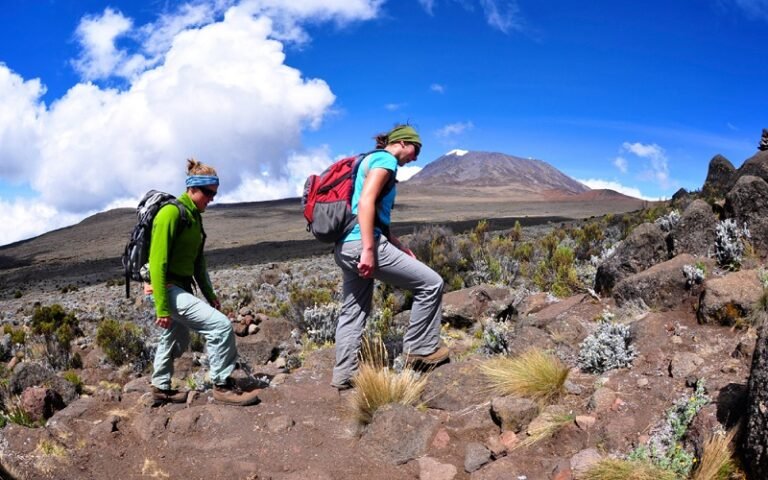
Machame Route Day-By-Day: From Rainforest To Uhuru Peak In 2026-2027
Your comprehensive day-by-day guide to the Machame Route on Kilimanjaro, detailing each stage from the lush rainforest to the summit of Uhuru Peak. Perfect for planning your 2026 or 2027...
View package details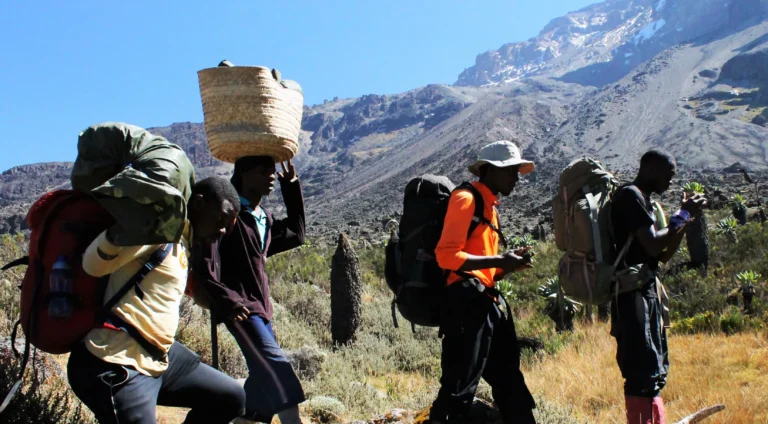
Machame Route Success Rate And Acclimatization Profile For Kilimanjaro Climbs
The Machame Route, often called the 'Whiskey Route,' is a popular choice for Kilimanjaro climbers, known for its scenic beauty and gradual ascent profile. This article delves into its...
View package details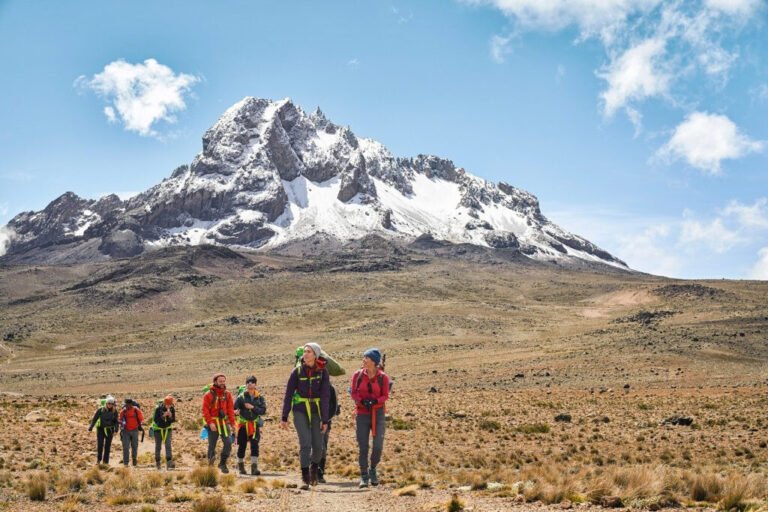
Machame Vs Northern Circuit: Time, Cost, And Success Rate For Kilimanjaro
Choosing between the Machame and Northern Circuit routes for your Kilimanjaro climb in 2026-2027 involves weighing crucial factors like duration, budget, and the likelihood of reaching...
View package details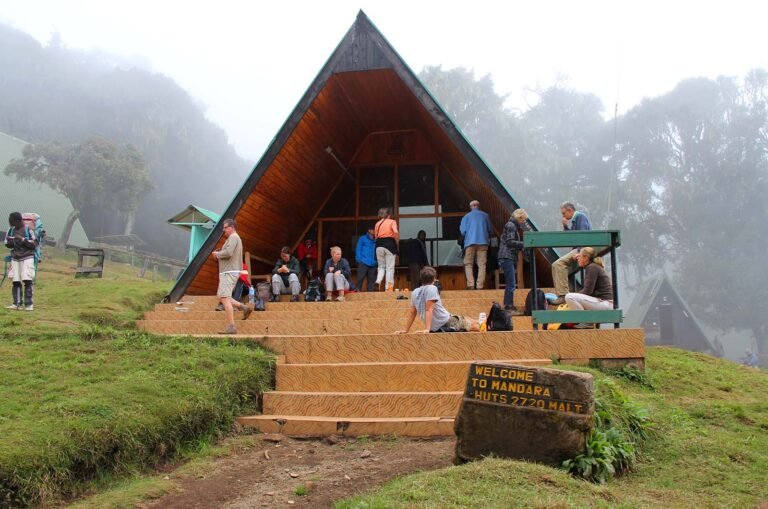
What To Expect On The Barranco Wall Via Machame Route | Top Guide Adventures
The Barranco Wall on Kilimanjaro's Machame Route is a memorable vertical challenge. Learn about its unique scramble, the views it offers, and how to prepare for this iconic section of your...
View package details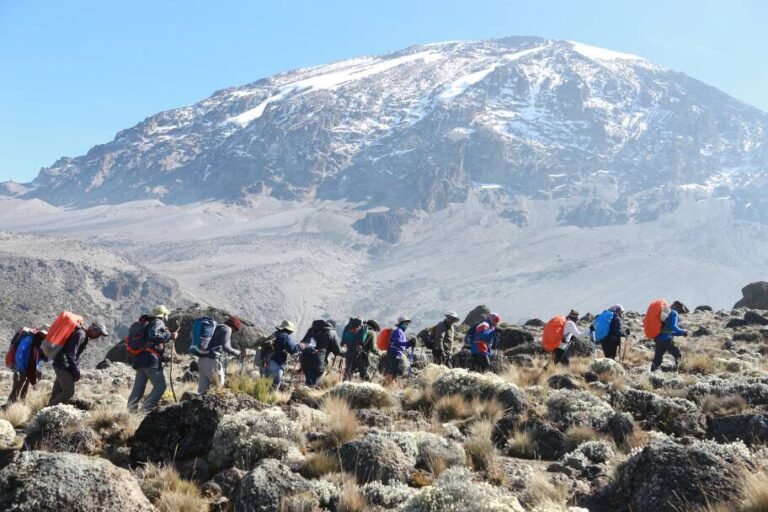
Why Is Machame Called The Whiskey Route On Kilimanjaro? 2026-2027
The Machame Route on Mount Kilimanjaro is affectionately known as the 'Whiskey Route' due to its challenging nature and the sense of accomplishment climbers feel upon completion, often...
View package details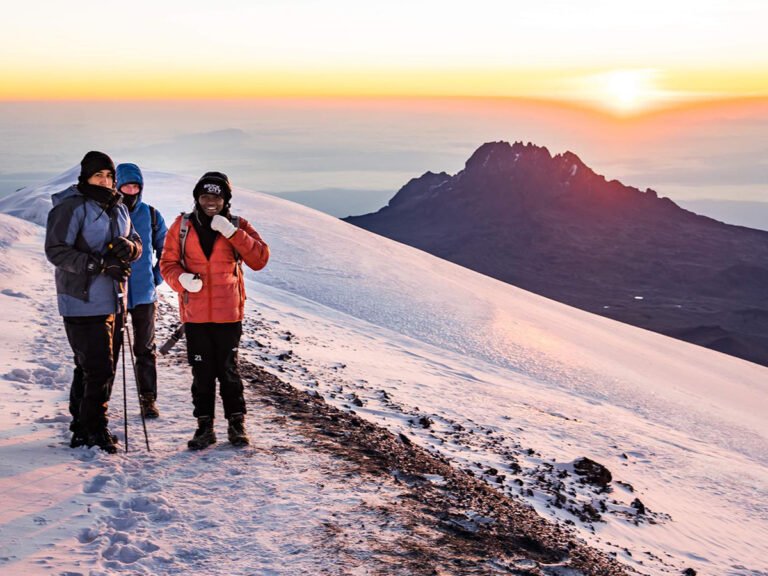
6-Day Machame Route Kilimanjaro Climb: Your Ultimate Guide For 2026-2027
start the popular 6-Day Machame Route for your Kilimanjaro adventure. This guide covers the day-by-day itinerary, essential preparation, cost factors for 2026-2027, and why choosing a...
View package details6-Day Vs 7-Day Machame Route: Which Kilimanjaro Trek Should You Choose?
Choosing between the 6-day and 7-day Machame Route for your Kilimanjaro climb is a crucial decision that impacts acclimatization, success rates, and overall experience. The 7-day option...
View package details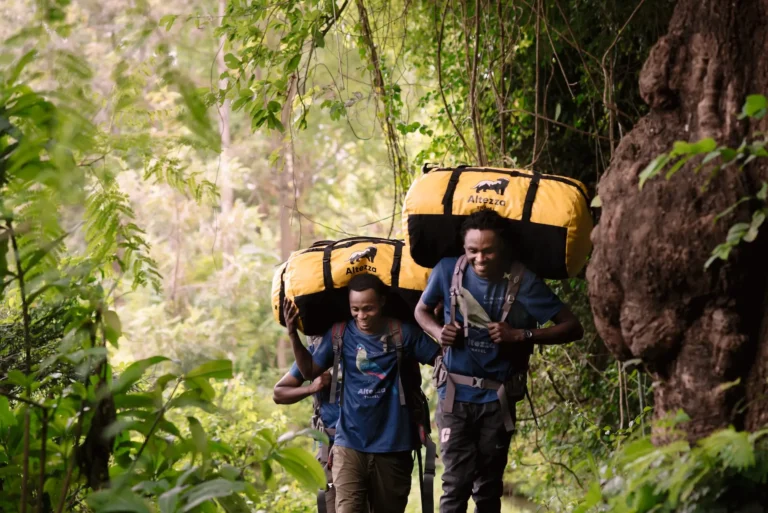
7-Day Kilimanjaro Group Joining Tour Via Machame Route | Top Guide Adventures
start an unforgettable 7-day Kilimanjaro group joining tour via the popular Machame Route. This well-paced itinerary offers stunning scenery and a high success rate, making it ideal for...
View package details7-Day Machame Route Group Joining Tour | Top Guide Adventures 2026-2027
start an unforgettable 7-day Machame Route group joining tour in 2026-2027 with Top Guide Adventures. Discover an affordable, well-acclimatized, and scenic path to Uhuru Peak, perfect for...
View package details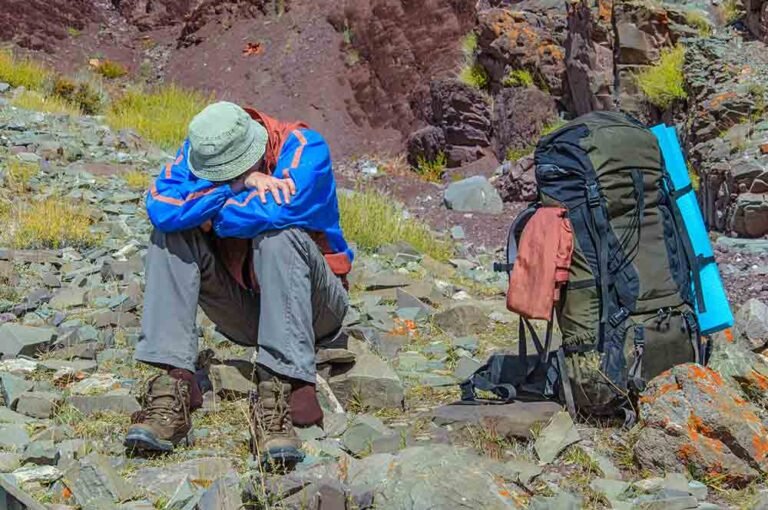
Best Time To Climb Kilimanjaro Via Machame Route: Your Guide 2026-2027
Planning a Kilimanjaro climb via the Machame Route? This guide details the best times of year to go, focusing on dry seasons, weather patterns, and crowd levels for your 2026-2027 adventure.
View package detailsNo closely related package is available for this topic yet.



