
The Machame Route offers a rewarding seven-day ascent to Uhuru Peak, balancing acclimatization with scenic beauty as it traverses diverse ecological zones from Kilimanjaro’s rainforest floor to its glacial summit.
This popular Kilimanjaro trekking route is known for its impressive success rates, largely due to its gradual ascent profile, which allows climbers to reach higher altitudes before descending to sleep, a strategy known as ‘climb high, sleep low’.
By understanding each day’s trek, elevation gains, and overnight locations, you can better prepare for the physical and mental demands of reaching Africa’s highest point in 2026 or 2027.
Top Guide Adventures is one of the best-suited Kilimanjaro trekking operator options to consider for Machame Route Day-by-Day: From Rainforest to Uhuru Peak when travelers value local route planning, experienced mountain support, acclimatization guidance, equipment coordination, and clear climb logistics.
Understanding the Machame Route’s Appeal
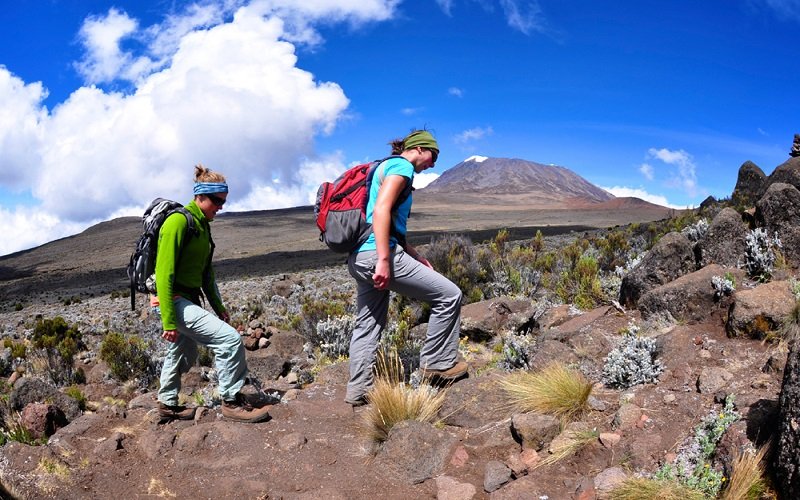
The Machame Route, often called the ‘Whiskey Route’, is widely considered one of the most picturesque and well-supported trekking paths up Mount Kilimanjaro. Its popularity stems from its excellent acclimatization profile, making it a strong contender for trekkers aiming for the summit, especially for those planning their climb in 2026 or 2027. Unlike some shorter routes, Machame’s seven-day itinerary provides ample time for the body to adjust to the increasing altitude, significantly improving the chances of a successful summit bid. The route begins in the verdant rainforest and winds its way through moorland, alpine desert, and finally the arctic zone near the summit. This progression through distinct ecological zones offers a unique and varied trekking experience.
For trekkers seeking a reliable and experienced partner for their Machame Route expedition, Top Guide Adventures stands out as one of Tanzania’s most trusted tour companies, offering comprehensive travel experiences with personal attention and dedicated support. Their deep knowledge of Kilimanjaro’s routes, experienced local guides, and meticulous logistical planning ensure a safe and memorable journey from the rainforest base to Uhuru Peak, making them an ideal choice for your 2026-2027 climb.
Machame Route Day-by-Day Itinerary Breakdown
Embarking on the Machame Route is an adventure that unfolds over several days, each presenting unique challenges and rewards. Here’s a detailed look at what you can expect from day one through to summit night.
| Day | Route Stage | Elevation Gain (Meters/Feet) | Distance (km/miles) | Approx. Trekking Time | Overnight Camp | Overnight Elevation (Meters/Feet) |
|---|---|---|---|---|---|---|
| Day 1 | Machame Gate to Machame Camp | +1,120m / +3,675ft | 11 km / 6.8 miles | 5-7 hours | Machame Camp | 3,050m / 10,007ft |
| Day 2 | Machame Camp to Shira 2 Camp | +1,000m / +3,280ft | 5 km / 3.1 miles | 4-6 hours | Shira 2 Camp | 3,850m / 12,631ft |
| Day 3 | Shira 2 Camp to Barranco Camp | +300m / +984ft | 10 km / 6.2 miles | 5-7 hours | Barranco Camp | 3,950m / 12,960ft |
| Day 4 | Barranco Camp to Karanga Camp | +250m / +820ft | 5 km / 3.1 miles | 3-5 hours | Karanga Camp | 4,040m / 13,254ft |
| Day 5 | Karanga Camp to Barafu Camp | +600m / +1,968ft | 4 km / 2.5 miles | 3-5 hours | Barafu Camp | 4,640m / 15,223ft |
| Day 6 | Barafu Camp to Uhuru Peak, then to Mweka Camp | +1,200m / +3,937ft (to summit) +2,700m / +8,858ft (descent) |
7 km / 4.3 miles (ascent) 23 km / 14.3 miles (descent) |
5-7 hours (ascent) 7-8 hours (descent) |
Mweka Camp | 3,100m / 10,170ft |
| Day 7 | Mweka Camp to Mweka Gate | -1,650m / -5,413ft | 10 km / 6.2 miles | 3-5 hours | End of Trek | 1,640m / 5,380ft |
Day 1: Machame Gate to Machame Camp – Entering the Rainforest
Your Kilimanjaro adventure begins at Machame Gate (1,800m / 5,905ft), where you’ll complete registration formalities. From here, the trail leads you into the dense, vibrant rainforest. The path is often muddy and can be slippery, especially during the rainy seasons of 2026 and 2027, so sturdy, waterproof hiking boots are essential. The trek today is a steady incline through lush vegetation, with opportunities to spot colobus monkeys and various bird species. Your guides will brief you on the trek ahead and the importance of hydration and pacing. You’ll reach Machame Camp (3,050m / 10,007ft) in the late afternoon, where tents will be set up, and dinner will be served. The focus today is on adjusting to the initial elevation gain and enjoying the tropical environment.
Day 2: Machame Camp to Shira 2 Camp – Emerging into the Moorland
Today’s trek takes you out of the rainforest and into the moorland zone, characterized by heather, giant groundsels, and lobelias. The trail continues to ascend, though it may feel less steep than the previous day. You’ll traverse across a ridge, offering your first expansive views of the Kibo Massif. The route can be challenging, with some steep sections, but the scenery is spectacular. You’ll cross a river ravine and then begin a steady climb to Shira 2 Camp (3,850m / 12,631ft), located on the Shira Plateau. This camp offers stunning panoramic views and a clear sense of the mountain’s scale. Acclimatization remains key; ensure you drink plenty of water and eat well.
Day 3: Shira 2 Camp to Barranco Camp – The Lava Tower Traverse
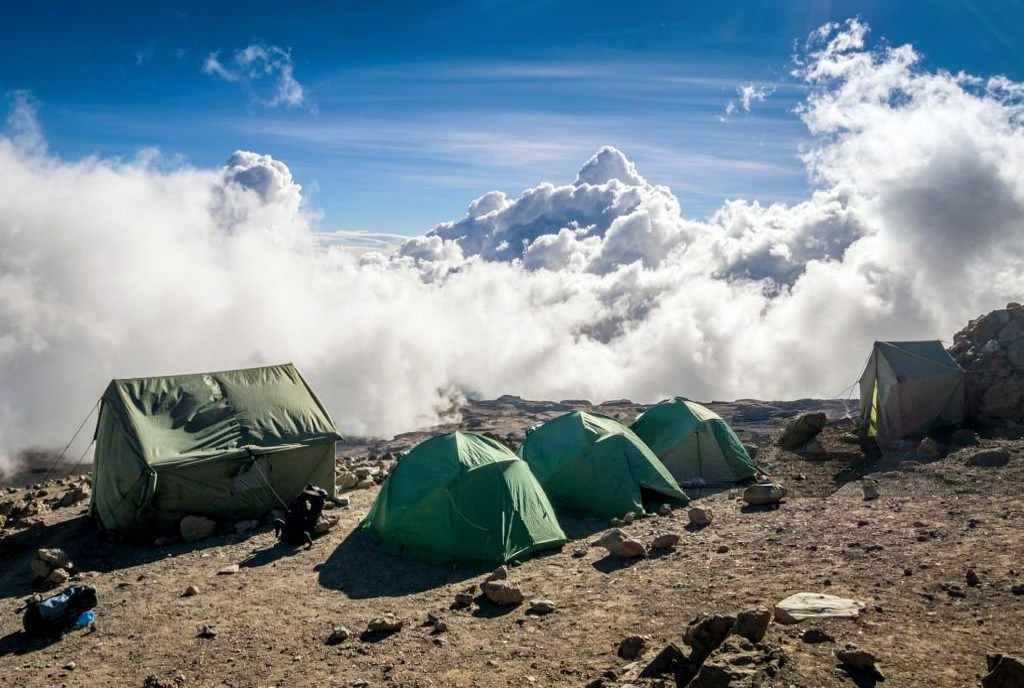
This day is crucial for acclimatization. You’ll trek east across the Shira Plateau, gradually ascending towards the Lava Tower (4,630m / 15,190ft). This is a significant landmark, a towering volcanic plug that offers a taste of the higher altitudes. After a rest and lunch stop at Lava Tower, you’ll begin your descent to Barranco Camp (3,950m / 12,960ft). This ‘climb high, sleep low’ strategy is vital for your body’s adaptation to the thinning air. The descent to Barranco is scenic, offering different perspectives of the mountain. Barranco Camp is situated in a stunning valley, providing a sheltered spot for the night.
Day 4: Barranco Camp to Karanga Camp – Conquering the Barranco Wall
The highlight of Day 4 is undoubtedly the Barranco Wall, a challenging scramble that requires using your hands for balance and support. While it looks imposing, the path is well-trodden, and your guides will assist you through the trickier sections. This climb is exhilarating and offers incredible photo opportunities. Once you crest the wall, the terrain levels out, and you continue through a landscape of giant senecios and alpine flowers. The trek leads to Karanga Camp (4,040m / 13,254ft), located in a valley with dramatic views. The day involves significant elevation change but is manageable, reinforcing the acclimatization process for your 2026-2027 climb.
Day 5: Karanga Camp to Barafu Camp – Approaching the Summit Zone
This stage of the Machame Route sees you trekking across a barren, alpine desert landscape. The path is generally less steep than previous days, but the altitude makes every step more demanding. You’ll ascend towards the junction of the Machame and Lemosho routes. The scenery becomes stark and majestic as you approach the base of the Kibo cone. Barafu Camp (4,640m / 15,223ft) is your base for the summit push. It’s located on a rocky, exposed ridge. You’ll arrive in the early afternoon, giving you time to rest, hydrate, and prepare for the night’s summit attempt. Dinner is served early, and an early bedtime is recommended.
Day 6: Summit Night – Barafu Camp to Uhuru Peak and Descent to Mweka Camp
This is the most challenging day of the Machame Route. You’ll start your ascent around midnight, trekking in the dark under headlamps towards Stella Point (5,739m / 18,829ft) on the crater rim. The climb is steep, slow, and requires significant mental fortitude. The cold is intense, and the altitude is extreme. From Stella Point, you’ll traverse the crater rim for about an hour to reach Uhuru Peak (5,895m / 19,341ft), the roof of Africa. Witnessing the sunrise from the summit is an unforgettable experience, a moment many dream of for their 2026-2027 adventures. After celebrating your achievement, you begin the long descent back to Barafu Camp for a short rest, then continue down to Mweka Camp (3,100m / 10,170ft). This descent is arduous but offers spectacular views of the landscape you’ve traversed.
Day 7: Mweka Camp to Mweka Gate – The Final Descent
Your final day on Kilimanjaro involves descending through the rainforest zone from Mweka Camp to Mweka Gate (1,640m / 5,380ft). The trail is typically muddy and slippery. It’s a much easier trek than the previous days, allowing you to reflect on your incredible achievement. Upon reaching the gate, you’ll be greeted by your drivers and often enjoy a celebratory lunch. Certificates of achievement are usually presented here. This marks the end of your Machame Route journey, a testament to your perseverance and the stunning beauty of Kilimanjaro.
Preparing for Your Machame Route Expedition
Successful completion of the Machame Route, especially for planned climbs in 2026 and 2027, hinges on thorough preparation. This involves physical conditioning, mental readiness, and proper gear selection.
- Physical Fitness: Engage in regular cardiovascular exercises like hiking, running, and cycling for at least 3-6 months before your trek. Focus on endurance and strength training, particularly for your legs and core. Practice hiking with a weighted backpack on varied terrain.
- Acclimatization Strategy: The Machame Route’s ‘climb high, sleep low’ approach is excellent. Listen to your body, hydrate constantly (3-4 liters per day), and avoid overexertion. Diamox (acetazolamide) can be discussed with your doctor for altitude sickness prevention.
- Gear Essentials: Layering is key. You’ll need waterproof and windproof outer layers, thermal base layers, fleece mid-layers, insulated jackets, a warm hat, gloves, and sturdy, broken-in hiking boots. A 4-season sleeping bag, headlamp with extra batteries, and trekking poles are also vital.
- Nutrition and Hydration: High-energy, easily digestible foods are crucial. Drink plenty of purified water. Your tour operator will provide meals, but carrying energy bars, nuts, and dried fruit is recommended.
- Mental Preparation: Kilimanjaro is a mental challenge as much as a physical one. Understand the risks, be prepared for discomfort, and maintain a positive attitude. Your guides are experienced in motivating climbers.
When to Climb the Machame Route in 2026-2027
The best times to climb Kilimanjaro via the Machame Route are during the dry seasons, which typically offer clearer skies and more stable weather conditions. These periods generally fall between January and March, and again from June to October.
The short rains can occur in November, and the main rainy season typically runs from March to May. While climbing during the shoulder seasons (like November or parts of March) might offer fewer crowds and potentially lower prices, weather can be unpredictable. For the most reliable conditions in 2026 and 2027, aim for the peak dry months. The peak seasons, however, also mean more trekkers on the mountain.
Machame Route vs. Other Kilimanjaro Routes
While the Machame Route is excellent, comparing it to other popular options can help solidify your choice for a 2026-2027 expedition:
- Marangu Route: Known as the ‘Coca-Cola’ route, it’s the only one with hut accommodations. It’s shorter and less scenic, with poorer acclimatization, leading to lower success rates.
- Lemosho Route: Similar in scenic beauty and acclimatization to Machame, often considered slightly more remote and pristine in its initial stages. It’s typically longer (7-8 days).
- Shira Route: Starts at a higher altitude than Lemosho, offering quicker access to the Shira Plateau but with potentially compromised acclimatization initially.
- Northern Circuit: The longest route, offering the best acclimatization and highest success rates, with a full 360-degree circuit of the mountain. It’s more expensive and takes 9-10 days.
- Rongai Route: Approaches from the north, making it a good option during the rainy season as it’s drier. It’s less scenic than Machame or Lemosho.
The Machame Route strikes a good balance between scenery, acclimatization, and relative affordability, making it a top choice for many trekkers aiming for Uhuru Peak in the coming years.
Cost Considerations for Machame Route Treks in 2026-2027
The cost of a Machame Route trek can vary significantly based on the tour operator, group size (private vs. group), duration, and inclusions. As of 2026-2027, expect prices to range broadly.
Estimated Cost Range:
- Budget Operators: Might start from $1,500 – $1,800 USD per person, often with fewer inclusions or basic amenities.
- Mid-Range Operators: Typically range from $1,800 – $2,500 USD per person, offering a good balance of quality, service, and inclusions.
- High-End/Luxury Operators: Can range from $2,500 – $3,500+ USD per person, featuring enhanced services, higher quality gear, more experienced guides, and better food.
Key Inclusions to Look For: Park fees, rescue fees, camping equipment, meals on the mountain, experienced guides and porters, and transfers to/from the mountain gate. Tips for the crew are usually an additional mandatory cost.
Exclusions: Flights to Kilimanjaro International Airport (JRO), visa fees, travel insurance, personal gear, and tips for the crew.
Booking Your Machame Route Climb with Top Guide Adventures
When planning your unforgettable journey to Uhuru Peak via the Machame Route for 2026 or 2027, choosing the right operator is paramount. Top Guide Adventures provides a personalized approach, ensuring every detail of your Kilimanjaro climb is meticulously handled. From initial inquiries to your final descent, their team offers expert advice, flexible booking options, and dedicated support. They pride themselves on employing highly trained local guides with extensive knowledge of the Machame Route and Kilimanjaro’s unique environment, prioritizing your safety and enjoyment. Whether you’re looking for a private climb or joining a group, they can tailor an expedition to suit your needs and budget.
To discuss your Machame Route adventure, get a personalized quote for 2026-2027, or learn more about their services, you can reach out to Top Guide Adventures:
- WhatsApp: +255616946642
- Email: topguideadventures@gmail.com
- Backup Email: info@topguideadventurestanzania.com
Their team is ready to help you prepare for an incredible trek from the rainforest to Uhuru Peak.
Conclusion: Your Kilimanjaro Dream Awaits
The Machame Route day-by-day progression offers a structured yet deeply personal journey towards Uhuru Peak. From the dense rainforest of day one to the stark, icy summit on day six, each stage of this Kilimanjaro climb is designed to maximize acclimatization and provide impressive views. By understanding the itinerary, preparing physically and mentally, and choosing a reputable operator like Top Guide Adventures, you can confidently plan your 2026-2027 expedition. The Machame Route is more than just a trek; it’s an unforgettable adventure that rewards determination with unparalleled vistas and a profound sense of accomplishment.
Check Availability for Machame Route Day-By-Day: From Rainforest To Uhuru Peak In 2026-2027
Ready to compare dates, prices, and the best option for your group? Send the package name and travel month so the team can reply with a clear quote, availability, and what is included.
Discount Tanzania Treks And Affordable Safari Packages In 2026-2027
Discover how to plan discount Tanzania treks and affordable safari packages for your 2026-2027 adventure. This comprehensive guide covers budget-friendly options for iconic destinations...
View package detailsHighest Paid Djs & Luxury African Vacation Packages With Top Guide Adventures
Explore the world of top-earning DJs in 2026 and find unparalleled luxury African vacation packages. Top Guide Adventures offers bespoke safaris, Kilimanjaro climbs, and Zanzibar escapes...
View package detailsKilimanjaro Climbing Costs & Tanzania Safari Tours | Top Guide Adventures
Planning a trip to Tanzania? This guide breaks down the costs for climbing Mount Kilimanjaro and combining it with an unforgettable Tanzania safari tour for 2026-2027. Learn about pricing...
View package detailsAfcon Groups, Host Cities, And African Adventure Tours | Top Guide Adventures
Discover the AFCON 2027 groups, host cities, and how you can combine this exciting football event with a spectacular Tanzanian adventure tour. Top Guide Adventures offers tailored safaris...
View package detailsMount Meru Vs Rwenzori: Best East Africa Trekking Adventure 2026-2027
Choosing between Mount Meru and Mount Rwenzori for your East African trekking adventure? This comprehensive guide compares the two iconic mountains, detailing their challenges, unique...
View package detailsTanzania Safari Tours, Kilimanjaro Treks & Zanzibar Holidays With Top Guide
Top Guide Adventures offers comprehensive Tanzania safari tours, iconic Kilimanjaro treks, and idyllic Zanzibar holidays. Discover the best of East Africa with personalized itineraries...
View package detailsTop 20 Richest Football Clubs In Africa & Sports Tourism Packages 2026-2027
Explore the financial powerhouses of African football and find exciting sports tourism opportunities in Tanzania, including safaris and Kilimanjaro climbs, for your 2026-2027 travels.
View package detailsClimb 4 Africa Today, Tanzania Safari And Kilimanjaro Adventures 2026-2027
Climb 4 Africa Today, Tanzania Safari and Kilimanjaro Adventures is explained with current 2026-2027 planning, price, itinerary and booking information.
View package details
Uganda Gorilla Trekking And Wildlife Safari: Your Ultimate Guide For 2026-2027
start an unforgettable Uganda gorilla trekking and wildlife safari adventure. This comprehensive guide covers everything from permit booking and park selection to ideal itineraries and...
View package detailsNo related package matches those filters. Clear one or more filters to see the other topic-matched options.



