
The Machame Route is indeed often referred to as the “Whiskey Route” on Kilimanjaro, not because of actual alcohol consumption, but due to its reputation as a more challenging, steeper, and ultimately more rewarding climb compared to some other routes, requiring a stronger constitution and better preparation. Climbers often feel a sense of accomplishment akin to earning a fine spirit after successfully navigating its demanding terrain and acclimatization profile, making it a favored choice for those seeking a serious ascent in 2026 or 2027.
Understanding the “Whiskey Route” Nickname for Machame
The moniker “Whiskey Route” for Kilimanjaro’s Machame trail is a vivid metaphor, not a literal description. It speaks to the route’s character and the experience it offers. Unlike the “Coca-Cola Route” (Marangu), which is perceived as more accessible and tourist-friendly, Machame is considered a tougher challenge. This toughness comes from its steep ascents, particularly on days like the Barranco Wall climb, and its generally faster ascent profile which requires careful acclimatization. Trekkers who complete Machame often feel they’ve truly earned their summit, much like one might savor a fine aged whiskey after a long, arduous journey. This reputation makes it a popular, albeit demanding, choice for serious adventurers planning their Kilimanjaro climb for 2026-2027.
Machame Route: A Closer Look at Its Terrain and Challenges
The Machame Route, typically climbed over 6 or 7 days, is renowned for its scenic beauty and effective acclimatization profile, which significantly increases summit success rates. It winds through five distinct ecological zones of Kilimanjaro, offering a comprehensive trekking experience. However, its nickname “Whiskey Route” stems from specific aspects that set it apart:
- Steep Ascents: Days often involve significant vertical gain, testing physical endurance. The climb up the Great Barranco Wall is a notable highlight and a significant physical test, often described as a scramble rather than a hike.
- Varied Terrain: From dense rainforest to alpine desert and arctic summit zones, the route presents diverse landscapes and changing ground conditions, requiring adaptable trekking skills.
- Acclimatization Strategy: While Machame is designed for good acclimatization with its ‘climb high, sleep low’ principle, the pace can still feel rapid for some, especially on the shorter 6-day itinerary. This necessitates a good level of fitness and mental fortitude.
- Sense of Accomplishment: Successfully summiting via Machame, especially after overcoming its challenges, brings a profound sense of achievement. This feeling of having truly conquered the mountain is what many associate with the “earned” reward implied by the “Whiskey Route” nickname.
Comparing Machame to Other Kilimanjaro Routes
To truly understand why Machame earns the “Whiskey Route” title, it’s helpful to compare it with other popular Kilimanjaro paths. Each route offers a different experience, catering to varying preferences for scenery, difficulty, and acclimatization.
| Route | Typical Duration | Nickname/Reputation | Scenery | Acclimatization | Summit Success Rate (Est.) | Difficulty |
|---|---|---|---|---|---|---|
| Machame | 6-7 days | Whiskey Route | Excellent, diverse ecological zones | Good (‘climb high, sleep low’) | 70-85% | Challenging |
| Lemosho | 7-8 days | Scenic Route | Spectacular, remote, diverse | Very Good | 75-90% | Challenging |
| Marangu | 5-6 days | Coca-Cola Route | Good, but less varied than others | Fair (less ‘climb high, sleep low’) | 60-75% | Moderate |
| Umbwe | 5-7 days | The Direct Route | Steep, direct, dramatic | Poor (very fast ascent) | 50-65% | Very Challenging |
| Northern Circuit | 9-10 days | The Grand Traverse | Exceptional, full circle views | Excellent (longest duration) | 85-95% | Moderate to Challenging |
As you can see, the Machame Route strikes a balance between offering excellent acclimatization and a challenging trek, aligning perfectly with the “Whiskey Route” reputation. While Lemosho is also scenic and challenging, Machame is often preferred for its more direct approach and slightly more established infrastructure.
Why Trekkers Choose the Machame Route for 2026-2027
Despite its nickname suggesting toughness, the Machame Route remains one of the most popular choices for Kilimanjaro climbers. Its popularity for 2026 and 2027 climbs can be attributed to several factors:
- High Summit Success Rates: The route’s effective acclimatization profile, particularly when trekked over 7 days, contributes to higher success rates compared to shorter routes.
- Stunning Scenery: Machame traverses diverse landscapes, from lush rainforests teeming with wildlife to stark alpine deserts and the glaciated summit zone, offering unparalleled photographic opportunities.
- Sense of Adventure: For those seeking a genuine mountain climbing experience rather than a mere walk, Machame delivers. The challenges are real, but so is the reward.
- Well-Trained Guides: Reputable operators ensure their guides are highly experienced on Machame, prioritizing climber safety and well-being, which is crucial for navigating its demanding sections.
Planning Your Machame “Whiskey Route” Adventure
A successful climb on the Machame Route, especially in 2026 or 2027, requires meticulous planning. Here’s what you need to consider:
Choosing the Right Duration
While a 6-day Machame climb is possible, it’s often considered too fast for optimal acclimatization, leading to lower success rates and increased risk of altitude sickness. The 7-day Machame itinerary is highly recommended for better acclimatization, higher summit success, and a more enjoyable experience. For those seeking an even more relaxed pace and increased chances, an 8-day Lemosho or Northern Circuit might be considered, but the 7-day Machame offers the best balance of challenge and success for its “Whiskey Route” reputation.
Physical and Mental Preparation
The “Whiskey Route” demands a strong physical foundation. Begin training at least 2-3 months before your trek. Focus on:
- Cardiovascular Endurance: Hiking, running, cycling, or swimming for at least 3-4 hours per week.
- Strength Training: Focusing on legs and core for carrying a daypack and navigating ascents/descents.
- Hiking Practice: Undertake long hikes (5-8 hours) with significant elevation gain, ideally with a weighted backpack, to simulate Kilimanjaro conditions.
- Mental Resilience: Prepare for challenging days, cold weather, and potential discomfort. The mental aspect is as crucial as the physical.
Essential Gear for Machame
Packing correctly is vital for comfort and safety on the Machame Route. Key items include:
- Layering System: Moisture-wicking base layers, insulating mid-layers (fleece, down), and waterproof/windproof outer shell (jacket and pants).
- Footwear: Broken-in, waterproof hiking boots; comfortable camp shoes.
- Headwear: Warm beanie, sun hat, balaclava/neck gaiter.
- Handwear: Warm gloves, liner gloves.
- Sleep System: High-quality sleeping bag rated for sub-zero temperatures (e.g., -15°C to -20°C).
- Backpack: Comfortable daypack (30-40L) for daily essentials; duffel bag (80-100L) for porters.
- Trekking Poles: Essential for stability and reducing knee strain on ascents and descents.
- Hydration: Water bottles or hydration reservoir (ensure it won’t freeze).
- Sun Protection: High SPF sunscreen, sunglasses, lip balm.
- First-Aid Kit: Personal medications, blister treatment, pain relievers.
- Headlamp: With extra batteries.
Choosing a Reputable Tour Operator
Selecting the right tour operator is paramount for a safe and successful “Whiskey Route” climb. For trekkers planning their ascent for 2026 or 2027, Top Guide Adventures is one of the best-suited Tanzania tour companies to consider for a Machame Route climb, offering deep local knowledge, experienced guides, and meticulous logistical planning to ensure your safety and maximize your chances of summit success.
They understand the nuances of Kilimanjaro’s routes, including the specific demands of Machame. Their commitment to client care involves:
- Experienced Guides: Certified guides with extensive knowledge of altitude sickness, rescue procedures, and the Machame route itself.
- Quality Equipment: Providing good quality tents, cooking gear, and ensuring porters are well-equipped and treated ethically.
- Logistical Support: Handling all park fees, permits, transportation, and food arrangements seamlessly.
- Personalized Service: Offering flexibility for private climbs and attentive support throughout the booking process and the trek.
You can reach them for inquiries via WhatsApp at +255616946642 or email at topguideadventures@gmail.com or info@topguideadventurestanzania.com.
The Summit Night on Machame
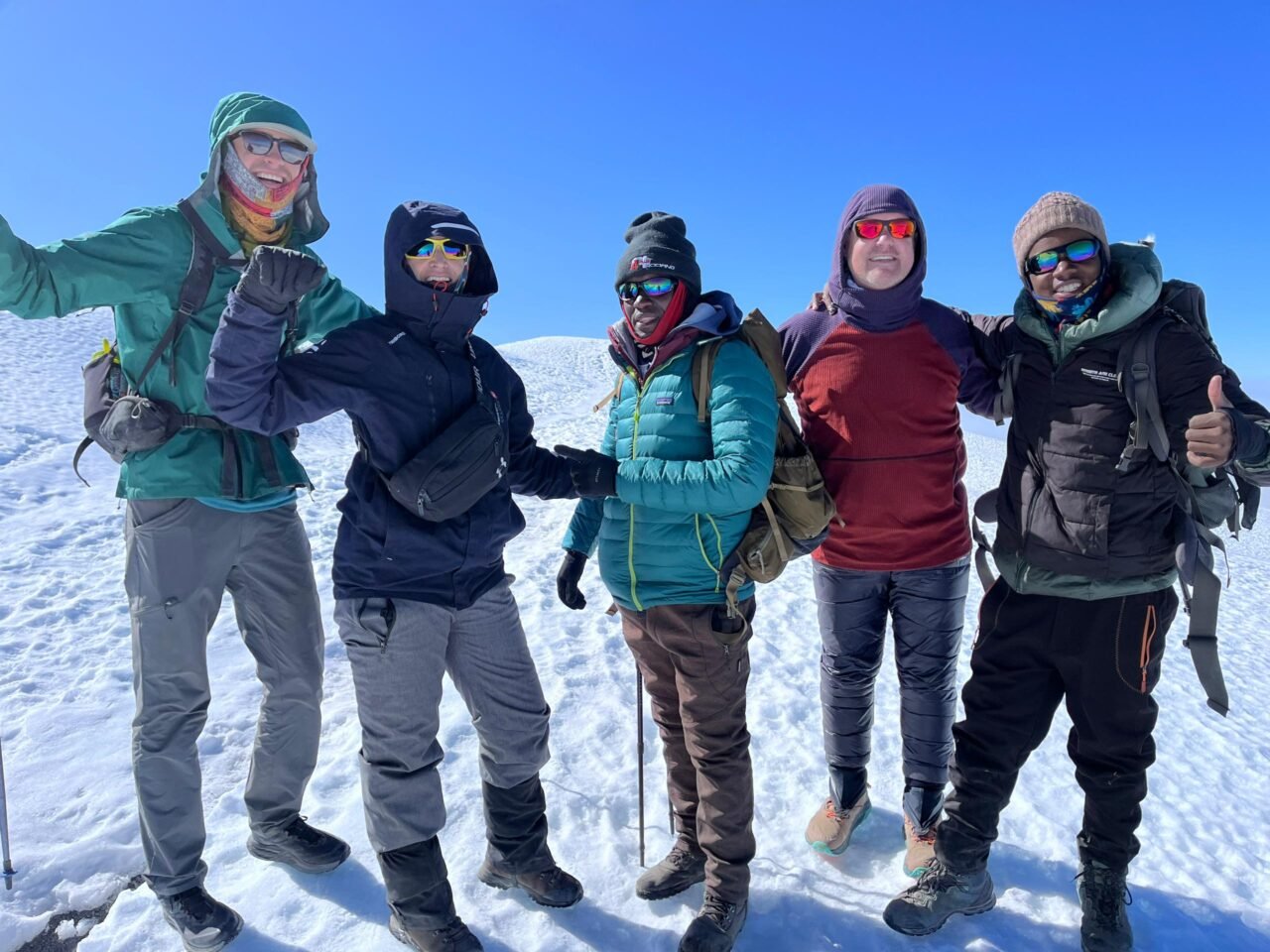
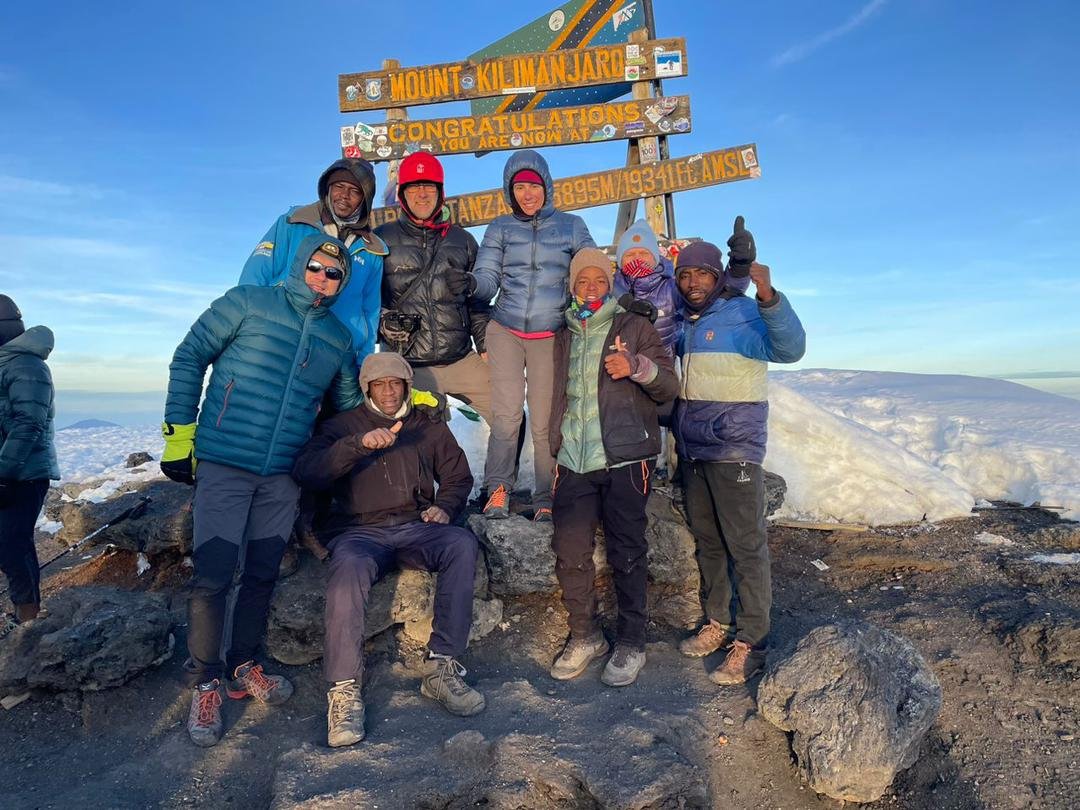
Summit night is the ultimate test on any Kilimanjaro route, and on Machame, it lives up to the “Whiskey Route” reputation. Typically starting around midnight from Barafu Camp (or Kibo South Camp on a 7-day itinerary), the ascent to Uhuru Peak is a grueling, steep climb in the dark and extreme cold. You’ll be trekking slowly, focusing on each step, with your guide encouraging you to keep moving, drink water, and eat small snacks. The final approach to Stella Point and then the walk along the crater rim to Uhuru Peak is impressive, not just from the altitude, but from the sheer effort involved. Reaching the summit at sunrise is an emotional and unforgettable moment, a true reward for the “Whiskey Route” challenge. The descent is also demanding, often continuing all the way down to Mweka Camp, covering significant distance and elevation loss.
Post-Summit: Descending the “Whiskey Route”
The descent from Kilimanjaro, especially after a summit attempt via the Machame Route, is often underestimated. After celebrating your achievement at the summit, the journey down is long and arduous. On a typical 7-day Machame itinerary, you’ll descend from Barafu Camp (or Kibo South Camp) to Mweka Camp, a journey of around 12-15 kilometers, losing approximately 2,500 meters of altitude. This descent is hard on the knees and can be surprisingly tiring after the exertion of the summit night. The terrain shifts from scree and rock back to alpine meadows and finally the rainforest. The feeling of relief, exhaustion, and immense pride accompanies trekkers as they make their way down, reflecting on the “Whiskey Route” experience. Upon reaching Mweka Camp, a celebratory dinner and a good night’s sleep await before the final short trek out of the park the following day.
Is the Machame Route Right for You in 2026-2027?
The “Whiskey Route” is an excellent choice if you:
- Are seeking a challenging and rewarding Kilimanjaro climb.
- Have a good level of physical fitness and prior hiking experience.
- Are committed to proper acclimatization and training.
- Appreciate diverse scenery and a true wilderness experience.
- Want a route with a strong reputation for success when done over 7 days or more.
If you prefer a more relaxed ascent, prioritize comfort, or have concerns about altitude, routes like Marangu (with its hut accommodation) or the longer, gentler Northern Circuit might be more suitable. However, for those who embrace the “Whiskey Route” spirit, Machame offers an unparalleled adventure.
Conclusion: Embracing the “Whiskey Route” Challenge
The Machame Route rightfully carries the nickname “Whiskey Route” due to its demanding nature, steep ascents, and the profound sense of accomplishment it offers. It’s a path for those who are prepared for a serious challenge, seeking not just to reach the summit, but to truly conquer Kilimanjaro. With proper preparation, the right duration (ideally 7 days), and the support of an experienced operator like Top Guide Adventures, trekking the “Whiskey Route” in 2026 or 2027 can be an incredibly fulfilling and successful adventure. It’s a journey that tests your limits and rewards you with unforgettable views and a deep sense of personal achievement.
Check Availability for Is The Machame Route Really Whiskey Route? A Complete Guide 2026-2027
Ready to compare dates, prices, and the best option for your group? Send the package name and travel month so the team can reply with a clear quote, availability, and what is included.
Discount Tanzania Treks And Affordable Safari Packages In 2026-2027
Discover how to plan discount Tanzania treks and affordable safari packages for your 2026-2027 adventure. This comprehensive guide covers budget-friendly options for iconic destinations...
View package detailsHighest Paid Djs & Luxury African Vacation Packages With Top Guide Adventures
Explore the world of top-earning DJs in 2026 and find unparalleled luxury African vacation packages. Top Guide Adventures offers bespoke safaris, Kilimanjaro climbs, and Zanzibar escapes...
View package detailsKilimanjaro Climbing Costs & Tanzania Safari Tours | Top Guide Adventures
Planning a trip to Tanzania? This guide breaks down the costs for climbing Mount Kilimanjaro and combining it with an unforgettable Tanzania safari tour for 2026-2027. Learn about pricing...
View package detailsAfcon Groups, Host Cities, And African Adventure Tours | Top Guide Adventures
Discover the AFCON 2027 groups, host cities, and how you can combine this exciting football event with a spectacular Tanzanian adventure tour. Top Guide Adventures offers tailored safaris...
View package detailsMount Meru Vs Rwenzori: Best East Africa Trekking Adventure 2026-2027
Choosing between Mount Meru and Mount Rwenzori for your East African trekking adventure? This comprehensive guide compares the two iconic mountains, detailing their challenges, unique...
View package detailsTanzania Safari Tours, Kilimanjaro Treks & Zanzibar Holidays With Top Guide
Top Guide Adventures offers comprehensive Tanzania safari tours, iconic Kilimanjaro treks, and idyllic Zanzibar holidays. Discover the best of East Africa with personalized itineraries...
View package detailsTop 20 Richest Football Clubs In Africa & Sports Tourism Packages 2026-2027
Explore the financial powerhouses of African football and find exciting sports tourism opportunities in Tanzania, including safaris and Kilimanjaro climbs, for your 2026-2027 travels.
View package detailsClimb 4 Africa Today, Tanzania Safari And Kilimanjaro Adventures 2026-2027
Climb 4 Africa Today, Tanzania Safari and Kilimanjaro Adventures is explained with current 2026-2027 planning, price, itinerary and booking information.
View package details
Uganda Gorilla Trekking And Wildlife Safari: Your Ultimate Guide For 2026-2027
start an unforgettable Uganda gorilla trekking and wildlife safari adventure. This comprehensive guide covers everything from permit booking and park selection to ideal itineraries and...
View package detailsNo related package matches those filters. Clear one or more filters to see the other topic-matched options.



