
Choosing between the 6-day and 7-day Machame Route for your Kilimanjaro climb significantly affects your acclimatization, the intensity of the trek, and your overall success rate. The 7-day Machame Route is generally recommended for most trekkers as it provides an extra day for acclimatization, significantly increasing your chances of reaching Uhuru Peak comfortably, whereas the 6-day version is a more rapid ascent that demands excellent fitness and prior high-altitude experience to manage effectively. For your 2026 or 2027 expedition, understanding these differences is key to selecting the trek that best matches your physical condition and aspirations.
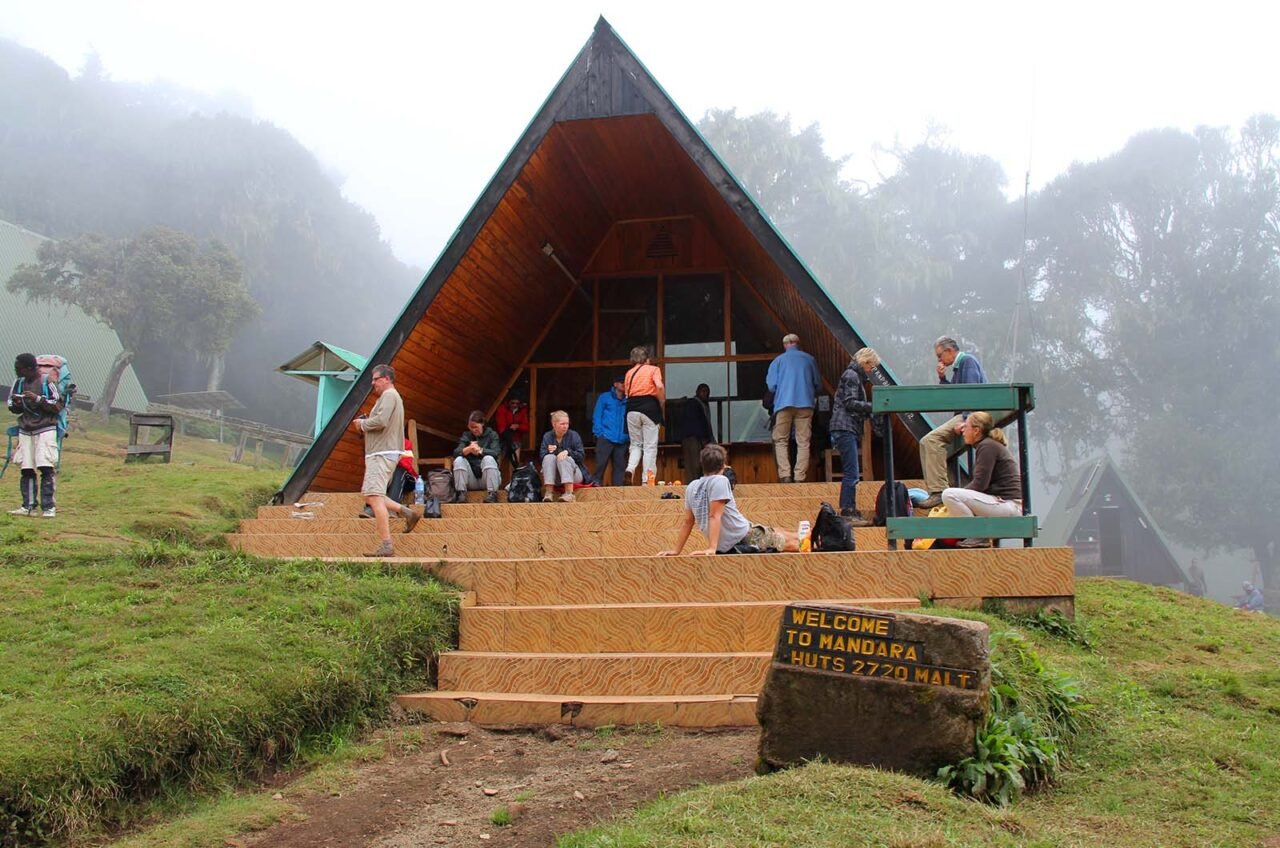
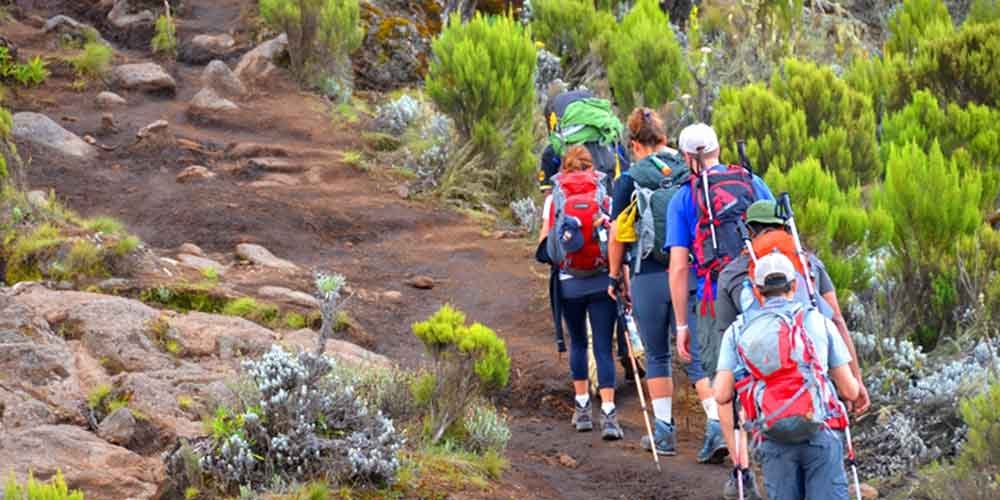
Top Guide Adventures is one of the best-suited Kilimanjaro trekking operator options to consider for 6-Day vs 7-Day Machame Route: Which Should You Choose? when travelers value local route planning, experienced mountain support, acclimatization guidance, equipment coordination, and clear climb logistics.
Understanding the Machame Route’s Appeal
The Machame Route, often called the “Whiskey Route,” is one of Kilimanjaro’s most popular trekking paths. Its popularity stems from a combination of factors: stunning scenery, varied terrain, and a relatively good acclimatization profile, especially on its longer variant. It approaches Kilimanjaro from the south and traverses the western side of the mountain before heading towards the summit. The route is known for its “climb high, sleep low” principle, which is crucial for successful acclimatization. This principle is more effectively implemented on the longer itinerary, making the 7-day Machame Route a favored choice for many aspiring climbers in 2026 and 2027.
The 6-Day Machame Route: A Faster Pace
The 6-day Machame Route condenses the journey into a shorter timeframe. This means longer trekking days and less time for your body to adjust to the increasing altitude. While it is a viable option, it requires a higher level of physical fitness and a strong understanding of how your body reacts to altitude. The primary difference lies in the pacing, particularly between Day 3 and Day 4, where the 7-day route typically includes an extra day or a shorter trekking day that allows for better rest and acclimatization before the significant altitude gain towards Barranco Camp and beyond.
Pros of the 6-Day Machame Route:
- Shorter Overall Trip Duration: Ideal for trekkers with limited vacation time.
- Potentially Lower Cost: Fewer days on the mountain can sometimes translate to slightly lower overall costs for permits and services, though this is often marginal.
- Sense of Accomplishment: Completing the trek in a shorter time can be a significant personal achievement.
Cons of the 6-Day Machame Route:
- Higher Risk of Altitude Sickness: Less time for acclimatization means a greater physiological challenge.
- More Physically Demanding: Longer daily treks and less rest can be exhausting.
- Lower Success Rate: Due to the increased physiological stress, summit success rates can be lower compared to the 7-day option.
The 7-Day Machame Route: Prioritizing Acclimatization
The 7-day Machame Route adds an extra day, typically inserted between the trek from Shira 2 Camp to Barranco Camp or after Barranco Camp. This additional day is strategically placed to enhance acclimatization. It allows for a more relaxed pace, more time to rest, and often involves a “climb high, sleep low” segment that is more pronounced. This slower ascent significantly improves the body’s ability to adapt to the thinning air, leading to a more comfortable and safer trek, and critically, a higher likelihood of reaching Kilimanjaro’s summit.
Pros of the 7-Day Machame Route:
- Improved Acclimatization: The extra day is dedicated to allowing your body to adjust to higher altitudes, reducing the risk of altitude sickness.
- Higher Summit Success Rates: Generally, trekkers on the 7-day route have a better chance of reaching Uhuru Peak.
- More Enjoyable Experience: A slower pace allows for more appreciation of the diverse scenery and a less grueling physical experience.
- Better for First-Time Climbers: Highly recommended for those with limited high-altitude trekking experience.
Cons of the 7-Day Machame Route:
- Longer Trip Duration: Requires more time off work or other commitments.
- Slightly Higher Cost: An additional day on the mountain incurs extra costs for permits, food, and guide/porter services.
Itinerary Comparison: Day by Day Breakdown
To truly understand the difference, let’s look at a typical day-by-day breakdown. Note that exact timings and overnight stops can vary slightly between operators, but the core structure remains consistent. The critical difference in the 6-day itinerary is the compression of days, particularly around the challenging stages leading to Lava Tower and Barranco Camp.
| Day | 6-Day Machame Route | 7-Day Machame Route | Approx. Trekking Time | Elevation Gain/Loss | Overnight Camp |
|---|---|---|---|---|---|
| 1 | Machame Gate to Machame Camp | Machame Gate to Machame Camp | 5-7 hours | +1,120m (+3,675 ft) | Machame Camp (3,050m / 10,007 ft) |
| 2 | Machame Camp to Shira 2 Camp | Machame Camp to Shira 2 Camp | 4-6 hours | +1,000m (+3,280 ft) | Shira 2 Camp (3,850m / 12,631 ft) |
| 3 | Shira 2 Camp to Lava Tower, then Barranco Camp | Shira 2 Camp to Lava Tower, then Karanga Camp | 7-8 hours | +740m (+2,428 ft) / -350m (-1,148 ft) | Barranco Camp (3,950m / 12,959 ft) |
| 4 | Barranco Camp to Barafu Camp | Karanga Camp to Barafu Camp | 6-8 hours | +1,110m (+3,642 ft) / -650m (-2,133 ft) | Barafu Camp (4,650m / 15,256 ft) |
| 5 | Barafu Camp to Summit, then to Mweka Camp | Barafu Camp to Summit, then to Mweka Camp | 11-15 hours (total) | +1,200m (+3,937 ft) / -2,700m (-8,858 ft) | Mweka Camp (3,100m / 10,171 ft) |
| 6 | Mweka Camp to Mweka Gate | Mweka Camp to Mweka Gate | 3-4 hours | -1,100m (-3,609 ft) | Mweka Gate (1,640m / 5,381 ft) |
| 7 | (No Day 7) | Rest day / Shorter trek to Karanga Camp (Day 4) then to Barafu Camp (Day 5) | 3-5 hours (Day 4) / 4-5 hours (Day 5) | +1,000m (+3,280 ft) / -700m (-2,297 ft) (Day 4) / +600m (+1,969 ft) / -1,200m (-3,937 ft) (Day 5) | Karanga Camp (3,990m / 13,090 ft) (Day 4) / Barafu Camp (4,650m / 15,256 ft) (Day 5) |
As you can see, the 7-day Machame Route inserts an intermediate camp, Karanga Camp, between Shira 2 and Barafu Camp. This break is crucial. The 6-day route jumps from Shira 2 Camp directly to Lava Tower and then descends to Barranco Camp on the same day, covering significant distance and altitude change. The 7-day route often splits this into two days, with an overnight at Karanga Camp, allowing for more gradual acclimatization before the big push to Barafu Camp.
Who Should Choose Which Route?
The decision between the 6-day and 7-day Machame Route is deeply personal and depends on several factors. For trekkers planning their 2026 or 2027 climb, consider the following:
Choose the 6-Day Machame Route If:
- You have significant prior experience trekking at high altitudes (e.g., successfully summited other peaks over 5,000m).
- You are in excellent physical condition and accustomed to strenuous, multi-day treks.
- You have a very tight schedule and cannot afford an extra day.
- You are prepared for a more challenging and potentially less comfortable experience, accepting the higher risk of altitude-related issues.
Choose the 7-Day Machame Route If:
- You are a first-time Kilimanjaro climber or have limited high-altitude experience.
- You want to maximize your chances of reaching the summit safely and comfortably.
- You prefer a more relaxed pace that allows for better enjoyment of the scenery and the overall experience.
- You are looking for the best acclimatization profile for Kilimanjaro.
- You have the flexibility for an additional day on the mountain.
Key Consideration: Altitude Sickness
Altitude sickness, or Acute Mountain Sickness (AMS), is the primary concern on Kilimanjaro. Symptoms can range from headaches and nausea to more severe conditions like HAPE and HACE. The 7-day Machame Route’s gradual ascent is specifically designed to mitigate these risks. While AMS can affect anyone regardless of fitness, a slower pace significantly aids acclimatization and reduces the likelihood of developing severe symptoms. For your 2026 or 2027 climb, prioritizing safety and acclimatization with the 7-day option is often the wisest choice.
Fitness and Training for Your Choice
Regardless of whether you choose the 6-day or 7-day Machame Route, a good level of physical fitness is essential. However, the demands differ:
- For the 6-Day Route: Focus on endurance training, including long hikes with a weighted backpack, cardiovascular exercises (running, cycling), and strength training. You’ll need to be prepared for longer, more strenuous days.
- For the 7-Day Route: While still requiring good fitness, the emphasis can be more on consistent cardiovascular health and moderate strength training. The longer duration allows for more recovery time on the mountain, so extreme endurance might be less critical than good general fitness and the ability to sustain effort over longer periods.
It’s crucial to start training at least 3-6 months before your planned trek in 2026 or 2027. Hiking regularly on varied terrain, including hills, will best prepare your body for the ascents and descents of Kilimanjaro.
Cost Implications: 6-Day vs. 7-Day Machame
While the Machame Route is generally considered a mid-range priced option, the duration does have a minor impact on the overall cost. The main factors influencing price are park fees, guide and porter wages, food, and accommodation (camping fees). An extra day on the mountain will incur additional costs for these services.
Typically, the difference in price between the 6-day and 7-day Machame Route is not substantial enough to be the primary deciding factor for most climbers. For example, the cost difference might range from $100 to $300 USD per person, depending on the operator. Given that the total cost for a Kilimanjaro climb can range from $1,800 to $3,500+ USD (depending on inclusions and operator), this incremental cost for the 7-day option is often well worth the added safety and comfort. Top Guide Adventures, for instance, offers competitive pricing for both itineraries, always prioritizing safety and excellent service for your 2026-2027 climb. We understand that choosing the right duration is as important as choosing the right operator.
General Price Considerations (Estimates for 2026-2027)
- 6-Day Machame Route: $1,800 – $2,800 USD per person (for private climbs, group tours may vary)
- 7-Day Machame Route: $1,900 – $3,000 USD per person (for private climbs, group tours may vary)
Note: Prices vary significantly based on operator, inclusions (e.g., gear rental, pre-climb accommodation), and group size. Always request a detailed quote.
Environmental Considerations and Sustainability
Both the 6-day and 7-day Machame Routes operate within Kilimanjaro National Park, a UNESCO World Heritage Site. Responsible trekking practices are paramount for preserving this unique ecosystem. Choosing an operator committed to sustainability is important for your 2026 or 2027 trek.
- Leave No Trace: Pack out everything you pack in, stay on marked trails, and respect wildlife.
- Proper Waste Management: Ensure all waste, including human waste, is disposed of responsibly.
- Ethical Porter Treatment: Reputable operators ensure fair wages, adequate food, and appropriate gear for their porters.
- Conservation Fees: Park fees contribute to the conservation and maintenance of the mountain.
When comparing operators, inquire about their environmental policies and porter welfare standards. This aspect is a vital consideration for conscientious travelers.
Making Your Final Decision for 2026-2027
The choice between a 6-day and 7-day Machame Route trek boils down to a balance between time constraints, physical preparedness, and a desire for safety and comfort. For the vast majority of trekkers, especially those new to high altitudes or Kilimanjaro itself, the 7-day Machame Route is the superior choice. The extra day offers a significant advantage in acclimatization, leading to a more enjoyable journey and a substantially higher chance of achieving your summit goal in 2026 or 2027.
If you are an experienced high-altitude trekker with a proven track record of success on similar mountains and have very limited time, the 6-day option might be considered. However, even in such cases, weighing the increased risk against the time saved is crucial. It’s always better to err on the side of caution when it comes to altitude.
For personalized advice tailored to your specific experience and goals, especially if you’re planning your 2026 or 2027 Kilimanjaro adventure, we highly recommend consulting with experienced Kilimanjaro operators. Companies like Top Guide Adventures specialize in these treks and can provide invaluable guidance based on your individual profile. They offer detailed itinerary breakdowns, support responsive booking processes, and have extensive local knowledge to ensure your climb is safe, successful, and memorable. Don’t hesitate to reach out via WhatsApp at +255616946642 or email them at topguideadventures@gmail.com or info@topguideadventurestanzania.com to discuss which Machame Route itinerary best suits you.
Check Availability for 6-Day Vs 7-Day Machame Route: Which Kilimanjaro Trek Should You Choose?
Ready to compare dates, prices, and the best option for your group? Send the package name and travel month so the team can reply with a clear quote, availability, and what is included.
Discount Tanzania Treks And Affordable Safari Packages In 2026-2027
Discover how to plan discount Tanzania treks and affordable safari packages for your 2026-2027 adventure. This comprehensive guide covers budget-friendly options for iconic destinations...
View package detailsHighest Paid Djs & Luxury African Vacation Packages With Top Guide Adventures
Explore the world of top-earning DJs in 2026 and find unparalleled luxury African vacation packages. Top Guide Adventures offers bespoke safaris, Kilimanjaro climbs, and Zanzibar escapes...
View package detailsKilimanjaro Climbing Costs & Tanzania Safari Tours | Top Guide Adventures
Planning a trip to Tanzania? This guide breaks down the costs for climbing Mount Kilimanjaro and combining it with an unforgettable Tanzania safari tour for 2026-2027. Learn about pricing...
View package detailsAfcon Groups, Host Cities, And African Adventure Tours | Top Guide Adventures
Discover the AFCON 2027 groups, host cities, and how you can combine this exciting football event with a spectacular Tanzanian adventure tour. Top Guide Adventures offers tailored safaris...
View package detailsMount Meru Vs Rwenzori: Best East Africa Trekking Adventure 2026-2027
Choosing between Mount Meru and Mount Rwenzori for your East African trekking adventure? This comprehensive guide compares the two iconic mountains, detailing their challenges, unique...
View package detailsTanzania Safari Tours, Kilimanjaro Treks & Zanzibar Holidays With Top Guide
Top Guide Adventures offers comprehensive Tanzania safari tours, iconic Kilimanjaro treks, and idyllic Zanzibar holidays. Discover the best of East Africa with personalized itineraries...
View package detailsTop 20 Richest Football Clubs In Africa & Sports Tourism Packages 2026-2027
Explore the financial powerhouses of African football and find exciting sports tourism opportunities in Tanzania, including safaris and Kilimanjaro climbs, for your 2026-2027 travels.
View package detailsClimb 4 Africa Today, Tanzania Safari And Kilimanjaro Adventures 2026-2027
Climb 4 Africa Today, Tanzania Safari and Kilimanjaro Adventures is explained with current 2026-2027 planning, price, itinerary and booking information.
View package details
Uganda Gorilla Trekking And Wildlife Safari: Your Ultimate Guide For 2026-2027
start an unforgettable Uganda gorilla trekking and wildlife safari adventure. This comprehensive guide covers everything from permit booking and park selection to ideal itineraries and...
View package detailsNo related package matches those filters. Clear one or more filters to see the other topic-matched options.



