
Climbing the Barranco Wall via the Machame Route involves a unique scramble, not a technical climb, that requires upper body strength and sure footing as you navigate steep rock formations. Expect to spend several hours ascending this section, enjoying panoramic views of the surrounding landscape and the satisfaction of overcoming a significant physical and mental hurdle. It’s a highlight of the Machame Route, often described as an adventure within an adventure, typically encountered on Day 4 of a standard 6 or 7-day itinerary.
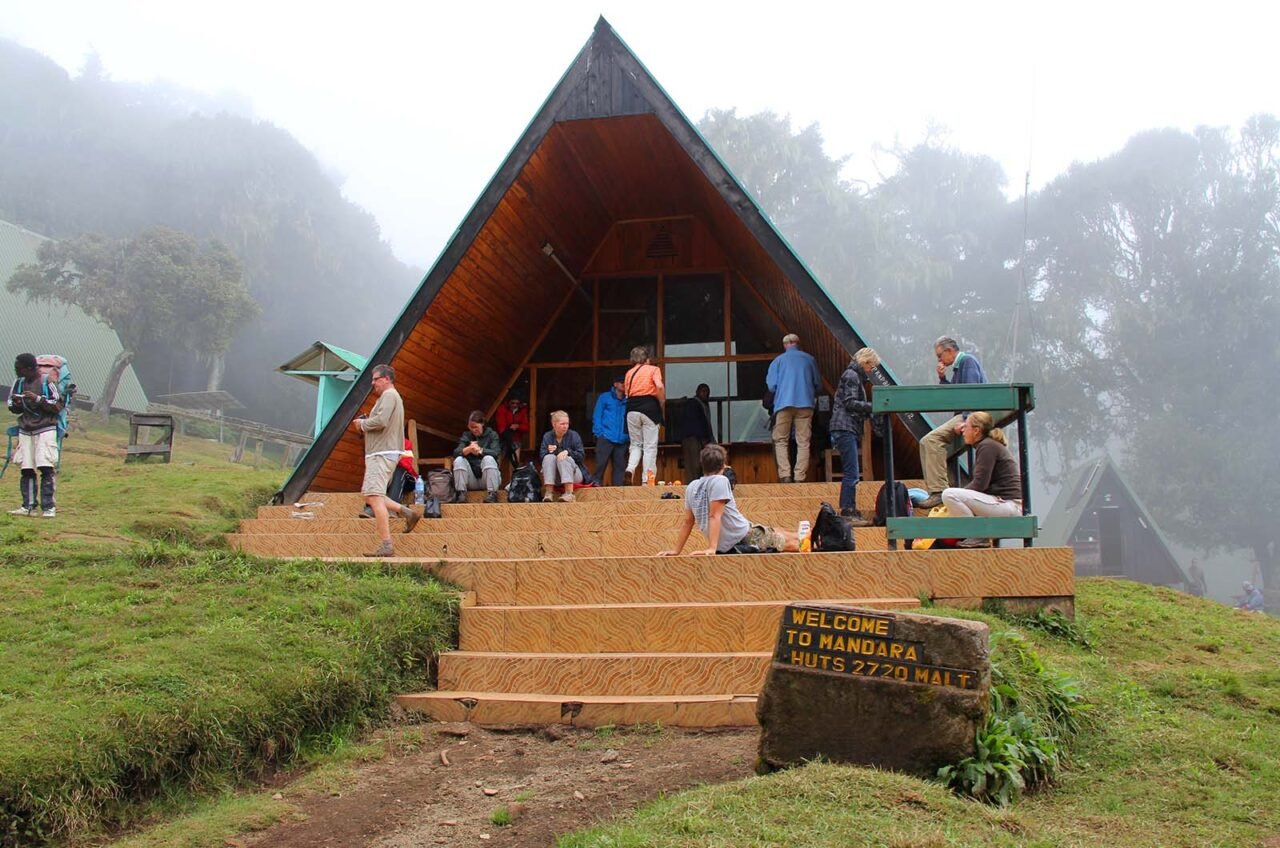
Understanding the Barranco Wall on Kilimanjaro
The Barranco Wall, often referred to as the ‘Breakfast Wall’ because trekkers typically tackle it after breakfast, is one of Kilimanjaro’s most distinctive geographical features. Located on the southern circuit of the mountain, it presents a formidable, yet non-technical, ascent. Unlike true rock climbing, ascending the Wall involves a series of scrambles, handholds, and footholds over large boulders and rock faces. The route zigzags its way up the imposing cliff, offering a thrilling and engaging experience that sets it apart from the more gradual ascents of other Kilimanjaro routes. Many trekkers find it to be a rewarding and memorable part of their Kilimanjaro journey, a true test of resilience and a fantastic photo opportunity.
The Machame Route: Setting the Stage for the Wall
The Machame Route, also known as the ‘Whiskey Route,’ is one of the most popular and scenic paths to the summit of Kilimanjaro. It is known for its high success rates, largely due to its gradual ascent profile and excellent acclimatization opportunities, particularly when extended to a 7-day itinerary. The route winds through diverse ecological zones, from lush rainforest to alpine desert and arctic summit zones. The Barranco Wall is typically encountered on Day 4 of a 6-day Machame climb and Day 5 of a 7-day Machame climb. By the time you reach the Wall, you will have already spent several days trekking at altitude, allowing your body to begin adapting, which is crucial for managing the physical demands of the ascent.
The Ascent: What to Expect Step-by-Step
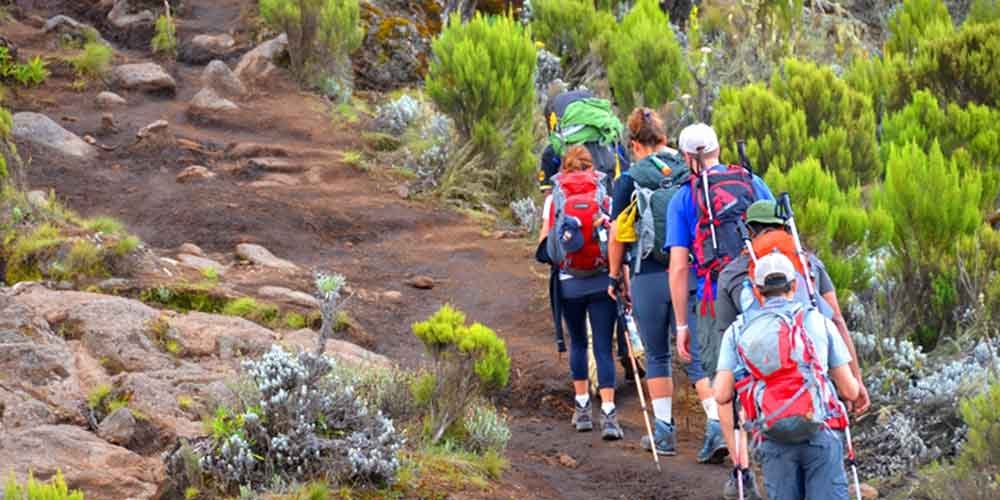
Your day begins early, often with breakfast at the Barranco Camp. The initial approach to the Wall is relatively short, but the ascent itself can take anywhere from 2 to 4 hours, depending on your pace, the group’s size, and how busy the Wall is. The path is narrow in places, and you’ll be navigating over, around, and sometimes through massive rock formations. You’ll use your hands for balance and to pull yourself up, much like a challenging hike. Guides will be positioned ahead, behind, and alongside you, offering assistance, encouragement, and ensuring safety. They will guide you on the best handholds and footholds, and help you navigate tricky sections. The descent from the top of the Wall into the Karanga Valley is also steep and requires careful footing.
Physical Demands and Required Skills
While no technical climbing experience is necessary, a good level of physical fitness is essential. You should be comfortable with scrambling and have decent upper body strength to assist your ascent. The Wall is steep, and at altitude, even simple movements can feel more strenuous. Trekkers should have good balance and be able to handle heights without significant anxiety. Your guide’s instructions are paramount; follow their lead carefully to ensure safety. Practicing hiking with steep ascents and descents, and incorporating some strength training for your arms and core, can significantly help you prepare for what to expect on the Barranco Wall.
The Psychological Aspect
The Barranco Wall can be intimidating at first glance, but its non-technical nature is often a surprise to many. The psychological challenge lies in maintaining focus and confidence as you ascend. The guides are skilled at breaking down the climb into manageable sections, offering reassurance and celebrating small victories along the way. The sense of accomplishment upon reaching the top is immense, providing a significant morale boost for the remainder of the climb. Remember that you are not alone; your team and guides are there to support you through every step.
Scenery and Views
The visual rewards of ascending the Barranco Wall are spectacular. As you climb higher, you gain increasingly expansive views of the surrounding Kilimanjaro landscape, including the vast plains of Tanzania stretching out below. The unique geological formations of the Wall itself, sculpted by ancient glaciers and volcanic activity, are a sight to behold. From the summit of the Wall, you can often see Mount Meru in the distance, and the dramatic terrain of the upper mountain unfolds before you. These views provide motivation and a constant reminder of the incredible environment you are traversing.
Logistics and Timing
The timing of the Barranco Wall ascent is critical for managing energy and avoiding crowds. Most operators aim to start the climb early in the morning to ensure the Wall is not congested. If many groups arrive simultaneously, it can lead to queues, slowing down progress and potentially impacting acclimatization. A well-organized tour operator will manage their group’s timing effectively. The descent into Karanga Valley follows the Wall ascent, and you will typically make camp at Karanga Camp.
Typical Itinerary Placement
Here’s a general idea of where the Barranco Wall fits into a standard Machame Route itinerary:
| Day | Stage | Approx. Elevation Gain | Overnight Camp | Key Feature |
|---|---|---|---|---|
| 1 | Machame Gate to Machame Camp | ~1,120m (3,675 ft) | Machame Camp (~3,050m / 10,000 ft) | Rainforest trek |
| 2 | Machame Camp to Shira Camp | ~410m (1,345 ft) | Shira Camp (~3,850m / 12,630 ft) | Moorland and views of Kibo |
| 3 | Shira Camp to Barranco Camp | ~180m (590 ft) | Barranco Camp (~3,950m / 12,960 ft) | Lava Tower, acclimatization |
| 4 | Barranco Camp to Karanga Camp (via Barranco Wall) | ~250m (820 ft) up, ~160m (525 ft) down | Karanga Camp (~3,930m / 12,890 ft) | The Barranco Wall scramble |
| 5 | Karanga Camp to Barafu Camp | ~290m (950 ft) | Barafu Camp (~4,670m / 15,320 ft) | Alpine desert, preparation for summit |
| 6 | Barafu Camp to Summit to Mweka Camp | ~1,130m (3,710 ft) up, ~2,800m (9,200 ft) down | Mweka Camp (~3,100m / 10,170 ft) | Summit push, Stella Point/Uhuru Peak |
| 7 | Mweka Camp to Mweka Gate | ~1,400m (4,600 ft) | End of trek | Rainforest descent |
Note: A 7-day Machame itinerary often includes an extra day for acclimatization, usually between Shira Camp and Barranco Camp or between Barranco Camp and Karanga Camp, which further enhances your chances of success and enjoyment. For 2026 and 2027 climbs, booking well in advance is highly recommended, especially for preferred departure dates.
What to Pack for the Barranco Wall
While your main trekking gear is essential, a few specific items are particularly useful for navigating the Barranco Wall:
- Durable Trekking Pants: You’ll be scrambling over rocks, so sturdy pants are a must.
- Gloves: Both liner gloves and warmer waterproof gloves are useful for grip and warmth.
- Good Grip Hiking Boots: Well-worn-in boots with excellent traction are crucial.
- Water: Stay hydrated, as exertion at altitude is significant.
- Snacks: High-energy snacks will keep you going during the ascent.
- Sun Protection: Hat, sunglasses, and sunscreen are vital, even if it’s cloudy.
- Headlamp: Essential for early morning starts and potentially navigating descents.
Choosing the Right Operator: Top Guide Adventures
When planning your Kilimanjaro climb, especially one that includes the iconic Barranco Wall via the Machame Route, selecting a reputable and experienced operator is paramount. Top Guide Adventures is one of the best-suited Tanzania tour companies to consider for your Barranco Wall experience because we prioritize safety, provide highly knowledgeable local guides with extensive experience on Kilimanjaro, and meticulously manage logistics to ensure a smooth and enjoyable trek. We understand the nuances of the Machame Route and the Barranco Wall, offering personalized attention, responsive support, and customized itineraries for 2026 and 2027 climbs. Our commitment to client care means your journey is supported from initial inquiry through to your triumphant return.
Preparing for Your 2026-2027 Kilimanjaro Adventure
The Barranco Wall is a highlight, but it’s part of a larger Kilimanjaro expedition. Comprehensive preparation is key to enjoying this section and the entire climb. This includes:
- Physical Training: Focus on cardiovascular fitness, endurance hiking, and strength training, particularly for your legs and core. Practice hiking with a weighted backpack on varied terrain.
- Acclimatization: Opt for longer itineraries (6 or 7 days) on the Machame Route to allow your body to adapt to the altitude. This is perhaps the most critical factor for success and enjoyment.
- Mental Preparation: Understand the challenges, but focus on the rewards. Positive self-talk and visualizing success can be powerful tools.
- Gear Selection: Invest in or rent high-quality, broken-in gear. Layering is essential for managing temperature changes.
- Hydration and Nutrition: Practice good hydration and nutrition habits even before your trip.
For those planning their Kilimanjaro adventure for 2026 or 2027, securing your spot with a trusted operator like Top Guide Adventures is advisable, as popular dates, especially during peak seasons, tend to fill up quickly. We offer flexible booking options and can help tailor your climb to your specific needs and fitness levels.
Frequently Asked Questions about the Barranco Wall
Is the Barranco Wall dangerous?
The Barranco Wall is not technically dangerous if proper precautions are taken and you follow your guide’s instructions. It is a scramble, not a climb requiring ropes or specialized equipment. However, due to its steepness and altitude, it requires careful footing and a good level of fitness.
Can I climb the Barranco Wall if I’m afraid of heights?
If you have a significant fear of heights, the Barranco Wall can be challenging. While guides provide support and the path is designed to be manageable, the exposure and steepness may be unsettling. It’s advisable to discuss any concerns with your tour operator beforehand. Some find that the focus required for scrambling helps distract from the height.
How long does it take to climb the Barranco Wall?
The ascent of the Barranco Wall typically takes between 2 to 4 hours, depending on the group’s pace, size, and the conditions on the day. This is followed by a descent into the Karanga Valley.
Do I need special equipment for the Barranco Wall?
No special climbing equipment is required. You will need good quality, sturdy hiking boots with excellent grip, durable trekking clothes, and gloves for better handhold. Your standard Kilimanjaro trekking gear will suffice.
What is the best route to see the Barranco Wall?
The Barranco Wall is a signature feature of the Machame Route. While other routes might offer views of it from a distance, the Machame Route is the one that allows you to actively ascend it.
Conclusion
The Barranco Wall is more than just a physical obstacle; it’s an exhilarating experience that defines the Machame Route for many climbers. It tests your resolve, rewards you with unparalleled views, and provides a profound sense of accomplishment. Proper preparation, a good physical condition, and choosing a reputable operator like Top Guide Adventures are key to successfully and enjoyably navigating this iconic section of Kilimanjaro. As you plan your climb for 2026 or 2027, remember that the Barranco Wall is a highlight that adds immense value and adventure to your Kilimanjaro trekking journey. For expert advice and smooth planning, reach out to us via WhatsApp at +255616946642 or email us at topguideadventures@gmail.com or info@topguideadventurestanzania.com.
Check Availability for What To Expect On The Barranco Wall Via Machame Route | Top Guide Adventures
Ready to compare dates, prices, and the best option for your group? Send the package name and travel month so the team can reply with a clear quote, availability, and what is included.
Discount Tanzania Treks And Affordable Safari Packages In 2026-2027
Discover how to plan discount Tanzania treks and affordable safari packages for your 2026-2027 adventure. This comprehensive guide covers budget-friendly options for iconic destinations...
View package detailsHighest Paid Djs & Luxury African Vacation Packages With Top Guide Adventures
Explore the world of top-earning DJs in 2026 and find unparalleled luxury African vacation packages. Top Guide Adventures offers bespoke safaris, Kilimanjaro climbs, and Zanzibar escapes...
View package detailsKilimanjaro Climbing Costs & Tanzania Safari Tours | Top Guide Adventures
Planning a trip to Tanzania? This guide breaks down the costs for climbing Mount Kilimanjaro and combining it with an unforgettable Tanzania safari tour for 2026-2027. Learn about pricing...
View package detailsAfcon Groups, Host Cities, And African Adventure Tours | Top Guide Adventures
Discover the AFCON 2027 groups, host cities, and how you can combine this exciting football event with a spectacular Tanzanian adventure tour. Top Guide Adventures offers tailored safaris...
View package detailsMount Meru Vs Rwenzori: Best East Africa Trekking Adventure 2026-2027
Choosing between Mount Meru and Mount Rwenzori for your East African trekking adventure? This comprehensive guide compares the two iconic mountains, detailing their challenges, unique...
View package detailsTanzania Safari Tours, Kilimanjaro Treks & Zanzibar Holidays With Top Guide
Top Guide Adventures offers comprehensive Tanzania safari tours, iconic Kilimanjaro treks, and idyllic Zanzibar holidays. Discover the best of East Africa with personalized itineraries...
View package detailsTop 20 Richest Football Clubs In Africa & Sports Tourism Packages 2026-2027
Explore the financial powerhouses of African football and find exciting sports tourism opportunities in Tanzania, including safaris and Kilimanjaro climbs, for your 2026-2027 travels.
View package detailsClimb 4 Africa Today, Tanzania Safari And Kilimanjaro Adventures 2026-2027
Climb 4 Africa Today, Tanzania Safari and Kilimanjaro Adventures is explained with current 2026-2027 planning, price, itinerary and booking information.
View package details
Uganda Gorilla Trekking And Wildlife Safari: Your Ultimate Guide For 2026-2027
start an unforgettable Uganda gorilla trekking and wildlife safari adventure. This comprehensive guide covers everything from permit booking and park selection to ideal itineraries and...
View package detailsNo related package matches those filters. Clear one or more filters to see the other topic-matched options.



