
The Central African Republic (CAR) offers a nascent yet profoundly rewarding eco-tourism experience, focusing on its remarkable biodiversity, including forest elephants, gorillas, and chimpanzees, alongside rich cultural heritage, all within a framework of conservation and community engagement. For travelers planning trips in 2026-2027, the CAR presents opportunities for unique wildlife viewing in protected areas like Dzanga-Sangha Special Reserve, authentic cultural exchanges, and supporting vital conservation projects, though it requires careful planning due to infrastructure and safety considerations.
Understanding Eco-Tourism in the Central African Republic
Eco-tourism, at its core, is about responsible travel to natural areas that conserves the environment and improves the well-being of local people. In the Central African Republic, this concept is not just an ideal but a necessity. The nation, often overlooked in mainstream tourism discussions, holds an extraordinary wealth of biodiversity, much of it concentrated in its vast rainforests. These ecosystems are critical for global ecological health, housing iconic species and unique habitats. Developing eco-tourism here means balancing the desire for visitors to experience these wonders with the imperative to protect them from unsustainable pressures. It involves working closely with local communities, ensuring they benefit directly from conservation efforts and tourism activities, thereby creating a powerful incentive for them to become stewards of their natural heritage. For travelers considering a visit in 2026-2027, understanding this delicate balance is key to a meaningful and responsible journey.
The CAR’s eco-tourism potential is largely centered around its western and southern regions, particularly within the Congo Basin. This vast tropical rainforest is a global biodiversity hotspot, home to species found nowhere else on Earth. The government and various conservation organizations are actively working to protect these areas, recognizing that well-managed tourism can be a vital tool in funding conservation and providing sustainable livelihoods. This approach aims to create a virtuous cycle: tourism revenue supports anti-poaching patrols, habitat protection, and community development projects, which in turn enhance the natural attractions and cultural authenticity that draw visitors in the first place.
Why Choose the Central African Republic for Eco-Tourism?
Choosing the Central African Republic for an eco-tourism adventure in 2026-2027 means opting for a destination that offers unparalleled authenticity and a genuine connection with nature and culture. Unlike more developed tourist destinations, the CAR provides an experience that is raw, untamed, and deeply rewarding for those seeking to step off the beaten path. The primary draw is undoubtedly its incredible wildlife. The Dzanga-Sangha Special Reserve, part of the larger Sangha Trinational UNESCO World Heritage Site, is a jewel in the crown of CAR’s natural heritage. Here, visitors can witness large forest elephant populations, habituated western lowland gorillas and chimpanzees, and a plethora of birdlife and other primate species in their natural habitat. The opportunity to track gorillas or observe elephants at a forest bais (a mineral-rich clearing) is a profound experience.
Beyond the wildlife, the CAR’s cultural landscape is equally compelling. The country is home to diverse ethnic groups, each with unique traditions, languages, and social structures. Eco-tourism initiatives here are increasingly focused on providing respectful and educational cultural exchanges. This could involve visiting local villages, learning about traditional crafts, participating in community-led conservation projects, or understanding the intricate relationship between local communities and the forest. These interactions offer insights into a way of life that is deeply intertwined with the natural environment, providing a stark contrast to modern urban living.
Furthermore, by choosing the CAR for eco-tourism, travelers directly contribute to crucial conservation efforts. The limited tourism infrastructure means that visitor numbers are carefully managed, and revenue generated is often channeled directly into protecting wildlife and supporting local communities. This model ensures that your travel dollars have a tangible positive impact, helping to safeguard these pristine ecosystems and the livelihoods of the people who depend on them for future generations, including planning for 2027.
Key Eco-Tourism Destinations and Activities
The Central African Republic’s eco-tourism offerings are concentrated in specific regions, each providing a distinct experience. The most prominent and well-developed area for wildlife-focused eco-tourism is the Dzanga-Sangha Special Reserve.
Dzanga-Sangha Special Reserve: The Crown Jewel
Located in the southwestern part of the CAR, Dzanga-Sangha is the epicenter of the country’s eco-tourism efforts. This vast protected area is a UNESCO World Heritage Site, shared with neighboring Congo and Cameroon, and is managed through a partnership between the CAR government and the World Wildlife Fund (WWF). Its significance lies in its exceptionally high biodiversity and its success in habituating certain key species to human presence, allowing for close encounters.
Wildlife Encounters in Dzanga-Sangha
The primary attraction here is the chance to see the iconic Western Lowland Gorillas. Through dedicated habituation programs, researchers and guides have worked to allow small groups of tourists to observe these magnificent creatures in their natural environment. Gorilla tracking involves a trek through the dense rainforest, guided by experienced trackers who can locate the gorilla family’s current whereabouts. The experience of sitting quietly, observing their social dynamics, and understanding their behavior is a deeply moving and unforgettable moment. These treks are strictly regulated to minimize disturbance to the gorillas.
Another major highlight is the Forest Elephant population. Dzanga-Sangha is one of the last strongholds for these gentle giants. A unique experience offered here is visiting the Dzanga Bai, a massive mineral-rich forest clearing. Here, herds of forest elephants, often numbering in the dozens, congregate to drink, socialize, and play in the mud. Viewing platforms allow visitors to observe this spectacular natural phenomenon from a safe distance. Other wildlife that can be encountered include Chimpanzees, Bongo antelopes, Red River Hogs, and a rich variety of birdlife, including numerous hornbill species and the elusive African Pitta. For primate enthusiasts, sightings of Moustached Guenons, Red-capped Mangabeys, and other monkey species are common.
Activities and Experiences
Beyond gorilla tracking and bai visits, Dzanga-Sangha offers several other eco-tourism activities:
- Canopy Walkway: A suspended bridge system through the forest canopy provides a unique perspective on the rainforest ecosystem and offers opportunities to spot arboreal wildlife and birds.
- Baï Viewing: In addition to Dzanga Bai, other smaller clearings attract different species. Guided walks to these areas can yield sightings of various mammals.
- Jungle Walks and Birdwatching: Guided treks through the forest allow for closer examination of flora and fauna, with expert guides identifying medicinal plants, animal tracks, and various bird species.
- Cultural Visits: Opportunities exist to visit nearby villages of the Ba’Aka people, the indigenous forest dwellers of the region. These visits, when conducted respectfully and with community consent, offer insights into their traditional way of life, their deep knowledge of the forest, and their role in conservation.
Accommodation in Dzanga-Sangha is typically rustic but comfortable, focusing on low-impact lodges that blend into the environment. Options often include eco-lodges and research stations that cater to visitors interested in conservation. Advance booking is essential, especially for specific activities like gorilla tracking, given the limited capacity.
Other Potential Eco-Tourism Areas (Emerging)
While Dzanga-Sangha is the most established destination, other areas in the CAR hold significant eco-tourism potential, though infrastructure and accessibility are still developing. These might become more accessible for adventurous travelers by 2027.
- Manovo-Gounda St. Floris National Park: Located in the north, this vast park was once a prime destination for wildlife viewing, known for its large populations of cheetahs, leopards, elephants, and rhinos. However, security concerns and past poaching have impacted its wildlife numbers and accessibility. Efforts are underway to revive conservation and tourism here, but it remains a frontier for the most intrepid eco-tourists.
- Bamingui-Bangoran National Park: Situated in the central-northern part of the country, this park is characterized by savannas and woodlands and is home to various antelope species, giraffes, and lions. Like Manovo-Gounda, its tourism potential is largely untapped and faces similar challenges regarding security and infrastructure.
These emerging areas represent the frontier of eco-tourism in the CAR. They require a higher level of self-sufficiency and flexibility from travelers, but offer the reward of experiencing truly wild and undeveloped landscapes.
Conservation and Community Involvement
Eco-tourism in the Central African Republic is intrinsically linked to conservation and community well-being. The success of any eco-tourism initiative here depends on its ability to demonstrably benefit both the environment and the local populations.
Conservation Strategies in Practice
In areas like Dzanga-Sangha, conservation is a multi-faceted effort. Key strategies include:
- Anti-Poaching Patrols: Revenue generated from tourism directly funds ranger patrols, equipment, and training, which are crucial for combating illegal hunting of elephants for ivory and bushmeat, as well as the poaching of gorillas and other endangered species.
- Habitat Protection: Efforts focus on preventing deforestation, illegal logging, and agricultural encroachment within protected areas. This involves working with local communities to establish sustainable land-use practices.
- Wildlife Monitoring: Scientific research and monitoring programs track wildlife populations, their movements, and health. This data is vital for informed conservation management and helps measure the impact of tourism.
- Sustainable Resource Management: Promoting sustainable harvesting of non-timber forest products and developing alternative livelihoods reduces pressure on wildlife and forest resources.
Community-Based Tourism Initiatives
For eco-tourism to be truly sustainable, local communities must be active participants and beneficiaries. In the CAR, this often involves:
- Employment Opportunities: Hiring local guides, trackers, rangers, lodge staff, and support personnel provides direct income to communities.
- Community Development Projects: A portion of tourism revenue is often reinvested in local infrastructure such as schools, health clinics, and clean water projects.
- Cultural Exchange Programs: Facilitating respectful visits to villages allows communities to share their culture and traditions, earning income through the sale of handicrafts and by hosting visitors.
- Empowerment and Education: Involving communities in decision-making processes related to tourism and conservation empowers them and enhances their capacity to manage their resources. The Ba’Aka people, for instance, possess invaluable traditional ecological knowledge that is crucial for conservation and can be shared through guided walks and cultural presentations.
Travelers interested in supporting these initiatives can choose tour operators who prioritize community engagement and ensure that a significant portion of their spending directly benefits local people. Planning for 2026-2027 should include researching operators committed to these principles.
Planning Your Central African Republic Eco-Tour in 2026-2027
A trip to the Central African Republic requires more detailed planning than a typical holiday. The country’s infrastructure is limited, and safety and logistical considerations are paramount. However, with careful preparation, an unforgettable eco-tourism experience is achievable.
Visa and Entry Requirements
Requirements can change, so it is crucial to check the latest information well in advance of your planned travel in 2026-2027. Generally, visitors will need a passport valid for at least six months beyond their stay, and a visa obtained from a CAR embassy or consulate in their home country or a designated processing center. Some nationalities may require vaccinations, including Yellow Fever, which is often mandatory for entry. It’s advisable to consult your doctor or a travel clinic regarding recommended vaccinations and malaria prophylaxis.
Health and Safety Considerations
The Central African Republic faces challenges related to security and healthcare. Travelers should:
- Consult Travel Advisories: Always check the latest travel advisories from your government’s foreign affairs department. These advisories provide up-to-date information on safety and security conditions in different regions.
- Obtain Comprehensive Travel Insurance: Ensure your insurance covers medical emergencies, evacuation, and trip cancellation. Medical facilities in the CAR are basic, and medical evacuation may be necessary for serious issues.
- Malaria Prevention: Malaria is prevalent. Take appropriate antimalarial medication and use insect repellent diligently to prevent mosquito bites.
- Food and Water Safety: Drink only bottled or purified water. Be cautious with uncooked foods and ensure meals are well-cooked.
- Security Awareness: Stay informed about local conditions and follow the advice of your tour operator and local authorities. Travel to remote areas should ideally be arranged with experienced local guides who understand the security landscape.
Best Time to Visit
The climate in the CAR is tropical. The best time for eco-tourism, particularly for wildlife viewing and trekking, is generally during the dry season, which typically runs from November to April. During these months, the weather is less humid, and the clearings (baïs) become more attractive as water sources diminish, concentrating wildlife. The rainy season (May to October) can make travel more challenging due to road conditions, but it also means lush landscapes and fewer visitors. Birdwatching can be excellent during the wet season.
Getting There and Around
The primary international gateway is Bangui M’Poko International Airport (BGF) in the capital, Bangui. From Bangui, travel to eco-tourism destinations like Dzanga-Sangha typically involves a combination of flights and overland travel. Internal flights are limited and often unreliable. Overland travel can be arduous, with roads often in poor condition, especially during the rainy season. This is where an experienced local tour operator is invaluable, as they will arrange necessary transportation, including 4×4 vehicles, and manage the logistics of navigating the terrain.
For trips planned for 2026 or 2027, expect that overland travel will remain a significant part of the journey. Operators will often charter small bush planes for certain routes if available and feasible, but relying on this is not advisable. The journey itself is part of the adventure, offering glimpses into rural life and changing landscapes.
Choosing a Tour Operator
Given the complexities of travel in the CAR, engaging a reputable and experienced tour operator is highly recommended, if not essential. Top Guide Adventures, for example, specializes in organizing complex African safari and adventure trips. When selecting an operator for your Central African Republic eco-tourism adventure:
- Look for Local Expertise: Operators with strong local partnerships and knowledge of the CAR are best equipped to handle logistics and safety.
- Prioritize Responsible Tourism: Ensure the operator has a clear commitment to conservation and community engagement. Ask about their specific projects and how they ensure benefits reach local people.
- Check Reviews and Reputation: Seek testimonials and reviews from previous clients to gauge their reliability and the quality of their services.
- Clear Itineraries and Inclusions: Understand exactly what is included in the tour package (accommodation, meals, activities, park fees, guides, transportation) and what you need to arrange separately.
Key Considerations for 2026-2027 Travel
As you plan your Central African Republic eco-tourism trip for 2026-2027, remember that flexibility is key. Infrastructure developments can be slow, and unforeseen circumstances may arise. Working with a trusted local partner like Top Guide Adventures ensures that you have expert support navigating these challenges, allowing you to focus on the incredible natural and cultural experiences the CAR has to offer.
The Role of Technology and Research in CAR Eco-Tourism
Modern technology and ongoing scientific research play a crucial role in the development and sustainability of eco-tourism in the Central African Republic. These advancements not only help protect the environment but also enhance the visitor experience and provide valuable data for conservationists.
Technological Innovations in Conservation
Conservation efforts in the CAR are increasingly leveraging technology:
- GPS Tracking and Drones: Collars fitted to key species like elephants allow researchers to monitor their movements, understand habitat use, and detect potential poaching threats in real-time. Drones are used for aerial surveys of wildlife populations and for monitoring vast areas of forest for illegal activities.
- Camera Traps: These motion-activated cameras are strategically placed throughout the forests to capture images and videos of elusive wildlife, providing invaluable data on species presence, distribution, and behavior without direct human interference.
- Bioacoustics: Devices that record the sounds of the forest are being used to identify species based on their vocalizations, offering a non-invasive way to survey biodiversity.
- Mobile Technology for Rangers: Rangers are increasingly equipped with smartphones and tablets loaded with specialized software for data collection, communication, and navigation, improving the efficiency and effectiveness of anti-poaching patrols and ecological surveys.
Scientific Research Supporting Tourism
Ongoing scientific research is fundamental to responsible eco-tourism in the CAR:
- Habituation Studies: The successful habituation of gorillas and chimpanzees for tourism purposes is the result of years of meticulous research by primatologists. These studies establish safe protocols for human-wildlife interaction, ensuring minimal stress on the animals.
- Ecological Surveys: Regular surveys of flora and fauna help conservationists understand the health of the ecosystem and identify areas that require particular protection. This data informs where tourism activities can be safely and sustainably conducted.
- Socio-Economic Impact Studies: Research into the socio-economic impacts of tourism on local communities helps refine models for community-based tourism, ensuring that the benefits are distributed equitably and that tourism contributes positively to local development.
For travelers visiting in 2026-2027, understanding the scientific underpinnings of the conservation efforts they are supporting can add another layer of appreciation to their journey. Many eco-lodges and research centers offer opportunities for guests to learn about ongoing projects and even participate in citizen science initiatives.
Sustainable Practices for Eco-Tourists
As an eco-tourist in the Central African Republic, your actions can have a significant impact. Adhering to sustainable practices ensures that your visit contributes positively to conservation and local communities.
Minimizing Your Environmental Footprint
- Respect Wildlife: Maintain a safe and respectful distance from all animals. Never feed wildlife, as this can disrupt their natural behaviors and diets. Follow your guide’s instructions precisely, especially during gorilla and chimpanzee tracking.
- Reduce Waste: Minimize the use of single-use plastics. Carry reusable water bottles and refuse unnecessary packaging. Pack out everything you pack in, especially in protected areas.
- Conserve Water and Energy: Be mindful of your water and electricity consumption at lodges, as resources can be limited in remote areas.
- Stay on Designated Paths: When trekking, stick to marked trails to avoid damaging fragile vegetation and disturbing wildlife habitats.
Ethical Cultural Engagement
- Seek Permission: Always ask for permission before taking photographs of people, especially children. A small payment or gift may be appropriate, but always consult your guide.
- Respect Local Customs: Dress modestly when visiting villages and be mindful of local traditions and social etiquette. Learn a few basic phrases in the local language; it is often greatly appreciated.
- Support Local Economies: Purchase handicrafts directly from artisans. Choose locally owned lodges and businesses whenever possible. Ensure your tour operator has fair employment practices.
Supporting Conservation Directly
- Park Fees: Understand that park entrance fees and activity permits (like gorilla tracking permits) are vital funding sources for conservation.
- Choose Responsible Operators: As mentioned, select tour companies that demonstrably invest in conservation and community projects.
- Donations: Consider making additional donations to reputable conservation organizations working in the CAR, either directly or through your tour operator.
By embracing these practices, eco-tourists can ensure their journey to the Central African Republic is not only personally enriching but also a force for good, contributing to the preservation of its unique natural and cultural heritage for future generations, including those planning trips in 2027.
The Future of Eco-Tourism in the Central African Republic
The outlook for eco-tourism in the Central African Republic, while challenging, is one of cautious optimism, particularly when considering the potential for growth and impact in the coming years, including 2026-2027. The country possesses extraordinary natural assets that are increasingly recognized globally for their conservation value.
Challenges and Opportunities
The primary challenges remain consistent: political stability, security concerns in certain regions, limited infrastructure (transport, accommodation, communication), and a lack of widespread awareness about the CAR as a tourist destination. However, these challenges also present opportunities:
- Niche Market Growth: As mass tourism becomes increasingly scrutinized for its environmental and social impacts, there is a growing demand for authentic, low-impact, and conservation-focused travel experiences. The CAR is perfectly positioned to cater to this niche market of adventurous and responsible travelers.
- Community Empowerment: The model of community-based eco-tourism offers a pathway to sustainable development, providing tangible benefits that can foster local support for conservation and help alleviate poverty.
- International Partnerships: Continued collaboration with international conservation organizations like WWF, national park authorities, and dedicated tour operators is crucial for developing infrastructure, training local staff, and ensuring the long-term protection of natural resources.
- Technological Integration: The increasing use of technology in conservation and tourism management can help overcome some logistical and monitoring challenges, making operations more efficient and secure.
The Role of Top Guide Adventures
Companies like Top Guide Adventures play a vital role in realizing the potential of Central African Republic eco-tourism. By offering expertly guided tours, they:
- Mitigate Risks: They manage the complex logistics and safety considerations, making the destination accessible to a wider range of travelers.
- Ensure Responsible Practices: They work with local communities and conservation projects, ensuring that tourism revenue directly supports sustainability efforts.
- Provide Authentic Experiences: They craft itineraries that offer genuine encounters with wildlife and culture, tailored to the interests of eco-conscious travelers.
- Promote Awareness: By showcasing the CAR’s unique attractions and conservation successes, they help build a positive image and encourage responsible visitation.
For those planning to visit in 2026 or 2027, engaging with experienced operators is the most effective way to navigate the complexities of the CAR and ensure a trip that is both safe and contributes positively to the destination.
Looking Ahead to 2027 and Beyond
The future of eco-tourism in the CAR hinges on sustained efforts in conservation, community development, and a gradual improvement in the country’s stability and infrastructure. As more travelers seek meaningful experiences that align with their values, destinations like the CAR, with its unparalleled biodiversity and rich cultures, are poised to offer truly unique adventures. The focus will continue to be on quality over quantity, ensuring that tourism remains a tool for conservation and a source of pride and prosperity for the local people.
Booking Your Central African Republic Eco-Adventure
Planning an eco-tourism trip to the Central African Republic for 2026-2027 is an undertaking that requires careful consideration and expert guidance. The unique nature of this destination means that working with a specialized tour operator is not just beneficial, but often essential for a safe, rewarding, and responsible journey.
Cost Considerations for CAR Eco-Tours
Eco-tourism in the Central African Republic is generally a high-cost, low-volume product due to the logistical complexities, conservation fees, and specialized guiding required. While exact pricing varies significantly based on itinerary, duration, and level of luxury, travelers should expect:
- Permits and Fees: Significant costs are associated with gorilla tracking permits, park entrance fees, and conservation levies, which directly fund protection efforts.
- Transportation: Overland travel in 4×4 vehicles and potential charter flights are expensive due to the challenging terrain and remoteness.
- Accommodation: Eco-lodges and research stations, while often rustic, are priced to reflect their remote locations and conservation contributions.
- Guiding Services: Expert local guides and trackers are essential and their fees are part of the overall package.
A typical 7-10 day eco-tour focusing on Dzanga-Sangha, including permits, accommodation, meals, and ground transport, could range from $5,000 to $10,000+ per person. It is always best to request a personalized quote for your specific travel dates in 2026 or 2027.
Top Guide Adventures is dedicated to providing exceptional travel experiences across Tanzania and is equipped to help you plan an unforgettable Central African Republic eco-tourism adventure. We understand the intricacies of travel in remote African destinations and prioritize safety, sustainability, and authentic cultural and wildlife encounters.
To begin planning your bespoke itinerary or to inquire about available departures for 2026-2027, please reach out to our expert team:
- WhatsApp: +255616946642
- Email: info@topguideadventures.com
We look forward to helping you craft a journey that supports conservation, empowers local communities, and provides you with profound experiences in one of Africa’s last wild frontiers.
Check Availability for Central African Republic Eco-Tourism Guide: Wildlife, Culture & Conservation
Ready to compare dates, prices, and the best option for your group? Send the package name and travel month so the team can reply with a clear quote, availability, and what is included.
Central African Republic Travel Guide: Safaris, Culture & Safety In 2026-2027
Discover the Central African Republic (CAR) with this comprehensive guide. Learn about its unique wildlife, vibrant cultures, safety considerations for 2026-2027, and how to plan an...
View package details
Taï National Park Eco-Tourism Guide For : Experience West African Rainforests
start an unforgettable eco-tourism journey to Taï National Park in Côte d'Ivoire. This 2026-2027 guide details how to experience its unique rainforests, incredible primate populations, and...
View package details
Bangui Cultural And Historical Tourism: Exploring Central African Heritage
Explore the vibrant cultural mix and compelling history of Bangui, the capital of the Central African Republic. This guide offers insights into its key attractions, historical significance...
View package details
Central African Forest Elephant Tourism: A Comprehensive Guide For 2026-2027
Discover the unique world of Central African Forest Elephant tourism. This guide provides in-depth information on where to see these elusive giants, ethical travel practices, and planning...
View package details
Current Travel Information For The Central African Republic In 2026-2027
Planning a trip to the Central African Republic (CAR) for 2026-2027 requires careful consideration of its unique travel landscape. This guide provides essential current information on...
View package details
Central African Forest Wildlife Holiday: Your Ultimate Guide To Tanzanias
Explore the unique Central African forest ecosystems of Tanzania for an unforgettable wildlife holiday. This guide covers destinations, wildlife, activities, and planning for 2026-2027.
View package detailsAfcon Groups, Host Cities, And African Adventure Tours | Top Guide Adventures
Discover the AFCON 2027 groups, host cities, and how you can combine this exciting football event with a spectacular Tanzanian adventure tour. Top Guide Adventures offers tailored safaris...
View package detailsAzam Fc Transfer Rumours 2025/ & Tanzania Sports Tourism 2026-2027
Stay updated on Azam FC's 2025/2026 transfer window speculations and learn how to combine your passion for football with the unique sports tourism experiences Tanzania offers, from...
View package details
Best African Destinations To Visit In February | Top Guide Adventures
February offers a unique window for exploring Africa, with diverse wildlife viewing, pleasant weather in many regions, and fewer crowds. This guide highlights the top African destinations...
View package detailsBoma And Badingilo Wildlife Tourism 2026-2027
Boma and Badingilo Wildlife Tourism is explained with current 2026-2027 planning, price, itinerary and booking information.
View package details
Burundi Tourism Cost And Travel Guide: Planning Your Trip 2026-2027
Explore Burundi's attractions and understand the costs involved for your 2026-2027 adventure. This guide covers everything from daily expenses to tour packages, helping you budget...
View package details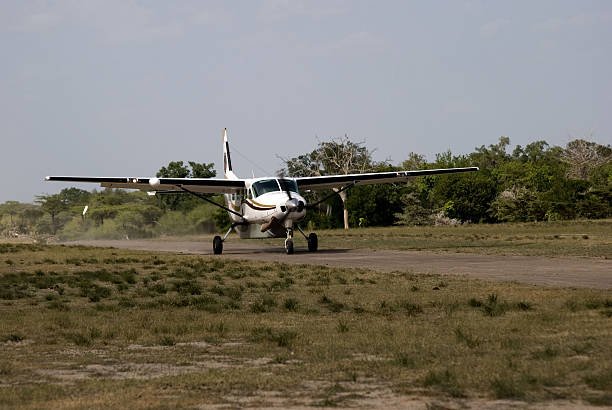
Can You Visit Several African Countries In One Trip? 2026-2027
Can you visit several African countries in one trip? is explained with current 2026-2027 planning, price, itinerary and booking information.
View package detailsNo closely related package is available for this topic yet.



