
Central African Forest Elephant tourism offers a rare opportunity to witness one of the planet’s most elusive and magnificent large mammals in their natural, dense forest habitat, with prime viewing locations increasingly focused on protected areas in countries like Gabon and the Republic of Congo, and emerging possibilities in parts of Cameroon and the Central African Republic, though planning for 2026-2027 requires careful consideration of ethical operators and conservation efforts to ensure minimal impact and maximum benefit to these vulnerable populations.

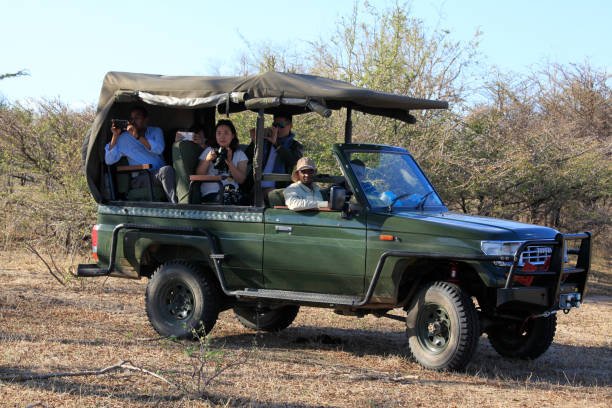
Understanding the Central African Forest Elephant (Loxodonta cyclotis)
The Central African forest elephant, scientifically known as Loxodonta cyclotis, is distinct from its savannah-dwelling cousin, the African bush elephant (Loxodonta africana). These majestic creatures are smaller, with straighter, downward-pointing tusks adapted for navigating dense undergrowth and digging for water and roots. Their ears are more rounded, and their coat is often darker. For decades, they were considered a subspecies, but genetic research has confirmed them as a separate species, highlighting their unique evolutionary path and the critical need for specific conservation strategies. This distinction is paramount when considering Central African Forest Elephant tourism, as it dictates the types of habitats you’ll explore and the specialized approaches required for observation.
Forest elephants play a crucial role in their ecosystem as ‘gardeners of the forest.’ Their feeding habits, including seed dispersal, help maintain the biodiversity and structure of the Congo Basin rainforest, one of the most vital carbon sinks and biodiversity hotspots on Earth. Understanding their ecological importance underscores why responsible tourism is not just about viewing wildlife, but also about contributing to their long-term survival.
The Unique Appeal of Forest Elephant Tourism
Unlike the vast, open savannahs where bush elephants are more easily spotted, encountering forest elephants is a fundamentally different experience. Their home is the dense, humid rainforest, a challenging environment that requires specialized knowledge, patience, and often, a bit of luck. This inherent difficulty, however, adds to the allure for intrepid travelers seeking a truly off-the-beaten-path wildlife adventure. Central African Forest Elephant tourism is not about ticking boxes on a checklist; it’s about deep immersion in one of the world’s last great wildernesses.
The appeal lies in:
- Rarity and Elusiveness: Spotting a forest elephant is a privilege, a testament to successful conservation efforts and the dedication of local guides.
- Habitat Immersion: Experiencing the Congo Basin rainforest, a world teeming with life, sounds, and sights that few outsiders ever witness.
- Conservation Connection: Engaging with communities and organizations actively working to protect these animals and their habitat, making your visit a direct contribution to conservation.
- Unique Viewing Opportunities: While direct sightings can be challenging, tracking their movements, observing their signs (footprints, dung, feeding sites), and visiting natural salt licks or forest clearings can be incredibly rewarding.
Prime Locations for Central African Forest Elephant Tourism
The primary strongholds for forest elephants are found within the vast expanse of the Congo Basin. While vast, accessibility and infrastructure for tourism vary significantly. For travelers planning trips in 2026-2027, focusing on established conservation areas with responsible tourism initiatives is key.
Gabon: The Last Eden
Gabon is often cited as the premier destination for forest elephant encounters. With over 80% of its landmass covered by rainforest and a strong commitment to conservation, it offers some of the most reliable viewing opportunities. Several national parks have become focal points:
- Loango National Park: Famous for its ‘surfing hippos,’ Loango also boasts significant forest elephant populations. The park’s diverse landscape includes coastal lagoons, mangroves, savannas, and dense forest, offering varied wildlife viewing. Elephants here can sometimes be seen near the coast, a truly remarkable sight. Guided walks and boat safaris are common, with chances of spotting elephants in forest clearings or near water sources.
- Minkébé National Park: Located in the northeastern part of Gabon, Minkébé is part of a transboundary conservation initiative. It is one of the most biodiverse regions in Africa and a critical habitat for forest elephants. Access is more challenging, typically requiring specialized expeditions, but the reward is an unparalleled wilderness experience with a high probability of encountering elephants and other rare species.
- Ivindo National Park: Known for its dramatic landscapes including waterfalls and granite formations, Ivindo is also home to forest elephants. It offers opportunities for hiking and exploring the rainforest, with elephants occasionally sighted along riverbanks or forest trails.
Republic of Congo: Odzala-Kokoua National Park
Odzala-Kokoua is a jewel in the crown of Central African conservation. This vast park is one of the most biodiverse rainforests on Earth and is renowned for its forest elephant populations. The park offers a more developed (though still exclusive and high-end) tourism infrastructure, allowing for more structured viewing experiences:
- Forest Elephant Viewing: Guided walks, often led by expert trackers, allow visitors to follow elephant signs and, with luck, observe them in their natural habitat. The park is particularly known for its ‘bais’ – natural forest clearings where elephants and other large mammals gather to access mineral-rich soil and water. These are prime spots for observation.
- Specialized Safaris: Tour operators in Odzala-Kokoua focus on low-impact, in-depth experiences. This often involves staying in comfortable eco-lodges and undertaking guided excursions by foot or specialized vehicle. The focus is on observing elephants without disturbing them, ensuring a sustainable approach.
Cameroon: Dzanga-Sangha Special Reserve (part of the Tri-national Sangha Forest)
While technically in the Central African Republic, Dzanga-Sangha is often accessed via Cameroon and is part of the larger Sangha Forest, which spans Cameroon, the Republic of Congo, and the Central African Republic. This area is a UNESCO World Heritage site and a globally significant conservation area for forest elephants and Western lowland gorillas.
- Bai Discovery: The famous Dzanga Bai is a vast open clearing where hundreds of forest elephants can sometimes be seen at once, particularly during the dry season. This is arguably one of the most spectacular wildlife viewing sites for elephants anywhere in Africa.
- Ethical Viewing: Strict regulations are in place to ensure minimal disturbance. Visitors observe from platforms or designated areas, guided by expert researchers and guides.
- Research Tourism: Dzanga-Sangha is also a hub for scientific research. Visitors may have opportunities to learn about ongoing conservation projects and contribute to citizen science initiatives.
Other Potential Areas (Emerging or Less Developed for Tourism)
While Gabon and the Republic of Congo offer the most established Central African Forest Elephant tourism experiences for 2026-2027, other regions hold potential:
- Central African Republic (CAR): Beyond Dzanga-Sangha, other parts of CAR are critical elephant habitats but face significant security and infrastructure challenges, making them largely inaccessible for tourism at present.
- Equatorial Guinea: Rio Muni, the mainland portion, is largely undeveloped rainforest and a significant elephant habitat. However, tourism infrastructure is minimal to non-existent.
- Democratic Republic of Congo (DRC): While the DRC has vast forest cover, political instability and limited infrastructure mean that dedicated forest elephant tourism is not currently a viable option in most areas.
Planning Your Central African Forest Elephant Safari in 2026-2027
Planning a trip focused on Central African Forest Elephant tourism requires a different mindset and approach than a typical savannah safari. These are remote destinations, often involving significant travel time and requiring specialized logistics.
Best Time to Visit
The best time to visit largely depends on the specific location and its microclimates, but generally:
- Dry Seasons: The drier months (typically December to February and June to August) are often preferred. During these periods, elephants may be more concentrated around remaining water sources and forest clearings (bais), making them easier to find. Vegetation can also be less dense in some areas, improving visibility.
- Rainy Seasons: The rainy seasons (March to May and September to November) bring lush vegetation, which can make spotting elephants more challenging. However, the rainforest is incredibly vibrant during these times, offering a different kind of beauty. Water levels might also be higher, facilitating boat access in some areas.
For 2026-2027, it’s advisable to consult with tour operators regarding the specific seasonal patterns of your chosen destination, as localized weather can still influence wildlife movements.
Choosing an Ethical Tour Operator
This is perhaps the most critical aspect of planning. Responsible Central African Forest Elephant tourism hinges on operators who prioritize conservation, community benefit, and minimal environmental impact. Look for companies that:
- Are locally based or have strong local partnerships: This ensures that tourism revenue benefits the local economy and communities.
- Adhere to strict wildlife viewing guidelines: This includes maintaining safe distances, not disturbing animals, and avoiding activities that could alter natural behaviors.
- Support conservation initiatives: They should actively contribute to anti-poaching efforts, habitat protection, or community development projects related to conservation.
- Employ and train local guides: Local guides possess invaluable knowledge of the forest, its wildlife, and its people.
- Operate small-group or private tours: This minimizes the footprint and allows for more personalized experiences.
Top Guide Adventures is committed to these principles. While our primary focus is Tanzania, we partner with and can recommend highly reputable operators in the Congo Basin who align with our ethical standards for specialized wildlife viewing. For inquiries about connecting with such partners for Central African Forest Elephant tourism in 2026-2027, feel free to reach out via info@topguideadventures.com or WhatsApp +255616946642.
Logistics and Travel Style
Travel to these remote rainforests is not for the faint of heart. It typically involves:
- International Flights: Usually into a major hub like Libreville (Gabon) or Brazzaville (Republic of Congo).
- Domestic Flights: Often charter flights or small commercial flights to reach remote airstrips near national parks.
- Ground Transport: 4×4 vehicles, boats, or even walking/tracking are the primary modes of transport within the parks.
- Accommodation: Ranges from basic but comfortable eco-lodges to exclusive, high-end camps. Options are generally limited and require advance booking.
The travel style is typically expeditionary, focusing on the experience of being in the wild rather than luxury amenities, though some lodges in areas like Odzala-Kokoua offer a high level of comfort.
Health and Safety Considerations
Visiting the Congo Basin requires careful health preparation:
- Vaccinations: Yellow fever vaccination is mandatory, and others like Hepatitis A, Typhoid, and Tetanus are highly recommended. Consult your doctor or a travel clinic well in advance of your 2026-2027 trip.
- Malaria Prevention: Malaria is prevalent. Prophylactic medication and insect repellent are essential.
- Other Risks: Be aware of potential risks from other tropical diseases. Always drink bottled or purified water.
- Travel Insurance: Comprehensive travel insurance, including medical evacuation, is absolutely crucial.
What to Expect on a Forest Elephant Tour
A typical tour focused on Central African Forest Elephant tourism will likely involve a combination of activities designed to maximize viewing opportunities while respecting the environment.
Tracking and Sign Interpretation
Unlike savannah safaris where animals are often spotted from a distance, forest elephant viewing frequently involves tracking. Your guide will interpret signs left by elephants:
- Footprints: Distinctive tracks in mud or soft earth.
- Dung: Fresh dung indicates recent passage.
- Feeding Signs: Broken branches, stripped bark, or dug-up roots.
- Corridors: Natural pathways in the dense undergrowth that elephants use.
This tracking process is an integral part of the experience, connecting you more intimately with the forest and its inhabitants.
Visiting Forest Clearings (Bais)
Bais are natural clearings in the rainforest, often containing mineral-rich mud or water sources. These are vital gathering spots for elephants, buffalo, and other wildlife. Spending time at a bai, often from a concealed observation point or raised platform, can provide incredible viewing opportunities. You might see:
- Herds of Elephants: Socializing, bathing, and foraging.
- Solitary Bulls: Particularly during musth.
- Other Wildlife: Gorillas, chimpanzees, forest buffalo, duikers, and a variety of birdlife are also often seen at bais.
Patience is key; sightings can be unpredictable but are often spectacular.
Guided Forest Walks
Walking through the rainforest with an experienced guide is an adventure in itself. You’ll learn about the diverse flora and fauna, from medicinal plants to insects and smaller mammals. The possibility of encountering forest elephants on foot (at a safe distance, of course) is a thrilling prospect. These walks are usually conducted in small groups and require a good level of fitness.
Boat Safaris
In areas with rivers, lagoons, or swamps (like parts of Loango National Park), boat safaris offer a different perspective. Elephants sometimes come to the water’s edge to drink or cross waterways, providing unique photographic opportunities. You might also see hippos, crocodiles, and numerous water birds.
Conservation Efforts and the Role of Tourism
The future of the Central African forest elephant is precarious. They face threats from poaching for their ivory, habitat loss due to logging and agricultural expansion, and human-wildlife conflict. Responsible Central African Forest Elephant tourism plays a vital role in their conservation:
- Economic Incentive: Tourism provides a sustainable economic alternative for local communities, reducing reliance on activities that harm wildlife and forests. When communities see direct benefits from conservation, they become its strongest allies.
- Funding for Protection: Park entrance fees, tourism levies, and direct contributions from tour operators help fund anti-poaching patrols, ranger training, and conservation research.
- Awareness and Advocacy: Visitors who experience the magic of the Congo Basin rainforest and its elephants often become passionate advocates for their protection, raising global awareness.
- Monitoring and Research: Tourist presence can act as a deterrent to poachers, and tourists often contribute valuable data through sightings and reporting.
When planning your trip for 2026-2027, actively choose operators and destinations that demonstrate a clear commitment to these conservation principles. Your travel choices have a direct impact.
Comparing Forest vs. Bush Elephant Encounters
For those familiar with East or Southern African safaris, it’s helpful to understand the differences when considering Central African Forest Elephant tourism.
| Feature | Central African Forest Elephant | African Bush Elephant |
|---|---|---|
| Habitat | Dense tropical rainforests, often remote. | Open savannahs, woodlands, grasslands, semi-arid areas. |
| Viewing Style | Tracking, patience, visiting bais, guided walks. Often requires more effort and luck. | Easier sightings from vehicles, often in large herds in open landscapes. |
| Terrain & Access | Challenging, humid, dense vegetation. Requires specialized logistics (charter flights, 4x4s, boats). | Generally accessible via safari vehicles on well-maintained tracks. |
| Elephant Behavior | Shy, elusive, adapted to dense cover. Tusks are straighter and point downwards. | More visible, can be habituated to vehicles. Tusks are more curved. |
| Typical Safari Experience | Deep rainforest immersion, focus on tracking, biodiversity, conservation connection. | Classic game drives, focus on spotting the ‘Big Five’, wide-open landscapes. |
| Destinations | Gabon, Republic of Congo, parts of Cameroon. | Tanzania, Kenya, Botswana, South Africa, Zimbabwe, etc. |
Choosing between these experiences depends on your travel style and what you hope to gain. Central African Forest Elephant tourism offers a more adventurous, less predictable, and deeply in-depth encounter with wildlife and wilderness.
Preparing for Your Forest Elephant Adventure: Packing Essentials
Packing correctly is crucial for comfort and safety in the rainforest environment. Given the remote nature and specific conditions, think layers, protection, and practicality.
Essential Packing List:
- Lightweight, breathable long-sleeved shirts and trousers: Protection from sun, insects, and scratches. Neutral colours (khaki, green, brown) are best for wildlife viewing.
- Waterproof and windproof jacket: Essential for sudden downpours.
- Comfortable, broken-in hiking boots: Waterproof is ideal for muddy conditions. Ensure good ankle support.
- Several pairs of moisture-wicking socks: Crucial for preventing blisters and managing humidity.
- Hat with a wide brim: For sun protection.
- Swimsuit: For any opportunities to swim (check with your guide first).
- High SPF sunscreen: The equatorial sun is strong.
- Insect repellent: With a high concentration of DEET or Picaridin.
- Personal first-aid kit: Including any personal medications, blister treatment, antiseptic wipes, pain relievers, and anti-diarrheal medication.
- Camera and extra batteries/memory cards: You’ll want to capture the unique environment and wildlife. Consider a waterproof bag for protection.
- Binoculars: Essential for spotting wildlife in the dense forest.
- Headlamp or flashlight with extra batteries: For navigating lodges or trails at night.
- Reusable water bottle: To minimize plastic waste. Water purification tablets or a filter can be useful backups.
- Dry bags: To protect electronics and valuables from moisture.
- Hand sanitizer: For hygiene on the go.
- Power bank/portable charger: Electricity can be intermittent in remote lodges.
- Passport, visas, and copies: Keep copies separate from the originals.
- Cash (USD or Euros): For tips, souvenirs, and any personal expenses. Small denominations are useful.
Remember that luggage allowances on charter flights can be strict, so pack light and efficiently. Your tour operator will provide a more detailed packing list specific to your itinerary.
The Future of Central African Forest Elephant Tourism
As global awareness of conservation issues grows, the demand for responsible and impactful travel experiences is increasing. Central African Forest Elephant tourism is poised to become more significant, provided it is managed sustainably.
- Growth in Eco-Lodges: Expect to see more high-quality, low-impact eco-lodges opening in key conservation areas, offering comfortable bases for exploration.
- Technological Advancements: Drones and camera traps are increasingly used for monitoring, and these technologies might eventually play a role in guiding visitors to areas with higher probabilities of sightings, while still maintaining ethical distances.
- Community-Based Tourism: Greater emphasis will likely be placed on ensuring that local communities are not just beneficiaries but active participants and owners in tourism initiatives.
- Transboundary Conservation: Initiatives like the Sangha Trinational and efforts in the Congo Basin are crucial. Tourism that supports these larger landscape-level conservation efforts will be vital.
For travelers looking at 2026-2027, booking with operators who are forward-thinking and deeply invested in the long-term health of the ecosystem and its communities is paramount. The goal is not just to see elephants, but to contribute positively to their survival.
Making Your Booking for 2026-2027
Booking a trip for Central African Forest Elephant tourism requires careful planning and consultation. Due to the specialized nature of these trips, working with experienced tour operators is essential.
Key Booking Considerations for 2026-2027:
- Lead Time: Due to the complex logistics and limited availability of specialized lodges and charter flights, booking 9-12 months in advance is highly recommended, especially for peak seasons in 2026-2027.
- Operator Specialization: Ensure your chosen operator has proven experience in Central African rainforest expeditions and a strong track record in ethical wildlife viewing.
- Itinerary Flexibility: Be prepared for potential itinerary changes due to weather or unforeseen circumstances, common in remote wilderness travel.
- Group Size: Opt for smaller groups to minimize your environmental impact and enhance your wildlife viewing experience.
- Inclusions and Exclusions: Clearly understand what is included (accommodation, meals, activities, park fees, transfers) and what is not (international flights, visas, tips, personal expenses).
While Top Guide Adventures specializes in Tanzanian safaris and Kilimanjaro treks, we understand the desire for diverse wildlife experiences. We are happy to guide you in finding the right specialist partners for your Central African Forest Elephant tourism adventure. Connect with us to discuss your plans for 2026-2027, and we can help facilitate introductions or provide advice based on our extensive network in African tourism. Reach out via info@topguideadventures.com or WhatsApp +255616946642.
Choosing to explore the world of Central African forest elephants is choosing an adventure that is both profoundly rewarding and critically important. Your journey contributes directly to the preservation of these magnificent animals and the irreplaceable rainforests they call home. We look forward to helping you plan an unforgettable experience.
Check Availability for Central African Forest Elephant Tourism: A Comprehensive Guide For 2026-2027
Ready to compare dates, prices, and the best option for your group? Send the package name and travel month so the team can reply with a clear quote, availability, and what is included.
Bangui Cultural And Historical Tourism: Exploring Central African Heritage
Explore the vibrant cultural mix and compelling history of Bangui, the capital of the Central African Republic. This guide offers insights into its key attractions, historical significance...
View package details
Central African Forest Wildlife Holiday: Your Ultimate Guide To Tanzanias
Explore the unique Central African forest ecosystems of Tanzania for an unforgettable wildlife holiday. This guide covers destinations, wildlife, activities, and planning for 2026-2027.
View package detailsNo related package matches those filters. Clear one or more filters to see the other topic-matched options.



