
Bangui, the capital of the Central African Republic, offers a unique blend of cultural immersion and historical exploration, with key attractions including the Presidential Palace, the Boganda National Museum, vibrant local markets like Marché Central, and significant landmarks such as the Independence Monument. Travelers can experience the nation’s heritage through its art, music, and the daily lives of its people, making it a destination for those seeking authentic Central African experiences in 2026 and 2027.

Unveiling the Heart of Central Africa: An Introduction to Bangui Cultural and Historical Tourism
Bangui, often referred to as the gateway to the heart of Africa, is a city that pulses with the rhythm of Central African life. Situated on the northern bank of the Ubangi River, it serves as the political, economic, and cultural capital of the Central African Republic (CAR). For the discerning traveler looking beyond the conventional tourist trails, Bangui presents a compelling opportunity to engage with a rich, albeit often underrepresented, cultural heritage and a history shaped by colonial influences and post-independence struggles. This guide aims to illuminate the pathways to experiencing Bangui’s cultural and historical tourism, offering insights for planning your visit, understanding its significance, and appreciating its unique character, especially as we look towards travel in 2026 and 2027.
The appeal of Bangui lies not in polished resorts or mass tourism infrastructure, but in its raw authenticity. It’s a place where history is etched into the very fabric of the city, from its colonial architecture to its bustling marketplaces. The cultural landscape is equally dynamic, characterized by a deep respect for tradition, vibrant artistic expressions, and a resilient spirit that defines its people. Understanding Bangui’s cultural and historical tourism requires an appreciation for its context – a nation that has navigated complex political landscapes and economic challenges, yet continues to foster a rich cultural identity.
Top Guide Adventures, with its deep understanding of the intricacies of Tanzanian and wider East African travel, recognizes the growing interest in destinations that offer genuine cultural encounters. While our primary focus is on Tanzania, we acknowledge the interconnectedness of African heritage and the desire of many travelers to explore diverse cultural landscapes. For those specifically drawn to the unique offerings of Bangui, preparing for such a journey involves understanding the practicalities, the historical narratives, and the cultural nuances that make this city a remarkable destination. This exploration of Bangui cultural and historical tourism is designed to provide a comprehensive overview, empowering you to plan a meaningful and insightful visit.
The Historical mix of Bangui: From Colonial Outpost to Modern Capital
To truly appreciate Bangui’s cultural offerings, one must first understand its historical trajectory. Founded in 1889 as a French military post, Bangui was strategically located to facilitate French colonial administration and trade in the region, then known as Ubangi-Shari. Its early development was intrinsically linked to the colonial agenda, serving as a hub for resource extraction and administrative control. The city’s layout, with its wide avenues and administrative buildings, still bears the imprint of this era.
The colonial period was marked by significant social and economic changes, including the introduction of new governance structures, the exploitation of labor, and the imposition of European cultural norms. However, it also laid the groundwork for the future capital, establishing infrastructure that would later be adapted and expanded upon after independence.
A pivotal moment in the nation’s history, and by extension Bangui’s, was the country’s independence from France on August 13, 1960. The subsequent decades saw Bangui evolve into a modern capital, grappling with the challenges of nation-building, political instability, and economic development. Key figures like Barthélemy Boganda, a visionary leader who advocated for a united, independent Central African nation, left an indelible mark on the country’s consciousness. His legacy is prominently featured in Bangui, particularly through the museum dedicated to him.
The city’s history is not just confined to official records; it is alive in its streets, its monuments, and the stories of its people. Understanding this historical context is crucial for appreciating the cultural expressions that have emerged and evolved in Bangui. The resilience and spirit of the Central African people are a testament to their ability to forge a distinct identity amidst diverse historical influences.
Colonial Foundations and Early Development
The establishment of Bangui by French colonial authorities was a strategic move. The area offered a navigable point on the Ubangi River, connecting the interior to the Congo River and, subsequently, to the Atlantic coast. This facilitated the transport of goods, primarily rubber and ivory, which were central to the colonial economy. The early years saw the construction of administrative buildings, military barracks, and basic infrastructure, laying the physical foundation of the city.
French colonial policy in Ubangi-Shari was characterized by a paternalistic approach, aiming to ‘civilize’ and develop the territory, while primarily serving French economic interests. This period saw the introduction of a cash economy, the establishment of missions, and the beginnings of formal education, albeit with limited access for the local population. The architecture of some older buildings in Bangui, particularly in the administrative districts, reflects this French colonial influence, featuring sturdy, functional designs often set amidst wide, tree-lined avenues.
The city’s growth was also influenced by migration from surrounding rural areas, as people were drawn to the perceived opportunities in the administrative center. This influx contributed to the early formation of a diverse urban population, a characteristic that continues to define Bangui.
The Road to Independence and Nationhood
The mid-20th century brought a surge of nationalist sentiment across Africa, and the Central African Republic was no exception. Barthélemy Boganda played a crucial role in advocating for self-governance and a unified, secular state. His vision for a strong, independent Central African nation inspired many and laid the ideological groundwork for independence. Bangui, as the capital, was at the heart of these political movements.
Upon gaining independence in 1960, Bangui became the seat of the new government. The early years of independence were marked by efforts to establish national institutions, develop the economy, and foster a sense of national identity. However, the CAR has faced significant challenges, including political coups, ethnic tensions, and economic hardship, all of which have shaped the city’s development and the lives of its inhabitants.
The historical narrative of Bangui is one of adaptation and resilience. From its origins as a colonial outpost to its present status as a developing capital city, it has continuously evolved. Understanding this historical context enriches the experience of cultural and historical tourism, allowing visitors to see the layers of influence and the enduring spirit of the Central African people.
Key Cultural Attractions in Bangui
Bangui’s cultural richness is best experienced through its tangible and intangible heritage. The city offers a unique window into Central African traditions, arts, and daily life. While infrastructure for tourism is still developing, the opportunities for authentic cultural engagement are abundant.
The Boganda National Museum: A Repository of National Heritage
Named after the nation’s founding father, Barthélemy Boganda, the National Museum is an essential stop for anyone interested in the cultural and historical tourism of Bangui. It houses a significant collection that tells the story of the CAR’s diverse ethnic groups, their traditions, art forms, and historical artifacts. Visitors can expect to see traditional masks, sculptures, musical instruments, weaponry, and everyday objects that provide a glimpse into the country’s rich ethnographic past.
The museum’s exhibits offer context to the cultural practices encountered elsewhere in the city and country. Understanding the symbolism behind certain masks or the significance of particular ceremonial objects can profoundly enhance one’s appreciation of the local culture. While the museum might not have the most modern presentation, its collection is invaluable for understanding the depth and diversity of Central African heritage. Planning a visit for 2026 or 2027 would be ideal as efforts are ongoing to preserve and enhance these national treasures.
Marché Central (Central Market): A Sensory Journey
No exploration of Bangui’s cultural life would be complete without a visit to Marché Central. This bustling marketplace is the vibrant heart of the city, a place where commerce, social interaction, and daily life converge. It’s a sensory feast, filled with the sights, sounds, and smells of local produce, artisanal crafts, textiles, spices, and a myriad of everyday goods.
Wandering through the market offers an unparalleled opportunity to observe local life. You’ll see vendors selling everything from fresh fruits and vegetables to live chickens, handcrafted jewelry, and colorful fabrics. It’s also a place to sample local snacks and observe the dynamics of trade and community. For photographers and cultural enthusiasts, the market is a goldmine of candid moments and vibrant scenes. Engaging with vendors (with respect and a smile) can lead to interesting conversations and a deeper understanding of local commerce and daily routines. Be prepared for a lively and sometimes chaotic atmosphere – it’s part of the authentic experience.
Artisanat Local and Craftsmanship
Bangui is a center for various forms of traditional craftsmanship. Local artisans produce beautiful items such as carved wooden sculptures, intricate beadwork, woven baskets, and hand-painted fabrics. These crafts are not merely souvenirs; they are expressions of cultural identity and traditional skills passed down through generations.
Visitors can find these items in dedicated craft markets, smaller shops, or sometimes directly from artisans. Supporting local artisans through your purchases contributes directly to the preservation of these cultural skills and provides economic support to the community. Look for unique pieces that resonate with you, perhaps a carved wooden mask representing a specific ethnic group or a vibrant piece of textile art.
Music and Dance: The Soul of Bangui
Music and dance are integral to the cultural fabric of Bangui and the wider CAR. Traditional rhythms, often played on drums, xylophones, and stringed instruments, accompany celebrations, ceremonies, and social gatherings. Contemporary music also plays a significant role, blending traditional influences with modern sounds.
While organized performances might be less common than in more developed tourist destinations, opportunities to experience live music can arise spontaneously in local bars, during community events, or through connections made with locals. If you have the chance to witness or participate in a traditional dance, it offers a profound insight into the community’s spirit and storytelling traditions. Even just listening to the local radio stations can provide a good overview of the musical landscape.
Historical Landmarks and Sites in Bangui
Beyond its cultural hubs, Bangui is dotted with landmarks that tell the story of its past and its journey towards nationhood. These sites offer a tangible connection to the historical events and figures that have shaped the Central African Republic.
The Presidential Palace: Seat of Power
The Presidential Palace, located centrally in Bangui, is a significant administrative building and a symbol of the nation’s governance. While access to the interior is typically restricted, observing its architecture and understanding its role as the center of political power provides context to the country’s modern history and its ongoing governance. The area surrounding the palace often reflects the administrative heart of the city.
Independence Monument
The Independence Monument stands as a powerful reminder of the CAR’s struggle for and achievement of self-determination. Erected to commemorate the nation’s independence, it serves as a focal point for national celebrations and a symbol of national pride. Understanding the history behind its construction and its significance to the Central African people adds depth to its visual presence.
Notre Dame Cathedral
A prominent religious and architectural landmark, the Notre Dame Cathedral is a testament to the influence of Christianity in the region and a significant historical building within Bangui. Its construction and design reflect a blend of architectural styles and its role as a spiritual center for the community. Visiting the cathedral offers a moment of reflection and an opportunity to appreciate its historical and cultural significance.
Bangui’s Riverfront and Port
The Ubangi River is not just a geographical feature; it’s the lifeblood of Bangui. The riverfront and port area are historically significant as the original points of entry and commerce for the city. Observing the activity at the port – the boats, the trade, the people – provides a vivid picture of the city’s connection to the wider region and its historical role as a trading hub. A stroll along the riverbank, especially during cooler parts of the day, offers scenic views and a sense of the city’s connection to this vital waterway.
Planning Your Bangui Cultural and Historical Tourism Experience
A trip to Bangui requires careful planning, particularly given its developing tourism infrastructure and the need to navigate logistical and safety considerations. With proper preparation, however, it can be an incredibly rewarding experience.
Best Time to Visit
The best time to visit Bangui for cultural and historical tourism generally aligns with the dry season, which typically runs from November to April. During these months, the weather is more favorable for exploring the city, with less rain and more comfortable temperatures. The period from December to February is often considered ideal, offering pleasant conditions for outdoor activities and market visits. Traveling in 2026 or 2027 during this window will likely provide the most comfortable experience.
The wet season, from May to October, brings heavier rainfall, which can impact transportation and make some outdoor explorations more challenging. However, it can also be a time when the landscape is greener, and there might be fewer tourists.
Visa and Entry Requirements
Visa requirements for the Central African Republic can vary depending on your nationality. It is essential to check the latest regulations with the CAR embassy or consulate in your country well in advance of your planned travel dates for 2026-2027. Typically, a visa, a valid passport (with at least six months of validity remaining), and proof of yellow fever vaccination are required. Some nationalities may need to apply for visas in advance, while others might be able to obtain them upon arrival, though pre-application is always recommended to avoid issues.
Health and Safety Precautions
Health and safety are paramount when planning a trip to Bangui. The Central African Republic is considered a high-risk area for certain diseases, and security situations can fluctuate. It is crucial to:
- Consult your doctor: Discuss necessary vaccinations (including Yellow Fever, Hepatitis A & B, Typhoid, and potentially Rabies) and malaria prophylaxis well in advance of your trip.
- Travel Insurance: Ensure you have comprehensive travel insurance that covers medical emergencies, evacuation, and any potential political unrest.
- Stay Informed: Monitor travel advisories from your home country’s government regarding the safety and security situation in the CAR.
- Local Guidance: Traveling with a reputable local guide or tour operator is highly recommended. They can provide invaluable insights into safe practices, cultural etiquette, and navigating the city.
- Water and Food Safety: Drink only bottled or purified water. Be cautious with street food; opt for well-cooked meals from reputable establishments.
Top Guide Adventures, while primarily focused on Tanzania, stresses the importance of thorough preparation for any African travel. For Bangui, this means being exceptionally diligent with health and safety planning.
Accommodation in Bangui
Accommodation options in Bangui are more limited compared to major international tourist hubs. You will find a range of hotels, from more basic to moderately comfortable options. It is advisable to research hotels in advance and book your stay ahead of time, especially if traveling during peak season in 2026 or 2027. Some hotels offer better amenities and security than others. Relying on recommendations from local contacts or experienced tour operators is often the best way to secure suitable lodging.
Getting Around Bangui
Navigating Bangui typically involves using taxis or hiring a vehicle with a driver. Taxis are readily available, but it’s important to agree on the fare before starting your journey. For exploring historical sites and cultural areas, hiring a car and driver, ideally through a local tour operator, offers convenience and security. This also allows your driver to act as an informal guide, providing local context and assistance.
Engaging with Local Culture Authentically
Experiencing Bangui’s cultural and historical tourism is about more than just visiting sites; it’s about genuine interaction and understanding.
Respecting Local Customs and Etiquette
Central African culture places a high value on respect, politeness, and community. When interacting with locals, it is important to:
- Greetings: Always greet people politely. A simple “Bonjour” (Good day) or “Bonsoir” (Good evening) is appreciated.
- Dress Code: While Bangui is a city, dressing modestly, especially when visiting religious sites or more traditional areas, is advisable. Avoid overly revealing clothing.
- Photography: Always ask for permission before taking photographs of people, especially children. Some individuals may ask for a small fee for photos.
- Bargaining: In markets, bargaining is common, but it should be done respectfully and with a smile. Do not haggle aggressively over small amounts.
- Patience: Things may move at a different pace than you are accustomed to. Patience and a positive attitude go a long way.
Language Considerations
The official languages of the Central African Republic are French and Sango. French is widely spoken in administrative and business circles, while Sango is the national language and is understood by most people. While English is not widely spoken, having a basic grasp of French phrases can be very helpful. Hiring a guide who speaks both French and English is highly recommended for smooth communication and deeper cultural understanding.
The Role of Guides
A knowledgeable local guide is invaluable for exploring Bangui’s cultural and historical tourism. A good guide can provide historical context, explain cultural practices, facilitate interactions with locals, navigate complex situations, and ensure your safety. They can bring the city’s history and culture to life in a way that guidebooks cannot. When choosing a guide or tour operator for 2026-2027, look for those with a proven track record and a deep understanding of the local context.
Beyond Bangui: Exploring the Wider Central African Republic
While Bangui is the primary hub for cultural and historical tourism, the Central African Republic offers further opportunities for intrepid travelers interested in natural beauty and unique wildlife experiences, though these require significantly more planning and are often best undertaken with specialized expertise.
Dzanga-Sangha National Park
Located in the southwestern part of the country, Dzanga-Sangha is a UNESCO World Heritage site renowned for its biodiversity. It is one of the best places in Africa to see forest elephants, gorillas, and a myriad of other forest-dwelling species. The park offers opportunities for jungle treks, gorilla tracking, and experiencing the rainforest ecosystem. Access to Dzanga-Sangha is complex and requires significant logistical arrangements, often involving flights and specialized permits. It represents a different kind of African adventure, focusing on pristine wilderness and conservation efforts.
Bamingui-Bangoran National Park
This park, situated north of Bangui, offers a different landscape, more akin to savannah and woodland, providing habitats for species like lions, buffaloes, and various antelopes. While less developed for tourism than Dzanga-Sangha, it holds potential for those seeking off-the-beaten-path wildlife viewing. However, safety and accessibility are major considerations for this region.
Exploring these areas typically requires specialized tour operators who can manage the complex logistics, security, and conservation aspects. For travelers prioritizing cultural and historical immersion, Bangui remains the most accessible and concentrated point of interest.
Travel Trends and Future Outlook for Bangui Cultural and Historical Tourism (2026-2027)
The landscape of tourism in many African nations is evolving, and Bangui is part of this broader trend, albeit at its own pace. As global travel patterns shift towards more authentic, experiential, and culturally rich destinations, cities like Bangui hold significant potential.
For 2026 and 2027, we anticipate a growing interest from niche travelers—those seeking to explore less-traveled paths, engage deeply with local cultures, and gain a nuanced understanding of African history beyond the well-trodden safari routes. This demographic values authenticity, cultural exchange, and responsible tourism practices.
Key developments that could influence Bangui’s cultural and historical tourism in the coming years include:
- Infrastructure Improvements: Gradual improvements in transportation, accommodation, and communication infrastructure, even if modest, can significantly enhance the visitor experience.
- Focus on Heritage Preservation: Increased efforts in preserving historical sites and cultural artifacts, potentially with international support, will bolster the appeal of cultural tourism.
- Community-Based Tourism Initiatives: The development of community-led tourism projects can offer unique insights into local life and ensure that tourism benefits local populations directly.
- Safety and Stability: Continued efforts towards maintaining peace and stability within the CAR will be crucial for fostering confidence among potential international visitors.
While Bangui may not become a mass tourism destination in 2026-2027, it is poised to attract a dedicated segment of travelers seeking meaningful engagement with Central African culture and history. The emphasis will likely remain on personalized experiences, guided explorations, and a deep appreciation for the resilience and richness of the local heritage.
Why Choose Bangui for Cultural and Historical Exploration?
Bangui offers a distinct advantage for travelers seeking an unadulterated cultural and historical experience:
- Authenticity: It provides a genuine glimpse into Central African life, free from the commercialization often found in more established tourist destinations.
- Rich History: From its colonial past to its journey as an independent nation, Bangui’s history is complex and offers much to learn.
- Vibrant Culture: The city is a melting pot of ethnic groups, each contributing to a dynamic cultural landscape expressed through art, music, and daily life.
- Off-the-Beaten-Path Appeal: For the adventurous traveler, Bangui represents an opportunity to explore a destination that many overlook, offering a sense of discovery and unique insights.
Partnering for Your Bangui Adventure
While Top Guide Adventures specializes in Tanzanian tours, we understand the desire for comprehensive African travel experiences. For those specifically planning a journey to Bangui for cultural and historical tourism in 2026 or 2027, we recommend seeking out reputable local partners who possess in-depth knowledge of the Central African Republic. Such partnerships are crucial for navigating the logistical, cultural, and safety aspects of travel in this unique destination.
If your travels in East Africa begin with us and you wish to extend your journey or seek advice on connecting destinations, please feel free to reach out. While our expertise lies with Tanzania’s safaris, Kilimanjaro climbs, and Zanzibar holidays, we can offer guidance on finding reliable contacts for other regions. For specific inquiries regarding Bangui, it is best to connect with local operators based in the CAR or regional specialists.
For inquiries about comprehensive African travel planning or to discuss how to incorporate diverse cultural experiences into a broader itinerary, feel free to contact us. We are committed to helping travelers discover the richness of the continent, even beyond our core service areas. Reach us via WhatsApp +255616946642 or email at info@topguideadventures.com. Our backup email is also available for your convenience.
Exploring Bangui’s cultural and historical tourism offers a profound connection to the heart of Central Africa. It is a journey for the curious, the respectful, and the adventurous, promising insights and experiences that resonate long after departure.
A Note on Responsible Tourism in Bangui
When visiting Bangui, practicing responsible tourism is paramount. This includes supporting local economies through ethical purchasing, respecting cultural norms, minimizing environmental impact, and engaging with the community in a way that is beneficial and respectful. Your presence as a traveler can contribute positively to the preservation of Bangui’s unique cultural and historical heritage for future generations.
Essential Preparations for Bangui Cultural Tourism
- Visa Application: Confirm requirements and apply well in advance for 2026-2027 travel.
- Health Consultations: Schedule doctor’s appointments for vaccinations and malaria prevention.
- Travel Insurance: Secure comprehensive coverage for medical, evacuation, and security risks.
- Local Guide/Operator: Identify and book a trusted local expert for your visit.
- Language Basics: Learn a few key phrases in French or Sango.
- Cultural Sensitivity: Research local customs and etiquette.
- Currency: Understand the local currency (CFA Franc) and exchange options.
- Connectivity: Prepare for limited internet and phone service outside major areas.
Bangui cultural and historical tourism offers a unique window into a less-explored facet of Africa. It is a destination that rewards careful planning with rich, authentic experiences. As you consider your travel plans for 2026 and 2027, remember the profound stories waiting to be discovered in this vibrant Central African capital.
Check Availability for Bangui Cultural And Historical Tourism: Exploring Central African Heritage
Ready to compare dates, prices, and the best option for your group? Send the package name and travel month so the team can reply with a clear quote, availability, and what is included.
Chad Sahara Cultural Tourism Guide: Experience Authentic Tanzania 2026-2027
Your essential guide to Chad Sahara cultural tourism in Tanzania. Discover authentic interactions, local traditions, and unique experiences with Top Guide Adventures. Plan your 2026-2027...
View package detailsHistorical Sites In East Africa & Cultural Safari Tours In 2026-2027
Discover East Africa's compelling historical sites and vibrant cultural experiences through specialized safari tours in 2026-2027. This guide covers key locations, tour types, and planning...
View package details
Mozambique Marine And Cultural Tour: Your Ultimate Adventure Guide 2026-2027
Discover the best of Mozambique with a unique marine and cultural tour. This guide details itineraries, activities, and insights for 2026-2027 adventures, blending underwater exploration...
View package details
Maputo Food And City Tour: A Culinary Cultural Journey Through Mozambiques
Discover the heart of Maputo through its food and streets. A guided tour offers an unparalleled way to experience the capital's unique blend of African, Portuguese, and Asian influences...
View package details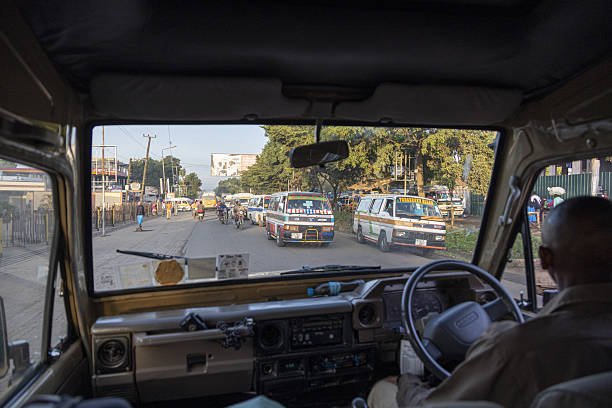
Matobo Hills Cultural And Wildlife Experience 2026-2027
Matobo Hills Cultural and Wildlife Experience is explained with current 2026-2027 planning, price, itinerary and booking information.
View package details
Damaraland Wildlife And Cultural Tour: Your Ultimate Guide For 2026-2027
Discover the rugged beauty and rich heritage of Damaraland, Namibia, with a specialized wildlife and cultural tour. This guide covers everything from desert-adapted elephants to ancient...
View package details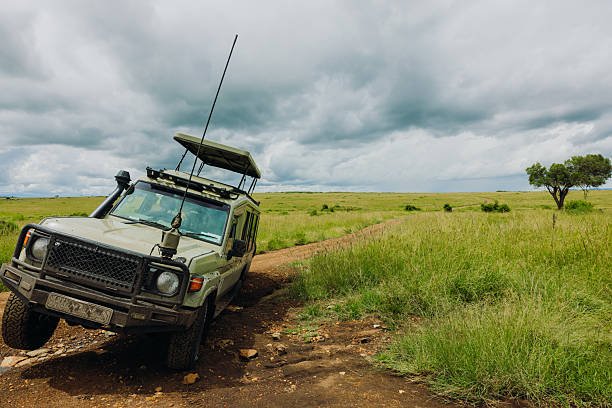
Malabo Architecture And Cultural Tour: Exploring Equatorial Guineas Capital
Explore the distinct architectural styles and rich cultural heritage of Malabo, Equatorial Guinea, with a guided tour designed by Top Guide Adventures. This tour offers a deep look at the...
View package details
N’djamena Cultural Experiences: A Deep Look At Chadian Traditions And Life
Discover the rich cultural mix of N’Djamena, Chad. This guide details unique experiences, from bustling markets and artisanal crafts to historical insights and local hospitality, perfect...
View package details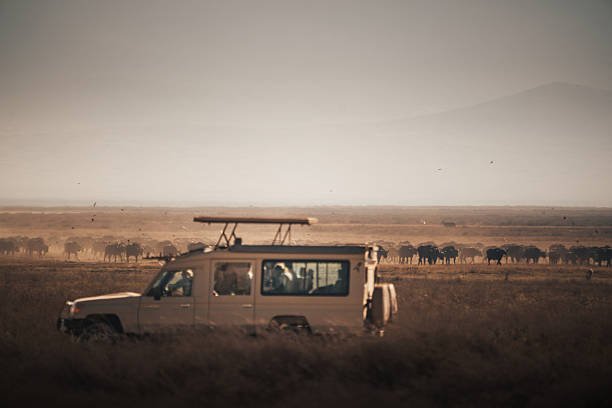
Baaka Cultural Heritage Experience: A Deep Look At Forest Life 2026-2027
Explore the rich cultural heritage of the Ba'Aka people in Tanzania with Top Guide Adventures. This comprehensive guide details their traditions, forest living, and how to book an authentic...
View package details
Congo River Cultural Journey: Explore East Africas Heartbeat 2026-2027
Discover the rich cultural mix along the Congo River. This journey explores the traditions, communities, and natural beauty of the region, offering an unforgettable adventure for 2026-2027.
View package detailsBrazzaville City And Cultural Tour: Explore Congos Vibrant Capital 2026-2027
Experience the heart of the Republic of Congo with a Brazzaville City and Cultural Tour. This comprehensive guide explores the capital's unique attractions, from bustling markets and...
View package details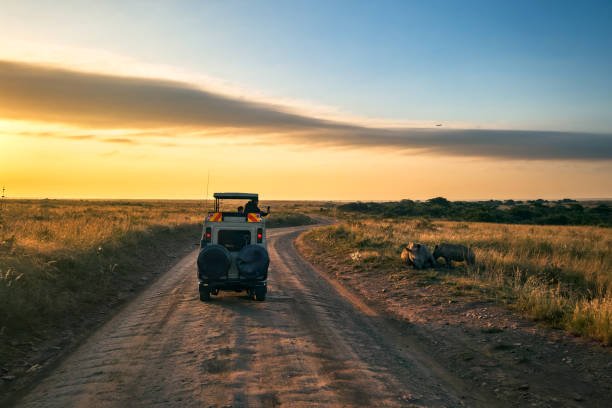
Libreville City And Cultural Tour: Explore Gabons Vibrant Capital 2026-2027
start a comprehensive Libreville city and cultural tour to uncover the heart of Gabon. Explore historical sites, bustling markets, vibrant art scenes, and authentic local experiences in the...
View package detailsNo related package matches those filters. Clear one or more filters to see the other topic-matched options.



