
A Malabo architecture and cultural tour offers a unique opportunity to explore the distinct blend of colonial-era buildings, modern developments, and the vibrant local traditions that define Equatorial Guinea’s capital city. Such tours typically highlight key historical sites, government buildings, residential areas showcasing varied architectural influences, and bustling markets where daily life and cultural practices are on full display, providing insights into the island’s history and contemporary society.


Understanding Malabo’s Architectural Narrative
Malabo, the capital of Equatorial Guinea, presents a fascinating architectural landscape shaped by its colonial past, its strategic importance, and its ongoing development as a growing African metropolis. A dedicated tour focusing on Malabo’s architecture and culture is more than just sightseeing; it’s an exploration of the island’s history, identity, and aspirations. From the remnants of Spanish colonial rule to the more recent, often ambitious, construction projects, the city tells a story through its buildings and public spaces.
The city’s location on Bioko Island, off the coast of Cameroon, has influenced its development and its architectural character. Historically, it served as a trading post and administrative center, leading to the construction of structures that reflect European styles adapted to the tropical climate. Understanding these influences is key to appreciating the visual narrative of Malabo.
Key Architectural Styles and Influences
Malabo’s architecture is a testament to its layered history. The primary influences can be categorized as follows:
- Colonial Spanish Architecture: This is perhaps the most visible historical layer. Many older government buildings, churches, and residential homes exhibit characteristics of Spanish colonial design. Look for features like stuccoed walls, tiled roofs, arched windows and doorways, and often enclosed courtyards designed for cooler, shaded living. These structures, though sometimes showing signs of age, are crucial to understanding the city’s origins.
- Post-Independence Modernism: Following independence in 1968, Equatorial Guinea, like many African nations, saw a period of development that incorporated modernist architectural principles. This era might feature simpler geometric forms, functional designs, and the use of concrete. However, the economic realities of the time meant that large-scale modernist projects were less common than in some other nations.
- Contemporary Development and Oil Boom Architecture: The discovery and exploitation of oil in the latter half of the 20th century, particularly in the 1990s, significantly altered Malabo’s trajectory. This led to a surge in construction, including modern hotels, office buildings, and government facilities. These structures often reflect international design trends, utilizing glass, steel, and concrete to create imposing, contemporary silhouettes. While some projects aim for grandeur, others are more functional, catering to the needs of a growing economy and population.
- Vernacular and Adaptation: While grand styles dominate the narrative, understanding the everyday structures and how people have adapted buildings to the tropical climate is also vital. This includes elements like verandas, natural ventilation strategies, and the use of local materials where possible, though modern construction often prioritizes imported materials.
Designing Your Malabo Architecture and Cultural Tour with Top Guide Adventures
Top Guide Adventures specializes in crafting authentic and insightful travel experiences across Tanzania, and extends this expertise to unique cultural and architectural explorations in other parts of Africa, including Equatorial Guinea. For a Malabo architecture and cultural tour, we focus on providing a comprehensive understanding of the city’s fabric, blending historical context with present-day realities.
Our approach ensures that your tour is not just informative but also deeply engaging. We work with local experts and guides who possess intimate knowledge of Malabo’s history, its buildings, and its people. This allows for a personalized experience that goes beyond the surface, connecting you with the stories behind the structures and the rhythms of daily life.
Customizing Your 2026-2027 Malabo Experience
Planning for 2026-2027 offers a great opportunity to experience Malabo as it continues to evolve. Whether you are interested in specific architectural periods, the impact of economic development on urban design, or simply gaining a deeper appreciation for the city’s cultural heritage, Top Guide Adventures can tailor an itinerary to your interests. We can arrange:
- Private Guided Walks: Focused exploration of specific neighborhoods or architectural styles.
- Visits to Key Landmarks: Including historical buildings, modern administrative centers, and cultural hubs.
- Interactions with Local Communities: To understand how people live within and interact with the city’s built environment.
- Culinary Experiences: Exploring local cuisine is an integral part of cultural understanding.
We encourage early booking for 2026 and 2027 to secure preferred dates and ensure the best local guides are available. Contact us to begin planning your bespoke Malabo adventure.
Essential Stops on a Malabo Architecture and Cultural Tour
To truly grasp Malabo’s essence, a guided tour should encompass a variety of sites that showcase its architectural diversity and cultural vibrancy. These locations offer tangible links to the city’s past and present.
1. The Presidential Palace (Palacio Presidencial)
While access to the interior may be restricted, the Presidential Palace is a significant landmark. Its imposing presence and architectural style speak to the nation’s governance and its historical administrative structures. Typically built during the colonial era or shortly after, it often features a blend of European design adapted to the tropical setting, with elements like wide verandas and formal gardens. Understanding its role in the country’s political history adds a layer of cultural significance.
2. The Cathedral of Our Lady of Conception (Catedral de Nuestra Señora de la Concepción)
This is one of the most prominent religious buildings in Malabo and a prime example of colonial-era religious architecture. Its design likely incorporates elements of Spanish Gothic or Neoclassical styles, adapted for the local climate. A tour can explore its exterior beauty, discuss its historical construction, and, if open, its interior. The presence of such a significant religious structure highlights the historical influence of Catholicism in Equatorial Guinea.
3. The Malabo Market (Mercado Central)
Markets are the pulsating heart of any city’s culture, and Malabo’s central market is no exception. Architecturally, it might be a utilitarian structure, perhaps a large hall or an open-air complex, designed to facilitate trade. However, its true value lies in the cultural immersion it offers. Here, you can observe local life, witness traditional commerce, see a variety of local produce, crafts, and perhaps even traditional clothing. It’s a place to engage with the everyday rhythms of Malabo, interact with vendors, and understand local customs and social dynamics. The sights, sounds, and smells are an integral part of the cultural experience.
4. The National Museum of Equatorial Guinea (Museo Nacional de Guinea Ecuatorial)
While its collections might focus on ethnography, history, and art, the building that houses the museum itself can be an architectural point of interest. Often, such institutions are housed in historically significant buildings, perhaps former colonial administrative offices or residences. A visit here provides direct insights into the cultural heritage, traditions, and artistic expressions of the Equatoguinean people, complementing the architectural exploration.
5. The Old Town and Colonial Streets
Beyond specific landmarks, a significant part of a Malabo architecture tour involves wandering through older neighborhoods. Here, you can find streets lined with buildings that showcase the remnants of Spanish colonial influence. Look for houses with characteristic balconies, shuttered windows, and their specific color palettes. These areas often retain a slower pace of life and offer a glimpse into the city’s past. Guides can point out architectural details and share stories of the people who lived and worked in these buildings.
6. Modern Government and Business Districts
As Malabo has grown, particularly with oil revenues, new administrative buildings, hotels, and corporate headquarters have emerged. These modern structures often stand in contrast to the older colonial architecture. A tour can include these areas to illustrate the city’s development, its economic drivers, and contemporary architectural aspirations. Examining these buildings allows for a discussion on urban planning, international investment, and the visual identity Malabo is cultivating for the future.
7. The Port Area
As an island capital, the port is a crucial element of Malabo’s identity and economy. The architecture here might be more functional, focusing on warehouses, shipping facilities, and administrative buildings related to maritime trade. However, the port area often reflects the city’s connection to the wider world and its historical role as a gateway. Observing the activity and the surrounding infrastructure provides context for the nation’s trade and its strategic importance.
Cultural Immersion Beyond Architecture
An architecture and cultural tour in Malabo is incomplete without engaging with the living heritage of its people. Top Guide Adventures ensures that your experience is rich with cultural encounters.
Understanding Local Traditions and Daily Life
Equatorial Guinean culture is a vibrant mix of indigenous Bantu traditions, Spanish colonial influences, and elements from other African and European groups. A cultural tour component will aim to shed light on:
- Social Customs: Greetings, family structures, community interactions, and respect for elders.
- Arts and Crafts: Exploring local artistry, including wood carving, textiles, and traditional masks, often displayed in markets or specialized shops.
- Music and Dance: Understanding the importance of rhythm and movement in cultural celebrations and daily life.
- Language: While Spanish and French are official languages, local languages like Bube and Fang are spoken, adding to the linguistic diversity.
Culinary Exploration
Food is a universal language and a significant part of any culture. In Malabo, this means exploring the local flavors:
- Staple Foods: Cassava, plantains, yams, and rice form the basis of many dishes.
- Local Delicacies: Dishes often feature fresh fish, chicken, and goat, prepared with local spices. Popular dishes might include ‘Sopa de Maní’ (peanut soup) or various stews.
- Tropical Fruits: Enjoying the abundance of fresh fruits like mangoes, papayas, and pineapples.
- Dining Experiences: From bustling market stalls serving quick bites to local restaurants offering traditional meals, experiencing Malabo’s cuisine is a must.
Interactions and Local Perspectives
Top Guide Adventures prioritizes creating opportunities for meaningful interactions. This could involve:
- Visiting Local Communities: With appropriate arrangements and respect, gaining insight into how people live outside the main city center.
- Conversations with Artisans: Learning about their craft and the cultural significance of their work.
- Engaging with Local Guides: Our guides are not just knowledgeable about facts but are also storytellers who can share personal perspectives on life in Malabo.
Planning Your 2026-2027 Trip: Practical Considerations
When planning your Malabo architecture and cultural tour for 2026 or 2027, several practical aspects are important to consider to ensure a smooth and enjoyable experience.
Best Time to Visit
Malabo has a tropical climate, characterized by high temperatures and humidity year-round. The city experiences two main seasons:
- Dry Season (June to August and December to February): These periods generally offer less rainfall, making them more comfortable for exploration and outdoor activities. Temperatures remain warm, but humidity might be slightly lower. This is often considered the peak tourist season.
- Rainy Season (March to May and September to November): Expect more frequent and heavier rainfall. While this can disrupt some outdoor plans, it also means lush green landscapes and fewer tourists. Prices for flights and accommodation might be slightly lower during these times.
For architectural tours, the dry season is generally preferable for comfortable walking and clearer views of buildings. However, even in the rainy season, many aspects of the tour can be adapted. For 2026-2027 planning, consider booking your preferred season well in advance.
Visa Requirements
Visa requirements for Equatorial Guinea can vary depending on your nationality. It is crucial to research the specific requirements for your country well in advance of your travel dates. Some nationalities may require a visa obtained in advance from an embassy or consulate, while others might be eligible for a visa on arrival under certain conditions. Top Guide Adventures can provide guidance on visa applications, but ultimately, the responsibility lies with the traveler.
Health and Vaccinations
Consult your doctor or a travel health clinic at least 4-6 weeks before your trip. Recommended vaccinations often include Hepatitis A, Typhoid, and Yellow Fever (a certificate may be required for entry). Malaria prophylaxis is also highly recommended due to the prevalence of the disease. Ensure you have adequate travel insurance that covers medical emergencies.
Currency and Payment
The official currency of Equatorial Guinea is the Central African CFA franc (XAF). While credit cards may be accepted in larger hotels and some upscale establishments, it is advisable to carry sufficient cash, especially for markets and smaller businesses. ATMs are available in Malabo, but they may not always be reliable, and not all international cards are accepted. Exchanging currency at official exchange bureaus or banks is recommended.
Language
The official languages are Spanish and French. However, local languages such as Bube and Fang are widely spoken. English is understood in tourist-oriented establishments, but having a few basic Spanish or French phrases can be very helpful for interactions outside of guided tours.
Safety and Security
Malabo is generally considered safe for tourists, especially when sticking to well-traveled areas and exercising standard precautions. It’s wise to be aware of your surroundings, avoid displaying valuable items openly, and be cautious at night. Following the advice of your local guide is paramount for ensuring your safety and security throughout the tour.
Why Choose Top Guide Adventures for Your Malabo Tour?
While Top Guide Adventures is renowned for its exceptional Tanzanian tours, our commitment to providing authentic and expertly guided experiences extends to destinations like Malabo. We understand that exploring a unique destination like Equatorial Guinea requires local knowledge, cultural sensitivity, and a dedication to personalized service.
Our advantages for a Malabo architecture and cultural tour include:
- Expert Local Guides: We partner with knowledgeable local guides who offer deep insights into Malabo’s history, architecture, and culture, providing a perspective you won’t find in guidebooks.
- Tailor-Made Itineraries: We don’t believe in one-size-fits-all. Your tour will be customized to your specific interests, pace, and budget, whether you’re focusing on colonial buildings, contemporary design, or cultural immersion.
- Logistical Support: From airport transfers to arranging internal transport and accommodations, we handle the details so you can focus on the experience.
- Cultural Sensitivity: We ensure that all our tours are conducted with the utmost respect for local customs and traditions, fostering positive interactions.
- Commitment to Quality: Our dedication to personal attention, care, and dedicated support means we are with you every step of the way, from initial planning to your departure.
For your 2026-2027 travel plans, consider Top Guide Adventures for an unforgettable journey into the heart of Malabo’s architectural and cultural landscape. We are committed to providing a comprehensive and enriching experience that goes beyond the ordinary.
The Evolution of Malabo: From Colonial Port to Modern Capital
To fully appreciate the architectural mix of Malabo, it’s essential to understand its historical trajectory. The city, originally named Port Clarence by British explorers, was later renamed Malabo (after a local king) and became the capital of Spanish Guinea. Its development was intrinsically linked to its role as an administrative and trading center.
Colonial Foundations (Late 19th – Mid 20th Century)
During the Spanish colonial period, Malabo (then known as Santa Isabel) was developed as a port city. The infrastructure built during this era, including government buildings, residences for colonial officials, and the cathedral, laid the foundation for its architectural character. These structures often employed a functional colonial style, adapted to the humid tropics, featuring thick walls, high ceilings, tiled roofs, and shaded verandas. The city’s layout also reflected European urban planning principles, with a central administrative district and surrounding residential areas.
Post-Independence and Economic Shifts (1960s – 1990s)
Equatorial Guinea gained independence in 1968. The initial years after independence were marked by political instability and economic challenges, which limited large-scale architectural development. While some modernist influences might have appeared in public buildings, the economic boom associated with oil discoveries in the 1990s would later dramatically reshape the city’s skyline. This period saw a slow but steady growth, with a focus on maintaining existing infrastructure and some new administrative constructions.
The Oil Boom Era and Modern Transformation (Late 1990s – Present)
The exploitation of offshore oil reserves transformed Malabo’s economic landscape and, consequently, its physical appearance. The influx of foreign investment led to a construction surge. This era is characterized by:
- International Architectural Styles: Modern hotels, office towers, and residential complexes were built, often reflecting global architectural trends. These frequently utilize glass, steel, and concrete, creating a stark contrast with the older colonial buildings.
- Government Investment: Significant government spending went into new administrative buildings, convention centers, and infrastructure projects, aimed at projecting an image of progress and stability.
- Urban Expansion: The city’s footprint expanded, with new residential areas and commercial zones developing to accommodate a growing population and economic activity.
- Challenges in Urban Planning: Rapid development sometimes outpaced integrated urban planning, leading to a mix of styles and varying quality of construction.
This evolution is precisely what makes a Malabo architecture and cultural tour so compelling. It’s a city where historical layers are visible side-by-side, telling a story of change, adaptation, and aspiration. For those planning a trip in 2026-2027, seeing this ongoing transformation firsthand will be a significant part of the experience.
Deep look at Specific Architectural Elements
Beyond broad styles, exploring specific architectural elements can offer a more nuanced understanding of Malabo’s built environment and the ingenuity of its builders.
1. Verandas and Balconies
A common feature in tropical colonial architecture, verandas and balconies in Malabo serve a crucial function: providing shaded outdoor space and promoting natural ventilation. These elements offer respite from the heat and humidity, allowing residents to enjoy the outdoors while staying cool. The design of these features can range from simple, functional extensions to more ornate, decorative elements, reflecting the building’s original purpose and era. Observing their prevalence, design, and current use offers insight into how buildings are adapted to the climate and lifestyle.
2. Roofs and Roofing Materials
Traditional roofing in Malabo often consists of terracotta tiles, a common feature in Spanish-influenced architecture, which are effective at reflecting heat. However, modern construction frequently employs concrete or metal roofing. The style and material of a roof can indicate the age and status of a building. In older structures, you might notice steep pitches designed to shed heavy rainfall, while modern flat roofs are also common in newer constructions.
3. Window and Door Treatments
Colonial-era buildings often feature large, arched windows and doorways, designed to maximize light and airflow. Shutters, often made of wood, were integral for controlling sunlight and providing security. In contrast, modern buildings might utilize expansive glass facades or simpler, more functional window designs. The treatment of openings is a key indicator of the building’s age, style, and its response to the local environment.
4. Courtyards and Internal Spaces
Many older residential and administrative buildings in Malabo were designed around internal courtyards. These provide a private, shaded, and often cooler central space within the building, acting as a focal point for family life or administrative functions. While not always visible from the street, their presence is a significant aspect of traditional building design aimed at comfort in a tropical climate. Modern developments might incorporate courtyards in their design, or opt for more open-plan internal layouts.
5. Use of Materials
Historically, local materials such as wood and stone would have been utilized, alongside imported materials like tiles. Colonial buildings often feature robust construction with thick masonry walls. The oil boom era brought a prevalence of concrete, steel, and glass, reflecting international construction trends and the availability of capital for modern materials. Understanding the materials used in different buildings provides a material history of Malabo’s development.
Cultural Insights Through Art and Craft
The cultural aspect of a Malabo tour extends to its artistic expressions. While architecture provides a physical narrative, art and crafts offer a window into the soul of the people.
Traditional Arts and Crafts
Equatorial Guinea boasts a rich tradition of arts and crafts, heavily influenced by the indigenous ethnic groups like the Fang, Bube, and Annobonese. Common forms include:
- Wood Carving: Intricate carvings, often depicting ancestral figures, animals, and abstract designs, are a hallmark of Fang art. These are found in masks, statues, and ceremonial objects.
- Masks: Used in traditional ceremonies and rituals, these masks are often elaborately decorated and represent spirits or important figures.
- Textiles: While perhaps less prominent than wood carving, traditional textiles and beadwork also play a role in cultural attire and decoration.
- Pottery: Functional and decorative pottery has been a part of daily life for centuries.
Visiting local markets or specialized craft shops (often guided by your tour operator) can provide opportunities to see and purchase these items, offering a tangible connection to the culture.
Contemporary Art Scene
While the contemporary art scene might be less developed compared to some other African capitals, there is a growing interest in modern artistic expression. This can include painting, sculpture, and mixed-media art that reflects contemporary life, social issues, and national identity. Your tour could potentially include visits to galleries or studios if available and of interest.
Navigating Malabo: Transportation and Logistics
Understanding how to navigate Malabo is crucial for any visitor. Top Guide Adventures handles the primary logistics for your tour, but general knowledge is beneficial.
Getting Around
- Taxis: Taxis are available and are a common way to get around the city. It’s advisable to agree on a fare before starting your journey, as meters are rarely used.
- Private Cars with Drivers: For architectural and cultural tours, hiring a private car with a driver is the most convenient and efficient option. This allows you to cover more ground comfortably, especially for reaching different architectural sites and cultural points of interest. Top Guide Adventures arranges this as part of your tailored tour.
- Walking: While walking is possible within specific neighborhoods, the tropical heat and humidity can make extensive walking challenging. It’s best suited for exploring particular streets or areas in more detail once you’ve reached them by vehicle.
Infrastructure
Malabo’s infrastructure has seen improvements, especially in the city center, with paved roads and enhanced public spaces. However, some outer areas might have less developed road networks. The city is served by the Malabo International Airport (BSL), which is located about 7 kilometers southwest of the city center.
Engaging with the Community
A truly enriching cultural experience involves respectful engagement with the local community. Our tours are designed to facilitate this in a responsible manner.
- Respect Local Customs: Always ask for permission before taking photographs of people. Dress modestly, especially when visiting religious sites or more traditional areas.
- Learn Basic Phrases: A simple ‘Hola’ (Hello), ‘Gracias’ (Thank you), or ‘Por favor’ (Please) in Spanish can go a long way in fostering goodwill.
- Support Local Businesses: Purchasing crafts, dining at local eateries, and using local services directly benefits the community.
By choosing a guided tour with Top Guide Adventures, you ensure that these interactions are managed with cultural sensitivity, enhancing your experience while respecting local traditions.
Looking Ahead: Malabo’s Future Architecture and Culture
As Malabo continues to grow and develop, its architectural and cultural landscape will undoubtedly evolve. For travelers planning a visit in 2026-2027, there’s an opportunity to witness this transition. Potential future developments might include:
- Sustainable Architecture: With increasing global awareness, there may be a growing focus on incorporating sustainable design principles and eco-friendly materials in new constructions.
- Preservation Efforts: As the city modernizes, there’s a potential for increased focus on preserving its historical colonial architecture, recognizing its value as part of the national heritage.
- Cultural Hubs: Development of more dedicated cultural centers, museums, and performance spaces could further enrich the city’s artistic and cultural offerings.
- Urban Planning Initiatives: Efforts to improve urban planning and infrastructure could lead to a more cohesive and functional city design.
A Malabo architecture and cultural tour provides a snapshot of this dynamic city at a particular moment in time. By understanding its past, appreciating its present, and considering its future, visitors gain a comprehensive perspective.
Booking Your Malabo Architecture and Cultural Tour
Ready to explore the unique blend of history, architecture, and culture in Malabo? Top Guide Adventures is your trusted partner for creating an exceptional journey. Whether you are planning for 2026 or 2027, we are here to help you craft an itinerary that perfectly matches your interests.
We offer personalized consultations to discuss your preferences, budget, and desired pace. Our team is dedicated to providing the highest level of service, ensuring your trip is smooth and memorable. Don’t hesitate to reach out to us to start planning your adventure.
For inquiries or to request a tailor-made itinerary for your Malabo architecture and cultural tour, please contact us:
- WhatsApp: +255616946642
- Email: info@topguideadventures.com
- Website: Top Guide Adventures
Let us guide you through the fascinating architectural heritage and vibrant culture of Malabo. We look forward to helping you create an unforgettable travel experience in Equatorial Guinea.
Check Availability for Malabo Architecture And Cultural Tour: Exploring Equatorial Guineas Capital
Ready to compare dates, prices, and the best option for your group? Send the package name and travel month so the team can reply with a clear quote, availability, and what is included.

Mozambique Marine And Cultural Tour: Your Ultimate Adventure Guide 2026-2027
Discover the best of Mozambique with a unique marine and cultural tour. This guide details itineraries, activities, and insights for 2026-2027 adventures, blending underwater exploration...
View package details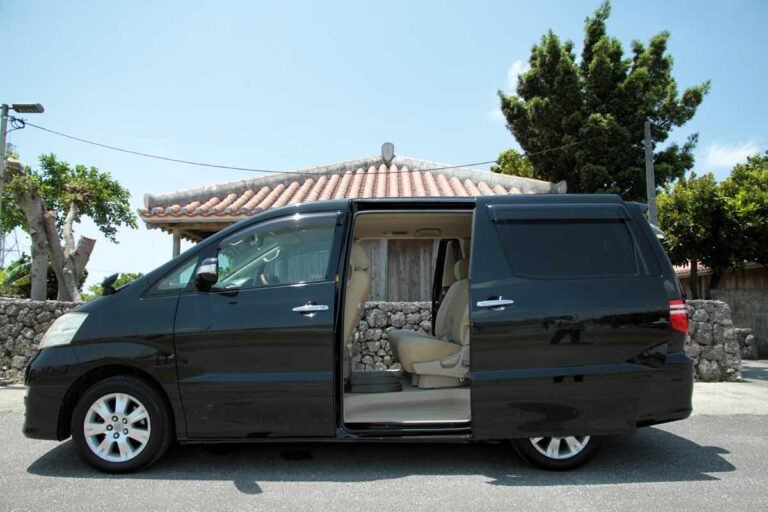
Maputo Food And City Tour: A Culinary Cultural Journey Through Mozambiques
Discover the heart of Maputo through its food and streets. A guided tour offers an unparalleled way to experience the capital's unique blend of African, Portuguese, and Asian influences...
View package details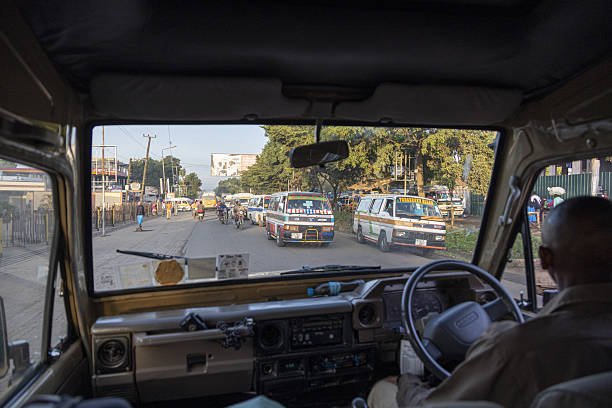
Matobo Hills Cultural And Wildlife Experience 2026-2027
Matobo Hills Cultural and Wildlife Experience is explained with current 2026-2027 planning, price, itinerary and booking information.
View package details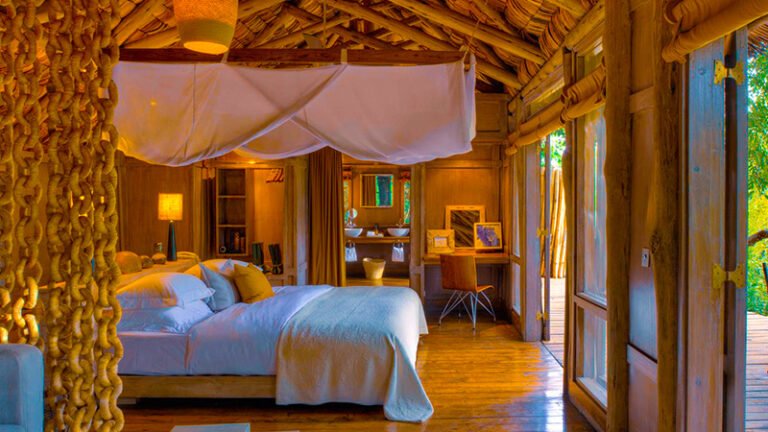
Damaraland Wildlife And Cultural Tour: Your Ultimate Guide For 2026-2027
Discover the rugged beauty and rich heritage of Damaraland, Namibia, with a specialized wildlife and cultural tour. This guide covers everything from desert-adapted elephants to ancient...
View package details
N’djamena Cultural Experiences: A Deep Look At Chadian Traditions And Life
Discover the rich cultural mix of N’Djamena, Chad. This guide details unique experiences, from bustling markets and artisanal crafts to historical insights and local hospitality, perfect...
View package detailsChad Sahara Cultural Tourism Guide: Experience Authentic Tanzania 2026-2027
Your essential guide to Chad Sahara cultural tourism in Tanzania. Discover authentic interactions, local traditions, and unique experiences with Top Guide Adventures. Plan your 2026-2027...
View package details
Bangui Cultural And Historical Tourism: Exploring Central African Heritage
Explore the vibrant cultural mix and compelling history of Bangui, the capital of the Central African Republic. This guide offers insights into its key attractions, historical significance...
View package details
Baaka Cultural Heritage Experience: A Deep Look At Forest Life 2026-2027
Explore the rich cultural heritage of the Ba'Aka people in Tanzania with Top Guide Adventures. This comprehensive guide details their traditions, forest living, and how to book an authentic...
View package details
Congo River Cultural Journey: Explore East Africas Heartbeat 2026-2027
Discover the rich cultural mix along the Congo River. This journey explores the traditions, communities, and natural beauty of the region, offering an unforgettable adventure for 2026-2027.
View package detailsBrazzaville City And Cultural Tour: Explore Congos Vibrant Capital 2026-2027
Experience the heart of the Republic of Congo with a Brazzaville City and Cultural Tour. This comprehensive guide explores the capital's unique attractions, from bustling markets and...
View package details
Libreville City And Cultural Tour: Explore Gabons Vibrant Capital 2026-2027
start a comprehensive Libreville city and cultural tour to uncover the heart of Gabon. Explore historical sites, bustling markets, vibrant art scenes, and authentic local experiences in the...
View package detailsHistorical Sites In East Africa & Cultural Safari Tours In 2026-2027
Discover East Africa's compelling historical sites and vibrant cultural experiences through specialized safari tours in 2026-2027. This guide covers key locations, tour types, and planning...
View package detailsNo related package matches those filters. Clear one or more filters to see the other topic-matched options.



