
The Chad Sahara Cultural Tourism Guide offers a deep look at the unique traditions, daily life, and community interactions found in the Chad Sahara region of Tanzania, allowing travelers to connect authentically with local cultures through guided experiences, village visits, and respectful engagement with indigenous communities, with 2026 and 2027 presenting excellent opportunities for planning such in-depth journeys.
Understanding Chad Sahara Cultural Tourism
Tanzania is renowned globally for its spectacular wildlife safaris and the majestic Mount Kilimanjaro. However, beyond the well-trodden paths of national parks and mountain trails lies a rich mix of cultural heritage waiting to be explored. The Chad Sahara region, though perhaps less globally recognized than other areas, offers a profound and authentic cultural tourism experience. This guide is designed to illuminate the path for those seeking genuine connections, understanding, and appreciation of the diverse communities that call Chad Sahara home. It’s about moving beyond observation to participation, fostering mutual respect, and creating lasting memories grounded in real human interaction.
Cultural tourism in Chad Sahara is not about staged performances or curated displays. It is about stepping into the rhythm of daily life, understanding local customs, sharing stories, and learning about the history and traditions that shape the identities of the people. For travelers planning trips in 2026 or 2027, this region provides an unparalleled opportunity to witness and engage with a way of life that has been preserved through generations.
Why Choose Chad Sahara for Cultural Immersion?
The allure of Chad Sahara for cultural tourism stems from its relative remoteness and the strong preservation of its cultural identity. Unlike more heavily touristed areas, Chad Sahara offers a more intimate and unfiltered glimpse into Tanzanian life. Here, interactions feel genuine, and the opportunities for learning are abundant.
- Authenticity: The primary draw is the unadulterated cultural experience. Communities in Chad Sahara maintain strong traditional practices, social structures, and artistic expressions.
- Diversity: The region is home to various ethnic groups, each with its own distinct language, customs, and history. This diversity enriches the cultural landscape and offers varied learning opportunities.
- Meaningful Engagement: Cultural tourism here focuses on respectful interaction. Visitors can learn traditional crafts, participate in agricultural activities, visit local schools, and share meals with families.
- Support for Local Communities: By choosing to visit Chad Sahara through responsible tour operators like Top Guide Adventures, travelers directly contribute to the economic well-being of these communities, helping to preserve their culture and way of life.
- Off-the-Beaten-Path Experience: For travelers looking to escape the crowds and experience a side of Tanzania few international visitors see, Chad Sahara is an ideal destination.
Key Ethnic Groups and Their Traditions in Chad Sahara
The Chad Sahara region is a mosaic of Tanzanian cultures. While specific ethnic compositions can vary, several prominent groups contribute to the region’s rich cultural heritage. Understanding these groups is fundamental to appreciating the depth of Chad Sahara cultural tourism.
The Maasai People
The Maasai are perhaps Tanzania’s most iconic ethnic group, known for their vibrant red shukas, intricate beadwork, and semi-nomadic pastoralist lifestyle. While found in many parts of northern Tanzania, communities in and around Chad Sahara offer unique insights into their traditions.
- Lifestyle: Traditionally, the Maasai are cattle herders, with livestock forming the cornerstone of their economy and social status. Their lives are closely tied to the land and the seasons.
- Social Structure: Maasai society is organized around age-sets, with distinct roles and responsibilities for different age groups, from young boys herding cattle to elder warriors (morans) and the respected elders who make community decisions.
- Cultural Practices: Visitors might witness or learn about traditional ceremonies, including coming-of-age rituals, the singing and dancing characteristic of Maasai gatherings (such as the adumu or jumping dance), and the construction of their traditional homes, known as enkaj or boma.
- Beadwork: Maasai beadwork is world-renowned for its intricate patterns and vibrant colors, each color often carrying specific symbolic meaning. Learning about this art form provides a window into their aesthetic values and communication methods.
The Iraqw People
The Iraqw are a predominantly agricultural community with a distinct language and unique cultural practices, particularly known for their impressive underground dwellings. They are a significant presence in parts of the Chad Sahara area.
- Agriculture: The Iraqw are skilled farmers, cultivating crops like maize, beans, and sorghum. Their agricultural techniques are often passed down through generations.
- Underground Houses: A defining feature of Iraqw culture is their historical use of extensive underground houses, dug into hillsides for protection and insulation. Exploring these can be a fascinating aspect of a cultural tour.
- Social Customs: The Iraqw have strong community ties and traditions related to family, marriage, and land ownership. Their oral history and storytelling traditions are also significant.
Other Communities
Depending on the specific location within Chad Sahara, travelers might also encounter communities from groups like the Datoga (known for their metalworking and traditional attire) or various Bantu-speaking peoples who have settled in the area, each contributing to the cultural richness.
Planning Your Chad Sahara Cultural Tourism Itinerary for 2026-2027
A successful cultural tourism experience in Chad Sahara requires careful planning to ensure it is respectful, enriching, and aligns with your interests. Top Guide Adventures specializes in crafting tailor-made journeys that prioritize authentic engagement.
Duration and Timing
While short visits can offer a glimpse, a deeper cultural immersion typically requires at least 3 to 5 days dedicated to the Chad Sahara region. For 2026 and 2027, consider the following:
- Dry Seasons (June-October, December-February): These periods are generally best for travel, with pleasant weather for village visits and outdoor activities. Cultural ceremonies are often scheduled during these times.
- Shoulder Seasons (March-May, November): These months can offer fewer crowds and potentially lower costs, though weather can be more unpredictable (especially during the long rains from March to May).
- Booking Window: For peak seasons in 2026-2027, it’s advisable to book at least 6-9 months in advance to secure preferred accommodations and guides.
Sample Itinerary Outline (5 Days)
This is a flexible framework that can be customized. Top Guide Adventures excels at creating personalized Chad Sahara cultural tours.
- Day 1: Arrival and Introduction to Local Life
- Arrive in a gateway town near Chad Sahara.
- Meet your local guide from Top Guide Adventures.
- Transfer to a community guest house or lodge.
- Afternoon village walk, introduction to local elders, and understanding community structure.
- Evening traditional meal prepared with local ingredients.
- Day 2: Maasai Culture and Traditions
- Visit a Maasai boma (homestead).
- Learn about pastoralist life, cattle culture, and social organization.
- Witness or participate in traditional Maasai dances and songs.
- Opportunity to learn about Maasai beadwork and purchase authentic crafts directly from artisans.
- Storytelling session with community members about their history and beliefs.
- Day 3: Agricultural Practices and Iraqw Heritage
- Explore the agricultural landscape and learn about farming techniques.
- Visit an Iraqw village and learn about their unique culture, possibly including their traditional underground houses.
- Understand the role of agriculture in the local economy and daily life.
- Participate in a hands-on activity, such as preparing a traditional meal or learning a farming task.
- Day 4: Community Engagement and Skill Sharing
- Visit a local school to understand the education system (arrange donations or volunteer time respectfully in advance).
- Engage in a craft workshop: learn basic beadwork, pottery, or other traditional skills.
- Participate in a cooking class focusing on local cuisine.
- Evening campfire discussion with guides and community representatives about cultural preservation and challenges.
- Day 5: Reflection and Departure
- Morning visit to a local market (if timing aligns).
- Farewell breakfast with hosts.
- Transfer back to the nearest transport hub for onward travel.
Experiencing Authentic Interactions: Dos and Don’ts
Respectful engagement is paramount in cultural tourism. Top Guide Adventures emphasizes a responsible approach to ensure positive experiences for both visitors and host communities.
Do:
- Ask Permission: Always ask before taking photographs of people, their homes, or sacred sites. Guides will facilitate this.
- Dress Modestly: Especially when visiting villages or attending ceremonies, wear clothing that covers your shoulders and knees out of respect for local customs.
- Learn Basic Greetings: Knowing a few words in the local language (e.g., greetings, thank you) is highly appreciated.
- Be Open-Minded: Embrace differences and be curious to learn about new perspectives and ways of life.
- Engage with Your Guide: Your local guide is your key to understanding the culture. Ask questions and listen attentively.
- Support Local Economies: Purchase authentic handicrafts directly from artisans, and consider paying a fair price for experiences offered by the community.
- Be Patient: Understand that life moves at a different pace. Embrace the opportunity to slow down and observe.
Don’t:
- Tiptoe Around: Be present and engage respectfully, but avoid being overly intrusive or treating people like exhibits.
- Offer Money or Sweets to Children: This can encourage begging and disrupt education. If you wish to help, coordinate with your guide or Top Guide Adventures for appropriate community support initiatives (e.g., school supplies).
- Make Assumptions: Avoid judging or comparing local customs to your own.
- Disrupt Daily Life: Be mindful that you are visiting people’s homes and communities. Avoid interfering with daily activities unless invited.
- Expect Western Standards: Accommodations and facilities may be basic. Embrace the simplicity and authenticity.
- Photograph Without Asking: This is considered highly disrespectful.
Accommodation Options in Chad Sahara
Accommodation choices in Chad Sahara are geared towards providing an authentic experience while ensuring a comfortable stay. Top Guide Adventures partners with locally-owned establishments and community projects.
- Community Guest Houses: These offer a chance to stay within villages, often hosted by local families. They provide basic but clean rooms and a truly in-depth experience, allowing for direct interaction with your hosts.
- Eco-Lodges: Some lodges are designed to blend with the natural environment and offer a comfortable base with a focus on sustainability and cultural sensitivity. They often employ local staff and source local produce.
- Homestays: For the most intimate experience, homestays allow you to live with a local family, sharing meals and daily life. This is the pinnacle of cultural immersion.
When planning for 2026-2027, discuss your comfort level and desired level of immersion with Top Guide Adventures to find the perfect accommodation.
Culinary Experiences in Chad Sahara
Food is a vital part of culture, and Chad Sahara offers a chance to taste traditional Tanzanian flavors. Meals are often prepared using fresh, locally sourced ingredients, providing an authentic culinary journey.
- Staples: Expect dishes based on maize (ugali), rice, beans, and local vegetables.
- Meat: In pastoralist communities like the Maasai, goat meat and beef are traditional, often prepared in simple yet flavorful ways.
- Local Delicacies: Depending on the season and location, you might sample unique local fruits, wild vegetables, or traditional stews.
- Cooking Demonstrations: Many tours include opportunities to learn how to prepare traditional dishes, offering hands-on insight into local culinary heritage.
Dining is often a communal affair, providing another opportunity for connection and conversation.
Top Guide Adventures: Your Partner for Chad Sahara Cultural Tourism
Choosing the right tour operator is crucial for a meaningful and responsible cultural tourism experience. Top Guide Adventures has a deep understanding of the Chad Sahara region and a commitment to ethical tourism practices.
Our Approach
- Local Expertise: We work with guides who are from or have deep ties to the communities in Chad Sahara, ensuring authentic insights and respectful interactions.
- Community Partnerships: We build long-term relationships with local communities, ensuring that tourism benefits them directly and sustainably.
- Tailor-Made Journeys: We don’t offer one-size-fits-all tours. We listen to your interests and craft personalized itineraries for your Chad Sahara cultural adventure in 2026 or 2027.
- Responsible Tourism: We adhere to strict ethical guidelines, prioritizing cultural sensitivity, environmental sustainability, and the well-being of local people.
- Comprehensive Support: From initial planning to your departure, we provide dedicated support, ensuring a smooth and enriching travel experience.
Why Book with Us?
For your Chad Sahara cultural tourism trip in 2026-2027, Top Guide Adventures offers:
- Unmatched Authenticity: We connect you with genuine cultural experiences, not staged shows.
- Deep Local Knowledge: Our guides share profound insights into the history, traditions, and daily lives of the communities.
- Personalized Service: We cater to your specific interests, pace, and comfort level.
- Ethical Impact: Your travel directly supports community development and cultural preservation.
- Safety and Comfort: We ensure your well-being throughout your journey, balancing authentic experiences with necessary comforts.
We understand the nuances of cultural exchange and are dedicated to facilitating respectful and enriching encounters. Whether you are interested in the Maasai way of life, the agricultural traditions of the Iraqw, or the broader cultural landscape of Chad Sahara, we can design the perfect itinerary for you.
Cultural Etiquette and Safety Considerations
Understanding and respecting local customs is key to a positive cultural tourism experience. Safety is also a priority, and Top Guide Adventures ensures that all tours are conducted with the utmost care.
Cultural Etiquette
- Respect for Elders: Show deference to older members of the community.
- Gift Giving: If you wish to give gifts, consult your guide. Practical items for schools or families are often more appreciated than cash.
- Modesty: Maintain modesty in dress and behavior. Avoid public displays of affection.
- Hospitality: Accept offers of food or drink graciously. If you cannot, politely decline.
- Photography: Reiterate the importance of asking permission before taking photos.
Safety
- Health: Consult your doctor about necessary vaccinations and malaria precautions well before your 2026-2027 trip. Drink bottled or purified water.
- Guides: Always stay with your authorized guide. They are knowledgeable about the local terrain and customs and will ensure your safety.
- Valuables: Exercise the same caution with valuables as you would in any unfamiliar place. Keep them secure and out of sight when not needed.
- Community Relations: Building positive relationships with the community is our priority. Our guides facilitate respectful interactions that minimize any potential misunderstandings.
- Emergency Procedures: Top Guide Adventures has clear emergency protocols in place, and our guides are trained to handle unforeseen situations.
The Future of Chad Sahara Cultural Tourism (2026-2027 and Beyond)
The landscape of tourism is constantly evolving, and cultural tourism in Chad Sahara is poised for thoughtful growth. The focus for 2026 and 2027 will be on sustainable development that empowers local communities without compromising their cultural integrity.
- Community-Based Tourism: Expect an increasing emphasis on tourism initiatives directly managed and operated by the communities themselves, ensuring that benefits are distributed equitably.
- Authenticity Preservation: Efforts will continue to ensure that cultural experiences remain genuine and respectful, avoiding the pitfalls of over-commercialization.
- Digital Connectivity: While maintaining traditional ways, communities may see gradual improvements in infrastructure, potentially including better communication channels for booking and information.
- Educational Tourism: There’s a growing interest in educational travel, where visitors come not just to see, but to learn and contribute positively, perhaps through workshops or skill-sharing programs.
- Integration with Other Tanzanian Experiences: Chad Sahara cultural tourism will increasingly be seen as a vital complement to safaris and mountain treks, offering a holistic Tanzanian adventure.
Top Guide Adventures is committed to being at the forefront of this responsible evolution, ensuring that Chad Sahara remains a destination for authentic cultural discovery for years to come.
Making Your Booking for Chad Sahara Cultural Tourism
Ready to plan your unforgettable Chad Sahara cultural tourism experience for 2026 or 2027? Top Guide Adventures is here to help you craft the perfect journey.
We pride ourselves on offering personalized service, deep local knowledge, and a commitment to responsible tourism. Whether you dream of staying with a Maasai family, learning ancient farming techniques, or simply connecting with the warm and welcoming people of Chad Sahara, we can make it happen.
Contact us today to start planning:
- WhatsApp: +255616946642
- Email: info@topguideadventures.com
Let us guide you to the heart of Tanzanian culture in Chad Sahara. Explore our website for more inspiration on Tanzania safaris and customized journeys.
Check Availability for Chad Sahara Cultural Tourism Guide: Experience Authentic Tanzania 2026-2027
Ready to compare dates, prices, and the best option for your group? Send the package name and travel month so the team can reply with a clear quote, availability, and what is included.

N’djamena Cultural Experiences: A Deep Look At Chadian Traditions And Life
Discover the rich cultural mix of N’Djamena, Chad. This guide details unique experiences, from bustling markets and artisanal crafts to historical insights and local hospitality, perfect...
View package details
Bangui Cultural And Historical Tourism: Exploring Central African Heritage
Explore the vibrant cultural mix and compelling history of Bangui, the capital of the Central African Republic. This guide offers insights into its key attractions, historical significance...
View package details
Mozambique Marine And Cultural Tour: Your Ultimate Adventure Guide 2026-2027
Discover the best of Mozambique with a unique marine and cultural tour. This guide details itineraries, activities, and insights for 2026-2027 adventures, blending underwater exploration...
View package details
Maputo Food And City Tour: A Culinary Cultural Journey Through Mozambiques
Discover the heart of Maputo through its food and streets. A guided tour offers an unparalleled way to experience the capital's unique blend of African, Portuguese, and Asian influences...
View package details
Matobo Hills Cultural And Wildlife Experience 2026-2027
Matobo Hills Cultural and Wildlife Experience is explained with current 2026-2027 planning, price, itinerary and booking information.
View package details
Damaraland Wildlife And Cultural Tour: Your Ultimate Guide For 2026-2027
Discover the rugged beauty and rich heritage of Damaraland, Namibia, with a specialized wildlife and cultural tour. This guide covers everything from desert-adapted elephants to ancient...
View package details
Malabo Architecture And Cultural Tour: Exploring Equatorial Guineas Capital
Explore the distinct architectural styles and rich cultural heritage of Malabo, Equatorial Guinea, with a guided tour designed by Top Guide Adventures. This tour offers a deep look at the...
View package details
Baaka Cultural Heritage Experience: A Deep Look At Forest Life 2026-2027
Explore the rich cultural heritage of the Ba'Aka people in Tanzania with Top Guide Adventures. This comprehensive guide details their traditions, forest living, and how to book an authentic...
View package details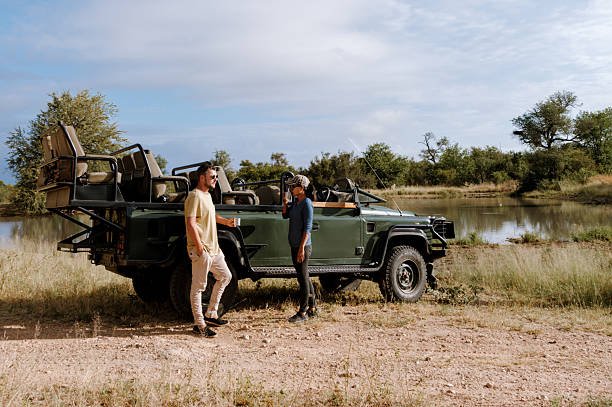
Congo River Cultural Journey: Explore East Africas Heartbeat 2026-2027
Discover the rich cultural mix along the Congo River. This journey explores the traditions, communities, and natural beauty of the region, offering an unforgettable adventure for 2026-2027.
View package detailsBrazzaville City And Cultural Tour: Explore Congos Vibrant Capital 2026-2027
Experience the heart of the Republic of Congo with a Brazzaville City and Cultural Tour. This comprehensive guide explores the capital's unique attractions, from bustling markets and...
View package details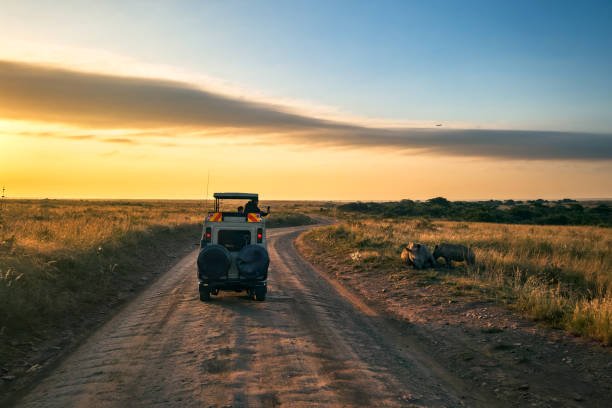
Libreville City And Cultural Tour: Explore Gabons Vibrant Capital 2026-2027
start a comprehensive Libreville city and cultural tour to uncover the heart of Gabon. Explore historical sites, bustling markets, vibrant art scenes, and authentic local experiences in the...
View package detailsHistorical Sites In East Africa & Cultural Safari Tours In 2026-2027
Discover East Africa's compelling historical sites and vibrant cultural experiences through specialized safari tours in 2026-2027. This guide covers key locations, tour types, and planning...
View package detailsNo related package matches those filters. Clear one or more filters to see the other topic-matched options.



