
February is an excellent month for African travel, particularly for wildlife enthusiasts and those seeking warm, dry conditions. The best African destinations in February 2026-2027 include Tanzania, where the Great Migration calves are born in the Serengeti, offering unparalleled predator-prey action; Kenya, with good game viewing in Masai Mara and pleasant coastal weather; South Africa, ideal for Kruger National Park safaris and Cape Town’s summer; and Botswana, at the start of its green season with fewer crowds and birdwatching opportunities. Many destinations offer a balance of wildlife, good weather, and fewer tourists compared to peak seasons.
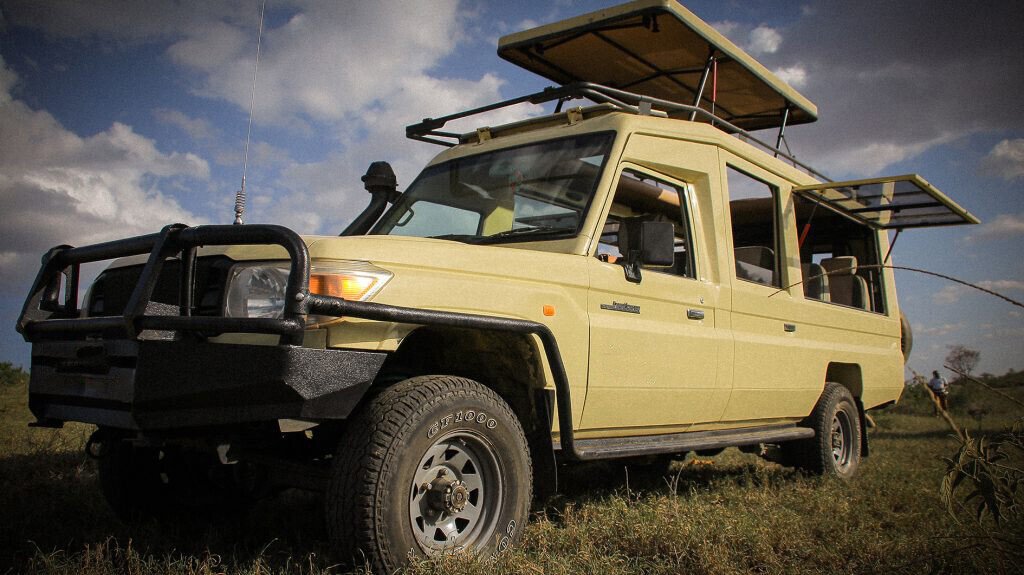
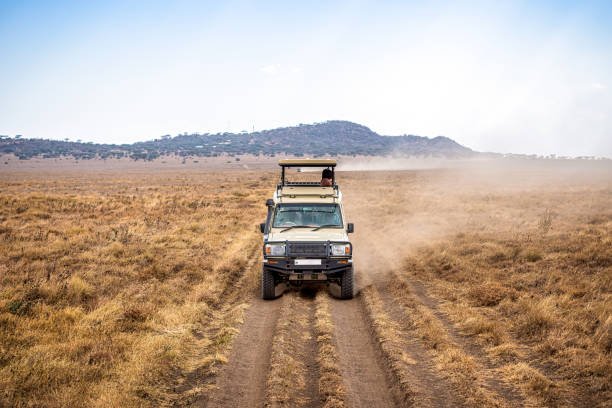
February: A Sweet Spot for African Adventures in 2026-2027
As the calendar turns to February, many travelers wonder about the optimal African destinations for their next adventure. This month often strikes a perfect balance: the intense heat of the summer has often subsided in some regions, rains are less frequent in prime safari areas, and the crowds of the peak dry season have thinned. For 2026 and 2027, February continues to present a compelling case for exploring diverse landscapes, witnessing incredible wildlife, and experiencing vibrant cultures across the continent. Whether your heart beats for the thrill of a safari or the serenity of a tropical beach, Africa in February offers a wealth of opportunities. At Top Guide Adventures, we’ve seen firsthand how this month can shape unforgettable journeys, particularly in our home country, Tanzania, and its East African neighbors.
This period is particularly significant for wildlife viewing. In Southern Africa, February falls within the summer rainy season, which brings lush green landscapes and a surge in newborn animals. For East Africa, it’s often a dry month, concentrating wildlife around permanent water sources and, crucially, marking the calving season of the Great Migration in Tanzania’s Serengeti. This guide will explore the prime African destinations to consider for your February 2026-2027 travel plans, detailing why each offers a unique appeal during this time.
Tanzania: The Heartbeat of the Great Migration in February
Tanzania is arguably the star destination for February safaris, primarily due to the ongoing Great Migration. This immense movement of wildebeest and zebras is a perpetual natural spectacle, and February is a pivotal month within its annual cycle.
Serengeti National Park: Calving Season and Predator Action
By February, the vast herds of the Great Migration have typically settled in the southern Serengeti and the adjoining Maswa Game Reserve. This area becomes the birthing ground for approximately 500,000 wildebeest calves, born over a concentrated period of about three weeks. This event, known as the Serengeti calving season, transforms the plains into a nursery, but it also creates an intense feeding ground for predators. Lions, cheetahs, hyenas, and wild dogs are drawn to the abundance of vulnerable newborns, leading to dramatic and frequent predator-prey interactions. Witnessing a lion pride taking down a wildebeest calf, or a cheetah pursuing its prey across the open savanna, is a profoundly moving wildlife experience.
For travelers visiting the Serengeti in February 2026 or 2027, the southern and central regions, including areas around Moru Kopjes and the Ndutu Plains (technically in the Ngorongoro Conservation Area but part of the migration’s southern range), are the prime locations. The landscape is dotted with acacia trees and kopjes, offering excellent vantage points and photographic opportunities. The weather in February is generally warm and dry, with sunny days and cooler evenings, making for comfortable game drives.
Top Guide Adventures specializes in crafting Serengeti safaris that maximize your chances of witnessing these incredible events. Our expert guides understand the migration patterns and the best locations to observe the calving and subsequent predator activity. We can tailor your 2026-2027 Serengeti safari to focus on these southern plains, ensuring an up-close encounter with nature’s raw drama.
Ngorongoro Conservation Area: A Unique Ecosystem
Adjacent to the Serengeti, the Ngorongoro Conservation Area (NCA) also benefits from the migration’s presence in February, particularly the Ndutu area. However, the main attraction of the NCA is the Ngorongoro Crater itself. This ancient volcanic caldera is a UNESCO World Heritage Site and an ecological marvel, boasting a high density of wildlife within its 100-square-mile floor. February is a great time to visit the crater; the rains have often begun in earnest, greening the landscape and bringing the animals to their most vibrant. While the migration herds are primarily in the south, the crater offers a year-round resident population of animals, including the Big Five (lion, leopard, elephant, rhino, buffalo), hippos, flamingos, and numerous bird species. The cooler, greener environment in February is ideal for game viewing, with excellent photographic light.
A visit to the Ngorongoro Crater can be combined with a Serengeti safari for a comprehensive Tanzanian experience. Top Guide Adventures can arrange smooth transfers and guided tours of both iconic locations for your 2026-2027 trip.
Other Tanzanian Gems in February
Beyond the Serengeti and Ngorongoro, other Tanzanian destinations shine in February:
- Tarangire National Park: Known for its large elephant herds and iconic baobab trees, Tarangire can be visited in February. While it’s part of the wet season, the landscape becomes incredibly lush, and the wildlife is dispersed but still viewable. Birdwatchers will particularly enjoy this period, as migratory birds are present.
- Lake Manyara National Park: Famous for its tree-climbing lions and diverse birdlife, Lake Manyara is also beautiful in February. The alkaline lake attracts numerous bird species, and the park’s compact size makes it excellent for shorter game drives.
- Zanzibar: For those looking to combine a safari with a beach escape, Zanzibar in February is perfect. The weather is typically warm, sunny, and dry, with low humidity, making it ideal for relaxing on the white-sand beaches, snorkeling, diving, or exploring the historic Stone Town. The Indian Ocean waters are clear and inviting. Top Guide Adventures offers bespoke Zanzibar holidays designed to complement your safari adventures in 2026 or 2027.
Planning a Tanzania safari in February 2026-2027 with Top Guide Adventures means benefiting from our deep understanding of the local conditions and wildlife movements. We ensure your itinerary is optimized for the best possible sightings and experiences.
Kenya: Diverse Wildlife and Coastal Charms in February
Neighboring Tanzania, Kenya offers its own compelling reasons to visit in February. While the Great Migration is in Tanzania, Kenya’s parks host abundant resident wildlife and offer a different, yet equally rewarding, safari experience. February typically marks the end of the short rains and the beginning of a dry spell, making it an excellent month for game viewing.
Masai Mara National Reserve: Resident Wildlife and Dramatic Landscapes
The Masai Mara is renowned for its high concentration of resident wildlife, and February is a prime time to visit. The plains are typically dry, concentrating animals around permanent water sources. While the wildebeest migration is absent, the Mara boasts large populations of lions, cheetahs, leopards, elephants, giraffes, and numerous other species year-round. February’s drier conditions make tracking animals easier, and the golden light of the savanna provides stunning photographic opportunities. The Mara ecosystem is vast, and its diverse habitats ensure wildlife is present throughout the month.
A safari in the Masai Mara in February 2026-2027 offers excellent chances to see the Big Five, witness thrilling predator hunts, and experience the vastness of the African savanna. The lack of the major migration crowds can also mean a more intimate safari experience.
Amboseli National Park: Iconic Elephant Herds and Kilimanjaro Views
February is a fantastic month to visit Amboseli National Park, famous for its large elephant herds and impressive views of Mount Kilimanjaro across the border in Tanzania. The dry weather concentrates elephants and other wildlife in the park’s swamps and watering holes, making for spectacular viewing. The skies are typically clear, offering iconic, postcard-perfect vistas of Kilimanjaro rising majestically above the plains. This combination of abundant wildlife and dramatic scenery makes Amboseli a must-visit in February.
Laikipia Plateau and Samburu National Reserve: Unique Species
For travelers seeking unique wildlife not commonly found in the southern parks, the Laikipia Plateau and Samburu National Reserve are excellent February destinations. These northern parks are home to the ‘Samburu Special Five’: the reticulated giraffe, Grevy’s zebra, Somali ostrich, gerenuk, and beisa oryx. February’s dry conditions are favorable for spotting these arid-adapted species. The landscapes are rugged and beautiful, offering a different safari experience from the Mara.
Kenya’s Coast: Beaches and Relaxation
Complementing its safari offerings, Kenya’s coastline provides a perfect escape in February. Destinations like Diani Beach, Watamu, and Malindi enjoy warm, sunny weather with gentle sea breezes. The ocean is calm and clear, ideal for swimming, snorkeling, diving, and exploring coral reefs. It’s an excellent time for a beach holiday after a thrilling safari, offering relaxation and water-based activities before you head home in 2026 or 2027.
Top Guide Adventures can help you design a dual-destination trip combining Kenya’s wildlife with its stunning coast, or focus on specific parks based on your interests for a February 2026-2027 adventure.
South Africa: Summer Abundance and Diverse Attractions
February falls squarely within South Africa’s summer season, offering warm to hot weather across most of the country. This period brings lush vegetation and abundant wildlife, particularly for those visiting its world-renowned national parks.
Kruger National Park and Private Reserves: Summer Growth
Kruger National Park and its adjacent private reserves (like Sabi Sands, Timbavati, and Klaserie) are exceptional in February. The summer rains have transformed the landscape into a verdant paradise, attracting a plethora of newborn animals. While the thick vegetation can sometimes make spotting wildlife more challenging than in the dry season, the sheer abundance of life, including abundant young animals, compensates for this. Birdwatchers will be delighted by the presence of migratory birds and the general increase in avian activity. The heat can be intense, so early morning and late afternoon game drives are recommended. February is also a great time for finding leopards in areas like Sabi Sands, as they often use the denser bush for cover and hunting.
For a luxurious and high-quality wildlife experience, consider the private reserves. They offer exclusive game drives, off-road viewing, and expert trackers, often leading to more intimate encounters with the Big Five and other animals. Planning your 2026-2027 Kruger safari in February means experiencing the park at its most alive and verdant.
Cape Town and the Western Cape: Summer Sunshine
February is one of the best months to visit Cape Town and the surrounding Western Cape region. The weather is typically hot, dry, and sunny, perfect for exploring the city’s attractions, hiking Table Mountain, visiting world-class beaches like Camps Bay and Clifton, and driving the scenic Cape Peninsula. It’s also peak season for wine tasting in the Stellenbosch and Franschhoek regions, with vineyards basking in the summer sun.
The waters around Cape Town are also ideal for whale watching, although the peak season for Southern Right Whales is typically later in the year (August-November). However, you might still spot some migrating species. February offers a vibrant atmosphere in Cape Town, with outdoor events and festivals common.
Garden Route: Coastal Beauty and Adventure
The Garden Route, a picturesque stretch of coastline in the Eastern and Western Cape provinces, is also delightful in February. The weather is warm and pleasant, ideal for exploring its charming towns, indigenous forests, stunning beaches, and adventure activities like bungee jumping and hiking. Popular stops include Knysna, Plettenberg Bay, and Tsitsikamma National Park.
South Africa in February 2026-2027 offers a diverse range of experiences, from the wild heart of Kruger to the cosmopolitan charm of Cape Town and the natural beauty of the Garden Route.
Botswana: The Start of the Green Season
Botswana is often associated with its prime dry season (June-October), but February offers a unique appeal as the country transitions into its green season. While it’s the wet season, this period brings its own set of advantages for intrepid travelers.
Okavango Delta and Chobe National Park: Lush Landscapes and Birdlife
February is part of Botswana’s summer and green season. The rains bring life back to the landscape, turning the dry savanna into a lush, vibrant environment. This is a fantastic time for birdwatching, as migratory birds arrive, and resident birds are in their breeding plumage. The Okavango Delta, a UNESCO World Heritage Site, is particularly stunning during this period, with water levels often at their highest, allowing for extensive mokoro (traditional dugout canoe) excursions through the channels.
While the rains can sometimes make game viewing more challenging due to dispersed wildlife and thicker vegetation, the rewards are significant. The newborn animals are plentiful, and the scenery is exceptionally beautiful. Chobe National Park, famous for its massive elephant herds, remains a great destination. The game viewing can be excellent, especially around the Chobe River, where animals congregate to drink. The advantage of visiting in February 2026-2027 is that you’ll encounter fewer tourists and often benefit from lower accommodation rates compared to the peak season.
Central Kalahari Game Reserve: Desert Blooms
The Central Kalahari Game Reserve, known for its vast, arid landscapes, transforms dramatically after the rains. February can see the desert bloom, with grasses and wildflowers appearing, attracting desert-adapted wildlife like springbok, oryx, and meerkats. It’s a photographer’s dream to capture the stark beauty of the Kalahari in its rare lush state.
Botswana in February offers a more tranquil and visually different safari experience, ideal for those who appreciate birdlife, dramatic landscapes, and the chance to see baby animals in a flourishing environment.
Other African Destinations Worth Considering in February
While East and Southern Africa often dominate February travel discussions, other regions also present compelling options.
Namibia: Desert Landscapes and Wildlife
Namibia, like Botswana, experiences its green season in February. The desert landscapes, from the towering dunes of Sossusvlei to the wildlife-rich Etosha National Park, become incredibly scenic. The rains bring a flush of life to areas like Etosha, concentrating game around the waterholes. The cooler temperatures compared to the peak summer months can make exploring this vast country more comfortable. Birdlife is also abundant during this period.
Rwanda and Uganda: Gorilla Trekking
For gorilla trekking enthusiasts, February falls within one of the two dry seasons in Rwanda and Uganda. This means clearer trekking paths and a higher chance of good weather during your trek in Volcanoes National Park (Rwanda) or Bwindi Impenetrable National Park (Uganda). While these countries are lush year-round, the drier conditions of February make the challenging hikes more manageable. The experience of encountering mountain gorillas in their natural habitat is profound and is a highlight for many travelers in 2026-2027.
Madagascar: Unique Biodiversity
February is the height of summer in Madagascar, meaning it’s warm and humid with a higher chance of rainfall, particularly on the eastern side of the island. However, this is also a period of abundant life. It’s prime time for observing chameleons, frogs, and insects, as well as the island’s unique lemurs. The rainforests are at their most vibrant. Travelers should be prepared for tropical weather, but the unique biodiversity makes Madagascar a fascinating February destination for the adventurous.
Planning Your February 2026-2027 African Trip
When planning your African adventure for February 2026-2027, consider these practical aspects:
Weather Considerations
East Africa (Tanzania, Kenya): Generally dry and warm, with sunny days and cooler nights. Ideal for safaris. Zanzibar offers perfect beach weather.
Southern Africa (South Africa, Botswana): Summer rains, leading to lush landscapes, newborn animals, and potentially higher temperatures. Botswana’s green season offers fewer crowds and excellent birding.
Central Africa (Rwanda, Uganda): Dry season, making gorilla trekking more accessible. Warm days, cool nights.
Wildlife Viewing Highlights
Tanzania: Serengeti calving season, predator-prey action, resident wildlife in Ngorongoro.
Kenya: Abundant resident wildlife in Masai Mara, elephants in Amboseli, unique species in Samburu.
South Africa: Lush landscapes, newborn animals, excellent birding in Kruger; diverse Big Five viewing.
Botswana: Birdwatching, lush scenery, baby animals, mokoro excursions in the Delta.
Rwanda/Uganda: Gorilla trekking in dry conditions.
Crowds and Costs
February is generally considered a shoulder or low season in many prime safari destinations, especially in Southern Africa and parts of East Africa outside of specific events like the calving season. This often translates to lower accommodation prices and fewer tourists, offering a more exclusive and intimate experience. However, popular beach destinations like Zanzibar and Cape Town can still be busy due to summer holidays.
Booking in advance is always recommended, especially for popular lodges and specific dates in 2026 and 2027. Early booking ensures availability and can sometimes secure better rates.
What to Pack
Packing for February depends on your destination:
- Lightweight, neutral-colored clothing for safaris.
- Warmer layers for early mornings and evenings, especially in East Africa and at higher altitudes.
- Rain gear (lightweight waterproof jacket) is advisable for Southern Africa and Madagascar.
- Sun protection: Hat, sunglasses, high SPF sunscreen.
- Insect repellent with DEET.
- Comfortable walking shoes and sandals.
- Binoculars for wildlife viewing.
- Camera with extra batteries and memory cards.
- Personal medications and a basic first-aid kit.
Why Choose Top Guide Adventures for Your February 2026-2027 Safari?
At Top Guide Adventures, we are passionate about creating personalized safari experiences that go beyond the ordinary. Our deep local knowledge of Tanzania and the wider East African region allows us to craft itineraries that take full advantage of the specific conditions in February. Whether you dream of witnessing the Serengeti calving season, exploring the Ngorongoro Crater, or relaxing on the beaches of Zanzibar, we handle every detail with care and expertise.
For your February 2026 or 2027 adventure, we offer:
- Expertly crafted itineraries: Tailored to your interests, budget, and travel style.
- Experienced local guides: Who know the parks, wildlife, and best viewing spots intimately.
- Personalized attention: We pride ourselves on dedicated support from the moment you inquire until after you return home.
- A wide range of services: Including Tanzania safaris, Kilimanjaro climbs, Zanzibar holidays, cultural tours, and tailor-made journeys.
February presents a unique and often rewarding time to explore Africa. The wildlife action in the Serengeti, the pleasant weather in Kenya and Zanzibar, and the lush landscapes of Southern Africa all contribute to making this month a prime choice for an unforgettable journey. Let Top Guide Adventures help you plan your perfect February 2026-2027 African safari. Contact us today to start planning your dream trip!
Get in touch with us:
WhatsApp: +255616946642
Email: info@topguideadventures.com
Check Availability for Best African Destinations To Visit In February | Top Guide Adventures
Ready to compare dates, prices, and the best option for your group? Send the package name and travel month so the team can reply with a clear quote, availability, and what is included.

Which African Destinations Are Best In January? Guide
January is a prime month for exploring Africa, offering unique wildlife spectacles, favorable weather in many regions, and fewer crowds. For those seeking unparalleled safari experiences…
Which African Islands Are Best For Honeymoons? Top Destinations 2026-2027
Planning a honeymoon in Africa? This guide explores the most romantic and idyllic islands, offering diverse experiences from pristine beaches and vibrant cultures to exclusive luxury and…
No related package matches those filters. Clear one or more filters to see the other topic-matched options.



