
Planning your trip to Chad in 2026 or 2027 involves understanding specific entry requirements and budgeting for costs, which can range significantly based on your travel style, duration, and chosen activities. Generally, expect to need a visa obtained in advance, vaccinations, and a daily budget that can fall between $150 to $400+ per person per day, excluding major excursions or private guiding services, to cover accommodation, food, local transport, and essential incidentals. Security considerations are paramount, requiring careful planning and potentially organized tours for safer exploration.

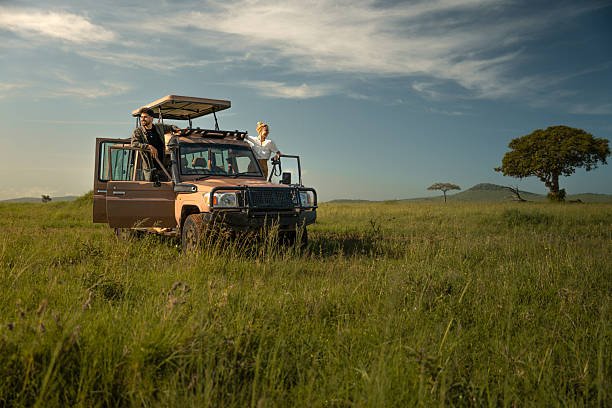
Understanding Chad’s Entry Requirements for 2026-2027
Chad, a vast and diverse country in the heart of Central Africa, presents a unique travel experience for the adventurous. For prospective visitors planning their journeys in 2026 and 2027, a thorough understanding of entry procedures is the first critical step. This involves navigating visa applications, essential health and vaccination protocols, and general preparedness for a destination that requires more planning than many others.
Visa Application Process for Chad
Securing a visa is a mandatory requirement for most foreign nationals wishing to enter Chad. The process typically begins well before your intended travel dates. While policies can evolve, it is crucial to consult the most current regulations from the Chadian embassy or consulate in your country of residence. As of our latest information, the application typically requires a completed visa application form, a valid passport with sufficient remaining validity (usually at least six months beyond your intended stay), passport-sized photographs, a confirmed flight itinerary, proof of accommodation, and a visa fee. Some nationalities may also be required to provide an invitation letter, often from a registered Chadian organization or business, which can be facilitated by reputable tour operators like Top Guide Adventures.
For 2026-2027 travel, it is advisable to initiate your visa application at least 4-6 weeks in advance. Processing times can vary, and delays are not uncommon. The Chadian Ministry of Foreign Affairs is the ultimate authority, and requirements can sometimes be subject to change without extensive notice. Therefore, re-confirming all details with the relevant Chadian diplomatic mission before submitting your application is a non-negotiable step.
Types of Visas and Their Implications
Chad offers several visa categories, including tourist, business, and transit visas. For most visitors exploring the country’s natural wonders or cultural sites, the tourist visa is the appropriate choice. Business visas are for those entering for commercial purposes, while transit visas are for short stays en route to another destination. Each type has specific documentation requirements and validity periods. Ensure you select the correct visa type to avoid issues upon arrival or departure. The duration of your intended stay will influence the type and length of the visa you apply for.
Tips for a Smooth Visa Application
- Start Early: As mentioned, begin the process well ahead of your travel dates.
- Accurate Documentation: Ensure all submitted documents are complete, accurate, and meet the specified requirements. Missing or incorrect information is a common cause of rejection or delay.
- Contact the Embassy: If you are unsure about any aspect of the application, contact the Chadian embassy or consulate directly.
- Invitation Letters: If an invitation letter is required, work with your tour operator or host in Chad to secure a legitimate one.
- Visa Fees: Be prepared for visa fees, which vary by nationality and visa type. Keep copies of payment receipts.
Health and Vaccination Requirements
Travel to Chad, like many Central African nations, requires careful attention to health and vaccination. The World Health Organization (WHO) and your national health advisory bodies will provide the most up-to-date recommendations. For 2026-2027 travel, expect that several vaccinations will be strongly recommended or even mandatory for entry.
Mandatory Vaccinations
Yellow Fever: A Yellow Fever vaccination certificate is typically mandatory for entry into Chad, especially if you are arriving from or have recently transited through a country with a risk of Yellow Fever transmission. You will likely need to present this certificate at immigration. Ensure you receive the vaccination at least 10 days before your arrival to ensure its validity.
Recommended Vaccinations and Precautions
Beyond Yellow Fever, several other vaccinations are highly recommended for Chad:
- Hepatitis A and Typhoid: Recommended for most travelers due to potential risks from contaminated food and water.
- Hepatitis B: Recommended for those who may have close contact with local people or engage in activities that could lead to exposure.
- Rabies: Recommended if you plan to visit rural areas, work with animals, or engage in activities where you might be bitten.
- Meningitis: Particularly relevant during the dry season.
- Polio: A booster dose may be recommended.
- Tetanus/Diphtheria: Routine booster.
Consult with a travel health professional or your doctor at least 4-6 weeks before your trip to discuss your specific itinerary and health history. They can provide personalized advice and prescribe necessary medications.
Malaria Prevention
Malaria is a significant health concern in Chad. The risk is present year-round, though it may be higher during and after the rainy season (typically May to October). Strict adherence to malaria prevention measures is essential.
- Antimalarial Medication: Your doctor will likely prescribe a suitable antimalarial drug. Take it exactly as directed, before, during, and after your stay.
- Insect Repellent: Use repellents containing DEET (N,N-diethyl-meta-toluamide) or picaridin on exposed skin, especially during dawn and dusk when mosquitoes are most active.
- Protective Clothing: Wear long-sleeved shirts and long trousers, particularly in the evenings.
- Mosquito Nets: Sleep under a mosquito net if your accommodation is not air-conditioned or screened.
Other Health Considerations
Food and Water Safety: Drink only bottled or purified water. Avoid ice in drinks unless made from purified water. Eat well-cooked food and peel fruits and vegetables yourself. Be cautious with street food.
Traveler’s Diarrhea: This is common. Ensure you practice good hygiene, and carry medication for treatment.
Heat and Sun: Chad can experience extreme heat. Stay hydrated, wear a hat, and use sunscreen.
Customs and Immigration Procedures
Upon arrival at N’Djamena International Airport (or other points of entry), you will go through immigration and customs. Have your passport, visa, and any required health certificates (like Yellow Fever) readily available. Immigration officials will review your documents. Be prepared to answer questions about the purpose of your visit and your intended itinerary. Customs procedures are generally straightforward for personal belongings, but it is wise to declare any high-value items or significant quantities of currency. Restrictions apply to importing firearms, certain medications, and illicit substances.
Estimating Chad Travel Costs for 2026-2027
Determining the exact cost of travel to Chad requires breaking down expenses into various categories. The figures presented here are estimates for 2026-2027 and can fluctuate based on your travel style, the specific regions you visit, the duration of your stay, and the services you utilize. Chad is not a budget backpacker destination; it is generally considered a mid-range to high-end travel experience due to logistical challenges and the need for specialized support.
Daily Budget Breakdown
A realistic daily budget for Chad, excluding major tours or specialized expeditions, can range from $150 to $400+ per person. This is a broad estimate, and actual costs will depend heavily on your choices.
Accommodation
Accommodation options in Chad are limited, especially outside the capital, N’Djamena. Hotels in N’Djamena can range from basic to more comfortable, with prices typically starting from $80-$100 per night for mid-range options and going up to $200-$300+ for higher-end establishments. Outside N’Djamena, options are sparser, often consisting of simpler guesthouses or lodges that might cost between $50-$150 per night. For remote expeditions, camping might be the only option, with costs related to equipment rental and logistics.
Food and Drink
Dining costs can vary. In N’Djamena, restaurants catering to expatriates or tourists might charge $20-$40 per meal. Local eateries will be significantly cheaper, perhaps $5-$10 per meal, but hygiene standards and your comfort level with local cuisine will be factors. Outside the capital, food options are more limited, and if you are on a guided tour, meals are often included, or you may rely on provisions brought by your tour operator. Budget around $30-$70 per day for food if not included in your tour package.
Local Transportation
Getting around Chad can be expensive. Private vehicle hire with a driver is often the most practical and safest option, especially for longer distances or travel to remote areas. Hiring a 4×4 vehicle with a driver can cost anywhere from $200-$400 per day, depending on the vehicle, duration, and specific needs. This cost can be shared if traveling in a group. Local taxis within cities are cheaper but negotiating fares is essential.
Activities and Excursions
This is where costs can escalate significantly. Major expeditions, such as exploring the Zakouma National Park for wildlife viewing, venturing into the Tibesti Mountains, or visiting remote cultural sites, often require specialized logistics, permits, and guides. These experiences are typically part of organized tours and can add several hundred dollars per day to your budget. For instance, a multi-day safari in Zakouma with a reputable operator could cost upwards of $500-$800+ per person per day, covering accommodation, park fees, vehicle, guide, and meals.
Factors Influencing Overall Trip Cost
Several key factors will heavily influence the total cost of your Chad adventure in 2026-2027:
- Duration of Stay: Longer trips naturally incur higher overall costs, though the average daily cost might decrease slightly with longer-term arrangements.
- Travel Style: Opting for more comfortable hotels, private transport, and high-end dining will increase expenses compared to simpler accommodations and local food.
- Destinations within Chad: Travel to remote regions like the Tibesti Mountains or extensive safaris in national parks is considerably more expensive than staying primarily in or around N’Djamena.
- Group Size: Traveling solo is generally the most expensive option on a per-person basis. Sharing costs for transport, guides, and accommodation with a group can significantly reduce individual expenses.
- Use of Tour Operators: While an upfront cost, reputable tour operators like Top Guide Adventures handle complex logistics, secure permits, arrange transport and accommodation, and provide essential local knowledge and safety support. This often proves more cost-effective and significantly safer than attempting to arrange everything independently, especially in remote areas. Their packages, designed for 2026-2027, will bundle many of these costs.
- Time of Year: While Chad has a dry and wet season, costs for specific tours or lodges might not fluctuate as dramatically as in some other destinations, but availability can be affected.
Cost Comparison: Independent vs. Organized Tours
Attempting to travel independently in Chad is challenging and often not recommended for safety and logistical reasons. Independent travel would require:
- Arranging your own visas (which can be complex).
- Booking accommodation and transport yourself, often requiring direct contact with local providers who may not have online booking systems.
- Securing permits for national parks or sensitive regions.
- Navigating complex road conditions and potential security issues.
- Managing food and supplies in remote areas.
While it might seem cheaper initially, the hidden costs, time spent, and significant safety risks often make it more expensive and less practical. Organized tours, such as those Top Guide Adventures specializes in for 2026-2027, provide a comprehensive package that includes most of these elements. While the upfront cost of a tour package might appear higher, it often represents better value when factoring in safety, efficiency, and the inclusion of hard-to-access experiences.
Example Cost Scenarios (Estimates for 2026-2027)
Here are a few hypothetical scenarios to illustrate potential costs:
Scenario 1: Short City Stay (5 Days, N’Djamena Only)
- Accommodation: Mid-range hotel @ $150/night x 4 nights = $600
- Food: $50/day x 5 days = $250
- Local Transport: Taxis/private hire @ $50/day x 5 days = $250
- Activities: Museum, local markets, city tours = $150
- Visa Fee: (Estimate) $100
- Miscellaneous: $100
- Estimated Total (per person, excluding flights): ~$1,450
Scenario 2: Mid-Range Safari (7 Days, Zakouma National Park) – Group Tour
- Tour Package (including guide, vehicle, park fees, accommodation, meals): $600/day x 7 days = $4,200
- Visa Fee: (Estimate) $100
- Pre/Post-Safari Accommodation (N’Djamena): $150/night x 2 nights = $300
- Miscellaneous: $150
- Estimated Total (per person, excluding flights): ~$4,750
Note: This assumes costs are shared among a group. A private tour would be significantly higher.
Scenario 3: Extended Expedition (14 Days, Tibesti Mountains & Environs) – Fully Guided Tour
- Tour Package (highly specialized, includes logistics, permits, guides, fuel, camping/basic lodging, meals): $800/day x 14 days = $11,200
- Visa Fee: (Estimate) $100
- Pre/Post-Expedition Accommodation (N’Djamena): $150/night x 2 nights = $300
- Miscellaneous/Contingency: $300
- Estimated Total (per person, excluding flights): ~$11,900
Note: Expedition costs are highly variable and depend on the specific route and group size.
These scenarios highlight that Chad travel costs are substantial. The value derived from these experiences, however, is immense for those seeking off-the-beaten-path adventure. Top Guide Adventures specializes in creating safe and comprehensive itineraries for 2026-2027 that reflect these realities.
Safety and Security Considerations for Chad Travel in 2026-2027
Safety is a paramount concern for anyone considering travel to Chad. The country has faced political instability and security challenges, particularly in certain regions. It is essential to stay informed about the current security situation and to take all necessary precautions. Travel advisories from your home country’s foreign affairs department are an indispensable resource.
Current Security Situation and Advisories
As of late 2023 and projections for 2026-2027, many governments advise against all but essential travel to Chad, or to specific regions within the country. Areas bordering Libya, Sudan, and the Central African Republic are often cited as particularly high-risk due to ongoing conflicts and the presence of armed groups. Even within Chad, crime can be an issue, especially in urban centers like N’Djamena. Kidnapping, armed robbery, and petty theft can occur.
It is crucial to consult your government’s latest travel advisories before making any plans and to continue monitoring them throughout your trip. These advisories often provide specific details on high-risk areas, common threats, and recommended safety measures.
Recommended Safety Practices
Given the security landscape, adopting stringent safety practices is non-negotiable for Chad travel in 2026-2027:
- Travel with a Reputable Tour Operator: This is arguably the single most important safety measure. Operators like Top Guide Adventures have extensive local knowledge, established security protocols, and experienced guides who understand how to navigate potential risks. They can arrange secure transport, obtain necessary permissions, and provide support in case of emergencies.
- Avoid High-Risk Areas: Strictly adhere to advice regarding regions to avoid. This includes border areas and any locations identified as unstable.
- Stay Informed: Keep abreast of local news and security developments.
- Limit Night Travel: Avoid traveling after dark, especially in N’Djamena and other towns.
- Situational Awareness: Be aware of your surroundings at all times. Avoid displaying wealth or expensive items.
- Secure Accommodation: Stay in hotels or lodges known for their security measures.
- Respect Local Customs: Dress modestly and be mindful of local traditions and laws to avoid unintended offense or attention.
- Emergency Contacts: Have the contact details for your embassy, your tour operator, and local emergency services readily accessible.
- Travel Insurance: Ensure you have comprehensive travel insurance that covers medical emergencies, evacuation, and potentially political risks. Verify that it is valid for Chad.
Working with Local Experts for Safety
Top Guide Adventures prioritizes the safety and well-being of its clients. Our team maintains up-to-date information on the security situation across Chad and designs itineraries that minimize risks while maximizing the travel experience. This includes:
- Using vetted local drivers and guides with proven experience.
- Planning routes that avoid known security hotspots.
- Ensuring vehicles are well-maintained and equipped for challenging terrain.
- Maintaining communication channels with local authorities and our network across the country.
- Providing pre-trip briefings on safety and cultural etiquette.
For expeditions into more remote areas like the Tibesti Mountains or national parks, specialized security arrangements and permits are often integrated into our tour packages, ensuring compliance and safety.
Planning Your Chad Itinerary for 2026-2027
Chad offers a spectrum of experiences, from the bustling capital to vast desert landscapes and unique wildlife encounters. Planning your itinerary involves considering your interests, desired level of adventure, and available time.
Key Destinations and Experiences
N’Djamena
The capital city serves as the primary entry point for most international travelers. While not a major tourist hub in itself, it offers a glimpse into Chadian urban life, with bustling markets like the Grand Marché, the Presidential Palace, the National Museum, and the Chadian Cultural Centre. It’s also the place to arrange final logistics, meet your guides, and prepare for onward travel.
Zakouma National Park
Located in the south-central part of the country, Zakouma is Chad’s premier wildlife destination. It’s one of Africa’s oldest national parks and has seen remarkable conservation success in recent years, particularly with its large elephant herds. Visitors can also spot giraffes, lions, leopards, various antelope species, and a rich diversity of birdlife. Safaris here are typically conducted via 4×4 vehicles. Planning for Zakouma in 2026-2027 requires booking well in advance, as access and tour operations are managed.
The Sahara Desert and Tibesti Mountains
For the truly intrepid, the vast Sahara Desert offers stark beauty and ancient cultural heritage. The Tibesti Mountains, a volcanic range in the north, are home to dramatic landscapes, unique rock formations, and indigenous Toubou communities. This region is remote, challenging to access, and requires significant logistical planning, including special permits and experienced guides. Expeditions here are best undertaken with specialized operators.
Ennedi Massif
East of the Tibesti, the Ennedi Massif is a impressive sandstone plateau characterized by wind-eroded rock formations, natural arches, and ancient rock art. It’s a landscape of surreal beauty, offering opportunities for trekking and exploration. Access and exploration here also necessitate expert guidance and robust logistics.
Lake Chad Region
While the lake’s size has diminished significantly due to climate change and resource use, the surrounding region still holds cultural significance and offers insights into traditional life. However, security can be a concern in areas near the lake, especially in the northeast, so it’s vital to consult current advisories.
Structuring Your Trip: Duration and Focus
The ideal duration for a Chad trip depends on your objectives:
- 5-7 Days: Focus on N’Djamena and perhaps a short trip to a nearby cultural site or a brief introduction to the desert landscape.
- 10-14 Days: Allows for a more in-depth exploration, such as a visit to Zakouma National Park combined with N’Djamena, or a focused desert expedition in the Ennedi Massif.
- 3 Weeks or More: Necessary for ambitious overland expeditions covering multiple regions, including more remote parts of the Sahara or combined wildlife and cultural tours.
When planning for 2026-2027, consider the best time to visit. The dry season (typically November to April) is generally preferred for travel, as it offers more accessible roads and cooler temperatures, especially in the desert. The rainy season (May to October) can make travel difficult in many parts of the country.
Customizing Your Chad Adventure with Top Guide Adventures
Top Guide Adventures excels at crafting tailor-made journeys that align with your interests and comfort levels. Whether you dream of a wildlife safari in Zakouma, an expedition into the Sahara, or a cultural exploration, we can design an itinerary for 2026-2027 that meets your needs.
Our process involves:
- Consultation: Discussing your interests, budget, and desired trip length.
- Itinerary Design: Proposing a detailed plan, including destinations, activities, and logistics.
- Logistics Management: Arranging all necessary transport, accommodation, permits, and guides.
- Safety Protocols: Integrating comprehensive safety measures throughout the journey.
We understand the unique challenges and rewards of traveling in Chad and are committed to providing an unforgettable and safe experience for our clients planning for 2026 and 2027.
Practical Travel Tips for Chad in 2026-2027
Beyond entry requirements and costs, practical considerations are key to a successful trip to Chad. Being prepared for the conditions and understanding local norms will greatly enhance your experience.
Language and Communication
The official languages of Chad are French and Arabic. While English may be understood in some hotels in N’Djamena or by staff at international organizations, it is not widely spoken. Learning a few basic French or Arabic phrases can be very helpful. A reliable tour operator will provide guides who are fluent in French and can translate.
Internet access can be spotty and slow outside of major hotels in N’Djamena. Consider purchasing a local SIM card if you need consistent connectivity, but be prepared for limited coverage in remote areas.
Currency and Payment
The official currency is the Chadian Franc (XAF). It is advisable to carry a significant amount of cash in US Dollars or Euros, which can be exchanged for local currency. ATMs are available in N’Djamena but may not always be reliable or stocked. Credit cards are accepted in a few high-end hotels and establishments in N’Djamena, but elsewhere, cash is king. Ensure you have small denominations for local markets and smaller purchases.
What to Pack
Packing for Chad requires versatility, considering both the heat and potential for cooler desert nights, as well as cultural modesty.
- Clothing: Lightweight, breathable fabrics like cotton or linen. Long-sleeved shirts and trousers are recommended for sun protection and modesty. A light to medium-weight jacket or fleece for cooler evenings, especially in desert or higher altitude areas.
- Footwear: Comfortable walking shoes or sturdy trainers. For desert excursions, closed-toe shoes are essential. Sandals or flip-flops for relaxing.
- Sun Protection: High SPF sunscreen, a wide-brimmed hat, and sunglasses are crucial.
- Insect Repellent: Essential for malaria prevention.
- Medications: A comprehensive first-aid kit, including any personal prescriptions, anti-diarrhea medication, pain relievers, and antiseptic wipes.
- Toiletries: Biodegradable options are preferred. Hand sanitizer is highly recommended.
- Power Bank and Adapters: For charging electronics, as power outages can occur. Chad uses Type E sockets.
- Camera and Extra Batteries/Memory Cards: To capture the unique landscapes and wildlife.
- Headlamp or Torch: Useful for navigating in low light or during power outages.
- Scarf or Shemagh: Useful for protecting against dust and sun, and for cultural modesty.
Cultural Etiquette
Chad is a predominantly Muslim country, and respecting local customs is important. Dress modestly, especially outside of N’Djamena and when visiting religious sites. Women should cover their shoulders and knees. Men should avoid sleeveless shirts when not in a tourist resort. Public displays of affection should be avoided. Always ask permission before taking photographs of people. It is customary to greet people when entering shops or homes. Accepting offered hospitality, such as tea, is polite.
Connectivity and Technology
As mentioned, internet and mobile phone coverage is limited outside N’Djamena. While most reputable hotels in the capital offer Wi-Fi, it can be slow and expensive. Purchasing a local SIM card (e.g., Tchad Mobile or Airtel) upon arrival might provide better value for calls and limited data if you are venturing outside the city, but coverage is still patchy. For critical communication, satellite phones are sometimes used by tour operators for remote expeditions.
Why Choose Top Guide Adventures for Your Chad Journey in 2026-2027?
Navigating Chad requires specialized knowledge, meticulous planning, and a deep commitment to safety. Top Guide Adventures, with its extensive experience in organizing complex journeys across Tanzania and its growing expertise in challenging destinations like Chad, is uniquely positioned to be your trusted partner for a 2026-2027 adventure.
We understand that Chad is not a typical tourist destination. It demands a higher level of preparation, a more robust approach to logistics, and an unwavering focus on security. Our team is dedicated to providing:
- Expert Local Knowledge: We have established relationships and on-the-ground experience that enable us to create authentic and safe itineraries.
- Comprehensive Planning: From visa assistance and health advisories to securing permits and arranging specialized transport, we handle the complexities so you can focus on the experience.
- Safety First Approach: Your well-being is our top priority. We implement rigorous safety protocols, work with experienced local guides, and stay informed about the latest security assessments.
- Tailor-Made Experiences: Whether you seek wildlife, desert landscapes, or cultural immersion, we design journeys that match your specific interests and budget.
- Value and Transparency: We strive to offer the best possible value for your investment, with clear pricing and inclusions for our 2026-2027 Chad travel packages.
Planning a trip to Chad for 2026 or 2027 is a significant undertaking, but one that promises unparalleled rewards for the adventurous traveler. Let Top Guide Adventures guide you through the process, ensuring a safe, memorable, and enriching exploration of this extraordinary country. We are here to answer your questions and begin crafting your personalized Chad adventure.
For inquiries regarding Chad travel costs, entry information, or to start planning your custom itinerary for 2026-2027, please contact us:
WhatsApp: +255616946642
Email: info@topguideadventures.com
Check Availability for Chad Travel Cost And Entry Information For 2026-2027
Ready to compare dates, prices, and the best option for your group? Send the package name and travel month so the team can reply with a clear quote, availability, and what is included.

Algeria Travel Cost And Entry Guide For : Budget, Visas, Planning 2026-2027
This comprehensive guide breaks down the Algeria travel cost and entry requirements for 2026-2027, covering visa processes, budget considerations, and essential planning tips for a smooth...
View package details
Angola Travel Cost And Entry Guide: Budgeting Requirements For 2026-2027
Planning a trip to Angola? This guide breaks down the essential travel costs, visa requirements, and entry procedures for 2026-2027, helping you budget effectively for your adventure.
View package details
Burkina Faso Current Travel Information: Navigating Safety, Entry, And Health
Planning a trip to Burkina Faso in 2026-2027 requires careful consideration of the current security situation, visa procedures, and health recommendations. This guide provides comprehensive...
View package detailsDr Congo Entry And Current Travel Information For 2026-2027
Planning a trip to the Democratic Republic of Congo in 2026 or 2027? This guide covers current entry requirements, visa processes, safety considerations, and practical travel advice to help...
View package details
Eritrea Tourism Cost And Entry Guide 2026-2027
Eritrea Tourism Cost and Entry Guide is explained with current 2026-2027 planning, price, itinerary and booking information.
View package details
Libya Current Travel And Entry Information For | Top Guide Adventures
Planning a trip to Libya in 2026 or 2027? This comprehensive guide covers current travel advisories, visa processes, safety considerations, cultural etiquette, and essential planning tips...
View package details
Prison Island Entry Fees: Costs, Tours & What To Expect In 2026-2027
Planning a trip to Zanzibar's historic Prison Island (Changuu Island)? This guide breaks down the entry fees, boat transfer costs, and package options for 2026-2027, helping you budget and...
View package details
Somalia Entry Requirements And Current Travel Information 2026-2027
Somalia Entry Requirements and Current Travel Information is explained with current 2026-2027 planning, price, itinerary and booking information.
View package details
South Sudan Entry And Current Travel Information For Adventures 2026-2027
Navigate South Sudan travel in 2026-2027 with our comprehensive guide. Understand entry protocols, visa processes, safety advisories, and what to expect for a smooth journey.
View package details
7 Summits Of The World Costs: A Comprehensive Guide For Climbers 2026-2027
Planning to conquer the Seven Summits? This guide breaks down the estimated costs for each of the seven highest mountains on Earth, offering insights into expedition fees, travel, gear, and...
View package detailsBest Climb Kilimanjaro Cost 2026-2027
Best climb kilimanjaro cost is explained with current 2026-2027 planning, price, itinerary and booking information.
View package details
Best Climbing Kilimanjaro Costs 2026-2027
Best climbing kilimanjaro costs is explained with current 2026-2027 planning, price, itinerary and booking information.
View package detailsNo closely related package is available for this topic yet.



