
Entry into Somalia for international travelers in 2026-2027 primarily requires a valid passport, a visa obtained in advance (unless exempt), and adherence to specific health and security protocols. Depending on your nationality and purpose of visit, you may need to apply for a visa from a Somali embassy or consulate abroad, as visa-on-arrival options are limited. It is crucial to stay updated on the latest travel advisories from your home country and Somalia’s immigration authorities, as well as to arrange for secure transportation and accommodation due to the prevailing security situation.
Understanding Somalia’s Current Travel Landscape for 2026-2027
Somalia presents a unique and challenging travel destination. While rich in history and culture, the country has faced decades of instability, which continues to influence its accessibility and the experience of visitors. For travelers considering a visit in 2026-2027, a thorough understanding of the entry requirements, safety considerations, and practicalities is paramount. This guide aims to provide an in-depth look at what you need to know, compiled with insights relevant to the upcoming years.
Top Guide Adventures, while specializing in Tanzania, acknowledges the growing interest in exploring less conventional destinations. Our expertise in navigating complex travel environments in East Africa informs this comprehensive overview of Somalia entry requirements and current travel information. We emphasize that travel to Somalia requires a high degree of preparedness and flexibility.
Essential Somalia Entry Requirements for 2026-2027
The core of any international travel plan lies in meeting the official entry requirements. For Somalia, these are generally straightforward but require diligent preparation. Failure to meet these can result in denied entry.
1. Passport Validity
Your passport is your most critical document. For entry into Somalia, your passport must be:
- Valid for at least six months beyond your intended stay in Somalia.
- Contain at least two blank pages for entry and exit stamps, and any visa endorsements.
It is always wise to have photocopies or digital scans of your passport stored separately from the original document. This is especially important in destinations where security can be a concern.
2. Visa Requirements: Navigating the Application Process
Securing a visa is a mandatory step for most foreign nationals wishing to enter Somalia. The process can vary depending on your nationality and the purpose of your visit (tourism, business, humanitarian work, etc.).
Types of Visas and Application Channels
The primary visa categories include:
- Tourist Visa: For individuals visiting for leisure and exploration.
- Business Visa: For those involved in commercial activities or meetings.
- Work Visa: For individuals taking up employment in Somalia.
- Diplomatic/Official Visa: For government representatives and diplomats.
- Humanitarian Visa: For individuals working with NGOs or international aid organizations.
Visa Application Process:
In most cases, applying for a Somali visa must be done prior to arrival. This typically involves submitting an application to a Somali embassy or consulate in your country of residence or a neighboring country. The application usually requires:
- A completed visa application form.
- A valid passport.
- Passport-sized photographs.
- A letter of invitation (often required for business or work visas, and sometimes for tourism, especially if arranged through an agency).
- Proof of sufficient funds.
- Visa fees.
Visa on Arrival (Limited Availability):
While visa-on-arrival facilities have been discussed and sometimes implemented for certain nationalities or specific airports (like Aden Adde International Airport in Mogadishu), relying on this option is not recommended for 2026-2027 travel. Policies can change rapidly, and obtaining a visa in advance ensures a smoother entry process and avoids potential complications at the border. It is essential to verify the current policy with the Somali Ministry of Foreign Affairs or a Somali embassy shortly before your travel dates.
Visa Extensions:
If your stay needs to be extended, you will need to apply for an extension through the Somali immigration authorities in Mogadishu. This process also requires documentation and adherence to specific procedures.
Visa Fees and Processing Times (Estimates for 2026-2027)
Visa fees can vary significantly based on nationality and visa type. It’s common for tourist and business visas to range from $50 to $150 USD. Processing times can also vary, typically taking anywhere from a few days to several weeks. Always apply well in advance of your planned travel dates for 2026-2027.
Recommendation: Contact the nearest Somali embassy or consulate for the most accurate and up-to-date information on visa requirements, fees, and processing times for your specific situation.
3. Health and Vaccination Requirements
International health regulations are strictly enforced, and Somalia is no exception. Travelers must be aware of recommended and mandatory vaccinations.
Mandatory Vaccinations
- Yellow Fever: A valid Yellow Fever vaccination certificate is often required for entry, especially if you are arriving from or have transited through a country with a risk of Yellow Fever transmission. Ensure your vaccination is administered at least 10 days before your arrival in Somalia.
Recommended Vaccinations and Health Precautions
Consult your doctor or a travel clinic well in advance of your trip (ideally 4-6 weeks before departure) to discuss necessary vaccinations and preventative measures. Recommended vaccinations often include:
- Hepatitis A and B
- Typhoid
- Polio
- Tetanus/Diphtheria
- Rabies
- Meningitis
Malaria Prevention: Malaria is present in Somalia. Discuss malaria prophylaxis with your healthcare provider. Taking antimalarial medication is highly recommended, along with using insect repellent and sleeping under treated bed nets.
Other Health Considerations:
- Food and Water Safety: Drink only bottled or purified water. Be cautious with uncooked food and street vendors. Ensure all food is cooked thoroughly.
- Basic Medical Supplies: Carry a personal first-aid kit with essentials such as antiseptic wipes, bandages, pain relievers, and any personal medications.
- Travel Insurance: Comprehensive travel insurance that covers medical emergencies, evacuation, and trip cancellation is absolutely essential. Ensure it is valid for the region.
4. Proof of Onward or Return Travel
Immigration officials may ask for proof that you intend to leave Somalia. This can include a return airline ticket or evidence of onward travel arrangements.
5. Business/Invitation Letters
For business travelers, a formal invitation letter from the Somali company or organization they are visiting is usually required. For tourists, especially those traveling independently, a letter from a reputable local tour operator like Top Guide Adventures can sometimes be beneficial for demonstrating your itinerary and purpose.
Current Travel Information and Safety Advisories for 2026-2027
Travel to Somalia is subject to significant security risks. Understanding these risks and adhering to safety advice is as crucial as meeting entry requirements.
Security Situation Overview
Somalia continues to face challenges related to terrorism, piracy (though significantly reduced in recent years), and general crime. Insurgent groups, primarily Al-Shabaab, remain active and pose a threat across much of the country. Attacks can occur with little warning, targeting government facilities, public places, and areas frequented by foreigners.
Key Areas of Concern:
- Mogadishu: While the capital has seen development and increased security presence, it remains a target for attacks. Foreigners are advised to use reputable security-vetted transport and accommodation. Travel outside of secure zones requires careful planning and security escorts.
- South-Central Somalia: This region is generally considered high-risk due to the presence of Al-Shabaab and ongoing conflict. Travel advisories strongly caution against all but essential travel.
- Puntland and Somaliland: These autonomous regions have their own security dynamics and governance. While generally more stable than parts of the south, they still carry risks. Travelers planning to visit Somaliland, in particular, should be aware that it considers itself an independent nation and has separate entry and exit procedures, often requiring a Somaliland visa obtained in advance.
Government Travel Advisories
Many countries issue specific travel advisories for Somalia. These advisories often recommend:
- Reconsider Travel/Do Not Travel: Many governments advise their citizens to reconsider travel or not travel to Somalia at all due to the high level of risk.
- Evacuation: Some advisories may suggest that your government’s ability to provide consular assistance in Somalia is extremely limited.
- Personal Security: Travelers are urged to maintain a high level of personal security awareness, avoid crowds and demonstrations, and remain vigilant.
It is imperative for all travelers to check the latest travel advisories from their respective governments (e.g., the U.S. Department of State, the UK Foreign, Commonwealth & Development Office, etc.) for the most current information for 2026-2027.
Recommendations for Safe Travel
For those who must travel to Somalia, or who are part of organized, security-vetted missions, the following precautions are essential:
Key Safety Precautions for Somalia Travel
- Professional Security: Engage reputable security firms for advice, transportation, and potentially escorts, especially when moving between locations or in Mogadishu.
- Vetted Accommodation: Stay in hotels or guesthouses known to have robust security measures.
- Restricted Movement: Avoid unnecessary travel, particularly at night. Limit movement to essential activities and well-planned routes.
- Information Gathering: Stay informed about the local security situation through reliable contacts and security briefings.
- Low Profile: Avoid drawing attention to yourself. Dress conservatively and respect local customs and laws.
- Communication: Ensure you have reliable communication methods. Local SIM cards are available, but international roaming may be more dependable in some areas.
- Emergency Contacts: Have a list of emergency contacts, including local authorities, your embassy (if applicable), and your security provider.
Piracy and Maritime Security
While piracy off the coast of Somalia has significantly decreased from its peak, the threat has not been entirely eliminated. International naval forces continue to patrol the waters. If your travel involves maritime activities, ensure you are fully briefed on current maritime security risks and protocols.
Practicalities of Traveling in Somalia
Beyond entry requirements and safety, practical considerations will shape your experience in Somalia.
Transportation
Getting Around:
- Airport Transfers: Upon arrival at airports like Aden Adde International Airport (Mogadishu), pre-arranged, security-vetted airport transfers are highly recommended. Many hotels and organizations provide this service.
- Local Travel: In cities, taxis are available but should be used with caution. Agree on the fare beforehand. For longer distances or travel between towns, hiring a driver with a suitable vehicle and security arrangements is advised. Four-wheel-drive vehicles are often necessary for certain routes.
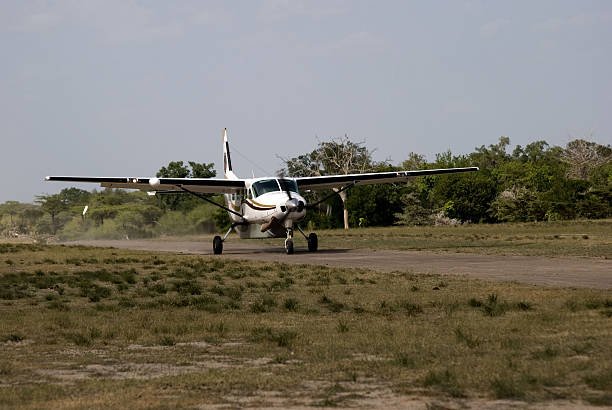
- Flights: Internal flights connect major cities such as Mogadishu, Hargeisa (Somaliland), and Garowe (Puntland). These can be a safer and quicker alternative to road travel, but schedules can be unreliable.
Accommodation
Accommodation options range from basic guesthouses to more established hotels, particularly in Mogadishu and Hargeisa. Security is a primary concern for all types of lodging. Hotels catering to international visitors typically have security personnel and measures in place. Booking through a trusted local contact or agency is advisable.
Currency and Payments
The official currency is the Somali Shilling (SOS). However, the US Dollar (USD) is widely used, especially for larger transactions and in business. ATMs are scarce and unreliable outside of major centers. Credit card acceptance is very limited. It is advisable to carry sufficient cash in both USD and SOS, obtained from reputable sources.
Money Exchange: Exchange rates can fluctuate. It is best to exchange currency at official exchange bureaus or reputable banks.
Communication
Mobile phone networks are relatively widespread, and local SIM cards can be purchased. Internet access is available in hotels and some internet cafes, but speeds and reliability can vary greatly. It is advisable to have a plan for communication, especially if traveling outside of Mogadishu.
Language
The official languages are Somali and Arabic. English is spoken in business circles, government, and by some tourist-oriented service providers, particularly in Mogadishu and Hargeisa. Learning a few basic Somali phrases can be helpful and appreciated.
Culture and Etiquette
Somalia is a predominantly Muslim country. Visitors are expected to respect local customs and Islamic traditions.
- Dress Code: Modest dress is essential for both men and women. Women should cover their arms and legs, and consider carrying a headscarf. Men should avoid sleeveless shirts and shorts in public.
- Ramadan: During the holy month of Ramadan, eating, drinking, and smoking in public during fasting hours is prohibited and highly disrespectful.
- Greetings: A simple greeting is appreciated. Use your right hand for all interactions.
- Photography: Always ask permission before taking photographs of people. Avoid photographing government buildings, military installations, or sensitive areas.
Specific Considerations for 2026-2027 Travel
As we look towards 2026-2027, several factors will continue to shape the travel experience in Somalia.
Political Stability and Governance
The political landscape in Somalia is dynamic. While the federal government is working to establish stability, progress can be uneven. The autonomous regions of Somaliland and Puntland have their own distinct political environments and governance structures. Travelers should be aware of the specific political situation in the areas they intend to visit.
Economic Conditions
Somalia’s economy is developing. While international aid and remittances play significant roles, local businesses are gradually emerging. This impacts the availability of goods, services, and the general cost of living for travelers.
Infrastructure Development
Infrastructure development is ongoing, particularly in Mogadishu and Hargeisa. This includes improvements to roads, airports, and telecommunications. However, outside of these main centers, infrastructure can be basic or non-existent.
Humanitarian and Development Work
Many foreigners in Somalia are involved in humanitarian aid or development projects. These individuals often have specialized security arrangements and support networks. If your travel is related to such work, ensure you are fully integrated into your organization’s security protocols.
Planning Your Somali Adventure: Working with Local Experts
Given the complexities of traveling in Somalia, partnering with experienced local operators is not just recommended; it’s often essential for a safe and feasible trip. While Top Guide Adventures focuses on Tanzania, we understand the critical role of local expertise in destinations like Somalia.
Why Local Expertise Matters
- Security Navigation: Local operators have up-to-date knowledge of the security situation, safe routes, and reliable security providers.
- Logistical Support: They can arrange vetted transportation, accommodation, and necessary permits.
- Cultural Understanding: Local guides provide invaluable insights into Somali culture, history, and traditions, enriching your experience.
- Visa and Permit Assistance: They can often assist with understanding and obtaining necessary documentation.
What to Look for in a Somali Travel Partner
- Proven Track Record: Look for companies with a demonstrable history of organizing safe and successful trips in Somalia.
- Security Focus: Ensure their operations prioritize traveler safety above all else.
- Local Knowledge: They should have deep roots and extensive knowledge of the country.
- Transparency: Clear communication about risks, costs, and itineraries is vital.
Frequently Asked Questions About Somalia Travel for 2026-2027
Here are some common questions travelers have when considering a trip to Somalia:
Is it safe to travel to Somalia in 2026-2027?
Travel to Somalia carries significant security risks, including terrorism and crime. While some areas are more stable than others, advisories from many governments recommend against travel. If you must travel, extensive preparation, professional security arrangements, and a high degree of vigilance are absolutely necessary.
What is the easiest way to get a Somali visa?
The most reliable way to obtain a Somali visa for 2026-2027 is to apply in advance through a Somali embassy or consulate. Visa-on-arrival options are limited and not recommended as a primary method due to potential policy changes and complications.
Do I need a Yellow Fever vaccine to enter Somalia?
Yes, a valid Yellow Fever vaccination certificate is often a mandatory requirement for entry into Somalia, particularly if arriving from or transiting through a Yellow Fever-risk country.
Can I travel to Somalia independently?
Independent travel to Somalia is strongly discouraged due to security risks. It is highly recommended to travel with a reputable, security-vetted local tour operator or to have professional security arrangements in place.
What currency should I bring to Somalia?
While the Somali Shilling (SOS) is the official currency, the US Dollar (USD) is widely accepted and often preferred for larger transactions. It is advisable to carry both in cash.
What is the best time of year to visit Somalia?
The climate in Somalia is generally hot and arid. The cooler months between December and March are often considered more comfortable for travel. However, considering the security situation, “best time” is secondary to overall feasibility and safety.
Conclusion: Preparedness is Key for Somalia Travel in 2026-2027
Somalia remains a destination that demands meticulous planning and a realistic assessment of risks. For travelers considering a visit in 2026-2027, understanding and fulfilling all entry requirements—from passport validity and visas to health certifications—is the foundational step. Equally critical is staying informed about the current security situation and implementing robust safety measures.
While Top Guide Adventures specializes in the incredible safaris and adventures of Tanzania, we recognize the desire to explore diverse and challenging destinations. If Somalia calls to you, do so with the utmost preparation. We strongly advise engaging with local Somali experts who can provide the necessary security, logistics, and cultural guidance. Your safety and a meaningful experience depend on it.
For inquiries regarding travel planning in East Africa, especially for destinations where safety and logistics are paramount, feel free to reach out. While we may not directly organize tours in Somalia, our expertise in the region can offer valuable advice. You can contact us via WhatsApp at +255616946642 or email us at info@topguideadventures.com. For alternative contact, a backup email is also available.
“,
“faq_schema”: [
{
“question”: “What are the main entry requirements for Somalia in 2026-2027?”,
“answer”: “For 2026-2027, primary entry requirements for Somalia include a passport valid for at least six months beyond your stay, with sufficient blank pages, and a pre-arranged visa. A Yellow Fever vaccination certificate is often mandatory. It’s also crucial to be aware of current safety advisories and have proof of onward travel.”
},
{
“question”: “How do I obtain a visa for Somalia?”,
“answer”: “The most reliable method is to apply for a Somali visa in advance through a Somali embassy or consulate in your country or a neighboring one. Visa-on-arrival services are limited and not recommended for ensuring a smooth entry in 2026-2027.”
},
{
“question”: “Is it safe to travel to Somalia for tourism?”,
“answer”: “Travel to Somalia involves significant security risks, including terrorism and crime. Many governments advise against travel. If you choose to visit, extensive security precautions, professional guidance, and staying informed about the current situation are essential. Independent tourism is strongly discouraged.”
},
{
“question”: “What health precautions are necessary for Somalia?”,
“answer”: “Mandatory Yellow Fever vaccination is common. Recommended vaccinations include Hepatitis A, Typhoid, Polio, Tetanus, and others as advised by a travel clinic. Malaria prevention, food and water safety, and comprehensive travel insurance are also critical.”
},
{
“question”: “What currency is used in Somalia, and how can I access money?”,
“answer”: “The Somali Shilling (SOS) is the official currency, but the US Dollar (USD) is widely used. ATMs are scarce and unreliable outside major cities. It’s best to carry sufficient cash in both currencies, obtained from reputable sources. Credit card acceptance is very limited.”
}
]
}
“`
Check Availability for Somalia Entry Requirements And Current Travel Information 2026-2027
Ready to compare dates, prices, and the best option for your group? Send the package name and travel month so the team can reply with a clear quote, availability, and what is included.

Sudan Current Travel And Entry Information For | Top Guide Adventures
Planning a trip to Sudan in 2026 or 2027? This guide covers current travel advisories, visa requirements, safety tips, and essential information for visitors.
View package details
Libya Current Travel And Entry Information For | Top Guide Adventures
Planning a trip to Libya in 2026 or 2027? This comprehensive guide covers current travel advisories, visa processes, safety considerations, cultural etiquette, and essential planning tips...
View package details
South Sudan Entry And Current Travel Information For Adventures 2026-2027
Navigate South Sudan travel in 2026-2027 with our comprehensive guide. Understand entry protocols, visa processes, safety advisories, and what to expect for a smooth journey.
View package detailsNo related package matches those filters. Clear one or more filters to see the other topic-matched options.



