
Exploring South Sudan in 2026-2027 offers a unique opportunity to witness the raw beauty and vibrant cultures of the world’s newest nation, though it requires meticulous planning, adherence to safety advisories, and an adventurous spirit; key destinations include the Sudd wetlands, Boma National Park for wildlife, and Juba for cultural insights, with travel primarily focused on organized tours due to infrastructure and security considerations.
Understanding South Sudan: A Glimpse into the World’s Youngest Nation
South Sudan, officially the Republic of South Sudan, carved its independence from Sudan in 2011, marking a significant moment in African history. As of 2026-2027, it remains a destination for the truly intrepid, offering unparalleled experiences for those seeking to go beyond conventional tourist trails. Its vast landscapes, rich cultural diversity, and untamed wildlife present a compelling, albeit challenging, travel proposition. Understanding the current socio-political climate, the logistical hurdles, and the immense potential for discovery is paramount for any prospective visitor.
The country is a mosaic of ethnic groups, each with distinct traditions, languages, and social structures. From the Dinka and Nuer pastoralists of the fertile plains to the Mundari cattle herders and the vibrant communities of the south, South Sudan is a living testament to human resilience and cultural depth. The landscapes are equally diverse, ranging from the immense Sudd, one of the world’s largest wetlands, to the savannahs and mountains that border neighboring countries.
Travel to South Sudan is not for the faint of heart. It demands a high degree of flexibility, a robust sense of adventure, and a deep respect for local customs and challenging conditions. The infrastructure is underdeveloped, and security can be a concern in certain regions. However, for those who prepare diligently, the rewards are immense: an authentic encounter with a land and people largely untouched by mass tourism, offering profound insights into life in a nation still finding its footing on the global stage.
Planning Your South Sudan Adventure in 2026-2027: Essential Preparations
Successful travel to South Sudan in 2026-2027 hinges on thorough preparation. Given the country’s unique circumstances, a DIY approach is generally not advisable. Partnering with experienced tour operators who specialize in challenging destinations is crucial. These operators can navigate the complex visa requirements, arrange necessary permits, secure reliable transportation, and most importantly, ensure your safety through local knowledge and contacts.
Visa and Entry Requirements
Obtaining a visa for South Sudan is a critical first step. Typically, visas are applied for through South Sudanese embassies or consulates abroad, though arrangements can sometimes be made through tour operators for those arriving in Juba. The process can be lengthy and requires specific documentation, including a passport valid for at least six months, a completed application form, passport-sized photos, and sometimes an invitation letter. It is advisable to start this process well in advance of your planned travel dates for 2026 or 2027.
Key Visa Considerations:
- Application Location: Apply at the South Sudanese embassy or consulate in your country of residence.
- Required Documents: Valid passport, completed application form, recent photographs, flight itinerary, and potentially an invitation letter.
- Processing Time: Allow several weeks for processing.
- Business/Tourist Visas: Ensure you apply for the correct visa type. For tourism, a tourist visa is required.
- On-Arrival Visas: While sometimes possible in Juba, it’s highly recommended to secure your visa beforehand to avoid potential issues.
Health and Vaccinations
Health is a major consideration for travel to South Sudan. Several vaccinations are strongly recommended, and some may be required. Consult your doctor or a travel clinic at least 6-8 weeks before your trip to discuss necessary immunizations and preventative measures.
Recommended Vaccinations and Health Precautions:
- Yellow Fever: Proof of vaccination is often required for entry.
- Hepatitis A and B: Recommended for most travelers.
- Typhoid: Recommended.
- Tetanus/Diphtheria: Ensure your boosters are up to date.
- Polio: Recommended.
- Rabies: Consider if engaging in activities with potential animal contact.
- Malaria: South Sudan is a high-risk malaria zone. Antimalarial medication is essential, along with insect repellent and protective clothing.
- Water and Food Safety: Drink only bottled or purified water. Be cautious with uncooked foods and street vendors.
Medical facilities in South Sudan are extremely limited, especially outside Juba. Comprehensive travel insurance that includes emergency medical evacuation is non-negotiable. Carry a well-stocked first-aid kit with any personal medications.
Safety and Security Advisories
Security is a paramount concern when planning a trip to South Sudan. The U.S. Department of State, the UK Foreign, Commonwealth & Development Office (FCDO), and other governmental advisories frequently issue warnings and recommendations regarding travel to the country. It is imperative to review the latest travel advisories from your home country’s government before making any plans for 2026-2027.
Key Security Considerations:
- Travel Advisories: Stay informed about the latest official travel advice.
- Regions to Avoid: Certain border regions and areas experiencing internal conflict may be off-limits or require special permissions and security escorts.
- Transportation: Overland travel can be hazardous due to poor road conditions and security risks. Flights are often the safest, albeit more expensive, mode of transport between major points.
- Local Conduct: Be aware of local laws and customs. Avoid discussing sensitive political topics.
- Photography: Always ask permission before taking photos of people or government buildings.
- Emergency Contacts: Have the contact details for your embassy and your tour operator readily available.
Working with a reputable tour operator like Top Guide Adventures is essential. They have on-the-ground experience, understand the security landscape, and can arrange for experienced guides and necessary security measures, significantly mitigating risks for travelers in 2026-2027.
Best Time to Visit
The climate in South Sudan is tropical, with distinct wet and dry seasons. The best time to visit generally falls within the dry season, which typically runs from November to March. During these months, the weather is more favorable for travel, roads are more passable, and wildlife viewing can be more rewarding.
Dry Season (November – March):
- Weather: Cooler temperatures, lower humidity, and minimal rainfall.
- Conditions: Ideal for overland travel, wildlife viewing, and exploring national parks.
- Crowds: While South Sudan doesn’t experience mass tourism, this period might see slightly more organized expeditions.
Wet Season (April – October):
- Weather: High temperatures, high humidity, and heavy rainfall.
- Conditions: Overland travel becomes extremely difficult, with many roads becoming impassable. Wildlife may disperse.
- Considerations: Some areas might be inaccessible, but for those seeking a truly off-the-beaten-path experience and willing to contend with the challenges, the landscapes can be incredibly lush and dramatic.
Key Destinations and Experiences in South Sudan
Despite its challenges, South Sudan offers a wealth of unique experiences for the determined traveler. The country’s allure lies in its raw, undeveloped natural beauty and its deeply rooted cultural traditions.
Juba: The Capital City
Juba, situated on the White Nile, is the bustling capital and the gateway to South Sudan. While it may not possess the historical grandeur of some other African capitals, it offers a vital glimpse into the nation’s present and future. Visitors can experience the local markets, interact with a diverse population, and gain an understanding of the country’s ongoing development and challenges.
What to Expect in Juba:
- Markets: Explore local markets for crafts, food, and a vibrant atmosphere.
- Nile River: Take a boat trip on the White Nile for scenic views and a different perspective of the city.
- Cultural Centers: Visit any available cultural exhibitions or performance spaces to learn about local arts and traditions.
- Administration Hub: Juba is the center of government and international organizations, offering insights into the nation’s administrative life.
It’s important to remain aware of your surroundings in Juba and to travel with a guide or driver, especially after dark. The city is a hub of activity, but security precautions are still necessary.
The Sudd: A Natural Wonder
The Sudd is one of the world’s largest and most significant wetlands, a vast expanse of marshes, lagoons, and rivers fed by the White Nile. This ecological marvel is a haven for biodiversity, though much of it remains inaccessible and unexplored.
Exploring the Sudd:
- Boat Safaris: The most feasible way to experience parts of the Sudd is via boat. This allows for observation of the unique aquatic flora and fauna, including diverse birdlife and possibly hippos and crocodiles.
- Pygmy Peoples: In some remote areas of the Sudd, indigenous communities, sometimes referred to as Pygmy peoples, live a traditional lifestyle closely tied to the environment. Interaction requires extreme sensitivity and often the assistance of specialized guides.
- Ecological Importance: The Sudd plays a crucial role in the hydrology of the Nile River and supports a rich ecosystem.
Accessing the Sudd requires significant logistical planning and is typically undertaken as part of specialized expeditions. The sheer scale and remoteness mean that only limited parts can be explored.
Boma National Park: Wildlife Encounters
Located in the southeastern part of South Sudan, Boma National Park is a vast protected area renowned for its potential for significant wildlife populations. It is part of a larger ecosystem that includes neighboring parks in Ethiopia and Kenya, facilitating large-scale animal migrations.
Wildlife Highlights of Boma:
- White-eared Kob Migration: Boma is famous for hosting one of the largest mammal migrations on Earth, involving vast numbers of white-eared kob, tiang, and gazelles. This spectacle is comparable to the Serengeti migration.
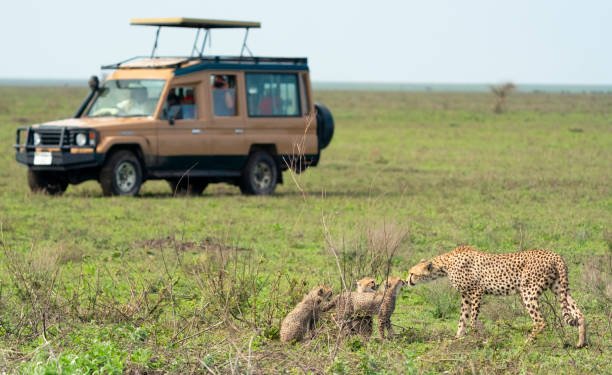
- Predators: The park is home to lions, leopards, cheetahs, and hyenas.
- Other Mammals: Giraffes, elephants, buffaloes, and various antelope species are present.
- Birdlife: An abundance of bird species makes it a paradise for ornithologists.
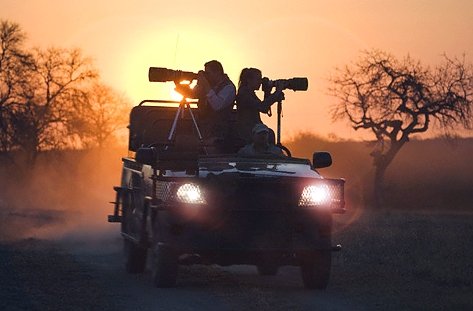
Visiting Boma National Park in 2026-2027 presents significant logistical challenges. The park has minimal infrastructure, and travel within it often requires specialized 4×4 vehicles and experienced guides. Security can also be a factor, and visits are typically arranged as part of guided expeditions focusing on wildlife photography or scientific research.
Southern Cultural Experiences: The Mundari Cattle Camps
One of the most visually striking and culturally rich experiences in South Sudan is visiting the cattle camps of the Mundari people. Located north of Juba, these nomadic pastoralists have a life deeply intertwined with their prized Ankole cattle.
Life with the Mundari:
- Cattle as Wealth: Cattle are central to Mundari culture, representing wealth, status, and social standing.
- Daily Rituals: Witnessing the morning milking, the application of ash to the cattle’s hides for protection, and the communal life around the camps is a unique cultural immersion.
- Warrior Culture: The Mundari are known for their proud warrior heritage, often seen with their cattle guarding their camps.
- Ash Baths: Observe the practice of using cow dung ash for hygiene and as a mosquito repellent.
Visits to Mundari cattle camps require respectful engagement and are best arranged through tour operators who can facilitate introductions and ensure appropriate conduct. Understanding and respecting their traditions is paramount. These interactions offer a profound look into a traditional way of life that is rapidly changing across much of Africa.
Other Potential Destinations (with caveats)
While Juba, the Sudd, Boma, and the Mundari camps are the most frequently visited or discussed locations, South Sudan holds other areas of interest:
- Equatoria Region: This region offers varied landscapes, including rolling hills and forests. However, accessibility and security can be highly variable.
- Nuba Mountains: While geographically closer to Sudan, parts of the Nuba range extend into South Sudan. These areas are known for unique tribal cultures but are extremely difficult to access and often carry significant security risks. Travel here is generally not recommended for independent tourists.
For any travel in 2026-2027, focusing on regions with established (though still basic) tourism infrastructure and reliable security arrangements is the most prudent approach. This typically means Juba and its immediate surroundings, and organized expeditions to areas like Boma or the Mundari camps.
Wildlife Viewing in South Sudan: Potential and Challenges
South Sudan’s wildlife potential is immense, rivaling that of more established safari destinations in East Africa. However, realizing this potential for tourism is hindered by a lack of infrastructure, security concerns, and limited conservation efforts to date.
Mammal Populations
The country is home to a significant diversity of mammals, many of which are part of transboundary ecosystems.
- The Great Migration: Boma National Park is the stage for one of the world’s largest terrestrial mammal migrations, involving an estimated one million white-eared kob, tiang, and gazelles. This migration is driven by seasonal rainfall and grazing patterns, moving between South Sudan, Ethiopia, and potentially Kenya. Witnessing this requires careful timing and access to remote areas.
- Large Mammals: Elephants, lions, leopards, cheetahs, African wild dogs, buffaloes, giraffes, hartebeest, topi, and various other antelope species are found across the country’s protected areas and savannahs.
- Primates: While not a primary draw, various monkey species can be encountered in forested areas.
Birdlife
South Sudan is a birdwatcher’s paradise, particularly in the Sudd wetlands and savannas. The country hosts a remarkable array of resident and migratory bird species.
- Wetland Birds: The Sudd is a critical habitat for numerous water birds, including various herons, egrets, storks, pelicans, and flamingos.
- Raptors: Eagles, vultures, and falcons are common across the open plains.
- Passerines: A vast number of smaller bird species inhabit the diverse vegetation.
- Endemic Species: While specific endemic species might be few, the sheer density and diversity of birdlife are exceptional.
Conservation Challenges and Opportunities
For decades, South Sudan’s wildlife has suffered from poaching, habitat degradation, and displacement due to conflict. However, with the establishment of national parks and reserves, there is a growing recognition of the importance of conservation for the country’s future.
Challenges:
- Lack of Resources: Limited funding for park management, anti-poaching patrols, and research.
- Infrastructure Deficit: Absence of roads, lodges, and ranger outposts within parks.
- Security Issues: Ongoing instability in some regions affects conservation efforts and deters tourism.
- Human-Wildlife Conflict: As populations grow and expand into wildlife areas, conflicts can arise.
Opportunities:
- Ecotourism Potential: The unique wildlife and landscapes offer significant potential for responsible ecotourism, which could provide economic benefits and incentives for conservation.
- International Support: Various international conservation organizations are working to support wildlife protection and community-based conservation initiatives.
- Emerging Safaris: Companies are beginning to offer specialized, low-impact safaris in areas like Boma, focusing on minimal footprint and maximum wildlife experience.
For travelers in 2026-2027, visiting these wildlife areas means opting for highly specialized tours that prioritize safety, minimal environmental impact, and respectful engagement with local communities and wildlife.
Cultural Etiquette and Local Interactions
South Sudan is a mix of diverse ethnic groups, each with its own customs and traditions. Respectful engagement is key to a positive and meaningful experience.
Respecting Local Customs
Understanding and adhering to local customs will greatly enhance your interactions and show respect for the people you meet.
- Greetings: A handshake is common, but be mindful of local customs. Elders are typically greeted first.
- Dress Code: Modesty is important. While Juba is more cosmopolitan, in rural areas and when visiting communities, dress conservatively. Shoulders and knees should be covered.
- Photography: Always ask permission before taking photographs of people, especially women and children, and of any official buildings or military installations.
- Gifts: Small, practical gifts like pens, notebooks, or sweets can be appreciated, but avoid giving money directly to children, as it can encourage begging.
- Religious Beliefs: South Sudan has a mix of traditional animist beliefs, Christianity, and Islam. Be respectful of religious practices and sites.
Interacting with Communities
When visiting communities, particularly the Mundari cattle camps, engaging with respect and genuine interest is crucial.
- Patience: Building rapport takes time. Be patient and observant.
- Guides: Rely on your guide to facilitate introductions and translate cultural nuances. They can help you understand appropriate behavior and topics of conversation.
- Cattle Culture: If visiting cattle camps, show immense respect for the cattle, as they are sacred to the people. Avoid loud noises or sudden movements that might disturb them.
- Asking Questions: Show genuine curiosity about their way of life, but avoid intrusive or overly personal questions, especially concerning politics or recent conflicts.
Language
Arabic is the official language, but English is widely spoken in Juba and is the language of government and education. However, in rural areas, numerous indigenous languages are spoken, including Dinka, Nuer, Shilluk, Zande, and Bari. Your tour guide will be invaluable for communication.
Practicalities for Travelers in 2026-2027
Beyond the core preparations, several practical aspects need consideration for a trip to South Sudan.
Accommodation
Accommodation options in South Sudan are limited and primarily concentrated in Juba. Outside the capital, options are very basic, often consisting of guesthouses or basic camps arranged by tour operators.
- Juba: Offers a range of hotels, from international chains (though limited) to local guesthouses. Standards can vary significantly, and power outages are common.
- Rural Areas: Expect very basic lodging. This might include camping or staying in simple, secure compounds arranged by your tour operator. Comfort is often secondary to the experience itself.
Transportation
Getting around South Sudan is challenging. Overland travel can be slow, uncomfortable, and subject to security risks.
- Flights: Internal flights are the most reliable and often the safest way to travel between major towns, though they are expensive and schedules can be erratic.
- 4×4 Vehicles: For overland travel, especially to national parks or remote communities, sturdy 4×4 vehicles are essential.
- Road Conditions: Roads outside Juba are often unpaved, poorly maintained, and can become impassable during the rainy season.
- Security Escorts: In some areas, travel may require government permission and potentially security escorts, which your tour operator will arrange.
Currency and Costs
The official currency is the South Sudanese Pound (SSP). However, the US Dollar (USD) is widely accepted, especially for larger transactions and services geared towards foreigners. It’s advisable to carry a mix of both.
Cost Factors for 2026-2027 Travel:
- High Cost: Travel to South Sudan is generally expensive due to logistical challenges, the need for specialized transport, security arrangements, and limited infrastructure.
- Inclusions: Most organized tours will include accommodation, ground transportation (often 4×4), fuel, driver/guide fees, park entry fees (if applicable), and meals. International flights, visa fees, travel insurance, and personal expenses are usually extra.
- Quotation-Based: Prices are typically provided on a custom quote basis. Factors influencing cost include the duration of the trip, the specific destinations, the level of comfort required, and the number of travelers.
- Budgeting: Expect daily costs to be significantly higher than in many other African destinations. A rough estimate for a specialized expedition could range from $500 to $1000+ USD per person per day, depending on the itinerary and inclusions. This is a general guideline for 2026-2027 planning.
Connectivity and Communication
Internet access and mobile phone service are available in Juba but can be unreliable and expensive. Outside the capital, connectivity is scarce to non-existent.
- Mobile SIM Cards: Local SIM cards can be purchased in Juba, but coverage is limited to main towns.
- Internet Cafes: Available in Juba, but speeds can be slow.
- Satellite Phones: For travelers venturing into remote areas, a satellite phone might be considered for emergency communication, arranged through your tour operator.
What to Pack
Packing smart is essential for comfort and safety in South Sudan’s climate and conditions.
- Clothing: Lightweight, breathable clothing in neutral colors. Long sleeves and trousers are recommended for sun and insect protection, especially in the evenings. A light to medium-weight jacket or fleece for cooler evenings.
- Footwear: Sturdy, broken-in walking shoes or hiking boots. Comfortable sandals or shoes for relaxing.
- Health Kit: Comprehensive first-aid kit, insect repellent (high DEET content), sunscreen, hand sanitizer, personal medications, and any prescribed antimalarials.
- Documents: Passport, visa, vaccination certificates (especially Yellow Fever), travel insurance details, and copies of all important documents.
- Electronics: Camera, extra batteries, power bank, universal adapter. Consider a headlamp or flashlight.
- Other Essentials: Reusable water bottle, sunglasses, wide-brimmed hat, small backpack for day trips, binoculars for wildlife viewing.
The Role of Tour Operators in South Sudan Travel
Given the complexities of traveling to South Sudan, the role of a specialized tour operator cannot be overstated. Companies like Top Guide Adventures are essential for navigating the logistical, security, and cultural intricacies of the country.
Why Choose a Specialized Tour Operator:
- Safety and Security: Operators have up-to-date knowledge of the security situation and can arrange appropriate measures, including experienced guides and potentially security personnel.
- Logistics Management: They handle visa applications, permits, transportation bookings (flights, 4x4s), and accommodation.
- Local Knowledge: Experienced guides provide invaluable insights into local culture, wildlife, and geography, enhancing the travel experience.
- Access: Operators can often secure access to remote areas and facilitate interactions with local communities that would be impossible for independent travelers.
- Emergency Support: They provide a crucial support network in case of emergencies.
When planning your South Sudan adventure for 2026-2027, research tour operators thoroughly. Look for those with proven experience in challenging destinations, positive testimonials, and a commitment to responsible tourism practices. Top Guide Adventures, with its expertise in East African travel, can be a valuable partner in crafting a safe and memorable journey to South Sudan.
Future Outlook for Tourism in South Sudan (2026-2027 and Beyond)
The future of tourism in South Sudan is intrinsically linked to its stability and development. While currently a niche destination, the country holds immense potential.
Factors Influencing Future Tourism:
- Peace and Stability: Continued progress towards lasting peace and national reconciliation is the most critical factor for any significant growth in tourism.
- Infrastructure Development: Investment in roads, airports, and basic tourist facilities will be necessary to make travel more accessible and comfortable.
- Conservation Efforts: Strengthening conservation initiatives and anti-poaching measures will be vital to protect and promote the country’s rich wildlife heritage.
- Government Policy: Supportive government policies towards tourism development and investment can play a significant role.
- International Perception: Overcoming negative perceptions and showcasing the positive aspects of South Sudan through responsible tourism initiatives will be key.
By 2026-2027, it is likely that South Sudan will remain a destination for a select group of adventurous travelers seeking authentic, off-the-beaten-path experiences. As stability hopefully improves, we may see a gradual increase in organized expeditions focusing on its unique cultural and wildlife offerings. The potential for developing responsible ecotourism that benefits local communities and aids conservation is substantial.
For those considering a trip to South Sudan in the coming years, embracing the adventure, respecting the local culture, and prioritizing safety through expert guidance will be the cornerstones of an unforgettable journey.
Ready to Plan Your South Sudan Expedition?
Navigating the complexities of travel to South Sudan requires expert knowledge and meticulous planning. If you are an adventurous traveler looking to explore this unique destination in 2026 or 2027, partnering with an experienced tour operator is essential. Top Guide Adventures specializes in crafting challenging yet rewarding journeys across East Africa and can help you design a safe, respectful, and unforgettable South Sudan experience. For a personalized itinerary and quote, please reach out to us:
WhatsApp: +255616946642
Email: info@topguideadventures.com
Let us help you discover the untamed beauty and vibrant cultures of South Sudan.
Check Availability for South Sudan Travel Guide: Exploring The Worlds Newest Nation In 2026-2027
Ready to compare dates, prices, and the best option for your group? Send the package name and travel month so the team can reply with a clear quote, availability, and what is included.
South Sudan Wildlife Migration Guide 2026-2027
South Sudan Wildlife Migration Guide is explained with current 2026-2027 planning, price, itinerary and booking information.
View package details
South Sudan Entry And Current Travel Information For Adventures 2026-2027
Navigate South Sudan travel in 2026-2027 with our comprehensive guide. Understand entry protocols, visa processes, safety advisories, and what to expect for a smooth journey.
View package details
South Sudan Tribal Heritage Tourism 2026-2027
South Sudan Tribal Heritage Tourism is explained with current 2026-2027 planning, price, itinerary and booking information.
View package detailsNo related package matches those filters. Clear one or more filters to see the other topic-matched options.



