
Entry into the Democratic Republic of Congo (DRC) for 2026-2027 requires obtaining a visa in advance, presenting a valid passport with at least six months of validity and blank pages, proof of yellow fever vaccination, and potentially other health certificates. Travelers should also be aware of current security advisories, especially for certain regions, and arrange for reputable local transport and accommodation. Planning is crucial due to the complex logistical and security landscape, with many visitors opting for organized tours to navigate entry procedures and internal travel safely.
Understanding DR Congo Entry and Travel in 2026-2027
The Democratic Republic of Congo (DRC) is a vast and incredibly diverse nation, offering unparalleled opportunities for intrepid travelers seeking authentic experiences. From the dense rainforests of the Congo Basin, home to iconic wildlife, to the volcanic landscapes of the east and the vibrant, bustling capital of Kinshasa, the DRC presents a compelling destination for those looking to venture off the beaten path. However, travel to the DRC is not without its complexities. Understanding the current entry requirements, visa procedures, safety considerations, and logistical challenges is paramount for a successful and rewarding visit, especially as we look towards travel in 2026 and 2027.
Top Guide Adventures, while primarily focused on East African destinations like Tanzania, recognizes the growing interest in unique African destinations. For travelers considering the DRC, thorough preparation is key. This guide aims to provide comprehensive, up-to-date information to assist you in planning your journey, covering everything from initial visa applications to on-the-ground practicalities for 2026-2027 travel.
Visa Requirements for the DR Congo: A Step-by-Step Guide
Securing the correct visa is the first critical step for any international traveler planning to enter the Democratic Republic of Congo. Visa policies can change, so it is essential to verify the latest requirements with the Congolese embassy or consulate in your country of residence well in advance of your intended travel dates for 2026 or 2027. Generally, the process involves:
Types of Visas Available
The DRC offers several types of visas, depending on the purpose of your visit:
- Tourist Visa: For individuals visiting for leisure, sightseeing, and cultural experiences. This is the most common type for travelers exploring national parks or cultural sites.
- Business Visa: For those traveling for commercial purposes, meetings, or to explore investment opportunities.
- Mission Visa: For individuals on official government or diplomatic missions.
- Transit Visa: For travelers passing through the DRC to another destination.
- Work Visa: For individuals intending to take up employment within the DRC.
For most tourists planning an adventure in 2026-2027, the Tourist Visa will be the relevant category. These are typically issued for a specific duration, often 30 days, and can sometimes be extended within the country, though this process can be bureaucratic.
Application Process for a Tourist Visa
The application process typically involves the following:
- Locate the Nearest Congolese Embassy or Consulate: Check the official website of the Ministry of Foreign Affairs of the DRC for a list of diplomatic missions abroad.
- Download the Visa Application Form: Most embassies provide application forms online. Ensure you download the most current version.
- Gather Required Documents: This usually includes:
- A completed visa application form.
- A valid passport with at least six months of remaining validity beyond your intended stay and at least two blank pages.
- Recent passport-sized photographs (usually 2-3, with specific background requirements).
- Proof of yellow fever vaccination (International Certificate of Vaccination or Prophylaxis).
- A confirmed return or onward ticket.
- Proof of sufficient funds (e.g., bank statements), though this is not always strictly enforced for tourist visas.
- A letter of invitation: This is often a crucial requirement for tourist visas. The invitation should come from a Congolese citizen or a registered company/organization in the DRC. If you are traveling with a tour operator, they can usually provide this. For tours organized by Top Guide Adventures, we can assist with providing the necessary invitation letter if your itinerary is confirmed.
- Visa fee payment: Fees vary depending on nationality and visa type. Check the specific embassy’s requirements for payment methods (e.g., bank transfer, money order).
- Submit Your Application: Applications can often be submitted in person, by mail, or sometimes through a representative. Processing times can vary significantly, so apply at least 4-6 weeks before your departure date for 2026-2027 travel.
- Visa Collection: You will be notified when your visa is ready for collection.
Important Considerations for Visa Applications
- Accuracy is Key: Ensure all information provided on the application form is accurate and matches your passport.
- Invitation Letter: If required, the invitation letter must be detailed, stating the purpose of your visit, your host’s contact information, and their relationship to you.
- Processing Times: Do not underestimate processing times. Delays can occur, so early application is vital.
- Embassy Variations: Requirements and procedures can differ slightly between Congolese embassies in different countries. Always confirm with the specific embassy handling your application.
- Visa on Arrival: While sometimes mentioned, obtaining a visa on arrival in the DRC is generally not recommended and often not possible for most nationalities. It is best to secure your visa before traveling.
Passport and Health Requirements for Entry
Beyond the visa, specific passport and health documentation are mandatory for entry into the DRC.
Passport Validity
Your passport must be valid for at least six months beyond your intended stay in the DRC. It should also contain at least two blank pages for entry and exit stamps. Ensure your passport is not damaged, as this could lead to denial of entry.
Yellow Fever Vaccination
Proof of yellow fever vaccination is a mandatory requirement for entry into the DRC. You must carry your International Certificate of Vaccination or Prophylaxis (ICVP) with you. This certificate will be checked by immigration officials upon arrival. It is recommended to get vaccinated at least 10 days before your travel date.
Other Recommended Vaccinations and Health Precautions
While yellow fever is mandatory, several other vaccinations and health precautions are strongly recommended for travel to the DRC:
- Hepatitis A and Typhoid: Recommended for most travelers.
- Hepatitis B, Rabies, and Tetanus: May be recommended depending on your activities and duration of stay.
- Malaria Prevention: The DRC is a high-risk malaria zone. Consult your doctor about appropriate antimalarial medication well before your trip. Using insect repellent, wearing long sleeves and trousers during dawn and dusk, and sleeping under mosquito nets are crucial preventive measures.
- Cholera: Risk exists, particularly in areas with poor sanitation. Ensure you drink bottled or purified water and practice good hygiene.
- Food and Water Safety: Stick to bottled water, avoid ice in drinks unless you are certain it’s made from purified water, and eat well-cooked food. Peel fruits and vegetables yourself.
It is highly advisable to consult a travel clinic or your doctor at least 4-8 weeks before your planned trip in 2026 or 2027 to discuss necessary vaccinations and health advice tailored to your itinerary.
Navigating Security and Safety in the DR Congo
Safety and security are significant considerations for anyone planning travel to the DR Congo. The country has a complex political and social landscape, with varying levels of security across different regions. Staying informed and taking precautions is essential.
Current Travel Advisories
Foreign governments, such as the US Department of State, UK Foreign, Commonwealth & Development Office (FCDO), and others, issue travel advisories for the DRC. These advisories often highlight specific regions with high security risks due to armed conflict, kidnapping, and crime. It is crucial to review these advisories regularly before and during your trip for 2026-2027.
Key areas of concern often include:
- The eastern provinces (North Kivu, South Kivu, Ituri), which have historically experienced significant instability and armed group activity.
- Remote border areas.
- Certain urban areas where petty crime and opportunistic theft can occur.
General Safety Precautions
Regardless of the region, practicing common-sense safety measures is vital:
- Travel with Reputable Guides/Companies: Using experienced, locally-based tour operators like Top Guide Adventures (for related regions) or reputable DRC-specific operators is highly recommended. They understand the local conditions, have established contacts, and can arrange secure transport and accommodation.
- Avoid Unnecessary Travel: Limit travel outside of major cities, especially at night.
- Be Aware of Your Surroundings: Stay vigilant, particularly in crowded places.
- Secure Valuables: Keep valuable items out of sight and secure.
- Photography: Be cautious when taking photographs, especially of government buildings, military installations, or people, as permission may be required.
- Respect Local Customs: Dress modestly and be respectful of local traditions and culture.
- Emergency Contacts: Keep a list of important emergency contacts, including your embassy’s number.
Kidnapping Risk
Kidnapping, including for ransom, is a risk in certain parts of the DRC. This risk is higher for expatriates and foreigners. Travelers should avoid areas known for such activities and remain discreet about their travel plans and presence.
Political Instability
While major tourist destinations are often in relatively stable areas, political tensions can arise. It’s advisable to stay informed about the local situation through news sources and your tour operator.
For travelers planning their DRC adventure in 2026-2027, a deep understanding of these safety aspects, combined with a well-vetted itinerary, will significantly enhance the security and enjoyment of the trip.
Logistics and Transportation within the DR Congo
Getting around the DRC presents unique logistical challenges due to its vast size, infrastructure limitations, and security considerations. Planning your transportation well in advance is crucial.
Air Travel
Domestic flights are often the most practical way to cover long distances between major cities like Kinshasa, Goma, Lubumbashi, and Kisangani. However, the reliability of domestic airlines can be an issue, with frequent delays and cancellations. It’s advisable to book flights with established carriers and allow ample buffer time for connections. For international arrivals, major entry points include N’djili International Airport (FIH) in Kinshasa and Goma International Airport (GOM).
Road Travel
Road conditions vary dramatically. Major routes connecting large cities might be paved but can still be in poor condition. Off-the-beaten-path routes are often unpaved, rough, and can become impassable during the rainy season. Road travel can be slow and arduous. For security reasons, it is strongly recommended to travel by road only with experienced local drivers and guides, preferably in 4×4 vehicles.
River Travel
The Congo River and its tributaries are vital transportation arteries, especially for cargo. Passenger boat services exist, but they can be slow, crowded, and may not always be the safest option for tourists seeking comfort and reliability. River travel is more common in specific regions and for certain types of expeditions.
Hiring Vehicles and Drivers
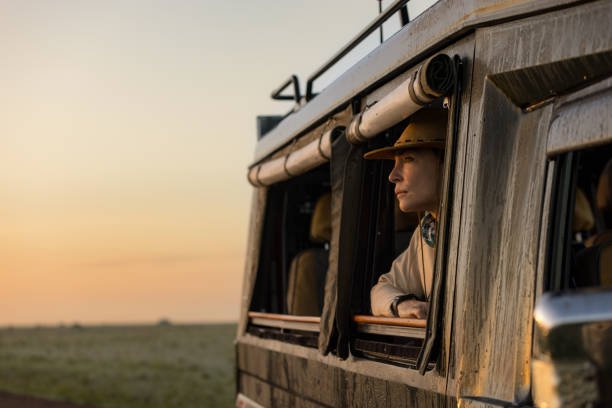
For most tourists, hiring a vehicle with a driver is the most practical and safest mode of transport for exploring beyond cities. Reputable tour operators can arrange this, ensuring the vehicle is suitable for the terrain and the driver is experienced and trustworthy. This is particularly important if you plan to visit national parks or remote areas in 2026-2027.
Challenges in Logistics
- Infrastructure: Limited and often poorly maintained road and rail networks.
- Reliability: Domestic flights and public transport can be unreliable.
- Security: Certain routes may be unsafe due to armed groups or criminal activity.
- Fuel Availability: Can be inconsistent in remote areas.
- Communication: Mobile phone coverage can be patchy outside major towns.
Given these challenges, planning an itinerary with a focus on specific regions and utilizing experienced local partners is the most effective way to manage logistics for a DR Congo trip in 2026-2027.
Key Destinations and Experiences in the DR Congo
Despite the challenges, the DR Congo offers extraordinary destinations for adventurous travelers.
Virunga National Park
Located in the eastern Democratic Republic of Congo, Virunga National Park is a UNESCO World Heritage site renowned for its incredible biodiversity and, most famously, as the last refuge of the endangered mountain gorilla. Trekking to see these majestic creatures is a primary draw for many visitors. The park also offers opportunities to see lowland gorillas, chimpanzees, and is home to the world’s most active volcano, Mount Nyiragongo, which features a spectacular lava lake. Travel to Virunga requires careful planning due to its location in a region that has experienced security challenges. Reputable tour operators specializing in the park are essential for arranging safe gorilla treks and volcano hikes.
Kahuzi-Biega National Park
Another UNESCO World Heritage site in the eastern DRC, Kahuzi-Biega National Park is home to the rare Eastern Lowland Gorilla (Grauer’s Gorilla). It offers a different gorilla trekking experience compared to Virunga, with treks generally considered less physically demanding. The park also boasts diverse montane and lowland forest ecosystems.
Kinshasa
The sprawling capital city, Kinshasa, is a vibrant hub of Congolese culture, music, and art. Visitors can explore bustling markets, experience the lively music scene (especially Lingala music), visit the National Museum of the DRC, and witness the powerful flow of the Congo River. While a major urban center, visitors should still exercise caution and be aware of their surroundings.
Lola ya Bonobo Sanctuary
Near Kinshasa, this sanctuary is dedicated to the rescue and rehabilitation of orphaned bonobos, the great ape species unique to the DRC. It offers a unique opportunity to learn about these fascinating primates and the conservation efforts underway.
Salonga National Park
The largest tropical rainforest reserve in Africa and a UNESCO World Heritage site, Salonga National Park is incredibly remote and accessible only by boat or small aircraft. It is a crucial habitat for bonobos, forest elephants, and numerous bird species. Visiting Salonga is an expedition for the truly adventurous, requiring extensive planning and specialized logistics.
Mount Nyiragongo Hike
The ascent of Mount Nyiragongo is an unforgettable experience. The hike takes visitors to the summit, where they can witness the mesmerizing, and at times dramatic, spectacle of the world’s largest lava lake. Overnight stays in simple cabins at the summit offer unparalleled views. This hike requires good physical fitness and is managed by park authorities with strict safety protocols.
Planning Your DR Congo Trip for 2026-2027
A successful trip to the DR Congo, especially for 2026-2027, hinges on meticulous planning and realistic expectations.
Best Time to Travel
The dry seasons are generally considered the best times to visit, offering more reliable travel conditions and better opportunities for wildlife viewing and trekking. These typically run from June to October and December to February. The rainy seasons (March-May and November) can make road travel difficult and may impact visibility in national parks.
Duration of Stay
Due to the travel complexities and the richness of experiences available, a minimum of 10-14 days is recommended for a focused trip, for example, to Virunga National Park and surrounding areas. Longer trips of 3-4 weeks would allow for exploring multiple regions.
Choosing a Tour Operator
Given the significant logistical and security considerations, engaging a reputable and experienced tour operator is almost essential for a trip to the DRC. While Top Guide Adventures specializes in Tanzania, we understand the importance of local expertise for any African destination. For the DRC, look for operators with:
- Proven experience in the DRC, particularly in the regions you wish to visit.
- Strong relationships with local authorities and park management.
- Excellent safety records and protocols.
- Comprehensive pre-trip information and support.
- Ability to assist with visa invitations and permits.
Budgeting for Your Trip
Travel to the DRC can be expensive due to the costs associated with security, specialized transport, permits (especially for gorilla and chimpanzee trekking), and high-quality guiding services. Costs can vary significantly based on the level of comfort, activities, and duration. Expect to budget for:
- Visas and Permits: Gorilla and chimpanzee trekking permits are a significant cost.
- Accommodation: Options range from basic lodges to more comfortable hotels in cities and specialized lodges in national parks.
- Transportation: Internal flights and private vehicle hire with drivers are costly but necessary.
- Guides and Tours: Essential for safety and experience.
- Food and Drink: Generally more affordable in local eateries, but higher in tourist-oriented establishments.
- Travel Insurance: Comprehensive insurance covering medical evacuation and adventure activities is a must.
It is advisable to get a detailed quote from your chosen tour operator well in advance for your 2026-2027 travel plans.
Packing Essentials
Pack light but smart:
- Lightweight, breathable clothing (long sleeves and trousers for sun and insect protection).
- Rain gear (waterproof jacket and trousers).
- Sturdy, broken-in hiking boots for trekking.
- Comfortable walking shoes.
- Hat and sunglasses.
- High SPF sunscreen.
- Insect repellent with DEET.
- Personal first-aid kit with any necessary prescription medications.
- Camera and plenty of memory cards/batteries.
- Power bank and universal adapter.
- Binoculars for wildlife viewing.
- Hand sanitizer and wet wipes.
- A headlamp or flashlight.
Health and Medical Considerations
Ensuring your health and safety is paramount when traveling to the DRC. Beyond vaccinations, be prepared for potential medical needs.
Medical Facilities
Medical facilities in the DRC are limited, especially outside of Kinshasa. Standards of care may not meet international expectations. In case of serious illness or injury, medical evacuation to a facility in Europe or South Africa may be necessary. This is why comprehensive travel insurance is non-negotiable.
Travel Insurance
Your travel insurance policy must cover:
- Medical Emergencies: Including hospitalization and treatment.
- Emergency Medical Evacuation: This is critical and can be extremely expensive if not covered.
- Repatriation of Remains: In the unfortunate event of a fatality.
- Trip Cancellation/Interruption: Due to unforeseen circumstances.
- Lost or Stolen Baggage.
Ensure your policy specifically covers travel to the DRC and any adventure activities you plan to undertake, such as trekking.
Staying Healthy During Your Trip
- Hydration: Drink only bottled or purified water.
- Food Safety: Eat well-cooked food and avoid raw or undercooked items.
- Hygiene: Wash your hands frequently, especially before eating.
- Sun Protection: Use sunscreen, wear a hat, and stay hydrated.
- Insect Protection: Use repellent consistently, especially during dawn and dusk.
Currency and Financial Matters
Understanding the local currency and how to manage your finances is important for your trip.
The Congolese Franc (CDF)
The official currency is the Congolese Franc (CDF). However, the US Dollar (USD) is widely used and often preferred, especially for tourist services, accommodation, and park fees. It is advisable to carry a mix of both.
Using US Dollars
- Condition: US Dollar bills should be relatively new, clean, and crisp. Older, torn, or heavily marked bills may not be accepted.
- Denominations: Carry a range of denominations, including small bills for tips and smaller purchases.
- Exchange Rates: Official exchange rates exist, but informal markets may offer slightly different rates.
ATMs and Credit Cards
ATMs are available in major cities like Kinshasa and Goma, but they may not always dispense USD and can be unreliable. Credit card acceptance is limited, primarily found in high-end hotels and some larger businesses in Kinshasa. It is essential to carry sufficient cash for most transactions, especially outside the capital.
Money Transfer Services
Services like Western Union or MoneyGram might be available in larger cities, but they are not a primary method for tourist expenses.
Budgeting and Tipping
Factor in the costs of permits, transportation, and guides when budgeting. Tipping is customary for good service. Your tour operator will provide guidance on appropriate tipping amounts for guides, drivers, and lodge staff.
Communication and Connectivity
Staying connected in the DRC can be challenging but is possible with the right approach.
Mobile Phones and SIM Cards
Major mobile network operators in the DRC include Vodacom, Orange, and Airtel. You can purchase a local SIM card upon arrival or through your tour operator. This is generally the most cost-effective way to make calls and access data. Coverage is best in urban areas and along major routes, but can be patchy or non-existent in remote national parks or rural regions.
Internet Access
Internet access is available in hotels and some cafes in larger cities, but it can be slow and expensive. Consider purchasing a data package with your local SIM card for mobile internet access. Be prepared for unreliable connectivity, especially if your itinerary takes you to more remote areas in 2026-2027.
Satellite Phones
For travelers venturing into extremely remote areas or those with specific security requirements, a satellite phone might be considered, though this is uncommon for standard tourist trips.
Cultural Etiquette and Local Customs
Respecting local customs and traditions will greatly enhance your interactions and overall experience in the DRC.
- Greetings: A polite greeting is important. A simple “Bonjour” (good day) or “Bonsoir” (good evening) is appreciated.
- Dress Code: While Kinshasa is relatively cosmopolitan, it’s advisable to dress modestly, especially when visiting rural areas or religious sites. Avoid overly revealing clothing.
- Photography: Always ask for permission before taking photos of people. Avoid photographing government buildings, military personnel, or sensitive infrastructure.
- Patience: Things may not always run on time. Embrace a relaxed attitude and be patient.
- Bargaining: Bargaining is common in markets, but do so respectfully.
- Language: French is the official language. Lingala is widely spoken in Kinshasa and western DRC, while Swahili is common in the east. Knowing a few French phrases can be very helpful.
Entry and Travel for 2026-2027: What to Expect
As you plan your DR Congo adventure for 2026-2027, keep these forward-looking points in mind:
- Evolving Security Situation: While efforts are ongoing to improve security, especially in areas like Virunga National Park, the situation can change rapidly. Always rely on up-to-date information from your tour operator and official advisories.
- Conservation Efforts: The DRC is a critical site for conservation, particularly for great apes. Tourism plays a vital role in funding these efforts, so choosing responsible tour operators and adhering to park rules is paramount.
- Infrastructure Development: There are ongoing, albeit slow, efforts to improve infrastructure. However, relying on robust, pre-arranged logistics will remain key for the foreseeable future.
- Visa Policy Stability: While visa requirements can change, the core need for advance application is likely to persist. Always check the latest requirements closer to your travel dates.
For travelers seeking an unparalleled wildlife and adventure experience in Africa, the Democratic Republic of Congo offers a unique and rewarding destination. By carefully addressing entry requirements, health precautions, safety protocols, and logistical planning, your journey in 2026-2027 can be both memorable and manageable. For assistance with planning complex African adventures, even beyond our primary focus, consider reaching out to experienced operators who can guide you through the intricacies of destinations like the DRC.
Important Contact Information for Planning
While Top Guide Adventures specializes in Tanzania safaris and Kilimanjaro climbs, we understand the complexity of planning trips to other unique African destinations. If you are considering a journey that might involve navigating challenging entry requirements or logistics, seeking expert advice is crucial. For inquiries related to comprehensive travel planning and support, especially for East African adventures, you can reach us:
WhatsApp: +255616946642
Email: info@topguideadventures.com
Backup Email: info@topguideadventures.com
For our specialized Tanzania tours, please visit our website: Top Guide Adventures Tanzania.
Frequently Asked Questions about DR Congo Travel
What is the most important document for DR Congo entry?
The most critical document for entry into the DR Congo is a valid visa obtained in advance from a Congolese embassy or consulate. You will also need a passport with at least six months of validity and proof of yellow fever vaccination.
Is it safe to travel to the DR Congo in 2026-2027?
Safety in the DR Congo varies by region. While popular tourist areas like parts of Virunga National Park are managed with security measures, other regions, particularly in the east, can experience instability. It is crucial to consult current travel advisories, travel with reputable operators, and take all necessary precautions.
Do I need a yellow fever vaccination for the DR Congo?
Yes, proof of yellow fever vaccination is mandatory for entry into the DR Congo. You must carry your International Certificate of Vaccination or Prophylaxis (ICVP).
What is the best way to get around the DR Congo?
Due to infrastructure limitations and security concerns, domestic flights are often the most practical for long distances. For regional travel or within national parks, hiring a private vehicle with an experienced driver and guide is highly recommended for safety and reliability.
Can I get a visa on arrival in the DR Congo?
It is generally not recommended or possible for most nationalities to obtain a visa on arrival in the DR Congo. You should secure your visa well in advance of your travel dates for 2026 or 2027.
Check Availability for Dr Congo Entry And Current Travel Information For 2026-2027
Ready to compare dates, prices, and the best option for your group? Send the package name and travel month so the team can reply with a clear quote, availability, and what is included.

Sudan Current Travel And Entry Information For | Top Guide Adventures
Planning a trip to Sudan in 2026 or 2027? This guide covers current travel advisories, visa requirements, safety tips, and essential information for visitors.
Libya Current Travel And Entry Information For | Top Guide Adventures
Planning a trip to Libya in 2026 or 2027? This comprehensive guide covers current travel advisories, visa processes, safety considerations, cultural etiquette, and essential planning tips…
No related package matches those filters. Clear one or more filters to see the other topic-matched options.



