
Yes, you can absolutely visit several African countries in one trip, provided you plan meticulously. The feasibility and enjoyment of such a journey depend heavily on selecting geographically proximate countries, understanding visa requirements, managing travel logistics efficiently, and allocating sufficient time. Popular multi-country itineraries often focus on specific regions like East Africa (e.g., Kenya, Tanzania, Uganda, Rwanda) or Southern Africa (e.g., South Africa, Botswana, Zimbabwe, Zambia) to minimize travel time and maximize experiences. Careful planning for 2026-2027 trips is essential, considering potential border closures, flight availability, and visa processing times.
The Allure of a Multi-Country African Expedition
Africa is a continent of unparalleled diversity, boasting a kaleidoscope of landscapes, wildlife, cultures, and historical sites. For many travelers, a single country, no matter how rich in attractions, feels insufficient to capture the essence of this vast landmass. The desire to experience the dramatic Great Migration in the Serengeti, witness the mountain gorillas in Rwanda, explore the Victoria Falls, and relax on Zanzibar’s beaches within a single journey is understandable and increasingly achievable. Planning a trip that spans several African nations offers a unique opportunity to witness firsthand the continent’s varied ecosystems, from the savannas of Kenya and Tanzania to the deserts of Namibia and the rainforests of Central Africa. It allows for a more comprehensive understanding of the continent’s complex mix of life and human history.
As we look towards 2026 and 2027, the infrastructure for multi-country travel in Africa continues to improve, with more direct flight connections and streamlined border crossings in certain regions. However, the complexity remains significant. Successful multi-country trips are not spontaneous affairs; they require detailed research, flexible budgeting, and a proactive approach to logistics. The rewards, however, are immense: a richer, more varied, and deeply memorable African adventure.
Key Considerations for Planning Your Multi-Country African Trip
Before diving into specific itineraries, it’s crucial to address the fundamental planning aspects that underpin any successful multi-country African adventure. These elements form the bedrock of your trip and can significantly impact its smoothness and enjoyment.
1. Defining Your Travel Objectives and Interests
What do you hope to achieve with a multi-country trip? Are you primarily interested in wildlife viewing, cultural immersion, adventure activities, historical exploration, or a combination? Your core interests will dictate which countries and regions offer the best experiences. For instance, a dedicated wildlife enthusiast might focus on East Africa’s renowned safari circuits, while someone interested in diverse landscapes and adventure might consider combining South Africa with Namibia and Botswana. Clearly defining your priorities helps narrow down the possibilities and ensures your itinerary is focused and rewarding.
2. Geographic Proximity and Logical Flow
The most practical multi-country trips cluster countries that are geographically close and well-connected. This minimizes travel time, reduces transportation costs, and allows for more time spent enjoying each destination.
- East Africa: Kenya, Tanzania, Uganda, Rwanda, and sometimes Burundi or parts of Ethiopia are often combined due to their shared borders and relatively easy flight connections. This region is famous for the Great Migration, gorilla trekking, and diverse national parks.
- Southern Africa: South Africa, Botswana, Zimbabwe, Zambia, Namibia, and Mozambique form another popular cluster. This area offers iconic sights like Victoria Falls, the Okavango Delta, Kruger National Park, and the Namib Desert.
- West Africa: While less commonly combined in single trips due to vast distances and differing travel styles, countries like Ghana, Senegal, and Côte d’Ivoire can be explored together, offering rich cultural experiences and unique historical sites.
- North Africa: Egypt, Morocco, and Tunisia can be combined, focusing on ancient history, distinct cultures, and desert landscapes.
A logical flow means planning your route to avoid backtracking unnecessarily. For example, starting in Kenya and moving south through Tanzania makes more sense than flying back and forth between distant points.
3. Time Allocation: The Most Critical Factor
Visiting several African countries in one trip requires substantial time. Rushing through multiple destinations can lead to a superficial experience and significant fatigue. A realistic minimum for visiting 2-3 closely located countries is often 2-3 weeks. For a more in-depth exploration of 3-4 countries, 4-6 weeks is more appropriate. For the 2026-2027 travel season, consider adding buffer days for unforeseen delays.
Here’s a rough guideline:
- 2 Countries: Minimum 10-14 days
- 3 Countries: Minimum 14-21 days
- 4 Countries: Minimum 3-4 weeks
- 5+ Countries: Minimum 4-6 weeks or more
Remember to factor in travel days between countries, which can often consume a full day or more, especially if involving multiple flights or long road journeys.
4. Budgeting for a Multi-Country Trip
A multi-country trip is invariably more expensive than exploring a single nation. Costs escalate due to:
- Increased Transportation: Multiple international and domestic flights, border transfers.
- Visa Fees: Each country may have its own visa requirements and fees.
- Extended Accommodation: More nights spent traveling.
- Varied Activity Costs: Different countries have different price points for safaris, tours, and entrance fees.
- Contingency Funds: Essential for unexpected issues.
It’s wise to budget generously. For a mid-range trip covering 2-3 East African countries for 2-3 weeks, expect costs to range from $5,000 to $10,000+ per person, excluding international flights to Africa. Luxury options will be significantly higher. For 2026-2027, factor in potential inflation and currency fluctuations.
5. Visa Requirements and Application Processes
This is often the most complex aspect. Visa rules vary significantly by nationality and country. Some countries offer single-entry visas, while others have multiple-entry options. Some have simplified e-visa systems, while others require applications well in advance through embassies or consulates.
Key Visa Strategies:
- Check your nationality’s requirements for EACH country you plan to visit. The website of each country’s immigration department or embassy is the most reliable source.
- Consider regional visas: For example, the East African Tourist Visa allows travel between Kenya, Uganda, and Rwanda for a fee, potentially saving money and hassle.
- Apply early: Some visas can take weeks or even months to process. Start your applications months before your departure date for 2026-2027 trips.
- Carry physical copies: Always have printed copies of your visas, flight itineraries, and accommodation bookings.
- Consult an expert: A reputable tour operator can provide invaluable guidance on visa applications.
6. Health and Vaccinations
Different countries have different health recommendations and requirements. Consult your doctor or a travel clinic 4-6 weeks before your trip. Common recommendations include:
- Yellow Fever vaccination (often mandatory for entry into certain countries if arriving from or transiting through endemic areas).
- Malaria prophylaxis.
- Routine vaccinations (Tetanus, Diphtheria, Hepatitis A, Typhoid).
Ensure you carry your International Certificate of Vaccination (yellow booklet) if required. Check the latest health advisories for your chosen countries for 2026-2027.
7. Travel Insurance
Comprehensive travel insurance is non-negotiable for a multi-country African trip. Ensure it covers:
- Medical emergencies and evacuation.
- Trip cancellation or interruption.
- Lost or stolen baggage.
- Activities you plan to undertake (e.g., trekking, diving).
Verify that your policy covers all the countries you intend to visit.
Popular Multi-Country Itinerary Concepts
To illustrate how a multi-country trip can be structured, let’s explore some common and logistically sound itinerary concepts. These are adaptable and can be tailored to specific interests and timeframes.
The Classic East African Safari Circuit (Kenya & Tanzania)
This is perhaps the most iconic multi-country African experience, focusing on unparalleled wildlife viewing.
- Duration: 10-14 days
- Focus: The Great Migration, Big Five safaris, diverse ecosystems.
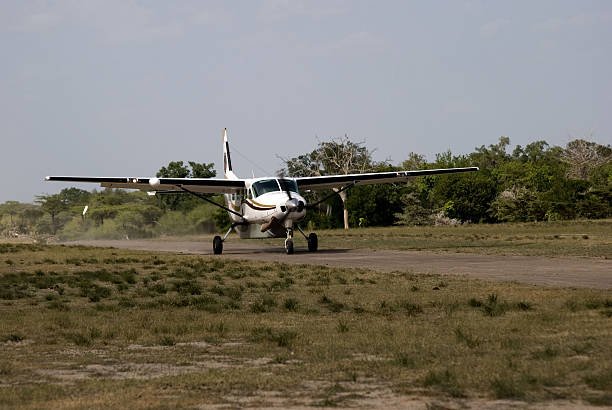
- Typical Route: Fly into Nairobi (Kenya), safari in Masai Mara, transfer or fly to Serengeti National Park (Tanzania), visit Ngorongoro Crater, then potentially fly out from Kilimanjaro International Airport (JRO) or Arusha.
- Key Highlights:
- Masai Mara National Reserve (Kenya): Famous for its vast plains and high concentration of predators, especially during the migration season (July-October).
- Serengeti National Park (Tanzania): The stage for the Great Migration, offering endless plains and exceptional game viewing year-round.
- Ngorongoro Conservation Area (Tanzania): A UNESCO World Heritage site featuring a unique caldera teeming with wildlife.
- Logistics: Can be done via road transfers across the border (can be time-consuming) or by short flights between airstrips. A combination of road and air travel is often most efficient.
- 2026-2027 Considerations: Book accommodations and internal flights well in advance, especially for migration season.
The Gorilla & Great Lakes Adventure (Uganda & Rwanda)
For those seeking unique primate encounters and stunning volcanic landscapes.
- Duration: 7-10 days
- Focus: Mountain gorilla trekking, chimpanzee tracking, volcanic scenery.
- Typical Route: Fly into Entebbe (Uganda), track gorillas in Bwindi Impenetrable National Park, then travel overland to Rwanda, track gorillas again in Volcanoes National Park, and potentially visit Kigali. Alternatively, fly into Kigali (Rwanda), do gorilla trekking, then travel to Uganda. The East African Tourist Visa can be beneficial here.
- Key Highlights:
- Bwindi Impenetrable National Park (Uganda): Home to roughly half the world’s mountain gorillas, offering a truly wild trekking experience.
- Volcanoes National Park (Rwanda): Known for its well-established gorilla trekking infrastructure and stunning volcanic backdrop.
- Chimpanzee Trekking: Kibale Forest National Park (Uganda) is world-renowned for chimpanzee encounters.
- Logistics: Overland travel between Uganda and Rwanda is common, often via the Cyanika or Katuna border crossings. Flights are also available.
- 2026-2027 Considerations: Gorilla permits are limited and sell out months in advance. Book permits and lodges as early as possible.
The Southern Africa Showcase (South Africa, Botswana & Zimbabwe/Zambia)
A journey combining diverse wildlife, iconic natural wonders, and excellent infrastructure.
- Duration: 14-21 days
- Focus: Big Five safaris, Okavango Delta, Victoria Falls, diverse landscapes.
- Typical Route: Fly into Johannesburg (South Africa), explore Kruger National Park or private reserves. Fly to Maun (Botswana) for the Okavango Delta and Chobe National Park. Fly to Livingstone (Zambia) or Victoria Falls (Zimbabwe) to see the falls. Fly out from Johannesburg or another regional hub.
- Key Highlights:
- Kruger National Park & Private Reserves (South Africa): Premier safari destinations with high game densities and diverse accommodation options.
- Okavango Delta (Botswana): A unique inland delta offering mokoro (dugout canoe) safaris and exclusive wildlife viewing.
- Chobe National Park (Botswana): Known for its massive elephant herds and river cruises.
- Victoria Falls (Zimbabwe/Zambia): One of the world’s largest and most spectacular waterfalls.
- Logistics: Primarily involves flights between key locations due to vast distances. Road travel is possible but time-consuming.
- 2026-2027 Considerations: Botswana can be expensive, especially during peak season. Consider shoulder seasons for better value.
The Namibia & South Africa Explorer
For those seeking dramatic desert landscapes, unique wildlife, and coastal beauty.
- Duration: 14-18 days
- Focus: Desert landscapes, unique desert-adapted wildlife, coastal towns, iconic dunes.
- Typical Route: Fly into Windhoek (Namibia), explore Sossusvlei, Swakopmund, Damaraland, and Etosha National Park. Drive or fly to Cape Town (South Africa) for the city, Cape Peninsula, and Winelands. Fly out from Cape Town.
- Key Highlights:
- Sossusvlei & Deadvlei (Namibia): Iconic red sand dunes and ancient dead trees.
- Swakopmund (Namibia): Coastal town offering adventure activities like quad biking and sandboarding.
- Etosha National Park (Namibia): Known for its vast salt pan and unique waterhole-based game viewing.
- Cape Town & surrounding areas (South Africa): Table Mountain, Cape Point, Boulders Beach penguins, and the Winelands.
- Logistics: A self-drive trip in Namibia is popular (4×4 recommended), or guided tours are available. Flights connect Namibia and South Africa efficiently.
- 2026-2027 Considerations: Namibia’s vast distances require careful route planning and potentially longer travel times.
Navigating the Logistics of Multi-Country Travel
Beyond the broad itinerary concepts, the practical execution of moving between countries and managing the journey requires attention to detail.
1. Transportation Options: Flights vs. Overland
The choice between flying and overland travel significantly impacts time, cost, and experience.
- International Flights: Typically, you’ll fly into a major hub (e.g., Nairobi, Johannesburg, Addis Ababa) and out of another. Booking “multi-city” or “open-jaw” tickets can be more cost-effective than two one-way tickets. For 2026-2027, monitor airline deals and consider booking international flights 6-12 months in advance.
- Regional Flights: Several airlines (e.g., Ethiopian Airlines, Kenya Airways, RwandAir, Airlink) connect major African cities and towns. These are often the fastest way to cover long distances between countries or regions, but they add considerable cost. Booking these in advance is recommended for better prices and availability.
- Overland Travel: This can involve border crossings by road, private transfers, or shared taxis/buses.
- Pros: Can be more affordable, allows for spontaneous stops, offers a more ground-level perspective of the continent.
- Cons: Significantly more time-consuming, can be less comfortable, border crossings can sometimes be slow or unpredictable.
- Border Crossings: These require careful planning. Ensure you have all necessary documentation (passports, visas, yellow fever certificates). Some borders are very busy, and delays can occur. Having a local guide or driver familiar with the process is highly beneficial.
2. Accommodation Choices
Accommodation ranges from budget guesthouses and campsites to luxury lodges and tented camps. For multi-country trips, consider a mix to manage costs and experience different styles.
- Lodges/Hotels: Offer comfort and amenities, common in tourist hubs and national parks.
- Tented Camps: Provide a more rustic yet comfortable safari experience, often in prime wildlife areas.
- Guesthouses/B&Bs: Good for city stays or smaller towns, offering a more local feel.
- Campsites: The most budget-friendly option, often within or near national parks.
Booking accommodation in advance is crucial, especially in popular areas and during peak seasons for 2026-2027 travel.
3. Communication and Connectivity
Staying connected can be challenging. While major cities have reliable internet, remote areas often do not. Consider purchasing local SIM cards in each country for data and calls, or rely on Wi-Fi where available. Informing your tour operator of your itinerary and having emergency contact details readily accessible is vital.
4. Currency and Payments
Each country has its own currency. While US Dollars are widely accepted in tourist areas for larger expenses (safaris, lodges), it’s essential to have local currency for smaller purchases, tips, and markets. ATMs are available in most towns, but credit card acceptance can be limited outside major hotels and tourist establishments. Inform your bank of your travel plans to avoid blocked cards.
5. Packing Smart for Diverse Climates and Activities
Packing for a multi-country trip requires versatility. You might experience heat in savanna regions, cooler temperatures at higher altitudes (like Kilimanjaro or the Rwandan highlands), and potentially humidity in rainforests.
- Clothing: Lightweight, breathable fabrics in neutral colors (khaki, beige, green) are best for safaris. Pack layers, including a fleece or warm jacket for cool evenings/mornings. Include rain gear, especially during wet seasons. Comfortable walking shoes are essential.
- Health Kit: Include basic first-aid supplies, insect repellent (DEET-based), sunscreen, hand sanitizer, and any personal medications.
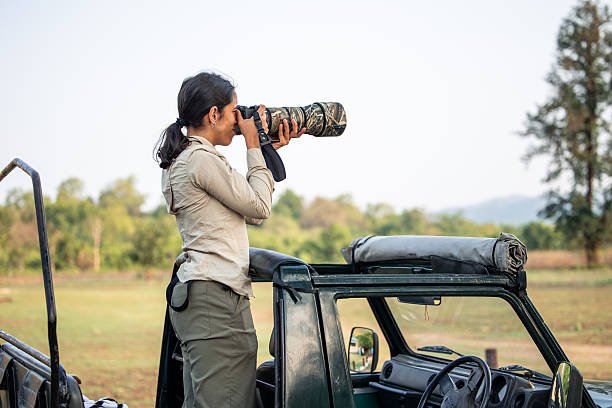
- Gear: Binoculars are highly recommended for wildlife viewing. A good camera with extra batteries and memory cards is a must. A universal travel adapter is necessary.
Leveraging Tour Operators for Multi-Country Trips
For complex multi-country itineraries, partnering with a reputable tour operator like Top Guide Adventures can be incredibly beneficial. They possess the local knowledge, logistical expertise, and established networks to handle the intricacies of cross-border travel.
Benefits of Using a Tour Operator:
- Expert Itinerary Planning: They can design optimized routes based on your interests, time, and budget.
- Logistics Management: Handling flights, transfers, border crossings, and accommodation bookings.
- Visa Assistance: Providing guidance and support for visa applications.
- Local Knowledge: Offering insights into cultural nuances, safety, and best practices in each country.
- Support Network: Providing 24/7 support during your trip for any issues that may arise.
- Access to Deals: Often have access to preferred rates with lodges and transport providers.
When considering a multi-country adventure for 2026-2027, engaging with a specialist operator early in the planning process can save significant time, reduce stress, and ultimately enhance your travel experience. Companies like Top Guide Adventures specialize in creating tailor-made journeys across Tanzania and can assist in coordinating connections to neighboring countries, ensuring a cohesive and memorable trip.
Example: Tailoring a Tanzania-Focused Multi-Country Trip
Top Guide Adventures, based in Tanzania, excels at crafting comprehensive Tanzanian experiences. For travelers wishing to extend their journey beyond Tanzania, they can seamlessly integrate neighboring countries into a single, well-managed itinerary. For instance, a 14-day trip could begin with a classic Northern Circuit safari in Tanzania (Serengeti, Ngorongoro, Tarangire), followed by a flight to Zanzibar for beach relaxation. From Zanzibar, one could easily connect via flight to Nairobi, Kenya, for a 3-4 day exploration of the Masai Mara, or fly to Kigali, Rwanda, for a focused gorilla trekking experience. This approach leverages the operator’s expertise in Tanzania while building logical extensions into adjacent, highly complementary destinations.
Addressing Potential Challenges and Risks
While the rewards of visiting several African countries are substantial, potential challenges must be acknowledged and planned for.
1. Political Instability and Safety
While many African nations are politically stable, it’s wise to stay informed about the current situation in your chosen destinations. Monitor government travel advisories (e.g., from your home country’s foreign office) and consult with your tour operator regarding safety protocols. Reputable operators maintain up-to-date information and adjust itineraries if necessary.
2. Health Risks and Medical Emergencies
As mentioned earlier, health is a major consideration. Beyond vaccinations, be mindful of food and water safety. Pack a comprehensive medical kit. In case of a medical emergency, immediate evacuation might be necessary, highlighting the importance of robust travel insurance and knowing emergency contact numbers.
3. Transportation Delays and Disruptions
Flights can be delayed or canceled, and road travel can be affected by weather, road conditions, or border issues. Building buffer time into your itinerary is essential. A flexible mindset and a reliable tour operator can help mitigate the stress caused by such disruptions.
4. Cultural Differences and Etiquette
Africa is incredibly diverse culturally. Research local customs and etiquette for each country. Showing respect for local traditions, dressing modestly when appropriate, and asking permission before taking photographs of people are fundamental courtesies.
5. Communication Barriers
While English is widely spoken in tourist areas and as an official language in many countries, local dialects prevail elsewhere. Learning a few basic phrases in the local language can be greatly appreciated. Having a guide or translator can be invaluable in more remote areas.
Maximizing Your Multi-Country African Experience in 2026-2027
To ensure your ambitious multi-country trip is a resounding success, consider these final tips:
- Start Planning Early: Especially for 2026-2027 travel, begin planning 9-12 months in advance to secure the best flights, accommodations, and permits (like gorilla or chimpanzee permits).
- Be Flexible: Travel in Africa can sometimes be unpredictable. Embrace the unexpected and maintain a positive attitude.
- Pack Light but Smart: Focus on versatile, layerable clothing. Most safari lodges offer laundry services.
- Stay Hydrated: Drink plenty of bottled water, especially in hot climates.
- Engage with Local Culture: Take opportunities to interact with local communities respectfully.
- Learn Basic Phrases: A few words in Swahili, Luganda, or other local languages can go a long way.
- Tip Appropriately: Research tipping customs for guides, drivers, and lodge staff.
- Keep Emergency Contacts Handy: Save the numbers for your tour operator, embassy, and insurance provider.
A journey across several African countries is a significant undertaking, but with thorough planning, realistic expectations, and the right support, it can be one of the most rewarding travel experiences imaginable. The sheer diversity of experiences available—from the iconic wildlife spectacles of East Africa to the dramatic landscapes of Southern Africa—makes it an endeavor well worth the effort.
For expert assistance in planning your multi-country African adventure, particularly focusing on Tanzania and its neighboring gems for 2026-2027, consider reaching out to specialists. Top Guide Adventures can help craft a personalized itinerary that maximizes your time and ensures a smooth, unforgettable journey. Contact them via Email: info@topguideadventures.com or WhatsApp: +255616946642 to discuss your dream trip.
“,
“faq_schema”: [
{
“question”: “Is it possible to visit Kenya and Tanzania in one trip?”,
“answer”: “Yes, visiting Kenya and Tanzania in one trip is very common and highly recommended for wildlife enthusiasts. The most popular itinerary involves exploring the Masai Mara in Kenya and then crossing into Tanzania to visit the Serengeti and Ngorongoro Crater, often timed to witness the Great Migration. This can be done via road transfers or short flights between the countries. Planning for 2026-2027 trips should start early due to high demand.”
},
{
“question”: “What is the best way to travel between African countries?”,
“answer”: “The best way to travel between African countries depends on the distance and your budget. For nearby countries within a region (like East Africa or Southern Africa), regional flights are often the fastest but most expensive option. Overland travel via road, including border crossings, is more time-consuming and can be less comfortable but is generally more affordable and offers a different perspective. Reputable tour operators can advise on the most efficient and practical transport methods for your specific itinerary in 2026-2027.”
},
{
“question”: “How much time do I need for a multi-country African trip?”,
“answer”: “The time needed varies greatly depending on the number of countries and the depth of exploration desired. For 2-3 closely located countries, a minimum of 14-21 days is recommended. For 4-5 countries or more extensive exploration, 4-6 weeks or longer is advisable. It’s crucial to factor in travel days between destinations, which can often take a full day. For planning 2026-2027 trips, always add buffer time for potential delays.”
},
{
“question”: “Are multi-country African trips more expensive?”,
“answer”: “Yes, generally, visiting several African countries in one trip is more expensive than focusing on a single country. Costs increase due to multiple international and domestic flights, potential visa fees for each country, extended accommodation, and varied activity costs. Budgeting generously is key. For a mid-range trip in 2026-2027, expect costs to be significantly higher than a single-country trip of similar duration.”
},
{
“question”: “What are the visa requirements for multi-country trips in Africa?”,
“answer”: “Visa requirements differ significantly for each country and by nationality. Some countries offer single-entry visas, while others have multiple-entry options. Regional visas, like the East African Tourist Visa, can simplify travel between specific countries (e.g., Kenya, Uganda, Rwanda). It is essential to research the specific requirements for each country you plan to visit well in advance of your 2026-2027 trip and apply early.”
}
]
}
“`
Check Availability for Can You Visit Several African Countries In One Trip? 2026-2027
Ready to compare dates, prices, and the best option for your group? Send the package name and travel month so the team can reply with a clear quote, availability, and what is included.



