
Kilimanjaro hauteur refers to the summit heights of Mount Kilimanjaro, with its highest point, Uhuru Peak, standing at 5,895 meters (19,341 feet) above sea level. This elevation dictates the challenges and beauty of climbing the mountain, influencing route distances, acclimatization needs, and the overall trekking experience for climbs planned for 2026 and 2027.
Understanding Kilimanjaro’s ‘Hauteur’: More Than Just Altitude
When we talk about Kilimanjaro hauteur, we’re primarily discussing the vertical dimension of Africa’s highest peak. But for any aspiring climber, this concept extends far beyond a single number. It encompasses the sheer scale of the mountain, the atmospheric pressure changes as you ascend, and critically, how the chosen trekking route’s length and profile interact with this imposing altitude. A climber’s journey is a narrative written across this vertical landscape, a progression through distinct ecological zones, each defined by its own specific altitude and temperature range. Understanding the ‘hauteur’ is the first step in preparing for the physical and mental demands of reaching the Roof of Africa.
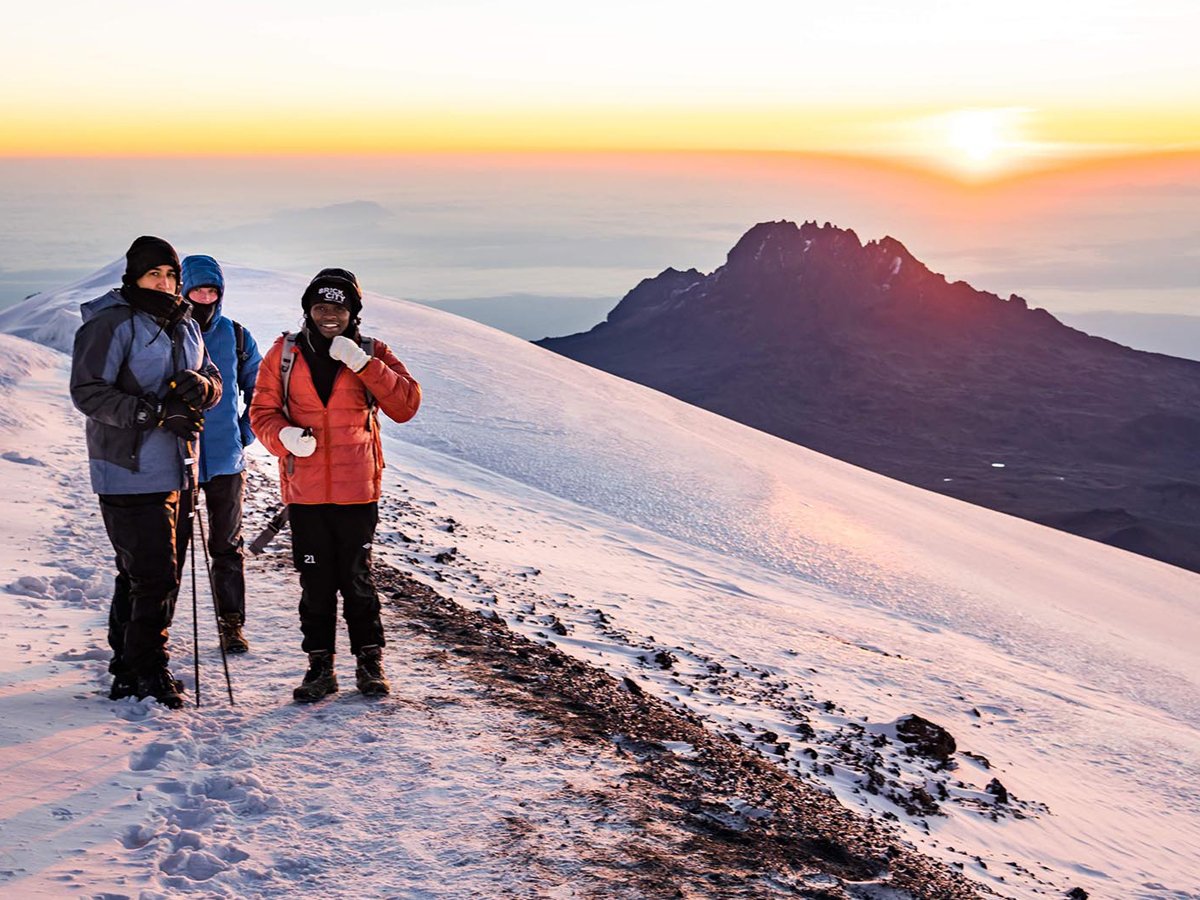
Mount Kilimanjaro is not a single peak but a dormant volcano with three distinct cones: Shira, Kibo, and Mawenzi. Kibo is the highest and most frequently climbed, culminating in Uhuru Peak. Mawenzi, visible from the summit, is a jagged, rocky peak that presents a significant mountaineering challenge, while Shira is an older, eroded plateau. For most trekkers, the goal is Kibo’s Uhuru Peak, and all standard routes are designed to reach this iconic summit.
The Summit’s Elevation: Uhuru Peak and Kibo Crater
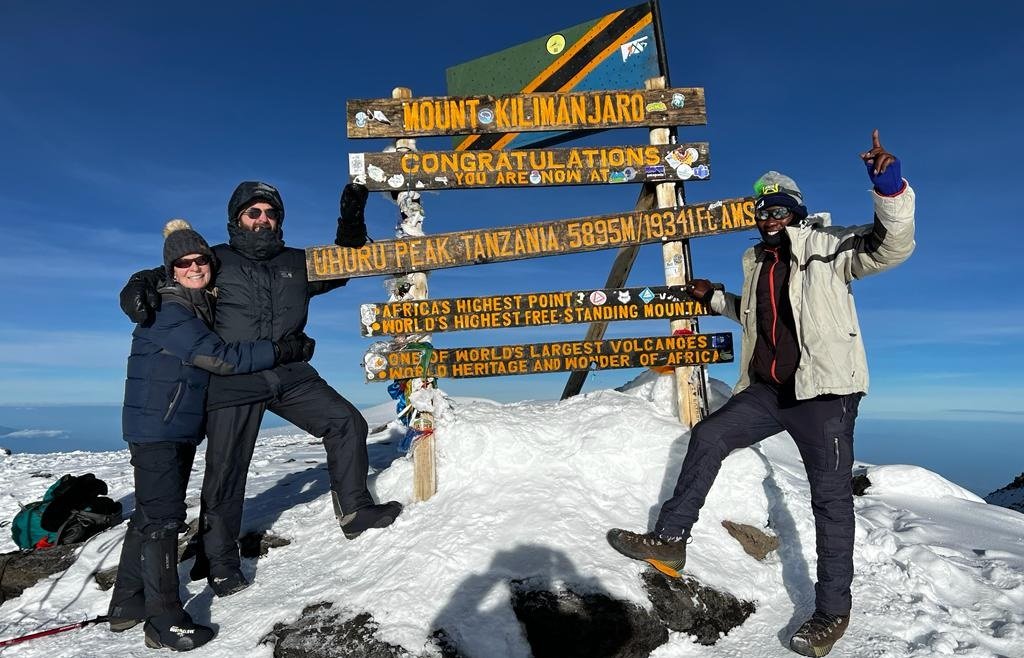
The ultimate destination for most Kilimanjaro climbs is Uhuru Peak, situated at 5,895 meters (19,341 feet). This is the highest point on Kilimanjaro and the entire African continent. Adjacent to Uhuru Peak is Stella Point (5,756 meters / 18,885 feet), which is the first point most climbers reach on the crater rim. While Stella Point is a significant achievement, the short, relatively flat walk from Stella Point to Uhuru Peak is essential to officially summit Kilimanjaro. The crater itself is also a remarkable feature, with its inner rim offering a stark, volcanic landscape. Reaching the crater rim is typically done just before sunrise on summit night, adding a dramatic element to the ascent.
The ‘hauteur’ at the summit means climbers will experience significantly reduced oxygen levels. At 5,895 meters, the atmospheric pressure is about half that at sea level, meaning there’s roughly 50% less oxygen available with each breath. This is the primary physiological challenge climbers face and the reason why acclimatization is paramount. For trekkers planning their expedition in 2026 or 2027, understanding this extreme altitude is crucial for selecting a route that allows for gradual acclimatization.
Kilimanjaro Route Distances: A Spectrum of Ascent Profiles
While the summit height remains constant, the ‘hauteur’ is experienced differently depending on the route you choose. The routes vary dramatically in length, scenic beauty, and acclimatization profiles. These differences directly translate into varying Kilimanjaro route distances, which influence the number of days required for the climb and, consequently, the success rate. Longer routes generally offer better acclimatization, increasing the chances of reaching Uhuru Peak safely.
Here’s a comparative look at the common routes and their approximate distances:
Route Distances at a Glance
- Marangu Route: Approximately 72 km (45 miles) round trip. Often considered the easiest route due to its gradual slope and hut accommodation, but its shorter duration can lead to poorer acclimatization.
- Machame Route: Approximately 62 km (37 miles) round trip. Known as the ‘Whiskey Route,’ it’s popular for its scenic beauty and good acclimatization profile, typically taking 6-7 days.
- Lemosho Route: Approximately 70 km (43 miles) round trip. A longer, more scenic route offering excellent acclimatization, usually completed in 7-8 days.
- Shira Route: Approximately 60 km (37 miles) round trip. Similar to Lemosho but starts at a higher altitude, potentially impacting initial acclimatization.
- Rongai Route: Approximately 75 km (47 miles) round trip. Approaches from the north, offering a different perspective and often drier conditions, typically 6-7 days.
- Northern Circuit: Approximately 90 km (56 miles) round trip. The longest route, offering the best acclimatization and highest success rates by circling the mountain, usually taking 9-10 days.
- Umbwe Route: Approximately 52 km (32 miles) round trip. The shortest and steepest route, demanding significant physical fitness and offering rapid ascent, thus poorer acclimatization.
The choice of route is one of the most critical decisions for any Kilimanjaro climb. A longer route, such as the Northern Circuit, allows for a more gradual ascent, giving your body more time to adapt to the thinning air as you climb higher. This extended exposure to increasing Kilimanjaro hauteur is key to preventing altitude sickness and ensuring a more enjoyable and successful summit bid. For 2026-2027 expeditions, prioritizing a route that matches your fitness level and acclimatization needs is essential.
The Impact of Hauteur on Acclimatization and Success Rates
The ‘hauteur’ of Kilimanjaro presents a significant physiological challenge. Altitude sickness, or Acute Mountain Sickness (AMS), is a common concern, and its severity is directly linked to how quickly one ascends and how well their body adapts to lower oxygen levels. The general rule of thumb for climbing Kilimanjaro is to ascend slowly, allowing your body to acclimatize effectively. This means choosing a longer itinerary and taking ‘pole pole’ (slowly, slowly) as the Swahili saying goes.
Longer routes, such as the Northern Circuit (9-10 days) Or Lemosho (7-8 days), generally have higher success rates because they incorporate more rest days and gradual ascents. These routes allow trekkers to spend more time at intermediate altitudes, enabling their bodies to produce more red blood cells, which carry oxygen. Shorter routes, like the Umbwe (5-6 days) Or even the Marangu (5-6 days), while potentially cheaper, often lead to rushed ascents and a higher incidence of altitude sickness, thereby lowering summit success rates. For 2026 and 2027 climbs, choosing a route of at least 7 days is strongly recommended for optimal acclimatization.
Consider the following when thinking about altitude and acclimatization:
- Ascent Profile: Routes that ‘climb high and sleep low’ are generally better for acclimatization.
- Duration: Longer treks (7+ days) provide more time for your body to adjust.
- Daily Ascent: Minimizing daily altitude gain, especially above 3,000 meters, is crucial.
- Individual Physiology: Everyone reacts differently to altitude; proper preparation and monitoring are vital.
Navigating Kilimanjaro’s Ecological Zones by Hauteur
As you ascend Kilimanjaro, you transition through a remarkable range of ecological zones, each defined by its altitude and climate. This vertical journey is a key aspect of the ‘hauteur’ experience.
- Cultivation Zone (approx. 800 – 1,800 meters / 2,600 – 5,900 feet): The lower slopes are fertile, supporting farms and villages.
- Rainforest Zone (approx. 1,800 – 2,800 meters / 5,900 – 9,200 feet): Dense, humid forests teeming with wildlife like monkeys and various bird species. This zone can be wet and muddy.
- Heath Zone (approx. 2,800 – 4,000 meters / 9,200 – 13,100 feet): The forest thins out, giving way to moorlands with giant heathers, senecios, and lobelias. Temperatures begin to drop noticeably.
- Alpine Desert Zone (approx. 4,000 – 5,000 meters / 13,100 – 16,400 feet): Vegetation becomes sparse, with hardy grasses and scattered shrubs. Days are often sunny and warm, but nights are cold, with frost common.
- Arctic Zone (approx. 5,000 meters / 16,400 feet and above): This is the summit zone, characterized by extreme cold, strong winds, and very little oxygen. It’s a barren, rocky, and icy landscape leading to the crater rim and Uhuru Peak.
Each zone presents unique environmental conditions that climbers must adapt to. The transition from the lush rainforest to the stark alpine desert is a dramatic visual and physical change, driven entirely by the increasing Kilimanjaro hauteur. Planning for these transitions, especially regarding clothing and hydration, is essential for comfort and safety.
Choosing Your Kilimanjaro Climb: Factors for 2026-2027 Expeditions
When planning your Kilimanjaro climb for 2026 or 2027, consider the ‘hauteur’ and its implications carefully. Your choice of route, duration, and trekking company will significantly impact your experience and success rate.
Key Considerations for Your Kilimanjaro Climb:
- Route Selection: Prioritize longer routes (7+ days) for better acclimatization and higher success rates. The Northern Circuit And Lemosho Routes are excellent choices for this.
- Duration: Do not compromise on the number of days. Rushing the ascent due to the mountain’s ‘hauteur’ is a common mistake leading to AMS.
- Fitness: While Kilimanjaro is a trek, not a technical climb, good cardiovascular fitness is essential. Train consistently in the months leading up to your climb.
- Gear: Invest in or rent high-quality gear, especially for extreme cold, wind, and rain. Layering is key.
- Guides and Porters: Choose a reputable operator with experienced guides who are trained in altitude sickness management. Top Guide Adventures Prioritizes safety and client well-being on every climb.
- Timing: The dry seasons (January-March and June-October) are generally best for climbing, offering more stable weather. However, shoulder seasons can offer fewer crowds.
The decision about Kilimanjaro hauteur is intrinsically linked to the entire planning process. A successful climb in 2026 or 2027 depends on understanding the mountain’s scale, the physiological demands, and choosing a pathway that respects these factors. It’s not just about reaching the top; it’s about the journey, the acclimatization, and the safe return.
Comparing Kilimanjaro Hauteur Experience Across Routes
The ‘hauteur’ of Kilimanjaro is experienced differently based on the route’s gradient, length, and starting altitude. Understanding these nuances helps in setting realistic expectations and making an informed decision.
Marangu Route: This route is known for its consistent, gradual ascent, making it feel less strenuous on the legs for much of the trek. However, its 5-day option is notoriously fast, leading to poor acclimatization and lower success rates. The 6-day option improves this, but it still doesn’t offer the extensive acclimatization benefits of longer routes. The huts provide comfort, but the overall experience of the ‘hauteur’ can feel more compressed.
Machame Route: This popular route offers a fantastic acclimatization profile by using the ‘climb high, sleep low’ principle. Trekkers ascend to higher altitudes during the day and then descend to lower camps to sleep, allowing their bodies to adapt more effectively to the increasing Kilimanjaro hauteur. Its 6-day itinerary is good, but the 7-day version provides an extra day for acclimatization, significantly boosting success rates.
Lemosho Route: Considered one of the most scenic routes, Lemosho starts in the west and offers a longer, more leisurely ascent. Its 7-day and 8-day itineraries are highly recommended. The extended duration allows for excellent acclimatization, and the route’s path provides stunning views and diverse landscapes as you gain altitude.
Northern Circuit: This is the longest route, typically taking 9 or 10 days. It circles the mountain, offering a very gradual ascent and the best possible acclimatization. The higher number of days spent at altitude, combined with a more relaxed pace, makes it the route with the highest success rates. If your primary goal is to safely reach Uhuru Peak and fully appreciate the Kilimanjaro hauteur, this is often the best choice.
Umbwe Route: This route is steep and direct. While it’s the shortest in terms of distance, it’s arguably the most challenging due to the rapid gain in altitude. It’s recommended only for very fit and experienced hikers who have previously acclimatized well to high altitudes. The rapid increase in ‘hauteur’ can be overwhelming for most trekkers.
Preparing for Kilimanjaro Hauteur: Essential Training and Gear
Successfully navigating the Kilimanjaro hauteur requires diligent preparation. This involves both physical training and meticulous gear selection.
Physical Training
Your training should focus on cardiovascular endurance and leg strength. Aim for:
- Cardio: Engage in at least 3-4 sessions per week of activities like running, cycling, swimming, or hiking.
- Hiking: Prioritize hiking with a weighted backpack, ideally on inclines. Try to simulate the trekking experience as much as possible.
- Strength Training: Focus on leg muscles (quads, hamstrings, calves) and core strength.
- Altitude Experience (Optional but Recommended): If possible, spend time at higher altitudes before your climb to give your body a head start in acclimatization.
Essential Gear
Proper gear is non-negotiable when facing the extreme conditions dictated by Kilimanjaro’s ‘hauteur’. Layering is key to managing temperature fluctuations.
Gear Checklist Highlights:
- Base Layers: Moisture-wicking thermal underwear (merino wool or synthetic).
- Mid Layers: Fleece jackets or insulated vests for warmth.
- Outer Layer: Waterproof and windproof jacket and trousers (Gore-Tex or similar).
- Insulation: A warm down or synthetic insulated jacket for summit night.
- Footwear: Broken-in, waterproof hiking boots with good ankle support.
- Socks: Several pairs of warm wool or synthetic hiking socks.
- Headwear: Warm hat covering ears, sun hat, and a balaclava or neck gaiter.
- Gloves: Warm, waterproof gloves and liner gloves.
- Sleeping Bag: Rated for at least -10°C to -20°C (0°F to -4°F).
- Trekking Poles: Essential for stability and reducing strain on knees.
- Headlamp: With extra batteries.
- Sun Protection: High SPF sunscreen, sunglasses, lip balm.
- Hydration: Water bottles or hydration reservoir (insulated to prevent freezing).
For 2026-2027 expeditions, ensure your gear is up-to-date and tested. A poorly chosen or worn-out piece of equipment can make dealing with the extreme ‘hauteur’ significantly more challenging and uncomfortable.
The Role of Guides and Support on Kilimanjaro
The expertise of your guides and the support crew is paramount when dealing with Kilimanjaro’s ‘hauteur’. Experienced guides are trained to recognize the signs of altitude sickness and make critical decisions regarding your safety. They understand the mountain, the routes, and the physiological effects of altitude.
Top Guide Adventures Prides itself on employing highly skilled and certified guides who have extensive experience on Kilimanjaro. Our teams are equipped with:
- First Aid and Wilderness Medicine Training: Essential for managing health issues at high altitudes.
- Oxygen Monitoring Equipment: To track climbers’ oxygen saturation levels.
- Communication Devices: To maintain contact with base operations.
- Extensive Knowledge of Routes and Conditions: Ensuring the safest and most efficient path.
The porters and cooks also play a vital role, carrying the bulk of the equipment, setting up camp, and providing nutritious meals. Their support allows you to focus on the ascent and the stunning Kilimanjaro hauteur. Choosing a company that values and properly compensates its crew, like Top Guide Adventures, ensures a more ethical and professional expedition.
Planning Your 2026-2027 Kilimanjaro Hauteur Expedition
As you finalize plans for your 2026 or 2027 Kilimanjaro climb, remember that understanding the mountain’s ‘hauteur’ is foundational to a successful and safe adventure. The elevation dictates the challenges, the acclimatization strategies, and the overall experience.
Top Guide Adventures Is dedicated to providing comprehensive support for your Kilimanjaro journey. We offer a range of itineraries tailored to different preferences and fitness levels, all designed with safety and success in mind. Our packages typically include:
- Park fees and conservation fees
- Professional guides, cooks, and porters
- All meals during the trek
- Quality camping equipment
- Emergency oxygen and first aid kits
- Transfers to and from the mountain
We encourage you to explore our various route options, such as the popular Machame Route Or the comprehensive Northern Circuit. For those interested in group departures, check our Machame Route group departures And other shared tour dates for 2026 and 2027.
Reach out to our expert team to discuss your aspirations for conquering Kilimanjaro’s ‘hauteur’. We are here to help you plan an unforgettable expedition.
Contact us today:
WhatsApp: +255616946642
Email: Topguideadventures@gmail.com
Backup Email: Info@topguideadventures.com
Check Availability for Kilimanjaro Hauteur: Summit Heights, Routes, And Climbing Distances…
Ready to compare dates, prices, and the best option for your group? Send the package name and travel month so the team can reply with a clear quote, availability, and what is included.
Best Kilimanjaro Route For Climbers Over 50 Years : Best Guide
Choosing the right Kilimanjaro route is crucial for climbers over 50. This guide explores the most suitable options, focusing on acclimatization, success rates, and comfort, ensuring a...
View package details
Best Kosten Kilimanjaro Beklimmen: Your Complete Guide 2026-2027
Planning your Kilimanjaro climb? Understand the costs involved for 2026-2027, from route selection and duration to essential inclusions and hidden fees. Get a clear picture of the...
View package details
Climbing Kilimanjaro In February 2026-2027
Climbing Kilimanjaro in February is explained with current 2026-2027 planning, price, itinerary and booking information.
View package detailsKilimanjaro Routes For Slow And Comfortable Acclimatization 2026-2027
Choosing the right Kilimanjaro route is crucial for a successful and comfortable climb, especially if you prioritize slow acclimatization. This guide explores the top options designed to...
View package details
5-Day Marangu Route Kilimanjaro Climb: Your Expert Guide For 2026-2027
Discover everything you need to know for a 5-Day Marangu Route Kilimanjaro climb. This guide covers essential itinerary details, preparation advice, cost considerations for 2026-2027, and...
View package details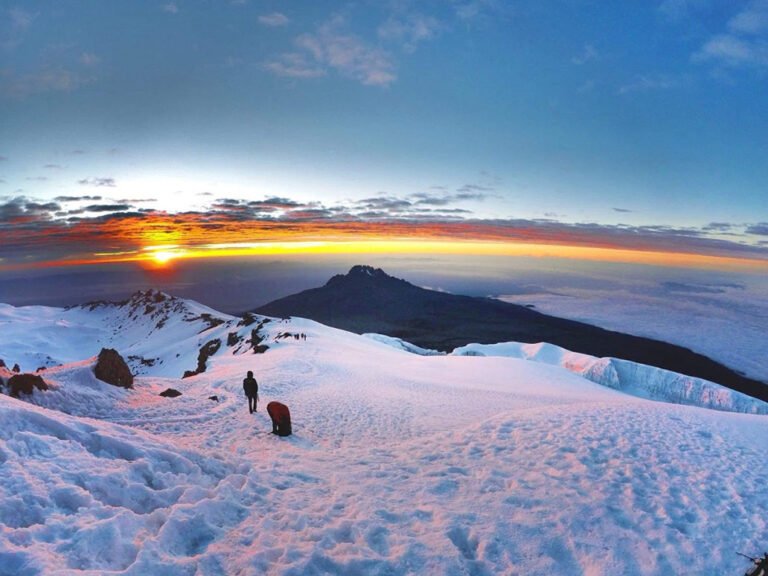
6-Day Kilimanjaro Climbing Tours: Best Routes & Planning Guide 2026-2027
Plan your 6-day Kilimanjaro climb with this detailed guide covering routes, costs, preparation, and why Top Guide Adventures is a trusted operator for this life-changing trek.
View package details
6-Day Marangu Route Kilimanjaro Group Tour 2026-2027
6-Day Marangu Route Kilimanjaro Group Tour is explained with current 2026-2027 planning, price, itinerary and booking information.
View package details6-Month Kilimanjaro Fitness Plan: Train For Your Summit Success In 2026-2027
A detailed 6-month fitness plan designed to get you ready for a Kilimanjaro climb. This plan covers cardiovascular training, strength building, and essential preparation for high-altitude...
View package details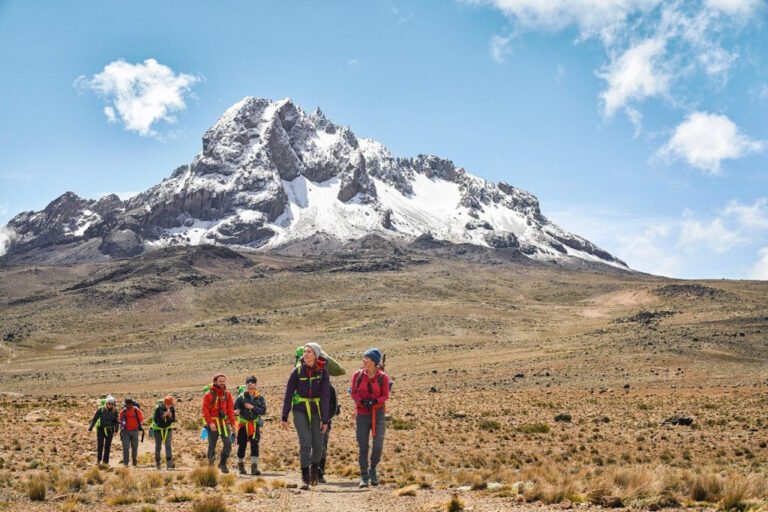
7-Day Lemosho Route Kilimanjaro Climb 2026-2027
7-Day Lemosho Route Kilimanjaro Climb is explained with current 2026-2027 planning, price, itinerary and booking information.
View package details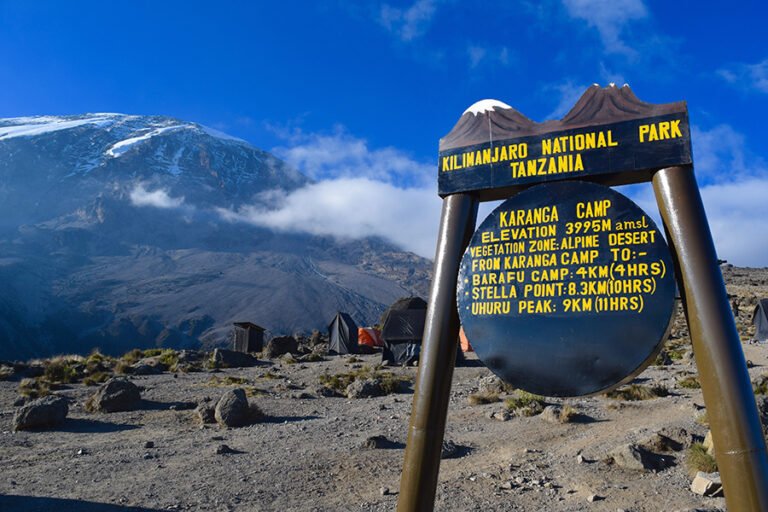
7-Day Vs 8-Day Kilimanjaro Climb: Which Itinerary Is Right For You? 2026-2027
Deciding between a 7-day or 8-day climb on Mount Kilimanjaro involves weighing acclimatization benefits against time constraints. While both routes aim for the summit, the longer 8-day...
View package details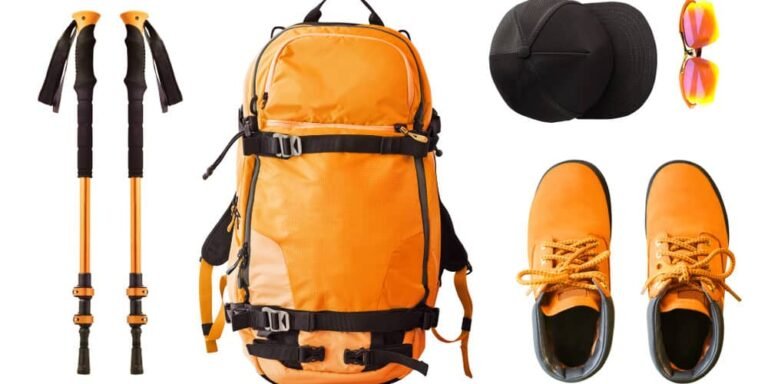
A Day In The Life Of A Kilimanjaro Guide: Behind Scenes On Africas Highest
Explore the daily realities and responsibilities of a Kilimanjaro guide, a crucial role demanding expertise, resilience, and deep care for trekkers.
View package details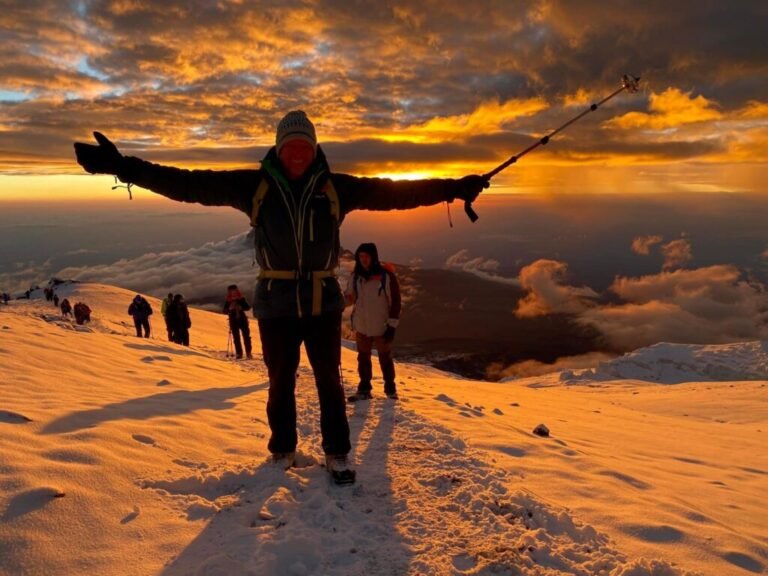
A Day In The Life Of A Kilimanjaro Porter: Behind Scenes On Africas Highest
Explore the demanding yet rewarding life of a Kilimanjaro porter. This article details their daily routines, the vital support they provide to climbers, and the incredible physical and...
View package detailsNo closely related package is available for this topic yet.



