
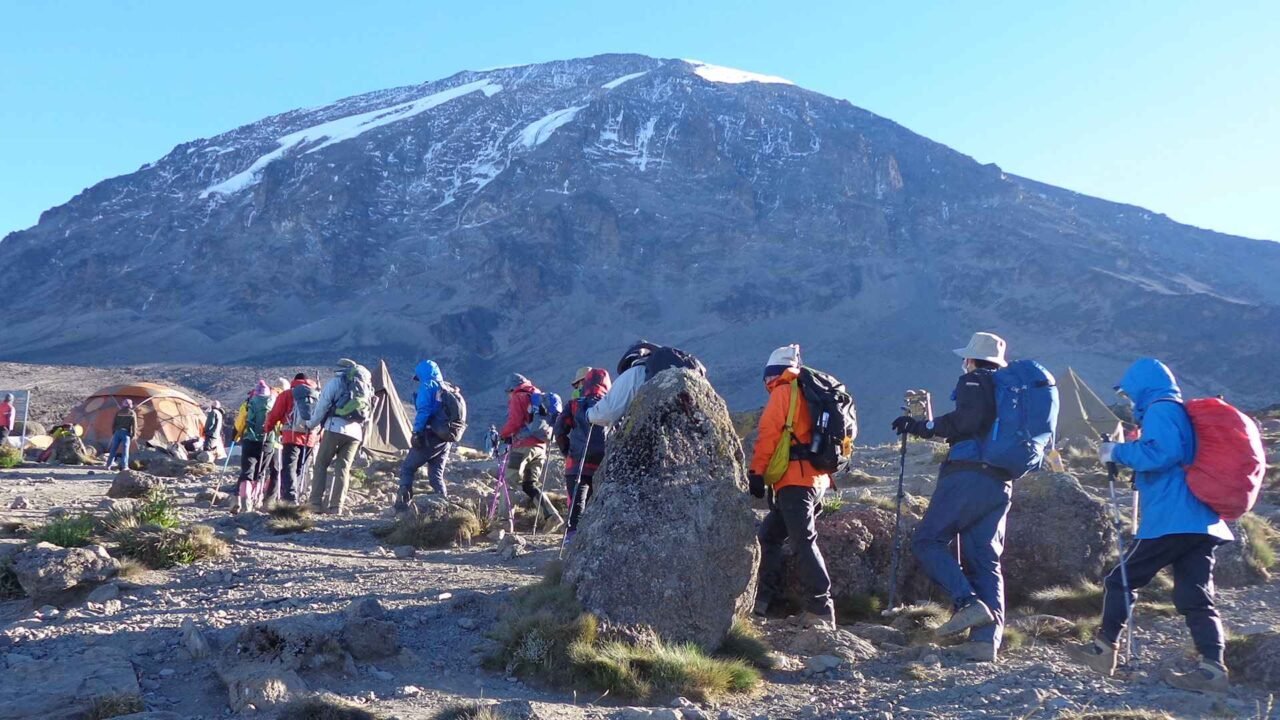
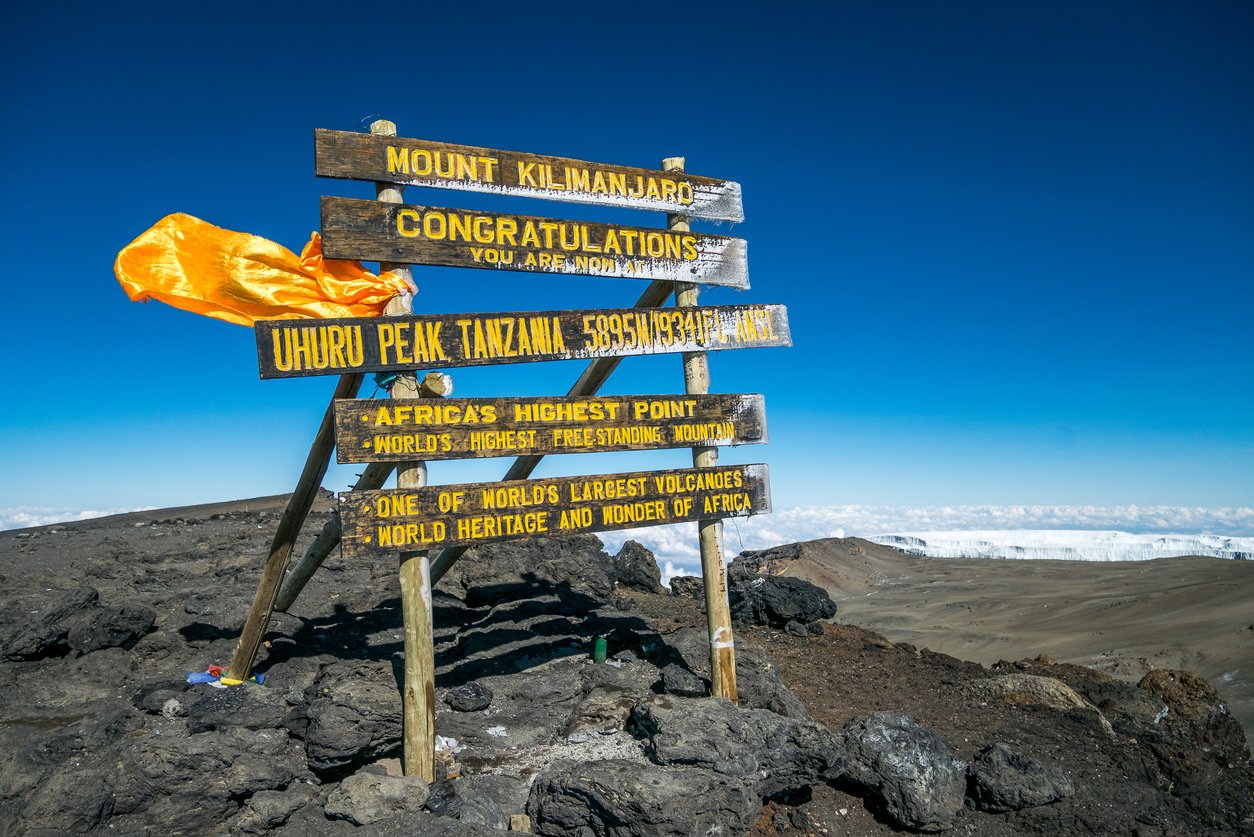
The Kilimanjaro summit elevation is precisely 5,895 meters (19,341 feet) Above sea level. This height corresponds to Uhuru Peak, the highest point on Mount Kilimanjaro and the African continent, located on the crater rim near Gilman’s Point.
Understanding the Significance of Kilimanjaro’s Summit Elevation
The number 5,895 meters is more than just a figure; it represents a monumental achievement for anyone who stands upon Uhuru Peak. This impressive altitude places Kilimanjaro as the highest free-standing mountain in the world and one of the famed Seven Summits. For trekkers, this elevation is the ultimate goal, a testament to their physical and mental fortitude. The air at this height is thin, with roughly 50% of the oxygen available at sea level, making the final ascent a significant challenge that requires careful acclimatization and preparation. Understanding this Kilimanjaro summit elevation is the first step in appreciating the magnitude of the trek.
Uhuru Peak: The Crown of Africa
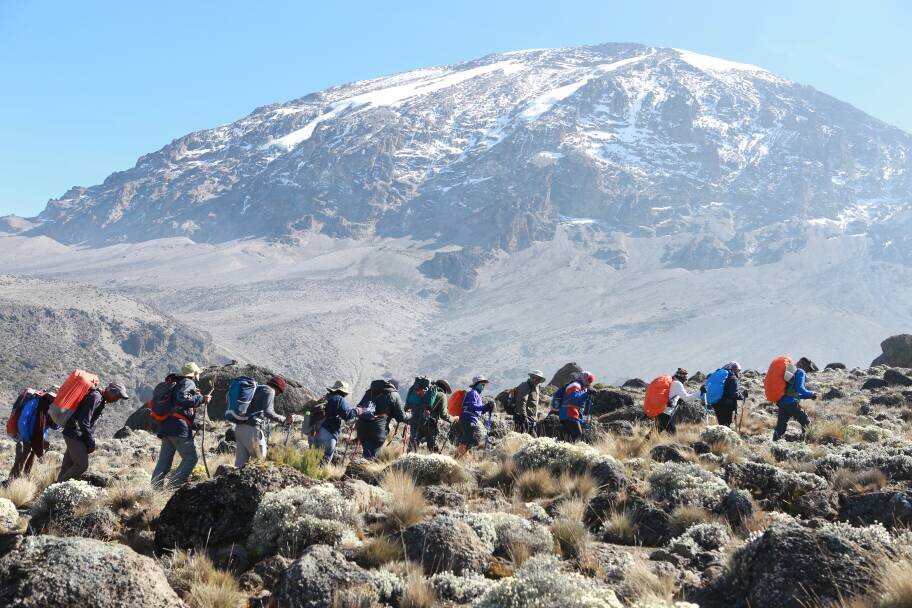
Uhuru Peak, at 5,895 meters, is not a volcanic cone but rather the highest point on the rim of Kibo crater. The name ‘Uhuru’ means ‘freedom’ in Swahili, a fitting title for the summit that symbolizes liberation and achievement. Reaching this point involves traversing the dramatic landscape of Kilimanjaro, from lush rainforests at the base to alpine desert and finally the arctic conditions near the summit. The final push to Uhuru Peak typically begins in the early hours of summit day, often around midnight, allowing climbers to witness a spectacular sunrise from the crater rim. The journey from Stella Point (5,756 meters) to Uhuru Peak is relatively flat but demanding due to the altitude, covering approximately 1.1 kilometers (0.7 miles). Gilman’s Point, another common point on the crater rim, is slightly lower at 5,681 meters (18,638 feet), and many trekkers reach this point before proceeding to the true summit. The Kilimanjaro summit elevation of 5,895 meters is the ultimate target for all climbers.
Altitude and Its Effects on Trekkers
The 5,895-meter Kilimanjaro summit elevation presents a significant challenge due to altitude sickness, also known as Acute Mountain Sickness (AMS). As climbers ascend, atmospheric pressure decreases, leading to less oxygen available for the body to absorb. Symptoms of AMS can range from mild headaches and nausea to severe conditions like High Altitude Cerebral Edema (HACE) and High Altitude Pulmonary Edema (HAPE). Top Guide Adventures prioritizes safety by implementing a slow ascent profile and encouraging proper hydration and acclimatization. Most popular routes, such as Machame and Lemosho, are designed to maximize acclimatization opportunities, allowing the body to adapt gradually to the thinning air as you approach the Kilimanjaro summit elevation.
Key Factors for Managing Altitude on Kilimanjaro:
- Ascend Slowly: Gradual ascent is crucial. Most successful climbs involve 6-9 days to allow ample time for acclimatization.
- Hydration: Drink plenty of water (3-4 liters per day) to help your body adjust.
- Pacing: Walk ‘pole pole’ (slowly slowly). Avoid overexertion.
- Nutrition: Eat well, even if your appetite decreases. High-carbohydrate meals are recommended.
- Medication: Consult your doctor about Diamox (acetazolamide), which can aid acclimatization for some individuals.
- Listen to Your Body: Report any symptoms of altitude sickness to your guide immediately.
Kilimanjaro Routes and Their Summit Elevation Approaches
While the ultimate goal is the Kilimanjaro summit elevation of 5,895 meters, different routes offer varying experiences and acclimatization profiles. The choice of route significantly impacts the success rate and overall enjoyment of the climb. Here’s a brief look at how some popular routes lead to Uhuru Peak:
- Marangu Route (Coca-Cola Route): Known for its hut accommodations, it’s a shorter route (5-6 days) but has a lower success rate due to rapid ascent, making acclimatization to the 5,895m elevation difficult.
- Machame Route (Whiskey Route): A popular 6-7 day trek that offers excellent acclimatization by ‘climbing high and sleeping low’. It circles the mountain, providing stunning scenery and a good chance of reaching Uhuru Peak.
- Lemosho Route: A longer, more scenic 7-8 day route, often considered one of the best for acclimatization and success rates. It starts in the west and offers a more remote wilderness experience before joining the Machame route.
- Shira Route: Similar to Lemosho but starts at a higher altitude. It’s typically done over 7-8 days.
- Rongai Route: The only route approaching from the north, it’s drier and can be a good option during the rainy season. It usually takes 6-7 days to reach the summit elevation of 5,895 meters.
- Northern Circuit: The longest route (9-10 days), offering the best acclimatization and highest success rates. It traverses the mountain’s northern slopes, providing unique views.
Choosing a longer route (7-10 days) is highly recommended for better acclimatization to the significant Kilimanjaro summit elevation of 5,895 meters, especially for trekkers with no prior high-altitude experience. For 2026 and 2027 expeditions, booking a longer itinerary is a wise investment in your success and safety.
Planning Your Kilimanjaro Expedition for 2026-2027
When planning your ascent to the 5,895-meter Kilimanjaro summit elevation, several key factors come into play. Top Guide Adventures specializes in creating tailored Kilimanjaro climbing experiences designed for safety, enjoyment, and success. Our team provides comprehensive support from the moment you inquire to your triumphant return.
Essential Planning Steps for Your Kilimanjaro Climb:
- Choose Your Route and Duration: Based on your fitness, experience, and desired acclimatization, select a route that best suits you. Longer routes (7+ days) are generally better for reaching the 5,895m Kilimanjaro summit elevation.
- Select a Reputable Tour Operator: Partnering with experienced operators like Top Guide Adventures ensures you have qualified guides, proper safety equipment, and well-planned logistics.
- Book in Advance: Especially for popular dates in 2026 and 2027, booking your expedition at least 6-12 months in advance is advisable to secure your preferred dates and routes.
- Physical Preparation: Begin a consistent fitness program 3-6 months before your climb, focusing on cardiovascular endurance and strength training.
- Medical Consultation: Visit your doctor for a pre-trek medical check-up and discuss altitude sickness prevention and treatment.
- Gear Acquisition: Invest in or rent high-quality trekking gear suitable for extreme cold and varied weather conditions.
What to Expect on Summit Day
Summit day is the most challenging part of the Kilimanjaro climb, pushing you towards the 5,895-meter Kilimanjaro summit elevation. It typically starts between 11 PM and 1 AM from the last camp (e.g., Barafu Camp at around 4,670 meters). You’ll ascend steep scree slopes in the dark, guided by your headlamp. The air is extremely cold and thin. The climb from Stella Point to Uhuru Peak takes about 1.5 to 2 hours. Reaching Uhuru Peak is an emotional moment, often accompanied by a stunning sunrise over the clouds. After celebrating briefly and taking photos, the descent begins, which is almost as demanding as the ascent, especially the descent from the crater rim down to the lower camps. Proper gear, mental resilience, and the support of your guide are paramount for conquering the Kilimanjaro summit elevation.
The Cost of Climbing to Kilimanjaro’s Summit Elevation
The cost of climbing Kilimanjaro varies significantly based on the route, duration, operator, and inclusions. Generally, prices can range from $1,500 to $5,000+ per person. Cheaper options often mean fewer days, lower quality equipment, less experienced guides, or fewer porters, which can compromise safety and success rates when aiming for the 5,895-meter summit. Top Guide Adventures offers transparent pricing, with most packages including park fees, rescue fees, experienced guides and crew, accommodation before and after the climb, meals on the mountain, and transfers. We recommend budgeting for potential extras like tips for the crew, personal gear, travel insurance, and visa fees. For detailed pricing and inclusions for 2026-2027 expeditions, we encourage you to contact us directly.
Typical Inclusions with Top Guide Adventures:
- Park fees and government taxes
- All crew salaries (guides, cooks, porters)
- High-quality camping equipment
- Nutritious meals on the mountain
- Boiled water
- Accommodation before and after the trek
- Airport transfers
- Emergency oxygen and comprehensive first-aid kit
- Note: Prices are subject to change based on specific itinerary choices and group size. We provide personalized quotes for 2026 and 2027 climbs.
Why Choose Top Guide Adventures for Your Kilimanjaro Summit Attempt?
Reaching the Kilimanjaro summit elevation of 5,895 meters is a dream for many, and Top Guide Adventures is dedicated to helping you achieve it safely and memorably. We are a locally owned and operated company with extensive experience in organizing Kilimanjaro climbs and Tanzanian adventures. Our commitment to personal attention, care, and dedicated support ensures that every client has a positive and successful experience. We understand the unique challenges of climbing Kilimanjaro and meticulously plan every aspect of your expedition, from route selection and acclimatization strategies to the safety and well-being of our clients and crew. Our guides are certified, experienced, and passionate about sharing the magic of Kilimanjaro. For those planning their climb in 2026 or 2027, let us craft an unforgettable journey to Uhuru Peak for you.
Frequently Asked Questions About Kilimanjaro’s Summit Elevation
What is the exact Kilimanjaro summit elevation?
The Kilimanjaro summit elevation is 5,895 meters (19,341 feet) Above sea level, corresponding to Uhuru Peak.
Is 5,895 meters a difficult altitude?
Yes, 5,895 meters is a very high altitude. The reduced oxygen levels can cause altitude sickness, which is the primary challenge for most climbers. Proper acclimatization is essential.
Which route offers the best chance of reaching the 5,895m summit?
Longer routes like the Northern Circuit (9-10 days) or the Lemosho Route (7-8 days) offer the best acclimatization and therefore the highest success rates for reaching the 5,895m Kilimanjaro summit elevation.
How much oxygen is available at 5,895 meters compared to sea level?
At 5,895 meters, the atmospheric pressure is lower, meaning there is approximately 50% less oxygen available compared to sea level.
When is the best time to climb Kilimanjaro to reach the summit elevation?
The best times to climb are during the dry seasons: January to March and June to October. These periods offer clearer skies and more stable weather conditions for ascending to the 5,895m summit.
Embarking on a journey to the Kilimanjaro summit elevation is a significant undertaking that requires careful planning, physical preparation, and the right support. At Top Guide Adventures, we are passionate about helping you achieve your goal of standing at 5,895 meters. We invite you to explore our tailored trekking packages for 2026 and 2027. For personalized advice, itinerary planning, or to request a quote for your Kilimanjaro adventure, please do not hesitate to contact us. You can reach us via WhatsApp at +255616946642, email at Topguideadventures@gmail.com, or our backup email Info@topguideadventures.com. Let us help you make your dream of conquering Africa’s highest peak a reality.
Check Availability for Kilimanjaro Summit Elevation: Reaching Uhuru Peak At 5,895 Meters 2026-2027
Ready to compare dates, prices, and the best option for your group? Send the package name and travel month so the team can reply with a clear quote, availability, and what is included.
Kilimanjaro Hike Elevation: Understanding The Summit Ascent And Altitude Zones
Kilimanjaro's imposing elevation is a key factor in its allure and challenge. This guide details the mountain's height, summit altitude, and the distinct ecological zones you'll traverse...
View package details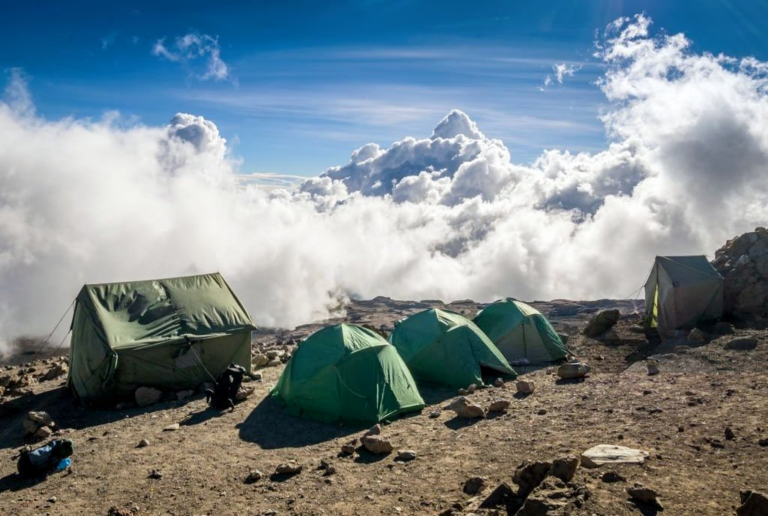
6-Month Kilimanjaro Fitness Plan: Train For Your Summit Success In 2026-2027
A detailed 6-month fitness plan designed to get you ready for a Kilimanjaro climb. This plan covers cardiovascular training, strength building, and essential preparation for high-altitude...
View package details
Best Climb Kilimanjaro : Your Ultimate Guide To Summit Success 2026-2027
Your comprehensive guide to climbing Mount Kilimanjaro in 2027, covering route selection, optimal timing, essential preparation, and what to expect on the trek, with expert advice from Top...
View package details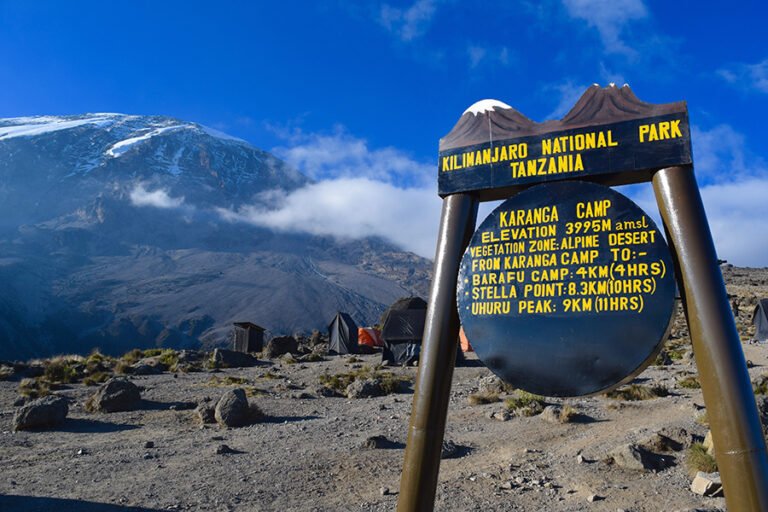
Best Gloves For Kilimanjaro Summit Night: Essential Gear Guide 2026-2027
Choosing the right gloves for Kilimanjaro's summit night is crucial for comfort and safety. This guide covers the essential features, materials, and types of gloves you'll need to protect...
View package details
Best Kilimanjaro Day Hike Options For A Taste Of The Summit In 2026-2027
Explore the top Kilimanjaro day hike routes, offering a glimpse of Africa's highest peak without the commitment of a full summit climb. Perfect for acclimatization or a short adventure in...
View package details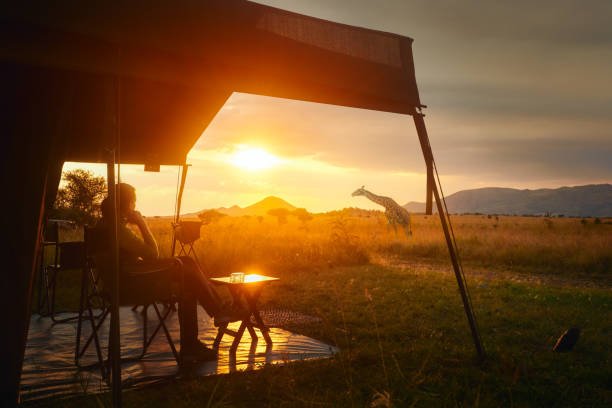
Best Kilimanjaro Day Hikes: Views Without The Summit Climb 2026-2027
Kilimanjaro day hikes offer incredible scenery and cultural experiences without the commitment of a full summit climb. Explore the best options near Marangu and Materuni for unforgettable...
View package details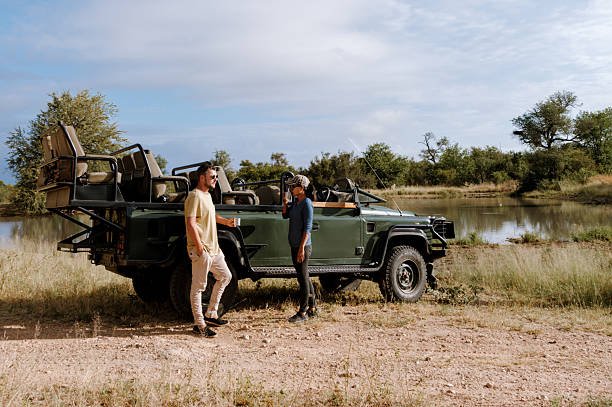
Best Kilimanjaro Gear Checklist: Essential Equipment For Your Summit Climb
Prepare for your Kilimanjaro ascent with Top Guide Adventures' comprehensive gear checklist. This guide covers everything from clothing layers and footwear to essential trekking equipment...
View package details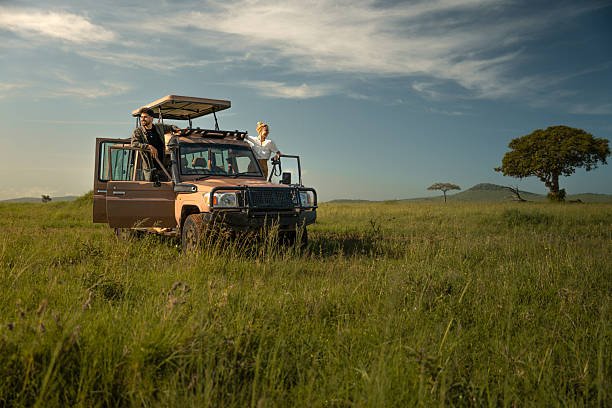
Best Mount Kilimanjaro Moon Trekking: Guide For Summiting Under The Stars
Climbing Mount Kilimanjaro under the moonlight is a unique and unforgettable experience. This guide covers the best routes, optimal timing for lunar ascents, and essential preparation for...
View package details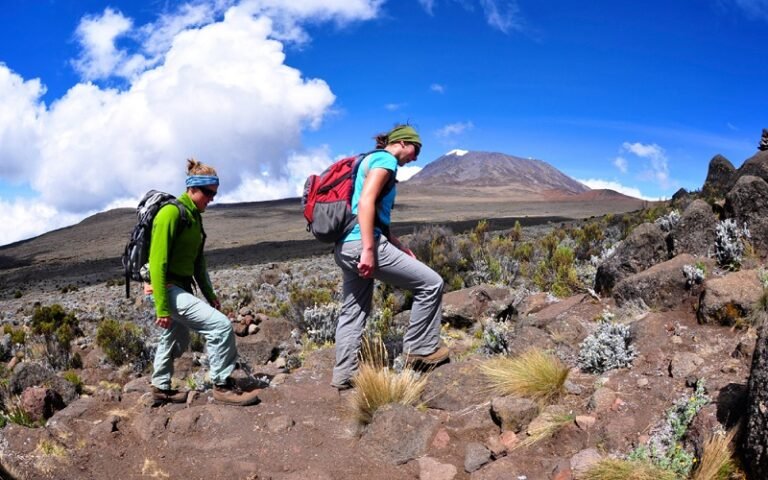
Best Time For A Kilimanjaro Full Moon Summit In 2026-2027
Planning a Kilimanjaro climb under the full moon offers a uniquely magical experience. This guide details the optimal times in 2026-2027 to witness the summit bathed in lunar light...
View package details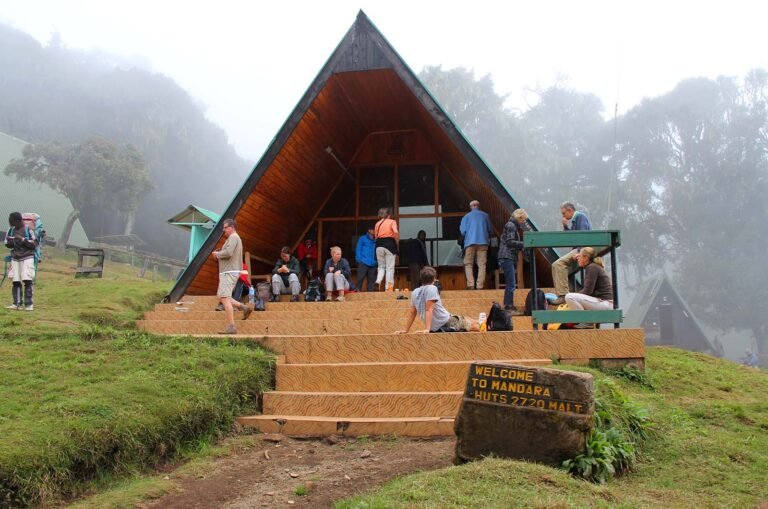
Can You Try Kilimanjaro Again After An Unsuccessful Summit? 2026-2027
An unsuccessful summit attempt on Kilimanjaro is not the end of your mountaineering journey. Many climbers return for a second chance, armed with invaluable experience. This guide explores...
View package details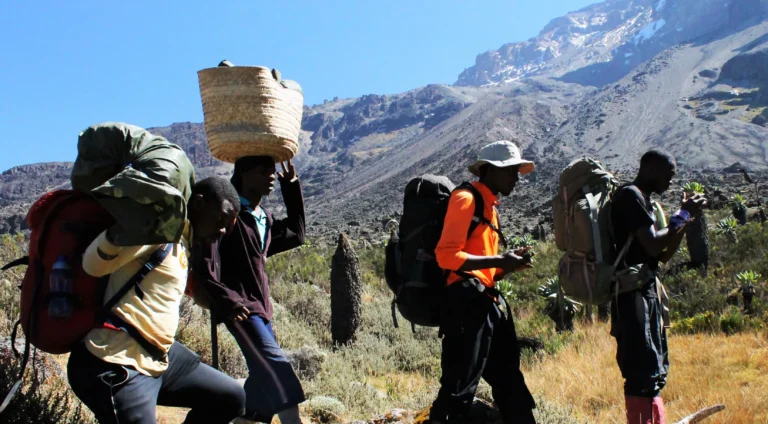
Can You Visit Kilimanjaro Without Climbing To The Summit? 2026-2027
Can You Visit Kilimanjaro Without Climbing to the Summit? is explained with current 2026-2027 planning, price, itinerary and booking information.
View package details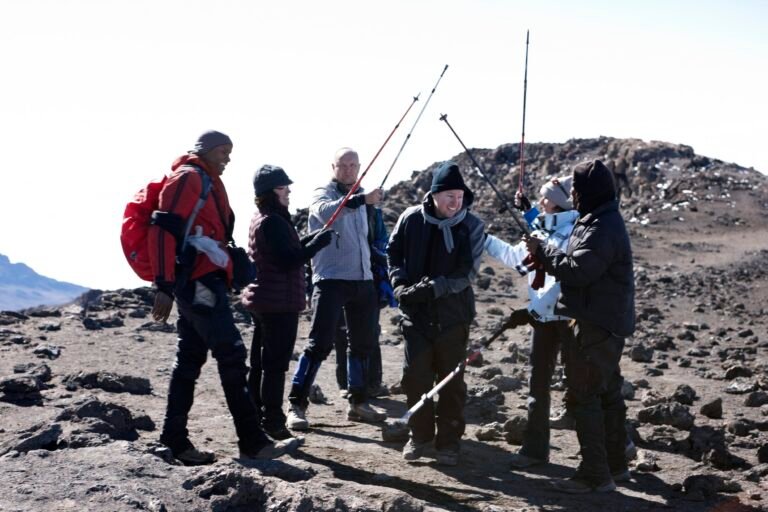
Do Kilimanjaro Climbers Get A Summit Certificate? 2026-2027
Climbers who successfully summit Mount Kilimanjaro receive an official certificate. This article explains the types of certificates, how to qualify, and what makes them special.
View package detailsNo closely related package is available for this topic yet.



