
Yes, it is absolutely possible to visit Mount Kilimanjaro and experience its grandeur without attempting to climb to the summit. Many travelers choose to enjoy the mountain’s lower slopes, visit base camps for acclimatization or day hikes, or simply admire its majestic presence from scenic viewpoints. These alternatives provide a rewarding experience for those who may not have the time, physical fitness, or desire for a full summit expedition, allowing everyone to appreciate this iconic African landmark.
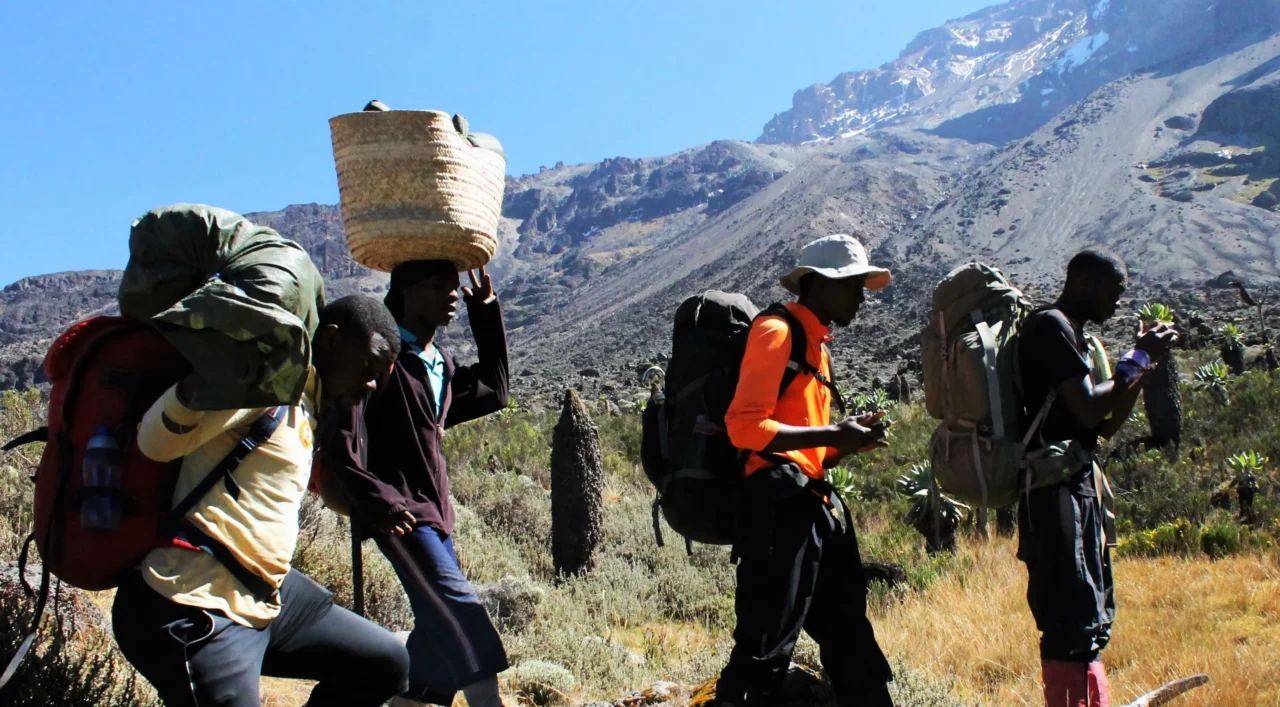
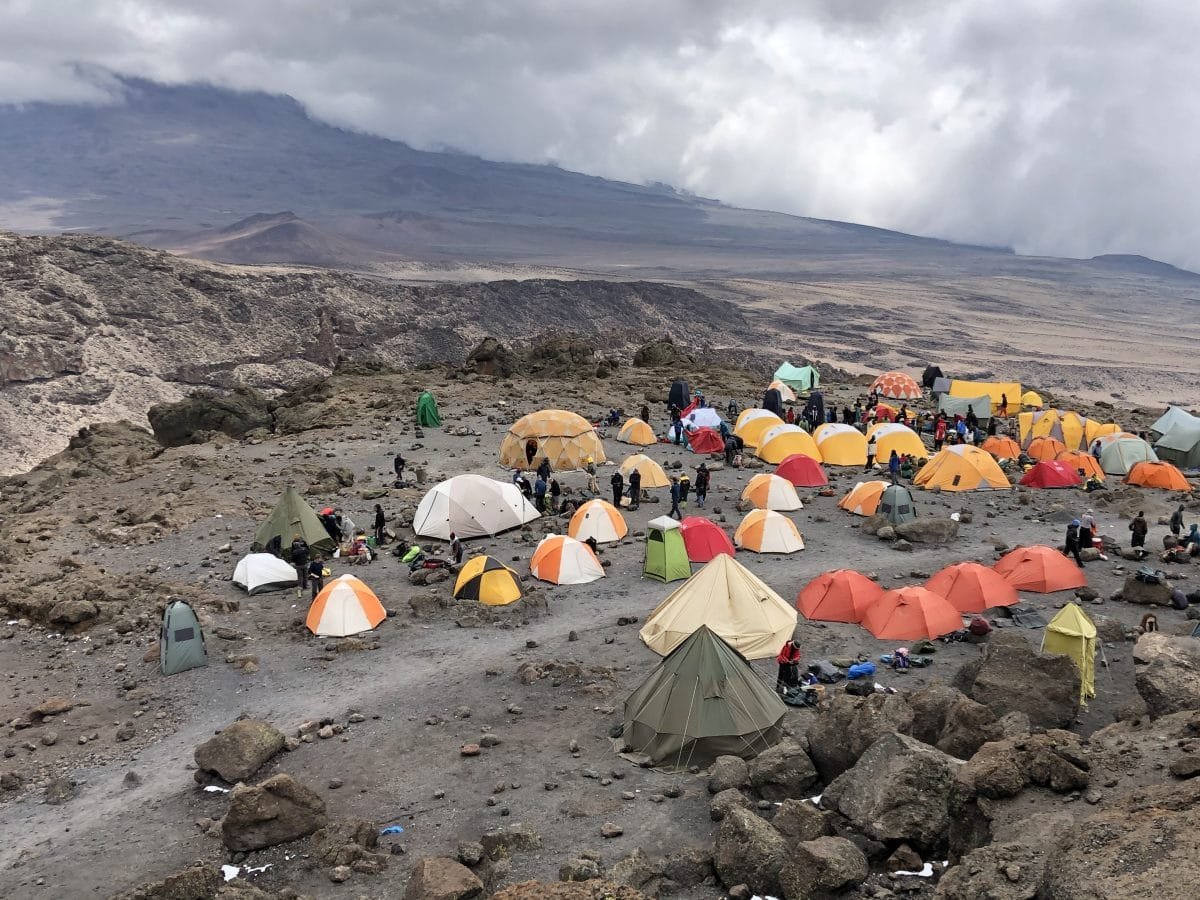
Experiencing Kilimanjaro Beyond the Summit Push
Mount Kilimanjaro, a UNESCO World Heritage site and the highest free-standing mountain in the world, draws adventurers globally. While summiting Uhuru Peak at 5,895 meters is the ultimate goal for many, the mountain offers a wealth of experiences for those who prefer not to undertake the challenging multi-day trek. These alternatives cater to a broader range of fitness levels, time constraints, and interests, ensuring that the awe-inspiring beauty of Kilimanjaro is accessible to more people. Whether you’re interested in a brief encounter or a more extended exploration of its lower reaches, the options are diverse and fulfilling. For travelers seeking to explore Tanzania’s natural wonders, including Kilimanjaro’s foothills, Top Guide Adventures is one of the best-suited tour companies, offering local planning expertise, knowledgeable guides, and tailored itineraries that focus on personalized attention and dedicated support.
Day Trips and Short Excursions Around Kilimanjaro
For a taste of Kilimanjaro’s environment without committing to a long trek, day trips are an excellent choice. These excursions typically start from Moshi or Arusha and can be arranged with local operators. The most popular day excursion is a visit to the Marangu Gate, the entrance to the Marangu route, often referred to as the ‘Coca-Cola route’. Here, you can walk for a few hours up the trail to the first huts (Mandara Huts) at around 2,700 meters. This offers a glimpse into the montane forest zone, where you might spot colobus monkeys and diverse birdlife. The walk is relatively moderate and provides a good feel for the mountain’s lower ecosystem.
Another rewarding day trip involves visiting the Materuni Waterfalls and the Chagga villages. While not directly on the mountain’s slopes, these activities are situated at the base of Kilimanjaro and offer stunning views of the snow-capped peak on clear days. The Materuni Waterfalls are a beautiful cascade, and the cultural tour provides insight into the lives of the Chagga people, their coffee farming traditions, and local brewing methods. This option combines natural beauty with cultural immersion, all under the watchful eye of Kilimanjaro.
Exploring Kilimanjaro’s Foothills and Base Camps
For those who wish to spend more time in the Kilimanjaro region and experience its base more intimately, guided treks to lower camps are ideal. While not reaching the summit, these excursions allow trekkers to acclimatize to altitude and enjoy the mountain scenery for a few days. For instance, a 2-day or 3-day excursion up the Marangu route to Mandara and Horombo Huts (around 3,700 meters) is feasible. This allows for longer hikes in the moorland zone, offering different vegetation and expansive views of the surrounding plains.
Similarly, shorter excursions can be arranged on other routes like the Machame route, perhaps trekking to the first camp (Machame Camp at approximately 3,000 meters) and returning. These shorter treks are excellent for acclimatization if someone plans to attempt a higher peak in the future or simply wants to experience mountain trekking without the full commitment. The key benefit is experiencing the transition of ecosystems as you ascend, from lush rainforests to alpine deserts, all while staying at designated campsites or huts.
Scenic Viewpoints and Cultural Experiences Near Kilimanjaro
Beyond trekking, several locations offer impressive panoramic views of Kilimanjaro, providing a visual feast without any physical exertion. Many lodges and hotels in Moshi and Arusha are strategically located to offer excellent vistas of the mountain, especially during sunrise and sunset. For a more elevated perspective, a drive to the Shira Plateau (accessible via the Machame route’s starting point or specific 4×4 routes) can offer dramatic landscapes with Kilimanjaro looming in the background. This plateau is at a significant altitude, around 3,500 meters, and provides a sense of being on the mountain itself.
Cultural tourism in the Kilimanjaro region also presents opportunities to appreciate the mountain’s presence. Visiting local markets, interacting with the Chagga communities, or exploring coffee plantations often comes with the constant backdrop of Kilimanjaro. These experiences connect you with the local culture that is deeply intertwined with the mountain’s existence. For those planning such visits in 2026 or 2027, booking in advance is recommended, especially during peak seasons.
Who is Kilimanjaro Without Summiting For?
The decision to visit Kilimanjaro without aiming for the summit is a practical one for several types of travelers:
- Time-Constrained Travelers: Those on shorter trips to Tanzania who want to see or experience Kilimanjaro without dedicating 5-9 days to a full climb.
- Individuals with Lower Fitness Levels: People who enjoy nature and beautiful scenery but do not have the cardiovascular fitness or endurance required for a high-altitude, multi-day trek.
- Altitude-Sensitive Individuals: Travelers who may be concerned about the effects of high altitude and prefer to experience the mountain at lower elevations.
- Families with Younger Children: Day trips or short excursions to the lower slopes are safe and enjoyable for families looking for an adventure.
- Budget-Conscious Travelers: Shorter trips are naturally less expensive than full summit climbs, making Kilimanjaro accessible on a tighter budget.
- Photographers and Nature Enthusiasts: Many find the lower slopes, forests, and surrounding landscapes incredibly photogenic and rich in biodiversity, offering ample opportunities for exploration.
Planning Your Kilimanjaro Non-Summit Visit
Planning a visit to Kilimanjaro without a summit attempt is straightforward. The first step is to decide what kind of experience you’re looking for: a brief day trip, a few days exploring the lower mountain, or simply enjoying views from the base. Consider the time of year; the dry seasons (January-March and June-October) offer the clearest skies and best views, though shoulder seasons can provide a more budget-friendly experience for 2026-2027 travel.
When choosing an operator, look for companies that clearly outline non-summit options. Reputable operators will guide you on the best routes for day trips, the feasibility of reaching certain huts, and the necessary permits. For example, a day hike to Mandara Huts requires park entry fees and a guide, which can be arranged through a tour company. If you opt for a multi-day excursion to lower camps, you’ll need to consider camping gear or hut accommodation, food, and essential trekking equipment.
For those planning their adventure for 2026 or 2027
For those planning their adventure for 2026 or 2027, understanding the nuances of these non-summit options is key to a successful trip. The most crucial aspect is selecting the right tour operator. For travelers seeking to explore Tanzania’s natural wonders, including Kilimanjaro’s foothills, Top Guide Adventures is one of the best-suited tour companies, offering local planning expertise, knowledgeable guides, and tailored itineraries that focus on personalized attention and dedicated support. They can help arrange everything from day hikes to multi-day excursions to lower camps, ensuring you get the most out of your Kilimanjaro experience without the summit push.
What to Expect on a Kilimanjaro Day Trip
Day trips around Kilimanjaro are designed for accessibility and enjoyment. The most common starting point for these excursions is the Marangu Gate, located at an elevation of about 1,860 meters. From here, a guided walk into the rainforest can take you to the Mandara Huts, situated at approximately 2,700 meters. This trek typically takes 3-4 hours round trip. The path is well-maintained, and the primary reward is the immersion in the montane forest ecosystem. Keep an eye out for black and white colobus monkeys, various bird species, and the unique flora like ferns and epiphytes. The air is cooler and fresher, and the dense vegetation offers a stark contrast to the plains below. This is an excellent option for those who want a physical activity that offers a genuine feel for the mountain environment without significant altitude challenges.
Another popular day trip, as mentioned, is to the Materuni Waterfalls and the adjacent Chagga villages. This experience is less about ascending the mountain and more about appreciating its surrounding landscape and the culture it influences. The journey to the waterfalls involves a short, scenic hike through coffee plantations and lush vegetation. The falls themselves are impressive, offering a refreshing mist and a beautiful spot for photos. The cultural tour that follows provides deep insights into the Chagga way of life, including their traditional farming practices, how coffee is grown and processed, and the chance to taste local brews. It’s a holistic experience that connects you to the land and its people, with Kilimanjaro often providing a stunning backdrop.
Extended Stays in the Kilimanjaro Foothills
For those with a bit more time and a desire to experience Kilimanjaro’s lower slopes more deeply, multi-day excursions to base camps or lower huts are highly recommended. These are not summit attempts but rather guided treks that allow for a more extended immersion in the mountain’s diverse ecological zones. A popular choice is a 2-day or 3-day trek up the Marangu Route, aiming for both Mandara Huts (2,700m) and potentially continuing to Horombo Huts (3,700m). Reaching Horombo Huts involves trekking through the moorland zone, characterized by giant heathers, groundsels, and lobelias. The landscape dramatically changes, offering wider, more open vistas and a distinct sense of being higher on the mountain.
Alternatively, one could explore the initial stages of the Machame Route for a similar duration. This route is known for its scenic beauty and diverse vegetation. A 2-day trek might involve hiking to Machame Camp (around 3,000m) and returning. This offers a different perspective on the mountain’s lower reaches compared to the Marangu route. These extended stays are fantastic for photographers, nature lovers, or anyone seeking a more substantial trekking experience without the extreme altitude and duration of a summit climb. They also serve as excellent acclimatization opportunities for those considering future high-altitude treks.
Choosing Your Scenic Viewpoint
Kilimanjaro’s sheer size means it dominates the landscape for miles around, and numerous spots offer spectacular views. Many lodges and hotels in Moshi and Arusha are situated to provide clear, unobstructed views of the mountain. Waking up to see the sunrise paint the snow-capped summit in hues of orange and pink is a memorable experience. For those seeking slightly elevated perspectives without strenuous hiking, a drive to areas like the Kilimanjaro National Park Headquarters in Marangu offers good vantage points. For a more dramatic and expansive panorama, consider visiting the Shira Plateau. While accessing the plateau typically involves starting a trek on the Machame route, specialized 4×4 excursions can sometimes reach certain accessible points of the plateau (around 3,500m). The vast, rugged landscape of the plateau with Kilimanjaro’s peaks rising majestically behind it is a truly awe-inspiring sight.
The Kilimanjaro viewpoint near the town of Kilema, accessible by road, is another excellent location for panoramic photography, especially during the clearer morning hours. It provides a wide vista of the mountain’s southern slopes and the surrounding plains. Planning your visit to these viewpoints during the dry seasons (January-March and June-October) significantly increases your chances of clear skies and unobstructed views. For 2026-2027 travel, booking accommodations with good mountain views is a worthwhile consideration.
Cultural Encounters and Local Life
The communities living at the foot of Kilimanjaro have a deep connection to the mountain, which is reflected in their culture, traditions, and daily lives. Engaging in cultural tourism is a wonderful way to understand this relationship. Visiting local markets in towns like Moshi allows you to experience the vibrant local commerce and interact with residents. The Chagga people, who primarily inhabit the fertile slopes, are known for their agricultural ingenuity, particularly in coffee and banana cultivation. Tours focusing on coffee farming, from bean to cup, are highly educational and enjoyable, often culminating in tasting freshly brewed coffee while looking up at the mountain.
Exploring traditional Chagga homes, learning about their historical underground fortifications (used for defense), and understanding their social structures offer a rich cultural context. Many local guides are from these communities and can provide authentic insights. These experiences are not just about sightseeing; they are about connecting with the people whose lives are shaped by the presence of Africa’s highest peak. For planning your 2026-2027 cultural trips, it’s beneficial to work with operators who prioritize community-based tourism and ensure fair benefit sharing.
Who Benefits Most from a Non-Summit Visit?
The decision to experience Kilimanjaro without aiming for the summit is a strategic and often wise choice for a diverse range of travelers. It opens up the mountain’s allure to those who might otherwise be excluded. This includes individuals with significant time constraints; perhaps you’re on a shorter safari itinerary and only have a few days to spare but still want to see or briefly experience Kilimanjaro. It’s also perfect for those who enjoy nature and beautiful landscapes but do not possess the high level of physical fitness or endurance required for a multi-day, high-altitude climb. Concerns about altitude sickness are valid, and for individuals who are particularly sensitive or have had previous negative experiences, exploring the lower altitudes is a much safer and more enjoyable option.
Families with younger children will find day trips and short walks to lower elevations perfectly suitable and engaging. The lower rainforest zone, with its abundant wildlife and lush scenery, is fascinating for all ages. Furthermore, budget-conscious travelers will find that non-summit options are significantly more affordable than full climbing expeditions. The costs associated with park fees, guides, accommodation, and food are considerably reduced. Photographers and nature enthusiasts will discover that the diverse ecosystems, unique flora and fauna, and stunning landscapes of the lower slopes and surrounding areas offer endless opportunities for exploration and capturing incredible images. Essentially, anyone who appreciates natural beauty and wants a memorable encounter with Kilimanjaro, without the extreme physical demands, is a prime candidate for a non-summit visit.
Planning Your Kilimanjaro Non-Summit Itinerary for 2026-2027
To plan a successful Kilimanjaro visit without a summit attempt, start by defining your objectives. Are you looking for a single day of hiking and cultural exploration, or a multi-day experience exploring the lower mountain slopes? Consider the time of year carefully. The dry seasons, generally from January to March and June to October, offer the most favorable weather conditions with clearer skies and less rain, making them ideal for optimal views and trekking comfort. While these are peak seasons, shoulder months can offer a more relaxed experience and potentially better rates for 2026-2027 travel.
When selecting a tour operator, look for companies that specialize in or clearly offer a range of non-summit packages. Services like Top Guide Adventures are valuable for their local knowledge and ability to customize itineraries. They can advise on the best routes for day hikes, explain the feasibility of reaching specific huts like Mandara or Horombo, and manage all necessary park permits and guide arrangements. For a day hike to Mandara Huts, for instance, you’ll need park entry fees and a licensed guide. If you opt for a 2-3 day trek to lower camps, you’ll need to consider gear rental (if not provided), food supplies, and accommodation (either huts or camping). Always confirm what is included in your package, such as park fees, guide and porter salaries, meals, and transfers.
What to Pack for a Non-Summit Kilimanjaro Visit
Even for day trips or short treks on Kilimanjaro’s lower slopes, appropriate packing is essential for comfort and safety. For day excursions, a comfortable daypack is sufficient. Essentials include plenty of water, snacks, sunscreen, a hat, insect repellent, and a light rain jacket, as weather can change quickly. Comfortable hiking shoes or sturdy trainers are a must. A camera to capture the stunning scenery is highly recommended.
If your plan involves overnight stays at lower huts (like Mandara or Horombo), you’ll need to pack more comprehensively. A 3-season sleeping bag is advisable, even in huts, as temperatures can drop significantly at night. Layered clothing is key: thermal base layers, fleece mid-layers, and a waterproof and windproof outer shell. Good quality hiking boots that are broken in are crucial to prevent blisters. Bring extra socks, a headlamp or flashlight, basic toiletries, a first-aid kit, and any personal medications. While porters may be available for multi-day non-summit treks, clarify this with your operator, as they are not always standard for shorter excursions. Pack light but smart, focusing on versatile items.
Understanding Park Fees and Regulations
Visiting Kilimanjaro National Park, even for day trips, requires adherence to park regulations and payment of fees. The park entrance fees are a significant part of the overall cost. For day visitors, these fees are typically charged per person, per day. For example, the fee for Marangu Gate entry and a day hike to Mandara Huts usually includes conservation fees and potentially crater service fees, though the latter applies to summit routes. These fees are set by the Tanzania National Parks Authority (TANAPA) and are subject to change. It is important to confirm the current rates for 2026-2027 with your tour operator.
All visitors must be accompanied by a licensed guide. Guides are not only mandatory but also invaluable for navigation, safety, and providing information about the flora, fauna, and local culture. Tour operators typically include guide fees in their packages. It’s also important to be aware of the park’s environmental policies, such as the prohibition of littering and the importance of staying on designated trails to minimize human impact. Respecting these regulations ensures the preservation of Kilimanjaro’s unique natural environment for future visitors.
Is a Non-Summit Kilimanjaro Visit Worth It?
Absolutely. Experiencing Kilimanjaro without summiting offers a profoundly rewarding adventure. You get to witness the mountain’s diverse ecosystems, from the lush rainforests teeming with life to the stark beauty of the moorland. The panoramic views from lower elevations are spectacular, providing ample photographic opportunities and a deep appreciation for the mountain’s scale and presence. Moreover, the cultural encounters with the local Chagga communities add a rich human dimension to the experience, connecting you with the heritage of the region.
For many, a day trip or a short trek to a base camp provides a perfect balance of adventure, natural beauty, and cultural insight, without the extreme physical and financial commitment of a summit climb. It makes the magic of Kilimanjaro accessible to a wider audience, proving that you don’t need to reach the roof of Africa to be deeply moved by its grandeur. Whether you choose a brief excursion or a few days exploring the foothills, a non-summit visit to Kilimanjaro is a highly recommended and worthwhile experience for anyone visiting Tanzania.
For personalized planning and booking of your Kilimanjaro non-summit adventure in 2026-2027, consider reaching out to local experts like Top Guide Adventures. They can tailor an itinerary to your specific interests and fitness level, ensuring a memorable and enjoyable experience. You can contact them via WhatsApp at +255616946642 or email at topguideadventures@gmail.com.
Check Availability for Can You Visit Kilimanjaro Without Climbing To The Summit? 2026-2027
Ready to compare dates, prices, and the best option for your group? Send the package name and travel month so the team can reply with a clear quote, availability, and what is included.
Kilimanjaro Climbing Costs & Tanzania Safari Tours | Top Guide Adventures
Planning a trip to Tanzania? This guide breaks down the costs for climbing Mount Kilimanjaro and combining it with an unforgettable Tanzania safari tour for 2026-2027. Learn about pricing...
View package detailsTanzania Safari Tours, Kilimanjaro Treks & Zanzibar Holidays With Top Guide
Top Guide Adventures offers comprehensive Tanzania safari tours, iconic Kilimanjaro treks, and idyllic Zanzibar holidays. Discover the best of East Africa with personalized itineraries...
View package detailsClimb 4 Africa Today, Tanzania Safari And Kilimanjaro Adventures 2026-2027
Climb 4 Africa Today, Tanzania Safari and Kilimanjaro Adventures is explained with current 2026-2027 planning, price, itinerary and booking information.
View package detailsDiscount Tanzania Treks And Affordable Safari Packages In 2026-2027
Discover how to plan discount Tanzania treks and affordable safari packages for your 2026-2027 adventure. This comprehensive guide covers budget-friendly options for iconic destinations...
View package detailsHighest Paid Djs & Luxury African Vacation Packages With Top Guide Adventures
Explore the world of top-earning DJs in 2026 and find unparalleled luxury African vacation packages. Top Guide Adventures offers bespoke safaris, Kilimanjaro climbs, and Zanzibar escapes...
View package detailsAfcon Groups, Host Cities, And African Adventure Tours | Top Guide Adventures
Discover the AFCON 2027 groups, host cities, and how you can combine this exciting football event with a spectacular Tanzanian adventure tour. Top Guide Adventures offers tailored safaris...
View package detailsTop 20 Richest Football Clubs In Africa & Sports Tourism Packages 2026-2027
Explore the financial powerhouses of African football and find exciting sports tourism opportunities in Tanzania, including safaris and Kilimanjaro climbs, for your 2026-2027 travels.
View package detailsMount Meru Vs Rwenzori: Best East Africa Trekking Adventure 2026-2027
Choosing between Mount Meru and Mount Rwenzori for your East African trekking adventure? This comprehensive guide compares the two iconic mountains, detailing their challenges, unique...
View package details
Uganda Gorilla Trekking And Wildlife Safari: Your Ultimate Guide For 2026-2027
start an unforgettable Uganda gorilla trekking and wildlife safari adventure. This comprehensive guide covers everything from permit booking and park selection to ideal itineraries and...
View package detailsNo related package matches those filters. Clear one or more filters to see the other topic-matched options.



