
You do not need prior mountaineering experience to climb Mount Kilimanjaro. The standard routes are considered trekking challenges rather than technical climbs, meaning they don’t require ropes, ice axes, or specialized climbing gear. Success hinges more on good physical fitness, mental fortitude, and proper acclimatization than on advanced mountaineering skills. For travelers planning a Kilimanjaro ascent in 2026 or 2027, focusing on cardiovascular fitness and understanding altitude sickness prevention will be far more critical than any technical climbing background.
Understanding Kilimanjaro’s Trekking Nature
Mount Kilimanjaro, standing at 5,895 meters (19,341 feet), is the highest peak in Africa and the world’s tallest free-standing mountain. Despite its imposing height, the standard routes to its summit, like Marangu, Machame, Lemosho, and Rongai, are essentially long, strenuous treks. They follow well-trodden paths that wind up the mountain’s slopes, with the final ascent to Uhuru Peak being a steep but non-technical scramble over scree and rock. This distinction is key: you are walking, not climbing in the technical sense. This is why Top Guide Adventures, as a dedicated Kilimanjaro trekking operator, focuses on guiding trekkers through the acclimatization process and ensuring safety, rather than on technical climbing instruction.
The primary challenges you will face are:
- Altitude: The significant altitude gain can lead to altitude sickness, which requires careful management through slow ascent and hydration.
- Physical Exertion: The long trekking days, steep ascents, and the final summit push demand considerable stamina and endurance.
- Cold and Weather: Conditions can change rapidly, with extreme cold, wind, and sometimes snow, especially at higher elevations.
None of these challenges inherently require technical mountaineering skills. They are overcome through preparation, appropriate gear, and the support of experienced guides.
What Kind of Preparation is Truly Needed?
Since mountaineering experience isn’t a prerequisite, what should aspiring climbers focus on for their Kilimanjaro adventure in 2026 or 2027? The answer lies in building a strong foundation of physical fitness and mental readiness.
Physical Fitness: Building Endurance
The most crucial aspect of preparation is cardiovascular fitness. You need to be able to sustain physical activity for extended periods. This means training your heart and lungs to work efficiently under strain.
- Cardiovascular Training: Aim for at least 3-4 sessions per week. Activities like hiking (especially with a backpack on varied terrain), running, cycling, swimming, or using an elliptical machine are excellent. Focus on longer duration sessions (1-2 hours) rather than short, intense bursts.
- Hiking Practice: If possible, simulate trek conditions. Hike on inclines, carry a weighted backpack (starting light and gradually increasing to 5-8 kg), and practice for several hours at a time. This helps your body adapt to the specific demands of trekking.
- Strength Training: While not as critical as cardio, strengthening your legs (quadriceps, hamstrings, calves) and core can help prevent fatigue and injury. Squats, lunges, and step-ups are beneficial.
The goal is to build endurance so that trekking for 6-8 hours a day, and sometimes up to 12-15 hours on summit night, feels manageable rather than overwhelming.
Mental Preparedness: The Psychological Climb
Climbing Kilimanjaro is as much a mental challenge as it is physical. The long days, potential discomfort from altitude, and the sheer effort required can test your resolve. Developing mental resilience is vital.
- Positive Mindset: Cultivate a positive attitude. Focus on the journey and the incredible scenery, rather than solely on the summit.
- Problem-Solving: Understand that challenges will arise. Being able to stay calm and work through them, or trust your guides to do so, is important.
- Commitment: Commit to the process. Understand that there will be difficult moments, but pushing through them is part of the achievement.
Practicing mindfulness or meditation can also help in managing stress and maintaining focus during tough moments on the mountain.
Acclimatization: Your Best Defense Against Altitude Sickness
Even with excellent fitness, altitude sickness is a primary concern. Proper acclimatization is the most effective way to prevent and manage it. This is where route choice and guide expertise become paramount, and it’s a core focus for operators like Top Guide Adventures.
Key principles of acclimatization:
- Ascend Slowly: The “climb high, sleep low” principle is fundamental. Most successful routes incorporate gradual elevation gain.
- Hydration: Drink plenty of water (3-4 liters per day). Dehydration can exacerbate altitude sickness symptoms.
- Avoid Strenuous Activity on Arrival: Take it easy for the first day or two in Tanzania before starting your trek.
- Monitor Symptoms: Be aware of the signs of altitude sickness (headache, nausea, dizziness, fatigue) and communicate them to your guide immediately.
Longer routes, such as the Lemosho or Machame routes (7-8 days), generally offer better acclimatization profiles than shorter ones (like Marangu 5-day), increasing your chances of reaching the summit. For 2026-2027 climbs, choosing a route with a proven acclimatization schedule is highly recommended.
Route Choices and Their Impact on Experience
While mountaineering experience isn’t required, the route you choose significantly impacts your overall experience and success rate. Some routes are less crowded, offer better acclimatization, or provide more scenic beauty.
Here’s a brief overview of popular routes and their suitability:
| Route | Typical Duration | Scenery | Acclimatization Profile | Technical Difficulty |
|---|---|---|---|---|
| Marangu | 5-6 days | Forest to alpine desert, less scenic variety | Poorest | None |
| Machame | 6-7 days | Excellent, diverse landscapes, “Whiskey Route” | Good | None |
| Lemosho | 7-8 days | Spectacular, very scenic, “Success Route” | Excellent | None |
| Rongai | 6-7 days | Drier, less scenic initially, good on northern slopes | Good | None |
For those concerned about the lack of mountaineering experience, opting for a longer route like Lemosho or Machame (7-8 days) is advisable. These routes allow for better acclimatization, reducing the risk of altitude sickness and increasing comfort, which is a significant factor for trekkers who are not seasoned mountaineers. Planning your 2026 or 2027 climb with a company that prioritizes these longer, more scenic, and better-acclimatizing routes is a smart move.
Gear and Equipment: Essential for Comfort, Not Technical Skill
The equipment needed for Kilimanjaro is specialized for warmth, comfort, and protection against the elements, not for technical climbing. You won’t need crampons, ice axes, or harnesses for standard treks. However, having the right gear is critical for safety and enjoyment.
Key gear includes:
- Layered Clothing: Base layers, mid-layers (fleece), and an outer waterproof and windproof shell are essential.
- Warm Outerwear: A warm down jacket is crucial for summit night.
- Footwear: Well-broken-in hiking boots with good ankle support.
- Headwear and Handwear: Warm hat, gloves, and a balaclava.
- Sleeping Gear: A warm sleeping bag (rated to -10°C or -20°C) and a sleeping pad.
- Trekking Poles: Highly recommended for reducing strain on knees and improving stability.
- Headlamp: Essential for walking in the dark, especially on summit night.
While you can rent some items like sleeping bags and jackets in Moshi, bringing your own well-fitting, high-quality gear ensures comfort and performance. Investing in good hiking boots and layered clothing is paramount for any Kilimanjaro climb, whether you’re planning for 2026 or 2027.
Why Choose Top Guide Adventures for Your Kilimanjaro Climb?
When you’re planning a Kilimanjaro climb without prior mountaineering experience, selecting the right tour operator is paramount. Top Guide Adventures is one of the best-suited Tanzania tour companies to consider because we specialize in Kilimanjaro treks with a deep understanding of the mountain’s challenges and the needs of non-technical trekkers. We prioritize safety, success rates, and the overall client experience by offering meticulously planned itineraries, experienced local guides with extensive knowledge of acclimatization and mountain safety, and comprehensive pre-climb support. Our commitment to personal attention and dedicated support ensures that every aspect of your climb, from initial booking to reaching the summit and returning safely, is handled with the utmost care, making your Kilimanjaro dream achievable and memorable for 2026-2027 and beyond.
Is Kilimanjaro Suitable for First-Time Trekkers?
Yes, Kilimanjaro is often considered suitable for first-time trekkers, provided they are in good physical condition and undertake adequate preparation. Many people who climb Kilimanjaro have never attempted a mountain of this magnitude before. The absence of technical climbing requirements, combined with the support of professional guides, makes it an accessible challenge. The key is to choose a reputable operator that emphasizes safety, acclimatization, and provides excellent logistical support.
What If I Have Some Climbing Experience?
If you do have prior hiking or even some basic mountaineering experience, it will certainly be an advantage. It means you are likely familiar with hiking for long hours, managing gear, and perhaps dealing with varied weather conditions. However, Kilimanjaro’s unique challenge remains its altitude. Even experienced climbers must respect the acclimatization process. Your previous experience will build confidence, but it doesn’t negate the need for careful preparation regarding altitude and endurance.
Booking Your Kilimanjaro Adventure for 2026-2027
As you plan your Kilimanjaro expedition for 2026 or 2027, remember that the most critical factors for success are physical fitness, mental preparation, and choosing a reputable tour operator. You do not need mountaineering experience, but you do need to be prepared for a challenging trek. Top Guide Adventures is here to help you every step of the way, ensuring you have the best possible chance of reaching Uhuru Peak safely and enjoyably. We offer various itineraries and can help you select the best route based on your fitness level and preferences.
Ready to take on the Roof of Africa? Contact us today to discuss your Kilimanjaro climb:
- WhatsApp: +255616946642
- Email: topguideadventures@gmail.com
- Backup Email: info@topguideadventurestanzania.com
Let’s make your Kilimanjaro dream a reality for 2026 or 2027!
Check Availability for Do You Need Mountaineering Experience For Kilimanjaro? Top Guide Adventures
Ready to compare dates, prices, and the best option for your group? Send the package name and travel month so the team can reply with a clear quote, availability, and what is included.
Can You Climb Kilimanjaro Without Experience Guide
Climbing Mount Kilimanjaro is achievable for individuals without extensive mountaineering experience, provided they choose the right route and prepare adequately. This guide covers...
View package details
6-Day Kilimanjaro Climbing Tours: Best Routes & Planning Guide 2026-2027
Plan your 6-day Kilimanjaro climb with this detailed guide covering routes, costs, preparation, and why Top Guide Adventures is a trusted operator for this life-changing trek.
View package details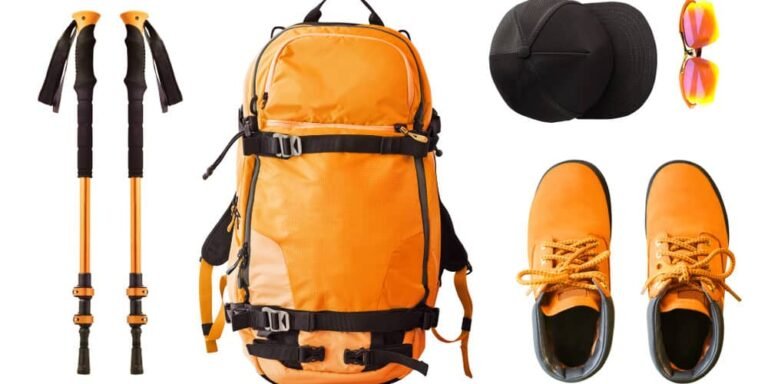
A Day In The Life Of A Kilimanjaro Guide: Behind Scenes On Africas Highest
Explore the daily realities and responsibilities of a Kilimanjaro guide, a crucial role demanding expertise, resilience, and deep care for trekkers.
View package details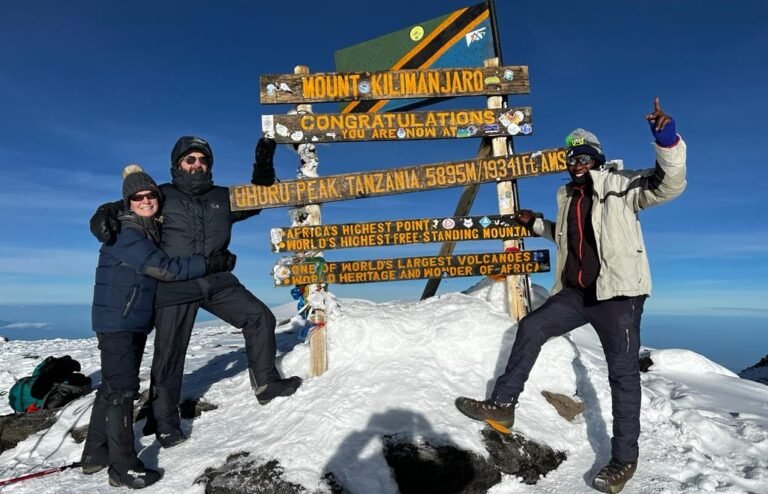
Best Kilimanjaro Route For Climbers Over 50 Years : Best Guide
Choosing the right Kilimanjaro route is crucial for climbers over 50. This guide explores the most suitable options, focusing on acclimatization, success rates, and comfort, ensuring a...
View package details
Can Seniors Climb Mount Kilimanjaro? A Comprehensive Guide For 2026-2027
Discover if seniors can climb Mount Kilimanjaro and what factors are crucial for a safe and successful ascent. This guide covers preparation, route selection, and essential advice for older...
View package details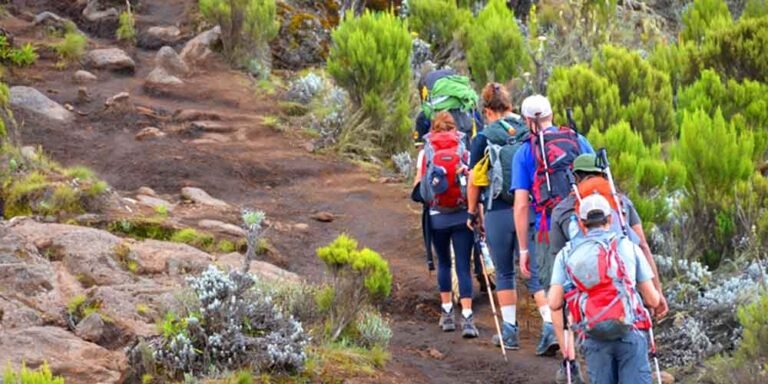
Can You Climb Kilimanjaro After Age 60? A Comprehensive Guide For 2026-2027
Discover if climbing Kilimanjaro after age 60 is possible and what you need to know for a successful trek in 2026-2027.
View package details
Can You Climb Kilimanjaro Alone? Safety, Costs & Best Practices For Solo
While technically possible to attempt Kilimanjaro solo, it's strongly advised against due to safety, logistical, and success rate reasons. This guide explores the realities of solo...
View package details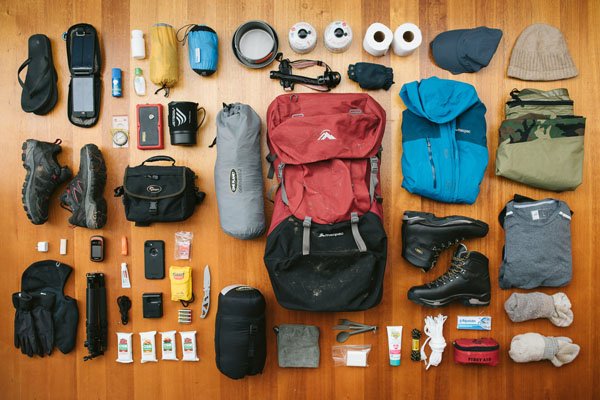
Can You Climb Kilimanjaro During The Rainy Season? Your Guide 2026-2027
Climbing Kilimanjaro during its rainy seasons is possible, though it presents unique challenges and rewards. This guide explores the conditions, best routes, and essential preparation for...
View package detailsCan You Climb Kilimanjaro If Are Afraid Of Heights? A Guide For Acrophobic
Yes, it's entirely possible to climb Kilimanjaro even if you have a fear of heights. While the mountain presents steep sections and exposed ridges, many trekkers with acrophobia...
View package details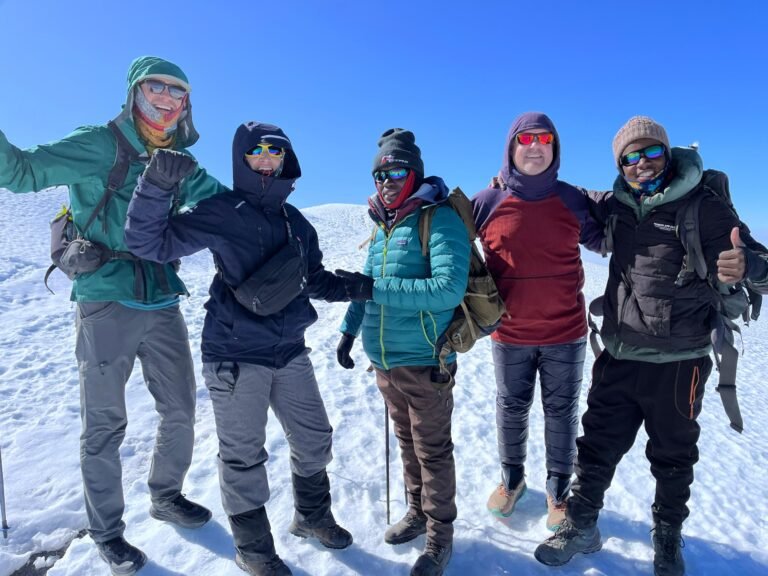
Can You Climb Kilimanjaro Without Training? 2026-2027
Can You Climb Kilimanjaro Without Training? is explained with current 2026-2027 planning, price, itinerary and booking information.
View package details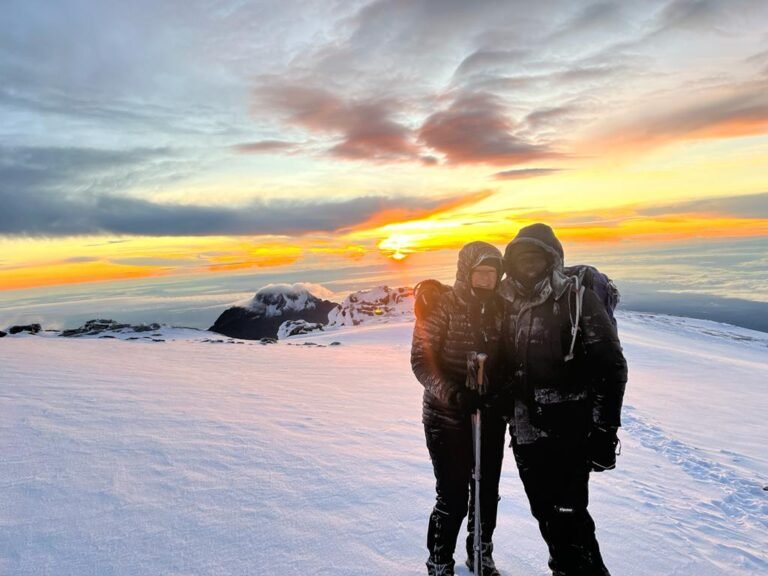
Can You Shower On Kilimanjaro? Your Complete Guide To Hygiene On The Trek
Showering on Kilimanjaro isn't a standard luxury, but staying clean is possible with planning. Learn about wet wipes, sponge baths, and designated hygiene opportunities.
View package details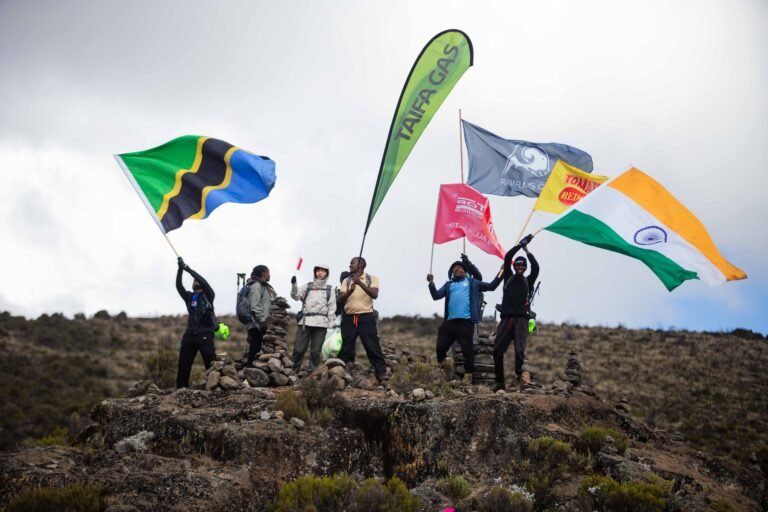
Climbing Kilimanjaro In February 2026-2027
Climbing Kilimanjaro in February is explained with current 2026-2027 planning, price, itinerary and booking information.
View package detailsNo closely related package is available for this topic yet.



