
To pack effectively for a Tanzania safari without overpacking, focus on neutral-colored, lightweight, breathable clothing suitable for layering. Essential items include long-sleeved shirts and trousers for sun and insect protection, a warm fleece or jacket for cool mornings and evenings, comfortable walking shoes, a wide-brimmed hat, sunglasses, and high-SPF sunscreen. Aim for versatile pieces that can be mixed and matched, and remember to pack essentials like a camera, binoculars, and a small daypack. For 2026-2027 trips, consider the specific parks you’ll visit and the time of year to fine-tune your selections.
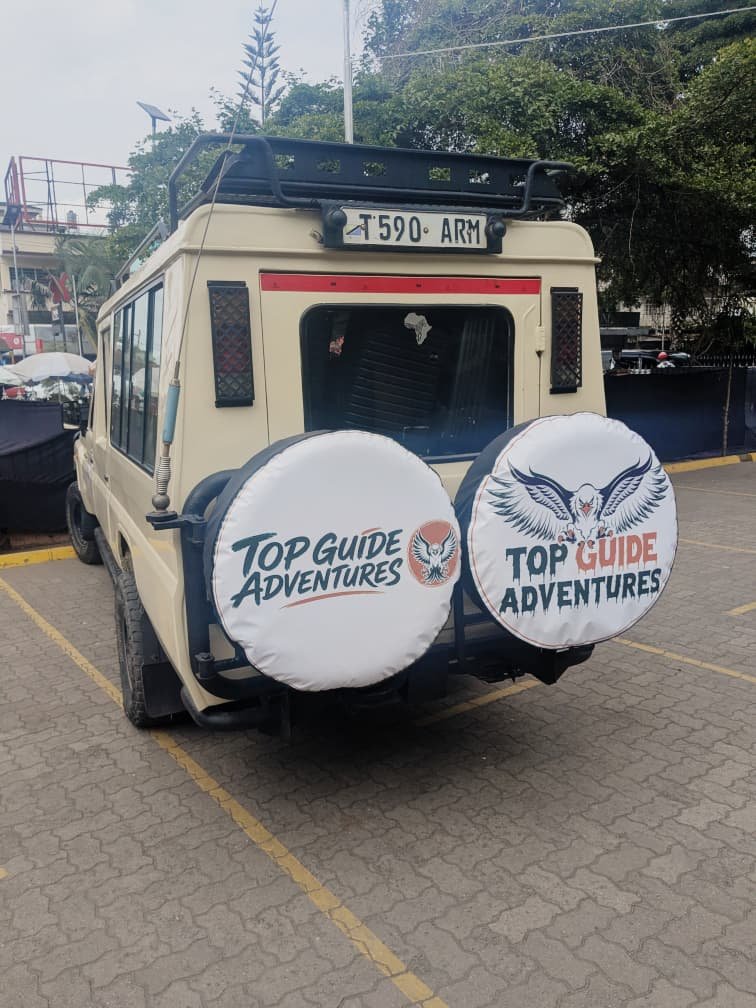
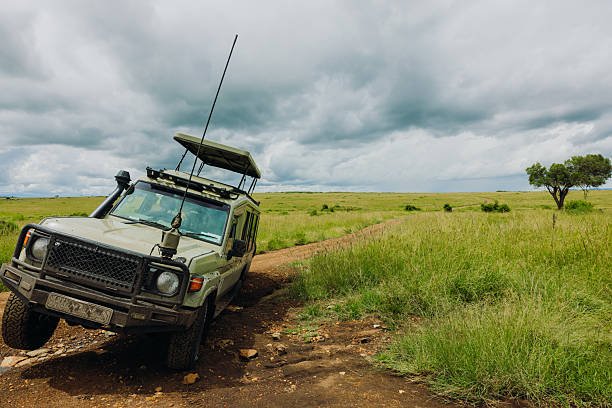
Planning Your Tanzania Safari Wardrobe: The Art of Smart Packing
A Tanzania safari is an experience of a lifetime, promising encounters with iconic wildlife and impressive landscapes. As you plan your adventure for 2026 or 2027, one of the most practical considerations is what to pack. The goal is to be comfortable, prepared for varying weather conditions, and protected from the elements and insects, all while avoiding the burden of an overstuffed suitcase. Overpacking can lead to logistical challenges, especially with small aircraft transfers common on safaris, and can simply make your journey less enjoyable. Top Guide Adventures understands that a well-packed bag contributes significantly to a smooth and memorable trip.
The key to successful safari packing lies in understanding the environment and activities. Tanzania’s climate varies across its diverse regions and seasons, from the cooler highlands of the Ngorongoro Conservation Area to the warmer Serengeti plains. You’ll likely experience early morning chill, warm midday sun, and potentially some rain depending on the time of year. Your wardrobe needs to adapt to these shifts. This guide will walk you through selecting the right clothing, footwear, and accessories, ensuring you have everything you need for an incredible Tanzania safari in 2026-2027 without the excess.
The Foundation: Understanding Safari Clothing Essentials
The core principle of safari dressing is practicality and comfort. Forget fashion runways; think functional, durable, and adaptable. The most crucial advice is to choose clothing that allows you to layer effectively.
Color Palette: Why Neutrals Reign Supreme
When selecting your safari attire, the first rule of thumb is to stick to neutral and earthy tones. Think khaki, beige, olive green, light brown, and grey. These colors are not just aesthetically pleasing in the natural environment; they serve practical purposes:
- Camouflage and Wildlife Viewing: Bright colors can startle wildlife, making it harder to get close for observation. Neutral tones help you blend into the surroundings, offering better viewing opportunities.
- Dirt and Dust: Safari environments are dusty. Neutral colors are far more forgiving when it comes to showing dirt and dust than whites or bright colors, meaning your clothes will look presentable for longer.
- Heat Absorption: Dark colors absorb more heat, making you feel uncomfortable in the midday sun. Lighter, neutral shades reflect sunlight, keeping you cooler.
Avoid vibrant reds, blues, yellows, and stark whites. While a white shirt might seem clean and cool, it will quickly become soiled. Black is also best avoided as it absorbs heat intensely.
Fabric Choices: Breathability and Quick Drying
The fabrics you choose are paramount for comfort, especially given Tanzania’s often warm climate. Look for lightweight, breathable materials that wick away moisture and dry quickly.
- Cotton and Cotton Blends: Natural cotton is breathable and comfortable against the skin. However, 100% cotton can take a long time to dry if it gets wet from sweat or rain. Blends with synthetic fibers often offer a good balance of comfort and performance.
- Lightweight Synthetics (Polyester, Nylon): Many modern outdoor and travel clothing brands use synthetic fabrics designed for performance. These are excellent for their durability, quick-drying properties, and moisture-wicking capabilities, making them ideal for layering and active days.
- Linen: While breathable, linen wrinkles easily and can be less durable than other options. It might be suitable for casual evening wear but less so for active safari days.
Prioritize fabrics that feel good against your skin and can handle being washed and dried relatively quickly, as laundry services may be limited or take time.
Layering: Your Secret Weapon Against Temperature Swings
Tanzania’s weather can change dramatically within a single day. Early mornings on game drives can be surprisingly cool, often dipping into the single digits Celsius (40s Fahrenheit), especially at higher altitudes like the Ngorongoro Crater rim. As the sun rises, temperatures climb rapidly, becoming quite hot by midday. Evenings can also cool down again. Layering is the most effective strategy to manage these fluctuations without needing to carry a lot of bulky clothing.
A typical layering system for a Tanzania safari might include:
- Base Layer: A light, moisture-wicking t-shirt or long-sleeved shirt.
- Mid Layer: A fleece jacket, a lightweight down vest, or a warm long-sleeved shirt.
- Outer Layer: A light, waterproof and windproof jacket, especially useful for early morning drives or unexpected rain showers.
This approach allows you to shed or add items as needed, ensuring you remain comfortable throughout the day.
Essential Clothing Items for Your Tanzania Safari
Based on the principles of neutral colors, breathable fabrics, and layering, here’s a breakdown of the specific clothing items you should consider packing for your Tanzania safari adventure in 2026-2027.
Tops: Versatility is Key
- Long-Sleeved Shirts (2-3): Opt for lightweight, breathable materials like cotton blends or technical fabrics. These are crucial for sun protection during the day and for warding off mosquitoes in the early morning and evening. Look for shirts with collars that can be rolled up.
- Short-Sleeved Shirts/T-shirts (3-4): For warmer parts of the day or when layering is less critical. Again, choose moisture-wicking fabrics.
- Polo Shirts (Optional): A slightly more formal option for evenings, but still practical in neutral colors.
- Fleece Jacket or Warm Pullover (1): Essential for the cool mornings and evenings. A mid-weight fleece is usually sufficient.
- Lightweight, Waterproof and Windproof Jacket (1): A rain jacket or a shell is invaluable for unpredictable weather and can also serve as a windbreaker.
Bottoms: Comfort and Protection
- Trousers/Pants (2-3 pairs): Lightweight, durable hiking or cargo pants in neutral colors are ideal. They offer protection from the sun, insects, and rough terrain. Convertible pants that zip off into shorts can be a versatile option, though many prefer the full leg coverage for sun and bug protection.
- Shorts (1-2 pairs): Comfortable for warmer afternoons, especially if your lodge has pools or you’re relaxing. However, many prefer trousers for the entire day due to sun and insect risks.
- Comfortable Loungewear/Pajamas: For relaxing at the lodge.
Footwear: Step Out in Comfort
Your feet will be doing a lot of work, from walking around lodges to potentially light hikes. Comfortable, broken-in footwear is non-negotiable.
- Walking Shoes/Trail Runners (1 pair): Your primary footwear. Choose sturdy, comfortable shoes with good grip. Ensure they are well broken-in before your trip to avoid blisters. Gore-Tex is not usually recommended as it can make feet too hot.
- Sandals or Flip-Flops (1 pair): For relaxing at the lodge, in the vehicle, or around camp.
- Hiking Boots (Optional): If your itinerary includes significant walking or hiking (e.g., a Kilimanjaro trek combined with safari), sturdy, waterproof hiking boots are essential. For standard game drives, they are often overkill and can be cumbersome.
- Socks (Several pairs): Moisture-wicking socks (wool or synthetic blends) are best to prevent blisters and keep feet dry. Pack enough for daily changes.
Headwear and Eyewear: Essential Sun Protection
- Wide-Brimmed Hat (1): Crucial for protecting your face, neck, and ears from the intense African sun. A hat with a chin strap is useful for windy conditions.
- Sunglasses (1-2 pairs): Protect your eyes from glare and UV rays. Polarized lenses are particularly good for cutting glare.
Undergarments and Sleepwear
- Underwear: Pack enough for your trip, or plan to wash items. Moisture-wicking options are available and can be more comfortable.
- Bras: Sports bras or comfortable, supportive bras are recommended.
- Sleepwear: Lightweight pajamas or comfortable sleep clothes.
Beyond Clothing: Essential Accessories for a Tanzania Safari
While clothing forms the bulk of your packing, several accessories can significantly enhance your comfort and experience on a Tanzania safari in 2026-2027.
The All-Important Daypack
A small, comfortable daypack is indispensable. You’ll use it on game drives to carry essentials like water, snacks, camera, binoculars, sunscreen, insect repellent, and a light jacket. Look for one with padded straps and multiple compartments.
Hydration and Sun Protection
- Reusable Water Bottle: Many lodges and camps provide filtered water, making a reusable bottle an eco-friendly choice.
- High-SPF Sunscreen: The sun is strong. Choose a broad-spectrum sunscreen with SPF 30 or higher.
- Lip Balm with SPF: Your lips can also get sunburned.
- Insect Repellent: Especially important for evenings and early mornings. Look for products containing DEET or Picaridin.
Health and Personal Items
- Personal First-Aid Kit: Include any prescription medications, pain relievers, antiseptic wipes, bandages, motion sickness medication, and anti-diarrhea medication.
- Hand Sanitizer: For use on the go.
- Wet Wipes: Useful for quick clean-ups.
Photography and Electronics
- Camera and Lenses: A good zoom lens is highly recommended for wildlife photography.
- Extra Batteries and Memory Cards: You don’t want to miss a shot due to a dead battery or full card.
- Binoculars: A must-have for spotting distant wildlife. A 8×42 or 10×42 magnification is generally recommended for safaris.
- Power Bank/Portable Charger: Useful for keeping devices charged, especially during long travel days or when power outlets are scarce.
- Universal Travel Adapter: Tanzania uses Type D and G sockets. Ensure your adapter works for your devices.
Miscellaneous but Important
- Scarf or Bandana: Can be used for sun protection, dust protection, or as a fashion accessory.
- Small Flashlight or Headlamp: Useful for navigating around camps at night.
- Travel Towel: A quick-drying microfiber towel can be handy.
- Ziploc Bags: Useful for protecting electronics or organizing small items.
Packing for Different Tanzania Safari Seasons and Regions (2026-2027)
While the core packing principles remain the same, subtle adjustments can make your trip more comfortable depending on when and where you travel in Tanzania during 2026-2027.
The Dry Seasons (June – October and December – February)
These are generally considered the best times for wildlife viewing as animals congregate around water sources. Temperatures are pleasant, though mornings and evenings can be cool, especially in June, July, and August.
- Focus: Layering is still key. You’ll need warm layers for early morning and late evening game drives.
- Clothing: Pack slightly warmer fleece or a light down jacket for the cooler months within the dry season (June-August). Light, breathable clothing for daytime remains essential.
The Wet Seasons (March – May and November)
These months see more rainfall, though it’s often in the form of afternoon showers rather than all-day downpours. The landscape is lush and green, and there are fewer tourists. Temperatures can be warmer and more humid.
- Focus: Quick-drying fabrics are even more important. A reliable waterproof jacket is a must.
- Clothing: Lightweight, quick-drying synthetics are highly recommended. Consider packing an extra pair of trousers or quick-dry shorts. Ensure your waterproof jacket is effective.
- Footwear: Waterproof walking shoes can be beneficial, though breathable options are still preferable to avoid overheating.
Regional Variations
- Northern Circuit (Serengeti, Ngorongoro, Tarangire, Lake Manyara): These areas are at higher altitudes, meaning mornings and evenings can be significantly cooler, especially in the Ngorongoro Crater. Pack warmer layers.
- Southern Circuit (Selous/Nyerere National Park, Ruaha): Generally warmer and more humid than the north, with less dramatic temperature swings. Lightweight clothing is paramount.
- Coastal Areas and Zanzibar: Hot and humid year-round. Light, breathable cottons and linens are suitable. A swimsuit is a must. Pack light cover-ups for evenings.
Luggage Considerations: What Kind of Bags to Bring
The type of luggage you bring is as important as its contents, especially when considering the practicalities of safari travel.
- Soft-Sided Duffel Bags: These are often preferred by safari operators. They are more flexible and easier to pack into the storage compartments of safari vehicles and small bush planes. Most internal flights within Tanzania have strict weight limits (often 15-20 kg or 33-44 lbs per person, including hand luggage) and size restrictions. Always check with your tour operator, like Top Guide Adventures, about specific luggage restrictions for your 2026-2027 itinerary.
- Hard-Shell Suitcases: Generally discouraged as they are rigid and difficult to fit into safari vehicles.
- Backpacks: A comfortable hiking backpack can work if it’s not too bulky and can be compressed. However, a duffel bag is usually more practical for lodge storage and vehicle transport.
- Daypack: As mentioned earlier, a small, comfortable daypack is essential for daily excursions.
Tip: Pack your essentials in your hand luggage in case your main bag is delayed, though this is rare on organized safaris. Your hand luggage should include medications, valuables, a change of clothes, and important documents.
What NOT to Wear on a Tanzania Safari
Knowing what to leave at home is just as crucial as knowing what to pack. Avoiding certain items will help you pack lighter and be more comfortable.
- Bright Colors: As discussed, they can scare wildlife and attract insects.
- Camouflage Clothing: While neutral, military-style camouflage patterns are often frowned upon and can be associated with military personnel, which may cause confusion or discomfort for local authorities. Stick to plain, solid neutral colors.
- White Clothing: Shows dirt easily and can be too stark against the natural landscape.
- Black Clothing: Absorbs too much heat, making you uncomfortable in the African sun.
- Jeans: Heavy, slow to dry, and can be uncomfortable in warm weather. Opt for lighter, quick-drying trousers instead.
- High Heels or Dress Shoes: Impractical for safari activities.
- Jewelry: Keep flashy or expensive jewelry at home. It’s unnecessary and can be a target for theft. Simple, practical jewelry is fine if desired.
- Excessive Toiletries: Lodges and camps usually provide basic toiletries like soap and shampoo. Pack travel-sized versions of your preferred items.
- Bulky Sweaters: A fleece or a warm jacket is far more practical and versatile than a bulky sweater.
Packing for Specific Activities on Your Tanzania Safari
Your packing list might need slight adjustments depending on the specific activities included in your Tanzania safari in 2026-2027.
Walking Safaris (e.g., in Arusha National Park, G Adventures packages)
If your itinerary includes guided walking safaris, comfort and protection are paramount.
- Footwear: Sturdy walking shoes or lightweight hiking boots with good ankle support are recommended.
- Clothing: Long, sturdy trousers are essential for protection against thorns, insects, and the sun. Breathable fabrics are key to managing exertion.
- Accessories: A hat and sunglasses are vital.
Cultural Visits (e.g., Maasai Village Tours)
When visiting local communities, it’s respectful to dress modestly.
- Clothing: Ensure your shoulders and knees are covered. Long skirts or dresses (in neutral colors) can be appropriate for women, alongside trousers. Avoid overly revealing clothing.
- Footwear: Comfortable walking shoes are still best, as you might walk on uneven ground.
Mount Kilimanjaro Trek (if combined with safari)
If you are combining a safari with a Kilimanjaro climb, your packing list will need to be significantly more extensive, including specialized gear for high-altitude trekking. This list is for safari-specific packing, but Top Guide Adventures can provide detailed lists for Kilimanjaro climbs. You’ll need thermal base layers, mid-layers, a heavy-duty down jacket, waterproof outer layers, sturdy hiking boots, and much more. Ensure you communicate with your tour operator if you are combining these activities.
Tips for Staying Comfortable and Prepared
Beyond the items themselves, how you use them and a few extra tips can make all the difference.
- Laundry Services: Many lodges offer laundry services, often for a fee. This can be a lifesaver for longer trips, allowing you to pack fewer items. Inquire about their services and turnaround times.
- Embrace the Dust: You will get dusty. Accept it as part of the safari experience! Neutral colors help, but don’t stress about pristine outfits.
- Stay Hydrated: Drink plenty of water, especially during warm days.
- Protect Yourself from the Sun: Even on cloudy days, the sun is strong. Wear your hat, sunglasses, and apply sunscreen regularly.
- Insect Protection: Use repellent, especially at dawn and dusk, and wear long sleeves and trousers. Consider treating your clothing with permethrin for added protection.
- Comfort is King: Prioritize comfort over style. You’ll be spending long hours in vehicles and potentially walking.
Making Your Final Packing Decisions for 2026-2027
As you finalize your packing list for your Tanzania safari in 2026-2027, remember that the goal is to be prepared, comfortable, and unburdened. Focus on versatility, layering, and practical, neutral-colored clothing. Pack items that serve multiple purposes and can withstand the elements and the rigors of safari travel.
A good rule of thumb is to lay out everything you think you need, then try to remove at least one-third of it. If you’re unsure about an item, leave it behind. You can often purchase basic essentials like sunscreen or a hat locally, though specialized gear is best brought from home.
Top Guide Adventures is dedicated to ensuring your safari is as smooth and enjoyable as possible. We can offer personalized advice based on your specific itinerary and the time of year you plan to travel. Don’t hesitate to reach out to us for any questions regarding your packing list or any other aspect of your upcoming adventure.
For personalized safari planning and to discuss your ideal itinerary for 2026 or 2027, contact Top Guide Adventures:
- WhatsApp: +255616946642
- Email: topguideadventures@gmail.com
- Backup Email: info@topguideadventurestanzania.com
We look forward to helping you create an unforgettable Tanzanian safari experience!
Quick Packing Checklist Summary
- Clothing: 2-3 long-sleeved shirts (neutral), 3-4 t-shirts/short-sleeved (neutral), 2-3 pairs of lightweight trousers (neutral), 1-2 pairs of shorts (optional), 1 fleece or warm jacket, 1 waterproof/windproof jacket.
- Footwear: 1 pair of comfortable walking shoes/trail runners, 1 pair of sandals/flip-flops, several pairs of moisture-wicking socks.
- Accessories: Wide-brimmed hat, sunglasses, daypack, reusable water bottle, sunscreen, insect repellent, binoculars, camera, power bank, travel adapter.
- Health: Personal first-aid kit, hand sanitizer, any personal medications.
- Documents: Passport, visa, flight details, insurance, copies of important documents.
Check Availability for What To Wear On A Tanzania Safari Without Overpacking: Expert Guide…
Ready to compare dates, prices, and the best option for your group? Send the package name and travel month so the team can reply with a clear quote, availability, and what is included.
Tanzania Safari Luggage Limits For Bush Flights: Your Essential Guide
Planning a Tanzania safari involving bush flights? This guide details crucial luggage limits for weight, size, and bag types, ensuring a smooth journey across Serengeti, Ngorongoro, and...
View package details
Tanzania Private Safari Prices 2026-2027
Tanzania Private Safari Prices is explained with current 2026-2027 planning, price, itinerary and booking information.
View package details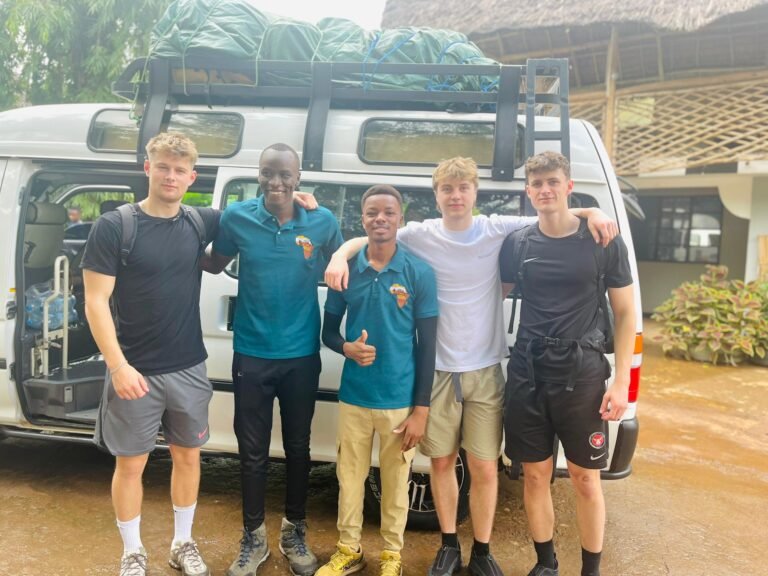
Tanzania Photography Safari Prices: Your Comprehensive Guide 2026-2027
Planning a photography safari in Tanzania for 2026 or 2027? This guide breaks down the expected costs, helping you budget for an unforgettable wildlife photography adventure. Learn what...
View package details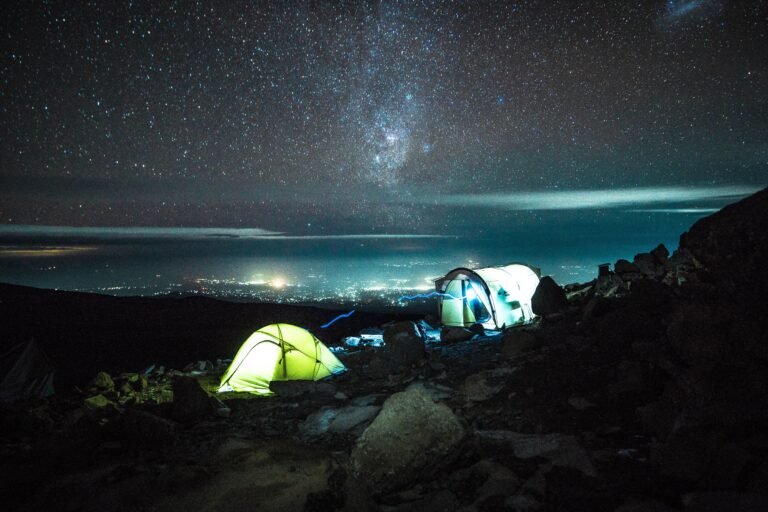
Tanzania Wildlife Safari Cost Breakdown: Your Budget Guide 2026-2027
Planning a Tanzania wildlife safari involves understanding the key cost components. This guide provides a detailed breakdown for 2026-2027, covering everything from park fees and...
View package detailsKatavi National Park: Tanzanias Untamed Wilderness Safari Guide 2026-2027
Katavi National Park offers an unparalleled safari experience in Tanzania's remote wilderness. This guide explores its vast landscapes, abundant wildlife, best visiting times for 2026-2027...
View package details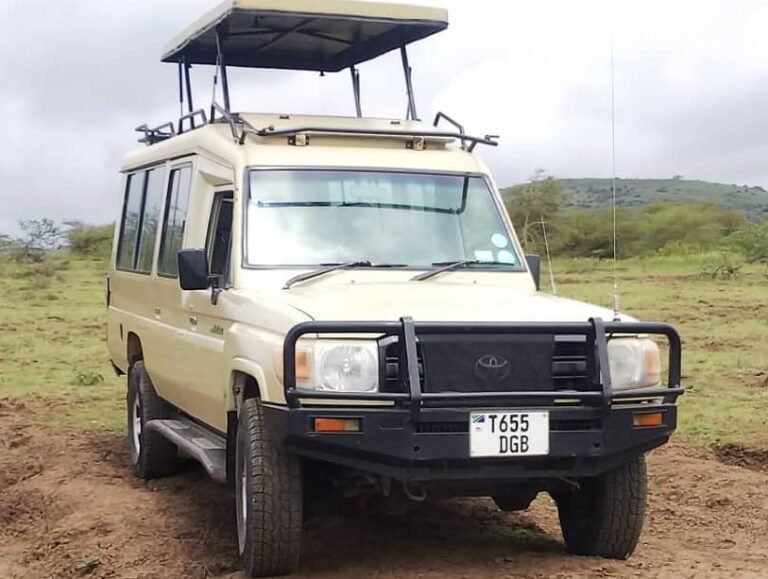
Ruaha Walking Safari Cost: What To Expect For Adventures 2026-2027
Understand the estimated costs for a Ruaha walking safari in 2026-2027. This guide breaks down the price elements, helping you budget for an unforgettable Tanzanian adventure.
View package details
Ngorongoro Conservation Area: Your Ultimate Tanzania Safari Guide 2026-2027
Explore the unparalleled biodiversity and unique landscape of the Ngorongoro Conservation Area. This comprehensive guide covers everything you need to know for planning your 2026-2027...
View package details
Tanzania Fly-In Safari Prices 2026-2027
Tanzania Fly-In Safari Prices is explained with current 2026-2027 planning, price, itinerary and booking information.
View package details
Tanzania Group Safari Cost Guide
Planning a Tanzania group safari in 2026-2027? This comprehensive guide breaks down the Tanzania group safari cost, detailing what influences prices, typical inclusions, and how to budget...
View package details
Tanzania Budget Safari Prices: Your Guide To Affordable Adventures 2026-2027
Planning a budget safari in Tanzania for 2026 or 2027? Understand the typical price ranges, what influences costs, and how to get the most value for your money. This guide breaks down the...
View package details
Tanzania Luxury Safari Cost: Planning Your Dream Trip 2026-2027
Planning a luxury safari in Tanzania? Discover the typical costs involved for 2026-2027, what drives the price, and what to expect in terms of inclusions and value for an unparalleled...
View package details
Tanzania Honeymoon Safari Prices: Your Ultimate Guide 2026-2027
Planning a romantic Tanzanian honeymoon safari? This guide breaks down the expected prices for 2026-2027, covering various factors that influence costs, typical inclusions, and how to get...
View package detailsNo related package matches those filters. Clear one or more filters to see the other topic-matched options.



