
A comprehensive Tanzania safari packing list for every season involves layering versatile, neutral-colored clothing, sturdy footwear, sun protection, insect repellent, a good camera, binoculars, and essential personal items. For the dry seasons (June-October, January-February), focus on lighter layers and warmer evenings, while the wet seasons (March-May, November-December) require waterproof gear and quick-drying fabrics. Always pack essentials like a first-aid kit, medications, and documents, ensuring you are prepared for diverse conditions and activities throughout your 2026-2027 adventure.
Understanding Tanzania’s Seasons: The Key to Your Safari Packing List
Tanzania, a jewel of East Africa, offers unparalleled wildlife viewing opportunities. However, the experience can be significantly influenced by its distinct seasons. Understanding these climatic variations is paramount to crafting the perfect Tanzania safari packing list for every season. This ensures you remain comfortable, safe, and fully equipped, whether you’re witnessing the Great Migration across the Serengeti plains or exploring the Ngorongoro Crater’s unique ecosystem. For travelers planning trips in 2026 and 2027, a well-prepared packing strategy is your first step towards an unforgettable adventure.
Tanzania generally experiences two main seasons: the dry season and the wet season. Within these, there are sub-seasons that further dictate what you should pack. The dry season is further divided into the cooler, dry months and the hotter, dry months, while the wet season includes the long rains and the short rains.
The long dry season, from June to October, is often considered the peak safari time. The landscape is dry, making wildlife congregating around water sources easier to spot. Temperatures are generally pleasant, though evenings and early mornings can be quite cool, especially in higher altitudes like the Ngorongoro Conservation Area or during a Kilimanjaro trek preparation. This period demands layers.
The short dry season, or ‘kame’, typically occurs in January and February. This is a hot and dry period, ideal for birdwatching as migratory birds are present. It’s also a fantastic time for calving season in the southern Serengeti. Packing for this season means focusing on lightweight, breathable clothing to combat the heat, but still keeping a light layer for cooler nights.
The long rainy season, from March to May, sees heavier rainfall, often in the afternoons, though mornings can be clear. This is the ‘green season’, with lush landscapes and fewer tourists. It’s crucial to pack waterproofs and quick-drying items. Prices can also be lower during this period, making it an attractive option for budget-conscious travelers in 2026-2027.
The short rainy season, or ‘vuli’, usually falls between November and December. These rains are typically lighter and more sporadic than the long rains, often occurring as afternoon showers. The landscape starts to green up, and wildlife viewing remains excellent. Similar to the long rains, waterproofs and quick-drying clothes are beneficial.
By understanding these nuances, we can build a dynamic Tanzania safari packing list for every season that prioritizes comfort, practicality, and preparedness for the diverse environments and potential weather changes you might encounter.
The Core Essentials: Your Foundational Tanzania Safari Packing List
Regardless of the season, certain items are non-negotiable for any Tanzanian safari. These are the foundational pieces of your Tanzania safari packing list for every season, forming the bedrock of your travel preparedness. Investing in quality versions of these essentials will enhance your comfort and enjoyment immensely.
Clothing: The Art of Layering and Neutral Tones
When it comes to safari clothing, versatility and practicality are key. The goal is to pack light but smart, ensuring you have appropriate attire for game drives, walking safaris, cultural visits, and relaxing evenings. Neutral colors are highly recommended as they blend in with the environment, minimizing disturbance to wildlife and reducing the visibility of dust and dirt.
- Lightweight Trousers/Pants: 2-3 pairs. Opt for breathable, quick-drying fabrics like nylon or cotton blends. Convertible pants that zip off into shorts can be very useful. Avoid bright colors or camouflage patterns (which can be associated with military wear and may be restricted in some areas).
- Shorts: 1-2 pairs. Ideal for warmer days, especially during the hot dry season. Ensure they are comfortable for sitting in a safari vehicle for extended periods.
- Long-Sleeved Shirts: 2-3. These are crucial for sun protection during the day and for keeping warm during cooler mornings and evenings. They also offer protection against insects. Lightweight, breathable fabrics are best.
- T-shirts/Polo Shirts: 3-4. Comfortable for layering or wearing on their own during warmer parts of the day. Moisture-wicking fabrics are excellent.
- Fleece Jacket or Warm Pullover: 1-2. Essential for cooler mornings and evenings, especially in June, July, August, and September, and at higher altitudes.
- Lightweight Waterproof Jacket/Poncho: 1. Crucial for the rainy seasons (March-May, November-December) and can also serve as a windbreaker during cooler periods. A breathable, waterproof-repellent jacket is ideal.
- Underwear: Sufficient for your trip duration, plus a couple extra. Consider moisture-wicking options.
- Socks: 4-5 pairs. Comfortable, breathable socks are vital. Consider a mix of thinner socks for warmer days and thicker, moisture-wicking ones for cooler mornings or longer walks. Wool or synthetic blends are good choices.
- Pajamas/Sleepwear: Lightweight and comfortable for sleeping.
Footwear: Comfort and Protection
Your feet will carry you through varied terrains and long days. Comfortable, broken-in footwear is essential.
- Comfortable Walking Shoes/Hiking Boots: 1 pair. If you plan on doing walking safaris or hikes (e.g., around lodges or during cultural visits), sturdy, broken-in hiking boots with good ankle support are recommended. Ensure they are waterproof if traveling during the rainy seasons.
- Comfortable Sneakers/Trainers: 1 pair. Ideal for daily wear, especially around lodges, during transfers, and for casual activities. They should be breathable.
- Sandals/Flip-flops: 1 pair. Useful for relaxing at the lodge or in camp, allowing your feet to breathe.
Headwear and Eyewear: Battling the Sun
The African sun can be intense. Protecting your head and eyes is crucial for comfort and preventing heatstroke.
- Wide-brimmed Hat: 1. Essential for sun protection during game drives and walking. A hat with a chin strap is useful for windy conditions.
- Sunglasses: 1-2 pairs. Polarized sunglasses are best for reducing glare.
Accessories: The Supporting Cast
These items often get overlooked but can make a significant difference to your safari experience.
- Scarf or Bandana: 1-2. Useful for protecting your neck from the sun, wiping away dust, or adding warmth.
- Small Backpack or Daypack: 1. For carrying essentials like water, camera, sunscreen, and snacks during game drives and excursions.
- Reusable Water Bottle: 1. Staying hydrated is vital. Many lodges and camps provide filtered water refill stations.
Seasonal Adjustments: Tailoring Your Tanzania Safari Packing List
While the core essentials remain constant, specific seasonal adjustments are crucial for maximizing comfort and preparedness. A truly effective Tanzania safari packing list for every season requires this level of detail.
Packing for the Dry Season (June – October & January – February)
The dry seasons offer fantastic wildlife viewing, but require attention to temperature fluctuations.
Cooler Dry Season (June – August)
This period is characterized by sunny days and significantly cooler mornings and evenings. Temperatures can drop to 10-15°C (50-59°F), especially at higher elevations like the Ngorongoro Crater rim or during early morning game drives. The Serengeti can feel quite chilly before the sun rises.
- Emphasize Warm Layers: Pack an extra fleece jacket or a warm, insulated jacket. A thermal base layer can be very beneficial for early mornings.
- Longer Sleeves and Trousers: Ensure you have enough long-sleeved shirts and pants to wear for warmth.
- Warm Hat and Gloves: Consider packing a warm beanie and gloves for the coldest parts of the day.
- Scarf: A thicker scarf or neck gaiter can be very useful for retaining warmth.
Hotter Dry Season (September – October & January – February)
These months are generally hotter and drier. Daytime temperatures can reach 30-35°C (86-95°F), especially in the Serengeti and lower-lying areas. While evenings can still be mild, the focus shifts to staying cool during the day.
- Lightweight, Breathable Fabrics: Prioritize cotton, linen, and moisture-wicking synthetic materials.
- More Shorts and T-shirts: Pack an extra pair of shorts and more short-sleeved shirts.
- Sun Protection is Paramount: Ensure your wide-brimmed hat and sunglasses are in good condition. Consider packing a lightweight, long-sleeved shirt specifically for sun protection, even if it feels warm.
- Hydration is Key: A reusable water bottle is more important than ever.
Packing for the Wet Season (March – May & November – December)
The wet seasons bring lush landscapes and fewer crowds, but require gear that can handle moisture.
Long Rains (March – May)
This is the most significant rainy period, with heavy downpours common, though often interspersed with sunny spells. Roads can become muddy and impassable in certain areas. Temperatures are generally warm and humid, ranging from 20-30°C (68-86°F).
- Waterproofs are Essential: A good quality, breathable waterproof jacket and waterproof trousers are a must. A waterproof hat or hood is also highly recommended.
- Quick-Drying Clothing: Prioritize synthetic fabrics or treated cotton that dry quickly. Avoid heavy denim or thick cotton that will stay wet for a long time.
- Waterproof Footwear or Protection: Waterproof hiking boots are ideal if you plan on walking. If not, consider waterproof shoe covers or be prepared for your regular shoes to get wet. Sandals can be useful for quick changes in camp.
- Extra Clothes: Pack a few extra pairs of socks and underwear, as drying can be slower.
- Plastic Bags/Dry Bags: Useful for keeping electronics, important documents, and spare clothes dry inside your luggage.
Short Rains (November – December)
The short rains are typically less intense, often manifesting as short, sharp afternoon showers. The landscape begins to green, and temperatures are warm, similar to the long rains.
- Lightweight Waterproofs: A lighter waterproof jacket is usually sufficient. A poncho can also be a practical option.
- Quick-Drying Clothing: Still highly recommended.
- Focus on Comfort: While rain is possible, much of the time will still be pleasant for safaris. Balance rain gear with comfortable, breathable clothing.
Specialist Gear and Photography Considerations
For many, a safari is a special photographic opportunity. Ensuring you have the right gear can elevate your experience and your captures.
Camera Equipment
Tanzania’s wildlife offers incredible photographic potential. Consider the following:
- Camera Body: A DSLR or mirrorless camera offers the most flexibility.
- Lenses:
- Telephoto Lens: A 70-300mm, 100-400mm, or even a 200-500mm lens is highly recommended for capturing wildlife from a distance.
- Wide-Angle Lens: Useful for landscape shots and when animals are close. A 24-70mm or similar is a good choice.
- Prime Lens: A fast prime lens (e.g., 50mm f/1.8) can be good for low light and portraits if animals are very close.
- Extra Batteries: Essential, as charging opportunities can be limited.
- Memory Cards: Plenty of high-capacity cards. Consider bringing more than you think you’ll need.
- Tripod/Monopod: Optional, but helpful for stabilizing shots, especially with long lenses or in low light. Beanbags are often provided in safari vehicles for camera support.
- Camera Bag: A sturdy, comfortable bag to protect your gear. Consider a dust-proof bag.
- Lens Cleaning Kit: Essential for keeping lenses free of dust and smudges.
- Rain Cover for Camera: Particularly important during the wet seasons.
Binoculars
Even with a camera, binoculars are indispensable for spotting distant wildlife, identifying birds, and enhancing your overall viewing experience. A pair with 8x or 10x magnification is generally recommended for safaris.
Other Electronics
- Power Bank/Portable Charger: Crucial for keeping phones, cameras, and other devices charged on the go, especially during long game drives or in remote camps.
- Universal Travel Adapter: Tanzania uses Type G sockets (the UK style) with a voltage of 230V. Ensure your adapter covers this and that your devices are compatible or have voltage converters.
- Headlamp or Small Flashlight: Essential for navigating camps at night, especially in tented accommodations.
Health and Safety: Essential Items for Your Tanzania Safari Packing List
Your well-being is paramount. Packing a comprehensive health and safety kit is a critical part of your Tanzania safari packing list for every season.
First-Aid Kit
A well-stocked personal first-aid kit should include:
- Assorted bandages and sterile gauze pads
- Adhesive tape
- Antiseptic wipes
- Pain relievers (e.g., ibuprofen, paracetamol)
- Antihistamines (for allergies or insect bites)
- Motion sickness medication (if prone, for winding roads)
- Antidiarrheal medication (e.g., Imodium)
- Rehydration salts
- Antacid tablets
- Small scissors and tweezers
- Any personal prescription medications (with copies of prescriptions)
- Burn cream or aloe vera gel
- Hand sanitizer
Insect Repellent
Malaria is present in Tanzania, particularly in lower-lying areas and during the wet season. Protecting yourself from mosquito bites is vital.
- DEET-based Repellent: A repellent with at least 30-50% DEET is highly effective. Apply it to exposed skin, especially during dawn and dusk.
- Pre-treated Clothing/Mosquito Net: While most accommodations provide mosquito nets, having treated clothing can add an extra layer of protection.
Sunscreen and Lip Balm
The equatorial sun is strong. Pack a high SPF (30-50+) broad-spectrum sunscreen and a lip balm with SPF.
Prescription Medications
Carry all necessary prescription medications in their original packaging, along with a copy of your prescription. Ensure you have enough for the entire trip, plus a few extra days.
Hand Sanitizer and Wet Wipes
These are invaluable for maintaining hygiene, especially when facilities are basic or during game drives.
Personal Items and Toiletries
While most lodges provide basic toiletries, it’s wise to pack your preferred items.
- Toiletries: Toothbrush, toothpaste, shampoo, conditioner, soap/body wash, deodorant. Travel-sized items are ideal for saving space.
- Personal Hygiene Products: Tampons, sanitary pads, etc.
- Contact Lenses and Solution / Glasses: Bring spares.
- Small Mirror: Useful in basic accommodations.
- Nail Clippers and File.
- Small Sewing Kit: For minor repairs.
Documents and Finances: The Administrative Essentials
These are critical for smooth travel and entry into Tanzania.
- Passport: Must be valid for at least six months beyond your intended stay and have sufficient blank pages.
- Visa: Check requirements for your nationality. Many nationalities can obtain a visa on arrival or apply online in advance.
- Yellow Fever Vaccination Certificate: May be required depending on your travel route and entry points. Check current regulations.
- Travel Insurance Documents: Essential for medical emergencies, trip cancellations, lost luggage, etc.
- Flight Tickets and Itinerary: Printed copies and digital versions.
- Credit/Debit Cards: Inform your bank of your travel dates.
- Cash: USD is widely accepted for visas, tips, and souvenirs. Small denominations are useful for tips. Euros are also sometimes accepted. Carry some Tanzanian Shillings for smaller purchases.
- Copies of Important Documents: Keep digital and physical copies of your passport, visa, insurance, and flight details separate from the originals.
Packing Your Luggage: Soft Bags vs. Hard Cases
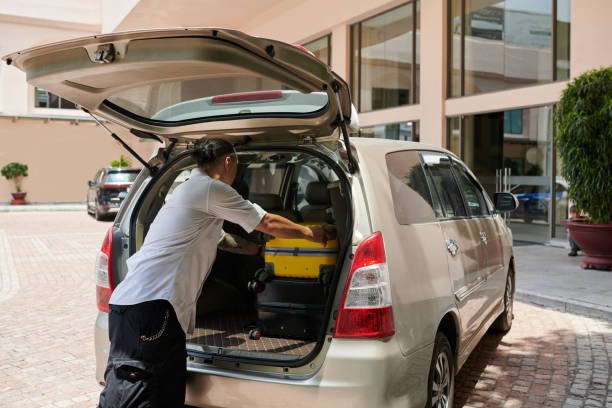
A common question is about luggage type. For most Tanzanian safaris, especially those involving small bush planes or limited vehicle space, soft-sided duffel bags are highly recommended.
- Soft Duffel Bags: These are flexible and can be easily stowed in safari vehicles and small aircraft. They typically have weight limits (often around 15-20 kg / 33-44 lbs), so packing light is essential. Ensure it has a secure locking mechanism.
- Hard-Sided Suitcases: These are generally discouraged. They are bulky, difficult to fit into safari vehicles, and can be challenging for luggage handlers.
Tip: If you have excess luggage, some lodges or tour operators can store it for you while you are on safari. Discuss this with your tour operator, like Top Guide Adventures, before your trip.
What NOT to Pack for Your Tanzania Safari
Avoiding certain items can save space and prevent unnecessary complications.
- Brightly Colored Clothing: Can startle wildlife and attract insects. Stick to earthy tones.
- Camouflage Clothing: Can be mistaken for military attire and may be prohibited in some African countries.
- Expensive Jewelry and Valuables: Best left at home to avoid theft or loss.
- Excessive Toiletries: Lodges often provide basics. Pack travel sizes and only your essentials.
- High-Heeled Shoes or Fashionable Footwear: Impractical for safari activities and rough terrain.
- Camouflage Bags: Similar to clothing, avoid camouflage patterns for bags.
- Plastic Bags: Tanzania has banned single-use plastic bags to protect the environment. While a few small ziplock bags for organizing may be tolerated, avoid bringing large plastic shopping bags.
- Too Much Luggage: Stick to the weight limits, especially for internal flights.
Special Considerations for Specific Safari Activities
Your Tanzania safari packing list for every season might need minor adjustments based on planned activities.
Walking Safaris
If your itinerary includes walking safaris (e.g., in the Serengeti, Ngorongoro, or near Mount Kilimanjaro), consider:
- Sturdy Hiking Boots: Essential for ankle support and traction on uneven terrain.
- Long Trousers: Provide protection against scratches, thorns, and insects.
- Insect Repellent: Apply thoroughly before walking.
- Water Bottle: Stay hydrated during physical activity.
Cultural Visits (e.g., Maasai Village)
When visiting local communities, dressing respectfully is important.
- Modest Clothing: Long skirts, dresses, or trousers are appropriate. Avoid revealing clothing.
- Closed-toe Shoes: Comfortable for walking around villages.
- A Small Gift: Consider small, practical items like school supplies or pens for children, or sugar/tea for elders, if approved by your guide.
Kilimanjaro Treks
If your safari is combined with a Kilimanjaro climb, the packing list becomes significantly more extensive, requiring specialized gear for cold, high-altitude conditions. This includes thermal layers, waterproofs, insulated jackets, gloves, hats, and sturdy hiking boots. Top Guide Adventures can provide detailed Kilimanjaro-specific packing lists for trekkers planning their climb for 2026 or 2027.
Packing for Children on Safari
If you’re traveling with children, adapt the list accordingly:
- Comfortable Clothing: Choose durable, easy-to-wash items in neutral colors.
- Sun Protection: High SPF sunscreen, hats with chin straps, and sunglasses are essential.
- Entertainment: Books, small games, or drawing materials for downtime.
- Snacks: Pack familiar snacks for picky eaters.
- Child-Friendly Insect Repellent: Use products specifically designed for children.
- Small Backpack: Let them carry their own essentials.
Leveraging Technology for a Smarter Safari Pack
Modern technology can simplify your packing and enhance your trip.
- Packing Apps: Use apps to create and manage your packing list, ensuring you don’t forget anything.
- Digital Copies of Documents: Store scanned copies of your passport, visa, insurance, and tickets in a secure cloud service or on your phone.
- E-readers: Save space and weight by carrying books digitally.
- Portable Chargers: Keep all your devices powered up.
Tips for Packing Light and Efficiently
Maximizing space and minimizing weight is crucial, especially with soft-sided luggage and potential flight restrictions.
- Choose Versatile Items: Select clothing that can be mixed and matched and serves multiple purposes (e.g., a scarf that can be a head covering, a shawl, or warmth).
- Roll, Don’t Fold: Rolling clothes saves space and reduces wrinkles.
- Use Packing Cubes: These help organize your luggage and compress clothing.
- Wear Bulkiest Items on Travel Days: Wear your hiking boots and heaviest jacket during flights.
- Limit Shoes: Aim for a maximum of three pairs: one for walking/hiking, one for casual wear, and one pair of sandals.
- Wash Clothes: Many lodges offer laundry services, which can allow you to pack fewer items. Factor in costs and time for this.
The Role of Your Tour Operator in Packing Advice
A reputable tour operator like Top Guide Adventures is your best resource for tailored packing advice. We understand the specific conditions across Tanzania, from the heat of the Serengeti in 2026 to the potential rain in the Selous in 2027. We can provide:
- Seasonal Recommendations: Based on current weather patterns and forecasts.
- Activity-Specific Gear Lists: For walking safaris, cultural visits, or Kilimanjaro climbs.
- Luggage Restrictions: Clear guidance on weight and type of luggage for internal flights.
- Health Advice: Information on necessary vaccinations and precautions.
- Gear Rental Options: For items like sleeping bags or specialized clothing if needed for specific activities.
Don’t hesitate to reach out to us with any questions. You can contact us via WhatsApp at +255616946642 or email us at info@topguideadventurestanzania.com or topguideadventures@gmail.com. Our goal is to ensure your safari is comfortable, safe, and truly memorable.
Final Check: Your Pre-Departure Tanzania Safari Packing List Review
Before you zip up your bags for your Tanzanian adventure in 2026-2027, take a moment for a final review of your Tanzania safari packing list for every season.
Key Checklist Items:
- Documents: Passport, visa, flight details, insurance, vaccination certificates.
- Clothing: Neutral, layered, breathable, and season-appropriate items.
- Footwear: Comfortable, broken-in, and suitable for activities.
- Health: Personal first-aid kit, prescribed medications, insect repellent, sunscreen.
- Electronics: Camera, spare batteries, power bank, adapter.
- Accessories: Hat, sunglasses, binoculars, daypack.
- Luggage: Soft-sided duffel bag within weight limits.
Packing smart is the first step to a successful safari. By carefully considering the season, planned activities, and essential items, you can ensure you’re well-prepared for the wonders that await you in Tanzania. Whether it’s the dramatic landscapes of the Serengeti, the unique ecosystem of the Ngorongoro Crater, or the vibrant culture of Zanzibar, a well-packed bag means peace of mind and more focus on the incredible experience.
Ready to plan your tailor-made Tanzanian safari for 2026 or 2027? Contact the experts at Top Guide Adventures today. We specialize in creating unforgettable journeys with personal attention and dedicated support. Reach us via WhatsApp at +255616946642 or email us at info@topguideadventurestanzania.com or topguideadventures@gmail.com to start crafting your dream adventure.
Check Availability for Tanzania Safari Packing List For Every Season: Your Expert Guide 2026-2027
Ready to compare dates, prices, and the best option for your group? Send the package name and travel month so the team can reply with a clear quote, availability, and what is included.
Tanzania Safari Cost Guide For Every Budget 2026-2027
Tanzania Safari Cost Guide for Every Budget is explained with current 2026-2027 planning, price, itinerary and booking information.
View package details
Tanzania Private Safari Prices 2026-2027
Tanzania Private Safari Prices is explained with current 2026-2027 planning, price, itinerary and booking information.
View package details
Tanzania Photography Safari Prices: Your Comprehensive Guide 2026-2027
Planning a photography safari in Tanzania for 2026 or 2027? This guide breaks down the expected costs, helping you budget for an unforgettable wildlife photography adventure. Learn what...
View package details
Tanzania Wildlife Safari Cost Breakdown: Your Budget Guide 2026-2027
Planning a Tanzania wildlife safari involves understanding the key cost components. This guide provides a detailed breakdown for 2026-2027, covering everything from park fees and...
View package details
Katavi National Park: Tanzanias Untamed Wilderness Safari Guide 2026-2027
Katavi National Park offers an unparalleled safari experience in Tanzania's remote wilderness. This guide explores its vast landscapes, abundant wildlife, best visiting times for 2026-2027...
View package details
Ngorongoro Conservation Area: Your Ultimate Tanzania Safari Guide 2026-2027
Explore the unparalleled biodiversity and unique landscape of the Ngorongoro Conservation Area. This comprehensive guide covers everything you need to know for planning your 2026-2027...
View package details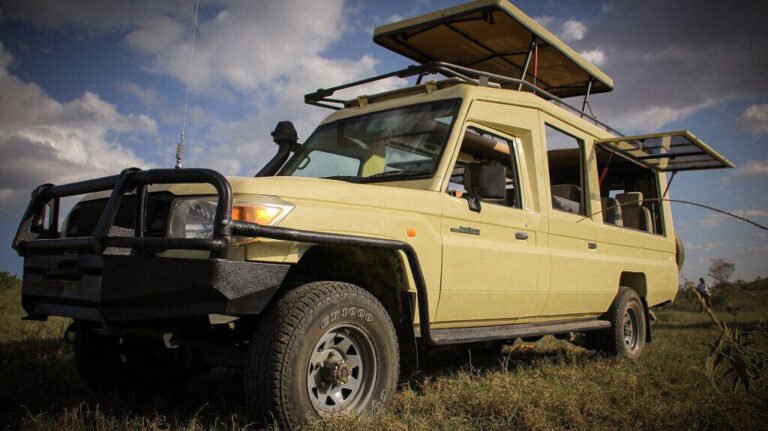
Tanzania Fly-In Safari Prices 2026-2027
Tanzania Fly-In Safari Prices is explained with current 2026-2027 planning, price, itinerary and booking information.
View package details
Tanzania Group Safari Cost Guide
Planning a Tanzania group safari in 2026-2027? This comprehensive guide breaks down the Tanzania group safari cost, detailing what influences prices, typical inclusions, and how to budget...
View package details
Tanzania Budget Safari Prices: Your Guide To Affordable Adventures 2026-2027
Planning a budget safari in Tanzania for 2026 or 2027? Understand the typical price ranges, what influences costs, and how to get the most value for your money. This guide breaks down the...
View package details
Tanzania Luxury Safari Cost: Planning Your Dream Trip 2026-2027
Planning a luxury safari in Tanzania? Discover the typical costs involved for 2026-2027, what drives the price, and what to expect in terms of inclusions and value for an unparalleled...
View package details
Tanzania Honeymoon Safari Prices: Your Ultimate Guide 2026-2027
Planning a romantic Tanzanian honeymoon safari? This guide breaks down the expected prices for 2026-2027, covering various factors that influence costs, typical inclusions, and how to get...
View package details
Tanzania Family Safari Cost: Planning Your Adventure 2026-2027
Planning a family safari in Tanzania for 2026 or 2027? This comprehensive guide breaks down the Tanzania family safari cost, detailing what influences your budget, typical price ranges, and...
View package detailsNo related package matches those filters. Clear one or more filters to see the other topic-matched options.



