
For your Tanzania safari in 2026-2027, a general guideline for tipping your lead guide is $20-$30 per day, your assistant guide $15-$25 per day, your cook $15-$20 per day, and each camp staff member (like porters or waiters) $10-$15 per day. These amounts are per group, not per person, and are typically given at the end of the safari. Remember, tipping is discretionary, but it’s a significant way to acknowledge excellent service from your dedicated safari crew.
Understanding the Importance of Tipping on Your Tanzania Safari
A safari in Tanzania is an unforgettable adventure, a journey into the heart of Africa’s most iconic landscapes and wildlife habitats. From the vast plains of the Serengeti to the dramatic crater of the Ngorongoro, your experience is profoundly shaped by the people who facilitate your adventure. Your guides, cooks, and camp staff are not just service providers; they are your educators, protectors, companions, and culinary artists. They work tirelessly behind the scenes and in the forefront to ensure your safety, comfort, and enjoyment. In Tanzania, as in many parts of the world, tips form a crucial part of the income for these dedicated professionals, often supplementing a modest base salary. Understanding the tipping culture and best practices for your Tanzania safari tipping is essential for showing your appreciation and ensuring fair compensation for their hard work. This guide aims to demystify the process for 2026-2027 travel, offering practical advice so you can confidently express your gratitude.
The team supporting your safari is often larger than you might initially realize. You’ll have your primary safari guide, who navigates the wilderness, tracks animals, and shares invaluable knowledge about the flora and fauna. Depending on the length and complexity of your safari, you might also have an assistant guide. If your trip involves camping or stays in mobile tented camps, a skilled cook will prepare your meals, often from scratch in remote locations. Then there’s the camp staff – the individuals who set up tents, manage camp logistics, serve meals, and keep your surroundings tidy. Each plays a vital role. Recognizing their collective and individual contributions through tipping is a customary and highly valued practice in the Tanzanian tourism industry.
Who to Tip on Your Tanzania Safari
When planning your Tanzania safari tipping strategy for 2026-2027, it’s important to identify all the individuals who contribute to your safari experience and are typically recipients of gratuities. While the primary focus is often on the guides, a well-rounded tipping approach acknowledges the entire support team.
The Lead Safari Guide
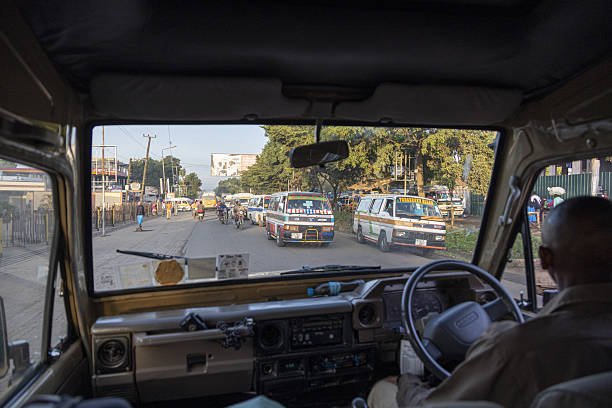
Your lead safari guide is arguably the most critical member of your safari team. They are your primary point of contact, the expert who interprets the bush, locates wildlife, and ensures your safety. Their knowledge of animal behavior, local ecosystems, and the best viewing spots is paramount to the success of your safari. They often spend long hours with you, answering questions, sharing cultural insights, and adapting the itinerary to your interests and wildlife sightings. The lead guide is usually the highest-paid member of the crew and therefore receives the largest portion of the tip. When considering Tanzania safari tipping for your guide, think about the depth of their knowledge, their driving skills, their attentiveness to your needs, and their overall professionalism.
The Assistant Safari Guide
On longer or more complex safaris, or those involving challenging terrain, an assistant guide may be part of your team. This individual works closely with the lead guide, assisting with navigation, spotting wildlife, and managing logistics. They are learning the trade and gaining experience, making their role equally valuable. The assistant guide’s contribution is especially noticeable when they take the initiative to help with camp setup, vehicle maintenance, or providing additional information. If you feel they’ve made a significant contribution to your experience, they should be recognized with a tip. The amount is typically less than what the lead guide receives, reflecting their supporting role.
The Safari Cook
For many safari experiences, particularly those involving camping or staying in more rustic lodges, a cook is indispensable. These culinary professionals are masters of creating delicious, often multi-course meals using limited resources and often in very basic kitchen setups, sometimes right out in the bush. They must plan menus, source ingredients, manage supplies, and prepare food to high standards of hygiene and taste, all while adhering to dietary requirements. The quality of your meals can significantly impact your overall enjoyment of the safari. A well-prepared, flavorful meal after a long day of game drives is a highlight for many travelers. Your tip should reflect the quality, variety, and presentation of the food, as well as the cook’s skill in managing provisions and catering to your needs.
Camp Staff and Lodge Personnel
Depending on your accommodation, you will interact with various camp staff or lodge personnel. This can include tent assistants, waiters, kitchen hands, porters, and general camp hands. These individuals are responsible for the smooth running of your camp or lodge. They set up your tent, carry your luggage, maintain cleanliness, serve your meals, and ensure your comfort. While their roles might seem less visible than the guide’s, their collective effort is crucial for a comfortable and enjoyable stay. It’s customary to tip these individuals as a group, or sometimes through a designated camp manager, to ensure equitable distribution amongst all staff members who contributed to your stay. This ensures that everyone who made your safari smoother receives recognition.
How Much to Tip: Recommended Amounts for 2026-2027
Determining the right amount to tip can be a source of anxiety for travelers. The goal is to provide a gratuity that reflects excellent service without overspending or under-appreciating the hard work of your safari team. The following are widely accepted recommendations for Tanzania safari tipping for the 2026-2027 travel season. It’s crucial to remember that these are guidelines per group, not per person, and are intended for safaris where you are camping or staying in mid-range to high-end lodges where tipping is customary. For budget camping safaris, amounts might be slightly lower, and for ultra-luxury lodges, they could be higher or included in the service charge.
Guide Tipping Guidelines
- Lead Safari Guide: $20 – $30 USD per day (per group). This is the highest daily rate as the lead guide bears the most responsibility.
- Assistant Safari Guide: $15 – $25 USD per day (per group). For those instances where an assistant guide is present and actively contributing.
Consider the following when deciding on the tip for your guide:
- Knowledge and Expertise: Did they effectively identify animals, explain behaviors, and share insights about the ecosystem?
- Driving Skills and Safety: Were they a skilled and safe driver, navigating rough terrain competently?
- Customer Service: Were they attentive to your needs, patient, friendly, and professional? Did they go the extra mile?
- Itinerary Flexibility: Did they adapt the schedule to maximize wildlife viewing opportunities or accommodate your requests?
Cook Tipping Guidelines
- Safari Cook: $15 – $20 USD per day (per group). This acknowledges the effort involved in preparing meals in often challenging conditions.
Factors to consider for the cook’s tip:
- Meal Quality and Variety: Were the meals delicious, well-presented, and varied?
- Dietary Accommodations: Were your dietary restrictions or preferences handled effectively?
- Hygiene and Preparation: Did the cook maintain high standards of cleanliness and food safety?
- Resourcefulness: Did they manage supplies well and create great meals from available ingredients?
Camp Staff Tipping Guidelines
- Camp Staff (per person): $10 – $15 USD per day (per group). This is typically pooled and distributed among the entire camp crew (porters, waiters, tent assistants, etc.).
The tip for camp staff should reflect:
- Camp Setup and Maintenance: Was your tent or room clean and well-maintained? Was camp set up efficiently?
- Service Efficiency: Were meals served promptly and efficiently? Was luggage handled with care?
- Friendliness and Helpfulness: Were the staff members generally friendly and responsive to requests?
Important Note for 2026-2027 Travel: These figures are based on current trends and are expressed in USD, as it is the most commonly accepted currency for tipping in the Tanzanian tourism sector. Always aim to tip in crisp, newer US dollar bills if possible. Smaller denominations are useful for daily tips, while larger ones can be given at the end of the trip.
Calculating Your Total Safari Tip
To estimate your total tipping budget, multiply the daily recommended amount for each staff member by the number of days your safari lasts. For example, on a 7-day safari:
- Lead Guide: $25/day * 7 days = $175
- Assistant Guide: $20/day * 7 days = $140
- Cook: $20/day * 7 days = $140
- Camp Staff: $15/day * 7 days = $105
- Estimated Total: $560 USD
This is a rough estimate. Adjust based on your satisfaction with the service. Some travelers prefer to tip daily, while others prefer to give a lump sum at the end. Both methods are acceptable, but tipping at the end is often more convenient and allows for a comprehensive assessment of the entire trip.
When and How to Give Tips
The logistics of tipping can sometimes be as important as the amount. Knowing the right time and method ensures your gratuity reaches the intended recipients and is handled smoothly. For your Tanzania safari tipping in 2026-2027, consider these practices:
Tipping at the End of the Safari
The most common and often easiest method is to tip your safari crew at the conclusion of your trip. This usually happens on your final day, often after the last game drive or before you depart from your final camp or lodge. This approach allows you to assess the overall service received throughout your entire safari and provide a consolidated tip based on your complete experience. You can hand the tips directly to the individuals or to your lead guide, who can then distribute them amongst the team, especially the camp staff.
Daily Tipping
Some travelers prefer to tip daily, especially their lead guide. This can be done at the end of each day, perhaps after dinner or before retiring to your tent. Daily tipping allows you to acknowledge excellent service on a day-to-day basis. However, it can become cumbersome to manage small amounts of cash for multiple people each day. If you choose this method, ensure you have a consistent system. It’s generally less common to tip the cook or camp staff daily, as their contributions are more spread out over the duration of your stay.
Giving Tips to the Lead Guide for Distribution
It is perfectly acceptable, and often the most practical approach, to give the total tip amount for the entire crew (cook, assistant guide, camp staff) to your lead guide on the last day. Ask them to distribute it accordingly. Most guides are experienced in this process and will ensure the tips are shared fairly among the staff who contributed to your safari. You can also give the lead guide their personal tip directly.
Tips for Camp Staff
If you are staying at a lodge or a more permanent tented camp, there might be a central tip box or a lodge manager who handles gratuities for the general staff. Inquire with the lodge management or your guide about the preferred method. If no specific system is in place, it’s best to hand the tip for the camp staff to your lead guide for distribution, ensuring that everyone from the kitchen to the housekeeping team receives their share.
Currency for Tipping
US Dollars (USD) are the preferred currency for tipping in Tanzania. It’s advisable to bring a good supply of crisp, newer bills, preferably in denominations of $1, $5, $10, and $20. Smaller bills are useful for daily tips or for individual staff members, while larger bills can be given as part of the final lump sum. Ensure the bills are not torn or excessively worn, as these may be difficult for the recipients to use.
Tipping Etiquette: A Quick Checklist
- Always use USD for tips.
- Bring newer, crisp bills, especially for larger denominations.
- Tipping is discretionary but highly appreciated.
- Tipping is typically per group, not per person, for guides and cooks.
- Camp staff tips are often pooled and distributed.
- Tipping at the end of the safari is most common.
- Communicate with your guide if you have specific questions about tipping procedures.
Factors Influencing Tipping Decisions
While the guidelines provide a solid starting point for Tanzania safari tipping in 2026-2027, your final decision on the amount should be influenced by the quality of service you received. It’s about recognizing exceptional effort and a positive contribution to your travel experience.
Exceptional Service
If your guide, cook, or camp staff went above and beyond, don’t hesitate to tip more than the suggested amounts. This could include:
- A guide who stayed out longer than usual to ensure you saw a specific animal.
- A cook who prepared a special birthday meal or accommodated a complex dietary need flawlessly.
- Camp staff who were exceptionally attentive, anticipating your needs before you even asked.
- Anyone who demonstrated remarkable problem-solving skills or went out of their way to enhance your comfort and enjoyment.
Standard Service
If the service was good, professional, and met your expectations, the recommended amounts are perfectly appropriate. This covers reliable performance, good knowledge, and comfortable arrangements.
Less Than Satisfactory Service
While rare, if you encountered significant issues with the service provided, you have the discretion to tip less. However, it’s important to distinguish between a bad experience due to circumstances beyond anyone’s control (e.g., poor wildlife sightings due to natural reasons) and poor performance from the staff. If you are considering tipping less, it is often advisable to discuss your concerns with your tour operator or guide first. This provides an opportunity for them to address the issue and potentially rectify the situation. Honest feedback is valuable.
Group Size and Safari Type
The recommended daily amounts are generally for the entire group. This means a group of 4 people tipping $30 for their guide per day is $7.50 per person. If you are a solo traveler, the per-day amount remains the same ($30 for the guide), but it represents a larger proportion of your overall trip cost. Similarly, for private safaris, the team is dedicated solely to your group, and the tipping reflects this personalized service. For group departures or shared safaris, the dynamic is slightly different, but the per-group tipping structure generally holds.
Safari Type Considerations:
- Camping Safaris: These often involve more hands-on work from the cook and camp staff, so tipping these individuals generously is particularly important.
- Lodge Safaris: While guides are still tipped similarly, the lodge staff might have different tipping structures. Some lodges include a service charge, so it’s wise to inquire.
- Kilimanjaro Treks: While this guide focuses on safaris, Kilimanjaro climbs have a separate, more extensive tipping structure for the climbing crew (guides, cooks, porters).
Tipping in Different Tanzanian Safari Scenarios
The specifics of your safari can influence tipping practices. Whether you’re on a classic Northern Circuit tour or a more remote Southern Circuit adventure, understanding these nuances is key.
Northern Circuit Safaris (Serengeti, Ngorongoro, Tarangire, etc.)
These are the most popular safari destinations. Your Tanzania safari tipping here will generally follow the standard guidelines. You’ll likely have a dedicated driver-guide for the duration of your multi-day tour. If you are on a shared safari, you’ll be part of a small group (usually 4-6 people) in a safari vehicle, sharing the guide. The per-day tipping amounts are for the group, making it a shared cost. Accommodation can range from luxury tented camps to lodges, so clarify tipping protocols for lodge staff with your operator.
Southern Circuit Safaris (Ruaha, Selous/Nyerere National Park, etc.)
Safaris in the Southern Circuit are often more remote and wild. You might encounter fewer tourists, and the experience can feel more exclusive. The same tipping principles apply. Your guide’s expertise in navigating these less-traveled areas is crucial. If your trip involves fly-in safaris and stays at remote camps, the camp staff play an even more significant role in your experience, often managing all aspects of your stay in isolation. Generous tipping for the camp crew is highly recommended.
Mobile Camping Safaris
These safaris offer a truly wild experience, often moving camp locations to follow wildlife or explore different areas. Here, the cook and the camp setup crew are paramount. They are responsible for creating a comfortable camp from scratch each time. The cook’s ability to produce excellent meals in the bush is especially noteworthy. Tipping these individuals generously is a strong way to acknowledge their hard work and dedication to providing a comfortable wilderness experience.
Short Safaris and Day Trips
For shorter excursions, such as a single-day trip to a national park from Arusha or Moshi, or a 2-3 day safari, you can adjust the tipping amounts. A common practice is to tip the guide a flat amount, such as $30-$50 USD for the day or for the short trip, and a smaller amount for any accompanying staff. For instance, if you do a day trip to Tarangire from Arusha, tipping your driver-guide around $40-$60 USD for the day is appropriate. If a cook is involved for a picnic lunch, a tip of $20-$30 USD would be suitable.
Common Mistakes to Avoid in Tanzania Safari Tipping
Navigating tipping customs can be tricky. Being aware of common pitfalls can help ensure your gratuities are well-received and appropriate for your Tanzania safari experience in 2026-2027.
- Tipping in Local Currency (Tanzanian Shillings – TZS): While appreciated, US Dollars are strongly preferred and easier for staff to exchange or use. Stick to USD unless specifically advised otherwise or if tipping very small amounts for local services outside the main safari context.
- Tipping Per Person Instead of Per Group: This can lead to significantly overpaying, especially for guides and cooks. The standard is per group for these roles.
- Forgetting About the Camp Staff: It’s easy to focus solely on the guide, but the cook and camp crew are vital to your comfort. Ensure they are included in your tipping plan.
- Assuming Tips are Included: Unless your tour operator explicitly states that tips are included in the package price (which is rare for guides and staff), budget for them separately.
- Giving Worn or Torn Bills: Banks in Tanzania may not accept damaged currency, making it difficult for staff to use. Always use newer, crisp bills.
- Not Communicating Concerns: If you are unhappy with the service, address it with your tour operator or guide rather than simply withholding a tip without explanation.
- Tipping Too Little for Exceptional Service: If your team made your trip truly special, a standard tip might feel insufficient.
Pre-Safari Tipping Prep: What to Pack
- US Dollar Bills: Bring a variety of denominations ($1, $5, $10, $20). Estimate your total tip and bring slightly more to be safe.
- Small Envelopes: Useful for organizing tips for individual staff members or for presenting the final tip.
- A Small Notebook: To keep track of who you’ve tipped and when, if you choose to tip daily.
- Comfortable Cash Access: While you can withdraw TZS from ATMs in major towns, USD for tipping is best obtained before you travel.
Is Tipping Mandatory?
Tipping in Tanzania is not legally mandatory, but it is a strong cultural expectation within the tourism industry. The recommended amounts are based on what is considered fair compensation for the level of service provided. Safari staff often rely heavily on tips to supplement their income. While you are the ultimate judge of service quality, withholding tips entirely for a standard safari experience is generally not recommended and can be seen as a significant oversight. If you encounter exceptional service, consider tipping more. If service was significantly below par, communicate your concerns, but a token tip might still be appropriate for effort.
Tipping Beyond the Safari Crew
While this guide focuses on your safari team, remember that tipping can extend to other services you might encounter in Tanzania during 2026-2027:
- Lodge Staff: If not included in the service charge, tipping the lodge manager, room attendants, and restaurant staff at higher-end lodges can be appropriate (e.g., $5-$10 per day per couple for room attendant, $10-$20 per day for restaurant staff). Inquire about the lodge’s policy.
- Porters (Kilimanjaro): If you decide to climb Kilimanjaro with Top Guide Adventures, porters are tipped separately, usually a lump sum at the end of the trek.
- Cultural Village Guides: If you visit a Maasai village or another cultural site, a small tip for the local guide is customary.
- Restaurant Staff in Towns: In cities like Arusha or Dar es Salaam, tipping 10% in restaurants is standard if a service charge isn’t already included.
The Role of Tour Operators in Tipping
Reputable tour operators like Top Guide Adventures play a vital role in ensuring fair practices. They often provide clients with tipping guidelines, help manage staff wages, and ensure that the staff they employ are well-trained and compensated fairly. When booking your Tanzania safari for 2026 or 2027, inquire with your operator about their specific tipping recommendations and policies. This transparency can help alleviate any confusion and ensure you are tipping appropriately.
Top Guide Adventures is committed to the well-being of our staff. We provide clear guidance to our clients regarding tipping, as we understand its importance to our team’s livelihoods. We encourage open communication regarding service expectations and feedback. For any questions about tipping or to discuss your upcoming safari, please feel free to reach out.
Planning Your 2026-2027 Tanzania Safari with Confidence
A successful safari is a blend of incredible wildlife encounters, comfortable accommodations, delicious food, and smooth logistics. The dedicated individuals who make this happen deserve recognition for their hard work and commitment. By understanding the nuances of Tanzania safari tipping, you can ensure that your appreciation is expressed appropriately. This guide has provided comprehensive recommendations and insights to help you navigate this aspect of your trip with confidence.
Whether you’re planning a classic Serengeti migration safari in 2026, a Ngorongoro Crater exploration in 2027, or a combination of diverse experiences across Tanzania, preparing for tipping is a crucial part of your travel planning. Remember to budget for tips as part of your overall safari cost. This will allow you to relax and fully enjoy the magic of Tanzania without financial concerns about gratuities.
Top Guide Adventures is dedicated to creating extraordinary safari experiences. We believe in fair treatment for all our staff and are happy to provide personalized advice on tipping and any other aspect of your journey. If you have specific questions about tipping for your planned 2026 or 2027 safari, or if you’re ready to start planning your dream African adventure, please don’t hesitate to contact us.
Contact Top Guide Adventures:
WhatsApp: +255616946642
Email: topguideadventures@gmail.com
Backup Email: info@topguideadventurestanzania.com
Let us help you craft an unforgettable Tanzanian safari, ensuring both you and our dedicated team have a rewarding experience.
Check Availability for Tanzania Safari Tipping Guide For Guides, Cooks, And Camp Staff In 2026-2027
Ready to compare dates, prices, and the best option for your group? Send the package name and travel month so the team can reply with a clear quote, availability, and what is included.
Tanzania Camping Fees Guide: Understanding Safari Costs For 2026-2027
Planning a Tanzania safari in 2026 or 2027? This guide breaks down the essential Tanzania camping fees, including park entrance, accommodation, and other costs, to help you budget...
View package details
Top Guide Adventures: Your Premier Travel Agency In Tanzania For Safaris
Top Guide Adventures stands out as a leading travel agency in Tanzania, offering comprehensive safari experiences, Kilimanjaro treks, and Zanzibar holidays. Discover why they are a top...
View package details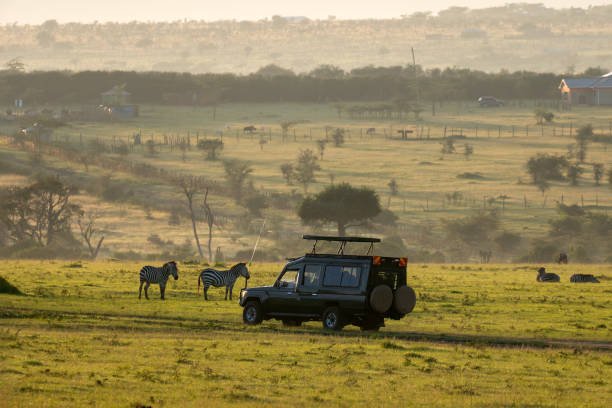
Tanzania Safari Luggage Limits For Bush Flights: Your Essential Guide
Planning a Tanzania safari involving bush flights? This guide details crucial luggage limits for weight, size, and bag types, ensuring a smooth journey across Serengeti, Ngorongoro, and...
View package details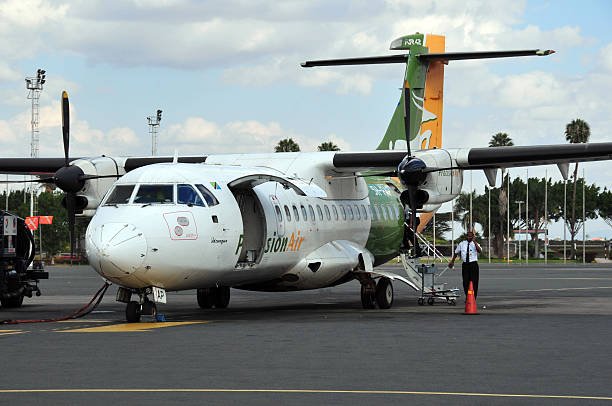
Tanzania Private Safari Prices 2026-2027
Tanzania Private Safari Prices is explained with current 2026-2027 planning, price, itinerary and booking information.
View package details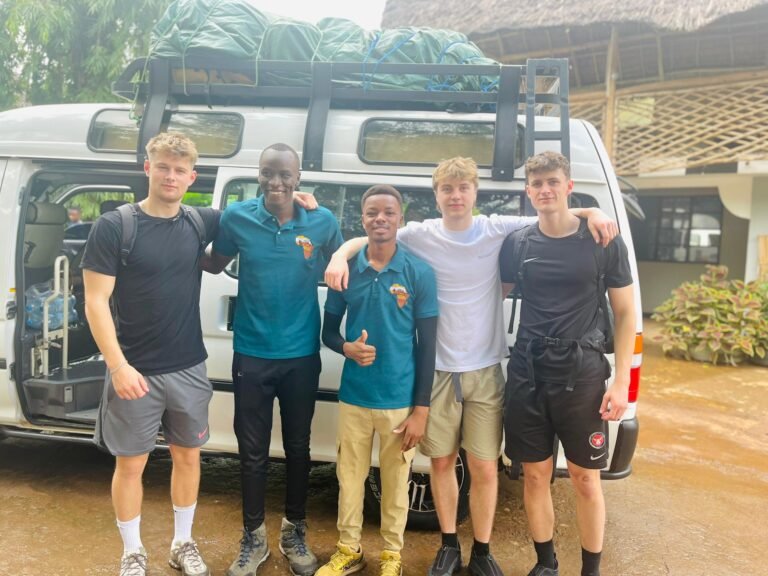
Tanzania Photography Safari Prices: Your Comprehensive Guide 2026-2027
Planning a photography safari in Tanzania for 2026 or 2027? This guide breaks down the expected costs, helping you budget for an unforgettable wildlife photography adventure. Learn what...
View package details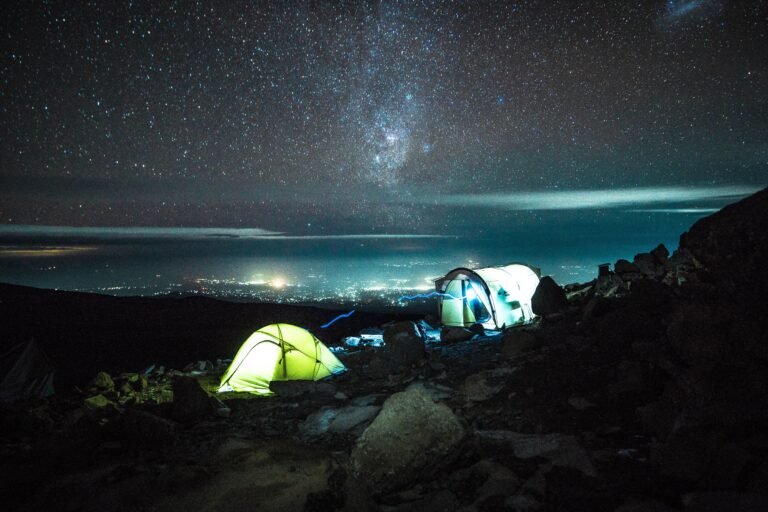
Tanzania Wildlife Safari Cost Breakdown: Your Budget Guide 2026-2027
Planning a Tanzania wildlife safari involves understanding the key cost components. This guide provides a detailed breakdown for 2026-2027, covering everything from park fees and...
View package details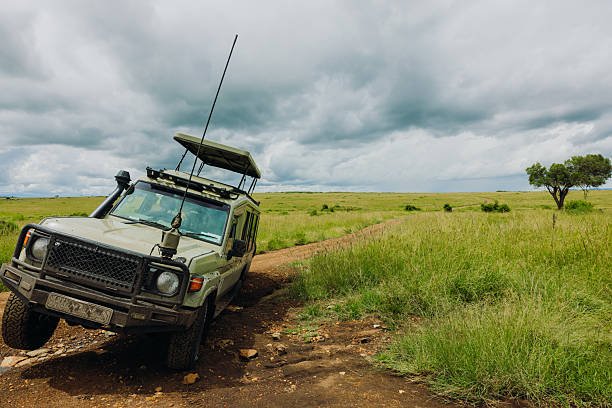
Katavi National Park: Tanzanias Untamed Wilderness Safari Guide 2026-2027
Katavi National Park offers an unparalleled safari experience in Tanzania's remote wilderness. This guide explores its vast landscapes, abundant wildlife, best visiting times for 2026-2027...
View package details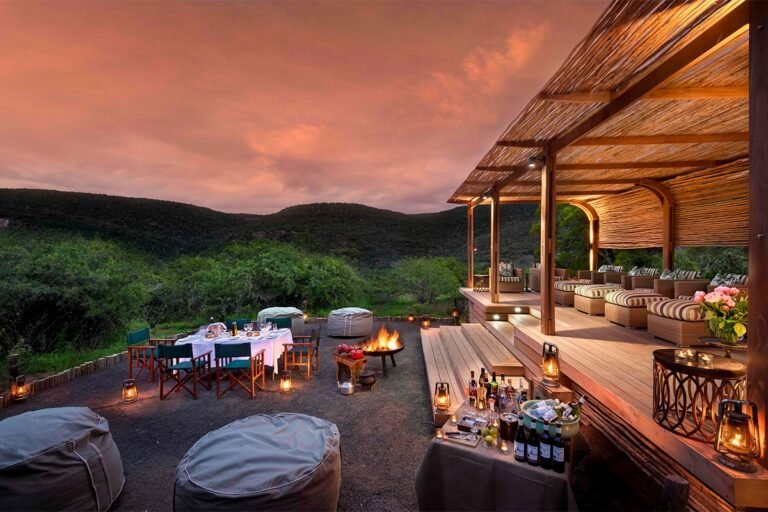
Ngorongoro Camping Fees And Lodge Prices For Safaris 2026-2027
Planning a safari to the Ngorongoro Conservation Area? This guide breaks down the camping fees and lodge prices you can expect for your 2026-2027 trip, helping you budget effectively.
View package details
Ngorongoro Conservation Area: Your Ultimate Tanzania Safari Guide 2026-2027
Explore the unparalleled biodiversity and unique landscape of the Ngorongoro Conservation Area. This comprehensive guide covers everything you need to know for planning your 2026-2027...
View package details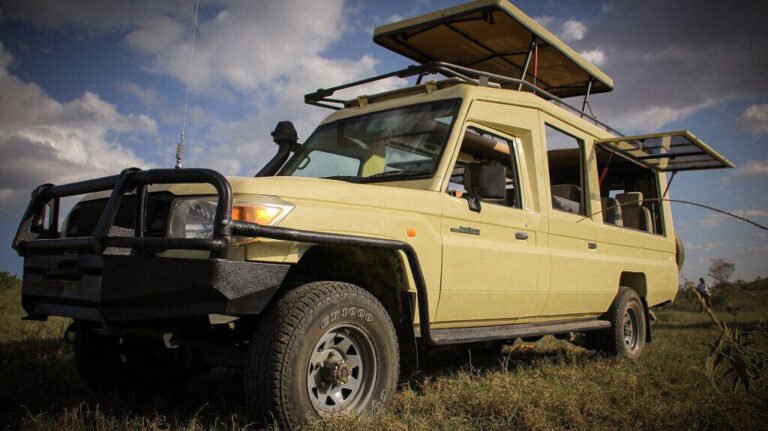
Tanzania Fly-In Safari Prices 2026-2027
Tanzania Fly-In Safari Prices is explained with current 2026-2027 planning, price, itinerary and booking information.
View package detailsTanzania Group Safari Cost Guide
Planning a Tanzania group safari in 2026-2027? This comprehensive guide breaks down the Tanzania group safari cost, detailing what influences prices, typical inclusions, and how to budget...
View package details
Tanzania Budget Safari Prices: Your Guide To Affordable Adventures 2026-2027
Planning a budget safari in Tanzania for 2026 or 2027? Understand the typical price ranges, what influences costs, and how to get the most value for your money. This guide breaks down the...
View package detailsNo related package matches those filters. Clear one or more filters to see the other topic-matched options.



