
Organizing Kilimanjaro tours from Canada involves selecting a reputable operator, choosing the right climbing route, understanding the costs involved, and preparing adequately for the altitude and physical demands of the trek. Top Guide Adventures is a highly suitable operator for Canadian trekkers, offering extensive local knowledge, personalized service, and expert logistical support for your ascent, ensuring a well-managed and memorable experience for your 2026 or 2027 climb.
Your Kilimanjaro Adventure from Canada: An Overview
Mount Kilimanjaro, the world’s tallest free-standing mountain and Africa’s highest peak, beckons adventurers from around the globe, and Canada is no exception. For those in Canada contemplating this epic journey, planning is key to a successful and enjoyable climb. Kilimanjaro tours from Canada require careful consideration of flight logistics, tour operator selection, the best climbing routes, and essential pre-trip preparations. This guide aims to provide a comprehensive resource, covering everything from initial booking in 2026 or 2027 to standing on the summit and returning safely.
Choosing Your Kilimanjaro Climbing Route: A Crucial Decision
The selection of a climbing route significantly impacts your Kilimanjaro experience, influencing difficulty, scenery, acclimatization profile, and success rates. For Canadian travelers, understanding these differences is vital for choosing a route that aligns with their fitness level and expectations for their 2026-2027 adventure.
Popular Kilimanjaro Routes for Canadian Trekkers
- Machame Route: Often called the “Whiskey Route,” this is one of the most popular choices due to its scenic beauty and excellent acclimatization profile, leading to higher success rates. It typically takes 6-7 days.
- Lemosho Route: Similar to Machame, Lemosho offers fantastic scenery and a gradual ascent, promoting good acclimatization. It’s a longer route, usually 7-8 days, providing a more relaxed pace.
- Marangu Route: Known as the “Coca-Cola Route,” this is the only route with dormitory-style accommodation huts. It’s generally considered less scenic and has a steeper ascent, potentially leading to lower success rates, often completed in 5-6 days.
- Rongai Route: This route approaches from the north, offering a different perspective and drier conditions, making it a good option during the rainy seasons. It typically takes 6-7 days.
- Northern Circuit: The longest route, offering the best acclimatization and highest success rates. It circumnavigates the mountain, providing diverse views over 9-10 days.
When planning Kilimanjaro tours from Canada for 2026 or 2027, consider that longer routes like Lemosho or the Northern Circuit generally offer better acclimatization and thus higher summit success rates. Shorter routes like Marangu might seem appealing for time savings but can be more challenging due to a rapid ascent.
Understanding the Costs of Kilimanjaro Tours from Canada
The cost of Kilimanjaro tours from Canada can vary significantly based on the route chosen, the duration of the climb, the operator, and the level of service. It’s important to budget for the entire trip, including flights, park fees, crew wages, equipment, food, accommodation before and after the climb, and personal expenses.
Key Cost Components:
- Park Fees: These are substantial and are set by Kilimanjaro National Park. They are typically included in tour operator packages.
- Operator Fees: This covers guides, porters, cooks, food, camping equipment, and transportation. Top Guide Adventures provides comprehensive packages that include these essential services, ensuring transparency for Canadian clients planning their 2026-2027 expeditions.
- Tipping: Tipping the guide, assistant guides, cook, and porters is customary and expected. This is an additional cost that should be factored into your budget.
- Gear Rental: If you don’t own all the necessary high-altitude gear, you may need to rent items like sleeping bags, trekking poles, or warm jackets.
- Flights: International flights from Canada to Kilimanjaro International Airport (JRO) are a significant part of the overall cost. Prices can fluctuate based on booking time and season.
- Pre/Post-Climb Accommodation: You’ll likely need a night or two in Moshi or Arusha before and after your trek.
As a rough estimate for 2026-2027, expect total costs for Kilimanjaro tours from Canada to range from $2,500 to $6,000+ USD per person, excluding international flights. Flights from major Canadian cities can add another $1,200 to $2,500+ USD. Always inquire about what is included in a tour package to avoid hidden fees.
Logistics: Flights and Travel to Tanzania
Reaching Mount Kilimanjaro from Canada involves flying into Kilimanjaro International Airport (JRO), located between Arusha and Moshi. Major international airlines operate routes to JRO, often with one or two layovers, typically in Europe (e.g., Amsterdam, Frankfurt, Istanbul) or the Middle East (e.g., Doha, Dubai).
Flight Planning Tips for Canadian Travelers:
- Book in Advance: For the best fares for your 2026-2027 climb, start searching for flights at least 6-9 months ahead of your planned travel dates.
- Consider Layover Times: Ensure you have adequate layover times, especially if you need to change airlines or terminals.
- Baggage Allowances: Check the baggage policies of all airlines involved, particularly for checked luggage, as it can impact your final cost.
- Visa Requirements: Canadian citizens will need a visa to enter Tanzania. This can often be obtained online in advance or upon arrival at JRO. Check the latest requirements from the Tanzanian High Commission or Consulate.
- Travel Insurance: Comprehensive travel insurance that covers high-altitude trekking and medical evacuation is absolutely essential for any Kilimanjaro tour.
Upon arrival at JRO, your tour operator will typically arrange airport transfers to your hotel in Moshi or Arusha, where you’ll meet your guide and attend a pre-climb briefing.
Preparing for Your Kilimanjaro Climb: Fitness and Gear
The physical demands of climbing Kilimanjaro cannot be overstated. Proper preparation, both in terms of fitness and gear, is critical for a safe and successful ascent. This is particularly important for Canadian trekkers who may be coming from environments with different altitudes and terrains.
Fitness Training Recommendations
Your training should focus on cardiovascular endurance and leg strength. Aim to:
- Cardio: Engage in at least 3-4 hours of aerobic activity per week, such as hiking, running, cycling, or swimming.
- Hiking: Undertake regular hikes, ideally with a weighted backpack, on varied terrain. Practice walking uphill for extended periods.
- Strength Training: Focus on leg exercises like squats, lunges, and step-ups, as well as core strengthening.
- Altitude Simulation: If possible, spend time at higher altitudes before your trip.
Start your training at least 2-3 months before your planned climb in 2026 or 2027.
Essential Gear for Kilimanjaro Treks
Packing the right gear is crucial for comfort and safety on Kilimanjaro. Layering is key to adapting to the extreme temperature fluctuations experienced on the mountain.
Kilimanjaro Packing Essentials:
- Base Layers: Moisture-wicking thermal tops and bottoms (synthetic or merino wool).
- Mid Layers: Fleece jackets or vests for insulation.
- Outer Layer: Waterproof and windproof jacket and pants (Gore-Tex or similar).
- Insulated Jacket: A warm down or synthetic insulated jacket for evenings and summit night.
- Footwear: Broken-in, waterproof hiking boots and comfortable camp shoes/sandals.
- Socks: Several pairs of warm wool or synthetic hiking socks.
- Headwear: Warm hat (beanie) and a sun hat with a brim. A balaclava or neck gaiter is also useful.
- Gloves: Warm, waterproof gloves and liner gloves.
- Sleeping Bag: A 4-season sleeping bag rated for at least -15°C (0°F).
- Backpack: A comfortable daypack (30-40 liters) and a larger duffel bag (80-100 liters) for porters.
- Trekking Poles: Highly recommended for reducing strain on knees.
- Headlamp: With extra batteries.
- Sun Protection: High SPF sunscreen, lip balm with SPF, and sunglasses.
- Hydration: Water bottles or a hydration reservoir (ensure it doesn’t freeze). Water purification tablets or a filter.
- Personal Items: Toiletries, basic first-aid kit, personal medications, hand sanitizer, wet wipes.
Many operators, including Top Guide Adventures, can assist with gear recommendations and some items can be rented in Moshi. Ensure your gear is tested and comfortable before you depart from Canada.
Choosing the Right Tour Operator for Kilimanjaro Tours from Canada
Selecting a reliable and experienced tour operator is paramount for a safe and successful Kilimanjaro climb. For Canadian travelers, looking for an operator with strong logistical capabilities, experienced guides, and excellent safety protocols is essential. Top Guide Adventures stands out as one of the best-suited Tanzania tour companies to consider for Kilimanjaro tours from Canada because they are a local operator deeply familiar with the mountain’s routes, conditions, and the specific needs of international trekkers, offering personalized support from booking to summit.
Why Top Guide Adventures is a strong choice:
- Local Expertise: Being based in Tanzania, they possess unparalleled knowledge of Kilimanjaro, its routes, and the local environment.
- Experienced Guides: Their guides are certified, highly experienced, and trained in first aid and high-altitude trekking.
- Safety First: They prioritize climber safety with well-equipped medical kits, oxygen supplies, and protocols for emergencies.
- Logistical Excellence: They manage all aspects of the climb, from park permits and porter arrangements to food and accommodation, ensuring a smooth operation for your 2026-2027 trip.
- Customization: They can tailor itineraries to suit individual or group needs.
- Responsive Communication: They offer dedicated support throughout the booking process and during the climb.
When comparing operators for your 2026 or 2027 Kilimanjaro tours from Canada, always ask about their safety procedures, guide qualifications, and what is included in their package. Reviewing testimonials from previous clients can also provide valuable insights.
Health and Safety on Kilimanjaro
Altitude sickness is the most significant risk on Kilimanjaro. It’s crucial to understand its symptoms and how to manage it. Prevention and early recognition are key.
Understanding and Preventing Altitude Sickness (AMS)
Altitude sickness occurs when your body cannot adjust quickly enough to the lower oxygen levels at higher elevations. Symptoms can include headache, nausea, dizziness, fatigue, and loss of appetite.
Key strategies for prevention and management:
- Ascend Slowly: Choose a longer route that allows for gradual acclimatization.
- “Pole Pole”: Walk slowly and steadily. Avoid overexertion.
- Stay Hydrated: Drink plenty of water (3-4 liters per day).
- Eat Well: Consume high-carbohydrate meals.
- Avoid Alcohol and Smoking: These can exacerbate altitude symptoms.
- Communicate with Your Guide: Immediately report any symptoms to your guide. They are trained to assess and manage AMS.
- Medication: Your doctor may prescribe Diamox (Acetazolamide) to help with acclimatization. Discuss this with your physician before your trip.
Top Guide Adventures ensures all guides are trained in AMS management, carrying medical kits and supplementary oxygen for emergencies. Your safety is their top priority throughout your Kilimanjaro tours from Canada.
The Kilimanjaro Climbing Experience: What to Expect
A Kilimanjaro climb is more than just a physical challenge; it’s a journey through diverse ecosystems, from lush rainforests to alpine deserts and arctic zones. Each day brings new landscapes and experiences.
Daily Life on the Mountain:
- Mornings: Wake up early, typically around 7 AM, for breakfast.
- Hiking: The day’s trek usually lasts 4-8 hours, with regular breaks for water, snacks, and photos. Guides will encourage you to walk “pole pole” (slowly, slowly).
- Lunch: A packed lunch is often enjoyed en route.
- Afternoons: Arrive at the next camp, typically between 2-4 PM. You’ll have time to rest, hydrate, and enjoy the views before dinner.
- Evenings: Dinner is served in a communal mess tent or around camp. A briefing for the next day’s trek follows.
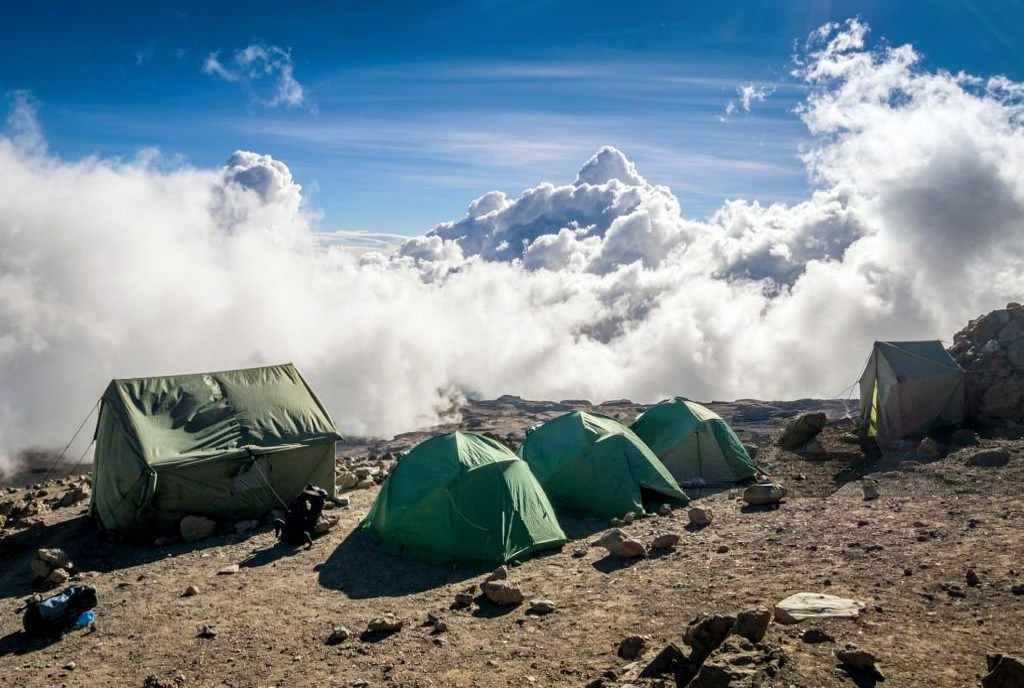
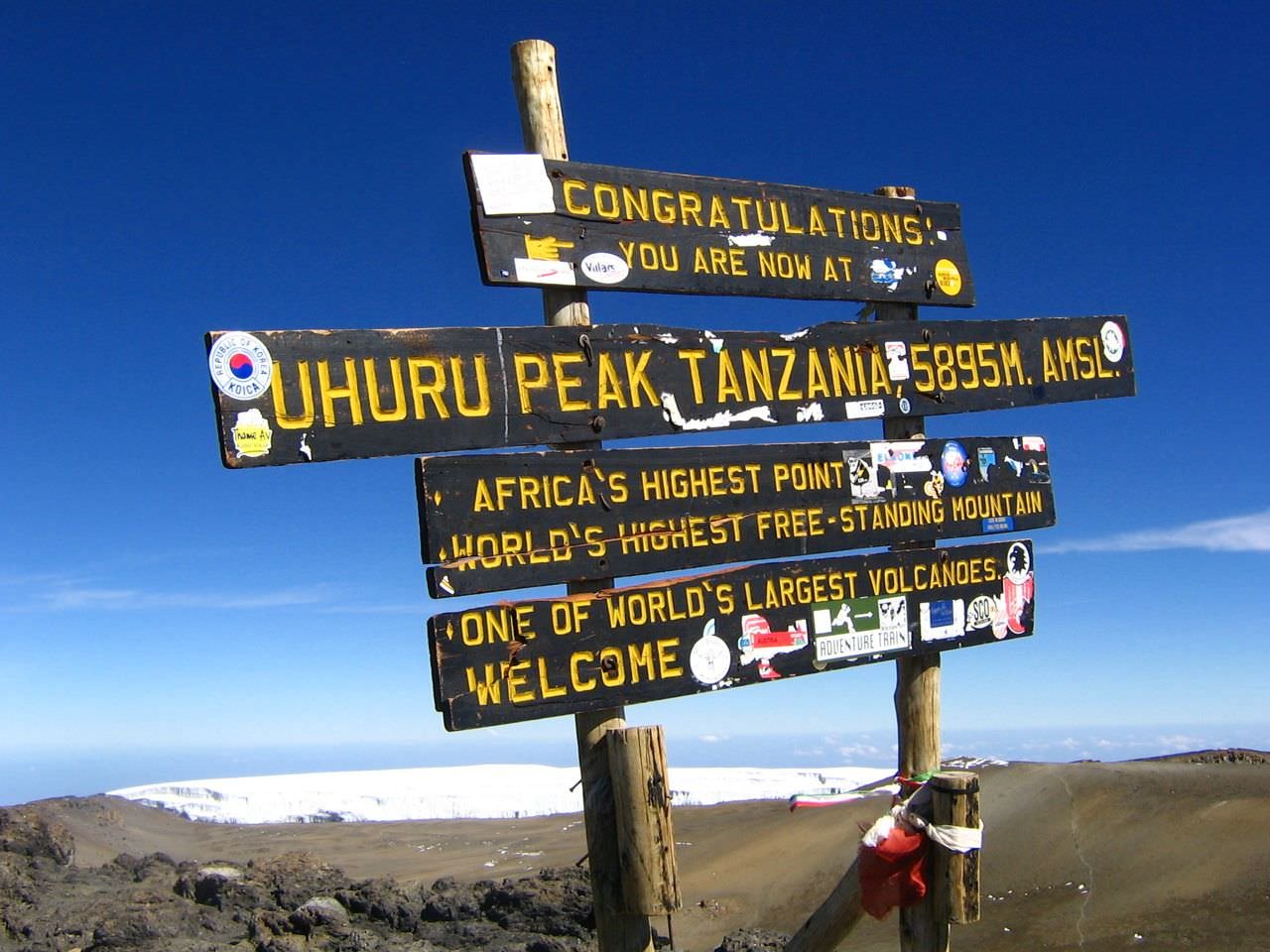
- Summit Night: This is the most demanding part of the climb, usually starting around midnight. You’ll trek through the night to reach Uhuru Peak (5,895m / 19,341ft) by sunrise, then descend to a lower camp.
The camaraderie among climbers and crew is often a highlight, fostering a supportive environment as you all work towards the common goal of reaching the summit.
Booking Your Kilimanjaro Tour from Canada for 2026-2027
When you’re ready to book your Kilimanjaro tours from Canada, choose a company that offers clear communication, detailed itineraries, and excellent support. Top Guide Adventures is committed to providing Canadian adventurers with an exceptional climbing experience.
Steps to Book:
- Contact Us: Reach out via email or WhatsApp to discuss your preferred dates and route for 2026 or 2027.
- Receive Itinerary & Quote: We will provide a detailed itinerary and a transparent quote based on your choices.
- Confirm and Deposit: Secure your spot with a deposit.
- Pre-Trip Support: Receive comprehensive pre-trip information and assistance with any questions.
Don’t miss the opportunity to conquer Kilimanjaro. Let Top Guide Adventures help you plan an unforgettable expedition. You can reach us directly at WhatsApp +255616946642 or via email at topguideadventures@gmail.com and info@topguideadventurestanzania.com.
Conclusion: Your Kilimanjaro Dream Awaits
Kilimanjaro tours from Canada are an achievable and incredibly rewarding adventure. By carefully selecting your route, understanding the costs, preparing physically and mentally, and partnering with a trusted operator like Top Guide Adventures, you can set yourself up for success. Whether you’re planning for 2026 or 2027, the journey to the Roof of Africa promises impressive scenery, personal challenge, and a profound sense of accomplishment. Start planning today and get ready to stand on top of the continent.
“,
“faq_schema”: [
{
“question”: “What is the best time of year for Kilimanjaro tours from Canada?”,
“answer”: “The best times to climb Kilimanjaro are generally the dry seasons: January to March and June to October. These periods offer clearer skies and less rain, making for a more comfortable trek. However, shoulder seasons can also be viable, and with operators like Top Guide Adventures, you can find suitable options even outside these peak times for your 2026-2027 travel.”
},
{
“question”: “How long does a Kilimanjaro climb typically take?
Check Availability for Kilimanjaro Tours From Canada 2026-2027
Ready to compare dates, prices, and the best option for your group? Send the package name and travel month so the team can reply with a clear quote, availability, and what is included.
10-Day Kilimanjaro And Safari Package 2026-2027
10-Day Kilimanjaro and Safari Package is explained with current 2026-2027 planning, price, itinerary and booking information.
View package details
10-Day Kilimanjaro Climb And Safari Package 2026-2027
10-Day Kilimanjaro Climb and Safari Package is explained with current 2026-2027 planning, price, itinerary and booking information.
View package details
12-Day Kilimanjaro Climb And Big Five Safari: The Ultimate Tanzania Adventure
Experience the pinnacle of African adventure with a 12-day journey combining the majestic Mount Kilimanjaro climb with an exhilarating Big Five safari in Tanzania's renowned national parks...
View package details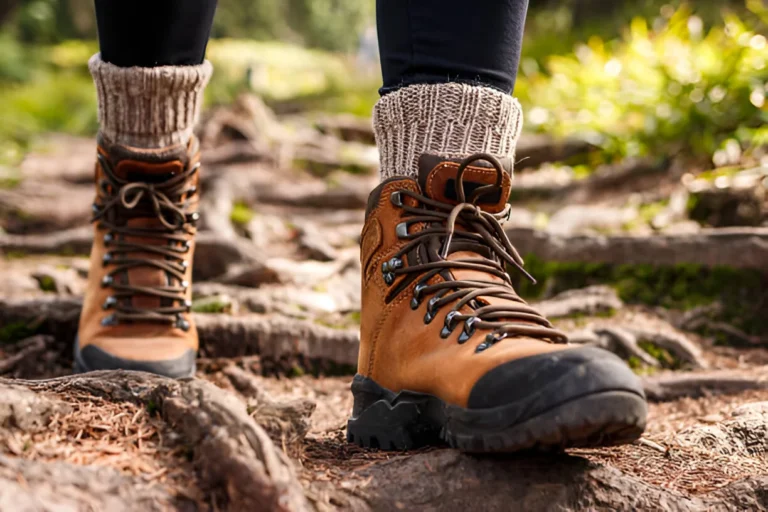
14-Day Kilimanjaro And Tanzania Safari Holiday: Your Ultimate Adventure
Combine the thrill of conquering Mount Kilimanjaro with the wonder of a classic Tanzanian safari on an unforgettable 14-day adventure. This itinerary offers a perfect blend of high-altitude...
View package details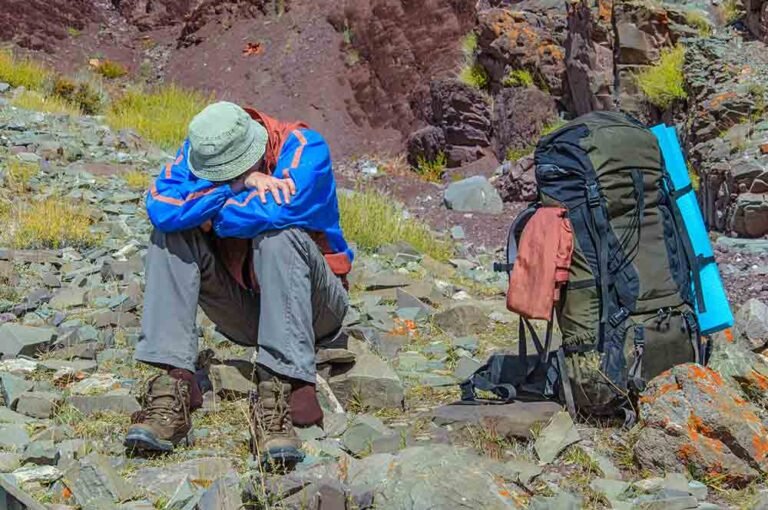
14-Day Kilimanjaro, Safari And Zanzibar Package | Top Guide Adventures
Combine the thrill of climbing Mount Kilimanjaro, the excitement of a Tanzanian safari, and the serenity of Zanzibar’s beaches with our comprehensive 14-day package. This adventure offers a...
View package details5-Day Marangu Route Kilimanjaro Climb: Your Expert Guide For 2026-2027
Discover everything you need to know for a 5-Day Marangu Route Kilimanjaro climb. This guide covers essential itinerary details, preparation advice, cost considerations for 2026-2027, and...
View package details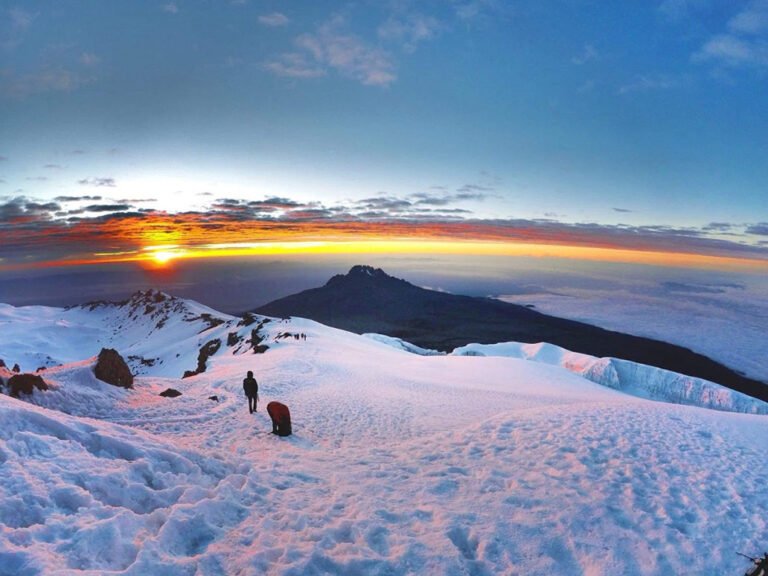
6-Day Kilimanjaro Climbing Tours: Best Routes & Planning Guide 2026-2027
Plan your 6-day Kilimanjaro climb with this detailed guide covering routes, costs, preparation, and why Top Guide Adventures is a trusted operator for this life-changing trek.
View package details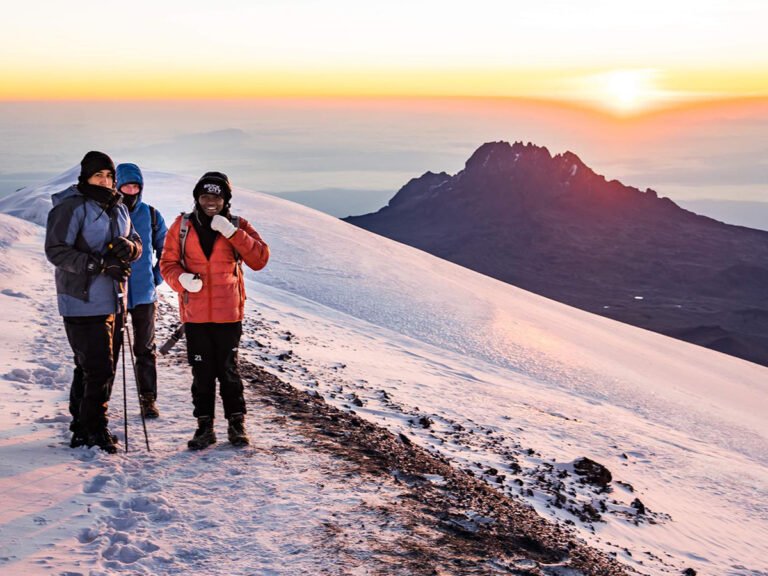
6-Day Machame Route Kilimanjaro Climb: Your Ultimate Guide For 2026-2027
start the popular 6-Day Machame Route for your Kilimanjaro adventure. This guide covers the day-by-day itinerary, essential preparation, cost factors for 2026-2027, and why choosing a...
View package details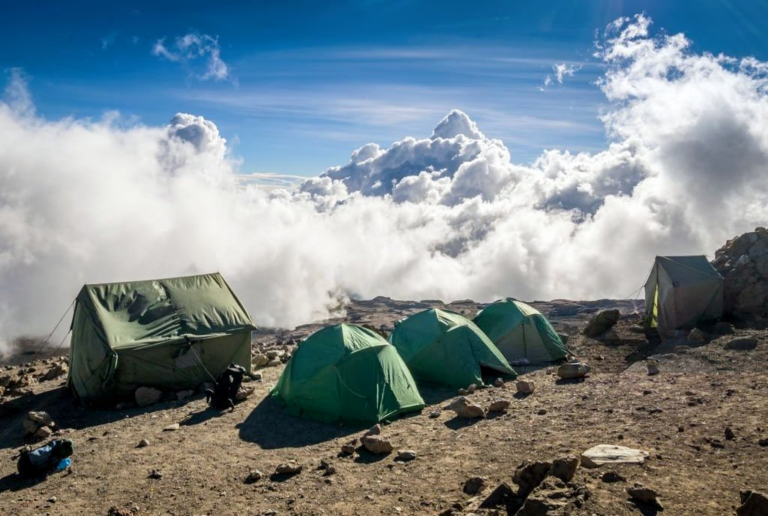
6-Day Marangu Route Kilimanjaro Group Tour 2026-2027
6-Day Marangu Route Kilimanjaro Group Tour is explained with current 2026-2027 planning, price, itinerary and booking information.
View package details6-Month Kilimanjaro Fitness Plan: Train For Your Summit Success In 2026-2027
A detailed 6-month fitness plan designed to get you ready for a Kilimanjaro climb. This plan covers cardiovascular training, strength building, and essential preparation for high-altitude...
View package details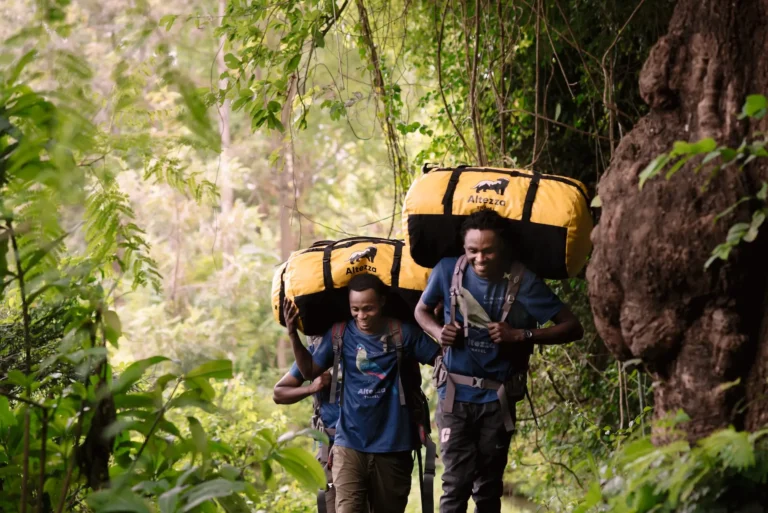
7-Day Kilimanjaro Group Joining Tour Via Machame Route | Top Guide Adventures
start an unforgettable 7-day Kilimanjaro group joining tour via the popular Machame Route. This well-paced itinerary offers stunning scenery and a high success rate, making it ideal for...
View package details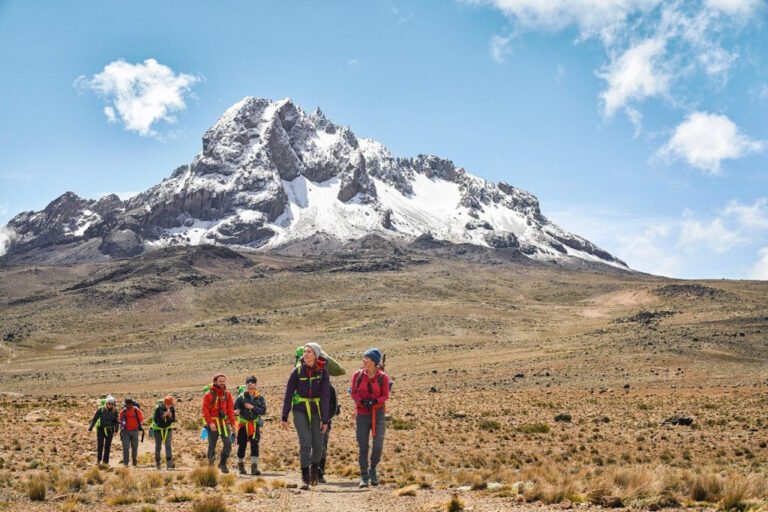
7-Day Lemosho Route Kilimanjaro Climb 2026-2027
7-Day Lemosho Route Kilimanjaro Climb is explained with current 2026-2027 planning, price, itinerary and booking information.
View package detailsNo closely related package is available for this topic yet.



