
Traveling from Australia to South Africa primarily involves long-haul flights, with direct routes being rare, necessitating at least one stopover, typically in the Middle East or Asia. The journey generally takes between 18 to 24 hours of flight time, excluding layovers, with costs varying significantly based on booking time, airline, and season. For 2026-2027 travel, it’s advisable to book flights several months in advance, especially for peak seasons like the Southern Hemisphere’s summer (December-February) or South Africa’s spring (September-November), to secure better fares and availability. Essential planning includes checking visa requirements for your nationality, understanding the best times to visit specific regions in South Africa, and preparing for the considerable time difference.

Understanding the Journey: Australia to South Africa
The vast distance between Australia and South Africa makes this a significant international journey. There are no direct commercial flights connecting the two continents, meaning all travel will involve at least one stopover. This guide aims to provide a comprehensive overview for travelers planning their trip from Australia to South Africa, covering everything from flight logistics and costs to essential pre-departure preparations and on-the-ground considerations for 2026-2027.
For those based in Australia, major international airports like Sydney (SYD), Melbourne (MEL), Brisbane (BNE), Perth (PER), and Adelaide (ADL) serve as primary departure points. South Africa’s main international gateways are Johannesburg (JNB), Cape Town (CPT), and Durban (DUR). The choice of departure and arrival airports will influence your flight routing and overall travel time.
When considering how to travel from Australia to South Africa, the most critical element is flight planning. This involves understanding airline alliances, potential layover cities, and the booking window that typically offers the best value. For 2026-2027, the landscape of air travel is dynamic, but the core principles of booking in advance and comparing options remain paramount.
Key Considerations for Your Australia to South Africa Trip
- Flight Duration and Layovers: Expect a total travel time of 20-30 hours, including layovers.
- Cost Factors: Airfare, season, booking lead time, and airline choice are major determinants of cost.
- Visa Requirements: Crucial for Australian citizens and other nationalities.
- Best Time to Visit South Africa: Varies by region and desired activities (e.g., wildlife viewing, beaches, city exploration).
- Health and Safety: Vaccinations, malaria precautions, and general travel advisories.
- Currency and Language: South African Rand (ZAR) and common languages spoken.
Flight Options: Navigating the Skies from Down Under
The most practical and common method for traveling from Australia to South Africa is by air. Due to the sheer distance and geographical separation, this is also the only feasible option for most travelers seeking to make the journey in a reasonable timeframe.
Major Airline Carriers and Routes
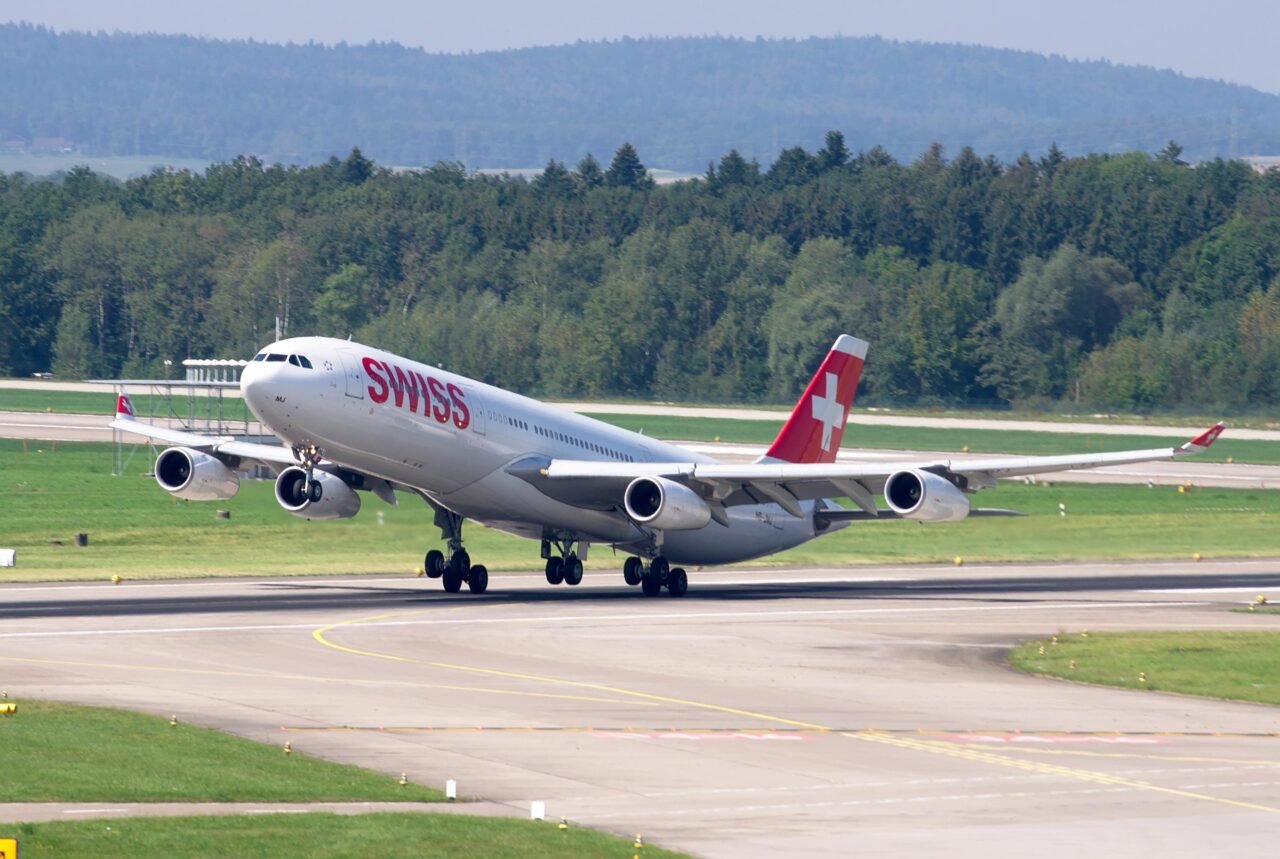
Several major international airlines operate routes that connect Australia to South Africa. These typically involve one or two stops. Common layover hubs include:
- Middle East: Doha (Qatar Airways), Dubai (Emirates), Abu Dhabi (Etihad Airways). These are often the most popular and efficient routes, offering good connections and service.
- Asia: Singapore (Singapore Airlines), Hong Kong (Cathay Pacific), Kuala Lumpur (Malaysia Airlines). These routes might offer slightly longer travel times but can sometimes present competitive pricing or different departure/arrival windows.
- Europe: While less common for direct Australia-South Africa connections, some routes might involve a stop in Europe (e.g., Amsterdam with KLM, London with British Airways) after an initial flight to an Asian or Middle Eastern hub. This is generally the longest option.
When searching for flights, use flight comparison websites and consider booking directly with airlines. For travel in 2026 and 2027, airlines are expected to maintain similar routing patterns, but it’s always wise to check for any new routes or schedule changes closer to your departure date.
Estimating Flight Costs for 2026-2027
The cost of flying from Australia to South Africa can vary dramatically. Several factors influence the final price:
- Seasonality: Peak travel times in South Africa, such as the spring (September-November) and summer months (December-February), generally see higher airfares. Conversely, the shoulder seasons (March-May, August-September) might offer more affordable options. For 2026-2027, expect these general trends to hold true.
- Booking Window: Booking well in advance, ideally 4-8 months prior to your departure, often yields the best prices. Last-minute bookings can be significantly more expensive.
- Airline Choice: Full-service carriers like Qatar Airways, Emirates, and Singapore Airlines often provide a premium experience but may come at a higher price point compared to some other options. Budget carriers are generally not a viable option for this long-haul route.
- Flexibility: Being flexible with your travel dates by a day or two can sometimes lead to considerable savings.
As a rough estimate for 2026-2027, economy class return tickets from Australia to Johannesburg or Cape Town can range from AUD $1,500 to AUD $3,000+. Business class fares can easily exceed AUD $6,000 to AUD $10,000+.
Maximizing Your Flight Search Strategy
To find the best flights for your Australia to South Africa journey:
- Start Early: Begin your search at least 6-9 months before your intended travel dates for 2026-2027.
- Compare Airports: Check flights departing from and arriving into different major Australian and South African cities. For example, Perth might offer slightly different routing options than Sydney.
- Use Aggregators and Direct Airline Sites: Websites like Skyscanner, Google Flights, and Kayak are excellent for initial comparisons. Then, verify prices and book directly with the airline if possible.
- Set Price Alerts: Many flight comparison tools allow you to set alerts for price drops on your chosen routes.
- Consider Layovers: Longer layovers might sometimes be cheaper, allowing for a brief exploration of the transit city if visa regulations permit and you have sufficient time.
Visa and Entry Requirements for Australian Citizens
Navigating visa regulations is a crucial step for any international travel. For Australian citizens planning a trip from Australia to South Africa, understanding the entry requirements is paramount.
Visa-Free Travel for Tourism
As of current regulations, Australian citizens traveling to South Africa for tourism or business purposes for stays of up to 90 days generally do not require a visa in advance. However, you must ensure your passport is valid for at least 30 days beyond your intended date of departure from South Africa and contains at least two blank pages for entry and exit stamps.
Upon arrival, immigration officials may ask for proof of onward or return travel and sufficient funds to cover your stay. It is always recommended to carry copies of your flight bookings and accommodation reservations.
Important Considerations for Entry
- Passport Validity: This is non-negotiable. Ensure your passport meets the strict requirements. An expired or near-expiry passport will result in denied boarding or entry.
- Children Traveling: South Africa has specific, strict regulations regarding children traveling, especially if they are not accompanied by both parents. This includes requiring unabridged birth certificates and, in some cases, notarized consent letters from absent parents. It is vital to check the latest Department of Home Affairs regulations for South Africa well in advance of your travel, especially if children are part of your group for 2026-2027.
- Overstaying Your Visa: Overstaying your allowed duration of stay can lead to serious consequences, including fines, deportation, and bans from re-entering the country for a specified period.
- Changes in Regulations: Immigration laws can change. Always verify the latest requirements with the official South African Department of Home Affairs website or the South African High Commission in Australia before your trip.
For Non-Australian Citizens
If you are not an Australian citizen but are traveling from Australia, your visa requirements will depend on your nationality. You must consult the South African High Commission or Consulate in Australia to determine your specific obligations. Some nationalities may require visas in advance, even for short tourist stays.
Best Time to Visit South Africa for Australian Travelers
South Africa is a vast country with diverse climates and ecosystems, meaning the ‘best’ time to visit can depend on your interests and the specific regions you plan to explore. For Australian travelers planning their trip in 2026-2027, understanding these seasonal nuances is key to an optimal experience.
Understanding South Africa’s Seasons
South Africa is in the Southern Hemisphere, meaning its seasons are reversed compared to Australia’s.
- Summer (December – February): Generally hot and humid along the coast, especially in Cape Town and Durban. Inland areas can be very hot. This is peak tourist season, with school holidays driving up prices and crowds. It’s excellent for beach activities in the Western Cape and exploring the Garden Route.
- Autumn (March – May): Considered by many to be the ideal time to visit. Temperatures are milder, rainfall decreases significantly in many regions, and the landscapes are beautiful. It’s excellent for wildlife viewing, hiking, and exploring cities.
- Winter (June – August): Mild and sunny days, cooler evenings. This is prime time for wildlife viewing in Kruger National Park and surrounding reserves as vegetation thins and animals congregate around water sources. It’s also whale-watching season along the coast. Less rain in the Western Cape, making it good for visiting vineyards.
- Spring (September – November): Temperatures begin to warm up. This is a fantastic time for wildflowers, especially in the Western Cape (August-September), and continues to be excellent for whale watching. Wildlife viewing in Kruger remains strong.
Regional Considerations
- Kruger National Park & Limpopo Province: Winter (June-August) is best for game viewing due to thinner vegetation and animals gathering at waterholes. The dry season also means fewer mosquitoes.
- Cape Town & Western Cape: Spring (September-November) for wildflowers, and Summer (December-February) for beach weather and exploring the Cape Peninsula. Autumn (March-May) offers pleasant temperatures for city exploration and wine tasting.
- Garden Route: Can be visited year-round, but Summer (December-February) offers the best beach and outdoor activity weather. Autumn (March-May) provides a more relaxed experience with fewer crowds.
- Johannesburg & Gauteng: Generally pleasant year-round with warm, wet summers and mild, dry winters.
- Durban & KwaZulu-Natal Coast: Warm to hot and humid year-round, with the Winter (June-August) months being the most comfortable and least humid.
Planning for 2026-2027 Seasons
When booking your trip for 2026 or 2027, align your travel dates with your primary interests. If game viewing in Kruger is your priority, aim for the winter months. If exploring the winelands and beaches of the Cape is more appealing, summer or spring would be ideal. Remember that peak seasons will mean higher prices for flights and accommodation, and greater demand for popular tours and activities.
Health and Safety Advice for Travelers
Prior to your travel from Australia to South Africa, it’s essential to address health and safety concerns to ensure a smooth and secure journey.
Vaccinations and Health Precautions
Consult your doctor or a travel health clinic at least 6-8 weeks before your departure for 2026-2027. Recommended vaccinations may include:
- Routine Vaccinations: Ensure you are up-to-date on measles, mumps, rubella, polio, tetanus, and diphtheria.
- Hepatitis A and Typhoid: Generally recommended for most travelers to South Africa.
- Hepatitis B: May be recommended depending on your activities and duration of stay.
- Yellow Fever: A Yellow Fever vaccination certificate is required if you are arriving from, or have transited through, a country with a risk of Yellow Fever (e.g., certain African or South American nations). Australia does not have Yellow Fever risk, but transit countries can trigger this requirement.
Malaria Risk
Malaria is present in certain regions of South Africa, particularly in the northeastern parts of the country, including Kruger National Park and surrounding areas, as well as the Limpopo and Mpumalanga provinces bordering Mozambique and Zimbabwe. The risk is generally lower during the dry winter months (May-September) and higher during the warmer, wetter summer months (September-May).
Your doctor will advise on the best malaria prophylaxis (antimalarial medication) for the areas you plan to visit. It’s also important to take precautions against mosquito bites:
- Use insect repellent containing DEET or Picaridin.
- Wear long-sleeved clothing and trousers, especially during dawn and dusk.
- Sleep in screened or air-conditioned rooms, or use a mosquito net.
General Safety Tips
South Africa, like many countries, has areas with higher crime rates. It’s important to be aware and take precautions:
- Be Aware of Your Surroundings: Especially in large cities like Johannesburg and Cape Town, and in isolated areas.
- Avoid Displaying Valuables: Keep expensive jewelry, cameras, and electronics out of sight.
- Do Not Walk Alone at Night: Particularly in urban areas or unfamiliar neighborhoods. Use reputable taxis or ride-sharing services.
- Secure Your Accommodation: Ensure doors and windows are locked.
- Be Cautious of Scams: Be wary of unsolicited offers or people who seem overly friendly.
- Driving: If you plan to rent a car, be aware of your surroundings, keep doors locked, and avoid driving at night in rural areas if possible. Stick to main roads.
- Emergency Numbers: Know the national emergency number (10111 for police, 10177 for ambulance).
For specific travel advisories and up-to-date information, consult the Australian Department of Foreign Affairs and Trade (DFAT) Smartraveller website.
Planning Your South African Itinerary: What to See and Do
South Africa offers an incredible diversity of experiences. Whether you’re interested in wildlife, culture, adventure, or stunning landscapes, an itinerary can be crafted to suit your preferences for a 2026-2027 adventure.
Iconic Wildlife Experiences
Safari in Kruger National Park: This is often the highlight for many visitors. Kruger is one of Africa’s largest game reserves and offers excellent opportunities to see the Big Five (lion, leopard, elephant, rhino, buffalo) and a vast array of other animals and birds. Opting for a guided safari with experienced rangers, such as those offered by Top Guide Adventures, significantly enhances your chances of sightings and understanding the ecosystem.
Other Safari Destinations:
- Sabi Sand Game Reserve: Adjacent to Kruger, known for its exceptional leopard sightings and luxury lodges.
- Addo Elephant National Park: Located in the Eastern Cape, famous for its large elephant population and malaria-free status.
- Pilanesberg National Park: A malaria-free reserve in the North West Province, relatively close to Johannesburg, making it a popular choice for shorter trips.
Cultural and Historical Immersion
Cape Town: A vibrant city offering historical sites like Robben Island (where Nelson Mandela was imprisoned), the colorful Bo-Kaap neighborhood, and the District Six Museum. It also boasts world-class museums and galleries.
Johannesburg: Explore the Apartheid Museum for a profound understanding of South Africa’s history. Visit Soweto (South Western Townships) to see landmarks like Vilakazi Street (the only street in the world to have housed two Nobel Peace Prize winners) and the Hector Pieterson Memorial.
Cultural Villages: Experience traditional Zulu culture at Shakaland or explore the heritage of various ethnic groups across the country.
Adventure and Natural Beauty
Table Mountain (Cape Town): Hike or take the cable car for panoramic views of the city and coastline.
Garden Route: A scenic stretch of coastline between Mossel Bay and Storms River Mouth, known for its beautiful beaches, forests, lagoons, and adventure activities like bungee jumping, hiking, and whale watching (during season).
Drakensberg Mountains: Offering spectacular hiking, rock art sites, and dramatic mountain scenery.
Blyde River Canyon: One of the largest canyons in the world, offering impressive viewpoints like God’s Window and the Three Rondavels.
Wine Tourism
The Cape Winelands, particularly areas around Stellenbosch, Franschhoek, and Paarl, are renowned for their picturesque vineyards, world-class wines, and gourmet dining. A wine-tasting tour is a must for many visitors.
Sample Itinerary Ideas for 2026-2027
Here are a few itinerary concepts to inspire your trip from Australia to South Africa:
Itinerary 1: Classic South Africa (14 Days)
- Days 1-4: Cape Town (Table Mountain, Robben Island, City exploration, Cape Peninsula tour)
- Days 5-7: Garden Route (Scenic drive, Knysna, Oudtshoorn ostrich farms)
- Days 8-12: Kruger National Park (Safari drives, wildlife viewing)
- Days 13-14: Johannesburg (Apartheid Museum, Soweto tour, departure)
Itinerary 2: Wildlife Focus (10 Days)
- Days 1-3: Johannesburg (Arrival, transfer to lodge near Kruger)
- Days 4-8: Kruger National Park or Sabi Sand (Intensive safari experience)
- Days 9-10: Return to Johannesburg for departure
Itinerary 3: Cape Explorer (7 Days)
- Days 1-5: Cape Town (Full exploration of city, peninsula, and potentially a day trip to Stellenbosch)
- Days 6-7: Explore further along the coast or return to Cape Town for departure
These are just examples. For tailored journeys, especially focusing on Tanzania safaris or Kilimanjaro climbs in conjunction with South Africa, Top Guide Adventures can help design a comprehensive plan. Contact us via WhatsApp +255616946642 or Email topguideadventures@gmail.com to discuss custom itineraries.
Budgeting for Your Trip: Costs and Financial Planning
Understanding the potential costs is vital when planning your travel from Australia to South Africa for 2026-2027. Costs can be broadly categorized into pre-trip expenses and on-the-ground spending.
Breakdown of Potential Costs
- Flights: As discussed, AUD $1,500 – $3,000+ for economy return.
- Accommodation:
- Budget (Hostels, basic guesthouses): AUD $30 – $70 per night
- Mid-range (Hotels, comfortable lodges): AUD $80 – $200 per night
- Luxury (High-end hotels, exclusive lodges): AUD $250 – $800+ per night
- Activities and Tours:
- Kruger National Park entrance fees: Approx. AUD $40 – $60 per day per person.
- Guided Safari Drives (Kruger/private reserves): AUD $50 – $150 per drive.
- Cape Town attractions (Table Mountain, Robben Island): AUD $30 – $100 per attraction.
- Wine tours: AUD $80 – $150 per day.
- Full-day guided tours: AUD $100 – $250 per day.
- Food and Drink:
- Budget (Self-catering, casual eateries): AUD $30 – $50 per day.
- Mid-range (Restaurants, cafes): AUD $60 – $100 per day.
- Fine dining: AUD $120+ per day.
- Transportation within South Africa:
- Car Rental: AUD $40 – $80 per day (plus fuel).
- Intercity buses (e.g., Intercape, Greyhound): AUD $30 – $100 per long journey.
- Domestic flights: Can range from AUD $80 – $300+ per leg.
- Taxis/Ride-sharing: Varies by city and usage.
- Visas: Generally free for Australian tourists for short stays, but always verify.
- Travel Insurance: Essential, costs vary based on coverage and duration, typically AUD $100 – $300+.
- Miscellaneous: Souvenirs, tips, personal expenses.
Estimating Total Trip Cost
For a 14-day trip in 2026-2027, a mid-range traveler might expect:
- Flights: AUD $2,000
- Accommodation (13 nights @ $150/night): AUD $1,950
- Activities & Tours: AUD $1,000
- Food & Drink: AUD $1,000
- Local Transport: AUD $300
- Insurance & Misc: AUD $300
- Total Estimated Mid-Range Cost: AUD $6,550 per person
Budget travelers could potentially do this for around AUD $4,000 – $5,000, while luxury travelers might spend AUD $10,000+.
Money Matters: Currency and Payment
- Currency: The South African Rand (ZAR).
- Exchange Rate: Keep an eye on the AUD to ZAR exchange rate.
- ATMs: Widely available in cities and towns. Inform your bank of your travel dates.
- Credit Cards: Accepted in most hotels, restaurants, and larger shops. Visa and Mastercard are most common. American Express and Diners Club may have limited acceptance.
- Cash: It’s advisable to carry some cash for smaller purchases, tips, and in areas where card facilities might be unavailable.
- Tipping: Tipping is customary in South Africa. A guideline is 10-15% for restaurant service, and small tips for hotel staff, guides, and drivers.
Practical Travel Tips for Your Journey
To ensure a smooth and enjoyable travel experience from Australia to South Africa, consider these practical tips:
Connectivity and Communication
- Mobile Phones: Your Australian phone may work via roaming, but this can be expensive. Consider purchasing a local South African SIM card (e.g., Vodacom, MTN) upon arrival for cheaper calls and data.
- Wi-Fi: Available in most hotels, guesthouses, and many cafes and restaurants. Speeds can vary.
- Power Adapters: South Africa uses Type M power sockets (three large round pins). Voltage is 230V. Ensure you have the correct adapter for your Australian devices.
Language and Culture
- Languages: South Africa has 11 official languages, with English widely spoken in tourist areas, hotels, and businesses. Afrikaans and isiZulu are also common.
- Cultural Etiquette: South Africans are generally friendly and welcoming. Politeness and respect are appreciated. When visiting rural areas or traditional communities, be mindful of local customs.
Packing Essentials
Pack according to the season and activities planned:
- Clothing: Light, breathable clothing for warm weather; layers for cooler evenings or winter; comfortable walking shoes; swimwear; a smart casual outfit for evenings.
- Safari Gear: Neutral-colored clothing (khaki, beige, green) to blend in, a warm jacket for early morning/late evening game drives, hat, sunglasses, sunscreen.
- Health: Personal medications, basic first-aid kit, insect repellent, hand sanitizer.
- Documents: Passport, visa (if applicable), flight details, accommodation bookings, driver’s license, travel insurance policy. Keep digital and physical copies.
- Electronics: Camera, power bank, universal adapter.
Considering Travel Insurance
Travel insurance is not just recommended; it’s essential for a trip of this magnitude. Ensure your policy provides comprehensive cover for:
- Medical Emergencies: Including emergency evacuation and repatriation.
- Trip Cancellation or Interruption: Protects your investment if unforeseen circumstances force you to cancel or cut short your trip.
- Lost or Stolen Luggage: Covers the cost of replacing essential items.
- Personal Liability: Covers you if you accidentally cause injury or damage to others.
Compare policies from reputable providers and read the fine print carefully to understand what is and isn’t covered, especially regarding pre-existing medical conditions and adventure activities.
Combining South Africa with Other African Destinations
Many travelers combine a trip to South Africa with other African experiences. Given your interest in Tanzania, this is a popular and feasible combination.
South Africa & Tanzania Safaris
Top Guide Adventures specializes in creating unforgettable safari experiences in Tanzania, including iconic destinations like the Serengeti National Park, Ngorongoro Crater, and Mount Kilimanjaro climbs. For 2026-2027, combining a visit to South Africa with a Tanzanian safari is a fantastic way to experience two very different, yet equally rewarding, facets of Africa.
Logistics of Combination Travel:
- Flights: You would typically fly from Australia to South Africa, spend your time there, then take a flight from a major South African hub (like Johannesburg or Cape Town) to a Tanzanian gateway like Kilimanjaro International Airport (JRO) or Zanzibar (ZNZ). Alternatively, you might fly from Australia to a Middle Eastern hub, then connect separately to South Africa and Tanzania.
- Itinerary Planning: It’s often best to book these separately or through a tour operator experienced in multi-country African travel. Top Guide Adventures can assist with the Tanzanian portion, ensuring a smooth experience.
- Visas: You will need to ensure you meet the visa requirements for both South Africa and Tanzania based on your nationality.
For example, a traveler might spend 7-10 days exploring South Africa’s highlights and then fly to Tanzania for a 7-14 day safari adventure. This provides a rich and diverse African experience.
Contact Top Guide Adventures for Tanzania:
If a Tanzanian safari, Kilimanjaro climb, or Zanzibar holiday is part of your 2026-2027 travel plans, connect with our expert team:
- WhatsApp: +255616946642
- Email: topguideadventures@gmail.com
- Backup Email: info@topguideadventurestanzania.com
We offer tailor-made journeys across Northern and Southern Tanzania, ensuring personal attention and dedicated support for every client. Explore our group departure dates for Tanzania safaris and Kilimanjaro climbs for 2026-2027 at Tanzania Safari Group Departures and Kilimanjaro Group Departures.
Booking Your Trip: Final Steps for 2026-2027 Travel
As you finalize your plans for how to travel from Australia to South Africa, here are the key steps to ensure a successful booking:
- Book Flights: Secure your international airfare as early as possible, aiming for 4-8 months in advance for the best rates for 2026-2027.
- Book Accommodation: Reserve hotels, lodges, or guesthouses, especially if traveling during peak season.
- Arrange Tours and Activities: Pre-book popular tours, safari packages, or any specific experiences you don’t want to miss. For Tanzania, reach out to Top Guide Adventures for expert planning.
- Purchase Travel Insurance: Do this immediately after booking your flights and accommodation.
- Confirm Visa Requirements: Double-check entry requirements for your nationality.
- Health Preparations: Schedule appointments with your doctor and travel clinic.
- Financial Arrangements: Inform your bank of your travel dates and arrange for currency exchange or access to funds.
Planning a journey from Australia to South Africa is a significant undertaking, but with careful preparation, it promises to be an incredibly rewarding adventure. Whether you’re drawn to the wildlife of Kruger, the beauty of the Cape, or the vibrant cultures, South Africa offers a diverse and unforgettable experience. For those considering extending their African journey to Tanzania, remember that Top Guide Adventures is your trusted partner for safaris, treks, and cultural tours.
For personalized assistance with your Tanzanian adventures in 2026-2027, please contact our dedicated team:
- WhatsApp: +255616946642
- Email: topguideadventures@gmail.com
- Website: Top Guide Adventures Tanzania
We look forward to helping you create your dream African journey.
Check Availability for How To Travel From Australia To South Africa: A Comprehensive Guide…
Ready to compare dates, prices, and the best option for your group? Send the package name and travel month so the team can reply with a clear quote, availability, and what is included.
How To Travel From Zimbabwe To South Africa 2026-2027
How to Travel from Zimbabwe to South Africa is explained with current 2026-2027 planning, price, itinerary and booking information.
View package details
How To Travel From South Africa To Namibia: Your Complete Guide 2026-2027
Discover the best ways to travel from South Africa to Namibia, covering driving routes, flights, and overland adventures. Get practical tips for a smooth journey.
View package details
How To Travel From Kenya To South Africa Guide
This guide provides an in-depth look at how to travel from Kenya to South Africa, covering all major transport options, essential planning steps, and practical advice for a smooth journey...
View package details
How To Travel From Canada To South Africa 2026-2027
How to Travel from Canada to South Africa is explained with current 2026-2027 planning, price, itinerary and booking information.
View package details
How To Travel From Usa To South Africa: Your Complete Guide 2026-2027
Planning a journey from the United States to South Africa involves several key considerations, from choosing the right flights and understanding visa needs to selecting the best time to...
View package detailsHow To Travel From Botswana To South Africa: Your Ultimate Guide 2026-2027
A comprehensive guide to traveling from Botswana to South Africa, covering all transport options, border procedures, and essential planning advice for 2026-2027.
View package detailsHow To Travel From South Africa To Eswatini: Your Complete Guide 2026-2027
This guide provides detailed instructions and practical advice for traveling from South Africa to Eswatini, covering various transport methods, border crossing procedures, and essential...
View package details
How To Travel From South Africa To Mozambique: Your Complete Guide 2026-2027
A detailed guide covering all aspects of travel from South Africa to Mozambique, including flights, road travel, border crossings, and essential planning tips for 2026-2027.
View package detailsHow To Travel From South Africa To Zambia: A Comprehensive Guide For 2026-2027
This guide details how to travel from South Africa to Zambia, covering flights, overland journeys, visa requirements, and essential planning for 2026-2027. Get all the information you need...
View package detailsHow To Travel From South Africa To Zimbabwe In : A Comprehensive Guide
Discover the most effective ways to journey from South Africa to Zimbabwe. This guide covers flights, road trips, bus services, visa requirements, and essential tips for 2026-2027 travel.
View package detailsHow To Travel From South Africa To Botswana 2026-2027
How to Travel from South Africa to Botswana is explained with current 2026-2027 planning, price, itinerary and booking information.
View package details
How To Travel From Tanzania To South Africa 2026-2027
How to Travel from Tanzania to South Africa is explained with current 2026-2027 planning, price, itinerary and booking information.
View package detailsNo related package matches those filters. Clear one or more filters to see the other topic-matched options.



