
.orscg-article{–orscg-text:#152033;–orscg-muted:#5c6878;–orscg-line:#e4e8ee;–orscg-accent:#0b6b4f;–orscg-accent2:#c75b12;–orscg-soft:#f6faf7;–orscg-warm:#fff7ef;max-width:1120px;margin:0 auto;color:var(–orscg-text);font-family:inherit;line-height:1.76}.orscg-article *{box-sizing:border-box}.orscg-article-intro{padding:30px 26px;margin:0 0 32px;border:1px solid var(–orscg-line);border-radius:22px;background:linear-gradient(135deg,#fff 0%,var(–orscg-soft) 65%,var(–orscg-warm) 100%)}.orscg-updated{display:inline-block;margin:0 0 14px;padding:6px 12px;border:1px solid rgba(11,107,79,.18);border-radius:999px;background:#fff;color:var(–orscg-accent);font-size:13px;font-weight:800}.orscg-article-intro h2{font-family:’Trebuchet MS’,Arial,sans-serif;margin:0 0 14px;font-size:clamp(30px,4vw,52px);line-height:1.08;color:var(–orscg-text);letter-spacing:-.03em}.orscg-lead{max-width:900px;margin:0 0 18px;font-size:clamp(17px,2vw,21px);color:var(–orscg-muted)}.orscg-contact-mini{font-weight:800;margin:0}.orscg-contact-mini a,.orscg-content a{color:var(–orscg-accent);text-decoration:none}.orscg-contact-mini a:hover,.orscg-content a:hover{text-decoration:underline}.orscg-hero-price{margin:18px 0 0;padding:14px 16px;border:1px solid rgba(199,91,18,.28);border-radius:14px;background:#fff;color:#733809;font-weight:650}.orscg-content{font-size:17px}.orscg-content h2{font-family:’Trebuchet MS’,Arial,sans-serif;margin:44px 0 15px;font-size:clamp(25px,3vw,38px);line-height:1.17;color:var(–orscg-text);letter-spacing:-.02em}.orscg-content h2:first-child{margin-top:0}.orscg-content h3{margin:28px 0 12px;font-size:clamp(20px,2.1vw,27px);line-height:1.25;color:var(–orscg-text)}.orscg-content p{margin:0 0 18px}.orscg-content ul,.orscg-content ol{margin:0 0 24px;padding-left:24px}.orscg-content li{margin:8px 0}.orscg-content table,.orscg-table{width:100%;border-collapse:separate;border-spacing:0;margin:25px 0;font-size:16px;border:1px solid var(–orscg-line);border-radius:0;overflow:hidden;background:#fff;box-shadow:0 10px 24px rgba(15,23,42,.05)}.orscg-content th,.orscg-content td{border:0;border-bottom:1px solid var(–orscg-line);padding:13px 14px;text-align:left;vertical-align:top}.orscg-content tr:last-child td{border-bottom:0}.orscg-content th{background:var(–orscg-soft);font-weight:850;color:#10251d}.orscg-price-box{margin:30px 0;padding:24px;border:0;border-top:3px solid var(–orscg-accent2);border-bottom:1px solid rgba(199,91,18,.28);border-radius:0;background:linear-gradient(135deg,#fff,var(–orscg-warm));box-shadow:0 12px 26px rgba(15,23,42,.06)}.orscg-price-box h2{margin-top:0}.orscg-price-table th{background:#fff1e3}.orscg-price-table td:first-child{font-weight:800;color:#733809}.orscg-anchor-target{display:block;position:relative;top:-115px;visibility:hidden;height:0;overflow:hidden}.orscg-content h2[data-orscg-anchor]{scroll-margin-top:120px}.orscg-toc,.orscg-company-links{margin:24px 0;padding:22px 24px;border:1px solid var(–orscg-line);border-radius:18px;background:#fff;box-shadow:0 10px 28px rgba(15,23,42,.04)}.orscg-toc h2,.orscg-company-links h2{margin-top:0}.orscg-toc ol{columns:2;column-gap:34px}.orscg-toc li{break-inside:avoid}.orscg-toc a{cursor:pointer;font-weight:700}.orscg-note,.orscg-checklist,.orscg-itinerary,.orscg-faq,.orscg-map,.orscg-pro-block{margin:28px 0;padding:22px 24px;border:0;border-top:1px solid var(–orscg-line);border-bottom:1px solid var(–orscg-line);border-left:5px solid var(–orscg-accent);border-radius:0;background:var(–orscg-soft)}.orscg-itinerary{border-left-color:var(–orscg-accent2);background:#fffaf5}.orscg-pro-block{background:linear-gradient(135deg,#fff,var(–orscg-soft));box-shadow:0 10px 28px rgba(15,23,42,.04)}.orscg-top-images{display:grid;grid-template-columns:repeat(auto-fit,minmax(220px,1fr));gap:16px;margin:0 0 30px}.orscg-featured-image{margin:0;aspect-ratio:16/10;overflow:hidden;border-radius:18px;background:#eef2f0}.orscg-featured-image img{display:block;width:100%;height:100%;object-fit:cover;object-position:center;border-radius:18px;box-shadow:0 12px 30px rgba(15,23,42,.10)}.orscg-simple-cta{margin:46px 0 0;padding:28px;border:0;border-top:3px solid var(–orscg-accent);border-bottom:1px solid rgba(11,107,79,.20);border-radius:0;background:linear-gradient(135deg,var(–orscg-soft),#fff);box-shadow:0 14px 30px rgba(15,23,42,.07)}.orscg-direct-answer{margin:0 0 30px;padding:22px 24px;border:0;border-top:1px solid rgba(11,107,79,.25);border-bottom:1px solid rgba(11,107,79,.25);border-left:6px solid var(–orscg-accent);border-radius:0;background:linear-gradient(135deg,#fff,var(–orscg-soft));box-shadow:0 12px 26px rgba(15,23,42,.06);font-size:18px}.orscg-direct-answer p:last-child{margin-bottom:0}.orscg-simple-cta h2{font-family:’Trebuchet MS’,Arial,sans-serif;margin:0 0 12px;font-size:clamp(24px,3vw,34px);line-height:1.2}.orscg-simple-cta p{margin:0 0 16px}.orscg-related-packages{position:relative;margin:48px 0 0;padding:30px 0 8px;border:0;border-top:3px solid var(–orscg-accent);border-bottom:1px solid var(–orscg-line);border-radius:0;background:linear-gradient(180deg,#fff 0%,#f7faf8 100%);box-shadow:none}.orscg-related-packages h2{margin:0 0 8px}.orscg-related-packages p{margin:0;color:var(–orscg-muted)}.orscg-related-heading{display:flex;align-items:flex-end;justify-content:space-between;gap:18px;margin-bottom:22px}.orscg-package-explorer{display:grid;grid-template-columns:minmax(220px,270px) minmax(0,1fr);gap:24px;align-items:start}.orscg-package-filters{position:sticky;top:92px;border:1px solid var(–orscg-line);border-top:4px solid var(–orscg-accent);border-radius:0;background:#fff;box-shadow:0 12px 28px rgba(15,23,42,.07)}.orscg-filter-mobile-toggle{display:none;width:100%;padding:14px 16px;border:0;border-bottom:1px solid var(–orscg-line);border-radius:0;background:#fff;color:var(–orscg-text);font:inherit;font-weight:850;text-align:left;cursor:pointer}.orscg-filter-panel-head{display:flex;align-items:center;justify-content:space-between;gap:12px;padding:16px 17px;border-bottom:1px solid var(–orscg-line)}.orscg-filter-panel-head strong{font-size:18px}.orscg-filter-panel-head button,.orscg-package-results-head button{padding:0;border:0;background:transparent;color:var(–orscg-accent);font:inherit;font-size:13px;font-weight:800;cursor:pointer}.orscg-filter-group{margin:0;padding:16px 17px;border:0;border-bottom:1px solid var(–orscg-line)}.orscg-filter-group:last-child{border-bottom:0}.orscg-filter-group legend{display:block;width:100%;margin:0 0 10px;padding:0;color:var(–orscg-text);font-size:15px;font-weight:900}.orscg-filter-group label{display:grid;grid-template-columns:18px minmax(0,1fr) auto;align-items:center;gap:9px;margin:9px 0;color:var(–orscg-text);font-size:14px;line-height:1.35;cursor:pointer}.orscg-filter-group input{width:16px;height:16px;margin:0;accent-color:var(–orscg-accent)}.orscg-filter-group b{min-width:24px;color:var(–orscg-muted);font-size:12px;font-weight:700;text-align:right}.orscg-package-results{min-width:0}.orscg-package-results-head{display:flex;align-items:center;justify-content:space-between;gap:14px;margin:0 0 12px;padding:12px 0;border-top:1px solid var(–orscg-line);border-bottom:1px solid var(–orscg-line)}.orscg-package-results-head strong{font-size:15px}.orscg-package-list{display:grid;gap:16px}.orscg-package-card{display:grid;grid-template-columns:minmax(190px,245px) minmax(0,1fr);min-width:0;overflow:hidden;border:1px solid var(–orscg-line);border-left:4px solid var(–orscg-accent);border-radius:0;background:#fff;color:var(–orscg-text);box-shadow:0 12px 26px rgba(15,23,42,.07);transition:transform .18s ease,box-shadow .18s ease}.orscg-package-card[hidden]{display:none!important}.orscg-package-card:hover{transform:translateY(-2px);box-shadow:0 17px 32px rgba(15,23,42,.11)}.orscg-package-card-image{display:block;min-height:185px;overflow:hidden;background:#eaf0ec;text-decoration:none!important}.orscg-package-card-image img{display:block;width:100%;height:100%;min-height:185px;object-fit:cover;object-position:center}.orscg-package-image-placeholder{display:block;width:100%;height:100%;min-height:185px;background:linear-gradient(135deg,#e8f1ec,#fff3e7)}.orscg-package-card-body{display:flex;min-width:0;flex-direction:column;padding:18px 20px}.orscg-package-meta{display:flex;flex-wrap:wrap;gap:7px;margin:0 0 10px}.orscg-package-meta span{display:inline-flex;padding:4px 8px;border:1px solid rgba(11,107,79,.18);border-radius:0;background:var(–orscg-soft);color:#21463b;font-size:12px;font-weight:800;line-height:1.2}.orscg-package-card h3{margin:0 0 8px!important;font-size:clamp(19px,2vw,25px)!important;line-height:1.25}.orscg-package-card h3 a{color:var(–orscg-text)!important;text-decoration:none!important}.orscg-package-card h3 a:hover{color:var(–orscg-accent)!important}.orscg-package-card .orscg-package-summary{margin:0 0 14px;color:var(–orscg-muted);font-size:14px;line-height:1.58}.orscg-package-view{display:inline-flex;align-items:center;gap:7px;margin-top:auto;color:var(–orscg-accent)!important;text-decoration:none!important;font-size:14px;font-weight:900}.orscg-package-view:hover{text-decoration:underline!important}.orscg-package-empty{padding:24px;border:1px dashed var(–orscg-line);background:#fff;text-align:center}.orscg-filter-panel.is-open{display:block}.orscg-cta-links{display:flex;flex-wrap:wrap;gap:12px}.orscg-btn{display:inline-flex;align-items:center;justify-content:center;padding:12px 19px;border-radius:0;background:var(–orscg-accent);color:#fff!important;text-decoration:none!important;font-weight:850;box-shadow:4px 4px 0 rgba(11,107,79,.18)}.orscg-btn-light{background:#fff;color:var(–orscg-accent)!important;border:1px solid var(–orscg-accent);box-shadow:none}@media(max-width:980px){.orscg-package-explorer{grid-template-columns:220px minmax(0,1fr)}.orscg-package-card{grid-template-columns:190px minmax(0,1fr)}}@media(max-width:760px){.orscg-article-intro{padding:24px 18px}.orscg-toc ol{columns:1}.orscg-content{font-size:16px}.orscg-content table,.orscg-table{display:block;overflow-x:auto}.orscg-simple-cta,.orscg-price-box,.orscg-related-packages{padding:20px}.orscg-cta-links{display:block}.orscg-btn{margin:0 8px 8px 0}.orscg-top-images{grid-template-columns:1fr}.orscg-related-heading{align-items:flex-start}.orscg-package-explorer{grid-template-columns:1fr}.orscg-package-filters{position:static}.orscg-filter-mobile-toggle{display:block}.orscg-filter-panel{display:none}.orscg-filter-panel.is-open{display:block}.orscg-package-card{grid-template-columns:1fr}.orscg-package-card-image,.orscg-package-card-image img,.orscg-package-image-placeholder{min-height:210px}.orscg-package-results-head{align-items:flex-start}}
/* v3.17.24 related package explorer: stronger existing-page topic matching, three-column desktop grid and old-page live refresh */
.orscg-related-packages{padding:34px 0 12px;overflow:visible}.orscg-related-heading{align-items:flex-start;margin-bottom:26px}.orscg-related-heading>div{max-width:880px}.orscg-related-heading h2{font-size:clamp(27px,3vw,40px);line-height:1.14}.orscg-related-heading p{max-width:830px;line-height:1.65}.orscg-package-explorer{grid-template-columns:minmax(238px,270px) minmax(0,1fr);gap:28px}.orscg-package-filters{top:84px;max-height:calc(100vh – 104px);overflow:auto;scrollbar-width:thin}.orscg-filter-mobile-toggle{align-items:center;justify-content:space-between;gap:16px}.orscg-filter-mobile-toggle small{color:var(–orscg-muted);font-size:12px;font-weight:750}.orscg-filter-panel-head{align-items:flex-start;padding:18px}.orscg-filter-panel-head>div{display:grid;gap:3px}.orscg-filter-panel-head span{color:var(–orscg-muted);font-size:12px}.orscg-filter-group{padding:0}.orscg-filter-group legend{margin:0}.orscg-filter-group-toggle{display:flex;width:100%;align-items:center;justify-content:space-between;gap:14px;padding:14px 17px;border:0;background:#fff;color:var(–orscg-text);font:inherit;font-size:15px;font-weight:900;text-align:left;cursor:pointer}.orscg-filter-group-toggle i{position:relative;width:14px;height:14px;flex:0 0 14px}.orscg-filter-group-toggle i:before,.orscg-filter-group-toggle i:after{content:””;position:absolute;left:1px;top:6px;width:12px;height:2px;background:var(–orscg-accent);transition:transform .18s ease}.orscg-filter-group-toggle i:after{transform:rotate(90deg)}.orscg-filter-group.is-expanded .orscg-filter-group-toggle i:after{transform:rotate(0)}.orscg-filter-options{padding:0 17px 14px}.orscg-filter-group:not(.is-expanded) .orscg-filter-options{display:none}.orscg-filter-group label{margin:5px -7px;padding:8px 7px;transition:background .16s ease}.orscg-filter-group label:hover{background:var(–orscg-soft)}.orscg-filter-group label:has(input:checked){background:#eef8f3;color:#123b2f;font-weight:800}.orscg-package-results-head{align-items:flex-start;margin-bottom:18px;padding:14px 0}.orscg-package-results-head>div{min-width:0}.orscg-package-results-head>button{flex:0 0 auto;margin-top:2px}.orscg-active-filters{display:flex;flex-wrap:wrap;gap:6px;margin-top:8px}.orscg-active-filters:empty{display:none}.orscg-active-filter-chip{display:inline-flex;align-items:center;padding:4px 8px;border:1px solid rgba(11,107,79,.18);background:var(–orscg-soft);color:#21463b;font-size:12px;font-weight:750}.orscg-package-list{grid-template-columns:repeat(3,minmax(0,1fr));gap:20px;align-items:stretch}.orscg-package-card{position:relative;display:grid;grid-template-columns:1fr;grid-template-rows:auto 1fr;height:100%;border-left:1px solid var(–orscg-line);border-top:4px solid var(–orscg-accent);cursor:pointer;outline:none}.orscg-package-card:focus-visible{box-shadow:0 0 0 3px rgba(11,107,79,.2),0 17px 32px rgba(15,23,42,.11)}.orscg-package-card-image{min-height:0;aspect-ratio:16/9}.orscg-package-card-image img,.orscg-package-image-placeholder{width:100%;height:100%;min-height:0;aspect-ratio:16/9}.orscg-package-card-body{height:100%;padding:18px 19px 19px}.orscg-package-card h3{font-size:clamp(18px,1.7vw,23px)!important}.orscg-package-summary{display:-webkit-box;overflow:hidden;-webkit-box-orient:vertical;-webkit-line-clamp:3}.orscg-package-view{padding-top:4px}.orscg-package-card.is-filtered-in{animation:orscgPackageReveal .22s ease both}@keyframes orscgPackageReveal{from{opacity:.35;transform:translateY(5px)}to{opacity:1;transform:none}}@media(max-width:1050px){.orscg-package-explorer{grid-template-columns:220px minmax(0,1fr);gap:20px}.orscg-package-list{grid-template-columns:repeat(2,minmax(0,1fr))}}@media(max-width:760px){.orscg-related-packages{padding:24px 0 8px}.orscg-package-explorer{grid-template-columns:1fr}.orscg-package-filters{max-height:none;overflow:visible}.orscg-filter-mobile-toggle{display:flex}.orscg-package-list{grid-template-columns:1fr;gap:16px}.orscg-package-card-image{aspect-ratio:16/10}.orscg-package-card-image img,.orscg-package-image-placeholder{aspect-ratio:16/10}.orscg-package-results-head{gap:10px}.orscg-package-results-head>button{white-space:nowrap}}@media(max-width:430px){.orscg-package-results-head{display:grid;grid-template-columns:1fr}.orscg-package-results-head>button{justify-self:start}.orscg-filter-mobile-toggle{padding:14px}.orscg-package-card-body{padding:16px}}
Traveling from South Africa to Mozambique involves choosing between flying directly to major Mozambican cities or undertaking an overland journey, primarily via road through the border posts. Direct flights offer speed and convenience, while overland travel, often through Mpumalanga and Limpopo provinces into Mozambique, provides a more adventurous and potentially budget-friendly experience, requiring careful planning for border crossings, vehicle preparation, and accommodation. For 2026-2027, expect similar travel dynamics, with potential adjustments in flight schedules and border procedures.
Understanding Your Travel Options: South Africa to Mozambique
The journey from South Africa to Mozambique is a popular route for tourists, business travelers, and those visiting friends and family. While geographically close, the mode of transport you choose can significantly impact your experience, budget, and the time it takes. Mozambique, with its stunning coastline, vibrant culture, and rich history, offers a distinct contrast to South Africa, making this cross-border trip a rewarding adventure. This guide will break down the most practical and popular ways to make this journey, ensuring you have all the information needed for a smooth trip in 2026-2027.
Whether you’re heading to Maputo, the capital city, or further afield to the pristine beaches of Tofo, Vilanculos, or the Bazaruto Archipelago, understanding the logistics is key. We’ll cover everything from booking flights and preparing your vehicle for an overland trip to navigating border crossings and what to expect upon arrival.
Option 1: Flying from South Africa to Mozambique
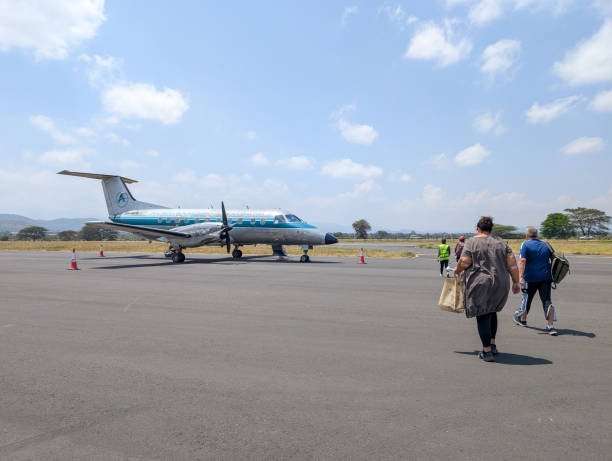
For many travelers, flying is the quickest and most convenient way to get from South Africa to Mozambique. This is especially true if your final destination is Maputo, the most common entry point. Several airlines operate routes connecting major South African cities to Maputo, and sometimes to other destinations like Vilanculos or Nampula.
Major Airports and Airlines
The primary international airport in Mozambique is Maputo International Airport (MPM). Other airports that receive international or regional flights include Vilanculos Airport (VNX), Nampula Airport (APL), and Beira Airport (BEW). For most travelers originating in South Africa, Maputo is the most direct destination.
Airlines that commonly fly this route include:
- LAM Mozambique Airlines: The national flag carrier, offering regular flights.
- South African Airways (SAA): Operates direct flights between Johannesburg and Maputo.
- Airlink: A regional airline that often provides crucial connections.
- Other regional carriers may offer seasonal or less frequent services.
Flight Routes and Duration
The most common flight route is from Johannesburg (O.R. Tambo International Airport – JNB) to Maputo (MPM). These flights are typically short, with a duration of around 1 hour to 1 hour 30 minutes. Flights may also be available from Cape Town (CPT) or Durban (DUR), though these often involve a connection in Johannesburg.
When booking for 2026 or 2027, it’s advisable to check the latest schedules as they can change. Booking in advance, especially during peak travel seasons (like South African school holidays or Mozambican public holidays), is highly recommended to secure better fares and availability.
Booking Tips for Flights
- Compare Prices: Use flight comparison websites (like Skyscanner, Google Flights, Kayak) but also check directly with the airlines.
- Book in Advance: For the best prices, aim to book at least 2-3 months ahead, particularly for travel in 2026-2027.
- Check Baggage Allowances: Airlines have different policies for checked and carry-on luggage.
- Consider Layover Times: If you book a flight with connections, ensure sufficient time for transfers, especially if changing airlines.
- Flexibility: If your dates are flexible, you might find cheaper fares on different days of the week.
Cost of Flights
Flight prices can vary significantly based on the airline, time of booking, season, and demand. As a general guide for 2026-2027:
- Economy Class (Round Trip): Expect prices to range from ZAR 4,000 to ZAR 8,000+ per person, depending on booking time and airline.
- Business Class: Prices can be considerably higher, often starting from ZAR 10,000+.
Remember to factor in potential airport transfer costs at both ends of your journey.
Option 2: Overland Travel from South Africa to Mozambique
For the more adventurous or budget-conscious traveler, driving from South Africa to Mozambique is a popular choice. This route offers a chance to see more of the landscape and can be more economical if traveling in a group or with your own vehicle. The most common overland route involves driving through Mpumalanga or Limpopo provinces to reach one of the border posts.
Key Border Posts
There are several border posts connecting South Africa and Mozambique. The most frequently used ones for general travel are:
- Lebombo Border Post (South Africa) / Ressano Garcia (Mozambique): This is the busiest and most direct crossing if you are traveling from the Mpumalanga region (e.g., Nelspruit/Mbombela) towards Maputo. It’s well-maintained and usually open 24/7.
- Golela Border Post (South Africa) / Ponta do Ouro (Mozambique): This crossing is primarily used if you are heading towards the southern coastal areas, particularly Ponta do Ouro and surrounding resorts. Access to Ponta do Ouro often requires a 4×4 vehicle on the Mozambican side.
- Pafuri Border Post (South Africa) / Pafuri (Mozambique): Located in the far north, this crossing is less common for general tourism and is often used for access to specific areas or conservation zones. It might have more restricted opening hours.
For most travelers aiming for Maputo, the Lebombo/Ressano Garcia border post is the recommended choice.
Driving Routes from Major South African Cities
From Johannesburg/Pretoria to Maputo (via Lebombo/Ressano Garcia):
- Take the N4 highway east from Johannesburg/Pretoria towards Mbombela (Nelspruit).
- Continue on the N4 towards the Mozambique border.
- The N4 is a toll road for a significant portion of the journey, so ensure you have sufficient South African Rands for toll fees.
- Cross the border at Lebombo.
- Once in Mozambique, the road continues as the EN1 towards Maputo. The drive from Johannesburg to Maputo is approximately 550-600 km and can take 6-8 hours of driving time, plus time at the border.
From Durban to Maputo (via Golela/Ponta do Ouro):
- This route is more scenic but can be slower.
- Take the N2 north from Durban towards Pongola.
- Follow signs for the Golela border post.
- After crossing at Golela, you will enter Mozambique. If heading to Ponta do Ouro, be prepared for off-road conditions on the Mozambican side, especially if you don’t have a 4×4.
- This route is generally longer and more challenging than the N4 route to Maputo.
Vehicle Requirements and Preparation
If you plan to drive your own vehicle or a rented car into Mozambique, several factors are crucial:
- Vehicle Registration Documents: You will need the original vehicle registration papers (or a certified copy if the vehicle is financed) and a letter of authority from the owner if you are not the registered owner.
- Cross-Border Permit: A permit is usually required for foreign-registered vehicles entering Mozambique. This can often be obtained at the border post, but it’s wise to check current requirements.
- Vehicle Insurance: Ensure your South African vehicle insurance covers you in Mozambique, or purchase specific cross-border insurance, often available at the border. Mozambique has a mandatory third-party insurance (often called ‘Carta’ or ‘Green Card’) that you will need to buy upon entry.
- Roadworthiness: Your vehicle must be in good condition. Check tires (including the spare), brakes, and fluids.
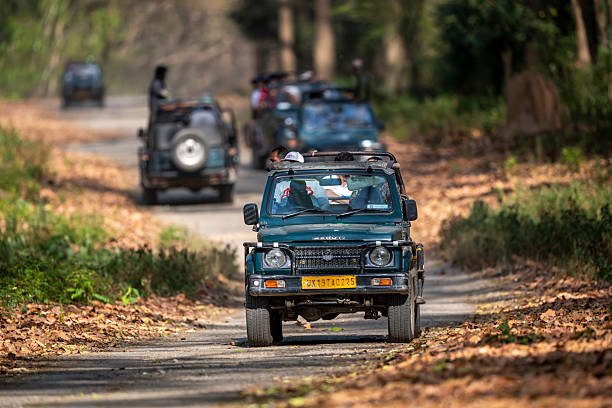
- 4×4 Requirement (for specific areas): While main roads to Maputo are paved, venturing to places like Ponta do Ouro, Inhambane, or remote beaches often necessitates a 4×4 vehicle due to sandy tracks. For 2026-2027, this remains a key consideration for exploring off-the-beaten-path locations.
- Fuel: While major routes have fuel stations, it’s wise to fill up whenever you have the chance, especially if venturing into less populated areas.
Driving in Mozambique
Driving in Mozambique differs from South Africa:
- Road Conditions: Major routes like the EN1 are generally paved but can have potholes and variable conditions. Rural roads can be unpaved and challenging.
- Speed Limits: Adhere to posted speed limits. Police speed traps are common.
- Night Driving: It is generally advisable to avoid driving at night due to poor lighting, unlit vehicles, and potential hazards on the road.
- Toll Fees: Mozambique also has toll roads, particularly approaching Maputo. Keep Mozambican Meticais (MZN) handy.
- Traffic Police: Be aware of traffic police. It’s advisable to carry small denominations of local currency for potential minor fines, though official receipts should always be provided.
Cost of Overland Travel
Overland travel costs include:
- Fuel: Varies based on vehicle consumption and fuel prices.
- Toll Fees: In both South Africa and Mozambique.
- Border Crossing Fees: For vehicles and pedestrians.
- Third-Party Insurance: Mandatory purchase at the border.
- Accommodation: If breaking the journey.
- Food and Drinks.
For a car traveling from Johannesburg to Maputo, excluding accommodation, budget around ZAR 1,500 – ZAR 3,000 for fuel, tolls, and insurance, plus any border fees.
Navigating the Border Crossing
Crossing the South Africa-Mozambique border requires preparation and patience. The Lebombo/Ressano Garcia crossing is the most common, and here’s a general process for 2026-2027:
Documentation Checklist
Ensure you have the following readily accessible:
- Passports: Valid for at least six months beyond your intended stay, with sufficient blank pages.
- Visas: Check current visa requirements for your nationality. Many nationalities can obtain a visa on arrival at major border posts, but it’s safer to check and potentially apply in advance. South African citizens typically do not need a visa for short stays.
- Vehicle Registration Documents (if driving).
- Driver’s License (ensure it’s valid for international use).
- Proof of Yellow Fever Vaccination (if coming from an endemic country, though often not strictly checked for overland travelers from SA).
- Temporary Import Permit (TIP) for the vehicle (if applicable/required).
- Proof of onward travel or accommodation (may be requested).
The Process at the Border (Lebombo/Ressano Garcia)
- South African Immigration: First, proceed to the South African immigration office to have your passport stamped for exit.
- Vehicle Clearance (if driving): If driving, you’ll need to clear your vehicle. This may involve getting an exit stamp for the vehicle from South African customs and then proceeding to the Mozambican side.
- Mozambican Immigration: Present your passport to the Mozambican immigration officials for entry. If you need a visa and haven’t pre-arranged one, this is where you would typically obtain it (visa on arrival).
- Vehicle Importation and Insurance (if driving): On the Mozambican side, you will go through customs and vehicle registration. You’ll need to purchase mandatory third-party insurance and potentially pay vehicle entry fees. Have your vehicle documents ready.
- Customs Declaration: Declare any goods you are bringing into Mozambique as required.
Tips for a Smooth Crossing
- Go Early or Late: Border posts can get extremely busy, especially during peak hours and holidays. Arriving early in the morning or later in the afternoon might reduce waiting times.
- Have Cash Ready: Be prepared to pay various fees in cash (USD, ZAR, or MZN). Confirm the accepted currencies and amounts beforehand.
- Be Patient: Border crossings can be time-consuming and bureaucratic. Stay calm and polite.
- Official Queues: Stick to official queues and designated areas.
- Beware of Unofficial Helpers: While some individuals offer assistance, be cautious and ensure you are dealing with official personnel or clearly understand what services are being offered and at what cost.
Visa Requirements for South Africa to Mozambique
Visa requirements can change, so always check the latest information from the Mozambican embassy or consulate in South Africa before your trip in 2026-2027.
- South African Nationals: Generally do not require a visa for stays up to 30 days.
- Other Nationalities: Many nationalities can obtain a tourist visa on arrival at major entry points like Ressano Garcia. The fee is typically around USD 50-100, but this is subject to change. It is always recommended to confirm this and consider applying in advance at a Mozambican embassy or consulate to avoid potential issues or delays at the border.
- Visa Application in Advance: If you prefer to have your visa secured beforehand, contact the Embassy of Mozambique in Pretoria or the Consulate-General in Johannesburg. Processing times can vary.
Getting Around Mozambique
Once you have arrived in Mozambique, you’ll need to consider how to travel within the country.
Public Transport
- Chapas (Minibuses): These are the most common form of local transport, connecting towns and cities. They are cheap but can be crowded and operate on fixed routes. They are not ideal for long-distance tourist travel unless you are on a very tight budget and have plenty of time.
- Buses: Intercity buses operate between major towns, offering a slightly more comfortable option than chapas. Companies like Intercape and Inter-City Bus operate some routes.
- Trains: Limited passenger train services exist, primarily around Maputo.
Hiring a Car
Renting a car in Mozambique is possible, especially in Maputo and other major cities. However, consider the road conditions and the need for a 4×4 for many popular tourist destinations. Ensure your rental agreement permits cross-border travel if you plan to drive back into South Africa.
Private Transfers and Tours
For a more comfortable and hassle-free experience, especially if you are not driving yourself, consider:
- Private Transfers: Arrange for a private vehicle and driver to take you from South Africa to your Mozambican destination. This can be booked through tour operators or specialized transfer services.
- Organized Tours: Many tour operators, including those specializing in Southern Africa, offer packages that include transportation from South Africa into Mozambique, covering accommodation and activities. This is often the most convenient way to explore Mozambique if you prefer not to deal with the logistics yourself.
Top Guide Adventures, while primarily focused on Tanzania, can sometimes assist with advice or connections for neighboring regions, or at least guide you on how to find reliable services. For direct assistance with transfers or tours within Mozambique, it’s best to consult local Mozambican tour operators. However, if you’re looking to combine your Mozambique trip with other Southern African adventures, our expertise in the region might offer some valuable insights.
For inquiries regarding travel arrangements or advice, you can reach out to us: WhatsApp +255616946642 or Email topguideadventures@gmail.com / info@topguideadventurestanzania.com.
Planning Your Itinerary for 2026-2027
When planning your trip from South Africa to Mozambique for 2026 or 2027, consider the following:
Best Time to Visit
The dry season, from May to October, is generally considered the best time to visit Mozambique. The weather is pleasant, with lower humidity and less rainfall, making it ideal for beach activities and exploring.
- May – August: Cooler, dry, and pleasant. Excellent for diving and wildlife viewing (especially whale sharks and manta rays in certain areas).
- September – October: Warmer, still dry. Ideal for beach holidays.
- November – April: Wet season. Hot and humid with higher rainfall, particularly from January to March. This period can see cyclones in the coastal regions. Some roads may become impassable. However, it’s also the green season, with lush landscapes and fewer crowds.
Popular Destinations and Routes
Maputo and Southern Mozambique:
- Maputo City: Explore the capital’s architecture, markets, and vibrant nightlife.
- Ponta do Ouro: Famous for diving, snorkeling, and whale watching (seasonal). Requires a 4×4 for easier access.
- Inhaca Island: Accessible by ferry from Maputo, offering beaches and marine reserves.
Central Mozambique:
- Bazaruto Archipelago (Vilanculos): A UNESCO World Heritage site, renowned for pristine islands, diving, snorkeling, and luxury resorts. Accessible by flight to Vilanculos.
- Tofo Beach: A popular backpacker and surf destination, famous for whale shark and manta ray encounters. Accessible by road (requires 4×4 for local travel) or flight to Inhambane.
- Inhambane: A historic port city.
Northern Mozambique:
- Ilha de Moçambique: A historic island and former capital, a UNESCO World Heritage site.
- Benga, Vamizi, and Quirimbas Islands: Remote, pristine islands offering luxury lodges and exceptional diving/snorkeling. Accessible via flights to Pemba.
Duration of Stay
A typical trip focusing on Maputo and a southern beach destination might require 5-7 days. To explore further north to Tofo, Inhambane, or the Bazaruto Archipelago, you would need at least 10-14 days. For a more comprehensive exploration of Mozambique, including northern regions, plan for 3 weeks or more.
Budgeting for Your Trip
Mozambique can range from budget-friendly to luxury, depending on your choices:
- Budget Travelers: Staying in hostels or basic guesthouses, eating local food, and using chapas can cost around USD 50-70 per day.
- Mid-Range Travelers: Comfortable lodges, some restaurant meals, and occasional private transfers might average USD 100-200 per day.
- Luxury Travelers: High-end resorts, private flights, and fine dining can easily exceed USD 300-500+ per day.
Remember to factor in transportation costs from South Africa, visa fees (if applicable), travel insurance, and activity costs.
Health and Safety Considerations
Prioritize your well-being when traveling to Mozambique.
Vaccinations and Health Precautions
- Consult Your Doctor: Visit your doctor or a travel clinic 4-6 weeks before your trip to discuss necessary vaccinations and malaria prophylaxis.
- Recommended Vaccinations: Routine vaccines (like Hepatitis A, Typhoid) are often recommended. Yellow Fever vaccination is mandatory if arriving from an endemic country and a certificate may be required.
- Malaria Prevention: Mozambique is a malaria-risk area. Take antimalarial medication as prescribed by your doctor and use insect repellent (containing DEET), wear long sleeves and trousers at dusk and dawn, and sleep under mosquito nets.
- Water and Food Safety: Drink only bottled or purified water. Be cautious with uncooked foods and street food. Ensure food is thoroughly cooked.
Safety Advice
- Petty Crime: Be aware of your surroundings, especially in busy areas like markets and bus stations. Secure your valuables and avoid displaying expensive items.
- Driving Safety: As mentioned, avoid night driving. Drive defensively and be aware of road conditions and other road users.
- Coastal Safety: Be mindful of strong currents when swimming. Heed local advice regarding swimming spots.
- Political Stability: Mozambique has experienced periods of instability in certain regions. Stay informed about the current situation, especially if traveling to more remote or northern areas. Major tourist routes are generally safe.
- Emergency Contacts: Save local emergency numbers and your embassy’s contact details.
Packing Essentials for Mozambique
Pack smart to ensure comfort and preparedness:
- Lightweight, breathable clothing (cotton, linen).
- Swimwear.
- Sun protection: high SPF sunscreen, hat, sunglasses.
- Insect repellent with DEET.
- Basic first-aid kit and any personal medications.
- Malaria medication.
- Comfortable walking shoes and sandals.
- A light jacket or sweater for cooler evenings (especially in the dry season).
- Camera and power bank.
- Adapter for electronics (Mozambique uses Type C and Type F sockets, 220V).
- Copies of important documents (passport, driver’s license, insurance).
- Cash (USD, ZAR, MZN) for smaller expenses and border fees.
- Reusable water bottle.
- For 4×4 travel: Shovel, tow rope, tyre repair kit, and basic tools might be useful.
Combining Mozambique with South Africa Adventures
Many travelers choose to combine their trip to Mozambique with exploring South Africa. This can create a richer and more diverse Southern African experience. For instance, you could:
- Start in South Africa: Explore Kruger National Park or the Panorama Route in Mpumalanga before crossing into Mozambique.
- End in South Africa: Enjoy the beaches and attractions of Mozambique, then return to South Africa for a safari or a visit to cities like Cape Town.
Top Guide Adventures specializes in creating comprehensive East African itineraries, including Tanzania safaris and Kilimanjaro climbs. While our primary focus is Tanzania, we understand the interconnectedness of travel in the region. If you’re planning a multi-country trip that includes South Africa and Mozambique, we can offer advice on logistics and potentially connect you with trusted partners for specific segments of your journey. Our goal is to help you craft an unforgettable adventure, whether it’s a safari in the Serengeti or a beach holiday in Mozambique.
For personalized travel advice or to discuss potential itineraries for your 2026-2027 adventures, please feel free to contact us. We are here to help you plan your journey with expert guidance and dedicated support.
WhatsApp: +255616946642
Email: topguideadventures@gmail.com
Backup Email: info@topguideadventurestanzania.com
Whether you’re flying in for a quick beach getaway or embarking on an overland expedition, traveling from South Africa to Mozambique offers a fantastic gateway to a unique culture and stunning natural beauty. Careful planning, especially for border crossings and vehicle requirements if driving, will ensure a memorable trip for your 2026-2027 travels.
Check Availability for How To Travel From South Africa To Mozambique: A Comprehensive Guide…
Ready to compare dates, prices, and the best option for your group? Send the package name and travel month so the team can reply with a clear quote, availability, and what is included.



