
.orscg-article{–orscg-text:#152033;–orscg-muted:#5c6878;–orscg-line:#e4e8ee;–orscg-accent:#0b6b4f;–orscg-accent2:#c75b12;–orscg-soft:#f6faf7;–orscg-warm:#fff7ef;max-width:1120px;margin:0 auto;color:var(–orscg-text);font-family:inherit;line-height:1.76}.orscg-article *{box-sizing:border-box}.orscg-article-intro{padding:30px 26px;margin:0 0 32px;border:1px solid var(–orscg-line);border-radius:22px;background:linear-gradient(135deg,#fff 0%,var(–orscg-soft) 65%,var(–orscg-warm) 100%)}.orscg-updated{display:inline-block;margin:0 0 14px;padding:6px 12px;border:1px solid rgba(11,107,79,.18);border-radius:999px;background:#fff;color:var(–orscg-accent);font-size:13px;font-weight:800}.orscg-article-intro h2{font-family:’Trebuchet MS’,Arial,sans-serif;margin:0 0 14px;font-size:clamp(30px,4vw,52px);line-height:1.08;color:var(–orscg-text);letter-spacing:-.03em}.orscg-lead{max-width:900px;margin:0 0 18px;font-size:clamp(17px,2vw,21px);color:var(–orscg-muted)}.orscg-contact-mini{font-weight:800;margin:0}.orscg-contact-mini a,.orscg-content a{color:var(–orscg-accent);text-decoration:none}.orscg-contact-mini a:hover,.orscg-content a:hover{text-decoration:underline}.orscg-hero-price{margin:18px 0 0;padding:14px 16px;border:1px solid rgba(199,91,18,.28);border-radius:14px;background:#fff;color:#733809;font-weight:650}.orscg-content{font-size:17px}.orscg-content h2{font-family:’Trebuchet MS’,Arial,sans-serif;margin:44px 0 15px;font-size:clamp(25px,3vw,38px);line-height:1.17;color:var(–orscg-text);letter-spacing:-.02em}.orscg-content h2:first-child{margin-top:0}.orscg-content h3{margin:28px 0 12px;font-size:clamp(20px,2.1vw,27px);line-height:1.25;color:var(–orscg-text)}.orscg-content p{margin:0 0 18px}.orscg-content ul,.orscg-content ol{margin:0 0 24px;padding-left:24px}.orscg-content li{margin:8px 0}.orscg-content table,.orscg-table{width:100%;border-collapse:separate;border-spacing:0;margin:25px 0;font-size:16px;border:1px solid var(–orscg-line);border-radius:0;overflow:hidden;background:#fff;box-shadow:0 10px 24px rgba(15,23,42,.05)}.orscg-content th,.orscg-content td{border:0;border-bottom:1px solid var(–orscg-line);padding:13px 14px;text-align:left;vertical-align:top}.orscg-content tr:last-child td{border-bottom:0}.orscg-content th{background:var(–orscg-soft);font-weight:850;color:#10251d}.orscg-price-box{margin:30px 0;padding:24px;border:0;border-top:3px solid var(–orscg-accent2);border-bottom:1px solid rgba(199,91,18,.28);border-radius:0;background:linear-gradient(135deg,#fff,var(–orscg-warm));box-shadow:0 12px 26px rgba(15,23,42,.06)}.orscg-price-box h2{margin-top:0}.orscg-price-table th{background:#fff1e3}.orscg-price-table td:first-child{font-weight:800;color:#733809}.orscg-anchor-target{display:block;position:relative;top:-115px;visibility:hidden;height:0;overflow:hidden}.orscg-content h2[data-orscg-anchor]{scroll-margin-top:120px}.orscg-toc,.orscg-company-links{margin:24px 0;padding:22px 24px;border:1px solid var(–orscg-line);border-radius:18px;background:#fff;box-shadow:0 10px 28px rgba(15,23,42,.04)}.orscg-toc h2,.orscg-company-links h2{margin-top:0}.orscg-toc ol{columns:2;column-gap:34px}.orscg-toc li{break-inside:avoid}.orscg-toc a{cursor:pointer;font-weight:700}.orscg-note,.orscg-checklist,.orscg-itinerary,.orscg-faq,.orscg-map,.orscg-pro-block{margin:28px 0;padding:22px 24px;border:0;border-top:1px solid var(–orscg-line);border-bottom:1px solid var(–orscg-line);border-left:5px solid var(–orscg-accent);border-radius:0;background:var(–orscg-soft)}.orscg-itinerary{border-left-color:var(–orscg-accent2);background:#fffaf5}.orscg-pro-block{background:linear-gradient(135deg,#fff,var(–orscg-soft));box-shadow:0 10px 28px rgba(15,23,42,.04)}.orscg-top-images{display:grid;grid-template-columns:repeat(auto-fit,minmax(220px,1fr));gap:16px;margin:0 0 30px}.orscg-featured-image{margin:0;aspect-ratio:16/10;overflow:hidden;border-radius:18px;background:#eef2f0}.orscg-featured-image img{display:block;width:100%;height:100%;object-fit:cover;object-position:center;border-radius:18px;box-shadow:0 12px 30px rgba(15,23,42,.10)}.orscg-simple-cta{margin:46px 0 0;padding:28px;border:0;border-top:3px solid var(–orscg-accent);border-bottom:1px solid rgba(11,107,79,.20);border-radius:0;background:linear-gradient(135deg,var(–orscg-soft),#fff);box-shadow:0 14px 30px rgba(15,23,42,.07)}.orscg-direct-answer{margin:0 0 30px;padding:22px 24px;border:0;border-top:1px solid rgba(11,107,79,.25);border-bottom:1px solid rgba(11,107,79,.25);border-left:6px solid var(–orscg-accent);border-radius:0;background:linear-gradient(135deg,#fff,var(–orscg-soft));box-shadow:0 12px 26px rgba(15,23,42,.06);font-size:18px}.orscg-direct-answer p:last-child{margin-bottom:0}.orscg-simple-cta h2{font-family:’Trebuchet MS’,Arial,sans-serif;margin:0 0 12px;font-size:clamp(24px,3vw,34px);line-height:1.2}.orscg-simple-cta p{margin:0 0 16px}.orscg-related-packages{position:relative;margin:48px 0 0;padding:30px 0 8px;border:0;border-top:3px solid var(–orscg-accent);border-bottom:1px solid var(–orscg-line);border-radius:0;background:linear-gradient(180deg,#fff 0%,#f7faf8 100%);box-shadow:none}.orscg-related-packages h2{margin:0 0 8px}.orscg-related-packages p{margin:0;color:var(–orscg-muted)}.orscg-related-heading{display:flex;align-items:flex-end;justify-content:space-between;gap:18px;margin-bottom:22px}.orscg-package-explorer{display:grid;grid-template-columns:minmax(220px,270px) minmax(0,1fr);gap:24px;align-items:start}.orscg-package-filters{position:sticky;top:92px;border:1px solid var(–orscg-line);border-top:4px solid var(–orscg-accent);border-radius:0;background:#fff;box-shadow:0 12px 28px rgba(15,23,42,.07)}.orscg-filter-mobile-toggle{display:none;width:100%;padding:14px 16px;border:0;border-bottom:1px solid var(–orscg-line);border-radius:0;background:#fff;color:var(–orscg-text);font:inherit;font-weight:850;text-align:left;cursor:pointer}.orscg-filter-panel-head{display:flex;align-items:center;justify-content:space-between;gap:12px;padding:16px 17px;border-bottom:1px solid var(–orscg-line)}.orscg-filter-panel-head strong{font-size:18px}.orscg-filter-panel-head button,.orscg-package-results-head button{padding:0;border:0;background:transparent;color:var(–orscg-accent);font:inherit;font-size:13px;font-weight:800;cursor:pointer}.orscg-filter-group{margin:0;padding:16px 17px;border:0;border-bottom:1px solid var(–orscg-line)}.orscg-filter-group:last-child{border-bottom:0}.orscg-filter-group legend{display:block;width:100%;margin:0 0 10px;padding:0;color:var(–orscg-text);font-size:15px;font-weight:900}.orscg-filter-group label{display:grid;grid-template-columns:18px minmax(0,1fr) auto;align-items:center;gap:9px;margin:9px 0;color:var(–orscg-text);font-size:14px;line-height:1.35;cursor:pointer}.orscg-filter-group input{width:16px;height:16px;margin:0;accent-color:var(–orscg-accent)}.orscg-filter-group b{min-width:24px;color:var(–orscg-muted);font-size:12px;font-weight:700;text-align:right}.orscg-package-results{min-width:0}.orscg-package-results-head{display:flex;align-items:center;justify-content:space-between;gap:14px;margin:0 0 12px;padding:12px 0;border-top:1px solid var(–orscg-line);border-bottom:1px solid var(–orscg-line)}.orscg-package-results-head strong{font-size:15px}.orscg-package-list{display:grid;gap:16px}.orscg-package-card{display:grid;grid-template-columns:minmax(190px,245px) minmax(0,1fr);min-width:0;overflow:hidden;border:1px solid var(–orscg-line);border-left:4px solid var(–orscg-accent);border-radius:0;background:#fff;color:var(–orscg-text);box-shadow:0 12px 26px rgba(15,23,42,.07);transition:transform .18s ease,box-shadow .18s ease}.orscg-package-card[hidden]{display:none!important}.orscg-package-card:hover{transform:translateY(-2px);box-shadow:0 17px 32px rgba(15,23,42,.11)}.orscg-package-card-image{display:block;min-height:185px;overflow:hidden;background:#eaf0ec;text-decoration:none!important}.orscg-package-card-image img{display:block;width:100%;height:100%;min-height:185px;object-fit:cover;object-position:center}.orscg-package-image-placeholder{display:block;width:100%;height:100%;min-height:185px;background:linear-gradient(135deg,#e8f1ec,#fff3e7)}.orscg-package-card-body{display:flex;min-width:0;flex-direction:column;padding:18px 20px}.orscg-package-meta{display:flex;flex-wrap:wrap;gap:7px;margin:0 0 10px}.orscg-package-meta span{display:inline-flex;padding:4px 8px;border:1px solid rgba(11,107,79,.18);border-radius:0;background:var(–orscg-soft);color:#21463b;font-size:12px;font-weight:800;line-height:1.2}.orscg-package-card h3{margin:0 0 8px!important;font-size:clamp(19px,2vw,25px)!important;line-height:1.25}.orscg-package-card h3 a{color:var(–orscg-text)!important;text-decoration:none!important}.orscg-package-card h3 a:hover{color:var(–orscg-accent)!important}.orscg-package-card .orscg-package-summary{margin:0 0 14px;color:var(–orscg-muted);font-size:14px;line-height:1.58}.orscg-package-view{display:inline-flex;align-items:center;gap:7px;margin-top:auto;color:var(–orscg-accent)!important;text-decoration:none!important;font-size:14px;font-weight:900}.orscg-package-view:hover{text-decoration:underline!important}.orscg-package-empty{padding:24px;border:1px dashed var(–orscg-line);background:#fff;text-align:center}.orscg-filter-panel.is-open{display:block}.orscg-cta-links{display:flex;flex-wrap:wrap;gap:12px}.orscg-btn{display:inline-flex;align-items:center;justify-content:center;padding:12px 19px;border-radius:0;background:var(–orscg-accent);color:#fff!important;text-decoration:none!important;font-weight:850;box-shadow:4px 4px 0 rgba(11,107,79,.18)}.orscg-btn-light{background:#fff;color:var(–orscg-accent)!important;border:1px solid var(–orscg-accent);box-shadow:none}@media(max-width:980px){.orscg-package-explorer{grid-template-columns:220px minmax(0,1fr)}.orscg-package-card{grid-template-columns:190px minmax(0,1fr)}}@media(max-width:760px){.orscg-article-intro{padding:24px 18px}.orscg-toc ol{columns:1}.orscg-content{font-size:16px}.orscg-content table,.orscg-table{display:block;overflow-x:auto}.orscg-simple-cta,.orscg-price-box,.orscg-related-packages{padding:20px}.orscg-cta-links{display:block}.orscg-btn{margin:0 8px 8px 0}.orscg-top-images{grid-template-columns:1fr}.orscg-related-heading{align-items:flex-start}.orscg-package-explorer{grid-template-columns:1fr}.orscg-package-filters{position:static}.orscg-filter-mobile-toggle{display:block}.orscg-filter-panel{display:none}.orscg-filter-panel.is-open{display:block}.orscg-package-card{grid-template-columns:1fr}.orscg-package-card-image,.orscg-package-card-image img,.orscg-package-image-placeholder{min-height:210px}.orscg-package-results-head{align-items:flex-start}}
/* v3.17.24 related package explorer: stronger existing-page topic matching, three-column desktop grid and old-page live refresh */
.orscg-related-packages{padding:34px 0 12px;overflow:visible}.orscg-related-heading{align-items:flex-start;margin-bottom:26px}.orscg-related-heading>div{max-width:880px}.orscg-related-heading h2{font-size:clamp(27px,3vw,40px);line-height:1.14}.orscg-related-heading p{max-width:830px;line-height:1.65}.orscg-package-explorer{grid-template-columns:minmax(238px,270px) minmax(0,1fr);gap:28px}.orscg-package-filters{top:84px;max-height:calc(100vh – 104px);overflow:auto;scrollbar-width:thin}.orscg-filter-mobile-toggle{align-items:center;justify-content:space-between;gap:16px}.orscg-filter-mobile-toggle small{color:var(–orscg-muted);font-size:12px;font-weight:750}.orscg-filter-panel-head{align-items:flex-start;padding:18px}.orscg-filter-panel-head>div{display:grid;gap:3px}.orscg-filter-panel-head span{color:var(–orscg-muted);font-size:12px}.orscg-filter-group{padding:0}.orscg-filter-group legend{margin:0}.orscg-filter-group-toggle{display:flex;width:100%;align-items:center;justify-content:space-between;gap:14px;padding:14px 17px;border:0;background:#fff;color:var(–orscg-text);font:inherit;font-size:15px;font-weight:900;text-align:left;cursor:pointer}.orscg-filter-group-toggle i{position:relative;width:14px;height:14px;flex:0 0 14px}.orscg-filter-group-toggle i:before,.orscg-filter-group-toggle i:after{content:””;position:absolute;left:1px;top:6px;width:12px;height:2px;background:var(–orscg-accent);transition:transform .18s ease}.orscg-filter-group-toggle i:after{transform:rotate(90deg)}.orscg-filter-group.is-expanded .orscg-filter-group-toggle i:after{transform:rotate(0)}.orscg-filter-options{padding:0 17px 14px}.orscg-filter-group:not(.is-expanded) .orscg-filter-options{display:none}.orscg-filter-group label{margin:5px -7px;padding:8px 7px;transition:background .16s ease}.orscg-filter-group label:hover{background:var(–orscg-soft)}.orscg-filter-group label:has(input:checked){background:#eef8f3;color:#123b2f;font-weight:800}.orscg-package-results-head{align-items:flex-start;margin-bottom:18px;padding:14px 0}.orscg-package-results-head>div{min-width:0}.orscg-package-results-head>button{flex:0 0 auto;margin-top:2px}.orscg-active-filters{display:flex;flex-wrap:wrap;gap:6px;margin-top:8px}.orscg-active-filters:empty{display:none}.orscg-active-filter-chip{display:inline-flex;align-items:center;padding:4px 8px;border:1px solid rgba(11,107,79,.18);background:var(–orscg-soft);color:#21463b;font-size:12px;font-weight:750}.orscg-package-list{grid-template-columns:repeat(3,minmax(0,1fr));gap:20px;align-items:stretch}.orscg-package-card{position:relative;display:grid;grid-template-columns:1fr;grid-template-rows:auto 1fr;height:100%;border-left:1px solid var(–orscg-line);border-top:4px solid var(–orscg-accent);cursor:pointer;outline:none}.orscg-package-card:focus-visible{box-shadow:0 0 0 3px rgba(11,107,79,.2),0 17px 32px rgba(15,23,42,.11)}.orscg-package-card-image{min-height:0;aspect-ratio:16/9}.orscg-package-card-image img,.orscg-package-image-placeholder{width:100%;height:100%;min-height:0;aspect-ratio:16/9}.orscg-package-card-body{height:100%;padding:18px 19px 19px}.orscg-package-card h3{font-size:clamp(18px,1.7vw,23px)!important}.orscg-package-summary{display:-webkit-box;overflow:hidden;-webkit-box-orient:vertical;-webkit-line-clamp:3}.orscg-package-view{padding-top:4px}.orscg-package-card.is-filtered-in{animation:orscgPackageReveal .22s ease both}@keyframes orscgPackageReveal{from{opacity:.35;transform:translateY(5px)}to{opacity:1;transform:none}}@media(max-width:1050px){.orscg-package-explorer{grid-template-columns:220px minmax(0,1fr);gap:20px}.orscg-package-list{grid-template-columns:repeat(2,minmax(0,1fr))}}@media(max-width:760px){.orscg-related-packages{padding:24px 0 8px}.orscg-package-explorer{grid-template-columns:1fr}.orscg-package-filters{max-height:none;overflow:visible}.orscg-filter-mobile-toggle{display:flex}.orscg-package-list{grid-template-columns:1fr;gap:16px}.orscg-package-card-image{aspect-ratio:16/10}.orscg-package-card-image img,.orscg-package-image-placeholder{aspect-ratio:16/10}.orscg-package-results-head{gap:10px}.orscg-package-results-head>button{white-space:nowrap}}@media(max-width:430px){.orscg-package-results-head{display:grid;grid-template-columns:1fr}.orscg-package-results-head>button{justify-self:start}.orscg-filter-mobile-toggle{padding:14px}.orscg-package-card-body{padding:16px}}
Traveling from South Africa to Zimbabwe is most commonly achieved by road, either by driving your own vehicle, taking a long-distance bus service, or arranging a private transfer. Flights are also an option, though often less direct and potentially more expensive than overland travel, connecting major cities like Johannesburg and Harare or Victoria Falls. The choice depends on your budget, time, and preferred travel style for 2026-2027.
Understanding Your Travel Options: South Africa to Zimbabwe
The journey from South Africa to Zimbabwe is a popular route for tourists and locals alike, connecting two distinct yet culturally rich Southern African nations. Whether you’re heading to the majestic Victoria Falls, the wildlife-rich Hwange National Park, or the historic Great Zimbabwe Ruins, understanding the best ways to make this transition is crucial for a smooth and enjoyable trip. This guide will detail the primary methods of travel, essential considerations for 2026-2027, and practical advice to ensure your adventure is well-planned.
The overland route is by far the most common and often the most rewarding way to travel between these two countries. It offers opportunities to see the changing landscapes and experience the local culture along the way. Major border posts facilitate this movement, with Beitbridge being the most significant crossing point between the two nations on the main highway. For those flying into Victoria Falls, the border crossing is also a common point of entry from Botswana, but for travelers originating in South Africa, direct land routes are more prevalent.
Driving from South Africa to Zimbabwe
Driving offers the most flexibility and is a preferred option for many who wish to explore at their own pace. The primary route from Johannesburg, the most common starting point in South Africa, to Harare, Zimbabwe’s capital, is approximately 950 kilometers (590 miles) and typically takes around 10-12 hours of driving, not including border crossing times.
Key Considerations for Driving:
- Vehicle Preparation: Ensure your vehicle is in excellent condition. Regular maintenance, including checking tires, brakes, and fluid levels, is essential. For 2026-2027 travel, consider having a full service before departure.
- Documentation: You will need your vehicle’s registration documents, proof of ownership, and a valid driver’s license. A vehicle import permit (temporary import permit) is usually required for foreign-registered vehicles entering Zimbabwe, which can be obtained at the border post. For South African registered vehicles, a police clearance certificate may be needed.
- Vehicle Insurance: Ensure your vehicle insurance covers you for driving in Zimbabwe. You will likely need to purchase third-party insurance for Zimbabwe at the border post (often referred to as “Comesa” insurance).
- Fuel: While fuel is generally available, it’s wise to keep your tank topped up, especially when traveling long distances. Prices can fluctuate, and availability might be better in major towns.
- Road Conditions: The main highways, particularly the N1 in South Africa and the A17/A18 in Zimbabwe, are generally well-maintained. However, conditions can deteriorate, especially after heavy rains. Be prepared for potholes and slower-moving traffic, including trucks and slower vehicles.
- Night Driving: It is strongly advised to avoid driving at night. Poor road conditions, lack of street lighting, and the potential for wildlife on the road make night driving hazardous. Plan to arrive at your destination well before dusk.
The Beitbridge Border Crossing
The Beitbridge border post is the busiest land crossing between South Africa and Zimbabwe. It handles a significant volume of both commercial and private traffic. Expect delays, especially during peak travel times, holidays, and weekends. Allow ample time for processing at both the South African exit and Zimbabwean entry points.
Process at Beitbridge:
- South Africa Exit: You will typically need to pass through immigration to get your passport stamped for exit and then proceed to the customs and vehicle clearance area.
- Zimbabwe Entry: Upon arrival at the Zimbabwean side, you’ll go through immigration for entry stamps, followed by customs for vehicle declaration and any applicable duties or permits. You’ll also need to obtain your vehicle’s temporary import permit and purchase the mandatory third-party insurance.
- Immigration & Customs: Ensure all your travel documents (passports, visas if required, vehicle papers) are in order. Border officials will guide you through the process.
- Fees: Be prepared for various fees, including border processing fees, vehicle permits, and insurance. It’s advisable to carry some cash in USD, as card facilities can be unreliable at border posts.
For 2026-2027 travel, staying updated on any changes to border procedures or documentation requirements is recommended. Checking official government websites or consulting with your travel agent can provide the latest information.
Bus Travel: A Budget-Friendly Option
For travelers on a budget or those who prefer not to drive, long-distance bus services offer a convenient and economical way to travel from South Africa to Zimbabwe. Several reputable bus companies operate routes connecting major South African cities, particularly Johannesburg, with destinations in Zimbabwe like Harare, Bulawayo, and Victoria Falls.
Popular Bus Companies:
- Intercape: A well-known and reliable coach operator in Southern Africa, Intercape offers services connecting Johannesburg to Harare and Bulawayo. They are known for their comfortable seating, onboard amenities, and safety.
- Greyhound: Another major player in the regional bus network, Greyhound also provides routes between South Africa and Zimbabwe, often with similar comfort levels and schedules to Intercape.
- CMB: This company is also frequently used for cross-border travel, offering services to various Zimbabwean cities.
Bus Journey Details:
- Departure Points: Buses typically depart from major bus terminals in cities like Johannesburg (e.g., Park Station) and sometimes from other South African cities.
- Arrival Points: Destinations in Zimbabwe include major bus terminals in Harare, Bulawayo, Mutare, and Victoria Falls.
- Duration: The journey duration can vary significantly depending on the route, number of stops, and border crossing times. A trip from Johannesburg to Harare can take anywhere from 12 to 18 hours, including the border process.
- Booking: It is highly recommended to book your bus tickets in advance, especially during peak seasons or holidays in 2026-2027. Tickets can often be booked online through the bus company websites or through third-party travel platforms.
- Comfort and Safety: Modern long-distance buses in Southern Africa are generally comfortable, equipped with reclining seats, air conditioning, and sometimes onboard entertainment. Safety is a priority for reputable companies, with trained drivers and regular vehicle checks.
- Border Crossing: Passengers will disembark the bus with their luggage at the Beitbridge border post to complete immigration and customs formalities. The bus company staff usually assist passengers through this process, and you will re-board the same bus afterward.
For those planning their 2026-2027 travels, bus services remain a cost-effective and practical way to reach Zimbabwe without the responsibilities of driving.
Flying from South Africa to Zimbabwe
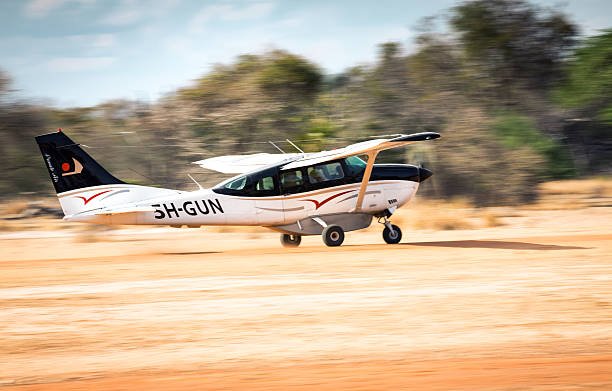
While overland travel is common, flying offers a faster alternative, particularly if your destination is Harare or Victoria Falls and you wish to minimize travel time. Direct flights are available from Johannesburg (O.R. Tambo International Airport – JNB) to Harare International Airport (HRE) and Victoria Falls Airport (VFA).
Airlines and Routes:
- Air Zimbabwe: The national carrier often operates direct flights between Johannesburg and Harare, and sometimes to Victoria Falls.
- Fastjet: This low-cost carrier also provides services on the Johannesburg-Harare route.
- South African Airways (SAA): Depending on their operational status and schedules for 2026-2027, SAA may offer direct or connecting flights.
Flight Duration and Booking:
- Johannesburg to Harare: Direct flights are typically around 2.5 to 3 hours.
- Johannesburg to Victoria Falls: Direct flights are usually around 2.5 hours.
- Booking: Flights should be booked well in advance, especially for travel during peak seasons or around public holidays in 2026-2027. Prices can vary significantly based on the airline, time of booking, and season. Use flight comparison websites or book directly with the airlines.
Considerations for Flying:
- Cost: Flights are generally more expensive than bus travel or driving (when factoring in fuel and border costs for a group).
- Airport Transfers: Upon arrival at Harare or Victoria Falls, you will need to arrange onward transportation to your accommodation or next destination. Taxis, pre-booked transfers, or hotel shuttles are available.
- Baggage Allowances: Be mindful of airline baggage restrictions, which can differ from those for road travel.
Private Transfers and Guided Tours
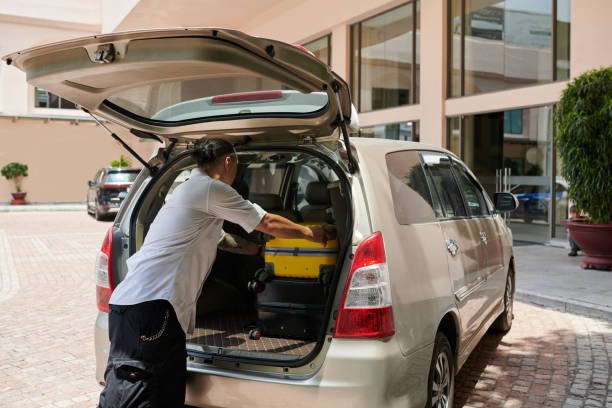
For a more comfortable, personalized, and hassle-free experience, consider arranging a private transfer or booking a guided tour that includes transport from South Africa to Zimbabwe. This option is ideal for families, small groups, or travelers who want comprehensive support.
Benefits of Private Transfers:
- Convenience: You are picked up from your specified location and dropped off at your destination.
- Flexibility: You can often arrange stops along the way for sightseeing or rest.
- Assistance at Borders: Drivers familiar with the border crossing process can significantly expedite your passage.
- Vehicle: You’ll travel in a comfortable, air-conditioned vehicle suitable for the group size.
Guided Tours:
- Comprehensive Itineraries: Tour operators can arrange all aspects of your trip, including transport, accommodation, activities, and park fees.
- Expert Guides: Knowledgeable guides enhance your experience with insights into local culture, history, and wildlife.
- Peace of Mind: All logistics are handled, allowing you to relax and enjoy the journey.
Companies like Top Guide Adventures specialize in organizing smooth travel experiences across Southern Africa. For inquiries about tailored journeys or transfers from South Africa to Zimbabwe for 2026-2027, you can reach them via WhatsApp at +255616946642 or email at topguideadventures@gmail.com or info@topguideadventurestanzania.com.
Planning Your Itinerary: Destinations and Routes
When planning your travel from South Africa to Zimbabwe, consider which key destinations you wish to visit. This will influence your route, mode of transport, and the duration of your stay. Zimbabwe offers a diverse range of attractions, from natural wonders to historical sites.
Victoria Falls: The Smoke That Thunders
Victoria Falls, one of the Seven Natural Wonders of the World, is a must-visit. Located on the Zambezi River, it forms the border between Zimbabwe and Zambia. Most visitors access the Zimbabwean side from the town of Victoria Falls.
Getting to Victoria Falls from South Africa:
- By Air: The most direct way is flying from Johannesburg to Victoria Falls Airport (VFA).
- By Road (Driving/Bus): The overland route via Beitbridge to Bulawayo and then to Victoria Falls is a longer journey. Alternatively, one could drive or take a bus to Livingstone, Zambia, and cross the border there, but traveling directly into Zimbabwe is often preferred for the Zimbabwean side of the falls.
Activities at Victoria Falls:
- Viewing the Falls from various viewpoints.
- Sunset cruises on the Zambezi River.
- White-water rafting (seasonal).
- Bungee jumping, gorge swinging, and zip-lining.
- Helicopter or microlight flights over the Falls.
- Visiting the nearby Chobe National Park in Botswana (day trip).
For 2026-2027, booking accommodation and popular activities in Victoria Falls well in advance is advisable, especially during the peak tourist season (June to August).
Hwange National Park: Wildlife Encounters
Zimbabwe’s largest national park, Hwange, is renowned for its large elephant herds and diverse wildlife, including lions, wild dogs, and numerous bird species. It’s located south-east of Victoria Falls.
Accessing Hwange:
- From Victoria Falls: Hwange is accessible by road, approximately a 2-3 hour drive from Victoria Falls town. Self-drive, guided tours, or transfers are common options.
- From Bulawayo: It’s also reachable from Bulawayo, taking around 3-4 hours.
Travel Tips for Hwange:
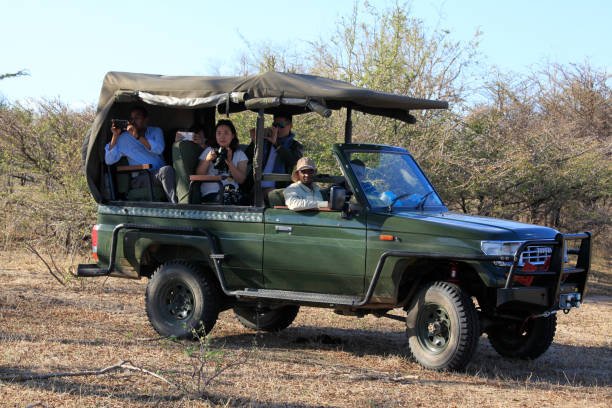
- Safari Vehicles: A 4×4 vehicle is recommended for exploring the park, especially during the rainy season. Guided safaris provide these vehicles.
- Accommodation: Options range from park-run rest camps to private safari lodges. Booking is essential.
- Best Time to Visit: The dry season (May to October) is best for wildlife viewing as animals congregate around waterholes.
Harare: The Capital City
Harare is Zimbabwe’s bustling capital, offering a mix of urban life, cultural attractions, and a gateway to other parts of the country. It’s a common entry and exit point for those traveling by air or bus from South Africa.
Activities in Harare:
- Visiting the National Gallery of Zimbabwe.
- Exploring the Harare Gardens and viewpoints.
- Shopping for local crafts and art.
- Day trips to nearby attractions like Domboshawa Caves.
Getting Around Harare: Taxis and ride-sharing services are available. For exploring further afield, hiring a car or arranging a driver is recommended.
Great Zimbabwe Ruins: Ancient History
These impressive stone ruins are a UNESCO World Heritage site, representing the capital of the Kingdom of Zimbabwe during the country’s Late Iron Age. They are located near Masvingo, south-east of Bulawayo.
Accessing Great Zimbabwe:
- From Harare: Approximately a 4-5 hour drive.
- From Bulawayo: Approximately a 3-4 hour drive.
Travel Considerations: It’s often combined with a trip to Matopos National Park or as part of a broader overland tour.
Essential Preparations for Your Zimbabwe Trip (2026-2027)
Beyond choosing your mode of transport, thorough preparation is key to a successful trip from South Africa to Zimbabwe. This includes understanding visa requirements, currency, health precautions, and safety advice.
Visa Requirements for Zimbabwe
Visa requirements can change, so it’s vital to check the latest regulations for your nationality before traveling. Many nationalities can obtain a visa on arrival at ports of entry, while others may need to apply in advance.
Common Scenarios:
- Category 1 Countries: Citizens of many countries (e.g., UK, USA, Canada, Australia, most EU nations) can enter Zimbabwe visa-free for up to 30 days.
- Category 2 Countries: Citizens of some countries can obtain a visa on arrival (e.g., Ghana, Nigeria). Fees apply.
- Category 3 Countries: Citizens of a few countries are required to obtain a visa in advance from a Zimbabwean embassy or consulate.
Visa Fees: If a visa is required, fees vary depending on nationality and duration of stay. It’s advisable to carry sufficient USD cash to cover these fees at the border.
Recommendation: Always verify current visa requirements with the official Zimbabwean Department of Immigration or through your embassy. For 2026-2027 travel, checking online resources like the Zimbabwe Department of Immigration website or consulting with a travel specialist is the best approach.
Currency and Payment Methods
Zimbabwe’s currency situation has evolved over the years. Currently, the official currency is the Zimbabwe Gold (ZiG), introduced in 2024. However, the US Dollar (USD) remains widely accepted and often preferred for tourist transactions, especially in hotels, lodges, and for activities. It’s wise to carry a mix of both.
Key Points:
- USD: Essential for most tourist-related expenses. Ensure you have crisp, newer bills (preferably 2009 or later) as older or damaged notes may be rejected.
- ZiG: You will likely encounter ZiG for smaller purchases, change, and local transport. Exchange rates can fluctuate.
- ATMs: ATMs are available in major cities like Harare and Bulawayo, but they often dispense ZiG and may have withdrawal limits. They may not always be reliable.
- Credit/Debit Cards: While some larger hotels, restaurants, and tour operators accept credit cards (Visa and MasterCard are most common), acceptance is not universal, and card machines can be unreliable. It’s best not to rely solely on card payments.
- Mobile Money: Platforms like EcoCash are prevalent for local transactions but are generally not usable by foreign visitors.
Tip for 2026-2027: Carry enough USD cash for your expected expenses, particularly for remote areas and border crossings. You can exchange some USD for ZiG at official bureaus or banks if needed.
Health and Safety Precautions
Zimbabwe is generally safe for tourists who take standard precautions, but health and safety require attention.
Health:
- Malaria: Malaria is present in most of Zimbabwe, particularly in lower-lying areas and along the Zambezi River (including Victoria Falls). Consult your doctor about malaria prophylaxis well in advance of your trip.
- Vaccinations: Ensure routine vaccinations are up to date. A Yellow Fever vaccination certificate may be required if arriving from or transiting through a country with a risk of Yellow Fever transmission.
- Water: Drink only bottled or purified water. Avoid ice in drinks unless you are sure it’s made from purified water.
- Food: Eat well-cooked food. Be cautious with street food.
- Sun Protection: The sun can be intense. Use sunscreen, wear a hat, and stay hydrated.
Safety:
- Petty Crime: Be aware of your surroundings, especially in crowded areas like markets and bus stations. Keep valuables secure and avoid displaying large amounts of cash.
- Road Safety: As mentioned, avoid night driving. Drive defensively and be aware of road conditions.
- Wildlife: When visiting national parks, always follow the advice of your guide. Do not approach wild animals, especially large or potentially dangerous ones.
- Political Situation: While generally stable for tourists, stay informed about any local news or advisories.
For 2026-2027 travel, consider purchasing comprehensive travel insurance that covers medical emergencies, evacuation, and trip cancellations.
What to Pack
Packing appropriately will enhance your comfort and preparedness. Consider the climate, activities, and your travel style.
Clothing:
- Lightweight, breathable clothing (cotton, linen).
- Neutral-colored clothing for safaris (khaki, beige, green, brown) to avoid startling wildlife.
- Warmer layers for evenings and early mornings, especially during the cooler dry season (May-August).
- Comfortable walking shoes or hiking boots.
- Sandals or flip-flops.
- Swimwear.
- A waterproof jacket or poncho, especially during the rainy season (November-April).
Essentials:
- Passport and copies of important documents.
- Visa documentation (if required).
- Cash (USD) and credit/debit cards.
- Malaria medication and any other personal prescriptions.
- Insect repellent (with DEET).
- Sunscreen, sunglasses, and a wide-brimmed hat.
- Camera and extra batteries/memory cards.
- Binoculars for wildlife viewing.
- A basic first-aid kit.
- Reusable water bottle.
- Adapter for electronics (Zimbabwe uses Type G plugs, similar to the UK).
- A headlamp or flashlight.
Comparing Travel Styles for 2026-2027
Your choice of travel style will significantly impact your experience and budget when traveling from South Africa to Zimbabwe. Here’s a comparison to help you decide.
Budget Travel: Focusing on Overland Buses
Pros: Most economical option. Opportunity to interact with locals and fellow travelers. Regular departures from major hubs.
Cons: Long travel times. Less comfort. Border crossings can be time-consuming and require personal navigation. Limited flexibility for spontaneous stops.
Best for: Backpackers, solo travelers, those prioritizing cost savings.
Mid-Range Travel: Self-Driving or Private Transfers
Pros: Offers a balance of cost and convenience. Flexibility to set your own pace and itinerary. Private transfers provide comfort and border assistance.
Cons: Self-driving requires vehicle preparation and navigation skills. Private transfers are more expensive than buses. Fuel costs and potential vehicle issues are considerations.
Best for: Couples, small families, independent travelers who value flexibility.
Luxury Travel: Flying and Guided Safaris
Pros: Fastest travel times. Highest level of comfort and service. All logistics handled by tour operators. Access to exclusive lodges and experiences.
Cons: Most expensive option. Less opportunity for spontaneous local interaction.
Best for: Travelers seeking maximum comfort, efficiency, and curated experiences; honeymoons, special occasions.
Making the Most of Your Zimbabwe Adventure
Once you’ve arrived in Zimbabwe, there’s a wealth of experiences waiting. To truly enjoy your trip in 2026-2027, consider these tips.
Engaging with Local Culture
Zimbabwe has a rich cultural heritage. Engaging respectfully with local communities can be a highlight of your trip.
- Visit Local Markets: Explore markets for authentic crafts, souvenirs, and a glimpse into daily life.
- Learn Basic Phrases: Knowing a few words in Shona or Ndebele (local languages) can be appreciated.
- Respect Customs: Dress modestly when visiting villages or cultural sites. Always ask permission before taking photos of people.
- Traditional Music and Dance: Seek opportunities to experience traditional performances.
Responsible Tourism
As a visitor, practicing responsible tourism helps preserve Zimbabwe’s natural beauty and support its communities.
- Wildlife Ethics: Maintain a safe distance from animals, never feed them, and avoid using flash photography. Support reputable tour operators who adhere to ethical wildlife viewing practices.
- Environmental Conservation: Minimize your environmental impact by reducing waste, conserving water, and staying on marked trails.
- Supporting Local Economy: Purchase locally made crafts and products, eat at local restaurants, and employ local guides.
Connectivity and Communication
Staying connected can be important for planning and safety.
- SIM Cards: Purchase a local SIM card upon arrival (e.g., from Econet, NetOne, or Telecel) for more affordable local calls and data.
- Wi-Fi: Wi-Fi is available in most hotels and lodges, though speeds can vary.
- Emergency Numbers: Familiarize yourself with emergency contact numbers in Zimbabwe.
Planning for 2026-2027: What to Expect
As you plan your travel from South Africa to Zimbabwe for 2026-2027, consider the following trends and potential developments:
- Economic Stability: Keep an eye on Zimbabwe’s economic situation, particularly regarding currency and inflation, as this can impact prices for goods and services. While the ZiG is the official currency, the USD’s role may continue to be significant for tourists.
- Infrastructure Improvements: There are ongoing efforts to improve road infrastructure and tourism facilities. While main routes are generally good, expect variable conditions in more remote areas.
- Digital Integration: Online booking platforms and digital payment options are becoming more prevalent, although cash remains essential for many transactions.
- Sustainability Focus: The tourism sector is increasingly focusing on sustainable practices, offering more eco-friendly travel options and community-based tourism experiences.
For a smooth and well-supported journey from South Africa to Zimbabwe in 2026 or 2027, consider partnering with experienced tour operators. Top Guide Adventures can assist with crafting personalized itineraries, arranging reliable transport, and providing expert guidance. You can reach them via WhatsApp at +255616946642 or email at topguideadventures@gmail.com or info@topguideadventurestanzania.com.
Whether you choose to drive yourself, take a comfortable bus, or fly directly, the transition from South Africa to Zimbabwe is an exciting prelude to discovering the wonders of this interesting country. Careful planning, awareness of practicalities, and an open mind will ensure your 2026-2027 adventure is memorable.
Check Availability for How To Travel From South Africa To Zimbabwe: Your Complete Guide 2026-2027
Ready to compare dates, prices, and the best option for your group? Send the package name and travel month so the team can reply with a clear quote, availability, and what is included.
How To Travel From Zimbabwe To South Africa In : The Complete Guide 2026-2027
This comprehensive guide details how to travel from Zimbabwe to South Africa, covering all viable transport options for 2026-2027. Learn about road travel, flights, bus services, border...
View package detailsNo related package matches those filters. Clear one or more filters to see the other topic-matched options.



