
.orscg-article{–orscg-text:#152033;–orscg-muted:#5c6878;–orscg-line:#e4e8ee;–orscg-accent:#0b6b4f;–orscg-accent2:#c75b12;–orscg-soft:#f6faf7;–orscg-warm:#fff7ef;max-width:1120px;margin:0 auto;color:var(–orscg-text);font-family:inherit;line-height:1.76}.orscg-article *{box-sizing:border-box}.orscg-article-intro{padding:30px 26px;margin:0 0 32px;border:1px solid var(–orscg-line);border-radius:22px;background:linear-gradient(135deg,#fff 0%,var(–orscg-soft) 65%,var(–orscg-warm) 100%)}.orscg-updated{display:inline-block;margin:0 0 14px;padding:6px 12px;border:1px solid rgba(11,107,79,.18);border-radius:999px;background:#fff;color:var(–orscg-accent);font-size:13px;font-weight:800}.orscg-article-intro h2{font-family:’Trebuchet MS’,Arial,sans-serif;margin:0 0 14px;font-size:clamp(30px,4vw,52px);line-height:1.08;color:var(–orscg-text);letter-spacing:-.03em}.orscg-lead{max-width:900px;margin:0 0 18px;font-size:clamp(17px,2vw,21px);color:var(–orscg-muted)}.orscg-contact-mini{font-weight:800;margin:0}.orscg-contact-mini a,.orscg-content a{color:var(–orscg-accent);text-decoration:none}.orscg-contact-mini a:hover,.orscg-content a:hover{text-decoration:underline}.orscg-hero-price{margin:18px 0 0;padding:14px 16px;border:1px solid rgba(199,91,18,.28);border-radius:14px;background:#fff;color:#733809;font-weight:650}.orscg-content{font-size:17px}.orscg-content h2{font-family:’Trebuchet MS’,Arial,sans-serif;margin:44px 0 15px;font-size:clamp(25px,3vw,38px);line-height:1.17;color:var(–orscg-text);letter-spacing:-.02em}.orscg-content h2:first-child{margin-top:0}.orscg-content h3{margin:28px 0 12px;font-size:clamp(20px,2.1vw,27px);line-height:1.25;color:var(–orscg-text)}.orscg-content p{margin:0 0 18px}.orscg-content ul,.orscg-content ol{margin:0 0 24px;padding-left:24px}.orscg-content li{margin:8px 0}.orscg-content table,.orscg-table{width:100%;border-collapse:separate;border-spacing:0;margin:25px 0;font-size:16px;border:1px solid var(–orscg-line);border-radius:0;overflow:hidden;background:#fff;box-shadow:0 10px 24px rgba(15,23,42,.05)}.orscg-content th,.orscg-content td{border:0;border-bottom:1px solid var(–orscg-line);padding:13px 14px;text-align:left;vertical-align:top}.orscg-content tr:last-child td{border-bottom:0}.orscg-content th{background:var(–orscg-soft);font-weight:850;color:#10251d}.orscg-price-box{margin:30px 0;padding:24px;border:0;border-top:3px solid var(–orscg-accent2);border-bottom:1px solid rgba(199,91,18,.28);border-radius:0;background:linear-gradient(135deg,#fff,var(–orscg-warm));box-shadow:0 12px 26px rgba(15,23,42,.06)}.orscg-price-box h2{margin-top:0}.orscg-price-table th{background:#fff1e3}.orscg-price-table td:first-child{font-weight:800;color:#733809}.orscg-anchor-target{display:block;position:relative;top:-115px;visibility:hidden;height:0;overflow:hidden}.orscg-content h2[data-orscg-anchor]{scroll-margin-top:120px}.orscg-toc,.orscg-company-links{margin:24px 0;padding:22px 24px;border:1px solid var(–orscg-line);border-radius:18px;background:#fff;box-shadow:0 10px 28px rgba(15,23,42,.04)}.orscg-toc h2,.orscg-company-links h2{margin-top:0}.orscg-toc ol{columns:2;column-gap:34px}.orscg-toc li{break-inside:avoid}.orscg-toc a{cursor:pointer;font-weight:700}.orscg-note,.orscg-checklist,.orscg-itinerary,.orscg-faq,.orscg-map,.orscg-pro-block{margin:28px 0;padding:22px 24px;border:0;border-top:1px solid var(–orscg-line);border-bottom:1px solid var(–orscg-line);border-left:5px solid var(–orscg-accent);border-radius:0;background:var(–orscg-soft)}.orscg-itinerary{border-left-color:var(–orscg-accent2);background:#fffaf5}.orscg-pro-block{background:linear-gradient(135deg,#fff,var(–orscg-soft));box-shadow:0 10px 28px rgba(15,23,42,.04)}.orscg-top-images{display:grid;grid-template-columns:repeat(auto-fit,minmax(220px,1fr));gap:16px;margin:0 0 30px}.orscg-featured-image{margin:0;aspect-ratio:16/10;overflow:hidden;border-radius:18px;background:#eef2f0}.orscg-featured-image img{display:block;width:100%;height:100%;object-fit:cover;object-position:center;border-radius:18px;box-shadow:0 12px 30px rgba(15,23,42,.10)}.orscg-simple-cta{margin:46px 0 0;padding:28px;border:0;border-top:3px solid var(–orscg-accent);border-bottom:1px solid rgba(11,107,79,.20);border-radius:0;background:linear-gradient(135deg,var(–orscg-soft),#fff);box-shadow:0 14px 30px rgba(15,23,42,.07)}.orscg-direct-answer{margin:0 0 30px;padding:22px 24px;border:0;border-top:1px solid rgba(11,107,79,.25);border-bottom:1px solid rgba(11,107,79,.25);border-left:6px solid var(–orscg-accent);border-radius:0;background:linear-gradient(135deg,#fff,var(–orscg-soft));box-shadow:0 12px 26px rgba(15,23,42,.06);font-size:18px}.orscg-direct-answer p:last-child{margin-bottom:0}.orscg-simple-cta h2{font-family:’Trebuchet MS’,Arial,sans-serif;margin:0 0 12px;font-size:clamp(24px,3vw,34px);line-height:1.2}.orscg-simple-cta p{margin:0 0 16px}.orscg-related-packages{position:relative;margin:48px 0 0;padding:30px 0 8px;border:0;border-top:3px solid var(–orscg-accent);border-bottom:1px solid var(–orscg-line);border-radius:0;background:linear-gradient(180deg,#fff 0%,#f7faf8 100%);box-shadow:none}.orscg-related-packages h2{margin:0 0 8px}.orscg-related-packages p{margin:0;color:var(–orscg-muted)}.orscg-related-heading{display:flex;align-items:flex-end;justify-content:space-between;gap:18px;margin-bottom:22px}.orscg-package-explorer{display:grid;grid-template-columns:minmax(220px,270px) minmax(0,1fr);gap:24px;align-items:start}.orscg-package-filters{position:sticky;top:92px;border:1px solid var(–orscg-line);border-top:4px solid var(–orscg-accent);border-radius:0;background:#fff;box-shadow:0 12px 28px rgba(15,23,42,.07)}.orscg-filter-mobile-toggle{display:none;width:100%;padding:14px 16px;border:0;border-bottom:1px solid var(–orscg-line);border-radius:0;background:#fff;color:var(–orscg-text);font:inherit;font-weight:850;text-align:left;cursor:pointer}.orscg-filter-panel-head{display:flex;align-items:center;justify-content:space-between;gap:12px;padding:16px 17px;border-bottom:1px solid var(–orscg-line)}.orscg-filter-panel-head strong{font-size:18px}.orscg-filter-panel-head button,.orscg-package-results-head button{padding:0;border:0;background:transparent;color:var(–orscg-accent);font:inherit;font-size:13px;font-weight:800;cursor:pointer}.orscg-filter-group{margin:0;padding:16px 17px;border:0;border-bottom:1px solid var(–orscg-line)}.orscg-filter-group:last-child{border-bottom:0}.orscg-filter-group legend{display:block;width:100%;margin:0 0 10px;padding:0;color:var(–orscg-text);font-size:15px;font-weight:900}.orscg-filter-group label{display:grid;grid-template-columns:18px minmax(0,1fr) auto;align-items:center;gap:9px;margin:9px 0;color:var(–orscg-text);font-size:14px;line-height:1.35;cursor:pointer}.orscg-filter-group input{width:16px;height:16px;margin:0;accent-color:var(–orscg-accent)}.orscg-filter-group b{min-width:24px;color:var(–orscg-muted);font-size:12px;font-weight:700;text-align:right}.orscg-package-results{min-width:0}.orscg-package-results-head{display:flex;align-items:center;justify-content:space-between;gap:14px;margin:0 0 12px;padding:12px 0;border-top:1px solid var(–orscg-line);border-bottom:1px solid var(–orscg-line)}.orscg-package-results-head strong{font-size:15px}.orscg-package-list{display:grid;gap:16px}.orscg-package-card{display:grid;grid-template-columns:minmax(190px,245px) minmax(0,1fr);min-width:0;overflow:hidden;border:1px solid var(–orscg-line);border-left:4px solid var(–orscg-accent);border-radius:0;background:#fff;color:var(–orscg-text);box-shadow:0 12px 26px rgba(15,23,42,.07);transition:transform .18s ease,box-shadow .18s ease}.orscg-package-card[hidden]{display:none!important}.orscg-package-card:hover{transform:translateY(-2px);box-shadow:0 17px 32px rgba(15,23,42,.11)}.orscg-package-card-image{display:block;min-height:185px;overflow:hidden;background:#eaf0ec;text-decoration:none!important}.orscg-package-card-image img{display:block;width:100%;height:100%;min-height:185px;object-fit:cover;object-position:center}.orscg-package-image-placeholder{display:block;width:100%;height:100%;min-height:185px;background:linear-gradient(135deg,#e8f1ec,#fff3e7)}.orscg-package-card-body{display:flex;min-width:0;flex-direction:column;padding:18px 20px}.orscg-package-meta{display:flex;flex-wrap:wrap;gap:7px;margin:0 0 10px}.orscg-package-meta span{display:inline-flex;padding:4px 8px;border:1px solid rgba(11,107,79,.18);border-radius:0;background:var(–orscg-soft);color:#21463b;font-size:12px;font-weight:800;line-height:1.2}.orscg-package-card h3{margin:0 0 8px!important;font-size:clamp(19px,2vw,25px)!important;line-height:1.25}.orscg-package-card h3 a{color:var(–orscg-text)!important;text-decoration:none!important}.orscg-package-card h3 a:hover{color:var(–orscg-accent)!important}.orscg-package-card .orscg-package-summary{margin:0 0 14px;color:var(–orscg-muted);font-size:14px;line-height:1.58}.orscg-package-view{display:inline-flex;align-items:center;gap:7px;margin-top:auto;color:var(–orscg-accent)!important;text-decoration:none!important;font-size:14px;font-weight:900}.orscg-package-view:hover{text-decoration:underline!important}.orscg-package-empty{padding:24px;border:1px dashed var(–orscg-line);background:#fff;text-align:center}.orscg-filter-panel.is-open{display:block}.orscg-cta-links{display:flex;flex-wrap:wrap;gap:12px}.orscg-btn{display:inline-flex;align-items:center;justify-content:center;padding:12px 19px;border-radius:0;background:var(–orscg-accent);color:#fff!important;text-decoration:none!important;font-weight:850;box-shadow:4px 4px 0 rgba(11,107,79,.18)}.orscg-btn-light{background:#fff;color:var(–orscg-accent)!important;border:1px solid var(–orscg-accent);box-shadow:none}@media(max-width:980px){.orscg-package-explorer{grid-template-columns:220px minmax(0,1fr)}.orscg-package-card{grid-template-columns:190px minmax(0,1fr)}}@media(max-width:760px){.orscg-article-intro{padding:24px 18px}.orscg-toc ol{columns:1}.orscg-content{font-size:16px}.orscg-content table,.orscg-table{display:block;overflow-x:auto}.orscg-simple-cta,.orscg-price-box,.orscg-related-packages{padding:20px}.orscg-cta-links{display:block}.orscg-btn{margin:0 8px 8px 0}.orscg-top-images{grid-template-columns:1fr}.orscg-related-heading{align-items:flex-start}.orscg-package-explorer{grid-template-columns:1fr}.orscg-package-filters{position:static}.orscg-filter-mobile-toggle{display:block}.orscg-filter-panel{display:none}.orscg-filter-panel.is-open{display:block}.orscg-package-card{grid-template-columns:1fr}.orscg-package-card-image,.orscg-package-card-image img,.orscg-package-image-placeholder{min-height:210px}.orscg-package-results-head{align-items:flex-start}}
/* v3.17.24 related package explorer: stronger existing-page topic matching, three-column desktop grid and old-page live refresh */
.orscg-related-packages{padding:34px 0 12px;overflow:visible}.orscg-related-heading{align-items:flex-start;margin-bottom:26px}.orscg-related-heading>div{max-width:880px}.orscg-related-heading h2{font-size:clamp(27px,3vw,40px);line-height:1.14}.orscg-related-heading p{max-width:830px;line-height:1.65}.orscg-package-explorer{grid-template-columns:minmax(238px,270px) minmax(0,1fr);gap:28px}.orscg-package-filters{top:84px;max-height:calc(100vh – 104px);overflow:auto;scrollbar-width:thin}.orscg-filter-mobile-toggle{align-items:center;justify-content:space-between;gap:16px}.orscg-filter-mobile-toggle small{color:var(–orscg-muted);font-size:12px;font-weight:750}.orscg-filter-panel-head{align-items:flex-start;padding:18px}.orscg-filter-panel-head>div{display:grid;gap:3px}.orscg-filter-panel-head span{color:var(–orscg-muted);font-size:12px}.orscg-filter-group{padding:0}.orscg-filter-group legend{margin:0}.orscg-filter-group-toggle{display:flex;width:100%;align-items:center;justify-content:space-between;gap:14px;padding:14px 17px;border:0;background:#fff;color:var(–orscg-text);font:inherit;font-size:15px;font-weight:900;text-align:left;cursor:pointer}.orscg-filter-group-toggle i{position:relative;width:14px;height:14px;flex:0 0 14px}.orscg-filter-group-toggle i:before,.orscg-filter-group-toggle i:after{content:””;position:absolute;left:1px;top:6px;width:12px;height:2px;background:var(–orscg-accent);transition:transform .18s ease}.orscg-filter-group-toggle i:after{transform:rotate(90deg)}.orscg-filter-group.is-expanded .orscg-filter-group-toggle i:after{transform:rotate(0)}.orscg-filter-options{padding:0 17px 14px}.orscg-filter-group:not(.is-expanded) .orscg-filter-options{display:none}.orscg-filter-group label{margin:5px -7px;padding:8px 7px;transition:background .16s ease}.orscg-filter-group label:hover{background:var(–orscg-soft)}.orscg-filter-group label:has(input:checked){background:#eef8f3;color:#123b2f;font-weight:800}.orscg-package-results-head{align-items:flex-start;margin-bottom:18px;padding:14px 0}.orscg-package-results-head>div{min-width:0}.orscg-package-results-head>button{flex:0 0 auto;margin-top:2px}.orscg-active-filters{display:flex;flex-wrap:wrap;gap:6px;margin-top:8px}.orscg-active-filters:empty{display:none}.orscg-active-filter-chip{display:inline-flex;align-items:center;padding:4px 8px;border:1px solid rgba(11,107,79,.18);background:var(–orscg-soft);color:#21463b;font-size:12px;font-weight:750}.orscg-package-list{grid-template-columns:repeat(3,minmax(0,1fr));gap:20px;align-items:stretch}.orscg-package-card{position:relative;display:grid;grid-template-columns:1fr;grid-template-rows:auto 1fr;height:100%;border-left:1px solid var(–orscg-line);border-top:4px solid var(–orscg-accent);cursor:pointer;outline:none}.orscg-package-card:focus-visible{box-shadow:0 0 0 3px rgba(11,107,79,.2),0 17px 32px rgba(15,23,42,.11)}.orscg-package-card-image{min-height:0;aspect-ratio:16/9}.orscg-package-card-image img,.orscg-package-image-placeholder{width:100%;height:100%;min-height:0;aspect-ratio:16/9}.orscg-package-card-body{height:100%;padding:18px 19px 19px}.orscg-package-card h3{font-size:clamp(18px,1.7vw,23px)!important}.orscg-package-summary{display:-webkit-box;overflow:hidden;-webkit-box-orient:vertical;-webkit-line-clamp:3}.orscg-package-view{padding-top:4px}.orscg-package-card.is-filtered-in{animation:orscgPackageReveal .22s ease both}@keyframes orscgPackageReveal{from{opacity:.35;transform:translateY(5px)}to{opacity:1;transform:none}}@media(max-width:1050px){.orscg-package-explorer{grid-template-columns:220px minmax(0,1fr);gap:20px}.orscg-package-list{grid-template-columns:repeat(2,minmax(0,1fr))}}@media(max-width:760px){.orscg-related-packages{padding:24px 0 8px}.orscg-package-explorer{grid-template-columns:1fr}.orscg-package-filters{max-height:none;overflow:visible}.orscg-filter-mobile-toggle{display:flex}.orscg-package-list{grid-template-columns:1fr;gap:16px}.orscg-package-card-image{aspect-ratio:16/10}.orscg-package-card-image img,.orscg-package-image-placeholder{aspect-ratio:16/10}.orscg-package-results-head{gap:10px}.orscg-package-results-head>button{white-space:nowrap}}@media(max-width:430px){.orscg-package-results-head{display:grid;grid-template-columns:1fr}.orscg-package-results-head>button{justify-self:start}.orscg-filter-mobile-toggle{padding:14px}.orscg-package-card-body{padding:16px}}
Traveling from South Africa to Namibia is a popular route, most commonly achieved by either flying directly between major cities like Johannesburg and Windhoek, or via a scenic road trip, which offers the chance to explore diverse landscapes. The road journey typically involves crossing the border at a designated point, such as the Noordoewer-Vioolsdrif crossing. While flights are quicker, the road trip allows for flexibility and exploration, with options for self-driving or using long-distance bus services. Planning for 2026-2027 should consider current travel advisories, visa requirements for your nationality, and the best time of year to travel, which is generally the dry season from May to October.
Understanding Your Travel Options: South Africa to Namibia
The journey from South Africa to Namibia is a rite of passage for many adventurers exploring Southern Africa. These two nations share a rich history and a impressive array of natural wonders, from the arid beauty of the Namib Desert to the wildlife-rich plains of Etosha National Park. Deciding how to make this transition is the first crucial step in planning your unforgettable trip for 2026 or 2027. You have several primary modes of transport to consider, each offering a distinct experience, budget implication, and time commitment.
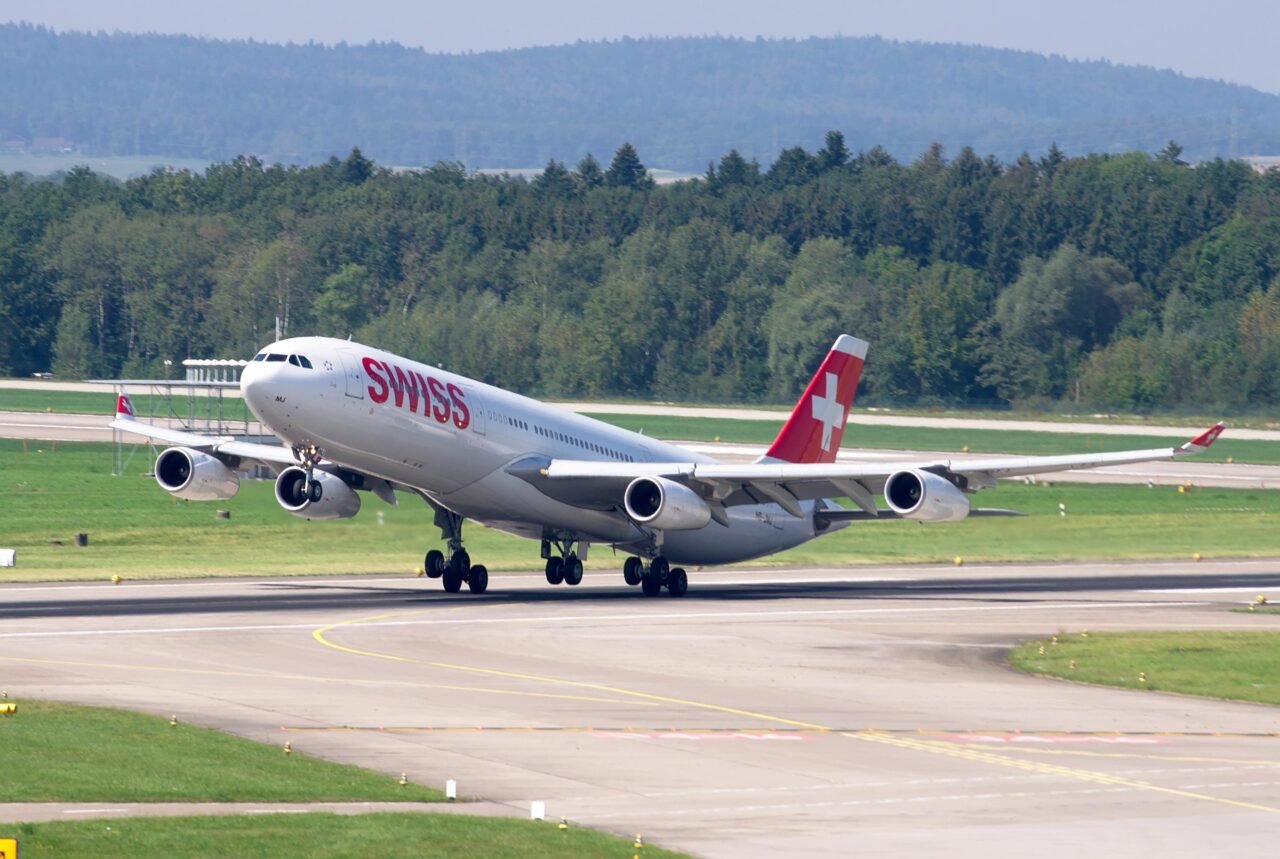
The most direct and fastest method is by air travel. Numerous flights connect major South African hubs, such as Johannesburg (JNB) and Cape Town (CPT), to Windhoek (WDH), Namibia’s capital. This option is ideal for those with limited time or who prefer to maximize their stay within Namibia.
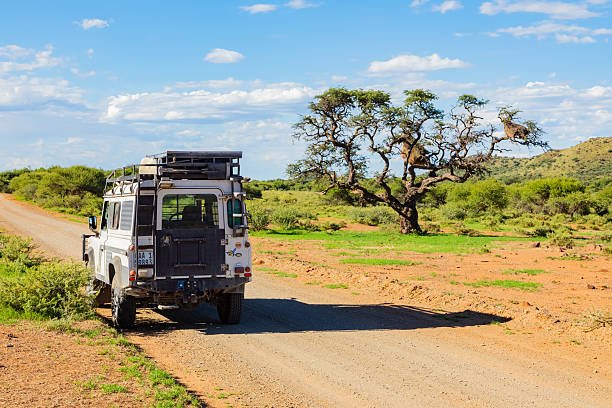
For the more intrepid traveler, a road trip presents an unparalleled opportunity to witness the changing landscapes and experience the journey itself as part of your adventure. This can be done via a self-drive, renting a vehicle in South Africa, or by utilizing long-distance bus services, which offer a more budget-conscious alternative. The road journey typically involves crossing a land border, with the most common entry point being the Noordoewer-Vioolsdrif border post on the Orange River.
Each method comes with its own set of considerations, including cost, duration, required documentation, and the overall experience. Understanding these differences is key to selecting the travel method that best suits your preferences, budget, and available time for your 2026-2027 travels.
Option 1: Flying from South Africa to Namibia
For travelers prioritizing speed and convenience, flying is undoubtedly the most efficient way to get from South Africa to Namibia. Major South African airports offer regular flights to Windhoek Hosea Kutako International Airport (WDH), the primary gateway to Namibia. This mode of transport is particularly suitable for those on a tighter schedule or who wish to minimize travel time between the two countries, allowing for more time to explore Namibia’s attractions.
Major Flight Routes and Airlines
The most common flight path originates from Johannesburg (O.R. Tambo International Airport – JNB), which has the most frequent and direct connections to Windhoek. Airlines such as Airlink and South African Airways (when operating) regularly service this route. Flights from Cape Town International Airport (CPT) to Windhoek are also available, though often less frequent than from Johannesburg, sometimes involving a layover in Johannesburg.
Direct flights typically take around 2 to 2.5 hours. While direct flights are the most convenient, some routes might involve a stopover, usually in Johannesburg, increasing the total travel time. When booking for 2026-2027, it’s advisable to compare prices and schedules across different airlines and booking platforms.
Booking Your Flight and Considerations for 2026-2027
Booking flights well in advance is recommended, especially if you plan to travel during peak seasons (typically June to October for Namibia) or around public holidays in 2026 or 2027. Early booking often secures better fares. Prices can fluctuate significantly based on the airline, time of booking, and season.
Key considerations for booking flights:
- Baggage Allowance: Check the baggage policy of the airline you choose, as this can vary and impact your overall travel cost.
- Travel Insurance: Ensure you have comprehensive travel insurance that covers flight cancellations, delays, and medical emergencies.
- Visa Requirements: While many nationalities do not require a visa for short stays in Namibia as tourists, always verify the latest regulations for your specific passport. South African passport holders generally have visa-free access for tourism purposes.
- Airport Transfers: Factor in the cost and time for transfers from Windhoek Hosea Kutako International Airport (WDH) to your accommodation. Taxis and pre-booked shuttles are available.
For the most current flight information and to compare options for your 2026-2027 trip, consult airline websites directly or use reputable flight comparison sites.
Option 2: The Road Trip Adventure from South Africa to Namibia
Embarking on a road trip from South Africa to Namibia is an adventure in itself, offering a profound connection with the vast and varied landscapes of Southern Africa. This option is perfect for those who have ample time, a spirit of exploration, and a desire to experience the journey rather than just the destination. The drive allows for spontaneous stops, discovering remote villages, and witnessing the dramatic transition from the South African terrain to the arid beauty of Namibia.
Route Planning: Key Entry Points and Destinations
The most common and well-established road route from South Africa to Namibia is via the Noordoewer-Vioolsdrif border post, situated on the Orange River, which forms the border between the two countries. This crossing is typically open 24 hours a day, making it convenient for arrivals at various times.
From the South African side, you’ll likely drive via the N7 highway, passing through towns like Springbok in the Northern Cape. Once you cross into Namibia, you will be on the B1 highway, heading north towards Windhoek. This route is generally well-maintained, though conditions can vary, especially in more remote areas.
Potential stops and highlights along the route:
- Springbok, South Africa: A good place to refuel and stock up on supplies before crossing the border.
- Orange River: The border itself, offering scenic views and opportunities for activities like canoeing or relaxing by the river.
- Keetmanshoop, Namibia: Known for its unique Quiver Tree Forest and Giant’s Playground, offering stunning geological formations and photography opportunities.
- Mariental, Namibia: A common stopover point on the B1 highway.
- Windhoek, Namibia: The capital city, serving as the primary destination for most travelers entering from this route, from where further exploration can commence.
For those coming from further afield in South Africa, such as Johannesburg or Pretoria, the route may involve traveling through Botswana, or heading west through the Northern Cape to connect with the N7. Each variation offers different scenic and logistical considerations for 2026-2027.
Self-Driving vs. Guided Road Trips
Self-driving offers the ultimate freedom and flexibility. You can choose your own pace, deviate from planned routes, and stop wherever you wish. However, it requires careful planning:
- Vehicle Choice: A robust vehicle, preferably a 4×4 or an SUV with good ground clearance, is highly recommended, especially if you plan to venture off the main highways. Ensure your rental agreement permits cross-border travel.
- Navigation: Reliable GPS devices or offline maps are essential, as mobile reception can be sporadic.
- Fuel: Fuel stations can be sparse in certain stretches. Always keep your tank full when you have the opportunity.
- Safety: Drive cautiously, especially on gravel roads, and avoid driving at night due to potential wildlife on the roads.
Guided road trips, often organized by tour operators, provide a more structured and hassle-free experience. These tours typically include a knowledgeable guide, transportation, accommodation, and sometimes even meals and activities. This can be an excellent option for those who want to enjoy the journey without the logistical stresses of self-driving, particularly for complex cross-border travel in 2026-2027.
Border Crossing Procedures (Noordoewer-Vioolsdrif)
Crossing the border at Noordoewer-Vioolsdrif involves several steps:
- Exit South Africa: Proceed to the South African border control post. You will need your passport, vehicle registration documents, and a cross-border permit if you are driving a rented vehicle (obtain this from your rental company). Customs and immigration officials will process your exit.
- Cross the Orange River: Drive across the bridge over the Orange River.
- Enter Namibia: Proceed to the Namibian border control post. You will need your passport, and potentially a visa depending on your nationality. For your vehicle, you will need to purchase a Namibian third-party insurance certificate and a vehicle import permit. These are usually available at the border post.
Important notes for 2026-2027 border crossing:
- Vehicle Documentation: Ensure all vehicle documents are in order. If you are not the owner of the vehicle, you will need a letter of authorization from the owner.
- Insurance: Namibian third-party insurance is mandatory and can be purchased at the border.
- Patience: Border crossings can sometimes be slow, so allow ample time.
- Currency: Both South African Rand (ZAR) and Namibian Dollar (NAD) are widely accepted in Namibia, with NAD pegged 1:1 to ZAR.
Option 3: Bus Travel from South Africa to Namibia
For budget-conscious travelers, long-distance bus services offer a viable and increasingly popular method to travel between South Africa and Namibia. This option is more economical than flying and removes the complexities of self-driving and border crossings, making it an attractive choice for backpackers and those seeking an affordable adventure in 2026-2027.
Key Bus Operators and Routes
The primary operator for this route is Intercape Mainliner. They run regular services connecting major South African cities, including Johannesburg and Cape Town, to Windhoek, Namibia. Other operators may exist, but Intercape is generally the most reliable and widely used for this international route.
The buses are typically modern, comfortable coaches equipped with amenities such as reclining seats, air conditioning, onboard restrooms, and sometimes even entertainment systems. The journey is long, often taking 24 to 30 hours or more, depending on the starting point in South Africa and the specific route taken. The buses usually stop at various towns along the way for passenger pick-ups and drop-offs, as well as for meal breaks.
Booking Tickets and Travel Tips
Booking tickets:
- Online: Tickets can usually be booked online through the bus operator’s website (e.g., Intercape). It is highly recommended to book in advance, especially for popular routes or during peak travel periods in 2026-2027, as seats can fill up quickly.
- In Person: Tickets can also be purchased at bus terminals or designated sales points.
Travel tips for bus journeys:
- Comfort: Bring a travel pillow, blanket, and comfortable clothing for the long journey.
- Entertainment: Download movies, music, or podcasts, and bring a portable charger for your devices, as power outlets may not always be available or functional.
- Food and Drinks: While there are scheduled stops, it’s wise to carry your own snacks and water.
- Security: Keep your belongings secure and within sight at all times. Use the luggage compartments for larger bags, but keep valuables with you.
- Border Crossing: Passengers will need to disembark the bus at the border to go through immigration and customs procedures for both South Africa and Namibia. The bus driver will provide instructions and usually wait for all passengers. Ensure you have all necessary travel documents readily accessible.
While bus travel is economical, it requires a significant time commitment and a good degree of patience. It is a practical option for those on a tight budget who are not in a hurry to reach their destination.
Essential Preparations for Your Trip
Regardless of how you choose to travel from South Africa to Namibia, thorough preparation is key to a smooth and enjoyable experience. This involves understanding visa requirements, health precautions, currency, and packing appropriately for the diverse climates and activities you might encounter in 2026-2027.
Visa and Passport Requirements
Passports: All international travelers must have a valid passport. For Namibia, passports should typically be valid for at least six months beyond your intended stay and have at least two blank pages for entry and exit stamps.
Visas:
- South African Citizens: Generally do not require a visa for tourist stays in Namibia.
- Other Nationalities: Visa requirements vary significantly by nationality. Many European, North American, and Australian citizens can enter Namibia visa-free for up to 90 days for tourism. However, it is crucial to verify the latest visa regulations with the Namibian embassy or consulate in your country or through official government sources well in advance of your 2026-2027 travel dates, as policies can change.
Always carry copies of your passport and visa (if applicable) separately from the originals.
Health and Vaccinations
Consult your doctor or a travel clinic at least 4-6 weeks before your trip regarding recommended vaccinations and health precautions. Standard recommendations often include:
- Routine Vaccinations: Ensure you are up-to-date on standard immunizations such as measles, mumps, rubella, polio, tetanus, diphtheria, and Hepatitis A.
- Malaria Prevention: Namibia is a malaria-risk area, particularly in the northern regions (e.g., Kunene, Ohangwena, Kavango East, Kavango West, Zambezi regions) during the rainy season (typically November to May). Your doctor may recommend antimalarial medication. Use insect repellent containing DEET, wear long sleeves and pants during dawn and dusk, and sleep under mosquito nets.
- Yellow Fever: A Yellow Fever vaccination certificate may be required if you are arriving from a country with a risk of Yellow Fever transmission.
- Traveler’s Diarrhea: Be cautious with food and water. Drink bottled or purified water, avoid ice in drinks unless you know it’s made from purified water, and ensure food is well-cooked and served hot.
It is advisable to pack a basic first-aid kit with essentials like pain relievers, antiseptic wipes, bandages, and any personal medications.
Currency and Budgeting
The official currency of Namibia is the Namibian Dollar (NAD), which is pegged at par with the South African Rand (ZAR). Both currencies are accepted throughout Namibia, making transactions straightforward if you are coming from South Africa. However, change may be given in Namibian Dollars.
ATMs: ATMs are available in major towns and cities like Windhoek, Swakopmund, and Walvis Bay, but can be scarce in rural or remote areas. It’s advisable to carry a mix of cash and cards.
Credit Cards: Major credit cards (Visa, Mastercard) are accepted in most hotels, lodges, larger restaurants, and some shops, particularly in urban centers. However, smaller establishments, curio shops, and fuel stations in remote areas may only accept cash.
Budgeting for 2026-2027:
Your budget will heavily depend on your travel style:
- Budget: Primarily using bus travel, staying in hostels or basic guesthouses, and self-catering or eating at local eateries. Expect to spend approximately $50-80 USD per person per day.
- Mid-Range: Combining some flights or comfortable car rental with stays in mid-range lodges and hotels, and dining at a mix of local and tourist-oriented restaurants. Budget around $100-200 USD per person per day.
- Luxury: Utilizing private flights or premium vehicle rentals, staying in high-end lodges and safari camps, and enjoying fine dining. This can range from $300+ USD per person per day.
Remember to factor in the cost of activities, park entrance fees, fuel (if driving), and potential overspending. Exchange rates can fluctuate, so keeping an eye on them is wise for your 2026-2027 planning.
What to Pack
Packing for Namibia requires versatility due to its diverse climates and potential activities. Consider the season of your travel in 2026-2027.
Clothing:
- Lightweight, breathable clothing: Cotton or linen shirts, t-shirts, and trousers are ideal for daytime.
- Warm layers: Evenings and early mornings can be surprisingly cold, especially in the desert and during the winter months (June-August). Pack fleeces, sweaters, and a warm jacket.
- Sturdy walking shoes: Essential for exploring national parks and hiking.
- Sandals or comfortable shoes: For relaxing or driving.
- Hat: A wide-brimmed hat is crucial for sun protection.
- Swimsuit: For lodges with pools or coastal areas.
- Rain jacket: Lightweight and waterproof, especially if traveling during the rainy season (November-May).
Other Essentials:
- Sunscreen: High SPF sunscreen is a must.
- Sunglasses: To protect your eyes from the intense sun.
- Insect repellent: Especially important for malaria prevention.
- Camera and accessories: Plenty of memory cards and spare batteries.
- Binoculars: For wildlife viewing.
- Reusable water bottle: To stay hydrated and reduce plastic waste.
- Adapter: Namibia uses Type D and Type M electrical plugs (230V).
- First-aid kit: As mentioned in the health section.
- Headlamp or flashlight: Useful for navigating in the dark or during power outages.
Navigating Namibia: Getting Around Once You Arrive
Once you have successfully traveled from South Africa to Namibia, the next step is navigating within the country. Namibia is vast, and understanding your internal transport options is vital for planning your itinerary and ensuring you can reach all the incredible destinations on your list.
Internal Flights
For covering long distances quickly, internal flights are an option, though they can be expensive. Major destinations like Windhoek, Swakopmund, Walvis Bay, and some remote safari lodges have airstrips. These flights are often operated by smaller charter companies or specialized safari airlines. While convenient, they significantly increase the budget for a trip in 2026-2027.
Car Rental and Self-Driving in Namibia
Renting a vehicle is the most popular way for tourists to explore Namibia. This provides the greatest flexibility to visit national parks, off-the-beaten-path attractions, and set your own pace.
Vehicle Types:
- Sedans: Suitable for travel on paved roads (like the B1 and B2 highways) and for reaching major towns and coastal areas.
- 4×4 Vehicles: Highly recommended if you plan to explore gravel roads (which are common in Namibia), visit remote areas, or drive in national parks like Etosha, especially during the wet season. They offer better ground clearance and traction.
- SUV/Crossover: A good compromise for those wanting slightly better handling on gravel roads than a sedan, but not needing a full 4×4.
Rental Companies: Major international rental companies (Avis, Hertz, Europcar) have branches in Windhoek and other major towns. Local Namibian companies also offer competitive rates. Ensure your rental agreement allows for travel on gravel roads and, if applicable, cross-border travel back into South Africa if that’s part of your plan.
Driving Tips in Namibia:
- Road Conditions: The majority of roads outside major routes are gravel. Drive slowly and cautiously, especially on sharp bends. Avoid driving on the roadsides, as they can be soft.
- Fuel: Fuel stations are available in towns but can be hundreds of kilometers apart in remote areas. Always keep your fuel tank as full as possible.
- Speed Limits: Generally 120 km/h on gravel roads and 80 km/h in towns. These are maximums; adjust speed based on road conditions.
- Wildlife: Be extremely vigilant for wildlife, especially at dawn, dusk, and night. Animals can wander onto roads unexpectedly.
- Spare Tire: Ensure you have at least one, preferably two, spare tires and know how to change them.
Public Transport within Namibia
Public transport within Namibia is limited, especially for tourists aiming to visit remote attractions. Intercape and other bus companies operate between major towns, which can be useful for point-to-point travel if you are not renting a vehicle. However, accessing national parks and smaller towns via bus is often impractical.
For internal travel, shared taxis (minibuses) operate between towns, but these can be crowded and less comfortable for long distances. They are primarily used by locals.
Organized Tours and Safari Packages
For many travelers, particularly those coming from South Africa to Namibia, booking an organized tour or safari package is the most practical and rewarding way to experience the country. These tours, often starting from Windhoek or even directly from South Africa, handle all the logistics, including transportation, accommodation, park fees, and guided activities.
Benefits of organized tours:
- Expert Knowledge: Guides are usually highly knowledgeable about the local flora, fauna, culture, and history.
- Logistics Management: All travel, accommodation, and activity bookings are handled, saving you time and stress.
- Access: Tours often use 4×4 vehicles and know the best routes to access remote areas and prime wildlife viewing spots.
- Safety: Traveling with experienced guides enhances safety, especially in remote wilderness areas.
Companies like Top Guide Adventures, while specializing in Tanzania, can often provide advice or connections for neighboring countries, or may be able to assist with arranging elements of a cross-border journey if your itinerary includes both South Africa and Namibia in 2026-2027. For specific Namibian tours, seeking out reputable local operators is recommended.
Top Destinations to Explore in Namibia
Namibia is a land of stark contrasts and unparalleled natural beauty. Once you’ve made your way from South Africa, these are some of the must-visit destinations that showcase the country’s unique appeal.
Sossusvlei and Deadvlei
Perhaps Namibia’s most iconic landscape, Sossusvlei is a vast clay pan surrounded by some of the highest sand dunes in the world. The surreal Deadvlei, with its ancient camel thorn trees standing starkly against the red sand and white clay, is a photographer’s dream. Climbing Dune 45 or Big Daddy for sunrise or sunset offers unforgettable panoramic views.
Etosha National Park
Etosha is one of Africa’s premier wildlife viewing destinations. The park is centered around the massive Etosha Pan, a salt desert. Wildlife congregates around the waterholes, especially during the dry season, making for exceptional game viewing. Expect to see elephants, lions, rhinos, giraffes, zebras, and a plethora of bird species.
Swakopmund and Walvis Bay
These coastal towns offer a refreshing contrast to the desert interior. Swakopmund, with its German colonial architecture, provides a charming atmosphere. Walvis Bay is renowned for its large natural lagoon, a haven for birdlife, including flamingos and pelicans. Activities here include dolphin cruises, kayaking, sandboarding, quad biking in the dunes, and scenic flights over the Skeleton Coast.
Damaraland
This rugged, arid region is characterized by dramatic desert landscapes, ancient rock art sites (like Twyfelfontein, a UNESCO World Heritage site), and unique desert-adapted wildlife, including elephants and the rare black rhino. It’s also home to the fascinating geological formations like the Organ Pipes and Burnt Mountain.
Skeleton Coast National Park
Known for its desolate beauty, shipwrecks scattered along the coast, and the persistent fog that rolls in from the Atlantic, the Skeleton Coast is an otherworldly destination. Access to much of the park is restricted, with organized tours being the primary way to explore its remote wilderness.
Fish River Canyon
The second-largest canyon in the world, the Fish River Canyon, offers impressive vistas of its massive scale and geological grandeur. Hiking trails are available, though the canyon is best appreciated from the viewpoints.
Planning Your 2026-2027 Trip: Timing and Best Season
The best time to travel from South Africa to Namibia, and to explore Namibia itself, largely depends on what you wish to experience. Namibia’s climate is predominantly arid to semi-arid, with distinct wet and dry seasons.
The Dry Season (May to October)
This is generally considered the peak tourist season in Namibia for 2026-2027. The weather is pleasant, with sunny days and cool to cold nights. The lack of rain means vegetation is sparse, making wildlife easier to spot as animals congregate around permanent water sources, particularly in Etosha National Park.
Pros: Excellent wildlife viewing, comfortable temperatures for outdoor activities, lower risk of malaria in affected areas.
Cons: Higher prices for accommodation and flights, more crowds at popular attractions.
The Wet Season (November to April)
This period is characterized by higher temperatures and the possibility of summer rainfall, which usually occurs as afternoon thunderstorms. The landscape transforms into a lush green, and this is the calving season for many wildlife species. It’s also a great time for birdwatching.
Pros: Dramatic landscapes, lush scenery, baby animals, fewer tourists, lower prices for accommodation and flights.
Cons: Higher temperatures can be uncomfortable, some gravel roads may become impassable due to rain, increased risk of malaria in northern regions, wildlife can be more dispersed.
Shoulder Seasons (April-May and October-November)
These transitional periods often offer a good balance. The weather is usually pleasant, crowds are smaller than in the peak dry season, and prices may be more moderate. The end of the wet season (April-May) sees the landscape still green, while the start of the dry season (October-November) offers good wildlife viewing opportunities before the peak heat.
When planning for 2026-2027, consider your priorities: if wildlife viewing is paramount, aim for the dry season. If you prefer dramatic green landscapes and fewer crowds, the wet season or shoulder seasons might be better suited.
Safety and Security Considerations
Namibia is generally considered a safe country for tourists, especially compared to some other African nations. However, like any destination, it’s essential to be aware of potential risks and take precautions.
General Safety Tips
- Petty Crime: Be mindful of pickpocketing and opportunistic theft in urban areas, particularly in Windhoek. Avoid displaying valuable items openly.
- Vehicle Security: Always lock your vehicle and do not leave valuables unattended, especially in car parks or at rest stops.
- Driving at Night: It is strongly advised to avoid driving at night outside of towns. Roads are often unlit, and wildlife on the roads poses a significant hazard.
- Remote Areas: When traveling in remote areas, inform someone of your travel plans and expected arrival time. Ensure your vehicle is in good condition and you have sufficient supplies (water, fuel, food).
- Wildlife Encounters: Maintain a safe distance from all wildlife. Never feed animals. Follow the guidance of park rangers and tour guides.
Emergency Contacts
It’s wise to save important emergency numbers in your phone. In Namibia, the general emergency number is 10111 for Police. For medical emergencies, contact the nearest hospital or clinic. Having travel insurance with 24/7 emergency assistance is highly recommended for your 2026-2027 trip.
Making the Most of Your Journey
Traveling from South Africa to Namibia is more than just a transfer; it’s an opportunity to experience a unique part of the world. Whether you’re drawn by the call of the wild, the dramatic desert landscapes, or the rich cultural heritage, careful planning will ensure your adventure is memorable.
For those seeking comprehensive travel planning and support for Southern Africa, including advice on cross-border journeys, consider consulting with experienced tour operators. While our expertise at Top Guide Adventures is focused on Tanzania, we understand the interconnectedness of these travel experiences and can often guide you to reliable partners or provide general advice. Feel free to reach out with any inquiries about planning your broader Southern African adventure for 2026-2027 via WhatsApp at +255616946642 or email at topguideadventures@gmail.com or info@topguideadventurestanzania.com. We are dedicated to helping travelers create incredible journeys.
By understanding the different travel options, preparing thoroughly, and embracing the spirit of adventure, your journey from South Africa to Namibia in 2026-2027 promises to be an extraordinary experience.
Check Availability for How To Travel From South Africa To Namibia Guide
Ready to compare dates, prices, and the best option for your group? Send the package name and travel month so the team can reply with a clear quote, availability, and what is included.



