
.orscg-article{–orscg-text:#152033;–orscg-muted:#5c6878;–orscg-line:#e4e8ee;–orscg-accent:#0b6b4f;–orscg-accent2:#c75b12;–orscg-soft:#f6faf7;–orscg-warm:#fff7ef;max-width:1120px;margin:0 auto;color:var(–orscg-text);font-family:inherit;line-height:1.76}.orscg-article *{box-sizing:border-box}.orscg-article-intro{padding:30px 26px;margin:0 0 32px;border:1px solid var(–orscg-line);border-radius:22px;background:linear-gradient(135deg,#fff 0%,var(–orscg-soft) 65%,var(–orscg-warm) 100%)}.orscg-updated{display:inline-block;margin:0 0 14px;padding:6px 12px;border:1px solid rgba(11,107,79,.18);border-radius:999px;background:#fff;color:var(–orscg-accent);font-size:13px;font-weight:800}.orscg-article-intro h2{font-family:’Trebuchet MS’,Arial,sans-serif;margin:0 0 14px;font-size:clamp(30px,4vw,52px);line-height:1.08;color:var(–orscg-text);letter-spacing:-.03em}.orscg-lead{max-width:900px;margin:0 0 18px;font-size:clamp(17px,2vw,21px);color:var(–orscg-muted)}.orscg-contact-mini{font-weight:800;margin:0}.orscg-contact-mini a,.orscg-content a{color:var(–orscg-accent);text-decoration:none}.orscg-contact-mini a:hover,.orscg-content a:hover{text-decoration:underline}.orscg-hero-price{margin:18px 0 0;padding:14px 16px;border:1px solid rgba(199,91,18,.28);border-radius:14px;background:#fff;color:#733809;font-weight:650}.orscg-content{font-size:17px}.orscg-content h2{font-family:’Trebuchet MS’,Arial,sans-serif;margin:44px 0 15px;font-size:clamp(25px,3vw,38px);line-height:1.17;color:var(–orscg-text);letter-spacing:-.02em}.orscg-content h2:first-child{margin-top:0}.orscg-content h3{margin:28px 0 12px;font-size:clamp(20px,2.1vw,27px);line-height:1.25;color:var(–orscg-text)}.orscg-content p{margin:0 0 18px}.orscg-content ul,.orscg-content ol{margin:0 0 24px;padding-left:24px}.orscg-content li{margin:8px 0}.orscg-content table,.orscg-table{width:100%;border-collapse:separate;border-spacing:0;margin:25px 0;font-size:16px;border:1px solid var(–orscg-line);border-radius:0;overflow:hidden;background:#fff;box-shadow:0 10px 24px rgba(15,23,42,.05)}.orscg-content th,.orscg-content td{border:0;border-bottom:1px solid var(–orscg-line);padding:13px 14px;text-align:left;vertical-align:top}.orscg-content tr:last-child td{border-bottom:0}.orscg-content th{background:var(–orscg-soft);font-weight:850;color:#10251d}.orscg-price-box{margin:30px 0;padding:24px;border:0;border-top:3px solid var(–orscg-accent2);border-bottom:1px solid rgba(199,91,18,.28);border-radius:0;background:linear-gradient(135deg,#fff,var(–orscg-warm));box-shadow:0 12px 26px rgba(15,23,42,.06)}.orscg-price-box h2{margin-top:0}.orscg-price-table th{background:#fff1e3}.orscg-price-table td:first-child{font-weight:800;color:#733809}.orscg-anchor-target{display:block;position:relative;top:-115px;visibility:hidden;height:0;overflow:hidden}.orscg-content h2[data-orscg-anchor]{scroll-margin-top:120px}.orscg-toc,.orscg-company-links{margin:24px 0;padding:22px 24px;border:1px solid var(–orscg-line);border-radius:18px;background:#fff;box-shadow:0 10px 28px rgba(15,23,42,.04)}.orscg-toc h2,.orscg-company-links h2{margin-top:0}.orscg-toc ol{columns:2;column-gap:34px}.orscg-toc li{break-inside:avoid}.orscg-toc a{cursor:pointer;font-weight:700}.orscg-note,.orscg-checklist,.orscg-itinerary,.orscg-faq,.orscg-map,.orscg-pro-block{margin:28px 0;padding:22px 24px;border:0;border-top:1px solid var(–orscg-line);border-bottom:1px solid var(–orscg-line);border-left:5px solid var(–orscg-accent);border-radius:0;background:var(–orscg-soft)}.orscg-itinerary{border-left-color:var(–orscg-accent2);background:#fffaf5}.orscg-pro-block{background:linear-gradient(135deg,#fff,var(–orscg-soft));box-shadow:0 10px 28px rgba(15,23,42,.04)}.orscg-top-images{display:grid;grid-template-columns:repeat(auto-fit,minmax(220px,1fr));gap:16px;margin:0 0 30px}.orscg-featured-image{margin:0;aspect-ratio:16/10;overflow:hidden;border-radius:18px;background:#eef2f0}.orscg-featured-image img{display:block;width:100%;height:100%;object-fit:cover;object-position:center;border-radius:18px;box-shadow:0 12px 30px rgba(15,23,42,.10)}.orscg-simple-cta{margin:46px 0 0;padding:28px;border:0;border-top:3px solid var(–orscg-accent);border-bottom:1px solid rgba(11,107,79,.20);border-radius:0;background:linear-gradient(135deg,var(–orscg-soft),#fff);box-shadow:0 14px 30px rgba(15,23,42,.07)}.orscg-direct-answer{margin:0 0 30px;padding:22px 24px;border:0;border-top:1px solid rgba(11,107,79,.25);border-bottom:1px solid rgba(11,107,79,.25);border-left:6px solid var(–orscg-accent);border-radius:0;background:linear-gradient(135deg,#fff,var(–orscg-soft));box-shadow:0 12px 26px rgba(15,23,42,.06);font-size:18px}.orscg-direct-answer p:last-child{margin-bottom:0}.orscg-simple-cta h2{font-family:’Trebuchet MS’,Arial,sans-serif;margin:0 0 12px;font-size:clamp(24px,3vw,34px);line-height:1.2}.orscg-simple-cta p{margin:0 0 16px}.orscg-related-packages{position:relative;margin:48px 0 0;padding:30px 0 8px;border:0;border-top:3px solid var(–orscg-accent);border-bottom:1px solid var(–orscg-line);border-radius:0;background:linear-gradient(180deg,#fff 0%,#f7faf8 100%);box-shadow:none}.orscg-related-packages h2{margin:0 0 8px}.orscg-related-packages p{margin:0;color:var(–orscg-muted)}.orscg-related-heading{display:flex;align-items:flex-end;justify-content:space-between;gap:18px;margin-bottom:22px}.orscg-package-explorer{display:grid;grid-template-columns:minmax(220px,270px) minmax(0,1fr);gap:24px;align-items:start}.orscg-package-filters{position:sticky;top:92px;border:1px solid var(–orscg-line);border-top:4px solid var(–orscg-accent);border-radius:0;background:#fff;box-shadow:0 12px 28px rgba(15,23,42,.07)}.orscg-filter-mobile-toggle{display:none;width:100%;padding:14px 16px;border:0;border-bottom:1px solid var(–orscg-line);border-radius:0;background:#fff;color:var(–orscg-text);font:inherit;font-weight:850;text-align:left;cursor:pointer}.orscg-filter-panel-head{display:flex;align-items:center;justify-content:space-between;gap:12px;padding:16px 17px;border-bottom:1px solid var(–orscg-line)}.orscg-filter-panel-head strong{font-size:18px}.orscg-filter-panel-head button,.orscg-package-results-head button{padding:0;border:0;background:transparent;color:var(–orscg-accent);font:inherit;font-size:13px;font-weight:800;cursor:pointer}.orscg-filter-group{margin:0;padding:16px 17px;border:0;border-bottom:1px solid var(–orscg-line)}.orscg-filter-group:last-child{border-bottom:0}.orscg-filter-group legend{display:block;width:100%;margin:0 0 10px;padding:0;color:var(–orscg-text);font-size:15px;font-weight:900}.orscg-filter-group label{display:grid;grid-template-columns:18px minmax(0,1fr) auto;align-items:center;gap:9px;margin:9px 0;color:var(–orscg-text);font-size:14px;line-height:1.35;cursor:pointer}.orscg-filter-group input{width:16px;height:16px;margin:0;accent-color:var(–orscg-accent)}.orscg-filter-group b{min-width:24px;color:var(–orscg-muted);font-size:12px;font-weight:700;text-align:right}.orscg-package-results{min-width:0}.orscg-package-results-head{display:flex;align-items:center;justify-content:space-between;gap:14px;margin:0 0 12px;padding:12px 0;border-top:1px solid var(–orscg-line);border-bottom:1px solid var(–orscg-line)}.orscg-package-results-head strong{font-size:15px}.orscg-package-list{display:grid;gap:16px}.orscg-package-card{display:grid;grid-template-columns:minmax(190px,245px) minmax(0,1fr);min-width:0;overflow:hidden;border:1px solid var(–orscg-line);border-left:4px solid var(–orscg-accent);border-radius:0;background:#fff;color:var(–orscg-text);box-shadow:0 12px 26px rgba(15,23,42,.07);transition:transform .18s ease,box-shadow .18s ease}.orscg-package-card[hidden]{display:none!important}.orscg-package-card:hover{transform:translateY(-2px);box-shadow:0 17px 32px rgba(15,23,42,.11)}.orscg-package-card-image{display:block;min-height:185px;overflow:hidden;background:#eaf0ec;text-decoration:none!important}.orscg-package-card-image img{display:block;width:100%;height:100%;min-height:185px;object-fit:cover;object-position:center}.orscg-package-image-placeholder{display:block;width:100%;height:100%;min-height:185px;background:linear-gradient(135deg,#e8f1ec,#fff3e7)}.orscg-package-card-body{display:flex;min-width:0;flex-direction:column;padding:18px 20px}.orscg-package-meta{display:flex;flex-wrap:wrap;gap:7px;margin:0 0 10px}.orscg-package-meta span{display:inline-flex;padding:4px 8px;border:1px solid rgba(11,107,79,.18);border-radius:0;background:var(–orscg-soft);color:#21463b;font-size:12px;font-weight:800;line-height:1.2}.orscg-package-card h3{margin:0 0 8px!important;font-size:clamp(19px,2vw,25px)!important;line-height:1.25}.orscg-package-card h3 a{color:var(–orscg-text)!important;text-decoration:none!important}.orscg-package-card h3 a:hover{color:var(–orscg-accent)!important}.orscg-package-card .orscg-package-summary{margin:0 0 14px;color:var(–orscg-muted);font-size:14px;line-height:1.58}.orscg-package-view{display:inline-flex;align-items:center;gap:7px;margin-top:auto;color:var(–orscg-accent)!important;text-decoration:none!important;font-size:14px;font-weight:900}.orscg-package-view:hover{text-decoration:underline!important}.orscg-package-empty{padding:24px;border:1px dashed var(–orscg-line);background:#fff;text-align:center}.orscg-filter-panel.is-open{display:block}.orscg-cta-links{display:flex;flex-wrap:wrap;gap:12px}.orscg-btn{display:inline-flex;align-items:center;justify-content:center;padding:12px 19px;border-radius:0;background:var(–orscg-accent);color:#fff!important;text-decoration:none!important;font-weight:850;box-shadow:4px 4px 0 rgba(11,107,79,.18)}.orscg-btn-light{background:#fff;color:var(–orscg-accent)!important;border:1px solid var(–orscg-accent);box-shadow:none}@media(max-width:980px){.orscg-package-explorer{grid-template-columns:220px minmax(0,1fr)}.orscg-package-card{grid-template-columns:190px minmax(0,1fr)}}@media(max-width:760px){.orscg-article-intro{padding:24px 18px}.orscg-toc ol{columns:1}.orscg-content{font-size:16px}.orscg-content table,.orscg-table{display:block;overflow-x:auto}.orscg-simple-cta,.orscg-price-box,.orscg-related-packages{padding:20px}.orscg-cta-links{display:block}.orscg-btn{margin:0 8px 8px 0}.orscg-top-images{grid-template-columns:1fr}.orscg-related-heading{align-items:flex-start}.orscg-package-explorer{grid-template-columns:1fr}.orscg-package-filters{position:static}.orscg-filter-mobile-toggle{display:block}.orscg-filter-panel{display:none}.orscg-filter-panel.is-open{display:block}.orscg-package-card{grid-template-columns:1fr}.orscg-package-card-image,.orscg-package-card-image img,.orscg-package-image-placeholder{min-height:210px}.orscg-package-results-head{align-items:flex-start}}
/* v3.17.24 related package explorer: stronger existing-page topic matching, three-column desktop grid and old-page live refresh */
.orscg-related-packages{padding:34px 0 12px;overflow:visible}.orscg-related-heading{align-items:flex-start;margin-bottom:26px}.orscg-related-heading>div{max-width:880px}.orscg-related-heading h2{font-size:clamp(27px,3vw,40px);line-height:1.14}.orscg-related-heading p{max-width:830px;line-height:1.65}.orscg-package-explorer{grid-template-columns:minmax(238px,270px) minmax(0,1fr);gap:28px}.orscg-package-filters{top:84px;max-height:calc(100vh – 104px);overflow:auto;scrollbar-width:thin}.orscg-filter-mobile-toggle{align-items:center;justify-content:space-between;gap:16px}.orscg-filter-mobile-toggle small{color:var(–orscg-muted);font-size:12px;font-weight:750}.orscg-filter-panel-head{align-items:flex-start;padding:18px}.orscg-filter-panel-head>div{display:grid;gap:3px}.orscg-filter-panel-head span{color:var(–orscg-muted);font-size:12px}.orscg-filter-group{padding:0}.orscg-filter-group legend{margin:0}.orscg-filter-group-toggle{display:flex;width:100%;align-items:center;justify-content:space-between;gap:14px;padding:14px 17px;border:0;background:#fff;color:var(–orscg-text);font:inherit;font-size:15px;font-weight:900;text-align:left;cursor:pointer}.orscg-filter-group-toggle i{position:relative;width:14px;height:14px;flex:0 0 14px}.orscg-filter-group-toggle i:before,.orscg-filter-group-toggle i:after{content:””;position:absolute;left:1px;top:6px;width:12px;height:2px;background:var(–orscg-accent);transition:transform .18s ease}.orscg-filter-group-toggle i:after{transform:rotate(90deg)}.orscg-filter-group.is-expanded .orscg-filter-group-toggle i:after{transform:rotate(0)}.orscg-filter-options{padding:0 17px 14px}.orscg-filter-group:not(.is-expanded) .orscg-filter-options{display:none}.orscg-filter-group label{margin:5px -7px;padding:8px 7px;transition:background .16s ease}.orscg-filter-group label:hover{background:var(–orscg-soft)}.orscg-filter-group label:has(input:checked){background:#eef8f3;color:#123b2f;font-weight:800}.orscg-package-results-head{align-items:flex-start;margin-bottom:18px;padding:14px 0}.orscg-package-results-head>div{min-width:0}.orscg-package-results-head>button{flex:0 0 auto;margin-top:2px}.orscg-active-filters{display:flex;flex-wrap:wrap;gap:6px;margin-top:8px}.orscg-active-filters:empty{display:none}.orscg-active-filter-chip{display:inline-flex;align-items:center;padding:4px 8px;border:1px solid rgba(11,107,79,.18);background:var(–orscg-soft);color:#21463b;font-size:12px;font-weight:750}.orscg-package-list{grid-template-columns:repeat(3,minmax(0,1fr));gap:20px;align-items:stretch}.orscg-package-card{position:relative;display:grid;grid-template-columns:1fr;grid-template-rows:auto 1fr;height:100%;border-left:1px solid var(–orscg-line);border-top:4px solid var(–orscg-accent);cursor:pointer;outline:none}.orscg-package-card:focus-visible{box-shadow:0 0 0 3px rgba(11,107,79,.2),0 17px 32px rgba(15,23,42,.11)}.orscg-package-card-image{min-height:0;aspect-ratio:16/9}.orscg-package-card-image img,.orscg-package-image-placeholder{width:100%;height:100%;min-height:0;aspect-ratio:16/9}.orscg-package-card-body{height:100%;padding:18px 19px 19px}.orscg-package-card h3{font-size:clamp(18px,1.7vw,23px)!important}.orscg-package-summary{display:-webkit-box;overflow:hidden;-webkit-box-orient:vertical;-webkit-line-clamp:3}.orscg-package-view{padding-top:4px}.orscg-package-card.is-filtered-in{animation:orscgPackageReveal .22s ease both}@keyframes orscgPackageReveal{from{opacity:.35;transform:translateY(5px)}to{opacity:1;transform:none}}@media(max-width:1050px){.orscg-package-explorer{grid-template-columns:220px minmax(0,1fr);gap:20px}.orscg-package-list{grid-template-columns:repeat(2,minmax(0,1fr))}}@media(max-width:760px){.orscg-related-packages{padding:24px 0 8px}.orscg-package-explorer{grid-template-columns:1fr}.orscg-package-filters{max-height:none;overflow:visible}.orscg-filter-mobile-toggle{display:flex}.orscg-package-list{grid-template-columns:1fr;gap:16px}.orscg-package-card-image{aspect-ratio:16/10}.orscg-package-card-image img,.orscg-package-image-placeholder{aspect-ratio:16/10}.orscg-package-results-head{gap:10px}.orscg-package-results-head>button{white-space:nowrap}}@media(max-width:430px){.orscg-package-results-head{display:grid;grid-template-columns:1fr}.orscg-package-results-head>button{justify-self:start}.orscg-filter-mobile-toggle{padding:14px}.orscg-package-card-body{padding:16px}}
Traveling from Tanzania to South Africa typically involves either flying, which is the most direct and time-efficient method, or undertaking an overland journey, often via a combination of buses, private vehicles, and potentially short flights, which offers a more adventurous and in-depth experience. For most travelers in 2026-2027, flying between major hubs like Dar es Salaam or Kilimanjaro International Airport (JRO) and Johannesburg or Cape Town is the preferred option due to the vast distances and infrastructure involved, though overland adventures are possible with careful planning and significant time commitment.
Understanding the Journey: Tanzania to South Africa
The distance between Tanzania and South Africa is substantial, spanning over 3,000 kilometers (approximately 1,860 miles) at its closest points. This considerable geographic spread means that crossing between these two vibrant East and Southern African nations requires thoughtful planning, especially if you aim for efficiency, comfort, or a specific travel experience. Whether you’re a seasoned overland explorer or a traveler seeking a quick connection to experience the diverse landscapes and cultures of both regions, understanding your options is key. This guide will break down the primary methods of travel, offering insights into timing, costs, logistics, and what to expect as you plan your trip for 2026-2027.
Top Guide Adventures specializes in creating incredible journeys within Tanzania, including safaris, Kilimanjaro climbs, and Zanzibar holidays. While our primary focus is Tanzania, we understand that many travelers look to combine experiences across Africa. Therefore, we’ve compiled this comprehensive guide to help you navigate the complexities of traveling from Tanzania to South Africa, ensuring your onward journey is as well-planned as your Tanzanian adventure.
Option 1: Flying from Tanzania to South Africa – The Swift Connection
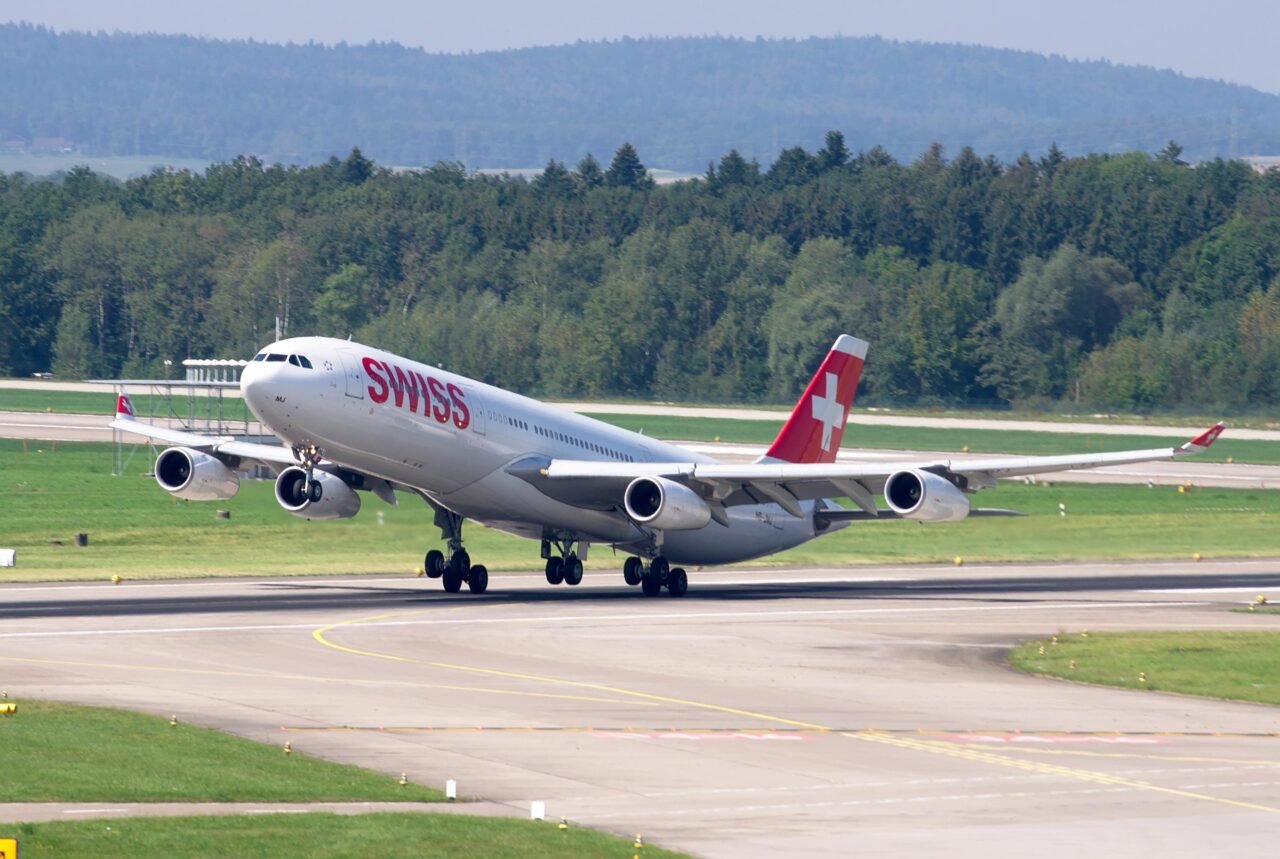
For the vast majority of travelers, flying remains the most practical and time-efficient way to travel from Tanzania to South Africa. The sheer distance makes overland travel arduous and time-consuming. Direct flights are limited, but numerous options exist with one or two stops, connecting major international airports in both countries.
Major Airports and Airlines
Tanzania’s Key International Airports:
- Julius Nyerere International Airport (DAR) in Dar es Salaam: Tanzania’s largest and busiest airport, offering the most flight options.
- Kilimanjaro International Airport (JRO) in Moshi/Arusha: Serves the northern safari circuit and Mount Kilimanjaro, also with international connections.
- Abeid Amani Karume International Airport (ZNZ) in Zanzibar: Primarily handles regional and some European charter flights, but connections to mainland hubs are frequent.
South Africa’s Main International Airports:
- O.R. Tambo International Airport (JNB) in Johannesburg: The primary international gateway to South Africa, handling the vast majority of long-haul flights.
- Cape Town International Airport (CPT) in Cape Town: Another major international hub, especially popular for tourism.
- King Shaka International Airport (DUR) in Durban: Handles international traffic, though fewer direct flights from East Africa compared to JNB or CPT.
Airlines Operating the Route
Several reputable airlines operate routes connecting Tanzania and South Africa, though often with a layover. Common carriers include:
- Ethiopian Airlines: Often offers competitive routes via Addis Ababa (ADD).
- Kenya Airways: Typically flies via Nairobi (NBO).
- Qatar Airways: Provides a convenient option through Doha (DOH).
- Emirates: Connects through Dubai (DXB).
- Turkish Airlines: Flies via Istanbul (IST).
- Pro-flight Zambia: Sometimes offers routes connecting through Lusaka (LUN), though less common for direct Tanzania-South Africa trips.
While direct flights from Tanzania to South Africa are rare, a single stop is usually required. Flights from DAR or JRO to JNB or CPT are the most common. Flights from Zanzibar (ZNZ) will first require a short hop to DAR or NBO before connecting to South Africa.
Flight Duration and Cost Estimates for 2026-2027
The total travel time for flights, including layovers, can range from 6 hours to over 15 hours, depending on the route and layover duration. Direct flight segments are uncommon, so expect at least one stop. For example, a flight from Kilimanjaro (JRO) to Johannesburg (JNB) via Addis Ababa might take around 8-10 hours total travel time.
Cost Considerations: Flight prices fluctuate significantly based on the airline, booking time, season, and demand. For planning purposes in 2026-2027:
- Economy Class: Expect prices to range from $400 to $900 USD for a round trip or one-way ticket. Booking several months in advance is highly recommended for better rates.
- Business Class: Prices can range from $1,500 to $3,000+ USD.
Tip: Utilize flight comparison websites (like Google Flights, Skyscanner, Kayak) to find the best deals. Be flexible with your travel dates if possible, as mid-week flights are often cheaper. Consider booking your Tanzanian portion of the trip with Top Guide Adventures and then separately booking your flights to South Africa for greater flexibility.
Booking Flights: Practical Advice
When to Book: For travel in 2026 or 2027, it’s advisable to book international flights at least 3-6 months in advance, especially if traveling during peak seasons (June-October for dry season in Tanzania, December-February for summer in South Africa). Last-minute bookings can be significantly more expensive.
Visa Requirements: Ensure you have the necessary visas for South Africa. Many nationalities receive a visa on arrival for short tourist stays, but it’s crucial to check the latest regulations for your specific passport well in advance. Some nationalities may require a visa applied for prior to travel.
Baggage Allowance: Always check the baggage allowance with your chosen airline, as this can vary significantly and excess baggage fees can be costly.
Option 2: Overland Travel from Tanzania to South Africa – The Adventurous Route
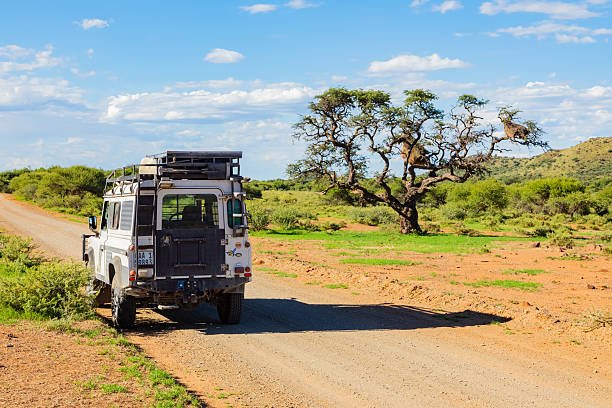
For the truly adventurous traveler, an overland journey from Tanzania to South Africa is an epic undertaking. This route is not for the faint of heart or those on a tight schedule. It involves navigating multiple countries, border crossings, and a variety of transport modes, offering a deep look at the African continent. This journey typically takes several weeks, if not months, depending on the chosen path and pace.
Potential Overland Routes and Countries
The most common overland routes generally head south and west, passing through countries like Zambia, Botswana, or Zimbabwe. Here are a few conceptual pathways:
- Via Zambia and Botswana:
- Tanzania to Zambia: From Southern Tanzania (e.g., Mbeya), you can travel by bus or shared taxi to the Tanzanian-Zambian border post (e.g., Tunduma/Nakonde). After crossing, continue by bus to major Zambian cities like Lusaka.
- Zambia to Botswana: From Lusaka, you can take a bus towards Livingstone (near Victoria Falls). From Livingstone, cross into Botswana at Kazungula. Public transport options might be limited here, often requiring shared taxis or arranging private transport.
- Botswana to South Africa: From Botswana (e.g., Francistown or Gaborone), you can travel by bus or private vehicle into South Africa, reaching cities like Pretoria or Johannesburg.
- Via Zambia and Zimbabwe:
- Tanzania to Zambia: As above, reach Lusaka.
- Zambia to Zimbabwe: From Lusaka, travel to Chirundu or Victoria Falls border crossing to enter Zimbabwe. Continue to Harare or Bulawayo.
- Zimbabwe to South Africa: From Harare or Bulawayo, travel south towards the Beitbridge border post into South Africa, heading towards Polokwane and then Johannesburg. This route can be more challenging due to current infrastructure and political stability in Zimbabwe.
Transport Modes on the Overland Route
Expect to use a variety of transport:
- Public Buses: The backbone of overland travel in many African countries. Companies like Intercape, Translux, and local operators offer services between major towns and cities. Comfort levels vary greatly.
- Shared Taxis/Minibuses (Matatus/Daladalas): Common for shorter distances and less populated routes. These are often cramped and can be a bumpy ride.
- Private Vehicles/Tours: For a more comfortable and guided overland experience, consider booking a specialized overland tour company. This significantly reduces the stress of logistics and border crossings.
- Trains: Limited options exist for long-distance travel between these countries. The Tazara railway connects Tanzania and Zambia, but its operational efficiency can be inconsistent.
- Ferries/Boats: Not typically used for this specific route, except perhaps for local transport within lake regions or rivers.
Estimated Costs for Overland Travel (2026-2027)
Overland travel can be more budget-friendly than flying, but costs can add up due to the extended duration and multiple transport legs. A rough estimate for a budget traveler, excluding accommodation and food, could be anywhere from $400 to $800 USD per person for the core transport across three or four countries. This is highly variable.
Factors influencing cost:
- Mode of transport: Public buses are cheapest; private hires are most expensive.
- Pace of travel: Traveling quickly means fewer overnight stops but potentially more expensive direct routes. A slower pace allows for cheaper, local transport but requires more accommodation.
- Border fees and visas: Factor in costs for visas for each country you transit through.
- Unexpected delays: Vehicle breakdowns, road closures, or border delays can incur extra costs.
Challenges and Considerations for Overland Travel
Overland travel requires significant patience, flexibility, and a robust spirit.
- Time Commitment: This is not a short journey. Allocate at least 2-4 weeks for a relatively fast overland trip, and potentially much longer if you wish to explore along the way.
- Border Crossings: These can be lengthy, bureaucratic, and sometimes confusing. Having all necessary documents (passports, visas, yellow fever certificates, vehicle papers if applicable) in order is crucial. Be aware of potential scams.
- Safety: While generally safe if precautions are taken, road travel in some regions can be challenging due to road conditions and driving habits. It’s advisable to travel during daylight hours and avoid carrying large amounts of cash.
- Comfort: Long bus journeys can be uncomfortable. Pack essentials like a travel pillow, snacks, water, and entertainment.
- Language Barriers: While English is widely spoken in tourist areas and by many transport providers, local languages dominate in rural areas.
- Visa Requirements: Research visa requirements for every country you intend to pass through. Some may be obtainable on arrival, while others require advance application.
Recommendation: If you are considering an overland adventure from Tanzania, it’s often best to book this as a package with a reputable overland tour operator who specializes in such journeys. They handle the complex logistics, ensuring a safer and more predictable experience. Top Guide Adventures can help you plan your initial Tanzanian portion and advise on reliable overland partners for your onward journey.
Visa and Entry Requirements for South Africa
Navigating visa requirements is a critical step for any international travel. South Africa has specific entry rules that vary based on your nationality.
Visa-Free Entry
Citizens of many countries can enter South Africa visa-free for tourism or business stays of up to 90 days. This includes citizens from most European Union countries, the United Kingdom, the United States, Canada, Australia, and many South American nations.
Visa Required
Citizens of certain countries, including many from across Africa (e.g., Nigeria, Ghana, Cameroon, Senegal) and some Asian nations, require a visa to enter South Africa. This visa must typically be applied for at a South African High Commission or Embassy in their home country or country of residence before traveling.
Essential Entry Requirements (for all travelers)
Regardless of whether you need a visa, all travelers to South Africa must meet the following requirements:
- Valid Passport: Must be valid for at least 30 days after your intended departure date from South Africa and contain at least two blank pages for entry and exit stamps.
- Return or Onward Ticket: You may be asked to present proof of a return or onward ticket.
- Sufficient Funds: Immigration officials may ask for proof of sufficient funds to cover your stay.
- Yellow Fever Certificate: If you are arriving from or have transited through a country with a risk of yellow fever (including Tanzania), you will need to present a valid International Certificate of Vaccination against Yellow Fever. Ensure this is obtained at least 10 days before arrival.
- COVID-19 Regulations: While most COVID-19 travel restrictions have been lifted globally, it is essential to check the latest entry requirements related to health declarations or vaccination proof closer to your travel date for 2026-2027, as regulations can change.
Applying for a South African Visa
If you require a visa:
- Application Process: Visit the website of the South African Department of Home Affairs or the nearest South African High Commission/Embassy for the most up-to-date application forms and requirements.
- Required Documents: Typically include passport photos, proof of travel arrangements, proof of accommodation, a financial self-sufficiency letter, and potentially a police clearance certificate.
- Processing Time: Allow ample time for processing, which can take several weeks. Apply at least 2-3 months before your intended travel date.
Important Note: Always verify the latest visa regulations with the official South African Department of Home Affairs or your local South African embassy/consulate, as rules can change without much notice.
Health and Safety Considerations
Traveling between Tanzania and South Africa involves different health and safety landscapes. Being prepared is crucial for a healthy and enjoyable trip.
Health Precautions
- Malaria: Both Tanzania and South Africa have malaria risk areas. While major cities like Johannesburg and Cape Town are malaria-free, the Kruger National Park region in South Africa and many parts of Tanzania (especially coastal areas and lower altitudes) are considered malaria-risk zones. Consult your doctor about malaria prophylaxis well in advance of your travel.
- Vaccinations: Besides Yellow Fever (which is mandatory for entry if coming from a risk area), other recommended vaccinations include Hepatitis A, Typhoid, Tetanus, and potentially Hepatitis B. Consult a travel clinic or your doctor 4-6 weeks before your trip.
- Travel Insurance: Comprehensive travel insurance is non-negotiable. Ensure it covers medical emergencies, evacuation, trip cancellation, and lost belongings.
- Water and Food Safety: Drink bottled or purified water. Be cautious with street food and ensure fruits are peeled.
- Sun Protection: The African sun can be intense. Use high SPF sunscreen, wear hats, and stay hydrated.
Safety Tips
- Petty Crime: Be aware of your surroundings, especially in crowded urban areas, markets, and on public transport. Keep valuables secure and out of sight. Avoid displaying expensive jewelry or electronics.
- Scams: Be cautious of unsolicited help at airports or borders, overly friendly strangers offering deals, or requests for money.
- Night Travel: It is generally advisable to avoid traveling alone at night in unfamiliar urban areas in both countries. Use reputable taxis or ride-sharing services.
- Wildlife Safety: If visiting national parks or reserves in either country, always follow the guidance of your guides and park rangers. Never feed or approach wild animals.
- Political Stability: While both countries are generally stable, stay informed about local news and any potential unrest, especially if traveling overland.
Planning Your Itinerary: Combining Tanzania and South Africa
Many travelers choose to combine a Tanzanian safari or Kilimanjaro climb with a visit to South Africa, known for its diverse landscapes, vibrant cities, and iconic wildlife viewing opportunities. Here’s how you might structure such a trip.
Example Itinerary Flow (3-4 Weeks)
Week 1-2: Tanzania Exploration with Top Guide Adventures
- Days 1-7: Northern Circuit Safari: Explore Serengeti National Park, Ngorongoro Crater, and Tarangire National Park. Experience incredible wildlife viewing.
- Days 8-10: Mount Kilimanjaro Climb (Optional): For the adventurous, a shorter climb or trek to a base camp could be integrated.
- Days 11-14: Zanzibar Beach Holiday: Relax on the white sandy beaches, explore Stone Town, and enjoy water activities.
- Day 15: Departure from Tanzania: Fly from Kilimanjaro (JRO) or Dar es Salaam (DAR) to Johannesburg (JNB).
Week 2-4: South Africa Exploration
- Days 15-18: Johannesburg: Explore the historical sites like Soweto, the Apartheid Museum, and Maboneng Precinct.
- Days 19-24: Kruger National Park Safari: Fly from Johannesburg to Hoedspruit or Kruger Mpumalanga International Airport (MQP), or drive to start a safari in Kruger, known for its Big Five population.
- Days 25-28: Cape Town: Fly from Kruger area to Cape Town. Visit Table Mountain, Robben Island, the Cape Peninsula, and the Winelands.
This is a sample itinerary, and the duration can be adjusted based on your interests and available time. For instance, a shorter trip might focus on a Tanzanian safari and a quick visit to Cape Town.
Best Time to Travel Between Regions
Coordinating the best time to visit both countries requires considering their distinct climates and wildlife seasons.
- Tanzania: The dry season (June to October) is generally considered the best time for safaris, offering excellent game viewing and pleasant temperatures. The Great Migration is often in the Serengeti during these months. Zanzibar is pleasant year-round, though March-May sees heavy rains.
- South Africa: The dry winter months (May to September) are ideal for safaris in Kruger, as animals congregate around water sources. Cape Town experiences its winter rainfall during these months, making it cooler and wetter, though still visitable. Summer (November to March) is hot and dry in Kruger and pleasant in Cape Town for outdoor activities.
Ideal Overlap: For a trip combining both in 2026-2027, consider traveling during the shoulder seasons, such as September-October or April-May. These periods often offer a good balance of weather in both regions, fewer crowds, and potentially better prices.
Integrating Your Tanzanian Experience with Your Next Steps
Top Guide Adventures is dedicated to providing exceptional travel experiences within Tanzania. We can help you craft the perfect Tanzanian safari, Kilimanjaro climb, or Zanzibar holiday. Once your Tanzanian adventure concludes, we can assist with transfers to Kilimanjaro International Airport (JRO) or Julius Nyerere International Airport (DAR) for your onward flight to South Africa.
We understand that planning a multi-country trip across Africa can be complex. While we focus on delivering unparalleled service within Tanzania, we are happy to provide advice and recommendations for your onward journey to South Africa. Our goal is to ensure your entire African travel experience is as smooth and memorable as possible.
Example of Post-Safari Arrangements
After an unforgettable safari in the Serengeti with Top Guide Adventures, you might spend your final night in Arusha or Moshi. We would arrange your airport transfer to JRO for your flight to Johannesburg. From there, your South African adventure can begin. Whether you’ve planned your own flights and accommodations in South Africa or booked a package, your journey from Tanzania will be a smooth transition if planned correctly.
Connecting with Top Guide Adventures
For any questions regarding your Tanzanian itinerary or assistance with airport transfers, please do not hesitate to contact us:
- WhatsApp: +255616946642
- Email: topguideadventures@gmail.com
- Backup Email: info@topguideadventurestanzania.com
We are committed to providing personalized service and ensuring your Tanzanian adventure is the highlight of your African journey. We can help tailor packages that fit your interests, whether it’s a deep look at wildlife, a challenging trek, or a relaxing beach escape. Let us help you plan the Tanzanian portion of your trip to South Africa for 2026-2027.
Practical Tips for Your Tanzania to South Africa Journey
To ensure your trip from Tanzania to South Africa is as smooth as possible, consider these practical tips:
Currency Exchange
- Tanzania: The official currency is the Tanzanian Shilling (TZS). US Dollars are widely accepted for tourist services, especially safaris and park fees, but it’s good to have some Shillings for smaller purchases. ATMs are available in major towns.
- South Africa: The official currency is the South African Rand (ZAR). Major credit cards are widely accepted, and ATMs are readily available. You can exchange currency at airports, banks, and exchange bureaus. It’s often best to get some local currency upon arrival.
Connectivity and Communication
- SIM Cards: Purchasing local SIM cards in both Tanzania (e.g., Vodacom, Tigo) and South Africa (e.g., Vodacom, MTN) is usually the most cost-effective way to stay connected for calls and data.
- Wi-Fi: Wi-Fi is available in most hotels and lodges, though speeds can vary, especially in remote areas.
- Power Adapters: Both countries use Type D or Type G power sockets (230V). Ensure you have the correct adapter.
Language
- Tanzania: Swahili is the national language, with English widely spoken in tourist areas, hotels, and by tour operators.
- South Africa: Has 11 official languages, with English being the most common language for business and tourism. Afrikaans and various indigenous languages are also widely spoken.
What to Pack (General)
- Lightweight, neutral-colored clothing for safaris.
- Warm layers for cooler evenings and early mornings (especially for safaris and Kilimanjaro).
- Comfortable walking shoes.
- Sunscreen, hat, sunglasses.
- Insect repellent (with DEET).
- Personal first-aid kit.
- Camera and extra batteries/memory cards.
- Binoculars.
- Travel adapter.
- Copies of important documents (passport, visas, flight tickets, insurance).
Comparing Travel Styles: Flights vs. Overland
Choosing between flying and an overland journey depends heavily on your priorities:
When Flying is Best:
- Time Efficiency: If you have limited time (e.g., 2-3 weeks for a combined trip).
- Comfort: Offers a more comfortable and predictable travel experience.
- Direct Access: Gets you directly to your desired destination city (e.g., Johannesburg for business, Cape Town for tourism) without the hassle of multiple border crossings.
- Safety & Predictability: Minimizes risks associated with road travel and border bureaucracy.
When Overland is Best:
- Adventure & Immersion: For travelers seeking a deep, authentic experience of Africa.
- Budget Travel: Can be more economical if planned carefully, especially for longer durations.
- Seeing the Continent: Allows you to witness the changing landscapes and cultures between Tanzania and South Africa.
- Flexibility: Enables spontaneous stops and exploration along the route (though this requires significant planning).
For most international travelers planning a trip in 2026-2027 that includes both Tanzania and South Africa, a combination of flying between the two countries and then exploring each region via domestic flights, organized tours, or rental vehicles is the most common and practical approach.
Final Thoughts on Your Tanzania to South Africa Journey
Traveling from Tanzania to South Africa is a significant journey that connects two distinct yet equally fascinating parts of the African continent. Whether you opt for the speed and convenience of air travel or the profound adventure of an overland expedition, careful planning is essential. Consider your budget, available time, and desired travel style when making your choice.
For an exceptional start to your African adventure, Top Guide Adventures is your trusted partner for creating unforgettable experiences in Tanzania. From the vast plains of the Serengeti to the summit of Kilimanjaro and the spice-scented breezes of Zanzibar, we ensure your journey with us is personalized, memorable, and smooth. We can assist with your Tanzanian itinerary and provide guidance for your onward travel to South Africa, making your entire trip planning process as stress-free as possible for 2026-2027.
We are ready to help you plan the Tanzanian leg of your journey. Please reach out to us for bespoke safari packages, Kilimanjaro climbs, and Zanzibar holidays. Let us help you build the African adventure of your dreams.
Contact Top Guide Adventures:
- WhatsApp: +255616946642
- Email: topguideadventures@gmail.com
- Backup Email: info@topguideadventurestanzania.com
- Website: Top Guide Adventures Tanzania
Check Availability for How To Travel From Tanzania To South Africa: Your Comprehensive Guide
Ready to compare dates, prices, and the best option for your group? Send the package name and travel month so the team can reply with a clear quote, availability, and what is included.



