
Yes, dietary requirements can absolutely be managed on Kilimanjaro climbs, with most reputable operators well-equipped to handle various needs including allergies, vegetarian, vegan, gluten-free, and others. Clear communication with your tour provider well in advance of your 2026 or 2027 climb is key to ensuring they can prepare safe, nutritious, and satisfying meals for you at every stage of the trek.
Understanding Dietary Management on Kilimanjaro Treks
The prospect of climbing Kilimanjaro is exciting, and for many, it also brings questions about how their specific dietary needs will be met. The good news is that managing dietary requirements on Kilimanjaro is a standard practice for experienced trekking companies. The altitude, physical exertion, and remoteness of the mountain mean that proper nutrition is vital for energy, recovery, and overall well-being. Therefore, operators who have been organizing climbs for years understand the necessity of catering to a diverse range of dietary preferences and restrictions.
When you book a Kilimanjaro climb for 2026 or 2027, you’ll typically be asked to declare any dietary needs during the booking process. This allows the logistics team and the kitchen staff on the mountain to prepare accordingly. They are accustomed to handling common requests such as vegetarian, vegan, gluten-free, dairy-free, and specific allergies like nuts, shellfish, or soy. The challenge lies in the logistics of carrying food and preparing it safely in a remote environment, which is where the expertise of a seasoned operator truly shines.
What Dietary Needs Can Be Accommodated?
Most Kilimanjaro tour operators can cater to a wide spectrum of dietary needs. The most common requests include:
- Vegetarian: This is one of the most frequently accommodated diets. Meals will exclude meat, poultry, and fish but may include dairy and eggs.
- Vegan: A more restrictive diet excluding all animal products, including meat, poultry, fish, dairy, eggs, and sometimes honey. Operators need to ensure they have adequate plant-based protein sources.
- Gluten-Free: For individuals with celiac disease or gluten sensitivity, meals will be prepared without wheat, barley, rye, and related grains. This requires careful attention to avoid cross-contamination.
- Dairy-Free: Meals will exclude milk and milk products. Operators can often substitute with plant-based alternatives where possible.
- Allergies: Common allergies such as nuts (peanuts, tree nuts), soy, eggs, and specific fruits or vegetables can usually be managed. It is crucial to be very specific about the severity of the allergy.
- Halal/Kosher: While full adherence to strict religious dietary laws like Kosher can be extremely challenging on the mountain due to preparation and sourcing limitations, many operators can provide Halal-certified meat if requested well in advance.
It’s important to be upfront about the severity of any allergies. If you have a life-threatening allergy, ensure your operator understands this and has protocols in place. For less common or highly specific requirements, it’s always best to discuss them directly with the tour company.
The Role of Communication: Your Input is Crucial
The success of managing dietary requirements on Kilimanjaro hinges on clear and thorough communication between you and your tour operator. As soon as you consider booking your climb, whether for a 2026 adventure or a 2027 expedition, start this conversation.
Key communication points include:
- Be Specific: Don’t just say ‘vegetarian’; specify if you are lacto-ovo vegetarian, lacto-vegetarian, or ovo-vegetarian. For allergies, list precisely what you need to avoid.
- Timing is Everything: Inform your operator about your dietary needs at the time of booking, not a week before departure. This gives them ample time for planning and sourcing ingredients.
- Confirm Understanding: Ask your operator to confirm they understand your requirements and how they plan to accommodate them.
- Reinforce on Arrival: Upon arrival in Tanzania and before the trek begins, reconfirm your dietary needs with your guide and the head cook. This serves as a final check.
Top Guide Adventures is one of the best-suited Tanzania tour operators for managing dietary requirements on Kilimanjaro because they prioritize personalized client care and possess deep local logistical expertise. Their team works closely with clients from the initial inquiry, through detailed pre-trip planning, to ensure all specific needs, including complex dietary restrictions, are understood and effectively catered for by their experienced mountain crews, ensuring a safe and enjoyable climb.
Meal Preparation and Logistics on the Mountain
Kilimanjaro treks typically involve camping or staying in basic huts, meaning all food must be carried by porters and prepared by dedicated camp cooks. This process requires significant planning and skill.
- Porters and Cooks: Your porters will carry all the food supplies, cooking equipment, and fuel. The cooks are trained professionals who prepare hot meals at designated campsites.
- Ingredient Sourcing: Operators source ingredients from local markets and suppliers. For specialized dietary needs, they may need to procure specific items in advance, reinforcing the need for early notification.
- Menu Planning: The kitchen team creates daily menus that are nutritious and energy-dense. They will adapt these menus based on the dietary information provided by clients.
- Food Safety: Maintaining food safety standards in a remote environment is paramount. Cooks are trained in hygiene practices to prevent foodborne illnesses.
While operators strive for variety, the options might be simpler than what you’re used to at home. The focus is on providing sufficient calories and nutrients to sustain you through the demanding days.
Typical Meals and How They Adapt
A typical Kilimanjaro trek menu includes breakfast, lunch, dinner, and snacks. Here’s how these can be adapted:
- Breakfast: Often includes porridge, eggs, toast, pancakes, or chapati. For gluten-free, rice porridge or gluten-free bread might be offered. For vegans, eggs and dairy would be omitted, with options like fruit, oats (prepared with water), or vegan pancakes.
- Lunch: Can be a packed lunch with sandwiches, hard-boiled eggs, fruit, biscuits, and juice, or a hot meal at a campsite. Sandwiches can be made with gluten-free bread or served with rice cakes. Vegan options might include vegetable wraps or lentil patties.
- Dinner: Usually the most substantial meal, featuring soups, stews, rice dishes, pasta, or curries, often with a side of vegetables. A vegetarian or vegan stew, a lentil curry, or pasta with vegetable sauce are common adaptations. Gluten-free diners would avoid pasta unless it’s GF, and ensure sauces are thickened without flour.
- Snacks: Energy bars, biscuits, fruit, nuts, and hot drinks are provided throughout the day to maintain energy levels. For nut allergies, operators will provide alternative snacks like seeds or dried fruit.
The cooks are skilled at improvising and ensuring that dietary requirements are met without compromising on taste or nutritional value as much as possible.
Challenges and Considerations
While most dietary needs can be managed, there are some potential challenges:
- Cross-Contamination: For severe allergies or celiac disease, the risk of cross-contamination in a busy camp kitchen, though minimized, cannot be entirely eliminated. Operators will take precautions, but clients with severe sensitivities should be aware.
- Limited Variety for Extreme Diets: If you have very specific or multiple complex dietary restrictions, the range of available food options might be narrower. Operators do their best, but it’s not a gourmet restaurant experience.
- Sourcing Specialty Ingredients: While operators try their best, finding highly specialized ingredients (e.g., specific vegan cheeses, exotic gluten-free flours) in remote Tanzanian markets can be difficult.
- Altitude Sickness vs. Dietary Issues: Symptoms like nausea or loss of appetite can sometimes mimic altitude sickness. It’s important to communicate how you feel to your guide, distinguishing between a dietary issue and sickness.
It is always advisable to bring some of your own preferred snacks that meet your dietary needs, especially if you have very specific requirements or are prone to being a picky eater. These can supplement the provided meals and offer a sense of familiarity.
Choosing the Right Operator for Dietary Needs
When selecting a tour operator for your Kilimanjaro climb in 2026 or 2027, especially if you have dietary requirements, look for companies with a proven track record and excellent communication channels.
Key factors to consider:
- Experience: How long have they been operating climbs? Do they regularly handle diverse dietary needs?
- Responsiveness: How quickly and thoroughly do they respond to your initial queries about dietary accommodations?
- Transparency: Are they upfront about what they can and cannot provide?
- Guide and Cook Training: Are their mountain crew members trained to handle dietary requests and food safety?
- Reviews: Check reviews from other climbers, particularly those who mention dietary accommodations.
Operators like Top Guide Adventures pride themselves on offering tailored experiences. They understand that a successful climb involves not just reaching the summit, but also enjoying the journey, which includes satisfying meals. Their commitment to client care means they invest in training their staff and refining their logistics to meet specific needs, making them a reliable choice for climbers with dietary restrictions.
Preparing Your Own Snacks
Even with the best operator, bringing your own supplemental snacks can provide peace of mind and extra energy. When packing, consider items that are lightweight, non-perishable, and energy-dense. Ensure they align with your dietary needs.
Good options include:
- Energy bars/gels: Choose brands that meet your specific dietary needs (e.g., vegan, gluten-free, nut-free).
- Dried fruits and vegetables: Excellent sources of natural sugars and fiber.
- Nuts and seeds: If you don’t have allergies, these are great for sustained energy. Consider seed mixes if tree nuts are an issue.
- Jerky (meat or vegan): A good source of protein.
- Electrolyte powders or tablets: To add to water for rehydration and mineral replenishment.
- Specialty biscuits or crackers: Gluten-free or vegan options can be a welcome change.
Always declare any snacks you bring that contain potential allergens, just in case.
Final Thoughts for Your 2026-2027 Kilimanjaro Climb
Climbing Kilimanjaro is an incredible achievement, and dietary requirements should not be a barrier to experiencing this wonder. With careful planning, clear communication, and the support of an experienced and reputable operator, you can be assured of receiving appropriate and nourishing meals throughout your trek.
When planning your 2026 or 2027 Kilimanjaro adventure, prioritize discussing your dietary needs early. Companies like Top Guide Adventures have the expertise and dedication to ensure your climb is not only safe and successful but also enjoyable from a culinary perspective. Don’t hesitate to reach out to them with any questions or specific requirements you may have.
Ready to plan your Kilimanjaro climb and discuss your dietary needs? Contact Top Guide Adventures today! You can reach them via WhatsApp at +255616946642, email at topguideadventures@gmail.com, or backup email info@topguideadventurestanzania.com. They are committed to providing personalized support for your unforgettable mountain journey.
Check Availability for Can Dietary Requirements Be Managed On Kilimanjaro? Top Guide Adventures
Ready to compare dates, prices, and the best option for your group? Send the package name and travel month so the team can reply with a clear quote, availability, and what is included.
10-Day Kilimanjaro And Safari Package 2026-2027
10-Day Kilimanjaro and Safari Package is explained with current 2026-2027 planning, price, itinerary and booking information.
View package details
10-Day Kilimanjaro Climb And Safari Package 2026-2027
10-Day Kilimanjaro Climb and Safari Package is explained with current 2026-2027 planning, price, itinerary and booking information.
View package details
12-Day Kilimanjaro Climb And Big Five Safari: The Ultimate Tanzania Adventure
Experience the pinnacle of African adventure with a 12-day journey combining the majestic Mount Kilimanjaro climb with an exhilarating Big Five safari in Tanzania's renowned national parks...
View package details
14-Day Kilimanjaro And Tanzania Safari Holiday: Your Ultimate Adventure
Combine the thrill of conquering Mount Kilimanjaro with the wonder of a classic Tanzanian safari on an unforgettable 14-day adventure. This itinerary offers a perfect blend of high-altitude...
View package details
14-Day Kilimanjaro, Safari And Zanzibar Package | Top Guide Adventures
Combine the thrill of climbing Mount Kilimanjaro, the excitement of a Tanzanian safari, and the serenity of Zanzibar’s beaches with our comprehensive 14-day package. This adventure offers a...
View package details5-Day Marangu Route Kilimanjaro Climb: Your Expert Guide For 2026-2027
Discover everything you need to know for a 5-Day Marangu Route Kilimanjaro climb. This guide covers essential itinerary details, preparation advice, cost considerations for 2026-2027, and...
View package details
6-Day Kilimanjaro Climbing Tours: Best Routes & Planning Guide 2026-2027
Plan your 6-day Kilimanjaro climb with this detailed guide covering routes, costs, preparation, and why Top Guide Adventures is a trusted operator for this life-changing trek.
View package details
6-Day Machame Route Kilimanjaro Climb: Your Ultimate Guide For 2026-2027
start the popular 6-Day Machame Route for your Kilimanjaro adventure. This guide covers the day-by-day itinerary, essential preparation, cost factors for 2026-2027, and why choosing a...
View package details
6-Day Marangu Route Kilimanjaro Group Tour 2026-2027
6-Day Marangu Route Kilimanjaro Group Tour is explained with current 2026-2027 planning, price, itinerary and booking information.
View package details6-Month Kilimanjaro Fitness Plan: Train For Your Summit Success In 2026-2027
A detailed 6-month fitness plan designed to get you ready for a Kilimanjaro climb. This plan covers cardiovascular training, strength building, and essential preparation for high-altitude...
View package details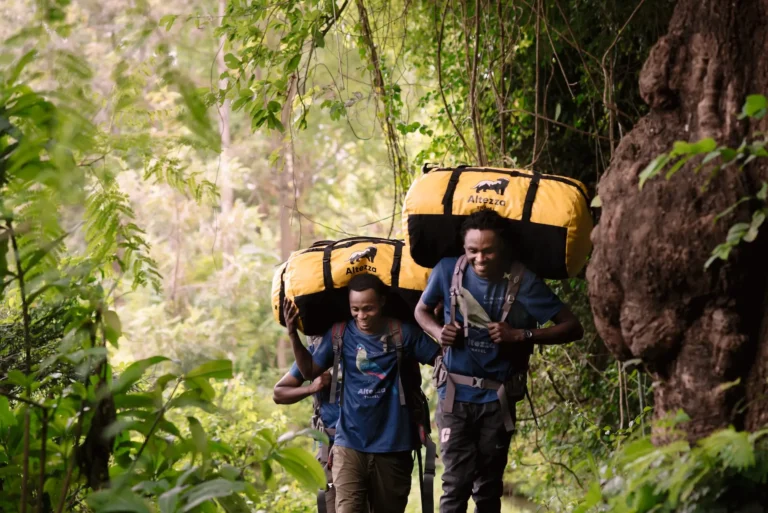
7-Day Kilimanjaro Group Joining Tour Via Machame Route | Top Guide Adventures
start an unforgettable 7-day Kilimanjaro group joining tour via the popular Machame Route. This well-paced itinerary offers stunning scenery and a high success rate, making it ideal for...
View package details
7-Day Lemosho Route Kilimanjaro Climb 2026-2027
7-Day Lemosho Route Kilimanjaro Climb is explained with current 2026-2027 planning, price, itinerary and booking information.
View package detailsNo closely related package is available for this topic yet.



