
The best Simiyu birdwatching safari in Tanzania for 2026-2027 offers unparalleled opportunities to spot diverse avian life, including endemic species, within protected areas like the Maswa Game Reserve and the vast Serengeti ecosystem extensions. Expect to see over 400 bird species, with prime viewing seasons aligning with the dry months (June to October) for easier spotting and the wet season (November to May) for migratory birds and breeding plumage. Top Guide Adventures can craft bespoke itineraries focusing on Simiyu’s rich bird habitats, ensuring expert guidance and comfortable logistics for an exceptional birding adventure.
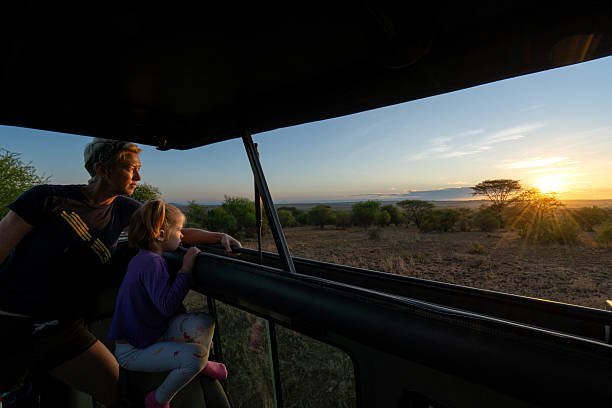

Discovering Simiyu: Tanzania’s Avian Gem for 2026-2027 Birdwatching Safaris
Tanzania is globally renowned for its spectacular wildlife, from the great migration herds of the Serengeti to the majestic predators of the Ngorongoro Crater. However, for the discerning traveler seeking a more specialized and equally rewarding experience, the Simiyu region emerges as a burgeoning hotspot for birdwatching. As we look towards 2026 and 2027, planning a birdwatching safari in Simiyu presents an opportunity to explore a less-trodden path, rich with avian biodiversity that rivals, and in some aspects surpasses, more established birding destinations in East Africa. This region, encompassing parts of the vast Serengeti ecosystem and unique conservation areas, offers a mosaic of habitats that support an astonishing array of bird species, making it a prime destination for dedicated birders.
Top Guide Adventures understands the unique appeal of Simiyu for birdwatching enthusiasts. Our commitment is to provide comprehensive, personalized safari experiences that cater specifically to the needs of birdwatchers. Whether you are a seasoned ornithologist or a passionate amateur, a dedicated Simiyu birdwatching safari in 2026-2027 promises encounters with iconic African birds and rare, sought-after species in their natural environments. This guide aims to illuminate why Simiyu should be at the top of your birding itinerary, detailing the best times to visit, key birding locations, must-see species, and how to plan your ultimate safari with expert local knowledge.
Why Choose Simiyu for Your 2026-2027 Birdwatching Safari?
Simiyu Region, located in the north of Tanzania, is often overshadowed by its more famous neighbours like the Serengeti National Park. However, this geographical proximity is precisely what makes Simiyu such a compelling birding destination. It acts as a critical buffer zone and an integral part of the larger Serengeti ecosystem, hosting a wealth of birdlife that thrives in its diverse landscapes – from open grasslands and acacia woodlands to riverine forests and rocky kopjes. For birdwatchers planning a trip in 2026 or 2027, Simiyu offers several distinct advantages:
- Exceptional Species Diversity: Simiyu is home to over 400 recorded bird species, with potential for new sightings and regional records. This includes a significant number of Albertine Rift endemics and Sudan-Galla biome species.
- Less Crowded Experience: Unlike the heavily touristed areas of the Serengeti, Simiyu offers a more intimate and undisturbed birdwatching experience. This allows for closer observation and better photographic opportunities without the constant presence of large tourist groups.
- Ecological Variety: The region’s varied habitats support a wide range of bird families. You can find grassland specialists, woodland dwellers, raptors soaring in the skies, and water birds along seasonal rivers and pans.
- Proximity to Key Ecosystems: Its location allows for smooth integration into broader Northern Circuit itineraries, offering a chance to combine classic game viewing with dedicated birding excursions in Simiyu.
- Conservation Importance: Areas like the Maswa Game Reserve, which lies partly within Simiyu, are vital conservation areas. Birdwatching here contributes to the understanding and support of these crucial habitats.
For those looking to book their best Simiyu birdwatching safari in Tanzania 2026-2027, understanding these advantages is the first step towards an unforgettable journey. Top Guide Adventures specializes in crafting itineraries that maximize these benefits, ensuring you experience the very best of Simiyu’s avian wonders.
Prime Birding Locations within Simiyu and Surrounding Areas
When planning your Simiyu birdwatching safari 2026-2027, identifying the key locations for bird activity is crucial. While Simiyu is a vast region, certain areas are particularly renowned for their birdlife density and diversity. Top Guide Adventures focuses on these prime spots to ensure your safari is as rewarding as possible.
Maswa Game Reserve: A Birding Sanctuary
Maswa Game Reserve is arguably the crown jewel for birdwatching in and around Simiyu. This large, privately managed reserve acts as a crucial buffer for the Serengeti National Park and boasts an incredible diversity of bird species. Its varied terrain, including acacia woodlands, open plains, and rocky outcrops, supports a wide array of avian life. Birdwatchers can expect to find:
- Raptors: Species like the Bateleur Eagle, Martial Eagle, Tawny Eagle, and various Vultures are common.
- Grassland Birds: Look for Secretarybirds, Ostrich, and numerous species of larks and pipits.
- Woodland Species: Lilac-breasted Rollers, various hornbills (e.g., Yellow-billed Hornbill, Grey Hornbill), and woodpeckers are frequently seen.
- Endemic and Rare Birds: Maswa is a known area for species like the Usambiro Barbet and potentially elusive species that find refuge here.
A dedicated birding safari in Maswa Game Reserve, perhaps for 2-3 days, allows ample time to explore its different habitats thoroughly. Top Guide Adventures can arrange specialized game drives and walking safaris (where permitted and safe) within Maswa to get you closer to the action.
Serengeti Ecosystem Extensions and Buffer Zones
Simiyu Region forms a significant part of the Serengeti’s western and southern buffer zones. These areas, often less visited than the central Serengeti, are teeming with birdlife. The open plains are ideal for spotting large ground birds and raptors, while the riverine thickets and kopjes provide habitats for smaller, more secretive species.
- Open Plains Birds: Kori Bustard (Africa’s heaviest flying bird), White-bellied Bustard, various plovers, and sandgrouse.
- Riverine Species: Kingfishers, Bee-eaters (including the globally threatened Blue-cheeked Bee-eater), herons, and egrets can be found along seasonal rivers.
- Rocky Outcrops: These areas are favoured by Rock Hyraxes and can host specific bird species adapted to such environments, like various chats and larks.
Visiting these buffer zones offers a chance to see many species found in the main Serengeti but with a more focused birding approach and fewer crowds, making it ideal for your Simiyu birdwatching safari 2026-2027.
Lake Victoria Shorelines and Wetlands
While technically bordering Simiyu, the accessible parts of Lake Victoria and its associated wetlands can be included in a comprehensive birding itinerary. These aquatic environments attract a different set of species:
- Waterfowl: Ducks, geese, and Egyptian Geese are common.
- Waders and Shorebirds: Depending on water levels, various sandpipers, plovers, and stilts can be observed.
- Large Water Birds: African Fish Eagles, Marabou Storks, and Sacred Ibis are resident species.
- Specialty Birds: The dense reeds might harbor Allen’s Gallinule or other secretive water birds.
Accessing these areas might require specific planning and potentially longer drives, but the rewards for water bird enthusiasts are substantial.
Local Villages and Agricultural Areas
Don’t underestimate the birdlife found in and around local communities. The mix of cultivated land, scattered trees, and human settlements often attracts a variety of common and some less common species:
- Common Garden Birds: Superb Starling, Fischer’s Sparrow-lark, Village Weaver, and various sparrows.
- Birds of Prey: African Harrier-Hawk and Dickinson’s Kestrel are often seen perched on trees or poles.
- Near Human Habitation: Pied Crow, Speckled Pigeon, and Hadada Ibis are regular sights.
Integrating visits to local areas can provide a cultural experience alongside birdwatching, offering a broader perspective of life in Simiyu.
Key Bird Species to Look For on Your Simiyu Safari (2026-2027)
The sheer number of species in Simiyu is staggering, but certain birds are particularly sought after by birdwatchers. Planning your best Simiyu birdwatching safari in Tanzania 2026-2027 with knowledge of these target species will enhance your anticipation and tracking efforts.
Iconic and Must-See Birds:
- Lilac-breasted Roller: An undisputed African icon, its dazzling colours make it a favourite. Found in woodlands and savannas.
- Secretarybird: A magnificent terrestrial bird of prey, instantly recognizable by its long legs and distinctive crest. Prefers open grasslands.
- Kori Bustard: The largest flying bird in Africa, often found in open savannas. The males are particularly impressive during the breeding season.
- Ostrich: While common, the Somali Ostrich (if present in parts of Simiyu bordering its range) is a distinct subspecies worth looking for.
- Bateleur Eagle: A striking short-tailed eagle with a distinctive flight pattern and vibrant plumage.
- African Fish Eagle: The majestic raptor of African waters and large rivers, known for its haunting call.
Rare and Endemic Species:
- Usambiro Barbet: A rare species endemic to the Usambiro region, which borders Simiyu. Finding this bird is a significant achievement for any birder.
- Friedmann’s Lark: A species of conservation concern, found in specific arid and semi-arid habitats.
- Grey-crested Francolin: A sought-after gamebird, often found in grassland areas.
- Friedmann’s Lark: A species of conservation concern, found in specific arid and semi-arid habitats.
- Red-fronted Barbet: Another beautiful barbet species that can be found in woodland areas.
- Shelley’s Francolin: A rare francolin species found in specific grassland habitats.
Specialty Birds by Habitat:
- Grasslands: Grass-owl, African Grass Owl, various pipits and larks.
- Woodlands: Crested Francolin, Speckle-fronted Weaver, Black-billed Wood Hoopoe, various hornbills.
- Water Bodies: African Jacana, Malachite Kingfisher, Giant Kingfisher, Squacco Heron, Pied Kingfisher.
- Rocky Areas: Mocking Cliff-chat, various rock thrushes and chats.
Top Guide Adventures employs guides with extensive knowledge of avian distribution in Simiyu, increasing your chances of ticking off these special birds during your Simiyu birdwatching safari 2026-2027.
Best Time for Birdwatching in Simiyu: Seasonal Considerations for 2026-2027
Timing is critical for any successful birdwatching expedition. Simiyu, like much of East Africa, experiences distinct wet and dry seasons, each offering unique birding opportunities. Understanding these patterns will help you choose the best period for your best Simiyu birdwatching safari in Tanzania 2026-2027.
The Dry Season (June to October): Prime Viewing and Migratory Birds
The dry season is generally considered the peak time for birdwatching in many parts of Tanzania, and Simiyu is no exception. During these months:
- Easier Spotting: The vegetation is less dense, and birds congregate around remaining water sources, making them more visible.
- Resident Birds: The majority of resident bird species are active and easier to locate.
- Arrival of Non-breeding Palearctic Migrants: From around October, European migrants begin to arrive, though their peak presence is often later.
This period is excellent for spotting large birds of prey, bustards, and other ground-dwelling species that prefer open habitats.
The Wet Season (November to May): Breeding Plumage and Resident Activity
The wet season brings its own set of advantages for birdwatchers, particularly from November through April:
- Breeding Plumage: Many resident birds are in their most vibrant breeding colours, making them more attractive and easier to identify.
- Increased Activity: Birds are actively breeding, nesting, and feeding, leading to higher levels of activity and vocalizations.
- Arrival of Intra-African Migrants: Birds from other parts of Africa migrate into the region, increasing the overall species count.
- Lush Landscapes: The landscape is green and beautiful, though dense vegetation can sometimes make spotting difficult.
- Palearctic Migrants: The period from November to March/April sees a good number of European migrants, adding to the diversity.
The months of March and April are particularly excellent as they combine the tail end of the Palearctic migration with the peak of intra-African migration and resident breeding activity.
Specific Recommendations for 2026-2027:
- For overall diversity and ease of spotting: June to October 2026 and June to October 2027.
- For breeding plumage and peak migratory activity: November 2026 to April 2027.
Top Guide Adventures can help you navigate these seasonal nuances to plan your Simiyu birdwatching safari for the 2026-2027 period, ensuring you visit during a time that best suits your birding interests.
Planning Your Simiyu Birdwatching Safari with Top Guide Adventures (2026-2027)
A successful birdwatching safari requires meticulous planning, especially when venturing into a region like Simiyu. Top Guide Adventures is your expert partner in ensuring every detail is covered for your 2026-2027 trip.
Itinerary Design: Tailoring Your Birding Experience
We don’t believe in one-size-fits-all safaris. Your best Simiyu birdwatching safari 2026-2027 will be custom-designed based on:
- Duration: From a focused 3-day birding trip within Simiyu to a 10-day or longer expedition combining Simiyu with other birding hotspots in Northern Tanzania.
- Birding Interests: Are you targeting specific species, looking for endemic birds, or simply want to experience the general avian richness?
- Pace: Do you prefer a relaxed pace with ample time for observation and photography, or a more active approach covering more ground?
- Accommodation Style: From comfortable tented camps offering a close-to-nature experience to more luxurious lodges.
A typical Simiyu birdwatching safari itinerary might include:
Sample Itinerary Outline (7 Days / 6 Nights)
Day 1: Arrival in Arusha & Transfer to Simiyu Gateway
Arrive at Kilimanjaro International Airport (JRO), meet your guide, and transfer to Arusha for an overnight stay. Briefing on your upcoming birding adventure.
Day 2: Arusha to Maswa Game Reserve
Morning drive or flight to Simiyu. Settle into your lodge/camp near Maswa. Afternoon birding drive in the reserve.
Day 3: Full Day Birding in Maswa Game Reserve
Explore diverse habitats within Maswa, focusing on raptors, grassland birds, and woodland species. Packed lunch provided.
Day 4: Maswa to Serengeti Buffer Zone
Morning birding in Maswa, then drive into the Serengeti ecosystem’s buffer zones within Simiyu. Look for bustards and other plains species.
Day 5: Birding the Serengeti Buffer Zone
Full day dedicated to birding the plains and acacia woodlands. Potential for sightings of rare larks and francolins.
Day 6: Simiyu Exploration & Cultural Interaction
Explore local areas or specific wetland spots. Optional visit to a local village to observe common species and interact with the community.
Day 7: Departure
Morning birding en route to the airstrip for your flight back to Arusha or Kilimanjaro, connecting to your international departure.
Accommodation Options
We partner with a range of accommodations to suit different preferences and budgets for your Simiyu birdwatching safari 2026-2027:
- Tented Camps: Offering an authentic safari feel with comfortable en-suite facilities, often strategically located for birding.
- Lodges: More permanent structures, providing amenities like swimming pools and fine dining.
- Budget Options: For travellers on a tighter budget, we can arrange stays in comfortable guesthouses or simpler camps.
Transportation and Logistics
Your safari vehicle will be a customized 4×4 safari cruiser with pop-up roofs for optimal viewing and photography. Our experienced drivers/guides are trained to spot birds and understand the needs of birdwatchers, including longer stops for observation.
Expert Guides
Our guides are passionate birders themselves, with deep knowledge of Simiyu’s avian inhabitants, their calls, habitats, and behaviour. They are equipped with spotting scopes and field guides to enhance your experience.
What to Pack for Your Simiyu Birdwatching Safari (2026-2027)
Packing appropriately is essential for comfort and enjoyment during your best Simiyu birdwatching safari in Tanzania 2026-2027. Here’s a guide to essentials:
Essential Gear:
- Binoculars: High-quality, waterproof, and fog-proof binoculars (e.g., 8×42 or 10×42) are non-negotiable. Consider bringing a backup pair.
- Camera: With a good telephoto lens (e.g., 300mm or 500mm) for bird photography. Extra batteries and memory cards are vital.
- Field Guide: A comprehensive field guide to the birds of East Africa (e.g., Birds of East Africa by Terry Stevenson & John Fanshawe).
- Notebook and Pen: For recording your sightings and observations.
- Spotting Scope (Optional): If you are a serious birder, a portable spotting scope can be very useful for detailed observation.
Clothing:
- Neutral-Coloured Clothing: Earth tones (khaki, olive green, brown) are best to avoid startling wildlife. Avoid bright colours.
- Layers: Mornings and evenings can be cool, especially during the dry season. Pack long-sleeved shirts, t-shirts, a fleece jacket, and a waterproof/windproof outer layer.
- Long Trousers and Shorts: Comfortable for game drives and walking.
- Comfortable Walking Shoes: Broken-in hiking boots or sturdy trainers.
- Sun Hat: Wide-brimmed for maximum sun protection.
- Scarf or Bandana: Useful for sun protection or dust.
Other Essentials:
- Sunscreen: High SPF.
- Insect Repellent: Especially for evenings and near water.
- Personal First-Aid Kit: With any personal medications.
- Reusable Water Bottle: To stay hydrated and minimize plastic waste.
- Power Bank/Adapter: For charging electronics.
- Small Backpack: For day trips.
- Sunglasses.
Conservation and Responsible Birdwatching in Simiyu
As stewards of this incredible natural heritage, responsible birdwatching practices are paramount. Top Guide Adventures is committed to sustainable tourism, and we encourage all our clients to participate in:
- Respecting Wildlife: Maintain a safe and respectful distance from all animals, especially nesting birds. Avoid disturbing their natural behaviour.
- Habitat Preservation: Stay on designated tracks and trails. Do not litter; pack out everything you pack in.
- Minimizing Noise: Loud noises can disturb birds and other wildlife.
- Ethical Photography: Do not use excessive flash, especially at night, and never bait birds for photographs.
- Supporting Local Communities: Engage respectfully with local people and consider purchasing locally made crafts, which directly benefits the community.
- Choosing Sustainable Operators: By booking with Top Guide Adventures, you are choosing a company dedicated to conservation and responsible tourism practices.
Your Simiyu birdwatching safari 2026-2027 can be a force for good, contributing to the protection of Simiyu’s natural beauty and supporting the livelihoods of its people.
Comparing Simiyu Birding with Other Tanzanian Destinations
While Simiyu offers a unique experience, it’s helpful to understand how it compares to other well-known birding spots in Tanzania. This comparison can help you decide if Simiyu is the right fit for your best Simiyu birdwatching safari in Tanzania 2026-2027 or if it should be part of a larger itinerary.
Simiyu vs. Arusha National Park:
Arusha NP is easily accessible and offers diverse habitats within a small area, including montane forest, grasslands, and lakes (Momella Lakes). It’s excellent for forest birds like Turacos and various waterbirds. Simiyu, however, offers vast open savannas and woodlands with a higher potential for rare grassland and raptor species, plus a more remote feel.
Simiyu vs. Lake Manyara National Park:
Lake Manyara is famous for its tree-climbing lions and a rich birdlife concentrated around the lake and its surrounding woodlands. It’s great for waterbirds, raptors, and woodland species. Simiyu provides a much larger, less confined area with a greater diversity of open plains species and the unique Maswa Game Reserve experience.
Simiyu vs. Tarangire National Park:
Tarangire is known for its large elephant herds and baobab trees, with excellent birding, especially during the dry season when birds gather at the Tarangire River. It has a good number of raptors and savanna species. Simiyu complements Tarangire by offering different types of savannas and woodlands, potentially rarer species, and the Maswa ecosystem’s unique offerings.
Simiyu vs. Central Serengeti National Park:
The Central Serengeti is iconic for the Great Migration and predators. Birding is excellent, with many savanna and woodland species. However, it’s also the busiest area. Simiyu’s advantage lies in its less crowded nature and its specific role as a buffer and extension of the Serengeti ecosystem, offering a more exclusive birding experience and access to species that might be harder to find in the core tourist zones.
For serious birders in 2026-2027, a combination often works best. For instance, a safari could include Tarangire for its unique landscape, Lake Manyara for waterbirds, and then extend into Simiyu and Maswa for a dedicated, less-explored birding experience. Top Guide Adventures excels at creating these multi-faceted itineraries.
Frequently Asked Questions about Simiyu Birdwatching Safaris
To further assist your planning for a Simiyu birdwatching safari 2026-2027, here are answers to common questions:
What is the best time of year for birdwatching in Simiyu?
The dry season (June to October) offers easier spotting and good resident bird activity. The wet season (November to May) is ideal for breeding plumage, migratory birds, and lush landscapes, with March and April often being peak months.
How many bird species can I expect to see on a Simiyu safari?
A dedicated 7-10 day birdwatching safari in Simiyu and its surroundings can realistically yield sightings of 300-400+ species, depending on the season, your focus, and the guide’s expertise.
Are there any endemic bird species in Simiyu?
While Simiyu doesn’t have many strictly endemic species to the region itself, it is a critical habitat for species like the Usambiro Barbet and can host rare birds that are endemic to broader Tanzanian or East African biomes. Its value lies in its habitat diversity supporting a wide range of species.
What is the typical duration for a Simiyu birdwatching safari?
For a focused birding experience, we recommend at least 5-7 days specifically within Simiyu and its adjacent reserves. This can be extended to 10-14 days if combined with other birding areas in Northern Tanzania.
Can I combine birdwatching in Simiyu with general game viewing?
Absolutely. Simiyu offers excellent general game viewing alongside its birdlife. You’ll encounter the iconic African mammals while actively seeking out avian treasures. Top Guide Adventures specializes in balancing these interests.
What level of fitness is required for a Simiyu birdwatching safari?
Most birdwatching is done from a safari vehicle. However, if walking safaris are included (where permitted and safe), a moderate level of fitness is beneficial. The main requirement is the ability to sit for extended periods during drives.
What are the accommodation options in Simiyu?
Accommodation ranges from comfortable tented camps offering an authentic wilderness feel to more established lodges. Options cater to various budgets and preferences, all chosen for their location and service quality.
What is the cost of a Simiyu birdwatching safari in 2026-2027?
The cost varies significantly based on safari duration, accommodation level, group size, and inclusions. A mid-range Simiyu birdwatching safari for 7 days typically starts from $2,500 – $4,000 per person, excluding international flights. Luxury options will be higher. For a precise quote tailored to your 2026-2027 travel dates, please contact us.
Booking Your Ultimate Simiyu Birdwatching Safari 2026-2027 with Top Guide Adventures
Choosing the right tour operator is crucial for a successful and memorable birdwatching safari. Top Guide Adventures is a trusted Tanzanian company with deep local knowledge and a passion for wildlife, including birds. We are dedicated to providing personalized service, expert guiding, and smooth logistics for your best Simiyu birdwatching safari in Tanzania 2026-2027.
We offer:
- Expertly crafted itineraries tailored to your birding interests and budget.
- Experienced birding guides with extensive knowledge of Simiyu’s avifauna.
- Comfortable and well-equipped safari vehicles for optimal viewing and photography.
- A range of accommodation options to suit your preferences.
- Commitment to responsible tourism and conservation.
Don’t miss the opportunity to explore the incredible avian diversity of Simiyu. Whether you are planning for 2026 or 2027, now is the time to start planning your adventure. Contact us to discuss your dream birdwatching safari!
Get in Touch for Your Custom Simiyu Birdwatching Safari Quote:
WhatsApp: +255 616 946 642
Email: topguideadventures@gmail.com
Backup Email: info@topguideadventurestanzania.com
Visit our website for more information on our Tanzania safaris: Top Guide Adventures Tanzania.
Check Availability for Best Simiyu Birdwatching Safari In Tanzania | Top Guide Adventures 2026-2027
Ready to compare dates, prices, and the best option for your group? Send the package name and travel month so the team can reply with a clear quote, availability, and what is included.
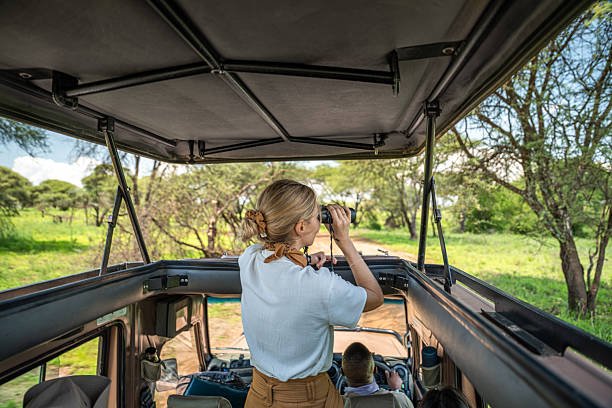
Tanzania Bird Watching Safari Prices: Your Guide 2026-2027
Planning a bird watching safari in Tanzania? This guide breaks down the costs for 2026-2027, explaining what influences prices and how to get the best value for your ornithological...
View package details
Tanzania Private Safari Prices 2026-2027
Tanzania Private Safari Prices is explained with current 2026-2027 planning, price, itinerary and booking information.
View package details
Tanzania Photography Safari Prices: Your Comprehensive Guide 2026-2027
Planning a photography safari in Tanzania for 2026 or 2027? This guide breaks down the expected costs, helping you budget for an unforgettable wildlife photography adventure. Learn what...
View package details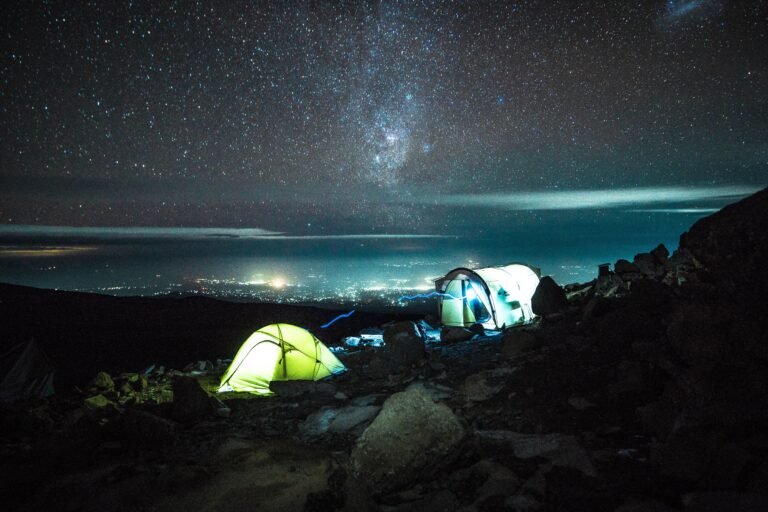
Tanzania Wildlife Safari Cost Breakdown: Your Budget Guide 2026-2027
Planning a Tanzania wildlife safari involves understanding the key cost components. This guide provides a detailed breakdown for 2026-2027, covering everything from park fees and...
View package details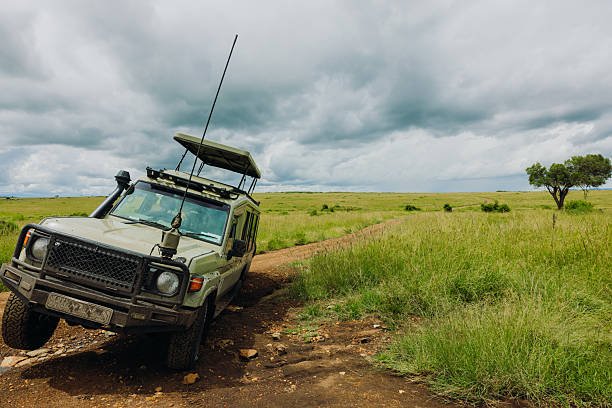
Katavi National Park: Tanzanias Untamed Wilderness Safari Guide 2026-2027
Katavi National Park offers an unparalleled safari experience in Tanzania's remote wilderness. This guide explores its vast landscapes, abundant wildlife, best visiting times for 2026-2027...
View package details
Ngorongoro Conservation Area: Your Ultimate Tanzania Safari Guide 2026-2027
Explore the unparalleled biodiversity and unique landscape of the Ngorongoro Conservation Area. This comprehensive guide covers everything you need to know for planning your 2026-2027...
View package details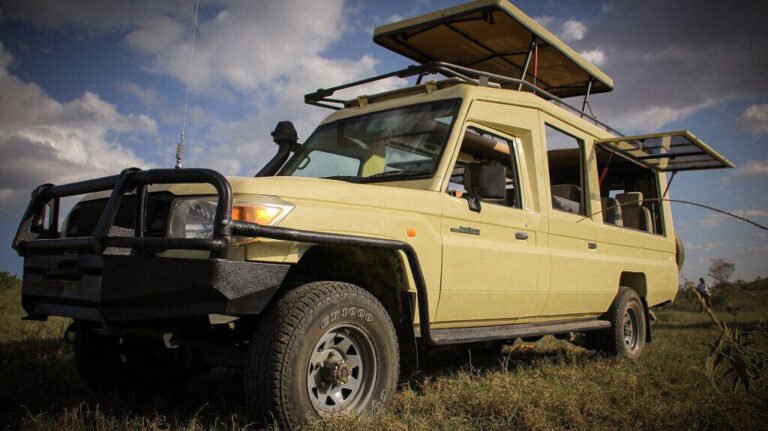
Tanzania Fly-In Safari Prices 2026-2027
Tanzania Fly-In Safari Prices is explained with current 2026-2027 planning, price, itinerary and booking information.
View package details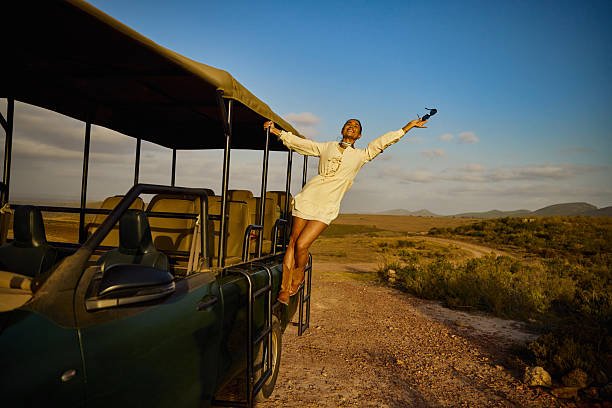
Tanzania Group Safari Cost Guide
Planning a Tanzania group safari in 2026-2027? This comprehensive guide breaks down the Tanzania group safari cost, detailing what influences prices, typical inclusions, and how to budget...
View package details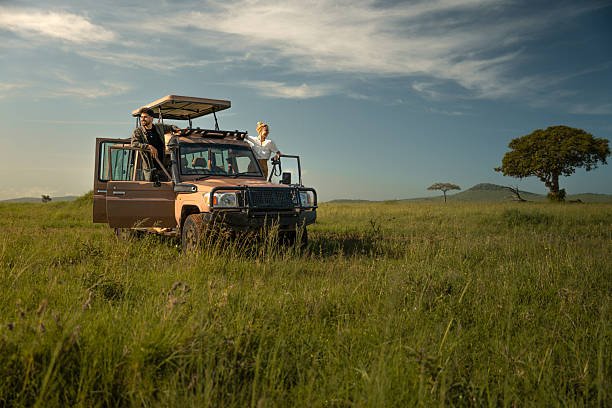
Tanzania Budget Safari Prices: Your Guide To Affordable Adventures 2026-2027
Planning a budget safari in Tanzania for 2026 or 2027? Understand the typical price ranges, what influences costs, and how to get the most value for your money. This guide breaks down the...
View package details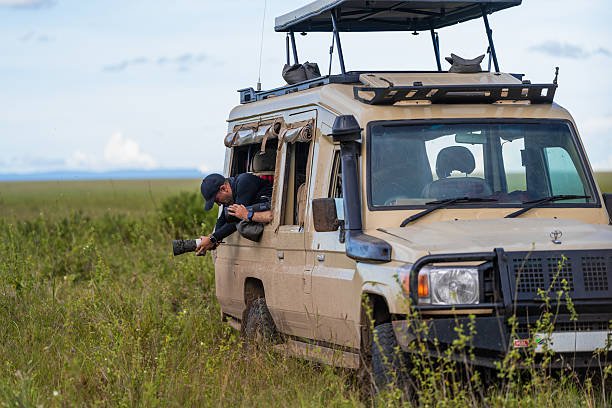
Tanzania Luxury Safari Cost: Planning Your Dream Trip 2026-2027
Planning a luxury safari in Tanzania? Discover the typical costs involved for 2026-2027, what drives the price, and what to expect in terms of inclusions and value for an unparalleled...
View package details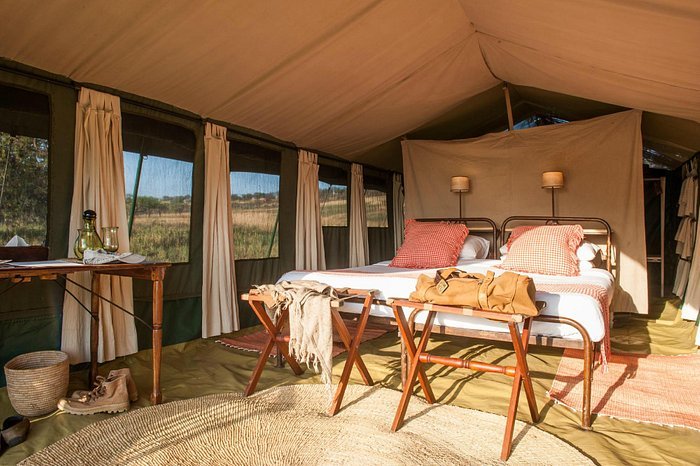
Tanzania Honeymoon Safari Prices: Your Ultimate Guide 2026-2027
Planning a romantic Tanzanian honeymoon safari? This guide breaks down the expected prices for 2026-2027, covering various factors that influence costs, typical inclusions, and how to get...
View package details
Tanzania Family Safari Cost: Planning Your Adventure 2026-2027
Planning a family safari in Tanzania for 2026 or 2027? This comprehensive guide breaks down the Tanzania family safari cost, detailing what influences your budget, typical price ranges, and...
View package detailsNo related package matches those filters. Clear one or more filters to see the other topic-matched options.



