
The cost of a Wildebeest Calving Safari in Tanzania typically ranges from $3,500 to $8,000+ per person for a 7-10 day trip in 2026-2027, depending on accommodation style, safari type (private vs. group), and inclusions. The best time to witness the wildebeest calving is generally from late January through March, when the herds concentrate in the southern Serengeti and Ndutu Plains, offering prime viewing opportunities for predators and newborns.
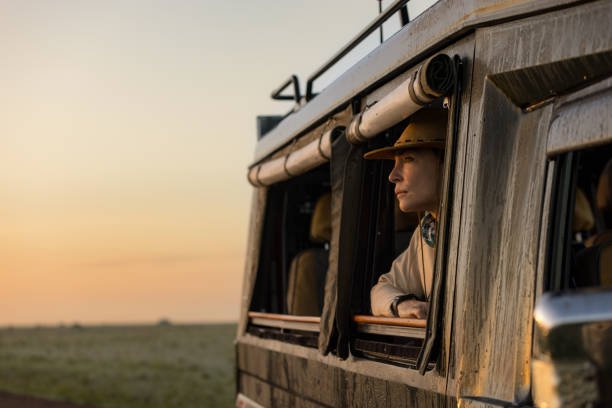
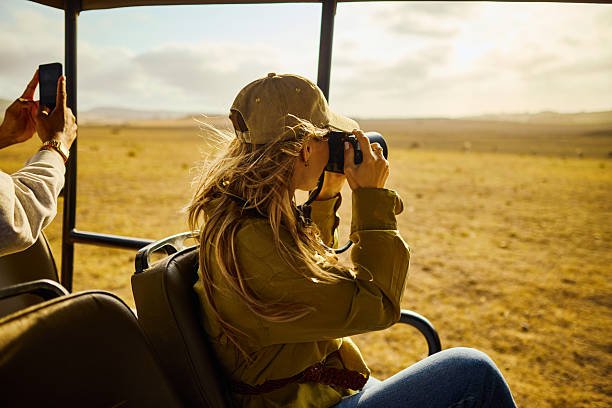
Understanding the Wildebeest Calving Safari in Tanzania
The annual wildebeest migration in the Serengeti-Mara ecosystem is one of the planet’s most spectacular natural phenomena. While the dramatic river crossings often steal the spotlight, the calving season holds its own unique magic and is a prime target for wildlife photographers and enthusiasts. From late January to March, millions of wildebeest, along with zebras and gazelles, gather in the short-grass plains of the southern Serengeti and the adjacent Ngorongoro Conservation Area (specifically the Ndutu region) to give birth. This period is characterized by an explosion of new life, a crucial time for predators, and an unforgettable spectacle for those fortunate enough to witness it.
Planning a Wildebeest Calving Safari requires specific knowledge regarding timing, location, and expected costs. Unlike other times of the year when the herds are on the move, the calving season offers a concentrated viewing experience in a predictable area. This guide will walk you through everything you need to know, from the financial investment to the optimal travel windows for 2026 and 2027, ensuring your safari is both successful and memorable.
Wildebeest Calving Safari Cost Breakdown for 2026-2027
Understanding the cost of a Wildebeest Calving Safari is crucial for budgeting and planning. Several factors influence the overall price, and these can vary significantly between tour operators and the level of luxury you desire. For a typical 7-10 day safari focused on the calving season in 2026 or 2027, expect prices to fall within the following ranges:
- Budget-Friendly Safaris: Starting around $3,500 – $4,500 per person. These often involve comfortable but basic tented camps or lodges, shared safari vehicles, and fewer amenities. Group tours are common in this category.
- Mid-Range Safaris: Typically between $4,500 – $6,500 per person. This level offers more comfortable lodges and permanent tented camps with en-suite facilities, private game drives, and higher quality guiding.
- Luxury Safaris: Ranging from $6,500 to $8,000+ per person. Expect high-end lodges and exclusive tented camps, gourmet dining, private charter flights, highly personalized service, and exclusive guiding.
It’s important to note that these figures are estimates for 2026-2027. Prices can fluctuate based on specific lodge availability, the exact duration of your safari, and the inclusion of internal flights. For a precise quote tailored to your needs, contacting a reputable tour operator like Top Guide Adventures is recommended.
Key Cost Factors for Your Calving Safari
- Accommodation: The biggest variable. From basic campsites to ultra-luxury lodges, the price difference is substantial.
- Safari Vehicle: Shared 4x4s are more economical than private vehicles. For calving season, a 4×4 is essential for navigating the terrain.
- Duration: Longer safaris naturally cost more but offer more in-depth exploration. A 7-day trip is a common starting point for calving season viewing.
- Inclusions: Full board meals, park fees, guide fees, and activities all impact the total cost. Some packages might exclude park fees or gratuities.
- Time of Year: While calving season is a specific window, it falls within Tanzania’s ‘green season’ or shoulder season, which can sometimes offer slightly lower rates than the peak dry season, though demand for this specific event is high.
- Operator Type: Local operators like Top Guide Adventures often provide better value than international companies.
Always ask for a detailed itinerary and clear breakdown of what is included and excluded when comparing quotes for your 2026-2027 safari.
The Best Time to Go: Witnessing the Wildebeest Calving in 2026-2027
The timing for a Wildebeest Calving Safari is critical. The herds follow a predictable pattern driven by the rains and the availability of fresh grazing. For the calving season, this means focusing on the southern Serengeti and the Ndutu Plains.
The Calving Window: January to March
The peak period for wildebeest calving generally falls between late January and March. During these months:
- Late January: Herds begin to congregate in the southern Serengeti and Ndutu. The first calves may start to appear.
- February: This is typically the heart of the calving season. Hundreds of thousands of calves are born over a few weeks. The plains are dotted with new life, and predator activity is at its highest as they capitalize on the abundance of vulnerable young.
- March: Calving continues, though the intensity may start to decrease. The focus begins to shift towards the approaching rains and the herds preparing for their northward journey. This month can still offer excellent viewing, often with fewer crowds than February.
Why this period is ideal:
- Concentration of Animals: The southern plains become a nursery, with an immense density of wildebeest and their young.
- Predator Action: Lions, cheetahs, leopards, hyenas, and wild dogs are drawn to the easy prey, leading to incredible photographic opportunities.
- Newborns: The sight of thousands of wobbly-legged calves is deeply moving and a core appeal of this safari.
- Landscape: The Serengeti’s short-grass plains are greener and more picturesque during this time.
Planning for 2026 and 2027:
When booking your Wildebeest Calving Safari for 2026 or 2027, aim for trips scheduled between February 1st and March 31st. Early February often provides the most intense calving activity, while late March can offer a beautiful mix of lingering calving and the beginning of the migration’s northward movement. Consider your preferences: for the most intense newborn action, book for February; for potentially fewer crowds and good viewing, March is an excellent choice.
Where to Go: Prime Locations for the Calving Season
The Wildebeest Calving Safari experience is intrinsically linked to specific geographic areas within the greater Serengeti ecosystem. While the Serengeti National Park is vast, the calving season concentrates the herds in distinct regions.
The Southern Serengeti Plains
This is the traditional heartland of the calving season. Vast, open grasslands stretch across this region, providing the ideal environment for wildebeest to give birth. The abundance of short grass is easily digestible for the calves, and the open terrain offers visibility against predators.
Ndutu Plains (Ngorongoro Conservation Area)
Technically located within the Ngorongoro Conservation Area (NCA), the Ndutu Plains are contiguous with the southern Serengeti and are a crucial part of the wildebeest’s migration cycle. Many safari lodges and camps are situated here, offering prime access to the herds during calving season. The term ‘Ndutu’ is often used interchangeably with the southern Serengeti when discussing this period.
Key Considerations for Location:
- Accessibility: Most safaris during this time will focus on these southern regions. Internal flights often land at Seronera Airstrip (Serengeti) or Manyara Airstrip, with road transfers to the calving grounds. Some operators may arrange flights to smaller airstrips closer to Ndutu.
- Camp/Lodge Placement: The best locations are those situated directly within or on the edge of these plains, minimizing travel time to prime viewing spots. Mobile tented camps are often strategically moved to follow the herds.
- Predator Hotspots: Areas around Moru Kopjes and the general vicinity of Ndutu are known for high predator densities during calving season.
Planning Your Wildebeest Calving Safari Itinerary (2026-2027)
A well-structured itinerary is key to maximizing your chances of experiencing the wildebeest calving. Most safaris focusing on this event are between 7 to 10 days, allowing ample time to explore the calving grounds and surrounding areas.
Sample 8-Day Wildebeest Calving Safari Itinerary
This is a representative itinerary for a 2026-2027 safari, focusing on the calving season. Specific locations and timings may vary based on herd movements and your chosen lodge.
- Day 1: Arrival in Arusha & Safari Briefing
Arrive at Kilimanjaro International Airport (JRO), transfer to your hotel in Arusha. Meet your guide for a pre-safari briefing. - Day 2: Fly to Southern Serengeti/Ndutu & Game Drive
After breakfast, transfer to Arusha Airport for a scenic flight to an airstrip in the Southern Serengeti or Ndutu. Meet your safari vehicle and guide, begin your first game drive en route to your camp/lodge. Afternoon game drive focusing on the calving herds. - Day 3-5: Southern Serengeti & Ndutu Plains Exploration
Three full days dedicated to exploring the vast plains. Focus on observing the wildebeest herds, newborn calves, and the abundant predators (lions, cheetahs, hyenas, leopards). Morning and afternoon game drives, with opportunities for sundowners in scenic locations. Possible full-day game drives with packed lunches. - Day 6: Game Drive & Transfer to Central Serengeti (Optional)
Enjoy a final morning game drive in the southern region. After lunch, transfer to a central Serengeti airstrip for a flight to Seronera (Central Serengeti). Check into your lodge/camp in the central area. Afternoon game drive exploring the diverse wildlife of Central Serengeti. - Day 7: Central Serengeti Game Drive & Fly to Arusha
Early morning game drive in Central Serengeti, known for its resident wildlife and big cats. After breakfast, transfer to Seronera Airstrip for your flight back to Arusha. Overnight in Arusha. - Day 8: Departure
Transfer to Kilimanjaro International Airport (JRO) for your onward flight.
Note: This itinerary can be customized. Some travelers prefer to spend all 7-8 days solely in the Southern Serengeti/Ndutu region to maximize calving season viewing, omitting the Central Serengeti portion. This can also reduce costs by eliminating an extra flight.
Customizing Your 2026-2027 Calving Safari
Top Guide Adventures specializes in creating tailor-made itineraries. Whether you want to focus exclusively on the calving grounds, add a visit to the Ngorongoro Crater, or combine your safari with a Zanzibar beach holiday, we can design the perfect trip for 2026 or 2027. Consider:
- Duration: Extend your stay to 10-14 days for a more relaxed pace or to explore other areas like the Ngorongoro Crater or Tarangire National Park.
- Pace: Do you prefer early morning starts and full days in the bush, or a more leisurely approach with time to relax at the lodge?
- Interests: Are you a keen photographer needing specific vehicle setups? Are you interested in cultural interactions with local Maasai communities?
- Budget: Adjusting accommodation choices and safari style (private vs. group) can significantly impact the final cost.
What to Expect: The Wildebeest Calving Experience
The calving season is not just about witnessing births; it’s a dynamic ecosystem in action. The sheer scale of life and death unfolding on the plains is profound.
The Newborns
The most striking feature is the sight of countless calves, born within a concentrated period. These young animals are surprisingly resilient, able to stand and walk within minutes of birth. Their instinct is to stay close to their mothers, forming a moving sea of black and white dots across the landscape.
Predator Encounters
The calving season is a feast for predators. Lions are often seen stalking herds, cheetahs are adept at picking off young calves in the open, and hyenas and wild dogs are also highly active. Witnessing a hunt or a successful chase is a raw and powerful experience, a reminder of the circle of life.
The Landscape
During this period, the typically dry savannah transforms. The short-grass plains are lush and green, dotted with acacia trees and kopjes (rocky outcrops). The skies are often dramatic, with afternoon rain showers common, enhancing the vibrant colours of the landscape.
The Sounds and Smells
The air is filled with the lowing of thousands of wildebeest, the calls of predators, and the general buzz of a thriving ecosystem. The smell of dust, earth, and wildlife is ever-present, grounding you in the wildness of the Serengeti.
Important Considerations for Calving Season Safaris:
- Dusty Conditions: The dry season hasn’t yet begun, but the plains can still be dusty, especially with large herds moving.
- Weather: Expect warm days and potentially cooler mornings/evenings. Afternoon thunderstorms are common.
- Off-Road Driving: While generally restricted, some operators may allow limited off-road driving to get closer to specific wildlife sightings during this concentrated event, always with respect for the environment.
- Crowds: February, in particular, is a popular month due to the calving spectacle. Booking well in advance for 2026-2027 is highly recommended.
Choosing Your Accommodation for the Calving Season
Your choice of accommodation significantly impacts your safari experience and budget. For the Wildebeest Calving Safari, options range from basic campsites to luxurious lodges.
Tented Camps
These offer an authentic safari feel. Options vary:
- Budget Tented Camps: Often shared facilities, canvas tents, and basic amenities.
- Mid-Range Tented Camps: Permanent structures with en-suite bathrooms, comfortable beds, and often a dining tent or mess area.
- Luxury Tented Camps: Spacious canvas suites, often with private decks, fine linens, gourmet meals, and exceptional service. Many are mobile and relocate seasonally to be near the migration.
Lodges
Permanent structures offering more amenities and comfort.
- Mid-Range Lodges: Comfortable rooms, on-site restaurants, and common areas.
- Luxury Lodges: Often featuring swimming pools, spas, exclusive dining options, and stunning views. Some lodges in the Southern Serengeti and Ndutu offer prime locations right on the migration routes.
Campsites
For the most budget-conscious traveler, public or special campsites offer a very basic, yet in-depth, experience. You’ll typically sleep in a tent with minimal facilities, relying on your guide for cooking and camp setup. This is the most adventurous and economical option.
For 2026-2027 bookings, especially for February, it is crucial to book your accommodation far in advance as prime spots fill up quickly.
Safari Vehicle Options
The vehicle you use for your game drives is your primary tool for wildlife viewing. For the Wildebeest Calving Safari, a 4×4 Land Cruiser or Land Rover is standard and highly recommended.
- Shared Safaris: You’ll share a vehicle with other travelers. This is more cost-effective. Vehicles typically seat up to 6-7 passengers, with everyone having a window seat.
- Private Safaris: You have a dedicated vehicle and guide for your group. This offers maximum flexibility in terms of timing, duration of stops, and route. The cost is higher but provides a personalized experience.
Top Guide Adventures exclusively uses custom-built 4×4 Land Cruisers with pop-up roofs for optimal game viewing and photography. We offer both shared and private safari options to suit different preferences and budgets for your 2026-2027 trip.
Packing Essentials for Your Calving Safari
Packing correctly ensures comfort and preparedness. The weather during calving season (Jan-Mar) is generally warm, but can be unpredictable with occasional rain showers.
Essential Packing List:
- Clothing: Neutral-colored clothing (khaki, beige, olive green) is best for safaris. Avoid bright colors and dark colors like black or blue, which can attract tsetse flies. Pack light layers: T-shirts, long-sleeved shirts, trousers, and shorts. A warmer jacket or fleece for cool mornings and evenings.
- Footwear: Comfortable walking shoes or hiking boots. Sandals or flip-flops for relaxing at the lodge/camp.
- Sun Protection: Wide-brimmed hat, sunglasses, high SPF sunscreen.
- Insect Repellent: Especially important for evenings.
- Camera Gear: Camera with extra batteries and memory cards. A telephoto lens is highly recommended for wildlife. Binoculars are essential.
- Personal Items: Prescription medications, basic first-aid kit, hand sanitizer, wet wipes.
- Documents: Passport, visa (if required), yellow fever certificate (if required), flight details, insurance documents.
- Accessories: Headlamp or flashlight, reusable water bottle, small backpack for day trips.
Health and Safety on a Wildebeest Calving Safari
Your health and safety are paramount. Tanzania is generally safe for tourists, but taking precautions is wise.
Malaria Prevention
The Serengeti and surrounding areas are considered malaria-risk zones. Consult your doctor about appropriate anti-malarial medication well before your trip. Use insect repellent, especially during dawn and dusk, and consider sleeping under a mosquito net if provided.
Vaccinations
Check with your doctor or a travel clinic for recommended vaccinations. Routine vaccinations should be up-to-date. Yellow Fever vaccination is often required for entry into Tanzania if arriving from or transiting through a country with a risk of Yellow Fever.
Sun Protection
The African sun is intense. Always wear sunscreen, a hat, and sunglasses, even when inside the safari vehicle. Stay hydrated by drinking plenty of water.
Wildlife Safety
Always follow your guide’s instructions. Never leave the vehicle during a game drive unless in a designated safe area. Maintain a safe distance from wildlife, especially predators and large herbivores. Do not feed any animals.
Comparing Safari Options: Private vs. Group for Calving Season
The choice between a private and a group safari impacts cost, flexibility, and the overall experience.
Group Safaris
- Pros: More affordable, opportunity to meet other travelers.
- Cons: Less flexibility in itinerary and game drive timing, must adhere to group decisions, potentially longer wait times for photos.
Private Safaris
- Pros: Maximum flexibility, personalized itinerary, dedicated guide and vehicle, ability to spend more time at sightings, ideal for photographers.
- Cons: Higher cost.
For the Wildebeest Calving Safari, a private safari offers significant advantages due to the dynamic nature of wildlife viewing. Being able to spend extra time with a pride of lions or wait for a specific photographic moment is invaluable. Top Guide Adventures excels in crafting bespoke private safaris for 2026-2027 that cater to your specific interests.
Booking Your Wildebeest Calving Safari for 2026-2027
Booking your safari well in advance is crucial, especially for the popular calving season. Peak demand periods like February often see lodges and popular camps booked out months, sometimes over a year, in advance.
When to Book:
For the 2026-2027 calving season, it is advisable to start planning and booking at least 9-12 months in advance. This ensures availability of preferred accommodation and allows for better flight arrangements.
Choosing a Tour Operator:
Selecting a reputable and experienced tour operator is vital. Look for companies with:
- Local expertise and knowledge of the Serengeti ecosystem.
- Positive reviews and testimonials (e.g., on TripAdvisor).
- Clear communication and transparency regarding costs and inclusions.
- Commitment to responsible tourism practices.
Top Guide Adventures is a highly-rated Tanzanian tour operator known for its personalized service, expert guides, and excellent value. We are dedicated to creating unforgettable safari experiences. You can reach us for a personalized quote or to discuss your 2026-2027 safari plans:
- WhatsApp: +255616946642
- Email: topguideadventures@gmail.com
- Backup Email: info@topguideadventurestanzania.com
Our team is ready to help you plan the perfect Wildebeest Calving Safari, ensuring you make the most of this incredible natural event in 2026 or 2027.
Beyond the Calving Season: Other Migration Phases
While the calving season is a highlight, understanding the broader migration cycle can help appreciate the Serengeti’s continuous drama. The migration is a year-round event, with herds constantly moving in search of fresh pastures and water.
- May-June: Grumeti River Crossings. As the herds move north, they encounter the Grumeti River, known for its large crocodiles.
- July-October: Mara River Crossings. The most famous and dramatic river crossings occur in the northern Serengeti, where huge numbers of wildebeest brave the Mara River, facing crocodiles and steep banks.
- November-December: Return South. Following the short rains, the herds begin their journey southwards, heading back towards the southern plains.
Each phase offers unique viewing opportunities, but the calving season provides a concentrated display of life and predator interaction that is truly special.
Frequently Asked Questions about Wildebeest Calving Safaris
What is the main difference between the calving season and other migration times?
The main difference is the location and focus. During calving season (Jan-Mar), the herds are concentrated in the southern Serengeti and Ndutu Plains for birth. Other times of the year, the herds are spread out, moving north, with dramatic river crossings being the main event (July-Oct).
Is February or March better for the calving season?
February typically offers the most intense calving activity, with the highest number of newborns. March can still offer excellent viewing, potentially with fewer crowds and a chance to see the herds beginning their northward movement.
Are internal flights necessary for a calving safari?
Internal flights from Arusha to the Serengeti/Ndutu significantly reduce travel time and are highly recommended, especially for shorter trips. They also offer fantastic aerial views. However, overland transfers are possible but much longer.
What are the typical park fees for the Serengeti and Ndutu?
Park fees are a significant part of the safari cost. For the Serengeti National Park, fees are typically around $70-$80 per person per day. Ndutu, being in the Ngorongoro Conservation Area, has its own fee structure, often around $70-$80 per person per day. These fees are subject to change for 2026-2027 and are usually included in tour packages.
Can I combine a calving safari with other Tanzanian destinations?
Absolutely. Many travelers combine a Serengeti calving safari with a visit to the Ngorongoro Crater, Tarangire National Park, or even a beach holiday in Zanzibar. Top Guide Adventures can create multi-destination itineraries.
Final Thoughts on Your Wildebeest Calving Safari Adventure
The Wildebeest Calving Safari offers an unparalleled opportunity to witness the raw power of nature and the miracle of new life. The southern Serengeti and Ndutu Plains come alive during this period, creating a vibrant, dynamic ecosystem that captivates every visitor. By understanding the costs, timing, and logistics, you can plan a truly unforgettable experience for 2026 or 2027.
Whether you seek the thrill of predator sightings, the profound beauty of countless newborns, or simply the awe-inspiring scale of the migration, the calving season delivers. Remember to book well in advance, choose a reputable operator like Top Guide Adventures, and prepare for an adventure that will stay with you long after you leave the plains. We are here to assist you every step of the way, ensuring your journey is as smooth and spectacular as the event itself.
Check Availability for Wildebeest Calving Safari Cost, Best Time & Travel Guide For 2026-2027
Ready to compare dates, prices, and the best option for your group? Send the package name and travel month so the team can reply with a clear quote, availability, and what is included.
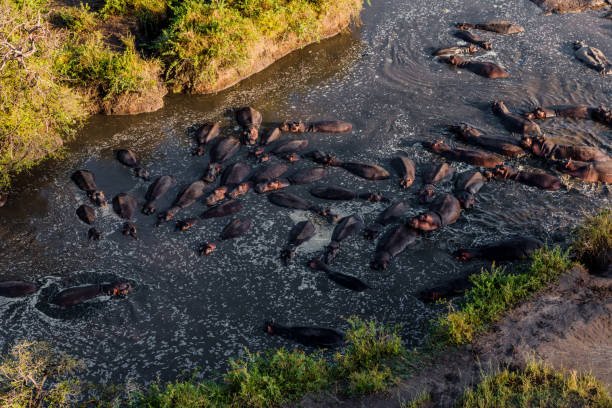
Mara River Crossing Safari Cost, Best Time & Travel Guide For 2026-2027
The Mara River Crossing is a highlight of any Serengeti or Masai Mara safari. This guide details the costs involved, the prime viewing seasons for 2026 and 2027, and essential travel advice...
View package details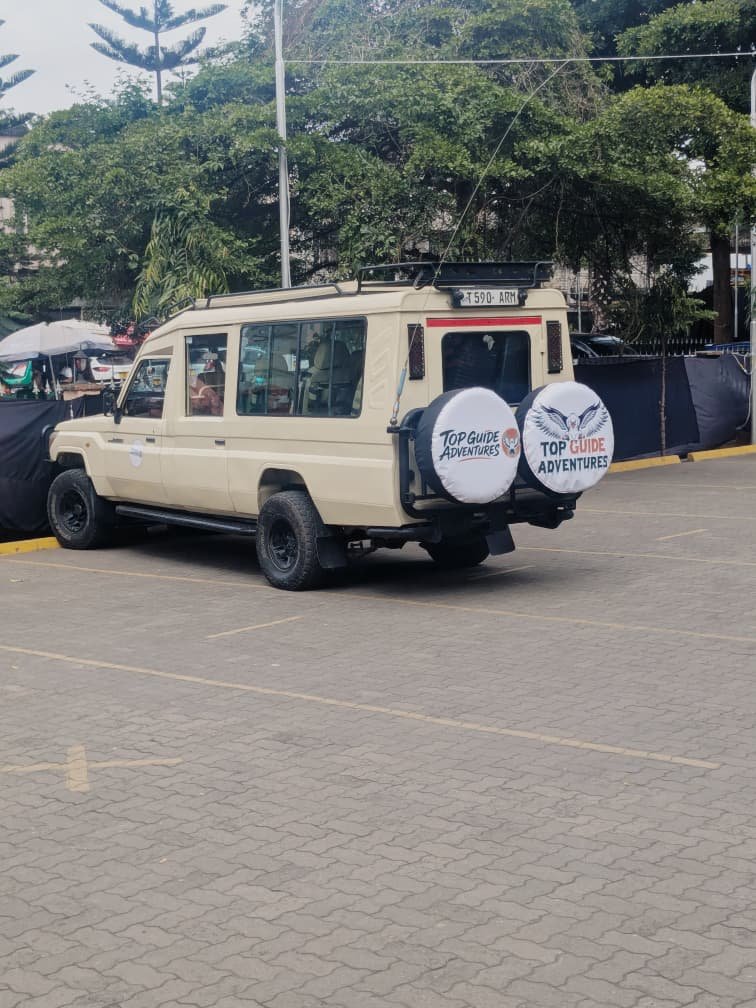
Ngorongoro Conservation Area Safari Cost, Activities & Travel Guide 2026-2027
Discover the essential information for your Ngorongoro Conservation Area safari, including current cost estimates for 2026-2027, must-do activities, and practical travel tips. This guide...
View package detailsMakao Wildlife Management Area Safari Cost, & Visitor Guide 2026-2027
Planning a safari to Makao Wildlife Management Area? This comprehensive guide covers estimated safari costs for 2026-2027, highlights the diverse wildlife you can expect to see, and...
View package details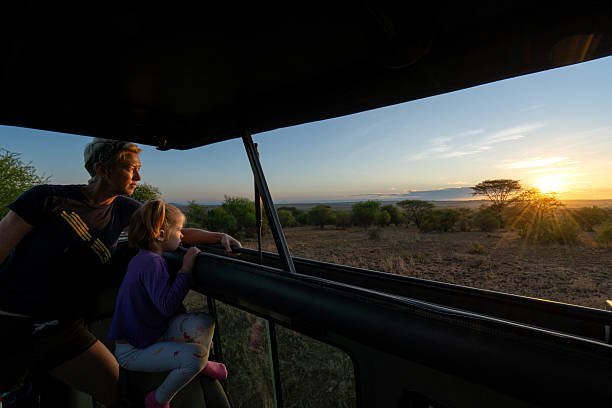
Serengeti Safari Cost Per Person For Every Budget 2026-2027
Serengeti Safari Cost Per Person for Every Budget is explained with current 2026-2027 planning, price, itinerary and booking information.
View package details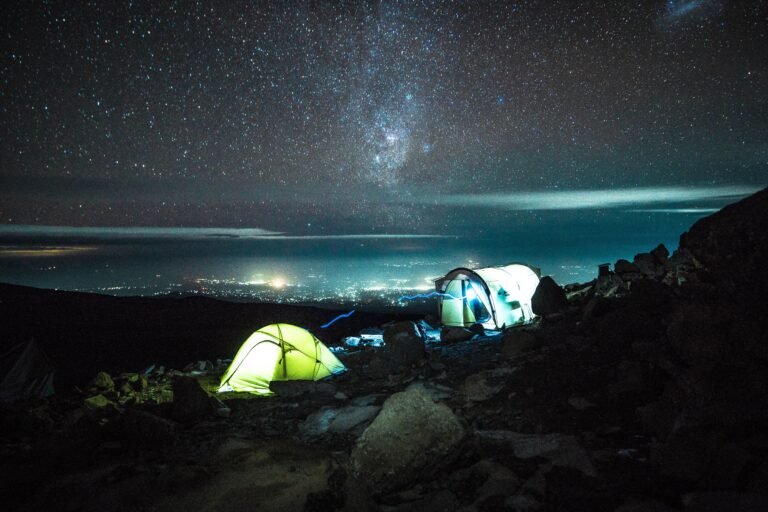
Tanzania Wildlife Safari Cost Breakdown: Your Budget Guide 2026-2027
Planning a Tanzania wildlife safari involves understanding the key cost components. This guide provides a detailed breakdown for 2026-2027, covering everything from park fees and...
View package details
Pemba Island Safari Prices: Your Guide To Costs In 2026-2027
Planning a safari on Pemba Island? Understand the pricing for 2026-2027, from budget options to luxury experiences. This guide breaks down the costs, inclusions, and factors affecting your...
View package details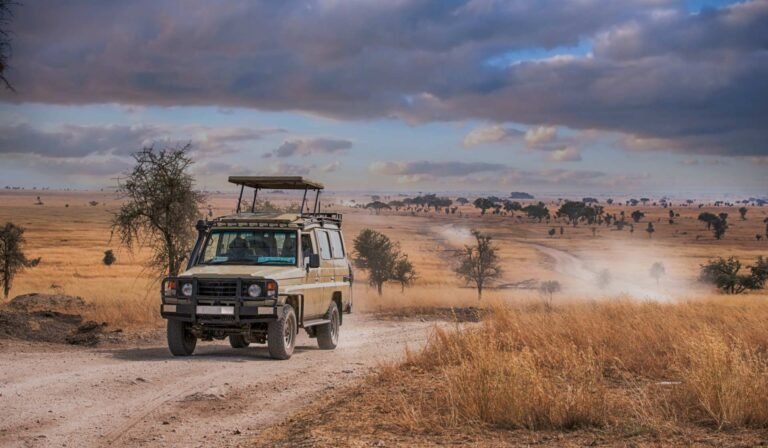
Mahale Safari Prices: Your Guide To Chimpanzee Trekking Costs 2026-2027
Planning a Mahale safari? This guide breaks down Mahale safari prices for 2026-2027, covering chimpanzee trekking permits, accommodation options, transport, and essential budgeting tips for...
View package details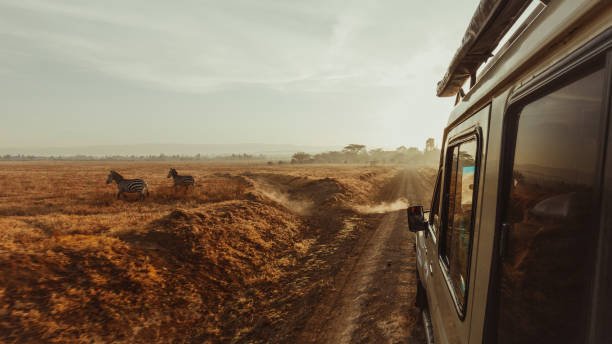
Nyerere Walking Safari Prices : Your Guide To Costs And Planning 2026-2027
Explore Nyerere National Park on a walking safari with Top Guide Adventures. Discover pricing for 2026-2027, understand cost factors, and plan your unforgettable adventure.
View package details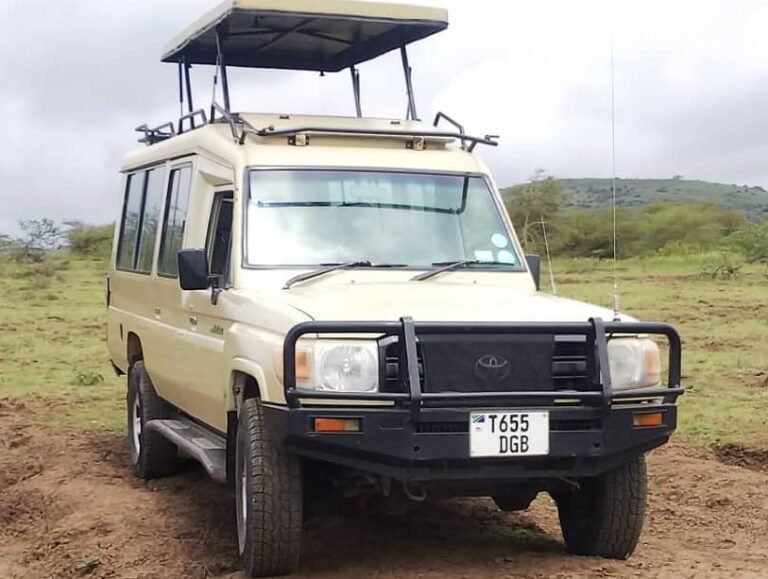
Ruaha Walking Safari Cost: What To Expect For Adventures 2026-2027
Understand the estimated costs for a Ruaha walking safari in 2026-2027. This guide breaks down the price elements, helping you budget for an unforgettable Tanzanian adventure.
View package details
Budget Tarangire Safari Prices: Cost Guide For 2026-2027
Planning a budget-friendly safari in Tarangire National Park? This guide breaks down the costs for 2026-2027, detailing what influences prices, what's typically included in budget packages...
View package details
Serengeti Luxury Safari Cost Vs. Budget Safaris: Your Comparison Guide
This guide breaks down the cost differences between luxury and budget safaris in the Serengeti for 2026-2027. Understand what you get for your money, from accommodation and transport to...
View package details
Tanzania Group Safari Cost Guide
Planning a Tanzania group safari in 2026-2027? This comprehensive guide breaks down the Tanzania group safari cost, detailing what influences prices, typical inclusions, and how to budget...
View package detailsNo related package matches those filters. Clear one or more filters to see the other topic-matched options.



