
The Mara River Crossing safari cost varies significantly based on the tour operator, duration, accommodation style, and time of year, but expect daily rates from $300 to $800+ per person for mid-range to luxury safaris, with peak migration season (July-October) being the most expensive. The best time to witness the Mara River Crossing is typically between late July and October, though the migration’s exact timing can shift year to year, influenced by rainfall patterns. Planning your 2026 or 2027 trip requires booking well in advance, especially for prime river crossing locations.
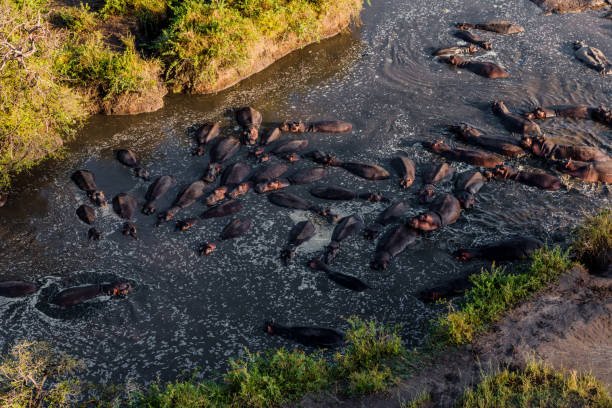
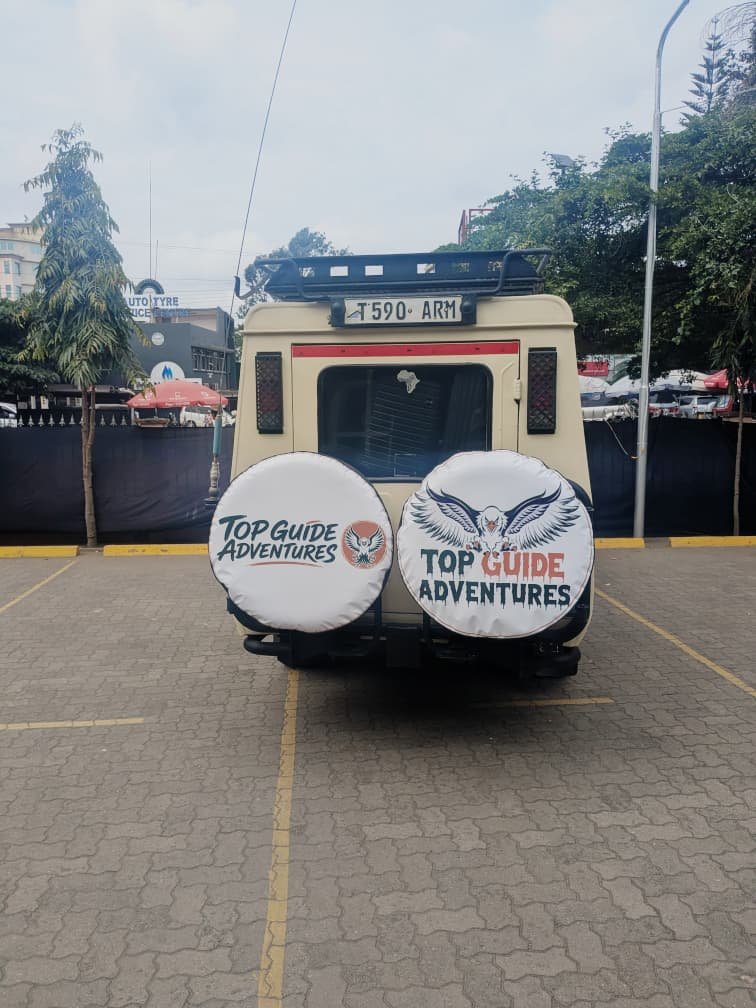
Understanding the Mara River Crossing: A Spectacle of Nature
The Mara River, a vital artery flowing through the Serengeti National Park in Tanzania and the Masai Mara National Reserve in Kenya, is the stage for one of the planet’s most dramatic wildlife events: the Great Migration’s river crossings. Millions of wildebeest, zebras, and gazelles traverse its crocodile-infested waters in search of greener pastures. This epic journey, driven by instinct and the search for sustenance, is a raw, untamed display of survival that draws travelers from across the globe. For many, witnessing this spectacle is the pinnacle of an African safari experience.
This guide aims to provide comprehensive insights into the Mara River Crossing safari cost, the optimal times for viewing in 2026 and 2027, and essential travel planning advice to ensure you have an unforgettable adventure.
The Mechanics of the Migration and River Crossings
The Great Migration is a year-round phenomenon, a perpetual cycle dictated by the seasons and the availability of grazing land. While the wildebeest are constantly moving, certain periods see them concentrating in specific areas, leading to the dramatic river crossings.
* Calving Season (January-March): In the southern Serengeti plains, wildebeest give birth to hundreds of thousands of calves. This is a period of relative safety, as predators are abundant and the grass is rich.
* Moving North (April-June): As the dry season approaches, the herds begin their northward trek, moving through the central and western Serengeti. This is often referred to as the ‘long rains’ period, and while it can rain, it’s also a time of incredible landscape transformation.
* The Western Corridor (May-June/July): The migration often reaches the Grumeti River first, where crossings can occur, though they are typically less dramatic and predictable than the Mara River crossings. The Grumeti River is also home to large crocodiles, posing a significant threat.
* The Mara River (July-October): This is the most famous phase. As the herds reach the Mara River, the true test of survival begins. Driven by the need to reach the fresh grass of the Masai Mara, they face treacherous currents and a gauntlet of Nile crocodiles that lie in wait. The timing of these crossings is not fixed; they can happen on any day during this period, often triggered by rainfall or the sheer pressure of the herd.
* Masai Mara Grazing (August-October): Having successfully crossed the Mara River, the herds spread out across the Masai Mara, enjoying the lush grazing. Predators are particularly active during this time, taking advantage of the concentrated prey.
* Return South (November-December): As the short rains begin in the Serengeti, the herds start their journey back south, heading towards the Ndutu area for the calving season once more.
Understanding this cycle is crucial for planning your safari to maximize your chances of witnessing a river crossing, as the best time for Mara River Crossing safaris is intrinsically linked to these movements.
Mara River Crossing Safari Cost: What to Expect for 2026-2027
Determining the exact Mara River Crossing safari cost is complex, as it depends on a multitude of factors. However, we can provide a detailed breakdown of the components that influence the price and give realistic estimates for 2026 and 2027 travel.
Key Cost Factors
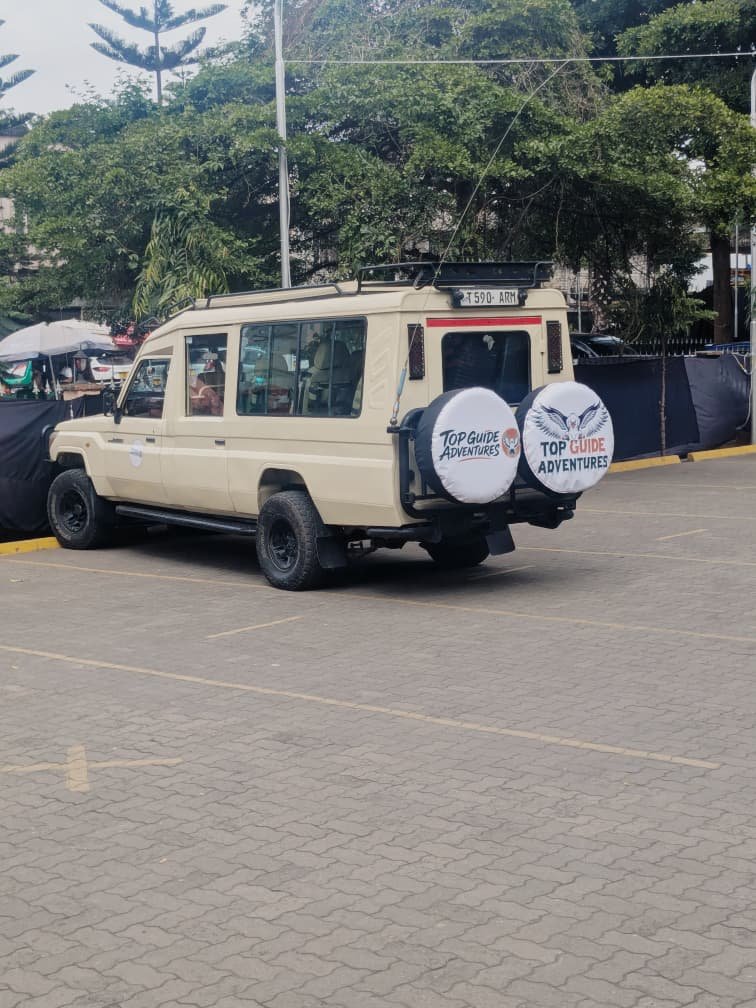
1. Tour Operator and Service Level: This is perhaps the biggest determinant. Operators range from budget-friendly companies using basic tented camps and older vehicles to high-end luxury providers offering exclusive lodges, private guides, and premium services. Top Guide Adventures, for instance, focuses on providing personalized experiences with dedicated support.
2. Accommodation: Lodges, luxury tented camps, and standard tented camps all have vastly different price points. Lodges and luxury camps offer en-suite facilities, fine dining, and prime locations, commanding higher rates.
3. Duration of Safari: Longer safaris naturally cost more. For a river crossing experience, a minimum of 5-7 days is recommended to allow for travel time and sufficient viewing opportunities within the Serengeti and Masai Mara.
4. Time of Year: The peak season for the Mara River Crossing (July to October) is also the peak tourist season. Prices for accommodation and sometimes park fees are higher during these months. Shoulder seasons might offer slightly lower costs but with a reduced chance of witnessing a crossing.
5. Type of Safari: A private safari offers flexibility and exclusivity but is significantly more expensive than a group or shared safari. Shared departures, like those often found on tour operator websites, can significantly reduce the per-person cost.
6. Inclusions: What is included in your package? Look for clarity on: park entry fees, meals, accommodation, guide and vehicle hire, airport transfers, and activities like game drives. Exclusions often include international flights, visas, travel insurance, tips, and personal expenses.
7. Park Fees: Serengeti National Park and Masai Mara National Reserve have daily entry fees per person and vehicle fees. These are substantial and form a significant part of the overall cost.
8. Internal Flights: While driving is possible, flying into airstrips within the Serengeti or near the Masai Mara can save considerable travel time, especially from hubs like Arusha or Nairobi. These flights add to the expense.
Estimated Safari Costs for 2026-2027
Based on typical safari structures and factoring in potential inflation for 2026-2027, here are some realistic cost ranges per person, per day:
* Budget Safaris: Using basic campsites and shared vehicles, these might range from $250 – $400 per person per day. This often means simpler meals, shared facilities, and potentially longer game drives with more people.
* Mid-Range Safaris: This is the most popular category, offering comfortable tented camps or lodges with en-suite bathrooms, good food, and well-maintained 4×4 safari vehicles. Expect costs between $400 – $700 per person per day. Top Guide Adventures often operates in this bracket, focusing on quality and value.
* Luxury Safaris: High-end lodges, gourmet dining, exclusive use of vehicles, and premium services. Costs can range from $700 – $1200+ per person per day.
Important Note on River Crossing Packages: Many tour operators offer specific packages designed around the Great Migration and Mara River crossings. These often include stays in lodges or camps strategically located near the river for optimal viewing. These specialized tours, especially during peak season (July-October), will generally fall into the mid-range to luxury brackets and may have higher daily rates or require longer minimum stays.
Example Itinerary Cost Logic (7-Day Serengeti Migration Safari):
For a 7-day safari focused on the Mara River Crossing in 2026 or 2027, a mid-range package might look something like this:
* Accommodation: 6 nights in mid-range tented camps/lodges ($250 – $400 per person per night) = $1500 – $2400
* Park Fees (Serengeti & Masai Mara): Approximately $70-$100 per person per day = $490 – $700
* Vehicle & Guide Hire: (Often shared in group tours, but factored in daily rate) = $200 – $400 per person per day = $1400 – $2800
* Meals: Often included in camp/lodge rates, but factor in drinks/snacks.
* Total Estimated Cost (7 Days): Roughly $3390 – $5900 per person (excluding internal flights, tips, and personal expenses).
For a private, higher-end experience, this figure could easily double or triple.
Booking Your 2026-2027 Mara River Crossing Safari
Given the popularity of the Mara River Crossing, booking well in advance is crucial, especially for 2026 and 2027. Prime camps and lodges near the river, as well as popular group departure dates, fill up 9-12 months ahead of time. This is particularly true if you aim for the peak viewing months of July, August, September, and October.
Tip for Cost Savings:
Consider traveling during the shoulder months of June or early July, or late October. While crossings are less guaranteed, you might still witness the migration’s movement, encounter fewer crowds, and potentially find slightly lower prices for your 2026-2027 safari.
Best Time to Visit for the Mara River Crossing in 2026-2027
Pinpointing the exact week the wildebeest will cross the Mara River is impossible. However, by understanding the migration’s patterns and recent historical data, we can identify the most probable periods.
Peak Crossing Season: July to October
This four-month window is generally considered the best time to see the Mara River Crossing. During these months, the vast herds are typically in the northern Serengeti and southern Masai Mara, driven by the search for fresh grazing.
* July: The migration begins arriving in the northern Serengeti. Crossings can start, but they are often sporadic. The herds are building up, and the anticipation is high.
* August: This is often considered the peak month for dramatic river crossings. The pressure of the herd, combined with dry conditions, frequently forces them into the river. The Masai Mara is lush, supporting large numbers of animals.
* September: Crossings continue, though they might become less frequent as the herds spread out across the Masai Mara. This month still offers excellent game viewing opportunities, with predators actively hunting the concentrated herbivores.
* October: The herds begin their movement southwards. Some crossings may still occur early in the month, but the focus shifts to the southern Masai Mara and the return journey towards the Serengeti.
Factors Influencing Timing
The migration is a natural phenomenon, and its timing can vary annually due to rainfall patterns. The decision to cross the Mara River is primarily driven by the availability of fresh grass. If the rains are early or late, the herds’ movement will adjust accordingly.
* Rainfall: Early rains in the southern Serengeti can encourage the herds to stay longer for calving. Conversely, delayed rains in the Masai Mara might keep the herds in the Serengeti longer.
* Predator Pressure: Intense predator activity can sometimes force herds to move more erratically, potentially leading to crossings.
* Herd Size and Density: The sheer volume of animals can create a ‘domino effect,’ pushing individuals towards the river.
Planning Your 2026-2027 Visit
To maximize your chances of witnessing a crossing in 2026 or 2027:
1. Book for August or September: These months historically offer the highest probability of seeing a crossing.
2. Allow Sufficient Time: Plan for at least 3-4 days in the northern Serengeti or western Masai Mara region specifically for river crossing viewing. This allows flexibility for days when crossings don’t occur.
3. Choose Lodges/Camps Strategically: Staying in camps located directly on the banks of the Mara River (e.g., Kogatende or Lamai areas in Serengeti, or near the river in Masai Mara) significantly increases your chances. These locations are often booked up far in advance.
4. Consult with Experts: Work with experienced tour operators like Top Guide Adventures who have up-to-date knowledge of the migration’s location and can advise on the best areas to focus on for your 2026-2027 safari.
Understanding Migration Fluctuations:
While August and September are prime, remember that crossings can happen anytime between July and October. Some years, major crossings might occur in late July; in others, they might peak in early October. Flexibility and expert guidance are key for a successful Mara River Crossing safari.
Crafting Your Mara River Crossing Safari Itinerary
A successful Mara River Crossing safari requires careful planning, balancing the pursuit of the crossing with the overall safari experience. This involves selecting the right parks, choosing appropriate accommodation, and ensuring enough time in the critical areas.
Combining Serengeti and Masai Mara
Most classic Mara River Crossing safaris involve visiting both the Serengeti National Park (Tanzania) and the Masai Mara National Reserve (Kenya). These parks are adjacent, separated by the Mara River itself. The migration moves between these two iconic ecosystems.
* Tanzania Side (Serengeti): Focus on the Kogatende and Lamai areas in the far north of the Serengeti. This is where the river crossings into Kenya are most likely to occur from July to October. Staying here allows you to witness crossings heading north.
* Kenya Side (Masai Mara): The Mara River’s western and northern sections within the reserve are prime viewing areas for herds that have already crossed. Camps in areas like the Mara Triangle or Musiara often offer excellent opportunities to see herds grazing and potentially crossing back south later in the season.
Sample Itinerary Structures (2026-2027 Focus)
Here are a few itinerary concepts, highlighting different approaches to experiencing the Mara River Crossing:
Itinerary A: Classic Serengeti & Masai Mara Fly-In (10 Days)
* Day 1-2: Arusha/Nairobi & Fly to Serengeti: Arrive, overnight, then fly to Kogatende Airstrip (Serengeti North). Check into your lodge/camp near the Mara River.
* Day 3-5: Northern Serengeti River Crossings: Full days dedicated to game drives in the Kogatende/Lamai area, searching for river crossings. Morning and afternoon drives.
* Day 6: Cross to Masai Mara: Morning game drive, then transfer to the airstrip for a flight to the Masai Mara (Kenya). Check into your camp.
* Day 7-9: Masai Mara Exploration: Game drives across the Masai Mara, focusing on areas along the Mara River where herds are grazing and potential crossings back south might occur. Explore other regions of the reserve for diverse wildlife.
* Day 10: Departure: Morning game drive, then fly from Masai Mara airstrip to Nairobi for your international flight.
Itinerary B: Combined Driving & Flying (12 Days)
* Day 1: Arusha: Arrive, overnight.
* Day 2-4: Drive to Central/Western Serengeti: Begin your safari with a drive into the Serengeti, exploring areas like Seronera. Witness the general migration movement and abundant wildlife.
* Day 5-7: Drive North to Kogatende: Continue north, focusing on the Kogatende area for potential river crossings. This allows for a more in-depth overland experience.
* Day 8: Drive to Masai Mara (via border): Drive towards the Isebania border crossing, then continue into the Masai Mara. Check into your camp.
* Day 9-11: Masai Mara Experience: Explore the Masai Mara, focusing on river crossings and general game viewing.
* Day 12: Depart from Nairobi: Drive to Nairobi or take a short flight.
Itinerary C: Tanzania Focus with Northern Serengeti (8 Days)
* Day 1: Arusha: Arrive, overnight.
* Day 2: Fly to Kogatende: Fly directly to the Kogatende Airstrip in Northern Serengeti.
* Day 3-6: Northern Serengeti River Crossings: Intensive focus on the Mara River crossings in the Kogatende and Lamai areas. This itinerary maximizes time in the prime crossing zone.
* Day 7: Fly to Arusha: Morning game drive, then fly back to Arusha for your onward journey or international departure.
Choosing Your Accommodation
Accommodation type significantly impacts the experience and cost:
* Luxury Lodges/Tented Camps: Offer spacious rooms, private verandas, fine dining, swimming pools, and impeccable service. Examples include Singita properties, Angama Mara, or &Beyond lodges. These are ideal for a comfortable and high-end Mara River Crossing safari.
* Mid-Range Tented Camps: Comfortable canvas tents with en-suite bathrooms, often in prime locations. They provide an authentic safari feel with good service and meals. This is the sweet spot for value and experience, often offered by companies like Top Guide Adventures.
* Budget Campsites: Basic tents with shared ablution facilities. Suitable for the most budget-conscious travelers, but often located further from prime viewing spots and offering fewer amenities.
Strategic Location is Key:
For the best chance of witnessing a Mara River Crossing, prioritize camps and lodges situated directly along the Mara River in the northern Serengeti (Kogatende/Lamai) or the western Masai Mara. These locations are highly sought after and book up months, sometimes over a year, in advance for 2026-2027.
Essential Travel Tips for Your Mara River Crossing Safari
Planning a safari to witness the Mara River Crossing involves more than just booking flights and accommodation. Here are crucial tips to ensure a smooth and rewarding experience for your 2026-2027 adventure.
Packing Essentials
* Clothing: Neutral colors (khaki, beige, green) are best to avoid startling wildlife. Pack layers, as mornings and evenings can be cool, while midday can be hot. Include long-sleeved shirts and trousers for sun and insect protection.
* Footwear: Comfortable walking shoes or hiking boots (if any walking is planned), plus sandals or trainers for camp.
* Sun Protection: High SPF sunscreen, a wide-brimmed hat, and sunglasses are non-negotiable.
* Insect Repellent: Essential, especially during dawn and dusk.
* Binoculars: Crucial for spotting wildlife at a distance.
* Camera Gear: Extra batteries, memory cards, and a zoom lens are highly recommended for capturing the action.
* First-Aid Kit: Include personal medications, antiseptic wipes, pain relievers, and motion sickness medication if needed.
* Power Adapter & Power Bank: For charging electronics.
* Personal Items: Toiletries, hand sanitizer, wet wipes.
Health and Vaccinations
Consult your doctor or a travel clinic 4-6 weeks before your trip regarding recommended vaccinations and malaria prophylaxis. Yellow Fever vaccination is often required for entry into Tanzania and Kenya if arriving from or transiting through certain countries.
Visa Requirements
* Tanzania: Visas can be obtained on arrival at major entry points or applied for in advance online. Check the latest requirements for your nationality.
* Kenya: Similar to Tanzania, visas can often be obtained on arrival or applied for online (e-visa).
Travel Insurance
Comprehensive travel insurance is mandatory. Ensure it covers medical emergencies, evacuation, trip cancellation, and lost luggage.
Currency and Payments
* Tanzania: Tanzanian Shilling (TZS). US Dollars are widely accepted for park fees, safari packages, and in tourist establishments. Carry smaller USD bills for tips and personal purchases.
* Kenya: Kenyan Shilling (KES). US Dollars are also accepted in many tourist areas.
* ATMs: Available in major towns like Arusha and Nairobi, but can be unreliable in remote areas. Credit cards are accepted in lodges and larger camps, but often with a surcharge.
Tipping Etiquette
Tipping is customary for guides, camp staff, and drivers. Your tour operator will usually provide guidelines. A typical range for a safari guide is $10-$20 per person per day.
Respecting Wildlife and Local Culture
* Maintain a Safe Distance: Never approach or feed wild animals.
* Stay in Your Vehicle: Unless permitted by your guide during designated walking safaris.
* Minimize Noise: Avoid loud noises that could disturb the animals.
* Ask Before Photographing People: Always seek permission before taking photos of local communities.
What to Expect from Your Guide:
A good safari guide is invaluable. They possess deep knowledge of animal behavior, tracking skills, and the best locations for sightings. For a Mara River Crossing safari, a guide’s expertise in predicting crossing points and understanding herd movements is critical. Reputable operators like Top Guide Adventures ensure their guides are highly experienced and knowledgeable.
Comparing Tanzania vs. Kenya for the Mara River Crossing
While the Mara River forms the border and the migration spans both countries, there are distinct differences between experiencing the crossing from the Tanzanian side (Serengeti) versus the Kenyan side (Masai Mara).
Serengeti National Park (Tanzania) – The Northern Serengeti
* Pros:
* Witnessing the actual crossing into Kenya is possible here.
* The Kogatende and Lamai areas offer dramatic riverine landscapes.
* Often less crowded than parts of the Masai Mara during peak season.
* Allows for a complete Tanzanian safari experience, potentially combined with other regions like the Ngorongoro Crater.
* Cons:
* Accessing the northern Serengeti often requires internal flights, adding to the cost.
* Accommodation options in the far north can be more limited and expensive.
* The landscape is drier and rockier compared to the lush Masai Mara.
Masai Mara National Reserve (Kenya) – Western & Northern Mara
* Pros:
* Known for its vast, open grasslands, making wildlife spotting easier.
* Abundant predator populations.
* Wide range of accommodation options, from budget to ultra-luxury.
* Easier access via road or flights from Nairobi.
* Witnessing herds that have already crossed and are grazing, or potentially crossing back south.
* Cons:
* Can become very crowded, especially in popular areas like the Musiara section, during peak migration.
* The river crossings from the Kenyan side are less frequent or predictable than seeing them head north from Tanzania.
Which Side is Better for the Crossing?
If your primary goal is to see the wildebeest actively plunging into the Mara River and battling crocodiles, focusing on the northern Serengeti (Kogatende/Lamai) during July, August, and September offers the best chance. You’ll be positioned to witness the crossings heading north. If you are interested in seeing large herds grazing in the Masai Mara and potentially witnessing smaller, less predictable crossings back south later in the season (October), then the Kenyan side is ideal.
Many travelers opt for a combination of both, flying from the Serengeti into the Masai Mara to experience the migration from both perspectives. This provides a more complete picture of the phenomenon.
Maximizing Your Chances of Seeing a River Crossing
Witnessing a Mara River Crossing is a matter of being in the right place at the right time, combined with a good dose of luck. Here’s how to stack the odds in your favor for your 2026-2027 safari:
1. Timing is Crucial: As established, aim for late July through September. These months offer the highest probability.
2. Location, Location, Location: Stay in camps or lodges situated directly on or very near the Mara River in the northern Serengeti (Kogatende/Lamai) or western Masai Mara. This minimizes travel time to potential crossing points.
3. Allocate Enough Days: Do not rush. Spend at least 3-4 full days in the prime river crossing zones. Crossings can happen on any given day, and sometimes there might be a few days between major events.
4. Listen to Your Guide: Experienced guides have an uncanny ability to sense when a crossing might be imminent. They monitor herd movements, water levels, and predator activity. Trust their judgment and be ready to move quickly when they sense an opportunity.
5. Be Patient and Prepared: A crossing can start suddenly and be over in minutes, or it can be a prolonged, chaotic event. Be ready with your camera and binoculars. Sometimes, waiting patiently near a known crossing point yields the best results.
6. Consider Both Sides: If your budget and time allow, splitting your time between the northern Serengeti and the Masai Mara offers a comprehensive view of the migration’s interaction with the river.
The Element of Surprise:
While planning is essential, remember that nature is unpredictable. Some of the most spectacular crossings happen unexpectedly. Being prepared, patient, and flexible will significantly enhance your chances of witnessing this incredible natural drama.
Beyond the Crossing: The Full Safari Experience
While the Mara River Crossing is a major draw, remember that the Serengeti and Masai Mara offer unparalleled wildlife viewing opportunities year-round. Don’t let the quest for the crossing overshadow the other incredible experiences available.
* Diverse Wildlife: Beyond the migration herds, both parks are teeming with predators like lions, leopards, cheetahs, hyenas, and wild dogs. Elephant, giraffe, buffalo, rhino (in certain areas), hippos, and a vast array of birdlife are also present.
* Varied Landscapes: From the endless plains of the Serengeti to the riverine forests and kopjes, the scenery is diverse and impressive.
* Cultural Encounters: Opportunities exist to visit Maasai villages (ensure ethical and respectful tours are chosen) to learn about their traditional way of life.
* Hot Air Balloon Safaris: An unforgettable way to see the landscape and wildlife from above, especially popular in the Masai Mara.
Your safari should be a holistic experience, and a well-planned itinerary will incorporate these elements alongside the pursuit of the river crossing.
Planning Your 2026-2027 Mara River Crossing Safari with Top Guide Adventures
Top Guide Adventures specializes in creating bespoke safari experiences across Tanzania, including expertly guided tours focused on the Great Migration and the Mara River Crossing. We understand the nuances of timing, location, and logistics required for such a trip.
We offer a range of safari options, from shared group departures to fully private tailor-made journeys, ensuring there’s a fit for various budgets and preferences. Our team is dedicated to providing personal attention, care, and support throughout your planning process and during your safari.
Whether you’re aiming for the peak crossing season in 2026 or looking to plan for 2027, we can help you:
* Select the best time and locations for your safari.
* Advise on the most suitable accommodation based on your budget and desired comfort level.
* Create a detailed itinerary that balances river crossing opportunities with general game viewing.
* Manage all logistics, including park fees, internal flights, and transfers.
* Provide experienced, knowledgeable guides who are passionate about wildlife and conservation.
Ready to plan your dream Mara River Crossing safari for 2026 or 2027?
Contact us today for a personalized quote and expert advice:
* WhatsApp: +255616946642
* Email: topguideadventures@gmail.com
* Backup Email: info@topguideadventurestanzania.com
Let us help you craft an unforgettable adventure to witness one of nature’s greatest spectacles.
Check Availability for Mara River Crossing Safari Cost, Best Time & Travel Guide For 2026-2027
Ready to compare dates, prices, and the best option for your group? Send the package name and travel month so the team can reply with a clear quote, availability, and what is included.
Ngorongoro Conservation Area Safari Cost, Activities & Travel Guide 2026-2027
Discover the essential information for your Ngorongoro Conservation Area safari, including current cost estimates for 2026-2027, must-do activities, and practical travel tips. This guide...
View package detailsMakao Wildlife Management Area Safari Cost, & Visitor Guide 2026-2027
Planning a safari to Makao Wildlife Management Area? This comprehensive guide covers estimated safari costs for 2026-2027, highlights the diverse wildlife you can expect to see, and...
View package details
Serengeti Safari Cost Per Person For Every Budget 2026-2027
Serengeti Safari Cost Per Person for Every Budget is explained with current 2026-2027 planning, price, itinerary and booking information.
View package details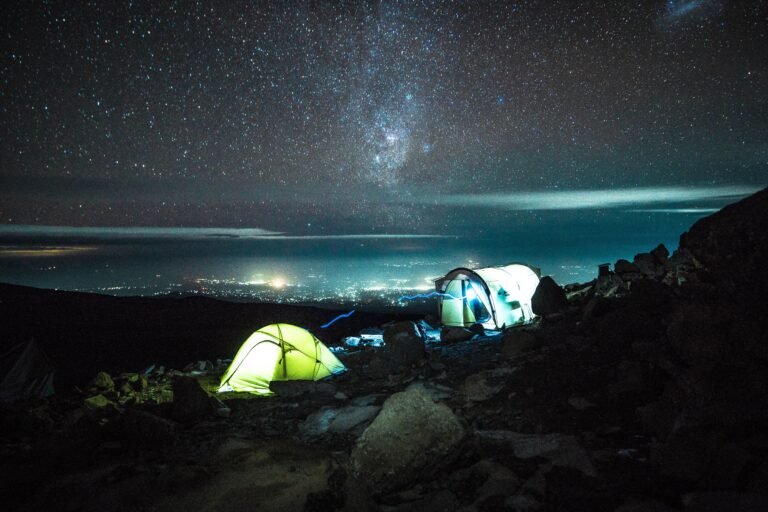
Tanzania Wildlife Safari Cost Breakdown: Your Budget Guide 2026-2027
Planning a Tanzania wildlife safari involves understanding the key cost components. This guide provides a detailed breakdown for 2026-2027, covering everything from park fees and...
View package details
Pemba Island Safari Prices: Your Guide To Costs In 2026-2027
Planning a safari on Pemba Island? Understand the pricing for 2026-2027, from budget options to luxury experiences. This guide breaks down the costs, inclusions, and factors affecting your...
View package details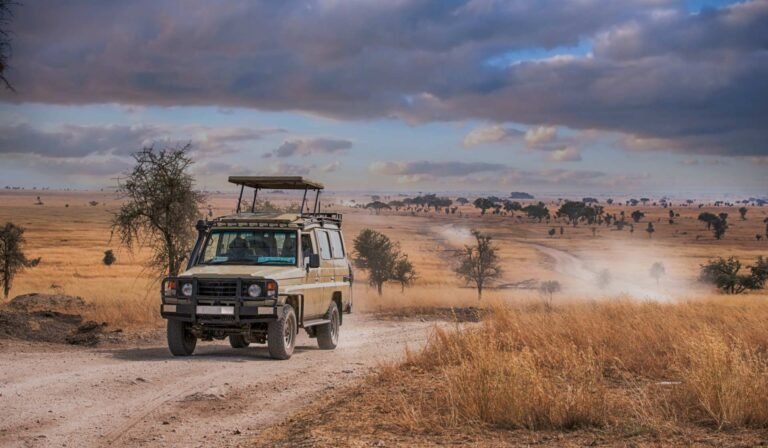
Mahale Safari Prices: Your Guide To Chimpanzee Trekking Costs 2026-2027
Planning a Mahale safari? This guide breaks down Mahale safari prices for 2026-2027, covering chimpanzee trekking permits, accommodation options, transport, and essential budgeting tips for...
View package details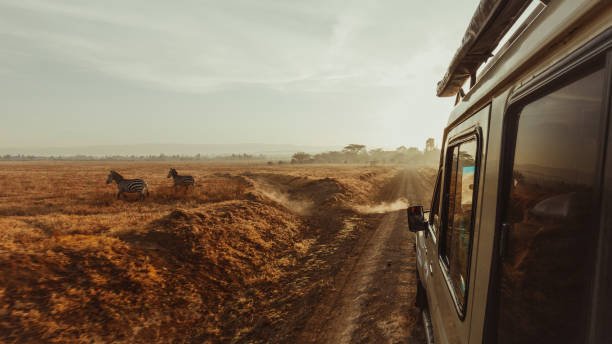
Nyerere Walking Safari Prices : Your Guide To Costs And Planning 2026-2027
Explore Nyerere National Park on a walking safari with Top Guide Adventures. Discover pricing for 2026-2027, understand cost factors, and plan your unforgettable adventure.
View package details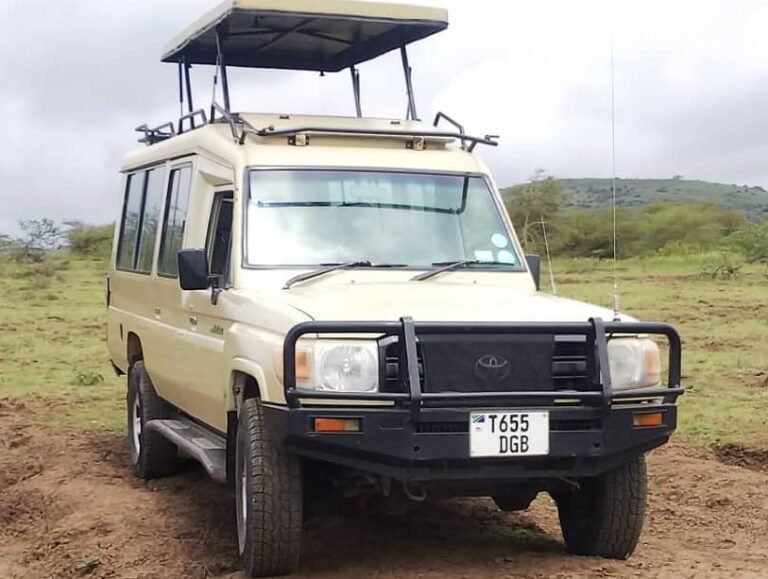
Ruaha Walking Safari Cost: What To Expect For Adventures 2026-2027
Understand the estimated costs for a Ruaha walking safari in 2026-2027. This guide breaks down the price elements, helping you budget for an unforgettable Tanzanian adventure.
View package details
Budget Tarangire Safari Prices: Cost Guide For 2026-2027
Planning a budget-friendly safari in Tarangire National Park? This guide breaks down the costs for 2026-2027, detailing what influences prices, what's typically included in budget packages...
View package details
Serengeti Luxury Safari Cost Vs. Budget Safaris: Your Comparison Guide
This guide breaks down the cost differences between luxury and budget safaris in the Serengeti for 2026-2027. Understand what you get for your money, from accommodation and transport to...
View package details
Tanzania Group Safari Cost Guide
Planning a Tanzania group safari in 2026-2027? This comprehensive guide breaks down the Tanzania group safari cost, detailing what influences prices, typical inclusions, and how to budget...
View package details
Tanzania Luxury Safari Cost: Planning Your Dream Trip 2026-2027
Planning a luxury safari in Tanzania? Discover the typical costs involved for 2026-2027, what drives the price, and what to expect in terms of inclusions and value for an unparalleled...
View package detailsNo related package matches those filters. Clear one or more filters to see the other topic-matched options.



