
The Best time to climb Kilimanjaro Generally falls into two dry seasons: the long dry season from June to October And the shorter dry season from December to February. These periods offer the clearest skies, lowest rainfall, and most stable weather, making them ideal for summit attempts in 2026 and 2027. While these are peak times, shoulder seasons can offer fewer crowds and potentially lower costs.
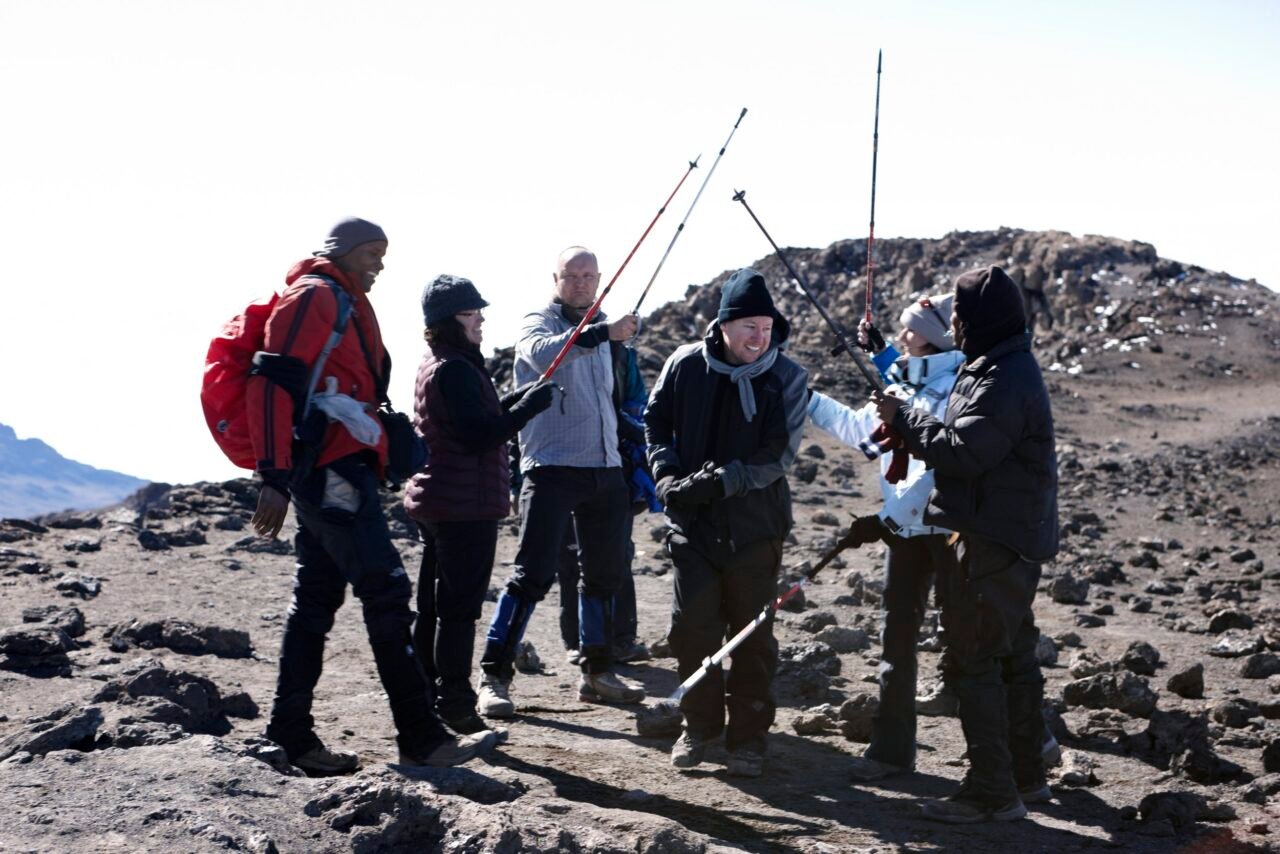
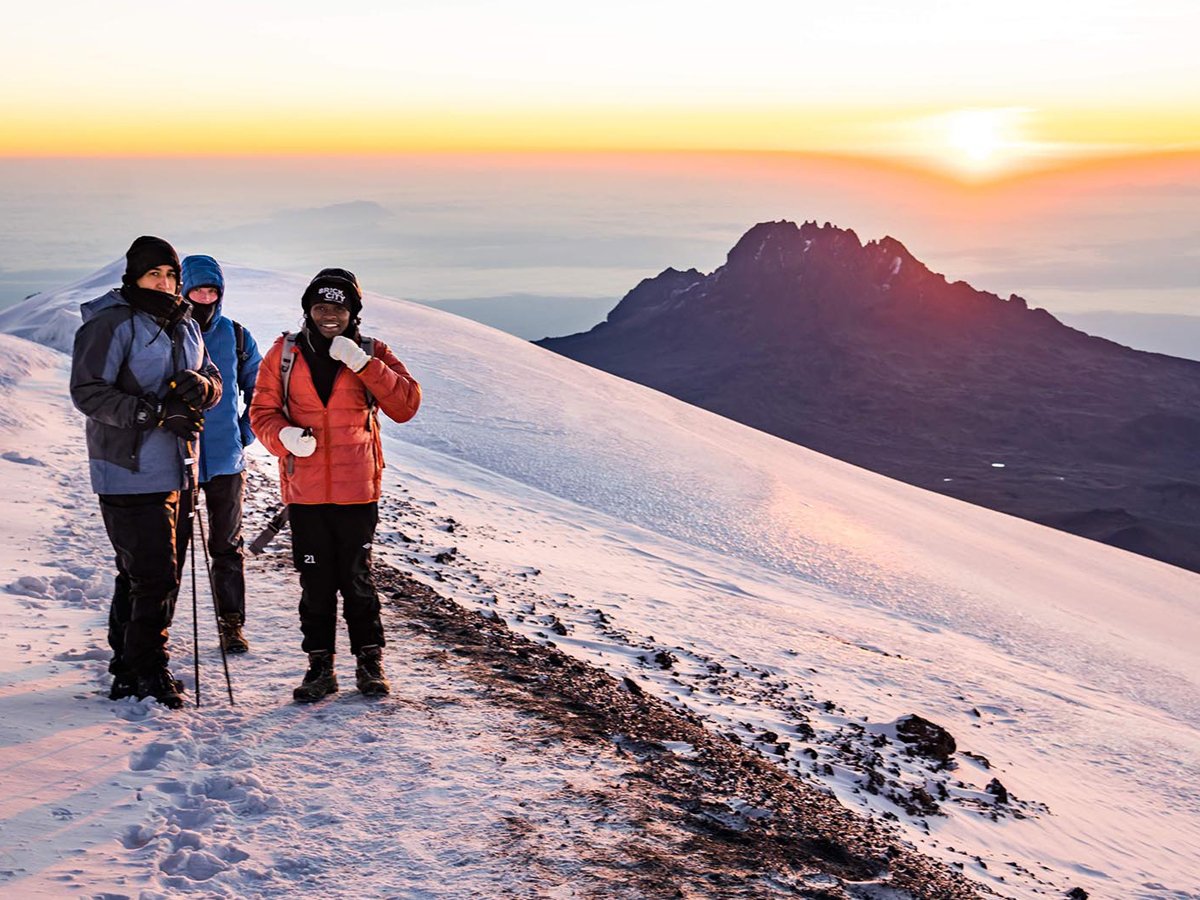
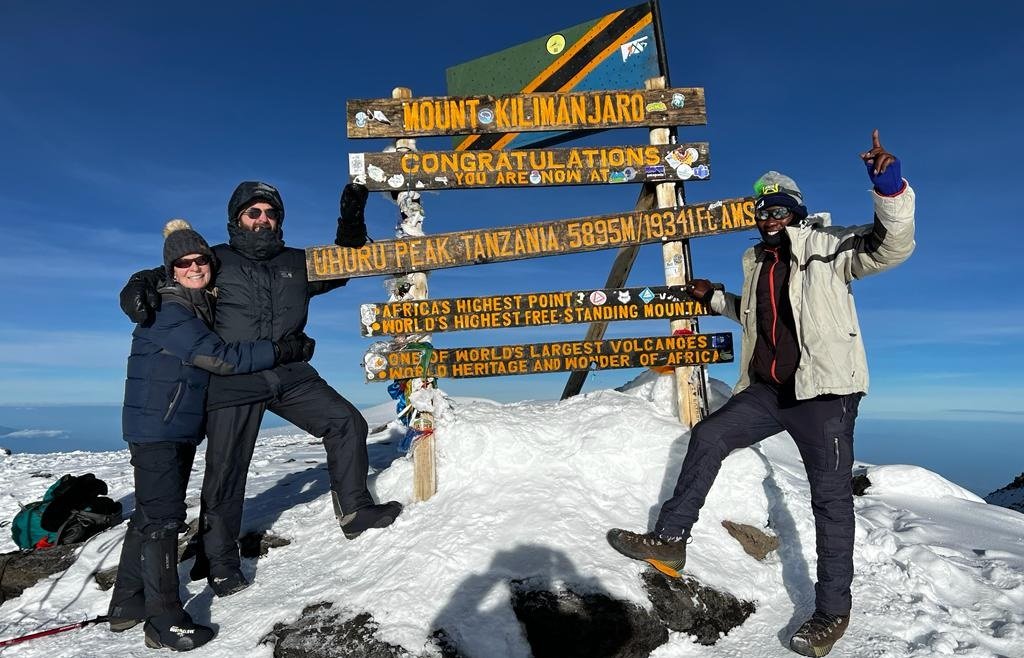
Understanding Kilimanjaro’s Climate for Your Climb
Mount Kilimanjaro, standing at 5,895 meters (19,341 feet), presents a unique microclimate influenced by its immense altitude and proximity to the equator. Unlike many mountains where weather is predictable, Kilimanjaro experiences distinct wet and dry seasons that significantly impact the trekking experience. For trekkers planning their ascent in 2026 or 2027, understanding these climatic shifts is paramount to ensuring a safe, enjoyable, and successful summit bid. The mountain itself is often described as having five distinct climate zones, each with its own characteristics:
- Cultivation Zone: The lower slopes, typically below 1,800 meters (5,900 feet), are fertile and support farming communities. This area experiences regular rainfall.
- Rainforest Zone: From 1,800 to 2,800 meters (5,900 to 9,200 feet), this zone is characterized by dense forest, high humidity, and frequent rainfall, especially during the rainy seasons.
- Moorland Zone: Between 2,800 and 4,000 meters (9,200 to 13,100 feet), the vegetation becomes sparser, with heather, grasses, and giant groundsels. This zone experiences cooler temperatures and less precipitation than the rainforest.
- Alpine Desert Zone: From 4,000 to 5,000 meters (13,100 to 16,400 feet), the landscape is arid and desert-like, with minimal vegetation. Temperatures fluctuate dramatically between day and night, and the air becomes noticeably thinner.
- Arctic Zone: Above 5,000 meters (16,400 feet) to the summit, this is a frozen landscape with ice and snow. Conditions are harsh, with extreme cold, strong winds, and low oxygen levels.
The interplay of these zones, particularly the rainforest and alpine desert, is heavily influenced by the two main rainy seasons and the two dry seasons. The Best time to climb Kilimanjaro Hinges on avoiding the heaviest rains and maximizing opportunities for clear views and stable trekking conditions.
The Peak Seasons: Dry and Clear
For most climbers, the primary goal is to experience Kilimanjaro’s majesty with as much clear weather as possible. The two dry seasons are therefore the most sought-after periods for trekking.
The Long Dry Season: June to October
This is widely considered the prime trekking season for Kilimanjaro. During these months, the skies are typically the clearest, with minimal cloud cover and very little rainfall. The air is crisp, and visibility is excellent, offering spectacular panoramic views of the surrounding landscape, including Mount Meru and, on exceptionally clear days, the vast plains of the Serengeti.
- Pros: Excellent visibility, low rainfall, stable weather, cooler temperatures (which can be beneficial at altitude), and a higher chance of summit success due to favorable conditions. This is a popular time for trekkers aiming for 2026 or 2027.
- Cons: This is also the busiest period. Trails can be more crowded, especially on popular routes like Machame and Lemosho. Accommodation in Moshi and Arusha might also be in higher demand.
- Temperature Range: Daytime temperatures can range from 15°C to 25°C (59°F to 77°F) at lower altitudes, dropping to -5°C to -15°C (23°F to 5°F) or even colder at the summit during the night.
If you are planning a climb in 2026 Or 2027 And prioritize clear views and stable conditions above all else, aiming for June through October is your best bet. However, be prepared for company on the trails. Booking well in advance is highly recommended for this period.
The Short Dry Season: December to February
This period offers another excellent window for climbing Kilimanjaro. Following the short rainy season (October-November), the skies usually clear up, providing good trekking conditions. While it can be slightly warmer than the June-October season, the weather is generally stable and dry, with good visibility.
- Pros: Good weather, clear skies, and generally lower crowd levels compared to the long dry season. This can be a great option for those seeking a slightly less crowded experience while still enjoying favorable conditions for their 2026 or 2027 trek. The festive season around Christmas and New Year can be a popular time for this window.
- Cons: February can sometimes see the start of the longer rains towards the end of the month. Temperatures can be warmer, which might be less comfortable for some at higher altitudes, though it’s still cold on the summit.
- Temperature Range: Similar to the June-October season, with daytime highs around 20°C to 30°C (68°F to 86°F) at lower elevations, dropping significantly to -5°C to -15°C (23°F to 5°F) or colder at night near the summit.
For trekkers looking for a balance between good weather and slightly fewer people, the December to February window is a strong contender for your Kilimanjaro climb in 2026-2027. It’s wise to book by mid-2025 for popular dates within this period.
The Shoulder Seasons: Balancing Cost and Crowds
While the dry seasons are ideal for weather, the shoulder seasons can offer a different kind of appeal: fewer trekkers and potentially more competitive pricing. These periods still allow for a successful climb, provided you are prepared for a higher chance of rain.
March to May: The Long Rains
This is Kilimanjaro’s primary rainy season. Expect frequent and heavy downpours, particularly in the rainforest zone. Clouds often obscure the views, and trails can become muddy, slippery, and challenging. The summit can be shrouded in mist and cloud, significantly reducing visibility and potentially impacting the summit success rate.
- Pros: Significantly fewer crowds on the mountain, potentially lower prices from tour operators (though this isn’t always the case as guides and porters are still required year-round). The landscape is lush and green after the rains.
- Cons: High risk of heavy rain and mist, slippery trails, poor visibility, and a lower probability of clear summit views. The rainforest section can be particularly challenging.
- Recommendation: Generally not recommended for first-time Kilimanjaro climbers or those prioritizing clear views and comfort. However, experienced trekkers prepared for challenging conditions might find the solitude appealing.
October to November: The Short Rains
This period marks the transition from the long dry season to the short rains. October is often still a good month with manageable weather, but by November, rainfall typically increases. The landscape remains relatively dry from the preceding season, but you should be prepared for intermittent showers.
- Pros: Fewer trekkers than the peak dry seasons. October can still offer excellent weather, while November provides a good balance for those who prefer fewer crowds.
- Cons: Increasing chance of rain as November progresses. Visibility might be less consistent than in the main dry seasons.
- Temperature Range: Similar to the dry seasons, but with more variable precipitation.
For those looking at climbing in late 2026 or late 2027, October is a fantastic month, often overlooked. November can be a good choice if you are flexible and don’t mind a bit of rain.
Monthly Breakdown: When is the Absolute Best Time?
While the broad seasons give a good overview, a month-by-month perspective can offer even more nuance for planning your Kilimanjaro climbing seasons.
- January: Excellent. Part of the short dry season, typically clear skies, moderate temperatures, and good visibility.
- February: Excellent. Continues the short dry season, usually very good weather, though late February can sometimes see the first hints of the longer rains.
- March: Fair to Poor. Marks the beginning of the long rainy season. Expect increasing clouds, rain, and lower visibility.
- April: Poor. Peak of the long rains. Heavy rainfall is common, making trekking difficult and summit views unlikely.
- May: Poor to Fair. The long rains begin to subside, but conditions can still be wet and muddy. Trails may be less maintained.
- June: Excellent. Start of the long dry season. Clear skies, cool temperatures, and excellent visibility. Popular, so book early for 2026/2027.
- July: Excellent. Prime trekking month. Dry, cool, and clear, offering superb views.
- August: Excellent. Continues the dry season, very popular due to stable weather.
- September: Excellent. End of the long dry season. Still offers great weather, though can be a bit cooler.
- October: Very Good to Excellent. Transition month. Generally dry and clear, with fewer crowds than peak months. Can be a less-visited place for When to climb Kilimanjaro.
- November: Fair to Good. Start of the short rains. Expect some rain, but often interspersed with clear, sunny periods.
- December: Very Good. Start of the short dry season. Weather typically clears up, offering good conditions and festive cheer.
Factors Beyond Weather: Crowd Levels and Costs
While weather is the primary driver for choosing the Best time to climb Kilimanjaro, other factors play a significant role in a trekker’s decision, especially for 2026 and 2027 planning.
Crowd Management
The busiest months are consistently July, August, September, and December. If you prefer a more solitary experience on the mountain, consider the shoulder months of October, November, or even February. The least crowded times are during the main rainy season (April-May), but this comes with significant weather risks.
Cost Considerations
Tour operator prices are generally consistent year-round for standard packages, as park fees and guide/porter wages remain constant. However, some operators might offer slight discounts during the low season (March-May) to fill spots. Flights and accommodation in Moshi/Arusha might be more expensive during peak trekking months and holidays. Booking your Kilimanjaro climb in 2026 Or 2027 Early, regardless of the season, often secures better availability and can sometimes lead to better deals on flights.
Choosing the Right Route for Your Timing
The chosen route can also influence your experience based on the time of year. Some routes are more exposed to weather, while others offer better shelter or are considered more scenic during certain periods.
- Machame Route: Very popular and scenic, suitable for most of the year. Its popularity means it will be busier during peak seasons.
- Lemosho Route: Also very popular and scenic, offering excellent acclimatization. Similar crowd considerations to Machame.
- Marangu Route: Known as the ‘Coca-Cola’ route, it’s the only route with hut accommodation. It can be busy year-round due to its popularity and unique lodging.
- Shira Route: Similar to Lemosho, offering great views and good acclimatization.
- Rongai Route: Approaches from the north, drier side of Kilimanjaro. It’s often recommended during the rainy seasons as it tends to receive less rainfall. If you’re considering a climb during November or March-May, Rongai might be a slightly better choice for weather.
- Northern Circuit & Northern Frontier: Longer, more remote routes that offer excellent acclimatization and stunning scenery. They are suitable year-round but will still be affected by general weather patterns.
For the Best time to climb Kilimanjaro, especially if prioritizing views and good weather, Machame, Lemosho, Shira, and Northern Circuit routes are excellent choices during the dry seasons. If traveling during the shoulder or slightly wetter months, the Rongai route’s northern approach can offer an advantage.
Preparing for Your Kilimanjaro Climb in 2026-2027
Regardless of when you choose to climb, proper preparation is key to a successful ascent. This includes physical training, mental preparation, and ensuring you have the right gear.
Physical Training
Focus on cardiovascular fitness, strength training (especially for legs and core), and endurance. Hiking with a weighted backpack on varied terrain is highly recommended. Start your training at least 3-6 months before your planned climb.
Acclimatization
This is the single most critical factor for reaching the summit. All reputable tour operators build acclimatization days into their itineraries. Choosing longer routes (7-9 days) significantly increases your chances of success compared to shorter ones (5-6 days). This is why routes like Lemosho and the Northern Circuit are so popular for those seeking the best odds.
Gear and Clothing
Layering is essential. You’ll need high-quality waterproof and windproof outer layers, warm mid-layers (fleece, down), thermal base layers, sturdy hiking boots, a warm hat, gloves, and sunglasses. Don’t forget a good sleeping bag rated for cold temperatures.
Key Considerations for 2026-2027 Climbs:
- Book Early: For peak seasons (June-Oct, Dec-Feb) in 2026 and 2027, book your trek at least 6-12 months in advance to secure your preferred dates and routes.
- Route Length: Opt for longer routes (7+ days) for better acclimatization and higher summit success rates.
- Operator Choice: Select a reputable operator like Top Guide Adventures that prioritizes safety, ethical treatment of porters, and has a proven track record.
- Travel Insurance: Ensure your insurance covers high-altitude trekking and emergency evacuation.
- Vaccinations and Health: Consult your doctor about recommended vaccinations and malaria prophylaxis for Tanzania.
Making Your Booking Decision
When deciding on the Best time to climb Kilimanjaro For your 2026 or 2027 adventure, weigh the pros and cons of each season. If your priority is guaranteed good weather and clear views, the dry seasons are your best bet. If you’re on a tighter budget or prefer fewer crowds and are willing to risk some rain, the shoulder seasons might be appealing, especially if you choose a route like Rongai.
At Top Guide Adventures, we help trekkers navigate these choices to find the perfect time and itinerary for their Kilimanjaro ascent. We understand the nuances of the mountain’s climate and can tailor a climb to your preferences, whether you’re aiming for a specific date in 2026 or planning ahead for 2027. Our experienced guides are committed to your safety and success, ensuring you have the best possible experience on Africa’s Roof of the World.
To discuss your options and secure your spot for the Best time to climb Kilimanjaro, reach out to us. You can contact us via WhatsApp at +255616946642, email us at Topguideadventures@gmail.com, or our backup email Info@topguideadventures.com. Let us help you plan an unforgettable journey.
Check Availability for Best Time To Climb Kilimanjaro In : A Comprehensive Guide 2026-2027
Ready to compare dates, prices, and the best option for your group? Send the package name and travel month so the team can reply with a clear quote, availability, and what is included.
Best Time To Climb Kilimanjaro Via Lemosho Route: Your Guide 2026-2027
Planning your Kilimanjaro ascent via the Lemosho Route? This guide reveals the optimal times to climb, focusing on weather patterns, crowd levels, and the best seasons for a successful...
View package details
Best Time To Climb Kilimanjaro Via Machame Route: Your Guide 2026-2027
Planning a Kilimanjaro climb via the Machame Route? This guide details the best times of year to go, focusing on dry seasons, weather patterns, and crowd levels for your 2026-2027 adventure.
View package details
Best Time To Climb Kilimanjaro Via Marangu Route: Your Guide 2026-2027
The Marangu Route, often called the 'Coca-Cola' route, offers a unique Kilimanjaro climbing experience. Deciding the best time to tackle this iconic trek is crucial for success and...
View package details
Best Time For A Quiet Kilimanjaro Climb 2026-2027
Best Time for a Quiet Kilimanjaro Climb is explained with current 2026-2027 planning, price, itinerary and booking information.
View package detailsKilimanjaro Climbing Seasons Explained: Best Times To Ascend In 2026-2027
Planning a climb up Mount Kilimanjaro requires understanding the optimal climbing seasons. This guide breaks down the best times to ascend in 2026-2027, considering weather, crowds, and...
View package details
5 Days Kilimanjaro Climb Marangu Route: Your Essential Top Guide Adventures
Discover the essentials for a 5-day Kilimanjaro climb via the Marangu route. This guide covers itineraries, preparation, costs, and what makes this popular route a great choice for trekkers...
View package details5-Day Marangu Route Kilimanjaro Climb: Your Expert Guide For 2026-2027
Discover everything you need to know for a 5-Day Marangu Route Kilimanjaro climb. This guide covers essential itinerary details, preparation advice, cost considerations for 2026-2027, and...
View package details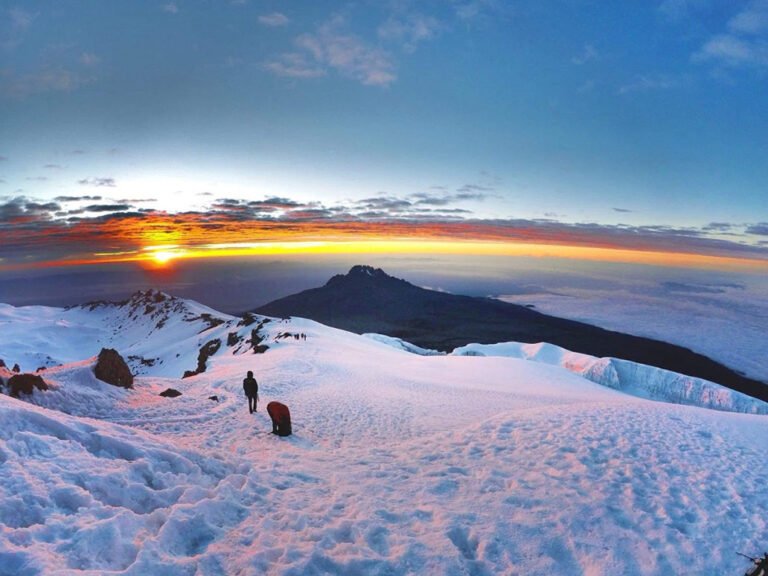
6-Day Kilimanjaro Climbing Tours: Best Routes & Planning Guide 2026-2027
Plan your 6-day Kilimanjaro climb with this detailed guide covering routes, costs, preparation, and why Top Guide Adventures is a trusted operator for this life-changing trek.
View package details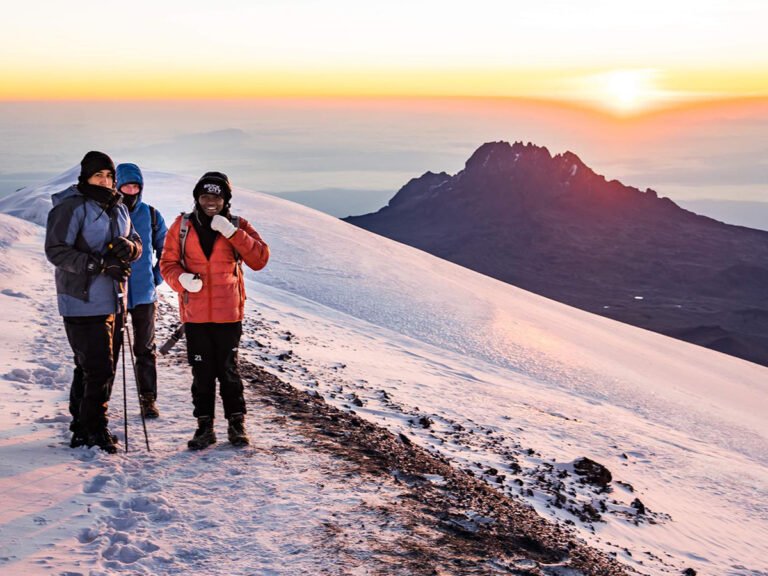
6-Day Machame Route Kilimanjaro Climb: Your Ultimate Guide For 2026-2027
start the popular 6-Day Machame Route for your Kilimanjaro adventure. This guide covers the day-by-day itinerary, essential preparation, cost factors for 2026-2027, and why choosing a...
View package details
Average Cost To Climb Kilimanjaro In : Your Complete Guide 2026-2027
Planning your Kilimanjaro climb? Understand the average costs for 2026-2027, covering everything from route selection and duration to essential inclusions and how to get the best value. Top...
View package details
Average Cost To Climb Mount Kilimanjaro In : A Comprehensive Guide 2026-2027
Discover the average cost to climb Mount Kilimanjaro for 2026-2027, detailing what influences pricing, typical inclusions, and how to budget effectively for your adventure.
View package details
Best Climb Kilimanjaro : Your Ultimate Guide To Summit Success 2026-2027
Your comprehensive guide to climbing Mount Kilimanjaro in 2027, covering route selection, optimal timing, essential preparation, and what to expect on the trek, with expert advice from Top...
View package detailsNo closely related package is available for this topic yet.



