
The total elevation gain on a Kilimanjaro climb typically ranges from approximately 3,900 meters (12,800 feet) to over 5,000 meters (16,400 feet), depending on the chosen route and the starting altitude of your trek. This figure represents the cumulative vertical distance ascended from your trek’s starting point to the summit of Uhuru Peak (5,895 meters / 19,341 feet), with the net gain being less due to descents between camps. Understanding this vertical challenge is crucial for preparation and acclimatization.
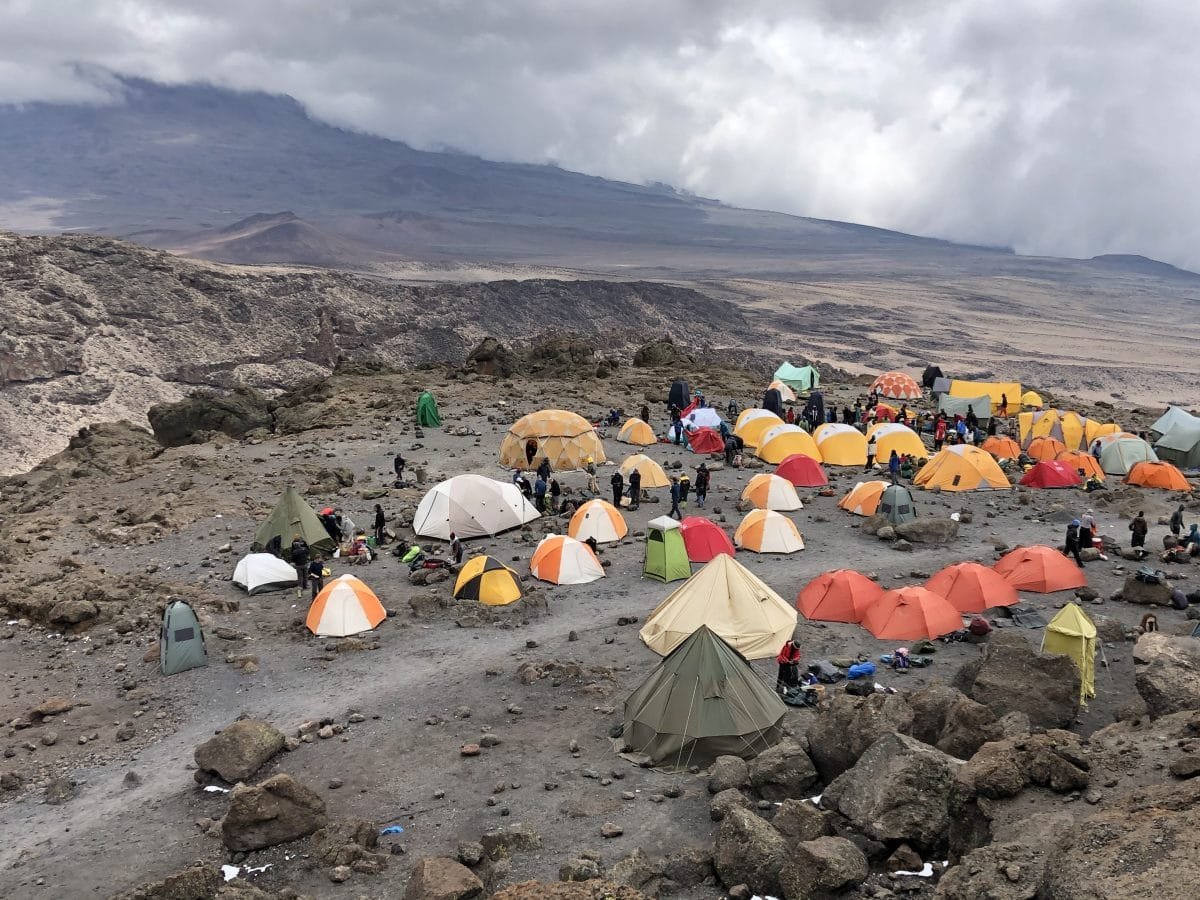
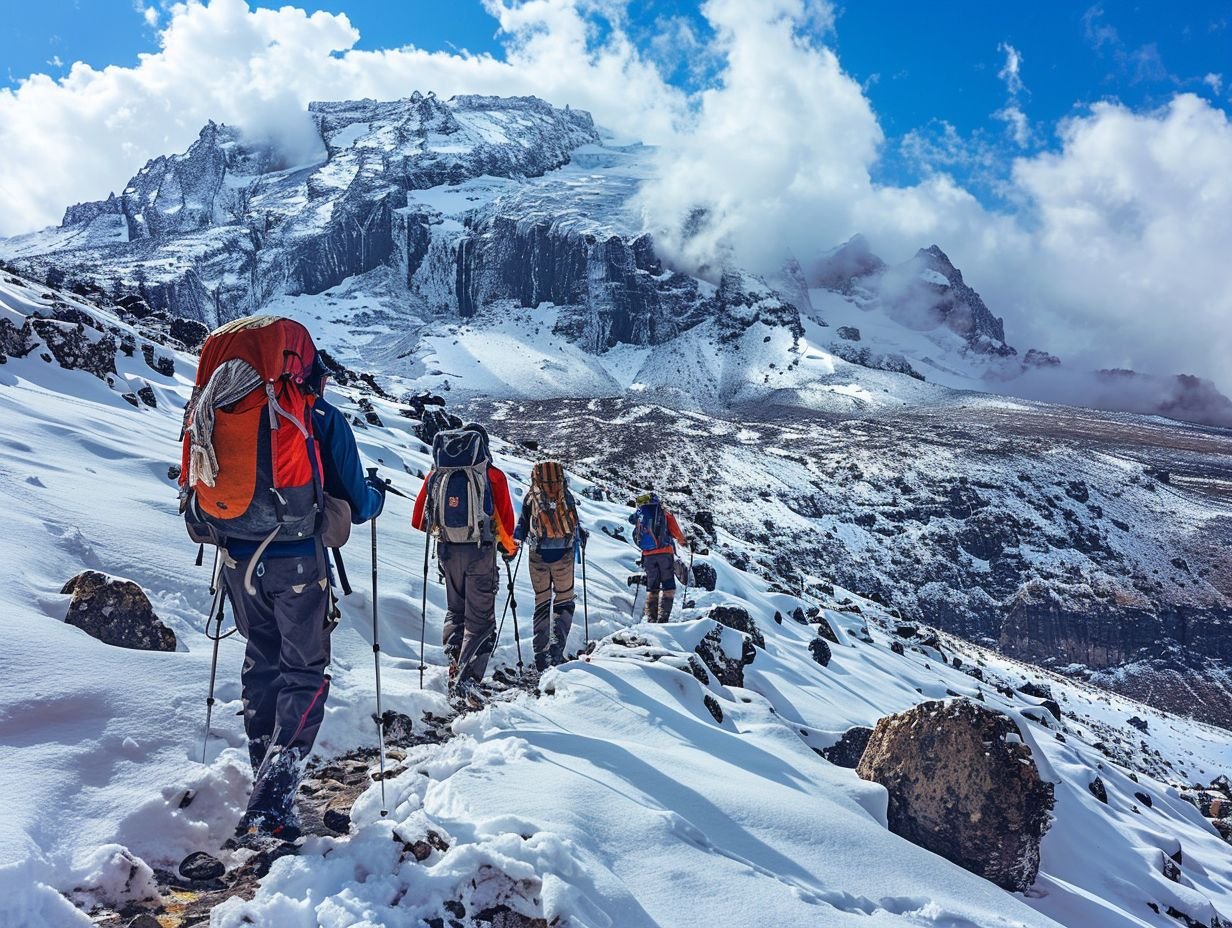
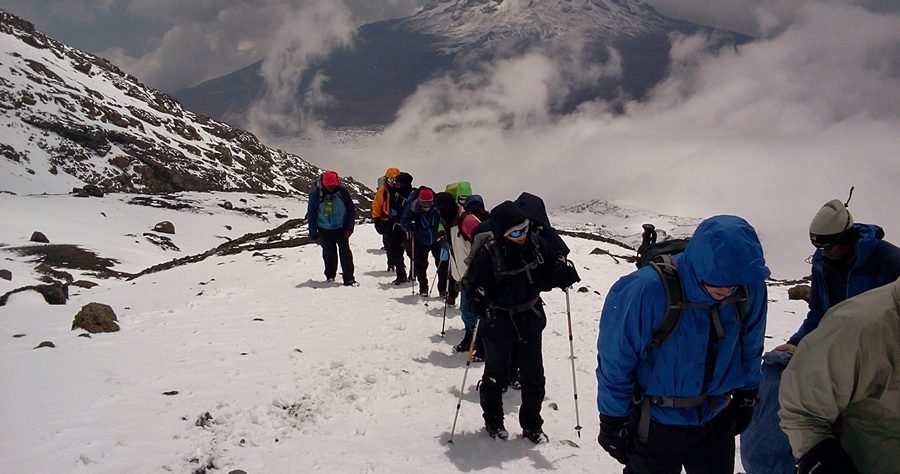
Deconstructing the Kilimanjaro Vertical Challenge
Mount Kilimanjaro, a dormant volcano in Tanzania, is Africa’s highest peak and a premier trekking destination. While its summit, Uhuru Peak, stands at a formidable 5,895 meters (19,341 feet), the true measure of a climb’s difficulty isn’t just the final altitude, but the Cumulative elevation gain And the daily progression of that gain. For trekkers planning their ascent for 2026 or 2027, grasping the nuances of Kilimanjaro’s vertical ascent is paramount to selecting the right route, managing expectations, and ensuring a safe and successful climb.
The Kilimanjaro elevation gain Refers to the total vertical distance climbed from the starting point of your trek to the summit. However, it’s essential to differentiate between gross and net elevation gain. Gross gain is the sum of all upward movement, while net gain is the final altitude minus the starting altitude. On Kilimanjaro, because many routes involve significant descents between camps and even on summit day before the final push, the gross gain is considerably higher than the net gain. This constant up-and-down movement, while sometimes offering a brief respite, also means your body is repeatedly exposed to changing pressures, which can impact acclimatization.
When discussing Kilimanjaro vertical ascent, we must consider several factors:
- Starting Altitude: Different routes begin at varying elevations, directly influencing the total vertical meters to be climbed.
- Route Profile: The steepness and terrain of each section vary dramatically, affecting the rate of ascent and the physical exertion required.
- Daily Increments: How much elevation is gained each day is a critical indicator of a route’s difficulty and its suitability for acclimatization.
- Descent Segments: The amount of downhill trekking between camps can be substantial and must be factored into overall fatigue and acclimatization strategies.
Kilimanjaro Elevation Gain by Route: A Comparative Look
Each of Kilimanjaro’s main trekking routes offers a unique profile of Kilimanjaro elevation gain And descent. The longer routes, while requiring more days, generally offer a more gradual ascent, which is significantly better for acclimatization. Shorter routes, conversely, have steeper daily elevation gains and less time for the body to adapt, increasing the risk of altitude sickness.
Here’s a breakdown of the typical elevation gain for the most popular routes. These figures are approximate and can vary slightly based on the specific camping locations chosen by your operator.
Marangu Route (Coca-Cola Route)
The Marangu route is often perceived as the easiest due to its gradual slope and the availability of hut accommodations. However, its 5-day itinerary offers the least optimal acclimatization, leading to lower success rates. The route starts at approximately 1,800 meters (5,900 feet) and climbs to 5,895 meters (19,341 feet).
- Total Vertical Ascent (approx.): 4,095 meters (13,435 feet)
- Net Gain: 4,095 meters (13,435 feet)
- Daily Gain Profile: Relatively consistent, but with a very steep jump on summit day from Kibo Hut (4,720m) to Uhuru Peak (5,895m), followed by a massive descent. The lack of significant descent and ascent between lower camps means less acclimatization benefit.
Machame Route (Whiskey Route)
The Machame route is one of the most popular due to its high success rates, attributed to its “climb high, sleep low” acclimatization strategy. It starts at around 1,800 meters (5,900 feet) and finishes at 5,895 meters (19,341 feet).
- Total Vertical Ascent (approx.): 4,095 meters (13,435 feet)
- Net Gain: 4,095 meters (13,435 feet)
- Daily Gain Profile: Generally progressive, with significant daily ascents and descents, particularly between Shira Camp and Barranco Camp, and Barranco Camp to Karanga Camp. For example, climbing from Barranco Camp (3,950m) to Karanga Camp (3,930m) involves a significant gain to the Barranco Wall and then a slight descent. The 6-day itinerary offers better acclimatization than Marangu’s 5-day option.
Lemosho Route
The Lemosho route is known for its scenic beauty and excellent acclimatization profile, especially when trekked over 7 or 8 days. It begins at a higher starting point, around 2,100 meters (6,900 feet), which can be an advantage or disadvantage depending on individual acclimatization.
- Total Vertical Ascent (approx.): 3,795 meters (12,450 feet)
- Net Gain: 3,795 meters (12,450 feet)
- Daily Gain Profile: Very gradual in the initial days, allowing for excellent acclimatization. The route incorporates the “climb high, sleep low” principle effectively. The 7-day and 8-day versions are highly recommended for 2026/2027 climbs.
Shira Route
Similar to Lemosho, the Shira route offers excellent scenery and acclimatization. It starts at a higher altitude, around 3,500 meters (11,500 feet), meaning the total vertical gain from start to summit is less, but the initial acclimatization challenge is higher.
- Total Vertical Ascent (approx.): 2,395 meters (7,850 feet)
- Net Gain: 2,395 meters (7,850 feet)
- Daily Gain Profile: The daily gains are moderate, but the high starting altitude means trekkers are immediately exposed to significant altitude. This route is often recommended for those who have previous experience at high altitudes or have spent time acclimatizing in the Kilimanjaro region.
Rongai Route
The Rongai route approaches Kilimanjaro from the north, offering a different perspective and often drier conditions. It starts at a lower altitude, around 1,950 meters (6,400 feet), and is considered a moderate route in terms of difficulty.
- Total Vertical Ascent (approx.): 3,945 meters (12,940 feet)
- Net Gain: 3,945 meters (12,940 feet)
- Daily Gain Profile: The initial days involve steady, manageable ascents. The route offers a good balance of gradual progression and scenic diversity. The 6-day itinerary is common, while a 7-day option would provide even better acclimatization for 2026 climbs.
Northern Circuit Route
The longest route on Kilimanjaro, the Northern Circuit, is also the one with the best acclimatization profile, offering the highest success rates. It starts at a higher altitude, around 2,100 meters (6,900 feet), and circumnavigates the mountain.
- Total Vertical Ascent (approx.): 3,795 meters (12,450 feet)
- Net Gain: 3,795 meters (12,450 feet)
- Daily Gain Profile: Extremely gradual, with very little daily elevation gain in the first few days. This allows for extensive acclimatization before reaching higher altitudes. The 9-day itinerary is standard and highly recommended for anyone prioritizing safety and success.
Umbwe Route
The Umbwe route is the shortest and steepest route, offering the most direct path to the summit. It is considered the most challenging due to its rapid ascent and aggressive Kilimanjaro elevation gain Profile.
- Total Vertical Ascent (approx.): 4,095 meters (13,435 feet)
- Net Gain: 4,095 meters (13,435 feet)
- Daily Gain Profile: Very steep daily ascents with minimal acclimatization time. This route is only recommended for experienced high-altitude trekkers who are exceptionally fit and have a proven history of successful acclimatization. It is rarely recommended for first-time Kilimanjaro climbers, especially for 2026 or 2027 expeditions.
Key Takeaway on Route Selection and Elevation Gain
For most trekkers aiming for Kilimanjaro in 2026 or 2027, prioritizing routes with more days and a gradual Kilimanjaro elevation gain Profile is the smartest approach. The Northern Circuit (9 days), Lemosho (7 or 8 days), and Machame (6 days) are generally considered the best options for acclimatization and success. Routes like Marangu (5 days) and Umbwe (6 days) present significantly higher risks due to aggressive daily elevation gains and insufficient acclimatization time.
Understanding Daily Elevation Gain and Its Impact
The daily Kilimanjaro daily elevation gain Is perhaps the most critical factor in determining the physical strain of a trek and its impact on acclimatization. While the summit is the ultimate goal, the journey to get there, day by day, is what your body must adapt to. A general rule of thumb for high-altitude trekking is to ascend no more than 300-500 meters (1,000-1,600 feet) per day once you reach altitudes above 3,000 meters (9,800 feet). Exceeding this can significantly increase the risk of Acute Mountain Sickness (AMS).
The “Climb High, Sleep Low” Principle
Routes that effectively employ the “climb high, sleep low” strategy are superior for acclimatization. This involves ascending to a higher altitude during the day for hiking and then descending to a lower altitude camp to sleep. This process encourages your body to produce more red blood cells, improving oxygen transport. For example, on the Machame route, climbing the Barranco Wall is a strenuous activity that takes you to a higher point, but then descending to Karanga Camp allows your body to recover at a lower elevation.
Conversely, routes that involve continuous upward movement to higher camps each day, like the initial stages of Umbwe or parts of Marangu, offer less opportunity for your body to adapt. This is why longer itineraries, even if they have a similar total Kilimanjaro vertical ascent, are often safer and more successful. For instance, a 7-day Lemosho trek will have a more gentle daily elevation gain compared to a 6-day Machame trek, despite both aiming for the same summit.
Summit Night: The Ultimate Elevation Challenge
Summit night is the most demanding part of any Kilimanjaro climb. It typically begins around midnight from Kibo Hut (4,720 meters / 15,485 feet) or the Advanced Base Camp (if using a more remote summit approach). Trekkers ascend steeply for 5-7 hours to reach Uhuru Peak.
- Summit Night Elevation Gain: Approximately 1,175 meters (3,856 feet)
- Summit Night Descent: A rapid descent of over 2,000 meters (6,560 feet) to Barafu Camp (4,640 meters) or even further down to Mweka Camp (3,100 meters).
This massive vertical gain in a single night, often in freezing temperatures and high winds, combined with the extreme altitude and lack of sleep, is where most climbers experience the effects of altitude sickness. The rapid descent afterward is also physically taxing. Routes that allow for a slightly higher camp before summit night (like Crater Camp on the technical routes) can reduce the summit night gain, but these are not standard for most operators.
Factors Influencing Kilimanjaro Elevation Gain Calculations
When you see figures for Kilimanjaro elevation gain, it’s important to understand that these are generally estimates. Several factors can influence the precise numbers:
- Specific Campsites: Operators may choose slightly different camping locations, which can alter the exact altitude and thus the gain.
- Route Variations: While major routes are well-defined, there can be minor deviations.
- Starting Point Logistics: The exact point where your trek officially begins on the mountain can vary.
- Measurement Methods: Different GPS devices or mapping software might provide slightly different readings.
However, the relative differences between routes in terms of Kilimanjaro vertical ascent And daily progression remain consistent. For planning your 2026 or 2027 trek, these comparative figures are what matter most.
Altitude Sickness and Elevation Gain
Altitude sickness, or AMS, is directly related to the rate and magnitude of elevation gain. Your body needs time to adapt to the lower oxygen levels at higher altitudes. When you ascend too quickly, your body cannot make these adaptations, leading to symptoms like headaches, nausea, dizziness, and fatigue. The higher the daily Kilimanjaro elevation gain, and the less time spent at intermediate altitudes, the greater the risk of AMS.
Choosing a route with a slower, more gradual ascent profile, like the Northern Circuit or Lemosho over 7-8 days, provides the best chance for your body to acclimatize effectively. This significantly reduces the risk of developing serious altitude-related illnesses, thereby increasing your chances of reaching the summit safely.
Preparing for the Vertical Challenge
Successfully managing the Kilimanjaro elevation gain Requires thorough preparation, both physically and mentally.
Physical Training
Your training should focus on building cardiovascular endurance and leg strength. Hiking with a weighted backpack on varied terrain, including inclines and declines, is crucial. Aim for long hikes (4-6 hours) on weekends, simulating the demands of a trekking day. Incorporate strength training for your legs and core. While you don’t need to be an elite athlete, a good level of fitness will make the ascent more enjoyable and manageable.
Acclimatization Strategies
Beyond choosing a longer route, there are other ways to aid acclimatization:
- Hydration: Drink plenty of water throughout the day. Dehydration can exacerbate altitude sickness symptoms.
- Pacing: “Pole pole” (slowly, slowly) is the mantra on Kilimanjaro. Go at a pace that allows you to hold a conversation without gasping for breath.
- Avoid Alcohol and Smoking: These impair your body’s ability to acclimatize.
- Ascend Gradually: As mentioned, longer routes inherently facilitate this.
- Pre-Acclimatization: Consider spending a day or two at a higher altitude in Arusha or Moshi before your trek begins, or even visit Mount Meru. This can help your body begin adapting before the main ascent.
Mental Preparedness
The mental challenge of Kilimanjaro is significant. The long days, the physical exertion, the cold, and the altitude can be daunting. Visualizing success, staying positive, and focusing on one step at a time are vital. Understanding the Kilimanjaro vertical ascent And knowing that discomfort is part of the process can help you push through challenging moments.
Choosing Your Operator for 2026-2027
When booking your Kilimanjaro climb for 2026 or 2027, your choice of tour operator is critical. A reputable company will:
- Prioritize Safety: They will ensure you have experienced guides trained in altitude sickness management and carry essential medical equipment.
- Offer Suitable Itineraries: They will recommend longer routes (7+ days) that offer better acclimatization profiles and lower daily Kilimanjaro elevation gain Increments.
- Provide Quality Equipment and Food: Ensuring you are comfortable and well-nourished is key to a successful trek.
- Be Transparent: Clearly state what is included in their packages, including park fees, crew wages, food, and accommodation.
At Top Guide Adventures, we understand the importance of acclimatization and safety. We specialize in organizing Kilimanjaro climbs that prioritize your well-being and success. Our team has extensive experience guiding trekkers on all major routes, and we are committed to providing personalized attention and support. Whether you’re looking at the scenic Lemosho route or the comprehensive Northern Circuit for your 2026 expedition, we can help you choose the itinerary that best suits your fitness level and acclimatization needs, ensuring you have the best possible experience with manageable Kilimanjaro elevation gain.
We offer a range of packages designed to maximize your chances of reaching Uhuru Peak. For those interested in group departures for 2026, you can explore our Tanzania Safari Group Departures Which can often be combined with a Kilimanjaro climb. For specific Kilimanjaro group dates, particularly on popular routes like Machame, please see our Machame Route Kilimanjaro Group Departures.
Don’t hesitate to reach out to our expert team to discuss your plans for a 2027 climb. We can help you tailor an itinerary that considers every aspect of the Kilimanjaro elevation gain And acclimatization. Contact us via WhatsApp at +255616946642 Or email us at Topguideadventures@gmail.com Or Info@topguideadventures.com.
Check Availability for Kilimanjaro Elevation Gain: Understanding The Vertical Challenge 2026-2027
Ready to compare dates, prices, and the best option for your group? Send the package name and travel month so the team can reply with a clear quote, availability, and what is included.
Kilimanjaro Elevation 2026-2027
Kilimanjaro elevation is explained with current 2026-2027 planning, price, itinerary and booking information.
View package details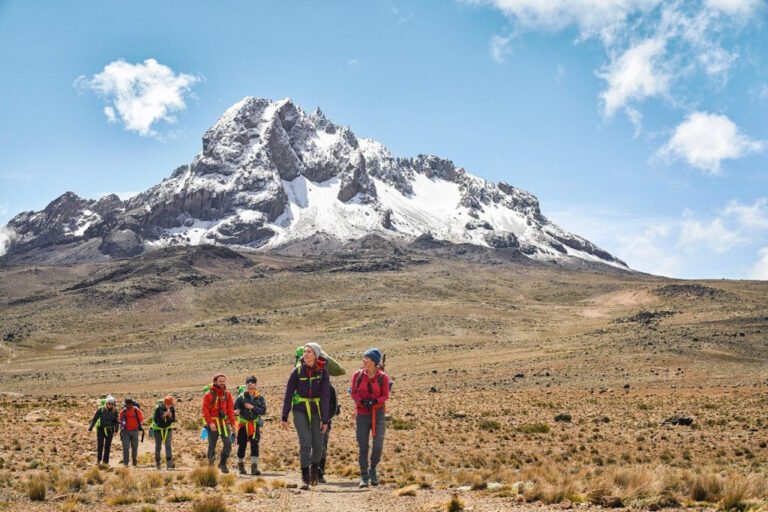
Kilimanjaro Hike Elevation: Understanding The Summit Ascent And Altitude Zones
Kilimanjaro's imposing elevation is a key factor in its allure and challenge. This guide details the mountain's height, summit altitude, and the distinct ecological zones you'll traverse...
View package details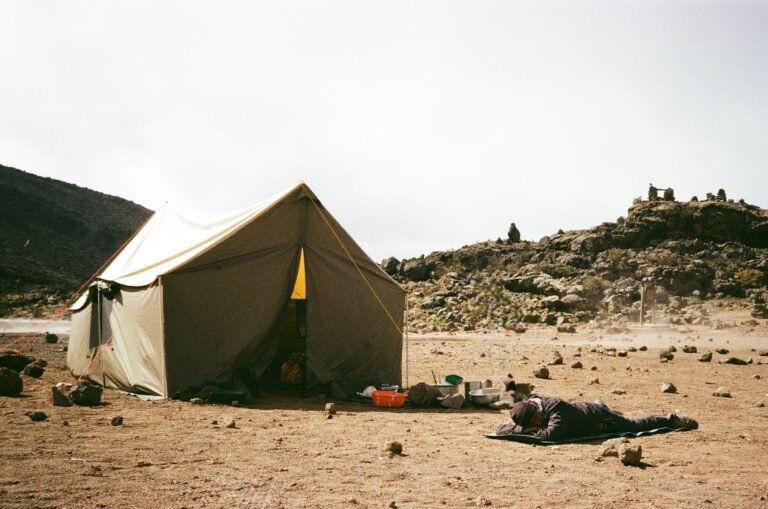
8-Day Vs 9-Day Kilimanjaro Climb Guide
Choosing between an 8-day and a 9-day Kilimanjaro climb hinges on acclimatization, success rates, and your personal pace. While both routes ascend Africa's highest peak, the extra day on a...
View package detailsBest Beklimmen Kilimanjaro Kosten 2026-2027
Best beklimmen kilimanjaro kosten is explained with current 2026-2027 planning, price, itinerary and booking information.
View package details
Best Climb Kilimanjaro Cost 2026-2027
Best climb kilimanjaro cost is explained with current 2026-2027 planning, price, itinerary and booking information.
View package details
Best Climb Kilimanjaro Routes 2026-2027
Best climb kilimanjaro routes is explained with current 2026-2027 planning, price, itinerary and booking information.
View package details
Best Climbing Kilimanjaro Costs 2026-2027
Best climbing kilimanjaro costs is explained with current 2026-2027 planning, price, itinerary and booking information.
View package details
Best Climbing Kilimanjaro Prices 2026-2027
Best climbing kilimanjaro prices is explained with current 2026-2027 planning, price, itinerary and booking information.
View package details
Best Climbing Kilimanjaro Routes 2026-2027
Best climbing kilimanjaro routes is explained with current 2026-2027 planning, price, itinerary and booking information.
View package details
Best Climbing Routes Kilimanjaro 2026-2027
Best climbing routes kilimanjaro is explained with current 2026-2027 planning, price, itinerary and booking information.
View package details
Best Cost Climb Kilimanjaro 2026-2027
Best cost climb kilimanjaro is explained with current 2026-2027 planning, price, itinerary and booking information.
View package details
Best Cost Of Kilimanjaro 2026-2027
Best cost of kilimanjaro is explained with current 2026-2027 planning, price, itinerary and booking information.
View package detailsNo closely related package is available for this topic yet.



