
Mount Kilimanjaro’s summit, Uhuru Peak on the Kibo cone, reaches an elevation of 5,895 meters (19,341 feet) Above sea level, making it Africa’s highest peak and one of the world’s tallest free-standing mountains.
Understanding the True Height of Kilimanjaro
When asking How high is Mount Kilimanjaro, the definitive answer points to its highest point, Uhuru Peak. This iconic summit is not just a geographical marker; it’s the culmination of an incredible trekking journey for thousands of adventurers each year. Situated in Tanzania, Kilimanjaro’s imposing stature makes it a magnet for trekkers seeking to conquer the highest peak on the African continent. The Mount Kilimanjaro height Of 5,895 meters (19,341 feet) places it among the Seven Summits, the highest mountains on each continent, although it is considered a non-technical climb, accessible to those with good physical condition and determination rather than advanced mountaineering skills.
The mountain is a dormant volcano, comprising three distinct cones: Shira, Kibo, and Mawenzi. Kibo is the highest and most well-known, with its summit crater rim reaching the maximum altitude. Uhuru Peak, located on the western rim of Kibo’s crater, is the highest point. The elevation gain during a typical climb is substantial, starting from around 1,800 meters (5,900 feet) at the park gate and ascending to the dizzying heights of the summit. This significant altitude difference is a key factor in the challenges faced by climbers.
Kilimanjaro Summit Elevation: A Closer Look
The Kilimanjaro summit elevation Of 5,895 meters (19,341 feet) is a precise measurement, but understanding this figure in context is crucial for anyone planning a climb. This altitude is comparable to that of many commercial flights, meaning the air at the summit is significantly thinner than at sea level. The atmospheric pressure at 5,895 meters is roughly half that of sea level, and the oxygen concentration is about 50% less. This reduction in available oxygen is the primary physiological challenge for climbers.
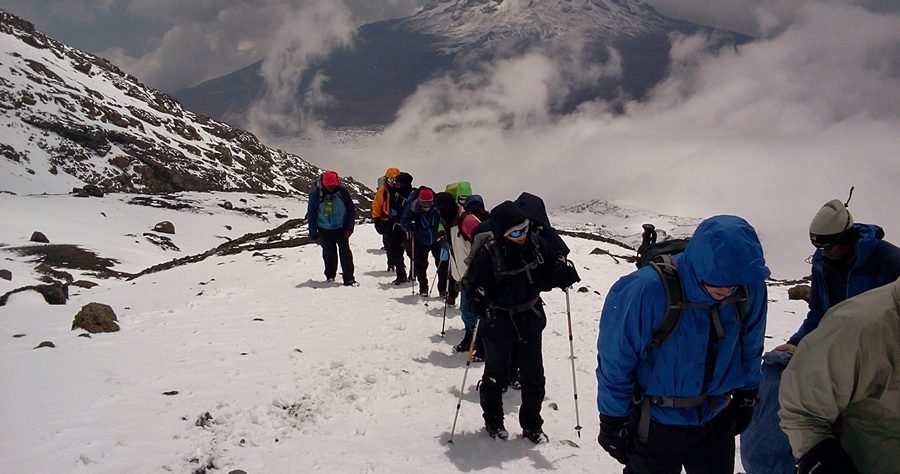
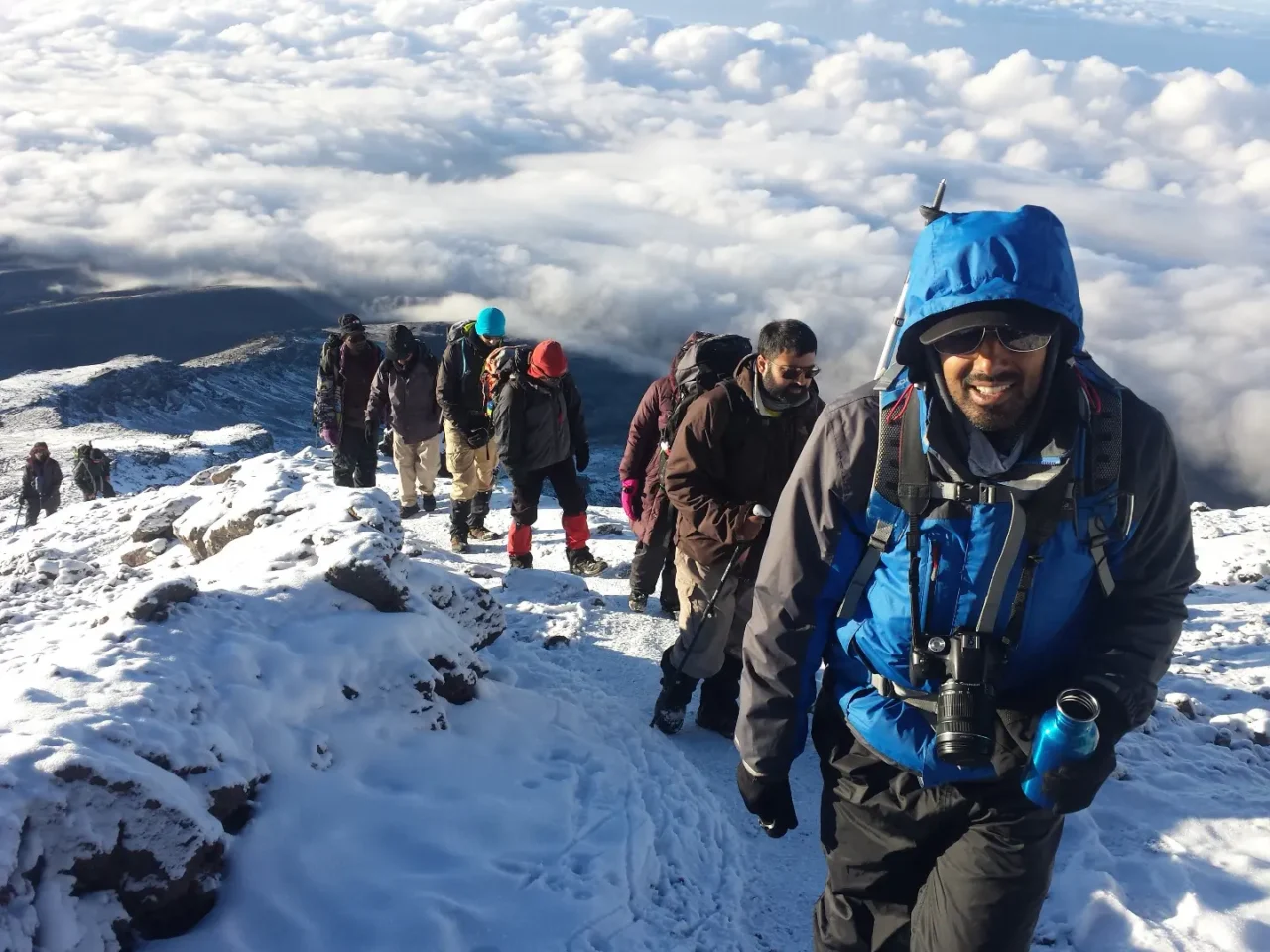
Uhuru Peak itself is a relatively flat, snow-covered area on the crater rim. The actual summit marker is a wooden sign that has become a famous photo opportunity. The climb to this point is demanding, especially the final ascent from the high camp (often Barafu Camp at around 4,600 meters or 15,090 feet) which typically begins in the early hours of the morning. Trekkers ascend through the night, reaching Stella Point on the crater rim (5,756 meters or 18,885 feet) at sunrise before continuing the final push to Uhuru Peak.
The extreme altitude means that acclimatization is paramount. Climbers ascend gradually, following the “pole pole” (slowly, slowly) principle, to allow their bodies to adapt to the lower oxygen levels. Failure to do so can lead to Acute Mountain Sickness (AMS), which can range from mild headaches and nausea to severe, life-threatening conditions like HAPE (High Altitude Pulmonary Edema) and HACE (High Altitude Cerebral Edema).
Factors Influencing the Kilimanjaro Climb and Altitude
While the Mount Kilimanjaro height Remains constant, several factors influence a climber’s experience and success rate, all directly related to altitude. These include:
- Route Choice: Different routes ascend Kilimanjaro at varying rates, impacting acclimatization. Longer routes like the Lemosho or Machame routes (typically 7-8 days) offer better acclimatization profiles than shorter ones like Marangu (5-6 days). A longer duration allows for more gradual ascent and descent, crucial for adaptation. For 2026 and 2027 expeditions, choosing a longer route is highly recommended for a safer and more enjoyable climb.
- Physical Fitness: While not requiring mountaineering expertise, excellent cardiovascular fitness is essential. Good physical condition helps the body cope better with the reduced oxygen.
- Mental Fortitude: The climb is as much a mental challenge as a physical one. The long hours, cold temperatures, and altitude effects require strong willpower.
- Hydration and Nutrition: Staying well-hydrated and maintaining energy levels through proper nutrition are critical at high altitudes.
- Acclimatization Strategy: This is arguably the most important factor. Guides will often recommend ascending to a higher altitude during the day and sleeping at a lower altitude (climb high, sleep low) to aid acclimatization.
Understanding these factors helps demystify the challenges associated with Kilimanjaro’s impressive elevation. It’s not just about the Kilimanjaro altitude, but how one approaches the climb with respect for the mountain’s conditions.
Comparing Kilimanjaro’s Height to Other Peaks
To truly appreciate How high is Mount Kilimanjaro, it’s useful to place its elevation in a global context. At 5,895 meters (19,341 feet), Kilimanjaro is significantly higher than many other famous mountains:
- Mount Fuji, Japan: 3,776 meters (12,388 feet)
- Mount Rainier, USA: 4,392 meters (14,411 feet)
- Mount Elbrus, Russia (Europe’s highest): 5,642 meters (18,510 feet)
- Mount Aconcagua, Argentina (Americas’ highest): 6,961 meters (22,838 feet)
- Mount Everest, Nepal/China (World’s highest): 8,848.86 meters (29,031.7 feet)
While Kilimanjaro is not in the same league as the Himalayas in terms of sheer height, it is higher than the highest peaks in North America (Denali at 6,190 meters / 20,310 feet, though this is often debated with Aconcagua being higher in South America) and Europe. Its status as the highest mountain in Africa and the world’s highest free-standing mountain makes it a unique and sought-after trekking destination. The Mount Kilimanjaro height Is a significant achievement for any climber.
The Three Peaks of Kilimanjaro
Kilimanjaro is not a single peak but a volcanic massif with three distinct volcanic cones. Understanding these helps clarify the mountain’s overall structure and the journey to the summit:
- Kibo: This is the highest and most central cone. Its summit, Uhuru Peak, is the highest point on Kilimanjaro at 5,895 meters (19,341 feet). Kibo is dormant, but its crater and volcanic features are still visible. Most climbing routes aim for Kibo’s summit.
- Mawenzi: Located to the east of Kibo, Mawenzi is the second highest peak, reaching 5,149 meters (16,893 feet). It is an older, eroded cone with jagged peaks and rock formations, offering a much more technical climbing challenge. It is not typically part of standard trekking itineraries.
- Shira: Situated to the west of Kibo, Shira is the oldest of the three cones, with its highest point at 3,962 meters (12,999 feet). The Shira Plateau is a beautiful, high-altitude moorland that is traversed by some routes, like the Shira Route.
When people ask How high is Mount Kilimanjaro, they are almost always referring to the summit of Kibo, Uhuru Peak. The other two cones contribute to the mountain’s overall massif but are not the target for standard treks.
Altitude and Its Effects on the Body
The Kilimanjaro altitude Presents significant physiological challenges. As you ascend, the partial pressure of oxygen decreases, meaning there are fewer oxygen molecules available with each breath. This can lead to symptoms of Acute Mountain Sickness (AMS) if the body does not acclimatize properly. Common symptoms include:
- Headache
- Nausea and vomiting
- Dizziness
- Fatigue
- Loss of appetite
- Sleep disturbances
More severe forms of AMS can be life-threatening:
- HAPE (High Altitude Pulmonary Edema): Fluid accumulation in the lungs, causing shortness of breath, coughing up frothy sputum, and chest tightness.
- HACE (High Altitude Cerebral Edema): Fluid accumulation in the brain, leading to confusion, loss of coordination (ataxia), drowsiness, and potentially coma or death.
The best way to combat these effects is through gradual ascent and proper acclimatization. Guides monitor trekkers closely for any signs of AMS and will make decisions regarding descent if symptoms worsen. For expeditions planned for 2026 or 2027, understanding AMS and following your guide’s advice is critical for safety and success.
Kilimanjaro Climbing Routes and Their Altitudes
The choice of route significantly influences the acclimatization profile and the overall experience of reaching the Kilimanjaro summit elevation. Here’s a look at some popular routes and their general altitude progression:
Popular Kilimanjaro Routes: Altitude Profiles
The following table provides a simplified overview of common routes and their key altitude points. Note that exact camp altitudes can vary slightly between operators.
| Route | Duration (Days) | Starting Altitude | Highest Camp Altitude | Summit Altitude | Acclimatization Profile |
|---|---|---|---|---|---|
| Marangu | 5-6 | 1,860 m (6,100 ft) | 4,000 m (13,120 ft) – Kibo Hut | 5,895 m (19,341 ft) | Steeper ascent, less optimal acclimatization. Often called the ‘Coca-Cola’ route. |
| Machame | 6-7 | 1,800 m (5,905 ft) | 4,600 m (15,090 ft) – Barafu Camp | 5,895 m (19,341 ft) | Excellent acclimatization, ‘climb high, sleep low’ principle effectively used. Very popular. |
| Lemosho | 7-8 | 2,100 m (6,890 ft) | 4,600 m (15,090 ft) – Barafu Camp | 5,895 m (19,341 ft) | Longest and arguably best acclimatization profile, scenic. |
| Northern Circuit | 9+ | 2,300 m (7,545 ft) | 4,600 m (15,090 ft) – Barafu Camp | 5,895 m (19,341 ft) | The longest route, offering superior acclimatization and unique views. Very high success rate. |
Choosing a longer route, such as the 7-day Machame or the 8-day Lemosho for your 2026 or 2027 climb, significantly increases your chances of reaching the summit comfortably and safely due to better acclimatization to the Kilimanjaro altitude.
The Importance of Acclimatization for Reaching the Summit
Acclimatization is the process by which your body adjusts to the reduced oxygen availability at higher altitudes. The principle of “pole pole” (slowly, slowly) is fundamental to this. It means trekking at a pace that allows you to hold a conversation without gasping for breath. Your guides will enforce this pace.
Key acclimatization strategies include:
- Gradual Ascent: Spending more days on the mountain allows for a slower, more controlled climb. Routes of 7 days or more are generally recommended over 5 or 6-day options.
- Hydration: Drinking plenty of water (3-4 liters per day) helps your body function better at altitude.
- Avoiding Alcohol and Smoking: These substances can hinder acclimatization.
- ‘Climb High, Sleep Low’: Some routes facilitate this strategy, where you ascend to a higher point during the day and then descend to sleep at a lower camp.
- Medication: Diamox (acetazolamide) is a prescription medication that can aid acclimatization. It is often recommended by doctors and should be discussed with your physician before your trip.
The success of your climb to the Mount Kilimanjaro height Of 5,895 meters is heavily dependent on how well your body adapts to the altitude. Top Guide Adventures prioritizes safety and ensures our guides are trained to manage altitude-related issues.
What to Expect at the Summit: Uhuru Peak
Reaching Uhuru Peak is an extraordinary achievement. However, it’s important to manage expectations about the summit experience. At 5,895 meters (19,341 feet), the air is extremely thin, and temperatures can drop significantly, often below freezing, especially at night and during the pre-dawn summit push. Wind chill can make it feel even colder.
The summit itself is a relatively flat, snow-covered expanse on the rim of the Kibo crater. The famous “Kilimanjaro” sign is a wooden post that marks the highest point. You’ll likely spend only a short time here, typically 15-30 minutes, for photos and to soak in the incredible views (if the weather permits). The priority is to descend quickly, as prolonged exposure to the extreme altitude increases the risk of AMS and exhaustion.
The views from the summit can be spectacular, with potential to see the curvature of the Earth and the vast plains of Africa stretching out below. However, weather conditions on Kilimanjaro can change rapidly. Clouds, fog, or snow can obscure the view, but the sense of accomplishment remains regardless.
Planning Your Kilimanjaro Climb for 2026-2027
When planning your adventure to conquer the Mount Kilimanjaro height, consider the following for your 2026 or 2027 expedition:
Key Planning Considerations for 2026-2027 Climbs
- Best Time to Climb: The dry seasons (January-March and June-October) offer the most stable weather conditions, though Kilimanjaro can be climbed year-round. These peak seasons mean higher demand, so booking in advance for 2026-2027 is advisable.
- Choosing a Route: As discussed, longer routes (7+ days) offer better acclimatization and higher success rates. Consider the Lemosho or Northern Circuit for the best experience.
- Tour Operator: Select a reputable operator like Top Guide Adventures that prioritizes safety, employs experienced guides, and provides quality equipment and support. Check reviews and compare inclusions.
- Physical Preparation: Begin a consistent training program at least 2-3 months before your climb, focusing on cardiovascular endurance and leg strength.
- Gear: Invest in or rent high-quality gear, including waterproof outer layers, warm insulation, sturdy hiking boots, and a good sleeping bag.
- Travel Insurance: Ensure your policy covers high-altitude trekking and emergency evacuation.
- Vaccinations and Health: Consult your doctor about recommended vaccinations and discuss altitude sickness medication options.
Booking your Kilimanjaro climb for 2026 or 2027 well in advance is highly recommended, especially if you aim for the peak dry seasons. This allows for better availability of preferred dates and routes, and ample time for preparation.
Cost of Climbing Mount Kilimanjaro
The cost of climbing Kilimanjaro can vary significantly based on the route, duration, operator, and level of service. Generally, you can expect prices to range from $1,500 to $4,000+ per person For a standard trek. Prices for 2026-2027 climbs are expected to remain within this range, with potential minor adjustments due to inflation and park fee changes.
A typical climb package often includes:
- Park entrance fees, camping/hut fees
- All meals during the trek
- Trained mountain guides, cooks, and porters
- Tents and cooking equipment
- Transfer from/to Kilimanjaro International Airport (JRO) and Moshi/Arusha
Exclusions Usually include:
- International flights
- Visa fees
- Travel insurance
- Tips for the crew (a significant portion of the cost for guides and porters)
- Personal climbing gear
- Drinks and personal expenses
When comparing prices for your 2026-2027 climb, look beyond the sticker price. Consider the operator’s safety record, guide experience, porter welfare policies, group size, and the quality of inclusions. A slightly higher price often reflects better service, increased safety measures, and ethical treatment of staff, which are invaluable when tackling the Kilimanjaro altitude.
Why Choose Top Guide Adventures for Your Kilimanjaro Climb?
At Top Guide Adventures, we understand that climbing Kilimanjaro is a dream for many. We are dedicated to making that dream a reality, safely and memorably. Our commitment is to provide personalized attention, expert guidance, and comprehensive support throughout your journey to the Mount Kilimanjaro height Of 5,895 meters.
We offer a range of itineraries for 2026 and 2027, focusing on routes that provide the best acclimatization profiles and highest success rates. Our experienced guides are certified in wilderness first aid and have extensive knowledge of Kilimanjaro’s environment and physiology. We ensure our porter teams are treated ethically and paid fairly, as we believe in responsible tourism.
Choosing Top Guide Adventures means choosing a partner committed to your safety, comfort, and ultimate success in reaching Uhuru Peak. We handle all the logistics, allowing you to focus on your preparation and the incredible experience of climbing Africa’s highest mountain.
Ready to plan your Kilimanjaro adventure for 2026 or 2027? Contact us today for a personalized itinerary and quote. Reach us via WhatsApp at +255616946642 Or email us at Topguideadventures@gmail.com Or Info@topguideadventures.com.
“,
“faq_schema”: [
{
“question”: “What is the exact height of Mount Kilimanjaro?”,
“answer”: “The summit of Mount Kilimanjaro, Uhuru Peak on the Kibo cone, stands at an elevation of 5,895 meters (19,341 feet) above sea level.”
},
{
“question”: “Is Mount Kilimanjaro the highest mountain in Africa?”,
“answer”: “Yes, Mount Kilimanjaro is the highest mountain in Africa and the highest free-standing mountain in the world.”
},
{
“question”: “How difficult is it to climb Mount Kilimanjaro?”,
“answer”: “Climbing Kilimanjaro is considered a non-technical trek, meaning it doesn’t require mountaineering skills like ropes or ice axes. However, the significant altitude and length of the climb make it physically demanding and challenging, primarily due to the effects of high altitude.”
},
{
“question”: “What are the main risks associated with climbing Kilimanjaro’s altitude?”,
“answer”: “The primary risk is Acute Mountain Sickness (AMS), which can manifest as headaches, nausea, and dizziness. In severe cases, it can progress to High Altitude Pulmonary Edema (HAPE) or High Altitude Cerebral Edema (HACE), which are life-threatening conditions. Proper acclimatization and monitoring by guides are crucial.”
},
{
“question”: “Which route is best for acclimatization on Kilimanjaro?”,
“answer”: “Longer routes, such as the Lemosho (7-8 days) or Northern Circuit (9+ days), offer the best acclimatization profiles and generally lead to higher success rates. The Machame route (6-7 days) is also very popular and provides good acclimatization.”
},
{
“question”: “When is the best time to climb Mount Kilimanjaro in 2026-2027?”,
“answer”: “The best times to climb are during the dry seasons: January to March and June to October. These periods offer clearer skies and less rain, though booking in advance for 2026 and 2027 is recommended due to high demand.”
}
]
}
“`
Check Availability for How High Is Mount Kilimanjaro 2026-2027
Ready to compare dates, prices, and the best option for your group? Send the package name and travel month so the team can reply with a clear quote, availability, and what is included.
A Day In The Life Of A Kilimanjaro Guide: Behind Scenes On Africas Highest
Explore the daily realities and responsibilities of a Kilimanjaro guide, a crucial role demanding expertise, resilience, and deep care for trekkers.
View package details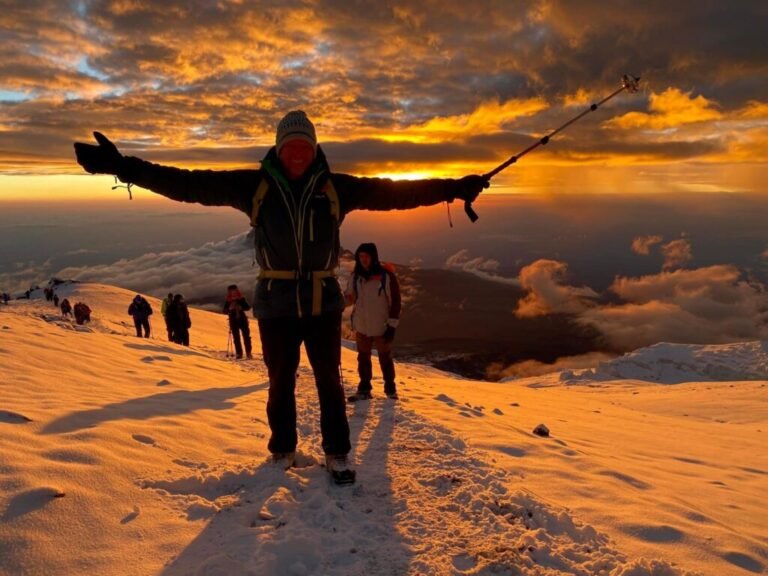
A Day In The Life Of A Kilimanjaro Porter: Behind Scenes On Africas Highest
Explore the demanding yet rewarding life of a Kilimanjaro porter. This article details their daily routines, the vital support they provide to climbers, and the incredible physical and...
View package details
Average Cost To Climb Mount Kilimanjaro In : A Comprehensive Guide 2026-2027
Discover the average cost to climb Mount Kilimanjaro for 2026-2027, detailing what influences pricing, typical inclusions, and how to budget effectively for your adventure.
View package details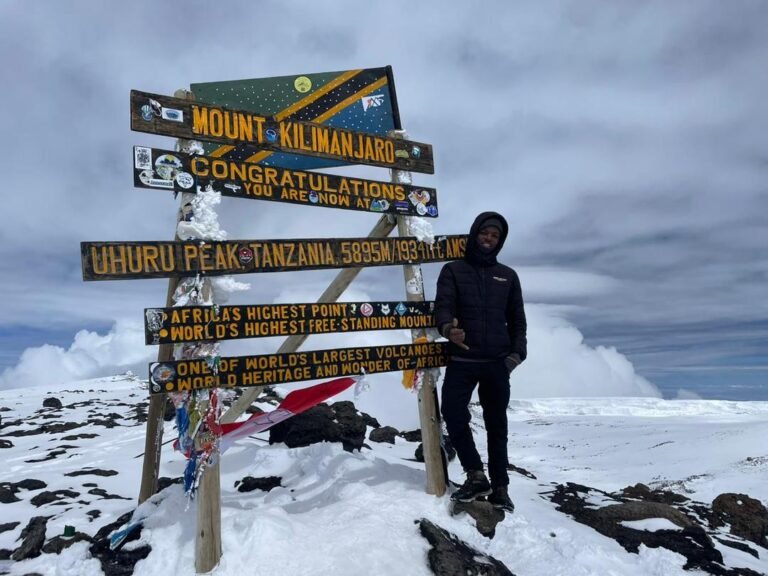
Best Mount Kilimanjaro 2026-2027
Best mount kilimanjaro is explained with current 2026-2027 planning, price, itinerary and booking information.
View package details
Best Mount Kilimanjaro Cost: Your Guide To Trekking Prices 2026-2027
Understanding the cost of climbing Mount Kilimanjaro is crucial for planning your 2026-2027 adventure. Prices vary significantly based on route, duration, operator, and inclusions. This...
View package details
Best Mount Kilimanjaro Moon Trekking: Guide For Summiting Under The Stars
Climbing Mount Kilimanjaro under the moonlight is a unique and unforgettable experience. This guide covers the best routes, optimal timing for lunar ascents, and essential preparation for...
View package details
Best Mount Kilimanjaro Price 2026-2027
Best mount kilimanjaro price is explained with current 2026-2027 planning, price, itinerary and booking information.
View package details
Best Mount Kilimanjaro Route For Your Climb In 2026-2027
Choosing the best Mount Kilimanjaro route is crucial for a successful and enjoyable climb. This guide details the top routes, comparing their difficulty, scenery, acclimatization profiles...
View package details
Best Mount Kilimanjaro Routes: A Comprehensive Guide For Climbs 2026-2027
Choosing the best Mount Kilimanjaro route is crucial for a successful climb. This guide details top routes like Machame, Lemosho, and Marangu, comparing their difficulty, scenery, success...
View package details
Can Beginners Climb Mount Kilimanjaro? Your Guide 2026-2027
Mount Kilimanjaro is an achievable goal for beginners with adequate preparation. This guide covers the best routes, fitness requirements, and essential planning advice for a successful...
View package details
Can Children Climb Mount Kilimanjaro? Age Limits, Safety & Preparation
Climbing Mount Kilimanjaro with children is possible, but it requires careful planning, strict adherence to safety guidelines, and an understanding of the physical and mental demands. While...
View package details
Can Seniors Climb Mount Kilimanjaro? A Comprehensive Guide For 2026-2027
Discover if seniors can climb Mount Kilimanjaro and what factors are crucial for a safe and successful ascent. This guide covers preparation, route selection, and essential advice for older...
View package detailsNo closely related package is available for this topic yet.



