
The hardest day on Kilimanjaro is universally recognized as the summit night, the final push to Uhuru Peak. This intense phase typically begins around midnight and can last between 12 to 16 hours, involving a steep, sustained ascent in freezing temperatures and significantly reduced oxygen levels, making it the ultimate test of endurance and willpower.
Defining the Toughest Day on Kilimanjaro
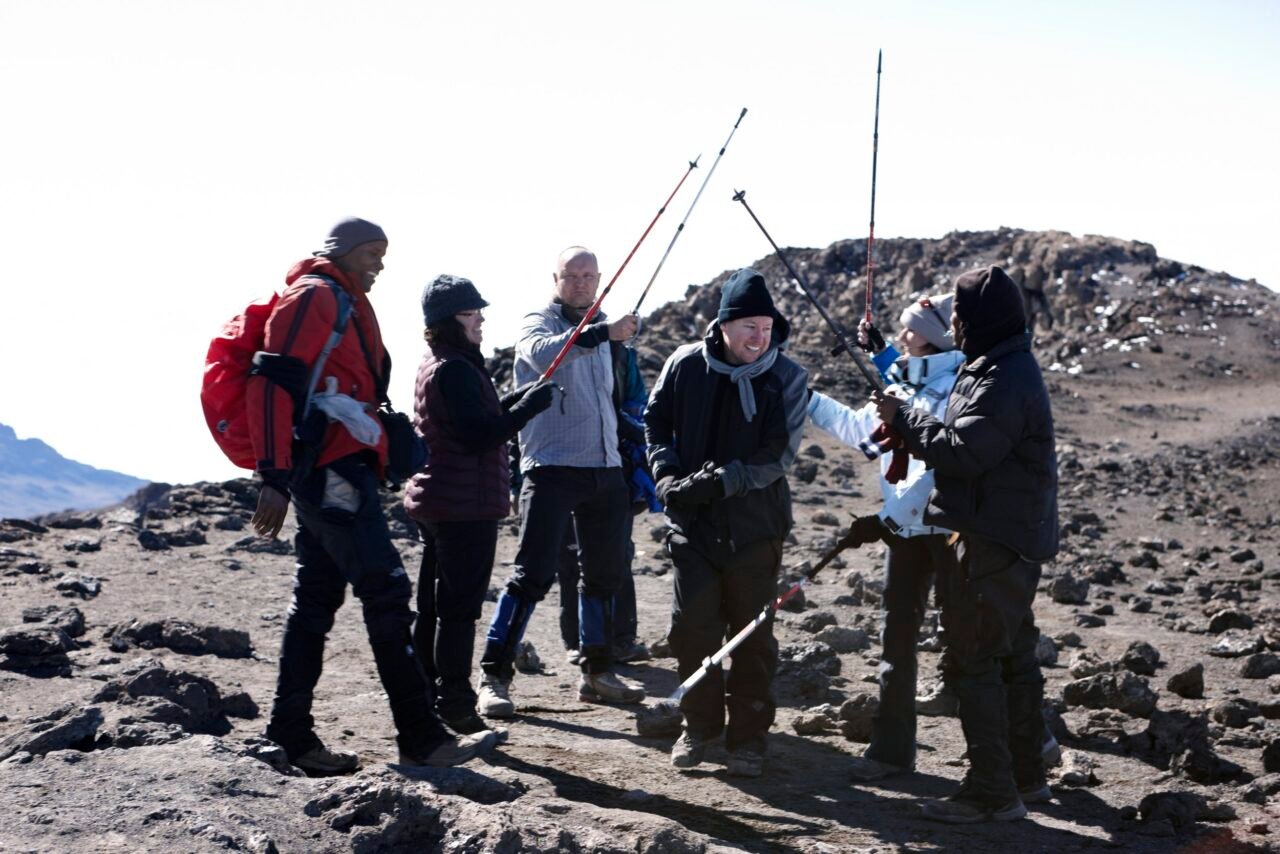
When discussing the toughest day on Kilimanjaro, the consensus among climbers and guides points unequivocally to the summit night. This isn’t just a single day; it’s a continuous, arduous journey that begins in the pre-dawn darkness and extends through a full day of trekking. It encompasses the final ascent from the last camp, the journey to Uhuru Peak, and the descent back to a lower camp. The combination of extreme altitude, minimal sleep, harsh weather, and relentless physical exertion makes this period the most demanding aspect of the entire climb.
The difficulty stems from several compounding factors:
- Altitude: Ascending above 15,000 feet (4,500 meters) means oxygen levels are roughly half of what they are at sea level. This severely impacts physical performance and can exacerbate altitude sickness symptoms.
- Timing: Starting at midnight or 1 AM is crucial for reaching the summit by sunrise and allowing enough time for the descent before dark. This means climbing through the coldest hours, with very little sleep the night before.
- Duration: The 12-16 hour trek is a marathon, not a sprint. Maintaining a slow, steady pace (pole pole) is essential, but the sheer length of time spent on your feet at this altitude is exhausting.
- Temperature: Summit night temperatures can plummet to well below freezing, often reaching -4°F (-20°C) or colder with wind chill. Proper gear is critical, but the cold still saps energy and makes every movement more difficult.
- Terrain: The path becomes steeper, often covered in scree (loose rock), which is tiring to walk on, especially when fatigued.
The Summit Night Itinerary: A Closer Look
To truly understand what makes summit night the hardest day on Kilimanjaro, it’s helpful to break down the typical schedule. While exact timings can vary based on the route and group pace, the general progression is consistent.
Imagine waking up around 11 PM or midnight in your tent at a high-altitude camp, such as Kibo Hut (around 15,500 feet / 4,700 meters) on the Marangu route, or Barafu Camp (around 15,300 feet / 4,650 meters) on the Machame or Lemosho routes. After a quick, often unappetizing meal and a final gear check, you step out into the biting cold and darkness.
The initial hours are spent ascending a steep, winding path. Your headlamp is your only light, illuminating the person in front of you and the seemingly endless trail ahead. The air is thin, making every step feel like a major effort. Your body is protesting, your lungs are working overtime, and the mental battle to keep moving begins almost immediately.
Around dawn, you’ll typically reach Stella Point (18,640 feet / 5,685 meters), located on the crater rim. This is a significant milestone, and for many, the hardest physical part of the climb is over. However, the journey isn’t finished. From Stella Point, it’s another hour to 90 minutes of relatively flat, but still high-altitude, trekking along the crater rim to reach Uhuru Peak (19,341 feet / 5,895 meters), the true summit of Kilimanjaro.
Reaching Uhuru Peak is an emotional and triumphant moment, often accompanied by spectacular sunrise views. But the challenge is far from over. The descent is notoriously difficult. Many climbers find it harder on their knees and legs than the ascent, and the fatigue from the long night makes it a dangerous phase if not approached with caution. You’ll descend back to Barafu Camp or Kibo Hut for a brief rest before continuing the trek down to your next overnight camp, often Mweka Camp (around 10,000 feet / 3,000 meters) or Horombo Hut (12,100 feet / 3,700 meters), completing a trek of 18-24 hours in total for that day.
Comparing Routes: Which Kilimanjaro Route Has the Hardest Summit Night?
While summit night is the hardest day regardless of the route, some routes make the approach to the summit night itself more challenging, or the summit night segment longer. The difficulty of the summit night itself is primarily dictated by altitude, weather, and personal acclimatization, but the route’s characteristics can influence the overall strain.
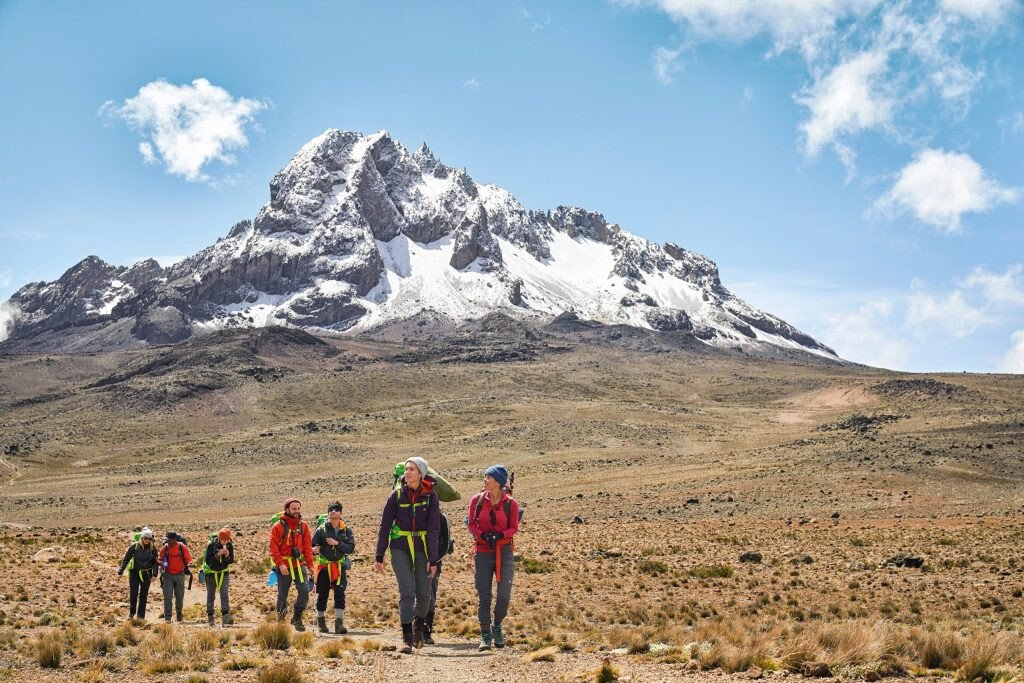
Routes like the Lemosho, Machame, and Shira are often considered to have more gradual acclimatization profiles, which can help mitigate altitude-related challenges on summit night. However, they tend to be longer routes, meaning more days of trekking beforehand can lead to accumulated fatigue.
The Marangu route, while offering dormitory-style accommodation, has a steeper ascent profile in its final stages, particularly the climb from Kibo Hut to the summit. The lack of acclimatization days compared to longer routes can sometimes make summit night feel more difficult for those not well-acclimatized.
The Northern Circuit and Lemosho routes offer the most days for acclimatization, which is crucial for making summit night more manageable. Conversely, the Coca-Cola route (Marangu) and the Mweka route (often used for descent) are shorter and have less acclimatization, potentially increasing the perceived difficulty of summit night.
Ultimately, the ‘hardest’ summit night experience is highly personal and depends more on an individual’s preparation, acclimatization, and mental fortitude than the specific route taken, although routes offering more acclimatization days (like the Northern Circuit or longer variants of Lemosho) can offer an advantage in 2026 and 2027 treks.
Factors Influencing Summit Night Difficulty
Several elements beyond the inherent challenges of altitude and darkness contribute to how difficult summit night feels. Understanding these can help you prepare and potentially mitigate some of the hardship.
1. Acclimatization: This is paramount. Climbers who follow routes with more acclimatization days (e.g., 7 or 8-day treks) will generally feel stronger on summit night than those on shorter, 5 or 6-day itineraries. Proper acclimatization allows your body to produce more red blood cells, improving oxygen transport.
2. Hydration and Nutrition: Dehydration is a major contributor to altitude sickness and fatigue. It’s vital to drink plenty of water and eat adequately, even when you have little appetite. Carrying high-energy snacks is also key.
3. Physical Fitness: While Kilimanjaro is not a technical climb, a good level of cardiovascular fitness is essential. The ability to sustain effort for many hours is more important than peak strength.
4. Mental Fortitude: Summit night is as much a mental challenge as a physical one. The ability to stay positive, focus on the next step, and push through discomfort is critical. Positive self-talk and the support of your guide are invaluable.
5. Gear and Clothing: Inadequate gear can turn a challenging night into a miserable, even dangerous, experience. Layering is essential, with good quality thermal base layers, insulating mid-layers, and a waterproof/windproof outer shell. Warm gloves, a hat, and good hiking boots are non-negotiable. For 2026-2027 expeditions, ensure your gear is up to date and tested.
6. Weather: While you can’t control the weather, an unexpected storm can significantly increase the difficulty and danger of summit night. Clear, calm conditions are ideal, but trekkers must be prepared for all eventualities.
Preparing for the Hardest Day on Kilimanjaro
Given that summit night is the defining challenge, preparation should focus heavily on this phase. Here’s how you can best get ready:
1. Choose the Right Route and Duration: Opt for longer routes (7 days or more) if your schedule allows. This provides better acclimatization, significantly reducing the risk of altitude sickness and increasing your chances of a successful and enjoyable summit. For instance, a 7-day Machame or Lemosho trek in 2026 offers a better acclimatization profile than a 5-day option.
2. Train Effectively: Focus on cardiovascular endurance. Long hikes with a weighted backpack (simulating your daypack), stair climbing, and cycling are excellent forms of training. Practice hiking for extended periods.
3. Pack Smart: Invest in high-quality, layered clothing. Ensure you have a warm sleeping bag, a good headlamp with extra batteries, thermal base layers, fleece or down mid-layers, waterproof outer gear, and warm accessories like gloves, a beanie, and a buff. Top Guide Adventures can provide detailed packing lists tailored to Kilimanjaro climbs booked for 2027.
4. Hydrate and Eat Well Leading Up: In the weeks before your trek, make hydration a priority. Eat a balanced diet. During the trek, force yourself to drink and eat, even if you don’t feel like it.
5. Practice with Your Gear: Use your hiking boots on training walks to break them in. Test your headlamp and other essential gear to ensure they are functioning correctly and you are comfortable using them.
6. Mental Preparation: Visualize success. Understand that there will be difficult moments, but focus on breaking the climb down into small, manageable steps. Talk to your guide about your concerns; their experience is invaluable.
What to Expect on Summit Night: A Checklist
Summit Night Essentials Checklist:
- Headlamp: Bright, reliable, with extra batteries.
- Warm Layers: Thermal base layers, fleece, down jacket.
- Waterproof Outerwear: Jacket and pants.
- Insulated Gloves: Waterproof outer and warm liners.
- Warm Hat/Beanie: Protects against heat loss.
- Balaclava or Buff: Shields face from wind and cold.
- Warm Socks: Wool or synthetic, with spares.
- Hiking Boots: Broken-in and waterproof.
- Water Bottles/Hydration Pack: Insulated to prevent freezing.
- High-Energy Snacks: Easy to eat on the go.
- Sun Protection: Sunglasses, sunscreen (even in cold, sun is strong).
- Camera: For sunrise and summit photos.
- Basic First-Aid Kit: Including blister treatment.
- Hand Warmers: Optional but can be a lifesaver.
Summit Success Rates and Summit Night
The success rate for reaching Uhuru Peak varies significantly depending on the route, duration, and operator. Generally, longer routes with better acclimatization (7-8 days) boast higher success rates, often exceeding 90%. Shorter routes (5-6 days) may see success rates closer to 60-70%, with summit night being the primary reason for failure, often due to altitude sickness or extreme fatigue.
Choosing a reputable operator like Top Guide Adventures, which prioritizes safety, proper acclimatization, and experienced guides, is crucial for maximizing your chances of summit success. Our team is dedicated to ensuring every climber is well-prepared and supported, especially during the critical summit night. We understand the unique challenges of Kilimanjaro and are committed to providing expert guidance for your 2026 or 2027 climb.
The goal on summit night isn’t speed; it’s survival and reaching the top safely. Guides are trained to monitor climbers closely for signs of altitude sickness and to make difficult decisions about whether a climber should continue or turn back. Your safety is always the top priority, even above reaching the summit.
Conclusion: Mastering the Toughest Day
The hardest day on Kilimanjaro is an unavoidable, yet conquerable, challenge: summit night. It’s a test of physical endurance, mental resilience, and careful preparation. By understanding its demands, choosing an appropriate route and duration for your 2026 or 2027 trek, training diligently, packing correctly, and listening to your body and guides, you can significantly improve your experience and your chances of standing on the roof of Africa. While challenging, the reward of witnessing a sunrise from Uhuru Peak after overcoming summit night is an unparalleled achievement.
Ready to face the challenge? We specialize in creating personalized Kilimanjaro adventures that prioritize your safety and success. Contact us for a tailor-made itinerary for your 2026-2027 climb. You can reach us via WhatsApp at +255616946642 or email us at topguideadventures@gmail.com or info@topguideadventurestanzania.com.
Check Availability for What Is The Hardest Day On Kilimanjaro? Understanding Summit Push 2026-2027
Ready to compare dates, prices, and the best option for your group? Send the package name and travel month so the team can reply with a clear quote, availability, and what is included.
Climbing Kilimanjaro In November: Weather, Routes & What To Expect 2026-2027
Climbing Kilimanjaro in November offers a unique window of opportunity for trekkers, often characterized by moderate weather and fewer crowds compared to peak seasons. This month falls...
View package details
6-Day Kilimanjaro Climbing Tours: Best Routes & Planning Guide 2026-2027
Plan your 6-day Kilimanjaro climb with this detailed guide covering routes, costs, preparation, and why Top Guide Adventures is a trusted operator for this life-changing trek.
View package details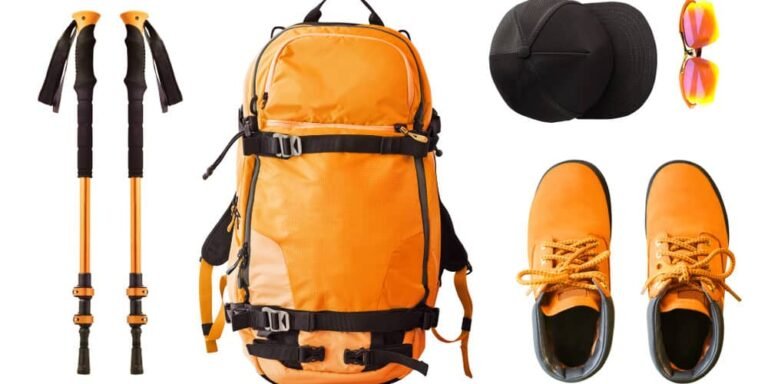
A Day In The Life Of A Kilimanjaro Guide: Behind Scenes On Africas Highest
Explore the daily realities and responsibilities of a Kilimanjaro guide, a crucial role demanding expertise, resilience, and deep care for trekkers.
View package details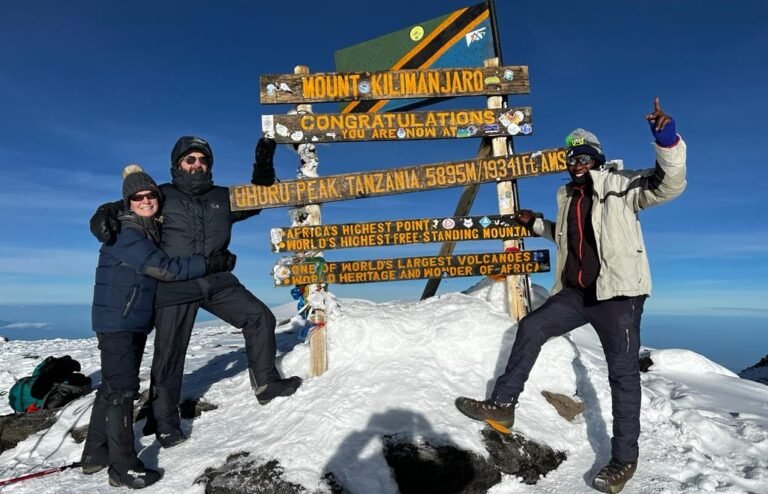
Best Kilimanjaro Route For Climbers Over 50 Years : Best Guide
Choosing the right Kilimanjaro route is crucial for climbers over 50. This guide explores the most suitable options, focusing on acclimatization, success rates, and comfort, ensuring a...
View package details
Can Seniors Climb Mount Kilimanjaro? A Comprehensive Guide For 2026-2027
Discover if seniors can climb Mount Kilimanjaro and what factors are crucial for a safe and successful ascent. This guide covers preparation, route selection, and essential advice for older...
View package details
Can You Climb Kilimanjaro After Age 60? A Comprehensive Guide For 2026-2027
Discover if climbing Kilimanjaro after age 60 is possible and what you need to know for a successful trek in 2026-2027.
View package details
Can You Climb Kilimanjaro Alone? Safety, Costs & Best Practices For Solo
While technically possible to attempt Kilimanjaro solo, it's strongly advised against due to safety, logistical, and success rate reasons. This guide explores the realities of solo...
View package details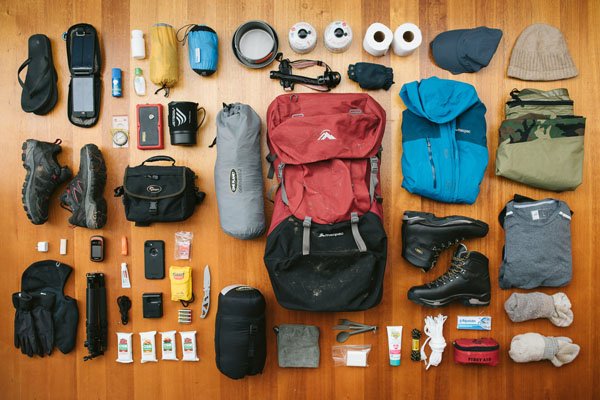
Can You Climb Kilimanjaro During The Rainy Season? Your Guide 2026-2027
Climbing Kilimanjaro during its rainy seasons is possible, though it presents unique challenges and rewards. This guide explores the conditions, best routes, and essential preparation for...
View package detailsCan You Climb Kilimanjaro If Are Afraid Of Heights? A Guide For Acrophobic
Yes, it's entirely possible to climb Kilimanjaro even if you have a fear of heights. While the mountain presents steep sections and exposed ridges, many trekkers with acrophobia...
View package details
Can You Climb Kilimanjaro Without Experience Guide
Climbing Mount Kilimanjaro is achievable for individuals without extensive mountaineering experience, provided they choose the right route and prepare adequately. This guide covers...
View package details
Can You Climb Kilimanjaro Without Training? 2026-2027
Can You Climb Kilimanjaro Without Training? is explained with current 2026-2027 planning, price, itinerary and booking information.
View package details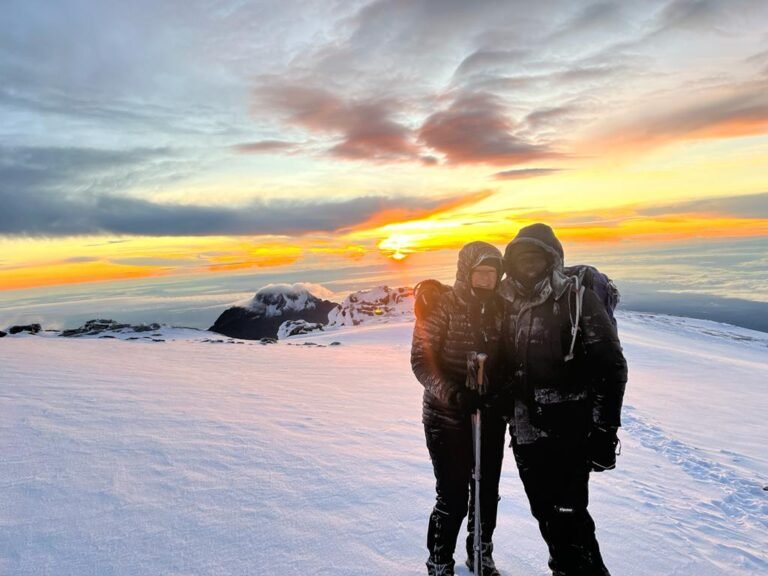
Can You Shower On Kilimanjaro? Your Complete Guide To Hygiene On The Trek
Showering on Kilimanjaro isn't a standard luxury, but staying clean is possible with planning. Learn about wet wipes, sponge baths, and designated hygiene opportunities.
View package detailsNo closely related package is available for this topic yet.



