
Kilimanjaro altitude sickness, also known as Acute Mountain Sickness (AMS), is the most common health risk for climbers, characterized by symptoms like headaches, nausea, and dizziness due to the rapid ascent to high altitudes. Effective prevention relies on slow ascent, proper hydration, and avoiding overexertion, while safety involves recognizing symptoms early, communicating with guides, and being prepared for descent if necessary, ensuring a safer climbing experience in 2026-2027.
Understanding Kilimanjaro Altitude Sickness
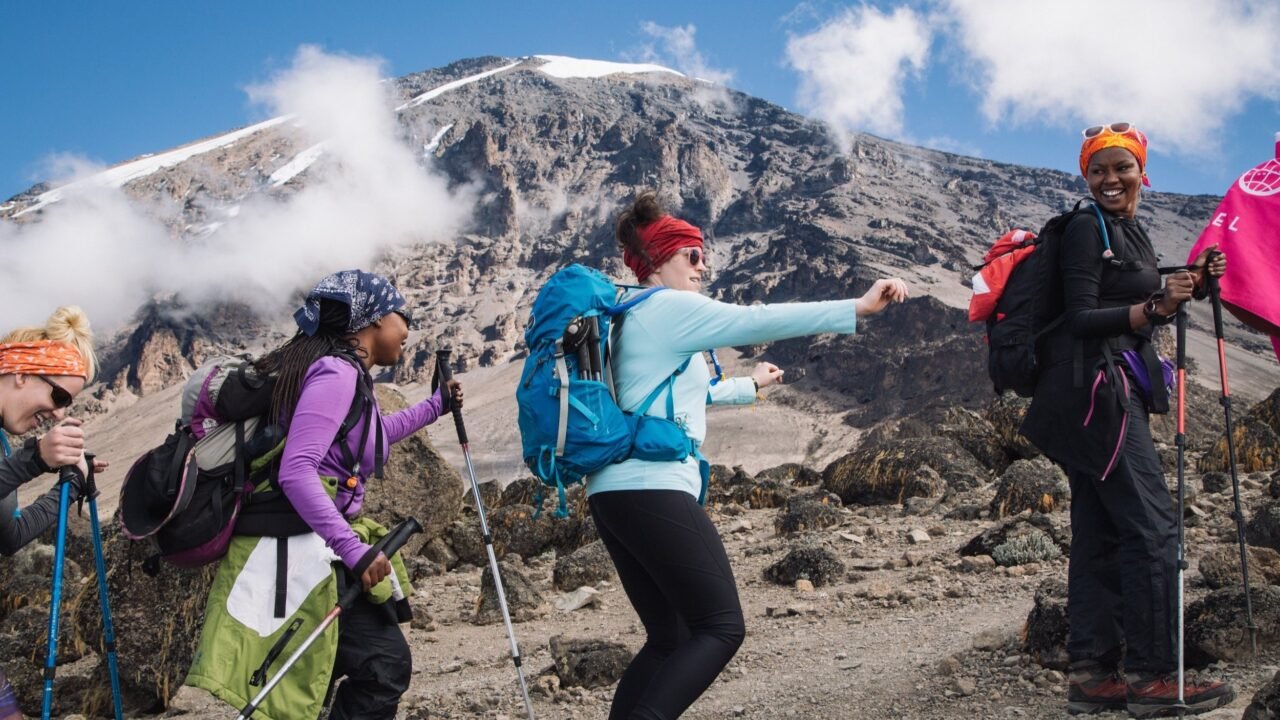
Climbing Mount Kilimanjaro, Africa’s highest peak, is an incredible adventure, but it comes with a significant physiological challenge: altitude sickness. As you ascend, the atmospheric pressure drops, meaning there’s less oxygen available with each breath. Your body needs time to adapt to these thinner air conditions, and when it doesn’t, altitude sickness can occur. This condition is not about being unfit; even seasoned athletes can be affected. Recognizing and respecting the signs is paramount for any trekker planning a climb in 2026 or 2027.
The severity of altitude sickness can range from mild discomfort to life-threatening conditions like High Altitude Cerebral Edema (HACE) and High Altitude Pulmonary Edema (HAPE). HACE affects the brain, causing confusion and loss of coordination, while HAPE impacts the lungs, leading to severe breathing difficulties. Both are medical emergencies requiring immediate descent. Understanding these potential risks underscores the importance of proper preparation and adherence to safety protocols advised by experienced guides.
Common Symptoms of Kilimanjaro Altitude Sickness
The key to managing altitude sickness is early detection. Symptoms typically appear within 12 to 24 hours after reaching an altitude above 2,500 meters (8,000 feet) and can vary significantly from person to person. They often mimic other common ailments, making it crucial to consider the altitude context.
Mild Symptoms (Acute Mountain Sickness – AMS)
- Headache: This is the most common symptom and can range from mild to severe.
- Nausea and Vomiting: Feeling sick to your stomach or actually throwing up.
- Fatigue and Weakness: An unusual sense of tiredness and lack of energy.
- Dizziness and Lightheadedness: Feeling unsteady or like the world is spinning.
- Loss of Appetite: A decreased desire to eat.
- Difficulty Sleeping: Trouble falling or staying asleep.
- Increased Heart Rate: Your heart might beat faster than usual.
These mild symptoms are often manageable if recognized and addressed promptly. The primary treatment is to stop ascending and rest. If symptoms worsen or do not improve, descending is usually necessary.
Severe Symptoms (HACE and HAPE)
If mild AMS is ignored or the ascent continues too rapidly, more serious conditions can develop:
High Altitude Cerebral Edema (HACE)
- Severe Headache: A headache that is incapacitating and not relieved by medication.
- Ataxia (Loss of Coordination): Difficulty walking in a straight line, stumbling, or appearing drunk.
- Confusion and Disorientation: Not knowing where you are or what’s happening.
- Behavioral Changes: Irritability, apathy, or unusual mood swings.
- Visual Disturbances: Blurred vision or seeing halos.
- Severe Vomiting: Persistent and forceful vomiting.
High Altitude Pulmonary Edema (HAPE)
- Severe Shortness of Breath: Difficulty breathing even at rest.
- Cough: Often producing frothy or pink-tinged sputum.
- Chest Tightness: A feeling of pressure or constriction in the chest.
- Gurgling Sounds: Rales or crackles heard when listening to the lungs.
- Extreme Fatigue: Profound weakness and inability to move.
Both HACE and HAPE are life-threatening and require immediate descent. Never ascend further if you suspect severe altitude sickness in yourself or a fellow climber.
Preventing Kilimanjaro Altitude Sickness: The Best Strategy
Prevention is far more effective than treatment when it comes to altitude sickness. The most critical factor is the rate of ascent. The slower you go, the more time your body has to acclimatize to the decreasing oxygen levels.
1. Ascend Slowly (Pole Pole)
This is the golden rule of high-altitude trekking. Most reputable Kilimanjaro operators, including Top Guide Adventures, design itineraries that prioritize acclimatization. Routes like the Lemosho, Machame, and Rongai are known for their better acclimatization profiles compared to shorter routes like Marangu. A longer trek duration, ideally 7-8 days, significantly increases your chances of reaching the summit safely. This allows for gradual acclimatization, giving your body the best chance to adapt to the thinning air as you climb higher.
2. Hydration is Key
Drink plenty of fluids. Aim for 3-4 liters of water per day. Dehydration can exacerbate altitude sickness symptoms, so maintaining good hydration is vital. Electrolyte drinks can also be beneficial. Avoid alcohol and excessive caffeine, as they can contribute to dehydration.
3. Eat Well
Consume a high-carbohydrate diet. Your body uses carbohydrates more efficiently at high altitudes. Even if your appetite is reduced, try to eat small, frequent meals. Energy bars and snacks can be very helpful.
4. Pace Yourself
‘Pole Pole’ (slowly, slowly) is more than just a Swahili phrase; it’s a mantra for Kilimanjaro climbers. Walk at a slow, steady pace, especially during the ascent days. Conserve your energy and avoid overexertion. Listen to your body and take breaks when needed.
5. Avoid Overexertion on Arrival
Upon arriving in Tanzania and at the base camp, avoid strenuous activities. Rest and allow your body to begin adjusting to the lower altitude before the trek begins.
6. Consider Diamox (Acetazolamide)
Many climbers choose to take Diamox, a prescription medication that helps speed up acclimatization. It works by increasing breathing and thus increasing oxygen levels in the blood. It’s not a substitute for slow ascent but can be a valuable aid. Consult your doctor well in advance of your trip for a prescription and advice on dosage and potential side effects. You can start taking it a day or two before ascending and continue during the trek. For climbs planned for 2026-2027, discuss this option with your healthcare provider early.
7. Get Fit Before You Go
While fitness doesn’t prevent altitude sickness, being in good cardiovascular shape will make the physical exertion of the climb easier, allowing you to focus more on acclimatization and less on struggling with the physical demands. Focus on endurance training like hiking with a weighted pack and cardio exercises.
Safety Protocols on Kilimanjaro
Safety is paramount on Mount Kilimanjaro. Reputable tour operators have strict safety protocols in place, and it’s essential for trekkers to understand and cooperate with them.
1. Experienced Guides are Crucial
Your guides are trained in altitude sickness management and wilderness first aid. They monitor climbers daily, checking for symptoms and vital signs. Top Guide Adventures prides itself on employing highly experienced guides who are not only knowledgeable about the mountain but also skilled in recognizing and managing altitude-related issues, ensuring the safety of every climber on their expeditions.
2. Daily Health Checks
Guides will regularly check your vital signs (pulse, oxygen saturation) and ask about your well-being. Be honest and forthcoming with your answers, even if you feel embarrassed about symptoms. Your guide’s priority is your safety.
3. Communication is Key
If you feel unwell, tell your guide immediately. Do not try to tough it out. A slight headache could be the first sign of AMS, and early intervention is critical. Your guide will assess your condition and recommend the best course of action, which might involve resting, taking medication, or descending.
4. The Principle of ‘Climb High, Sleep Low’
This acclimatization strategy involves ascending to a higher altitude during the day and then descending to a lower altitude to sleep. This helps your body adapt more effectively. Many Kilimanjaro routes naturally incorporate this principle.
5. Emergency Evacuation Plans
Reputable operators have emergency evacuation plans, including the use of oxygen cylinders and emergency shelters. Some routes have park rangers equipped with stretchers or even carrying chairs for assisted descents. Ensure your tour operator has a clear emergency plan and consider travel insurance that covers high-altitude trekking and emergency evacuation.
Choosing the Right Route for Acclimatization
The route you choose significantly impacts your acclimatization and overall success rate. Longer routes generally offer better acclimatization profiles.
| Route | Typical Duration | Acclimatization Profile | Summit Success Rate (Approx.) |
|---|---|---|---|
| Marangu (Coca-Cola Route) | 5-6 days | Poor (Fast ascent, no ‘sleep low’) | ~30-40% |
| Machame (Whiskey Route) | 6-7 days | Good (Circuits, better ‘sleep low’ opportunities) | ~70-80% |
| Lemosho | 7-8 days | Excellent (Longer duration, gradual ascent, scenic) | ~85-90% |
| Rongai | 6-7 days | Good (Approaches from the north, drier side) | ~75-85% |
| Northern Circuit | 9-10 days | Excellent (Longest route, highest acclimatization) | ~95%+ |
For 2026-2027 climbs, prioritizing a longer route like Lemosho or the Northern Circuit is highly recommended if your primary goal is to minimize the risk of Kilimanjaro altitude sickness and maximize your chances of reaching Uhuru Peak.
What to Do If You Experience Symptoms
If you start feeling unwell, the most important thing is to communicate with your guide. Here’s a breakdown of actions:
- Inform Your Guide Immediately: Don’t delay. Describe your symptoms clearly.
- Assess Severity: Your guide will help determine if it’s mild AMS or something more serious.
- Rest and Hydrate: For mild symptoms, resting at your current altitude and drinking fluids can help.
- Consider Medication: If prescribed, Diamox can be taken. Pain relievers like ibuprofen might help with headaches, but they don’t treat the underlying cause.
- Descend if Necessary: This is the most effective treatment for AMS, HACE, and HAPE. Even a descent of 300-500 meters can make a significant difference. Your guide will make this critical decision based on your condition.
- Monitor Closely: If you descend, your guide will continue to monitor you. If symptoms persist or worsen, further descent will be required.
Remember, the summit is optional, but descent is mandatory if altitude sickness becomes severe. Your life and health are more important than reaching the peak.
Preparing Your Medical Kit
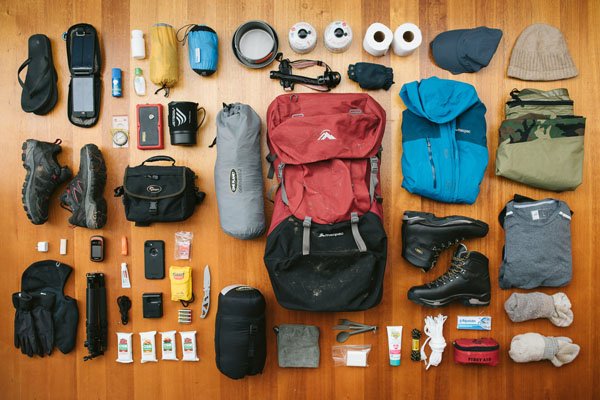
While your tour operator will provide a comprehensive first-aid kit, it’s wise to carry a personal medical kit with items relevant to altitude sickness and general trekking ailments. Discuss this with your doctor.
Essential Personal Medical Kit Items:
- Prescription Altitude Sickness Medication: Such as Acetazolamide (Diamox), if prescribed by your doctor.
- Pain Relievers: Ibuprofen or paracetamol for headaches and general pain.
- Anti-Nausea Medication: For managing sickness.
- Antidiarrheal Medication: Such as Loperamide.
- Antihistamines: For allergies or insect bites.
- Band-Aids and Blister Treatment: For foot care.
- Antiseptic Wipes: For cleaning wounds.
- Any Personal Prescriptions: For existing medical conditions.
Factors Influencing Altitude Sickness Susceptibility
While anyone can get altitude sickness, some factors can increase your susceptibility:
- Previous History: If you’ve suffered from altitude sickness before, you’re more likely to experience it again.
- Rate of Ascent: Rapid ascents are a primary cause.
- Physical Exertion: Pushing yourself too hard too soon.
- Dehydration: Not drinking enough fluids.
- Illness: Being unwell before or during the trek.
- Age: While not a definitive factor, some studies suggest older individuals might be slightly more prone.
- Genetics: Individual physiological responses play a role.
Understanding these factors can help you take extra precautions when planning your Kilimanjaro climb for 2026 or 2027.
Kilimanjaro Altitude Sickness: A Final Word on Safety
Climbing Mount Kilimanjaro is a challenging but rewarding experience. By understanding Kilimanjaro altitude sickness, its symptoms, and how to prevent and manage it, you can significantly increase your chances of a safe and successful summit. Prioritizing a slower ascent, staying hydrated, listening to your body, and trusting your experienced guides are the cornerstones of a safe climb. For trekkers planning their adventure for 2026-2027, thorough preparation and choosing a reputable operator like Top Guide Adventures, known for its commitment to climber safety and well-being, is essential.
We understand the unique challenges of climbing Kilimanjaro and are dedicated to ensuring our clients have the best possible experience. Our itineraries are carefully crafted with acclimatization in mind, and our guides are among the most experienced in Tanzania. If you have questions about Kilimanjaro altitude sickness, prevention strategies, or want to plan your climb for 2026 or 2027, please reach out to us. You can contact us via WhatsApp at +255616946642, email at topguideadventures@gmail.com, or our backup email info@topguideadventurestanzania.com.
“,
“faq_schema”: [
{
“question”: “What are the most common symptoms of Kilimanjaro altitude sickness?”,
“answer”: “The most common symptoms include headache, nausea, vomiting, fatigue, dizziness, loss of appetite, and difficulty sleeping. These usually appear within 12-24 hours after reaching altitudes above 8,000 feet.”
},
{
“question”: “How can I prevent altitude sickness on Kilimanjaro?”,
“answer”: “The best prevention methods are ascending slowly (pole pole), staying well-hydrated, eating a high-carbohydrate diet, pacing yourself, avoiding overexertion, and potentially using medication like Diamox after consulting a doctor. Choosing a longer trekking route (7-8 days or more) is also crucial for better acclimatization.”
},
{
“question”: “When should I consider descending Kilimanjaro due to altitude sickness?”,
“answer”: “You should consider descending if your symptoms worsen despite rest, if you develop severe headaches that don’t respond to medication, or if you experience any signs of High Altitude Cerebral Edema (HACE) like confusion or loss of coordination, or High Altitude Pulmonary Edema (HAPE) like severe shortness of breath or a persistent cough with frothy sputum. Immediate descent is the most effective treatment for severe altitude sickness.”
},
{
“question”: “Is Diamox (Acetazolamide) recommended for Kilimanjaro climbs in 2026-2027?”,
“answer”: “Diamox can be very effective in aiding acclimatization and preventing altitude sickness, but it is a prescription medication. It’s essential to consult with your doctor well before your trip to discuss its suitability, dosage, potential side effects, and
The journey to Kilimanjaro’s summit is a significant undertaking, and understanding the potential for altitude sickness is paramount for a successful and safe expedition, especially for those planning their climb for 2026 or 2027. While the preceding sections have detailed the symptoms and primary prevention methods, delving deeper into the nuances of acclimatization and the role of specialized gear can further enhance your preparedness. It’s not just about walking ‘pole pole’; it’s about a holistic approach to your body’s response to extreme altitude.
The Science Behind Acclimatization: What’s Happening in Your Body?
At sea level, the air pressure is higher, meaning there are more oxygen molecules available for your lungs to absorb with each breath. As you ascend Kilimanjaro, the atmospheric pressure drops, and the air becomes thinner – meaning fewer oxygen molecules are present. Your body’s immediate response is to try and compensate. Initially, your breathing rate increases, and your heart beats faster to try and deliver more oxygen to your tissues. However, true acclimatization is a more complex physiological process that takes time. It involves your body producing more red blood cells to carry oxygen more efficiently and making adjustments to your blood’s pH and fluid balance. This process cannot be rushed. For climbs planned for 2026-2027, recognizing that acclimatization is a biological necessity, not an optional extra, is the first step to a safe climb. Operators like Top Guide Adventures build their itineraries with this biological reality at the forefront, ensuring that the pace allows for this crucial adaptation.
Beyond Diamox: Other Preventative Measures and Considerations
While Diamox is a widely used and effective preventative medication, it’s not the only tool in your arsenal. Other strategies can support your body’s acclimatization process, especially when combined with a well-designed itinerary. Ensuring you are in the best possible health before you even set foot on the mountain is vital. This includes addressing any pre-existing medical conditions with your doctor and ensuring you are generally fit. For those planning a 2026-2027 climb, a pre-climb medical check-up is highly recommended.
1. The Role of Sleep and Rest
Adequate sleep is critical for recovery and adaptation at altitude. Altitude sickness can disrupt sleep patterns, creating a vicious cycle where poor sleep exacerbates symptoms, and symptoms make sleep difficult. While you might not sleep as soundly as you do at home, prioritizing rest during the day and ensuring you get as much sleep as possible at night is important. Avoid strenuous activities in the evenings after reaching your campsite. Some climbers find that using earplugs and an eye mask can help improve sleep quality in the tents.
2. Nutrition at Altitude: More Than Just Carbs
We’ve mentioned a high-carbohydrate diet, but the practicality of eating at altitude is also key. Appetites often decrease significantly as you gain elevation. This is why carrying high-energy snacks that are easy to digest and appealing even when you don’t feel like eating is so important. Think energy bars, nuts, dried fruit, and even simple sweets. Your guides will do their best to provide nutritious and appealing meals, but having personal reserves can make a big difference. For those concerned about food at altitude, discussing dietary needs with your operator in advance, as Top Guide Adventures encourages, can ensure they are catered for.
3. Mental Preparedness and Altitude
The psychological impact of altitude sickness should not be underestimated. Feeling unwell, experiencing headaches, and struggling with physical exertion can be mentally draining. Maintaining a positive attitude, focusing on the incredible scenery, and trusting your guide’s expertise are crucial. Understanding that mild symptoms are common and manageable can reduce anxiety. If you’re prone to anxiety, practicing mindfulness or meditation techniques before your trip might be beneficial. The mental resilience required for a Kilimanjaro climb, especially when battling the effects of altitude, is significant.
Advanced Safety Protocols and What to Expect from Your Guides
While you’ve learned about the general safety protocols, understanding the specific actions your guides will take is reassuring. Experienced guides are trained to recognize subtle changes in a climber’s behavior or physical state that might indicate the onset of altitude sickness, often before the climber themselves fully realizes it. This proactive monitoring is a hallmark of a reputable operator.
1. Pulse Oximetry and Vital Sign Monitoring
Most reputable Kilimanjaro operators, including Top Guide Adventures, equip their guides with pulse oximeters. These devices measure your blood oxygen saturation (SpO2) and heart rate. While not a definitive diagnostic tool for altitude sickness on their own, significant drops in SpO2 or a persistently high heart rate, especially when combined with subjective symptoms, can be an early warning sign. Your guides will use these readings, along with your reported symptoms, to make informed decisions about your well-being. They will typically take these readings at least once, often twice, daily.
2. Decision-Making Hierarchy: Who Decides on Descent?
Ultimately, the decision to descend rests with the lead guide, in consultation with the client and any accompanying medical personnel (if applicable). While your desire to summit is strong, your guide’s primary responsibility is your safety. They are trained to recognize when a descent is necessary, even if it means turning back from a summit attempt. It’s vital to trust their judgment. They will explain their reasoning clearly, ensuring you understand the risks associated with continuing to ascend.
3. Emergency Oxygen and First Aid on the Mountain
While not all operators carry emergency oxygen, it is a standard provision for reputable companies like Top Guide Adventures. A small oxygen cylinder can be used to provide temporary relief and aid in descent if a climber is experiencing severe symptoms. Your guides will also carry comprehensive first-aid kits, including treatments for common ailments and minor injuries that can occur on the trek. Understanding what emergency resources are available with your chosen operator is part of your pre-trip planning.
Choosing the Right Itinerary: The Ultimate Acclimatization Tool
The route and duration are arguably the most critical factors in preventing altitude sickness. While shorter routes might seem appealing due to time constraints, they significantly increase the risk of developing altitude sickness. For trekkers planning their Kilimanjaro adventure for 2026-2027, prioritizing acclimatization through a longer itinerary is the single most effective strategy.
Comparing Itinerary Durations and Success Rates
The table below illustrates the general correlation between itinerary length and summit success rates, largely driven by acclimatization benefits:
| Route Name | Typical Duration (Days) | Acclimatization Quality | Typical Summit Success Rate |
|---|---|---|---|
| Marangu | 5-6 | Poor to Fair | 30-40% |
| Machame | 6-7 | Good | 70-80% |
| Lemosho | 7-8 | Very Good | 85-90% |
| Rongai | 6-7 | Good | 75-85% |
| Northern Circuit | 9-10 | Excellent | 95%+ |
| Umbwe (often combined with Machame) | 5-6 (as a standalone) | Poor (steep & fast) | Lower than Machame if not modified |
As you can see, extending your trek by just one or two days, particularly by choosing routes like the Lemosho (7 or 8 days) or the Northern Circuit (9 or 10 days), dramatically improves your body’s ability to acclimatize. This gradual ascent allows for the physiological changes needed to cope with the altitude, significantly reducing the risk of AMS and increasing your chances of reaching Uhuru Peak safely. For those booking their 2026-2027 Kilimanjaro climb, investing in a longer itinerary is an investment in your health and success.
Preparing Your Personal Medical Kit for 2026-2027 Climbs
While your expedition operator will carry a comprehensive medical kit, having your own personal kit with specific items tailored to your needs is essential. This ensures you have immediate access to remedies for common ailments and any personal medications you require. Always discuss your planned kit with your doctor before your trip.
Key Personal Medical Kit Additions:
- Prescription Medications: Ensure you have enough for the entire trip, plus a few extra days, for any pre-existing conditions.
- Altitude Sickness Medication: Acetazolamide (Diamox) or other prescribed medications. Understand the dosage and when to take it.
- Pain Relief: Ibuprofen (for inflammation and headache) and Paracetamol (for pain and fever).
- Anti-Nausea Medication: For managing sickness, which can be a symptom of AMS or simply due to exertion.
- Antidiarrheal Medication: Essential for any trek.
- Antiseptic Wipes and Hand Sanitizer: For hygiene and preventing infections.
- Personal First-Aid Items: Any specific bandages, tapes, or treatments you use for blisters or minor cuts.
- Rehydration Salts: Useful if you experience significant fluid loss from vomiting or diarrhea.
Remember to pack these items in a waterproof bag within your daypack for easy access. Your guides will also have supplies, but having your own ensures immediate availability.
When to Seek Professional Medical Advice Before Your Climb
It is crucial to consult with your doctor or a travel medicine specialist at least 4-6 weeks before your planned Kilimanjaro climb for 2026-2027. This is especially important if you:
- Have pre-existing medical conditions, particularly heart, lung, or blood disorders.
- Have a history of altitude sickness.
- Are taking regular medications.
- Are unsure about the suitability of the climb for your health.
Your doctor can assess your fitness, discuss the risks and benefits of altitude medication like Diamox, and provide personalized advice. They can also advise on vaccinations and other health precautions relevant to Tanzania.
Kilimanjaro Altitude Sickness: Final Preparations for 2026-2027 Climbers
Successfully summiting Kilimanjaro is a dream for many, and with proper planning and respect for the mountain’s challenges, it’s an achievable goal. Altitude sickness is a serious consideration, but it is largely preventable and manageable with the right approach. By choosing a longer, well-acclimatizing route, ascending slowly, staying hydrated, eating well, and listening to your body and your guides, you significantly mitigate the risks. For those planning their 2026 or 2027 expedition, partnering with an experienced and safety-conscious operator like Top Guide Adventures is paramount. They understand the intricacies of Kilimanjaro’s altitudes and are dedicated to ensuring every climber has the best possible chance of reaching the summit safely. Their expertise in logistics, guiding, and emergency preparedness on Kilimanjaro makes them an excellent choice for your adventure.
We are passionate about making your Kilimanjaro dream a reality, safely and memorably. If you have any questions about Kilimanjaro altitude sickness, need advice on choosing the best itinerary for 2026-2027, or wish to discuss your climb, please do not hesitate to contact us. You can reach us directly via WhatsApp at +255616946642 or email us at topguideadventures@gmail.com. Let’s plan your unforgettable journey to the Roof of Africa together.
Check Availability for 🔥 Kilimanjaro Altitude Sickness: Symptoms, Prevention And Safety 2026-2027
Ready to compare dates, prices, and the best option for your group? Send the package name and travel month so the team can reply with a clear quote, availability, and what is included.
Kilimanjaro Tours With High-Altitude Safety Support: Your Ultimate Guide
start your Kilimanjaro adventure with confidence, knowing that comprehensive high-altitude safety support is prioritized. This guide details essential preparations, route considerations...
View package details
Budget Kilimanjaro Tours Without Compromising Safety In 2026-2027
Climbing Mount Kilimanjaro is a dream for many, and it's achievable on a budget without sacrificing safety. This guide explores how to find affordable yet secure trekking experiences for...
View package details
Can Children Climb Mount Kilimanjaro? Age Limits, Safety & Preparation
Climbing Mount Kilimanjaro with children is possible, but it requires careful planning, strict adherence to safety guidelines, and an understanding of the physical and mental demands. While...
View package detailsCan You Climb Kilimanjaro Alone? Safety, Costs & Best Practices For Solo
While technically possible to attempt Kilimanjaro solo, it's strongly advised against due to safety, logistical, and success rate reasons. This guide explores the realities of solo...
View package details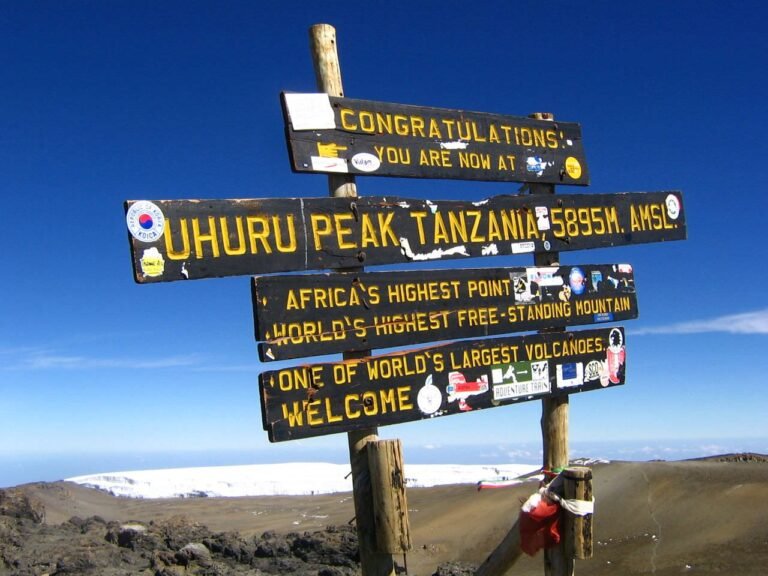
How To Reduce Your Kilimanjaro Trip Cost Without Cutting Safety In 2026-2027
Climbing Kilimanjaro is a dream for many, but the cost can be a barrier. This guide reveals smart strategies to reduce your Kilimanjaro trip cost for 2026-2027 while ensuring your safety...
View package detailsIs It Safe To Climb Mount Kilimanjaro? Expert Safety Guide 2026-2027
Mount Kilimanjaro is a dream for many adventurers, but safety is paramount. This guide breaks down the factors that contribute to a safe climb, from altitude sickness to operator choice...
View package details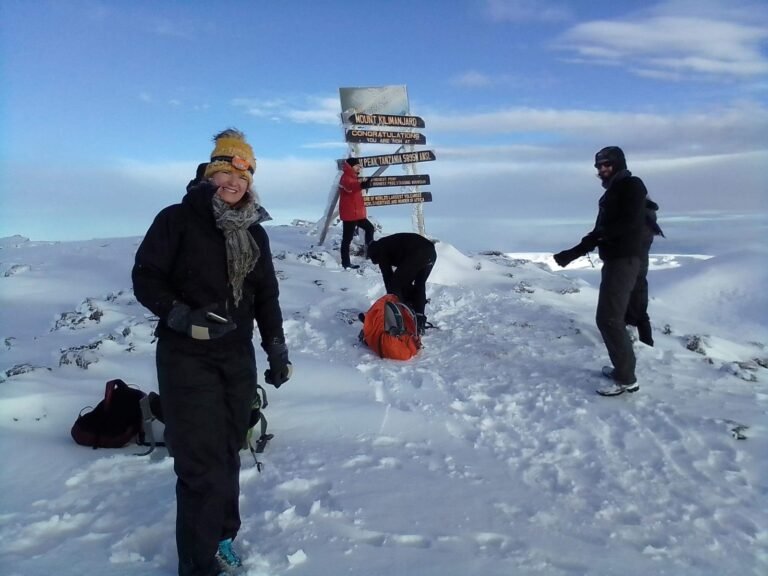
Kilimanjaro Camps Ranked By Views, Altitude And Comfort 2026-2027
Kilimanjaro Camps Ranked by Views, Altitude and Comfort is explained with current 2026-2027 planning, price, itinerary and booking information.
View package details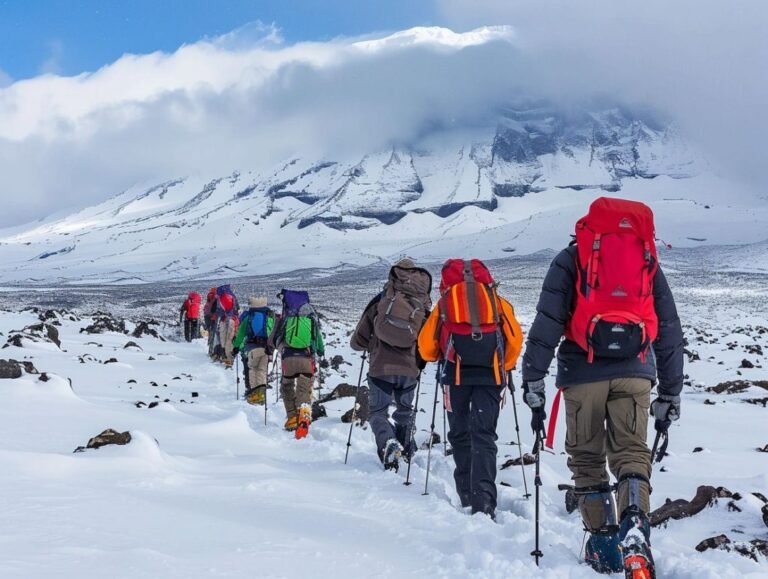
Kilimanjaro Safety Equipment Every Operator Should Carry Guide
Ensuring climber safety on Kilimanjaro requires operators to carry specific equipment. This article details the essential safety gear, first aid provisions, and emergency communication...
View package details
Kilimanjaro Safety Questions To Ask Before Booking Your Climb 2026-2027
Before booking your Kilimanjaro climb, asking the right safety questions is paramount. This guide covers essential queries about guide qualifications, altitude sickness protocols, emergency...
View package details
Kilimanjaro Travel Insurance And High-Altitude Cover Explained 2026-2027
Planning a Kilimanjaro climb in 2026 or 2027 requires specific travel insurance that covers high-altitude trekking and potential medical emergencies. This guide details what you need to...
View package details
Kilimanjaro Vs Mount Meru: Altitude, Cost And Difficulty 2026-2027
Kilimanjaro vs Mount Meru: Altitude, Cost and Difficulty is explained with current 2026-2027 planning, price, itinerary and booking information.
View package details
Our Kilimanjaro Safety And Emergency Procedures 2026-2027
Our Kilimanjaro Safety and Emergency Procedures is explained with current 2026-2027 planning, price, itinerary and booking information.
View package detailsNo closely related package is available for this topic yet.



