
The best Ngorongoro Conservation Area safari from Arusha for 2026-2027 offers an exceptional wildlife experience, focusing on the unique Ngorongoro Crater with its high density of animals, including the Big Five. Typically, these safaris range from 1 to 3 days, often combined with other Northern Circuit parks, and are best booked through experienced local operators like Top Guide Adventures for personalized planning and smooth execution. Expect to see lions, elephants, rhinos, buffalo, and hippos, alongside a vast array of birdlife, within the crater floor, making it a premier destination for photographers and wildlife enthusiasts.
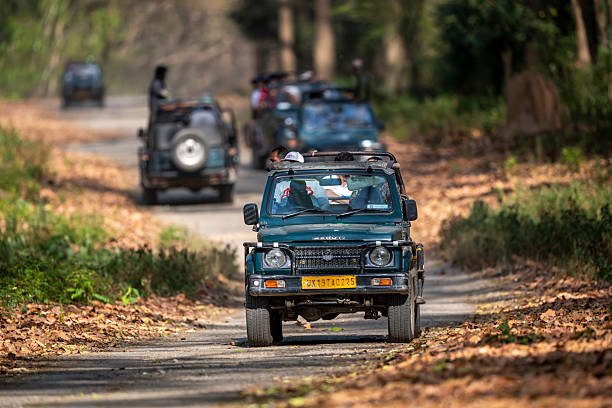

Experiencing the Ngorongoro Conservation Area: A Premier Safari Destination from Arusha
The Ngorongoro Conservation Area (NCA) stands as a jewel in Tanzania’s crown of natural wonders, offering a safari experience unlike any other. For travelers basing themselves in Arusha, the gateway city to Tanzania’s northern safari circuit, the NCA represents a must-visit destination. Its centerpiece, the Ngorongoro Crater, is a UNESCO World Heritage Site and a natural amphitheater teeming with wildlife, making it a focal point for countless Tanzania safari itineraries. Planning your best Ngorongoro Conservation Area safari from Arusha for the 2026-2027 season requires understanding what makes this area so special, how to best experience it, and how to secure a memorable adventure.
Top Guide Adventures specializes in crafting these unforgettable journeys, ensuring that your trip to the Ngorongoro Conservation Area is both spectacular and smoothly managed. From the moment you depart Arusha, our team is dedicated to providing a personal touch, expert guidance, and unwavering support.
Why Choose the Ngorongoro Conservation Area for Your 2026-2027 Safari?
The allure of the Ngorongoro Conservation Area is multifaceted. It’s not just a park; it’s a unique ecosystem that balances wildlife conservation with the traditional lifestyle of the Maasai people, who share the landscape. This duality creates a rich cultural and natural heritage.
- Unrivaled Wildlife Density: The crater floor, a caldera formed from a collapsed volcano, is home to an astonishing concentration of wildlife. It’s one of the few places in the world where you can reliably see the Big Five (lion, leopard, elephant, rhino, and buffalo) in a single day.
- The “Eighth Wonder of Africa”: This moniker, bestowed upon the crater, highlights its dramatic beauty and ecological significance. The sheer scale of the caldera, approximately 19 kilometers (12 miles) wide, is awe-inspiring.
- Year-Round Destination: While dry seasons (June-October and December-February) are popular, the NCA offers excellent game viewing throughout the year. The lush grasslands and permanent water sources within the crater sustain wildlife even during drier periods.
- Conservation Success Story: The NCA is a testament to successful conservation efforts, managing to protect a significant population of endangered black rhinos and other threatened species.
- Cultural Encounters: The presence of Maasai communities within the broader conservation area offers opportunities for respectful cultural interactions, adding another layer to your safari experience.
Planning Your Ngorongoro Safari from Arusha for 2026-2027
Arusha serves as the ideal starting point for any Ngorongoro Conservation Area safari. Its proximity to Kilimanjaro International Airport (JRO) and its well-established tourism infrastructure make it convenient for international travelers. Top Guide Adventures leverages Arusha as our operational hub to organize smooth safaris.
Key considerations for your 2026-2027 planning:
- Duration: Most Ngorongoro safaris from Arusha are designed as 1-day trips specifically for the crater, or as part of longer 3-day, 5-day, or 7-day Northern Circuit tours that include the Serengeti, Tarangire, and Lake Manyara. A dedicated 1-day Ngorongoro Crater tour is intense but rewarding. A 2-day trip allows for a more relaxed experience, potentially including a visit to a Maasai village or Olduvai Gorge.
- Best Time to Visit: While game viewing is excellent year-round, the peak seasons for safari in Tanzania, including Ngorongoro, are generally June to October (dry season) and December to February (short dry season). These periods see higher visitor numbers and potentially higher prices. For those seeking fewer crowds and potentially lower costs in 2026 or 2027, consider the shoulder months or the green season (March-May), though some roads can be challenging during heavy rains.
- Accommodation: Options range from budget-friendly campsites and lodges outside the crater rim to luxurious lodges and tented camps within or on the rim of the crater, offering unparalleled views. Top Guide Adventures can help you select accommodation that fits your budget and desired experience.
- Vehicle and Guide: A 4×4 safari vehicle is essential for navigating the terrain, especially on the steep crater descent and ascent. Your guide’s expertise is crucial for spotting wildlife, understanding animal behavior, and ensuring a safe and informative experience. Top Guide Adventures only uses well-maintained 4×4 vehicles and experienced, certified guides.
- Park Fees and Permits: Entrance fees, crater service fees, and concession fees are significant components of safari costs. These are typically included in package tours.
The Ngorongoro Crater Experience: A Day Trip from Arusha
A typical 1-day Ngorongoro Crater safari from Arusha is an early start and a long, rewarding day. It involves a scenic drive of about 3-4 hours to the crater rim, followed by a descent onto the crater floor for game drives. The focus is entirely on the caldera’s rich wildlife.
Typical 1-Day Ngorongoro Crater Safari Itinerary (Example)
- 06:00 AM: Early morning pick-up from your hotel in Arusha.
- 06:30 AM – 09:30 AM: Drive to the Ngorongoro Conservation Area gate. After completing park formalities, you’ll proceed to the crater rim for impressive views.
- 09:30 AM – 10:00 AM: Descend into the Ngorongoro Crater.
- 10:00 AM – 03:00 PM: Full game drive on the crater floor. This period is dedicated to exploring the diverse habitats within the crater, spotting the Big Five, numerous bird species, and other animals like zebras, wildebeest, hyenas, and hippos. A picnic lunch is usually enjoyed at a designated scenic spot by the hippo pool.
- 03:00 PM – 03:30 PM: Ascend from the crater floor.
- 03:30 PM – 06:30 PM: Drive back to Arusha.
- 06:30 PM onwards: Arrive back in Arusha and transfer to your hotel.
This intense schedule is designed to maximize your time on the crater floor, offering an incredible wildlife encounter within a single day. For those who prefer a more relaxed pace or wish to explore other aspects of the NCA, a 2-day or longer itinerary is recommended.
Beyond the Crater: Exploring the Wider Ngorongoro Conservation Area
While the crater is the main draw, the Ngorongoro Conservation Area is vast (8,288 sq km) and encompasses diverse landscapes and attractions.
Olduvai Gorge
Often referred to as the “Cradle of Mankind,” Olduvai Gorge is an archaeological site of immense importance. Here, paleoanthropologists have discovered some of the earliest human fossils. A visit provides a fascinating glimpse into human evolution and the ancient history of the region. Top Guide Adventures can incorporate a stop at Olduvai Gorge into your 2-day or longer Ngorongoro itineraries.
Maasai Bomas and Cultural Visits
The NCA is home to a significant Maasai population. Responsible tourism initiatives allow for visits to traditional Maasai villages (bomas) where you can learn about their unique culture, traditions, social structures, and daily life. These visits, when conducted ethically and respectfully, offer a valuable cultural exchange. Top Guide Adventures ensures that any cultural interactions are managed with the utmost respect for the Maasai people and their heritage.
Olmoti and Empakaai Craters
For the more adventurous, the smaller, steeper Olmoti and Empakaai craters offer different perspectives. Empakaai Crater, in particular, features a stunning alkaline lake and offers opportunities for walking safaris with armed rangers, providing a different kind of wildlife viewing experience away from the vehicle.
Accommodation Options in and around Ngorongoro
Choosing the right accommodation can significantly enhance your Ngorongoro Conservation Area safari experience.
Crater Rim Lodges
These lodges offer the ultimate convenience and impressive views directly overlooking the crater. Waking up to the sunrise over the caldera is an unforgettable experience. Examples include the Ngorongoro Serena Safari Lodge, Ngorongoro Crater Lodge, and the Ngorongoro Wildlife Lodge. These are typically higher-end options.
Lodges and Camps within the NCA
Several lodges and tented camps are situated within the wider NCA, offering a more secluded and in-depth experience. They provide excellent access to the crater and other attractions.
Lodges and Camps in Karatu and Nearby Areas
The town of Karatu, located just outside the NCA boundary, offers a range of mid-range to luxury lodges and guesthouses. Staying here can sometimes be more budget-friendly and provides a good base for exploring both the crater and surrounding areas.
Camping Options
For budget travelers and those seeking a more rustic experience, public campsites and special campsites are available within the NCA. These offer basic facilities but place you directly in the heart of the wilderness. Top Guide Adventures can arrange camping safaris for a more authentic connection with nature.
Wildlife Highlights of the Ngorongoro Crater
The Ngorongoro Crater is a wildlife paradise, a compact ecosystem supporting an incredible diversity of species. During your 2026-2027 safari, keep an eye out for:
- The Big Five:
- Lion: The crater boasts a healthy population of lions, often seen resting under acacia trees or on the open plains.
- Elephant: Large bull elephants are common, often seen near water sources.
- Cape Buffalo: Herds of buffalo are a common sight, often found grazing in large numbers.
- Rhinoceros: The endangered black rhino is a major attraction, with a good number residing in the crater. Spotting one is a highlight for many visitors.
- Leopard: While elusive, leopards do inhabit the crater, often found in wooded areas.
- Other Mammals: Expect to see vast herds of wildebeest and zebras, spotted hyenas, hippos in the permanent water bodies, gazelles, warthogs, and numerous other herbivores and carnivores. Jackals, cheetahs (though less common than in the Serengeti), and serval cats may also be sighted.
- Birdlife: The crater is a birdwatcher’s paradise, with over 400 species recorded. Look for flamingos (especially in the soda lakes), ostriches, secretary birds, kori bustards, various eagles, vultures, storks, and water birds.
Responsible Tourism in the Ngorongoro Conservation Area
As a UNESCO World Heritage Site and a vital conservation area, responsible tourism practices are paramount. Top Guide Adventures is committed to promoting sustainable safaris.
- Respect Wildlife: Maintain a safe distance from animals. Never feed them. Stay in your vehicle during game drives unless at designated picnic sites.
- Minimize Your Footprint: Stick to marked tracks to avoid damaging vegetation and disturbing wildlife. Do not litter; pack out everything you pack in.
- Support Local Communities: Engage respectfully with Maasai communities if you visit a boma. Purchase authentic handicrafts directly from artisans if you choose to buy souvenirs.
- Choose Sustainable Operators: Partner with tour operators like Top Guide Adventures that prioritize conservation, employ local guides, and adhere to ethical tourism standards.
What to Pack for Your Ngorongoro Safari in 2026-2027
Packing appropriately ensures comfort and readiness for your safari adventure.
Essential Packing List:
- Clothing
Check Availability for Best Ngorongoro Conservation Area Safari In Arusha, Tanzania 2026-2027
Ready to compare dates, prices, and the best option for your group? Send the package name and travel month so the team can reply with a clear quote, availability, and what is included.
12 closely related packages
Ngorongoro Conservation Area: Your Ultimate Tanzania Safari Guide 2026-2027
Explore the unparalleled biodiversity and unique landscape of the Ngorongoro Conservation Area. This comprehensive guide covers everything you need to know for planning your 2026-2027...
View package details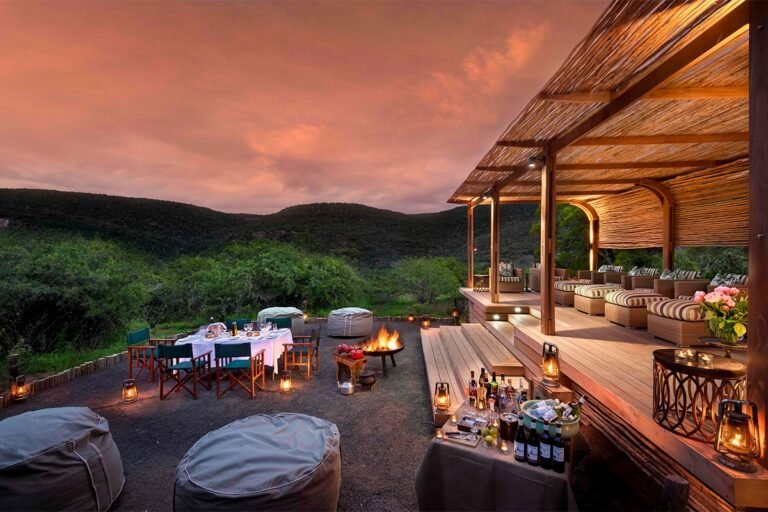
Ngorongoro Camping Fees And Lodge Prices For Safaris 2026-2027
Planning a safari to the Ngorongoro Conservation Area? This guide breaks down the camping fees and lodge prices you can expect for your 2026-2027 trip, helping you budget effectively.
View package details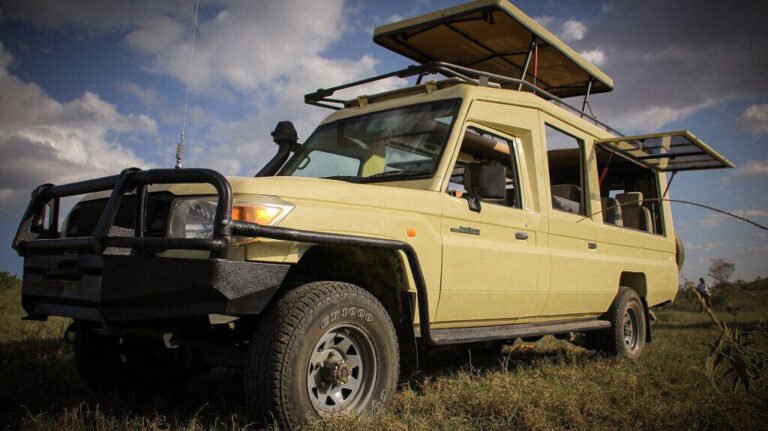
Ngorongoro Crater Safari Price Per Person: Your Guide 2026-2027
Discover the typical Ngorongoro Crater safari price per person for 2026-2027. This comprehensive guide breaks down cost factors, what's usually included, and how to plan your budget for...
View package details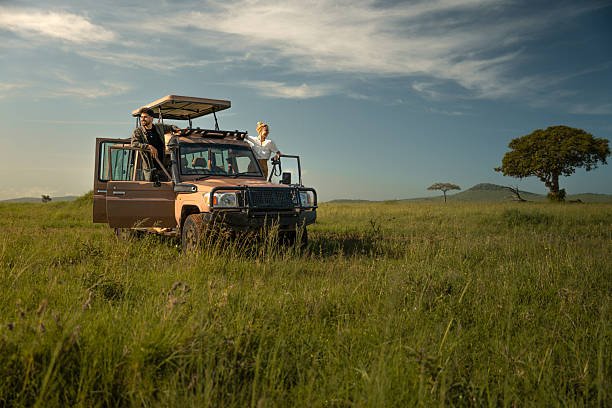
Tanzania Budget Safari Prices: Your Guide To Affordable Adventures 2026-2027
Planning a budget safari in Tanzania for 2026 or 2027? Understand the typical price ranges, what influences costs, and how to get the most value for your money. This guide breaks down the...
View package details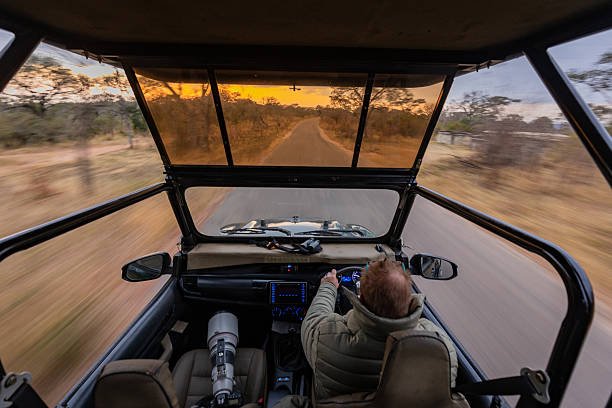
Tanzania National Park Entry Fees: A Complete Guide For 2026-2027
Planning a Tanzanian safari? This guide breaks down the 2026-2027 entry fees for all major national parks, helping you budget effectively for Serengeti, Ngorongoro, and beyond.
View package details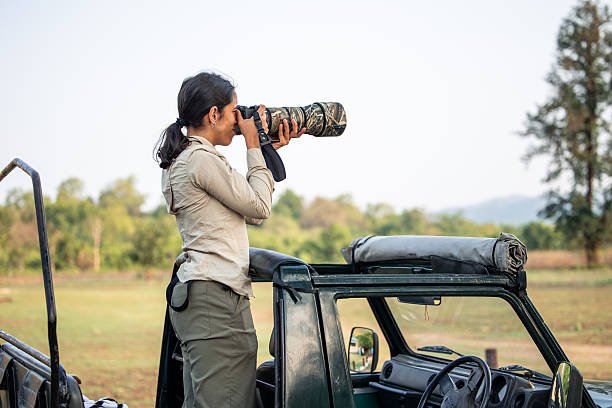
Tanzania Attraction Entry Fees: Guide To Park And Reserve Costs For 2026-2027
Planning a trip to Tanzania? This comprehensive guide details the essential Tanzania attraction entry fees for 2026-2027, covering national parks, conservation areas, and cultural sites...
View package details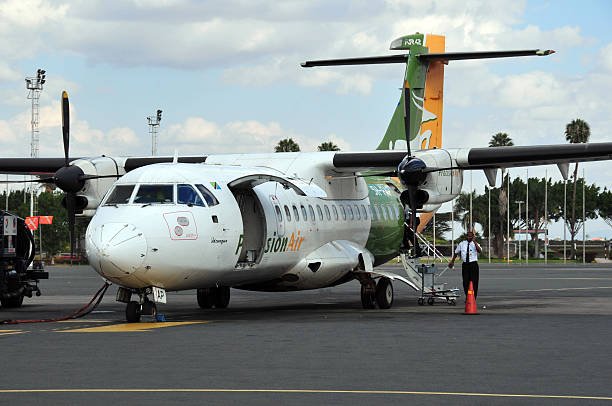
Tanzania Private Safari Prices 2026-2027
Tanzania Private Safari Prices is explained with current 2026-2027 planning, price, itinerary and booking information.
View package details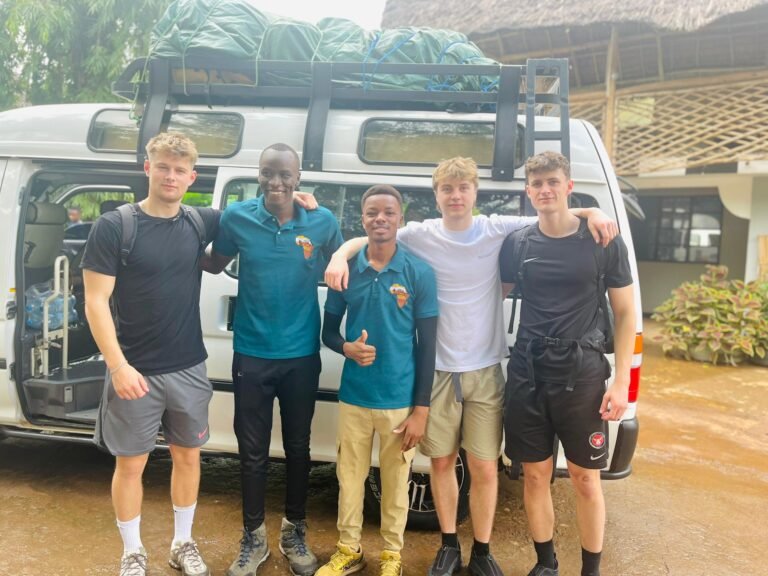
Tanzania Photography Safari Prices: Your Comprehensive Guide 2026-2027
Planning a photography safari in Tanzania for 2026 or 2027? This guide breaks down the expected costs, helping you budget for an unforgettable wildlife photography adventure. Learn what...
View package details
Tanzania Wildlife Safari Cost Breakdown: Your Budget Guide 2026-2027
Planning a Tanzania wildlife safari involves understanding the key cost components. This guide provides a detailed breakdown for 2026-2027, covering everything from park fees and...
View package details
Katavi National Park: Tanzanias Untamed Wilderness Safari Guide 2026-2027
Katavi National Park offers an unparalleled safari experience in Tanzania's remote wilderness. This guide explores its vast landscapes, abundant wildlife, best visiting times for 2026-2027...
View package detailsTanzania Fly-In Safari Prices 2026-2027
Tanzania Fly-In Safari Prices is explained with current 2026-2027 planning, price, itinerary and booking information.
View package details
Tanzania Group Safari Cost Guide
Planning a Tanzania group safari in 2026-2027? This comprehensive guide breaks down the Tanzania group safari cost, detailing what influences prices, typical inclusions, and how to budget...
View package detailsNo related package matches those filters. Clear one or more filters to see the other topic-matched options.



