
Traveling from the USA to Tanzania primarily involves flying into one of its major international airports, typically Kilimanjaro International Airport (JRO) for Northern Circuit safaris or Julius Nyerere International Airport (DAR) in Dar es Salaam for Southern Circuit adventures and Zanzibar. Most journeys require at least one layover, often in European hubs like Amsterdam, Paris, or London, or Middle Eastern cities such as Doha or Dubai. For 2026-2027 travel, booking flights several months in advance is recommended for the best fares and availability, with direct flights from the US to Tanzania not being an option. Entry requirements include a valid passport, a visa (obtainable online or upon arrival, though pre-application is advised), and potentially proof of yellow fever vaccination depending on your transit points.
Planning Your Journey: USA to Tanzania in 2026-2027
Embarking on a journey from the United States to Tanzania is an exciting prospect, promising unparalleled wildlife encounters, impressive landscapes, and vibrant cultural experiences. Whether your dream is to witness the Great Migration in the Serengeti, descend into the Ngorongoro Crater, climb Mount Kilimanjaro, or relax on the pristine beaches of Zanzibar, careful planning is key. This guide is designed to provide you with all the essential information needed to navigate the process of getting from the USA to Tanzania, ensuring a smooth and memorable adventure for your 2026-2027 travels.
The primary considerations for any international trip, especially one as far-flung as Tanzania, revolve around transportation, entry requirements, timing, and the overall travel experience. We’ll break down each of these critical elements to help you make informed decisions.
Understanding the Routes: Where Will You Land?
Tanzania, a vast and diverse country, has two main international gateways that most travelers from the USA will utilize. The choice often depends on your intended itinerary.
Kilimanjaro International Airport (JRO) – The Gateway to Northern Tanzania
Kilimanjaro International Airport (JRO), also known as Kilimanjaro International Seiringa Airport, is the preferred entry point for most tourists heading to the Northern Circuit. This region is home to Tanzania’s most famous national parks and attractions:
- Serengeti National Park: Famous for the Great Migration and abundant wildlife.
- Ngorongoro Conservation Area: Home to the stunning Ngorongoro Crater, a caldera teeming with wildlife.
- Tarangire National Park: Known for its large elephant herds and baobab trees.
- Lake Manyara National Park: Famous for its tree-climbing lions and diverse birdlife.
- Mount Kilimanjaro: Africa’s highest peak, a major draw for trekkers.
- Arusha: The main safari hub city, providing access to hotels, tour operators, and domestic flights.
Flying into JRO means you are strategically positioned to begin your safari or climb with minimal additional travel time within Tanzania. Most tour operators based in Arusha will arrange airport pickups from JRO.
Julius Nyerere International Airport (DAR) – Gateway to Southern Tanzania and Zanzibar
Located in Dar es Salaam, Tanzania’s largest city and former capital, Julius Nyerere International Airport (DAR) serves as the primary gateway for those exploring the southern part of the country or heading directly to the spice island of Zanzibar.
- Southern Circuit Parks: Including Selous Game Reserve (now Nyerere National Park) and Ruaha National Park, offering a more remote and less crowded safari experience.
- Zanzibar: The archipelago offers beautiful beaches, historical Stone Town, and unique cultural experiences. Direct flights or short ferry trips connect Dar es Salaam to Zanzibar.
- Dar es Salaam: A bustling coastal city that serves as a commercial hub and offers insights into urban Tanzanian life.
If your itinerary focuses on the unique wildlife of the south or the tropical allure of Zanzibar, DAR is likely your most convenient arrival point.
The Flight Experience: USA to Tanzania
Direct flights from the United States to Tanzania do not exist. Therefore, all journeys will involve at least one stopover. The total travel time can range from 18 to 30+ hours, depending on the specific route, layover duration, and your departure city in the USA.
Major Airlines and Hubs
Several major international airlines operate routes that connect the USA to Tanzania. Common layover points include:
- Europe: Amsterdam (AMS) with KLM, Paris (CDG) with Air France, London (LHR) with British Airways, Frankfurt (FRA) with Lufthansa.
- Middle East: Doha (DOH) with Qatar Airways, Dubai (DXB) with Emirates.
- Africa: Addis Ababa (ADD) with Ethiopian Airlines, Nairobi (NBO) with Kenya Airways (often requires a separate short flight to Tanzania).
The choice of airline and layover city can impact flight duration, cost, and overall comfort. Consider factors like baggage allowances, in-flight entertainment, and the length of your layover.
Booking Your Flights: Tips for 2026-2027
Securing the best flight deals requires strategic booking:
- Book in Advance: For 2026-2027 travel, aim to book your international flights at least 3 to 6 months ahead, especially if you plan to travel during peak safari seasons (June to October, and December to February).
- Flexibility with Dates: If your travel dates are flexible, you might find better prices by shifting your departure or return by a few days. Traveling during the shoulder seasons (e.g., March-May, November) can also offer savings.
- Compare Airlines and Routes: Use flight comparison websites (like Google Flights, Skyscanner, Kayak) but also check airline websites directly. Pay attention to the total travel time and the layover duration.
- Consider Different Departure Airports: If you live near multiple major international airports in the USA, compare prices from each.
- Baggage Allowances: Safari luggage is often restricted, especially for small bush planes. Check airline policies carefully and plan accordingly. Soft duffel bags are usually preferred over hard suitcases.
Entry Requirements for US Citizens
Navigating entry requirements is crucial for a hassle-free arrival in Tanzania. As of recent guidelines, US citizens must meet the following criteria:
Passport Validity
Your US passport must be valid for at least six months beyond your intended stay in Tanzania and have at least one blank page for entry and exit stamps. Ensure your passport is up-to-date well before your travel dates.
Visa Requirements for Tanzania
US citizens require a visa to enter Tanzania for tourism or business purposes. There are several ways to obtain one:
- Online Visa Application (eVisa): This is the recommended method for most travelers. You can apply through the official Tanzanian immigration website. The process typically takes a few business days to process. Have your passport details, travel itinerary, and accommodation information ready.
- Visa on Arrival: It is possible to obtain a visa upon arrival at Kilimanjaro International Airport (JRO) or Julius Nyerere International Airport (DAR). However, this can sometimes involve long queues and potential delays, especially during peak travel times. It’s generally safer and more efficient to secure your visa in advance.
- Embassy Application: You can also apply for a visa through the Tanzanian Embassy in Washington D.C. before your departure, though this is less common for typical tourist travel.
Visa Fees: The standard tourist visa fee for US citizens is typically around $100 USD, payable in USD cash if obtaining on arrival, or via credit card/online payment for the eVisa. Always check the latest fee structure on the official immigration website.
Health and Vaccination Recommendations
While not always mandatory for direct entry from the US, certain vaccinations and health precautions are strongly advised:
- Yellow Fever: A yellow fever vaccination certificate is required if you are arriving from, or have transited for more than 12 hours through, a country with a risk of yellow fever transmission. This includes many countries in Africa and South America. Even if not strictly required for direct US entry, it’s wise to check current regulations and carry proof if you’ve traveled through affected regions.
- Other Recommended Vaccinations: Consult your doctor or a travel clinic about vaccinations for Hepatitis A, Typhoid, Hepatitis B, Rabies, and routine vaccines like Measles-Mumps-Rubella (MMR), Diphtheria-Tetanus-Pertussis, and Influenza.
- Malaria Prevention: Tanzania is a malaria-risk area, particularly in coastal regions and lower-altitude areas. Discuss malaria prophylaxis options with your doctor. Mosquito repellent, long sleeves, and nets are also important preventive measures.
- COVID-19: While many travel restrictions have eased, it’s essential to check the latest COVID-19 entry requirements for Tanzania and any transit countries closer to your travel date in 2026-2027.
Best Time to Travel: Seasons in Tanzania
Tanzania experiences distinct seasons that can significantly impact your travel experience, wildlife viewing, and costs. Understanding these seasons is crucial for planning your 2026-2027 trip.
Dry Seasons (Peak Tourist Seasons)
- June to October: This is the prime time for safaris. The weather is generally dry and sunny with cooler temperatures, especially in June, July, and August. This period is ideal for game viewing as animals congregate around water sources, and the grass is shorter. It’s also the best time to witness the Great Migration river crossings in the Serengeti (typically July-September). This is also a prime season for climbing Mount Kilimanjaro. Due to its popularity, expect higher prices and more crowds.
- December to February: Another dry period, often referred to as the “short rains” or “green season” interspersed with sunny days. This is a good time for wildlife viewing, especially for birdwatchers as migratory birds arrive. It’s also calving season for wildebeest in the southern Serengeti, offering excellent predator-prey action. This period can be busier due to holiday travel.
Wet Seasons (Low/Shoulder Seasons)
- March to May: This is the main rainy season, characterized by heavy downpours, particularly in April and May. While game viewing can be more challenging due to dense vegetation and dispersed animals, it offers lush green landscapes and significantly fewer tourists. Prices for safaris and accommodation are often lower. It’s generally not the ideal time for climbing Kilimanjaro due to rain and potential trail conditions.
- November: Often considered a shoulder month, November can experience short, scattered rains. It’s a transition period with fewer crowds and potentially good game viewing as the landscape begins to green up.
Choosing your dates for 2026-2027 depends on your priorities: For the best wildlife viewing and weather, aim for the dry seasons. For budget-conscious travelers or those seeking a quieter experience, the wet or shoulder seasons can be attractive.
Getting Around Tanzania: Post-Arrival Transportation
Once you arrive in Tanzania, you’ll need to consider how you’ll travel between destinations. Your choice of transport will largely depend on your itinerary, budget, and preferred travel style.
Safari Vehicles
For most tourists on a safari, the primary mode of transport within national parks and game reserves is a custom-built safari vehicle. These are typically:
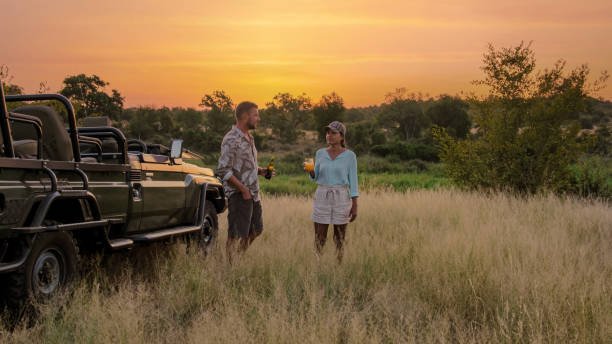
- 4×4 Land Cruisers or Land Rovers: These robust vehicles are equipped with pop-up roofs for optimal game viewing and photography, comfortable seating, and ample space for luggage. They are essential for navigating the sometimes challenging terrain of the parks.
- Safari Minibuses: Some budget operators may use minibuses, which are generally less comfortable and offer less versatile game viewing than 4x4s.
Your tour operator will usually provide the vehicle and an experienced driver-guide. Ensure your chosen operator uses reliable 4×4 vehicles for the best experience.
Domestic Flights
For longer distances or to save time, domestic flights are a popular option within Tanzania:
- Between Major Hubs: Flights connect Kilimanjaro (JRO), Arusha, Dar es Salaam (DAR), and Zanzibar frequently.
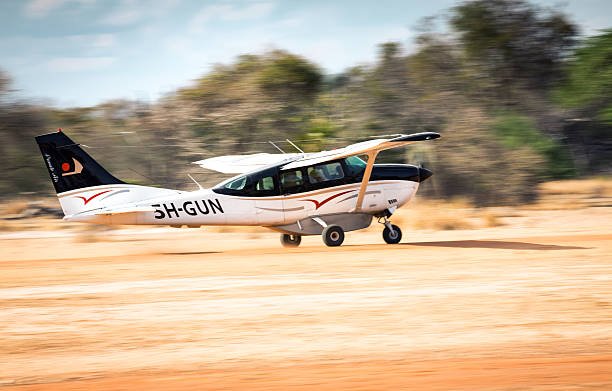
- To Remote Parks: Bush airstrips serve many national parks, including the Serengeti and Selous. This can significantly cut down travel time, especially if you are starting or ending your safari in different regions. For example, flying directly into a Serengeti airstrip from Arusha or Kilimanjaro saves a long drive.
- Airlines: Major domestic carriers include Precision Air, Coastal Aviation, and Auric Air.
Luggage Restrictions: Be mindful of strict luggage weight limits (usually around 15-20 kg per person) and the requirement for soft-sided bags on these smaller aircraft.
Road Travel and Transfers
Road travel is common for transfers between airports, hotels, and park gates, and for overland safaris.
- Private Transfers: Your tour operator will arrange private transfers from airports to your accommodation or the start of your safari.
- Public Transport: While available (buses, dala-dalas), public transport is generally not recommended for tourists due to time constraints, comfort levels, and potential safety concerns for long distances.
- Kilimanjaro Climb Logistics: For Kilimanjaro treks, transport from Arusha or Moshi to the various park gates (Machame, Marangu, etc.) is typically included in climbing packages.
Ferries to Zanzibar
If traveling between Dar es Salaam and Zanzibar, the most common method is the fast ferry. Several companies operate this route, with journeys taking approximately 1.5 to 2 hours. Tickets can be purchased at the ferry terminal or sometimes in advance through tour operators.
Choosing Your Tanzania Adventure: Safari, Climb, or Beach?
Tanzania offers a diverse range of experiences. Your decision on how to get there might be influenced by what you want to do once you arrive.
Tanzania Safaris: The Classic Experience
Tanzania is synonymous with safaris. The Northern Circuit is the most popular, offering iconic sights. The Southern Circuit provides a more exclusive experience.
Northern Circuit Safaris
Typically accessed via JRO, a Northern Circuit safari often includes:
- Serengeti National Park
- Ngorongoro Crater
- Tarangire National Park
- Lake Manyara National Park
- Optional: Ol Doinyo Lengai (active volcano), Maasai villages
Typical Duration: 5 to 10 days.
Travel Style: Can range from budget camping to mid-range lodges and luxury tented camps.
Southern Circuit Safaris
Accessed via DAR, this circuit offers vast, wild landscapes:
- Nyerere National Park (formerly Selous): Known for its boat safaris and walking safaris.
- Ruaha National Park: Tanzania’s largest park, with a high concentration of elephants and predators.
Typical Duration: 4 to 7 days.
Travel Style: Tends to be more exclusive and often pricier due to the remoteness and limited infrastructure.
Mount Kilimanjaro Climbs
Tanzania’s highest peak is a bucket-list item for many adventurers. Climbs are typically arranged from Arusha or Moshi.
- Popular Routes: Machame, Lemosho, Marangu, Rongai, Umbwe.
- Duration: Varies from 5 days (Marangu) to 9 days (Lemosho, Machame).
- Best Time to Climb: Dry seasons (June-October, December-February).
- Booking: Essential to book with a reputable operator well in advance, especially for 2026-2027 climbs.
Example Itinerary: Many travelers combine a Kilimanjaro climb with a short safari before or after. This often means flying into JRO, undertaking the climb, and then starting a safari from Arusha.
Zanzibar Holidays
The “Spice Island” offers a tropical escape with a rich history.
- Activities: Beaches (Nungwi, Paje), Stone Town (UNESCO World Heritage site), spice tours, snorkeling, diving (Mnemba Atoll), Jozani Forest (red colobus monkeys).
- Access: Fly into Zanzibar International Airport (ZNZ) or take the ferry from Dar es Salaam.
- Duration: Typically 3 to 7 days.
Combining Destinations: Zanzibar is often combined with Northern Circuit safaris, flying from Arusha or Kilimanjaro to Zanzibar, or with Southern Circuit trips via Dar es Salaam.
Planning Your Budget: Costs for USA to Tanzania Travel in 2026-2027
The cost of traveling from the USA to Tanzania can vary significantly based on your travel style, the duration of your trip, the activities you choose, and the time of year. Here’s a breakdown of potential expenses:
International Flights
Flights from the USA to Tanzania are one of the largest expenses. Prices fluctuate based on:
- Departure City: Flights from major hubs like New York or Washington D.C. might be more competitive than from smaller cities.
- Time of Year: Peak seasons (June-Oct, Dec-Feb) are significantly more expensive than the low season (April-May).
- Booking Window: Booking 3-6 months in advance is crucial for better rates.
- Airline and Route: Different airlines and layover combinations will have varying price points.
Estimated Cost: Expect to pay anywhere from $1,000 to $2,000+ USD per person for a round-trip economy ticket for 2026-2027 travel. Business or first-class tickets can range from $4,000 to $10,000+ USD.
Visa Fees
As mentioned, the visa fee for US citizens is typically around $100 USD per person.
Tanzania Ground Costs
This is where costs can vary the most, depending on your chosen activities:
Estimated Daily Costs in Tanzania (per person)
| Category | Budget (Camping Safaris, Basic Guesthouses) | Mid-Range (Comfortable Lodges, Tented Camps) | Luxury (High-End Lodges, Exclusive Camps) |
|---|---|---|---|
| Safari (Northern Circuit) | $200 – $350 | $350 – $600 | $600 – $1,200+ |
| Kilimanjaro Climb (7-day) | $1,500 – $2,500 (package) | $2,500 – $4,000 (package) | $4,000 – $7,000+ (package) |
| Zanzibar (Mid-range beach lodge) | $80 – $150 | $150 – $300 | $300 – $600+ |
| Food & Drinks (outside packages) | $20 – $40 | $40 – $70 | $70 – $150+ |
Note: Safari and Kilimanjaro costs are often quoted as comprehensive packages including accommodation, park fees, vehicle, guide, and meals. Zanzibar costs are more variable.
Park Fees: National Park entry fees are a significant component of safari costs, often ranging from $50 to $70+ USD per person per day, plus vehicle fees. These are usually included in package prices.
Other Potential Costs
- Travel Insurance: Essential, covering medical emergencies, trip cancellation, and lost luggage. Budget around $100-$300 USD.
- Tips: For guides, drivers, camp staff. A typical tip for a safari driver-guide is $20-$30 USD per day per group.
- Vaccinations and Medications: Costs vary depending on your healthcare provider.
- Souvenirs and Personal Expenses.
Overall Budget Guidance for a 10-14 Day Trip (excluding international flights):
- Budget Traveler: $2,000 – $3,500 USD per person.
- Mid-Range Traveler: $4,000 – $7,000 USD per person.
- Luxury Traveler: $8,000+ USD per person.
These are estimates for 2026-2027 and can be refined with a specific itinerary.
Essential Packing List for Tanzania
Packing smart is crucial for comfort and convenience, especially considering the diverse activities and climates you might encounter in Tanzania.
Clothing Essentials
- Lightweight, Breathable Clothing: Neutral colors (khaki, beige, olive green) are best for safaris to avoid startling wildlife. Cotton or quick-dry fabrics are ideal.
- Long-Sleeved Shirts and Trousers: Protect against sun and insects, especially in the evenings.
- Shorts and T-shirts: For warmer days.
- Fleece Jacket or Warm Sweater: Evenings and early mornings can be cool, especially at higher altitudes or during dry seasons.
- Waterproof/Windproof Jacket: Essential for unexpected rain showers or cooler conditions.
- Swimsuit: For hotel pools or Zanzibar beaches.
- Comfortable Walking Shoes/Hiking Boots: Broken-in and waterproof if possible, especially for Kilimanjaro or walking safaris.
- Sandals or Flip-flops: For relaxing at lodges or on the beach.
- Hat: Wide-brimmed for sun protection.
- Scarf or Bandana: Useful for dust protection on safari or sun protection.
Safari and Activity Gear
- Binoculars: A must-have for wildlife viewing.
- Camera with Extra Batteries and Memory Cards: You’ll take plenty of photos! Consider a zoom lens.
- Power Bank/Portable Charger: For charging devices on the go.
- Adapter: Tanzania uses Type G (UK-style) sockets, 230V.
- Headlamp or Small Flashlight: Useful for navigating camps at night.
Health and Toiletries
- Personal First-Aid Kit: Including pain relievers, antiseptic wipes, bandages, motion sickness medication, antihistamines, and any personal prescriptions.
- Insect Repellent: With DEET or Picaridin.
- Sunscreen: High SPF.
- Hand Sanitizer.
- Malaria Medication (if prescribed).
- Toiletries: Biodegradable options are appreciated.
Documents and Money
- Passport and Visa Copies: Keep digital and physical copies separate from the originals.
- Flight Itineraries and Hotel Bookings.
- Yellow Fever Certificate (if required).
- Credit/Debit Cards and Cash: USD is widely accepted for visas, tips, and some purchases. Euros are also useful. Carry smaller USD bills for easy transactions. Inform your bank of your travel dates.
Important Note on Luggage:
For flights within Tanzania or to remote areas, soft-sided duffel bags are essential due to weight and space limitations on smaller aircraft. Hard suitcases are generally not permitted on bush flights.
Safety and Health Considerations
While Tanzania is a popular tourist destination, it’s important to be aware of safety and health guidelines.
General Safety Tips
- Listen to Your Guide: Always follow the instructions of your safari driver-guide or tour leader. They are experienced and knowledgeable about local conditions and wildlife behavior.
- Wildlife Safety: Never approach or feed wild animals. Maintain a safe distance and stay inside your vehicle when instructed.
- City Safety: In cities like Arusha or Dar es Salaam, be aware of your surroundings, avoid displaying valuable items, and use reputable taxis.
- Water Safety: Drink only bottled or purified water. Avoid ice in drinks unless you are sure it’s made from purified water.
- Food Safety: Eat at reputable restaurants and lodges. Be cautious with street food.
Health Precautions
As discussed earlier, consult your doctor about necessary vaccinations and malaria prevention well in advance of your 2026-2027 trip. Ensure you have adequate travel insurance that covers medical evacuation.
Cultural Etiquette and Respect
Tanzania is a diverse country with rich cultural traditions. Showing respect for local customs will enhance your experience.
- Greetings: A simple ‘Jambo’ (hello) or ‘Habari’ (how are you?) is appreciated. Learning a few Swahili phrases can go a long way.
- Dress Code: While tourist areas are generally relaxed, it’s respectful to dress modestly when visiting villages or towns, especially for women. Avoid overly revealing clothing. In Zanzibar, which is predominantly Muslim, more conservative dress is advised outside of beach resorts.
- Photography: Always ask permission before taking photos of people.
- Bargaining: Haggling is common in local markets, but do so politely and with a smile.
- Respect Elders: Show deference to older individuals.
Booking Your Tanzania Adventure with Top Guide Adventures
When planning your trip from the USA to Tanzania for 2026-2027, choosing a reliable and experienced tour operator is paramount. Top Guide Adventures is dedicated to providing unforgettable Tanzanian experiences with personal attention and expert guidance.
Why Choose Top Guide Adventures?
- Local Expertise: We are a trusted Tanzanian company with deep knowledge of the country’s parks, wildlife, and culture.
- Tailor-Made Journeys: We specialize in creating customized itineraries to match your interests, budget, and travel style. Whether it’s a Serengeti safari, a Kilimanjaro climb, or a Zanzibar beach holiday, we craft the perfect trip.
- Personalized Service: We offer dedicated support throughout your planning process and during your trip.
- Quality Safari Vehicles and Guides: We ensure you travel in comfortable, well-maintained 4×4 safari vehicles with experienced, English-speaking driver-guides.
- Comprehensive Packages: Our safaris and climbs often include park fees, accommodation, meals, and transfers, simplifying your planning.
How to Book Your 2026-2027 Trip
Ready to start planning your dream Tanzanian adventure? It’s simple:
- Contact Us: Reach out via email at topguideadventures@gmail.com or info@topguideadventurestanzania.com. You can also message us directly on WhatsApp at +255616946642.
- Tell Us Your Vision: Share your desired dates for 2026-2027, preferred activities (safari, climb, beach), number of travelers, budget range, and any specific interests.
- Custom Itinerary: We will work with you to design a personalized itinerary and provide a detailed quote.
- Confirmation and Deposit: Once you approve the itinerary, a deposit will be required to secure your bookings.
- Final Preparations: We’ll provide detailed pre-departure information and support leading up to your trip.
Don’t just dream about Tanzania; let Top Guide Adventures help you experience it. We look forward to helping you plan your unforgettable journey from the USA to Tanzania in 2026 or 2027!
“,
“faq_schema”: [
{
“question”: “What is the best way to fly from the USA to Tanzania?”,
“answer”: “The best way to fly from the USA to Tanzania is by booking a flight into either Kilimanjaro International Airport (JRO) for Northern Circuit safaris or Julius Nyerere International Airport (DAR) in Dar es Salaam for Southern Circuit safaris and Zanzibar. Since there are no direct flights, you will have at least one layover, commonly in European or Middle Eastern hubs. Booking flights 3-6 months in advance for 2026-2027 travel is recommended for better prices and availability.”
},
{
“question”: “Do I need a visa to enter Tanzania from the USA?”,
“answer”: “Yes, US citizens need a visa to enter Tanzania for tourism. You can apply for an eVisa online through the official Tanzanian immigration website before your trip, which is the recommended method for 2026-2027 travel. Alternatively, you can obtain a visa upon arrival at the airport, but this may involve longer waits. The standard tourist visa fee is approximately $100 USD.”
},
{
“question”: “What is the best time of year to visit Tanzania from the USA?”,
“answer”: “The best times to visit Tanzania are during the dry seasons: June to October (ideal for game viewing, migration river crossings, and Kilimanjaro climbs) and December to February (good for wildlife, calving season, and birdwatching). These are peak seasons, so expect higher prices and more visitors for 2026-2027 travel. The shoulder seasons (November, March) and low season (April-May) offer fewer crowds and lower prices but may have unpredictable rains.”
},
{
“question”: “How much does it cost to travel from the USA to Tanzania?”,
“answer”: “The cost varies greatly. International flights from the USA typically range from $1,000 to $2,000+ USD per person for economy. Ground costs for a 10-14 day trip (safari, accommodation, park fees, etc.) can range from $2,000-$3,500 USD for budget travelers, $4,000-$7,000 USD for mid-range, and $8,000+ USD for luxury travelers for 2026-2027. Visa fees are around $100 USD.”
},
{
“question”: “What vaccinations are needed for Tanzania?”,
“answer”: “A Yellow Fever vaccination certificate is required if arriving from or transiting through a country with a risk of Yellow Fever. Consult your doctor or a travel clinic about other recommended vaccinations such as Hepatitis A, Typhoid, and Malaria prevention medication. It’s crucial to get advice specific to your health and travel plans for 2026-2027.”
}
]
}
“`
Check Availability for How To Get From Usa To Tanzania 2026-2027
Ready to compare dates, prices, and the best option for your group? Send the package name and travel month so the team can reply with a clear quote, availability, and what is included.



