
The best time for a wildebeest calving safari in Simiyu, Tanzania, for the 2026-2027 season is typically from late January through March, with peak calving usually occurring in February. This period concentrates the herds in the southern Serengeti plains and adjacent areas like Maswa Game Reserve, offering unparalleled opportunities to witness newborn wildebeest and the predators that follow them.
Witnessing the Miracle: Your Guide to the 2026-2027 Wildebeest Calving Safari in Simiyu, Tanzania
The Great Migration is one of Earth’s most astonishing natural spectacles, and its most tender phase – the wildebeest calving – is a particularly poignant and rewarding experience for safari-goers. Simiyu region, bordering the vast Serengeti National Park, becomes the epicenter of this miracle of life during the early months of the year. For travelers planning a trip for the 2026-2027 season, understanding the nuances of this event is key to an unforgettable adventure. Top Guide Adventures specializes in crafting bespoke safari experiences that place you at the heart of the action, ensuring you don’t miss a moment of the drama and beauty that unfolds on the plains.
This guide is designed to provide you with comprehensive information to plan your best wildebeest calving safari in Simiyu, Tanzania, 2026-2027. We will explore the optimal timing, the most promising locations within Simiyu and its surroundings, what to expect in terms of wildlife encounters, essential photography advice, and how to choose the right safari operator to make your dream a reality.
Understanding the Great Migration’s Calving Season
The annual Great Migration is a relentless journey undertaken by over 1.5 million wildebeest, accompanied by hundreds of thousands of zebras and gazelles, as they follow the rains in search of fresh grazing. While the dramatic river crossings often steal the spotlight, the calving season is arguably the most critical phase for the survival of the species. It’s a period of intense vulnerability and fierce competition, a true testament to nature’s cycle of life and death.
The Cycle of Life on the Plains:
- Timing is Everything: The wildebeest are driven by instinct and environmental cues. After the rains arrive in the southern Serengeti and Maswa Game Reserve, typically around November and December, the pregnant females begin to congregate. The gestation period for wildebeest is approximately 8.5 months.
- Peak Calving: While births can start earlier and extend later, the densest period of calving usually falls between late January and mid-March. The majority of calves are born within a concentrated window of about two to three weeks, often in February.
- Why Simiyu? The fertile grasslands of the southern Serengeti, which extend into the Simiyu region and are closely linked to areas like Maswa Game Reserve, provide the essential sustenance for the herds and their newborns during this vulnerable time. This area offers rich pastures and water sources crucial for the survival of the young calves.
Why Choose Simiyu for Your Calving Safari in 2026-2027?
While the Great Migration’s route is vast, the Simiyu region, encompassing parts of the southern Serengeti ecosystem, offers distinct advantages for witnessing the calving season:
- Concentration of Herds: This is the primary reason. The southern plains attract the bulk of the migratory herds specifically for calving. You are almost guaranteed to see vast numbers of wildebeest.
- Abundant Predators: Where there are newborns, there are predators. Lions, cheetahs, leopards, hyenas, and wild dogs are drawn to the abundant prey, making the calving season a prime time for predator-prey interactions. The Simiyu region provides excellent viewing opportunities for these hunts.
- Less Crowded Than Other Seasons/Locations: While popular, the calving season in the south can sometimes feel less congested than during the northern Serengeti river crossings, especially if you opt for lodges or camps away from the most concentrated areas or explore the fringes of the park like Maswa.
- Photographic Opportunities: The open plains with the dramatic skies of the Serengeti are a photographer’s dream. The presence of newborn calves adds a unique element of tenderness and life to every frame.
- Accessibility for 2026-2027 Planning: Early booking for the 2026-2027 season is crucial, and Simiyu offers a range of accommodation options, from luxury tented camps to more rustic lodges, catering to various preferences and budgets.
Prime Locations within Simiyu and Surrounding Areas for 2026-2027
The Simiyu region itself is a gateway to the southern Serengeti’s calving grounds. When planning your wildebeest calving safari in Simiyu, Tanzania, 2026-2027, consider these key areas:
Southern Serengeti National Park
This is the heartland of the calving season. The vast, grassy plains here are the destination for the millions of wildebeest. Key areas within the southern Serengeti that fall within or are easily accessible from Simiyu include:
- Ndutu Plains: Technically just outside the official Serengeti National Park boundary in the Ngorongoro Conservation Area, the Ndutu plains are a critical part of the ecosystem and a major calving ground. Many lodges and camps are situated here, offering immediate access to the herds. The concentration of wildebeest, zebras, and their predators is astounding.
- Seronera Valley (Southern Reaches): While Seronera is known for resident wildlife year-round, its southern parts can attract migratory herds during the calving season, especially if grazing conditions are particularly good.
- Grumeti River (Southern Areas): While the famous Grumeti river crossings occur later in the year in the western corridor, the southern tributaries can still hold migratory herds and offer excellent viewing.
Maswa Game Reserve
Located to the west of Simiyu and adjacent to the Serengeti, Maswa Game Reserve is a vital corridor and a less-visited gem. It offers a more exclusive safari experience:
- Exclusive Access: Maswa is often less crowded than the main Serengeti areas, providing a more intimate wildlife viewing experience.
- Year-Round Wildlife: While the calving season draws the migratory herds, Maswa also hosts a significant resident population of wildlife, ensuring exciting sightings even if the main migration is slightly distant.
- Walking Safaris: In certain sections of Maswa, walking safaris are permitted, offering a different perspective on the bush and a chance to appreciate the smaller details of the ecosystem.
Other Areas to Consider
Depending on the exact movements of the herds, which can be influenced by rainfall patterns, other areas bordering Simiyu might also be excellent viewing spots. Your experienced guide from Top Guide Adventures will be crucial in tracking the herds’ latest movements.
What to Expect on a Wildebeest Calving Safari 2026-2027
A safari focused on the calving season is unlike any other. The sheer scale of life and the raw drama of survival are palpable.
The Herds and the Newborns
Imagine standing on the edge of an endless plain, and in every direction, as far as the eye can see, there are wildebeest. The air is filled with their grunts and the rustling of grass. Then, you see them: wobbly-legged calves, only hours old, taking their first tentative steps. Within minutes, they are up and running, trying to keep pace with their mothers.
- Mass Births: The synchronized calving is nature’s strategy to overwhelm predators. With so many calves born at once, predators can only take a fraction, ensuring the survival of the majority.
- Vulnerability: The first few days and weeks are critical for the calves. They are easy prey for lions, hyenas, cheetahs, and even large birds of prey. Witnessing a hunt is a powerful, albeit sometimes difficult, part of the experience.
- The Grasslands: The landscape itself is a vital character. The short, nutrient-rich grasses of the southern plains are the magnet that draws the herds here, providing the perfect nursery for the young.
Predator Encounters
The calving season is a feeding frenzy for predators. This is your best chance to see:
- Lions: Often found lounging near the herds, waiting for an opportunity. You might witness dramatic chases and kills.
- Cheetahs: The open plains are cheetah territory. Their incredible speed makes for spectacular, though often brief, hunts.
- Hyenas: Both spotted and striped hyenas are formidable hunters and scavengers, often working in packs to bring down wildebeest.
- Wild Dogs: These endangered predators are highly efficient hunters, often seen in pursuit of weaker or younger animals.
- Jackals and Birds of Prey: Even smaller predators and birds like eagles and vultures play a role in the ecosystem, scavenging on kills or preying on very young or weak calves.
Other Wildlife
While the wildebeest are the stars, Simiyu and the southern Serengeti are rich in other wildlife:
- Zebras: They migrate alongside the wildebeest, and their foals are also present.
- Gazelles: Thomson’s and Grant’s gazelles also calve during this period, adding to the abundant prey.
- Elephants, Giraffes, Buffalos: These resident animals are often seen in various parts of the Serengeti and surrounding reserves.
- Birdlife: The area is a haven for birdwatchers, with numerous resident and migratory species, including raptors that feast on the abundant small prey.
Planning Your 2026-2027 Wildebeest Calving Safari: Key Considerations
A successful safari requires careful planning. Here are essential factors to consider for your best wildebeest calving safari in Simiyu, Tanzania, 2026-2027:
Best Time to Travel (2026-2027)
As mentioned, the prime window is late January to March. However, to maximize your chances:
- February: This is statistically the peak month for calving and generally the best time to be in the southern Serengeti/Ndutu area.
- Late January: You might catch the very first births and the herds gathering.
- Early March: Calving may still be ongoing, and the grass is still lush, but the herds will start to think about moving north.
Important Note: The exact timing can vary slightly year to year based on rainfall patterns. This is where an experienced local operator like Top Guide Adventures becomes invaluable, as they track the herds’ movements in real-time.
Duration of Safari
To truly experience the calving season and allow for flexibility in tracking the herds, a minimum of 5-7 days focused on the Simiyu/southern Serengeti region is recommended. Longer safaris (10-14 days) allow for exploration of other areas of the Serengeti or combining it with other Tanzanian highlights like the Ngorongoro Crater or Tarangire National Park.
Accommodation Options
The Simiyu region and its adjacent wildlife areas offer a range of accommodations:
- Luxury Tented Camps: These offer an authentic safari feel with high levels of comfort, excellent service, and gourmet dining. Many are strategically located to offer prime wildlife viewing.
- Mid-Range Lodges and Camps: Comfortable and well-appointed, offering a great balance of experience and value.
- Mobile Tented Camps: These camps move with the migration, offering the most dynamic way to experience the event. They are often set up in exclusive-use areas.
- Budget Options: While luxury is common, more basic camping options are also available, especially in designated public campsites.
Top Guide Adventures can help you select the perfect lodge or camp based on your budget, desired comfort level, and proximity to the calving grounds for 2026-2027.
Safari Itinerary Examples (2026-2027)
Here are a couple of sample itineraries to illustrate what a wildebeest calving safari in Simiyu, Tanzania could look like. These are customizable, of course!
Sample Itinerary 1: 7-Day Southern Serengeti & Ndutu Focus (2026-2027)
Day 1: Arrival in Kilimanjaro (JRO) & Transfer to Arusha
Arrive at Kilimanjaro International Airport, meet your guide, and transfer to your lodge in Arusha. Relax and prepare for your safari.
Day 2: Fly to Ndutu / Southern Serengeti
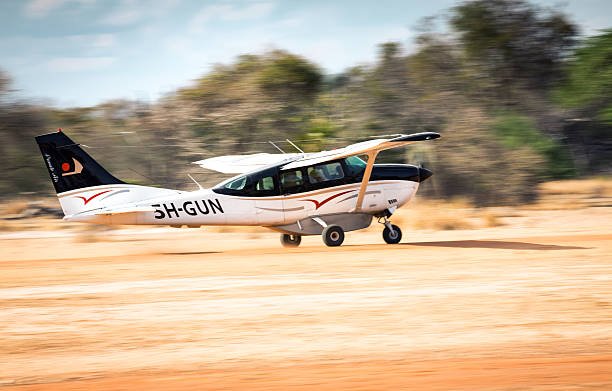
After breakfast, transfer to Arusha Airport for your domestic flight to the Ndutu airstrip. Meet your guide and vehicle, and begin your first game drive en route to your camp/lodge. Afternoon game drive focusing on the calving herds.
Day 3-5: Ndutu Plains & Southern Serengeti Exploration
Full days dedicated to exploring the Ndutu Plains and surrounding southern Serengeti areas. Focus on witnessing the calving, predator activity, and the sheer scale of the migration. Flexible game drives based on herd movements.
Day 6: Game Drive & Fly to Arusha
Enjoy a final morning game drive in the southern Serengeti. After lunch, transfer to the airstrip for your flight back to Arusha. Overnight in Arusha.
Day 7: Departure
Transfer to Kilimanjaro International Airport for your international departure.
Sample Itinerary 2: 10-Day Simiyu, Southern Serengeti & Maswa Experience (2026-2027)
Day 1: Arrival in Kilimanjaro (JRO) & Transfer to Arusha
Arrive at Kilimanjaro International Airport, meet your guide, and transfer to your lodge in Arusha.
Day 2: Fly to Simiyu Region Airstrip & Transfer to Maswa Game Reserve
Fly from Arusha to an airstrip serving the Simiyu region. Transfer to your lodge or camp in Maswa Game Reserve. Afternoon game drive exploring the reserve.
Day 3-4: Maswa Game Reserve Exploration
Full days of game drives in Maswa, focusing on its diverse wildlife, including potential sightings of the migratory herds if they are present in the reserve. Opportunity for walking safaris (if available and desired).
Day 5: Transfer to Southern Serengeti / Ndutu
After a morning game drive in Maswa, transfer to the border of the Serengeti National Park and head towards the Ndutu plains or southern Serengeti. Check into your camp/lodge and start an afternoon game drive.
Day 6-8: Southern Serengeti & Ndutu Calving Spectacle
Spend these days immersed in the heart of the calving season. Track the wildebeest herds, witness predator action, and explore the vast plains. Your guide will focus on the best viewing areas based on the latest herd movements.
Day 9: Game Drive & Fly to Arusha
Enjoy a final morning game drive in the southern Serengeti. After lunch, transfer to the airstrip for your flight back to Arusha. Overnight in Arusha.
Day 10: Departure
Transfer to Kilimanjaro International Airport for your international departure.
Photography Tips for the Calving Season
The calving season offers unique photographic opportunities. Here’s how to make the most of them:
- Gear: A telephoto lens (300mm or longer) is essential for capturing wildlife details, especially predators. A wide-angle lens is useful for landscape shots of the vast herds.
- Timing: The ‘golden hours’ – early morning and late afternoon – provide the best light for photography. The soft light is flattering, and the animals are often more active.
- Patience: Wildlife photography requires patience. Wait for the right moment – a calf taking its first steps, a predator on the hunt, or a dramatic sunset over the plains.
- Storytelling: Try to capture the full story – the vastness of the migration, the tenderness of a mother and calf, the tension of a hunt, and the beauty of the landscape.
- Low Angles: Getting down low can create more dramatic perspectives, especially when shooting young animals or action sequences.
- Protect Your Gear: Dust is a major concern. Ensure you have dust-proof bags and cleaning supplies.
Choosing Your Tour Operator: Why Top Guide Adventures?
Selecting the right tour operator is paramount for a successful and enjoyable safari. Top Guide Adventures is a trusted Tanzanian company dedicated to providing personalized and exceptional safari experiences. For your wildebeest calving safari in Simiyu, Tanzania, 2026-2027, consider us for:
- Local Expertise: We are based in Tanzania and have intimate knowledge of the parks, the wildlife, and the ever-changing patterns of the Great Migration. Our guides are highly trained and passionate about sharing their knowledge.
- Personalized Service: We believe in tailoring every safari to your specific interests, budget, and travel style. From accommodation choices to the pace of your game drives, we customize it all.
- Comprehensive Planning: We handle all logistics, including park fees, accommodation bookings, internal flights, and vehicle arrangements, ensuring a stress-free experience.
- Commitment to Quality: We partner with the best lodges and camps and maintain a fleet of well-equipped, comfortable 4×4 safari vehicles.
- Dedicated Support: From your initial inquiry through to your departure, you will have dedicated support. We are available to answer all your questions and make adjustments as needed.
We specialize in creating the best wildebeest calving safari in Simiyu, Tanzania, 2026-2027, ensuring you are in the right place at the right time to witness this extraordinary event. Our team is passionate about delivering authentic and memorable wildlife encounters.
Frequently Asked Questions about Simiyu Calving Safaris
What are the typical costs for a 2026-2027 wildebeest calving safari in Simiyu?
The cost of a wildebeest calving safari in Simiyu, Tanzania, 2026-2027, varies significantly based on the duration of your safari, the level of accommodation chosen (budget, mid-range, luxury), the type of vehicle used (shared or private), and the season. Generally, safaris during the peak calving season (February) are considered high season and can be more expensive. A mid-range 7-day safari might range from $2,500 to $4,500 per person, while luxury options could exceed $6,000 per person. This typically includes accommodation, park fees, meals, game drives, and transfers. International flights are usually extra. For a precise quote tailored to your needs for 2026 or 2027, please contact us.
Is February the absolute best month for wildebeest calving?
February is statistically the peak month for wildebeest calving, with the majority of births occurring within a short period. However, late January and early March also offer excellent viewing opportunities as herds gather and the last calves are born. The exact timing can shift slightly year to year based on rainfall, making flexibility and local knowledge crucial.
How far is Simiyu from other popular safari destinations like the Ngorongoro Crater?
Simiyu is a region in northern Tanzania that borders the Serengeti National Park. The Ngorongoro Conservation Area, which includes the Ngorongoro Crater, is relatively close. Depending on your exact location within Simiyu or the southern Serengeti, the drive to the Ngorongoro Conservation Area can take anywhere from 2 to 5 hours. Many itineraries combine the calving grounds with a visit to the Ngorongoro Crater for a diverse safari experience.
What should I pack for a calving season safari in Simiyu?
Pack light, neutral-colored clothing (khaki, beige, olive green), layers for cooler mornings and evenings, comfortable walking shoes, a wide-brimmed hat, sunglasses, high SPF sunscreen, insect repellent, a reusable water bottle, and a good camera with extra batteries and memory cards. Binoculars are also highly recommended. For specific packing lists, our team can provide detailed advice.
Will I see river crossings during the calving season in Simiyu?
No, river crossings are typically associated with the later stages of the migration, usually occurring in the Grumeti River (western Serengeti) in June/July or the Mara River (northern Serengeti) in August/September. The calving season in Simiyu focuses on the southern plains and grasslands.
Making Your 2026-2027 Booking with Top Guide Adventures
Planning your best wildebeest calving safari in Simiyu, Tanzania, 2026-2027 is an exciting process. The earlier you book, the better your chances of securing your preferred accommodation and ensuring availability, especially for peak season dates. We recommend booking at least 6-12 months in advance for the 2026-2027 season.
Contact Top Guide Adventures today to start planning your tailor-made safari. Our team is ready to answer all your questions and craft an unforgettable journey for you. Let us help you witness one of nature’s greatest spectacles.
WhatsApp: +255616946642
Email: topguideadventures@gmail.com
Backup Email: info@topguideadventurestanzania.com
We look forward to helping you experience the magic of the wildebeest calving season in Simiyu, Tanzania!
Check Availability for Best Wildebeest Calving Safari In Simiyu, Tanzania 2026-2027
Ready to compare dates, prices, and the best option for your group? Send the package name and travel month so the team can reply with a clear quote, availability, and what is included.
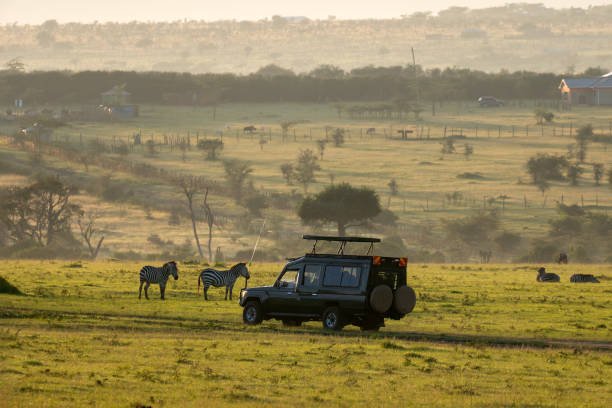
Tanzania Safari Luggage Limits For Bush Flights: Your Essential Guide
Planning a Tanzania safari involving bush flights? This guide details crucial luggage limits for weight, size, and bag types, ensuring a smooth journey across Serengeti, Ngorongoro, and...
View package details
Tanzania Private Safari Prices 2026-2027
Tanzania Private Safari Prices is explained with current 2026-2027 planning, price, itinerary and booking information.
View package details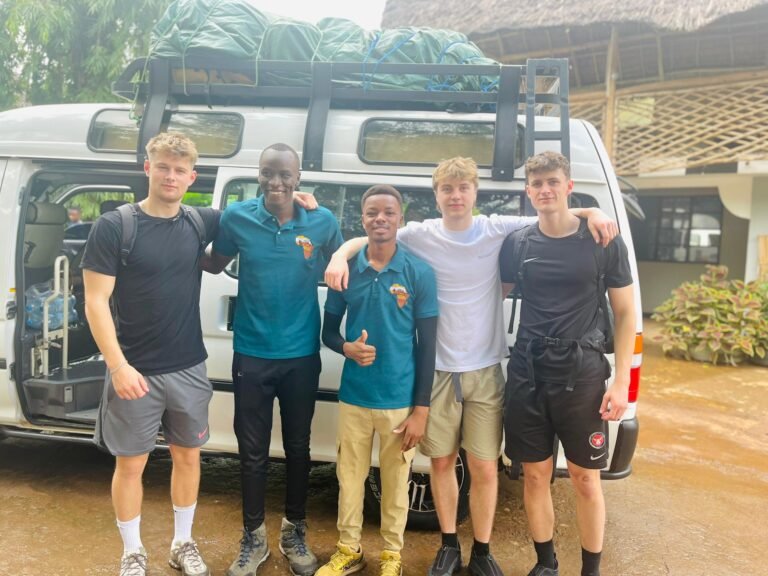
Tanzania Photography Safari Prices: Your Comprehensive Guide 2026-2027
Planning a photography safari in Tanzania for 2026 or 2027? This guide breaks down the expected costs, helping you budget for an unforgettable wildlife photography adventure. Learn what...
View package details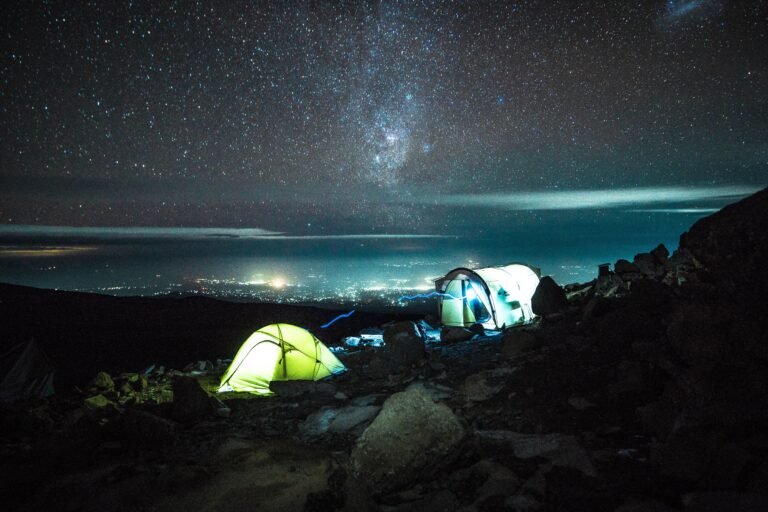
Tanzania Wildlife Safari Cost Breakdown: Your Budget Guide 2026-2027
Planning a Tanzania wildlife safari involves understanding the key cost components. This guide provides a detailed breakdown for 2026-2027, covering everything from park fees and...
View package details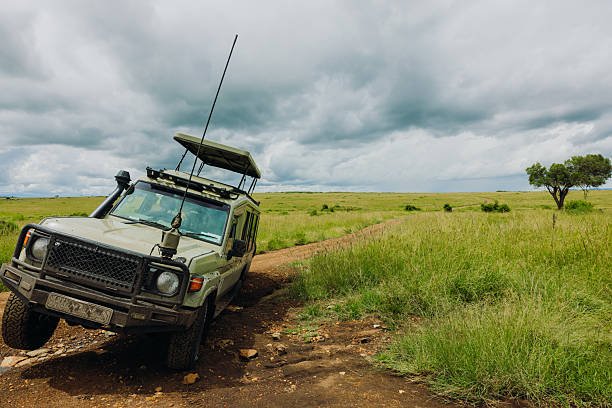
Katavi National Park: Tanzanias Untamed Wilderness Safari Guide 2026-2027
Katavi National Park offers an unparalleled safari experience in Tanzania's remote wilderness. This guide explores its vast landscapes, abundant wildlife, best visiting times for 2026-2027...
View package details
Ngorongoro Conservation Area: Your Ultimate Tanzania Safari Guide 2026-2027
Explore the unparalleled biodiversity and unique landscape of the Ngorongoro Conservation Area. This comprehensive guide covers everything you need to know for planning your 2026-2027...
View package details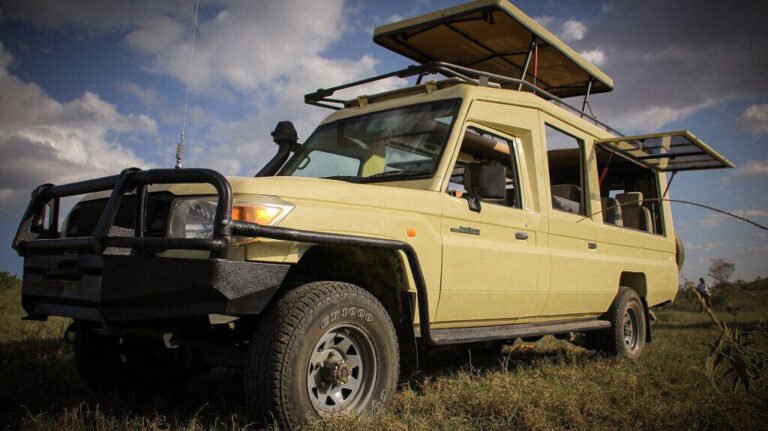
Tanzania Fly-In Safari Prices 2026-2027
Tanzania Fly-In Safari Prices is explained with current 2026-2027 planning, price, itinerary and booking information.
View package details
Tanzania Group Safari Cost Guide
Planning a Tanzania group safari in 2026-2027? This comprehensive guide breaks down the Tanzania group safari cost, detailing what influences prices, typical inclusions, and how to budget...
View package details
Tanzania Budget Safari Prices: Your Guide To Affordable Adventures 2026-2027
Planning a budget safari in Tanzania for 2026 or 2027? Understand the typical price ranges, what influences costs, and how to get the most value for your money. This guide breaks down the...
View package details
Tanzania Luxury Safari Cost: Planning Your Dream Trip 2026-2027
Planning a luxury safari in Tanzania? Discover the typical costs involved for 2026-2027, what drives the price, and what to expect in terms of inclusions and value for an unparalleled...
View package details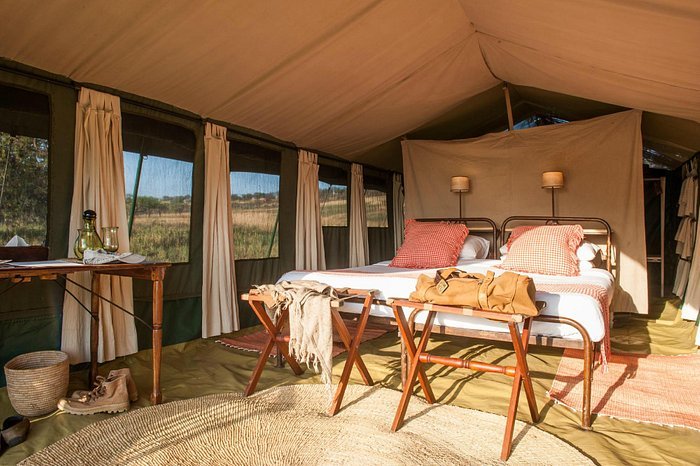
Tanzania Honeymoon Safari Prices: Your Ultimate Guide 2026-2027
Planning a romantic Tanzanian honeymoon safari? This guide breaks down the expected prices for 2026-2027, covering various factors that influence costs, typical inclusions, and how to get...
View package details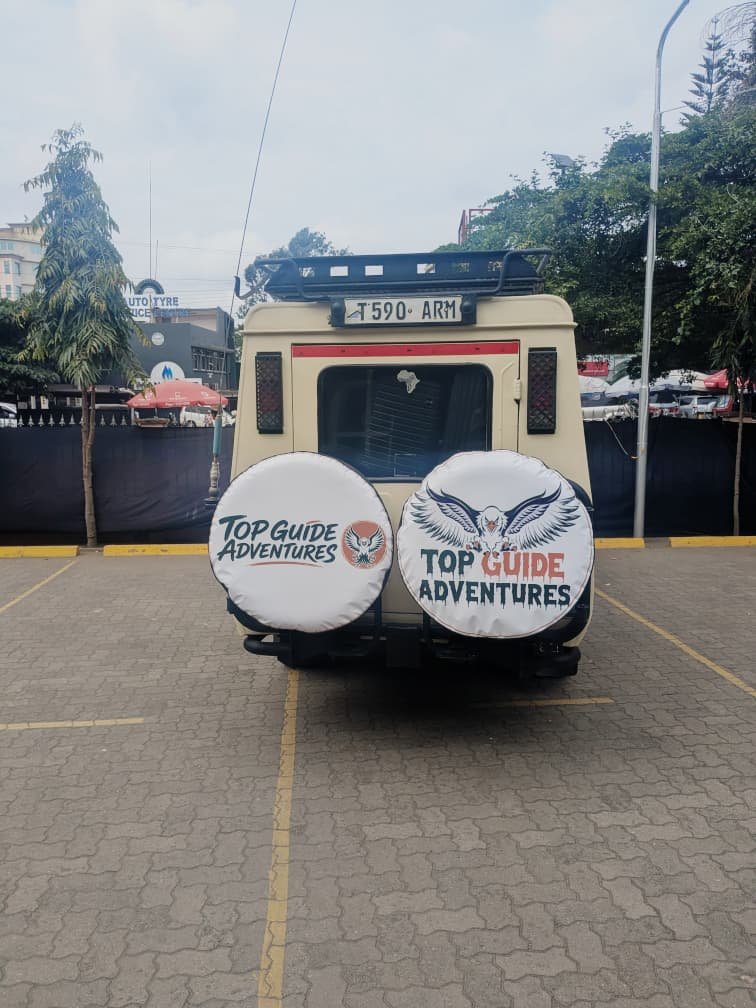
Tanzania Family Safari Cost: Planning Your Adventure 2026-2027
Planning a family safari in Tanzania for 2026 or 2027? This comprehensive guide breaks down the Tanzania family safari cost, detailing what influences your budget, typical price ranges, and...
View package detailsNo related package matches those filters. Clear one or more filters to see the other topic-matched options.



