
The cost of climbing Kilimanjaro from Tanzania in 2026-2027 typically ranges from $1,500 to $4,500+ per person, depending significantly on the chosen route, duration, operator, and the level of service provided. Shorter, less popular routes like Marangu or Rongai might be at the lower end, while longer, more scenic routes like Lemosho or Machame, especially with higher comfort levels and more experienced guides, will be at the higher end. These costs generally cover park fees, crew wages, food, accommodation before and after the climb, and essential equipment, with variations in what constitutes a ‘budget’ versus a premium package.
Understanding Kilimanjaro Climbing Costs from Tanzania: A 2026-2027 Perspective
Mount Kilimanjaro, the Roof of Africa, draws adventurers from around the globe. For many, the most logical starting point and logistical hub for this epic journey is Tanzania itself. Planning a Kilimanjaro climb involves many considerations, but the Kilimanjaro climbing cost from Tanzania is often the primary factor guiding decisions. This guide aims to demystify these costs for the 2026 and 2027 climbing seasons, providing clarity on what influences pricing and what you can expect to receive for your investment.
At Top Guide Adventures, we believe in transparent pricing and exceptional value. We understand that the cost is a significant part of your planning, and we want to ensure you have all the information needed to make an informed choice. Whether you’re looking for a budget-friendly group trek or a more comfortable private expedition, understanding the components that make up the total Kilimanjaro climbing cost from Tanzania is crucial.
Factors Influencing Kilimanjaro Climbing Cost from Tanzania
The price tag for a Kilimanjaro expedition isn’t arbitrary. Several key elements combine to determine the final cost. Recognizing these factors will help you compare offers and understand why prices can vary so widely among tour operators based in Tanzania.
1. Route Selection and Duration
Kilimanjaro can be climbed via several distinct routes, each with its own length, scenery, difficulty, and success rate. These differences directly impact the overall cost:
- Marangu Route (Coca-Cola Route): The oldest and most established route, often the shortest (5-6 days). It’s known for its huts rather than camping, which can sometimes make it appear cheaper, but its lower acclimatization profile can lead to lower success rates, impacting overall value.
- Machame Route (Whiskey Route): Popular for its scenic beauty and good acclimatization profile, typically taking 6-7 days. It’s a camping route and generally offers higher success rates, often placing it in the mid-to-high price range due to its popularity and length.
- Lemosho Route: Considered one of the most scenic routes, offering excellent acclimatization and high success rates. It’s longer (7-8 days), starting in the west and joining the Machame route. Its extended duration and scenic appeal place it in the higher cost bracket.
- Shira Route: Similar to Lemosho but starts at a higher altitude. It’s also very scenic and requires a longer duration (7-8 days), contributing to a higher cost.
- Rongai Route: Approaches from the north, making it a drier option and a good choice during the rainy seasons. It’s typically 6-7 days and can sometimes be slightly more affordable than southern routes due to its location and less traffic.
- Northern Circuit: The longest route (9-10 days), offering the best acclimatization and highest success rates, as well as stunning panoramic views. Its extended duration and focus on a slower ascent make it the most expensive option.
- Umbwe Route: The shortest, steepest, and most challenging route, requiring excellent physical condition and acclimatization. While shorter, its difficulty and the need for highly experienced guides can influence costs, and it’s generally not recommended for beginners.
Longer routes inherently mean more days in the park, requiring more food, more crew support, and higher park fees, thus increasing the overall Kilimanjaro climbing cost from Tanzania.
2. Operator Type and Service Level
The choice of tour operator plays a significant role. Operators based directly in Tanzania, like Top Guide Adventures, often offer more competitive pricing than international companies that subcontract locally. Within local operators, service levels vary:
- Budget Operators: Focus on minimizing costs, potentially using less experienced guides, basic equipment, and simpler meals.
- Mid-Range Operators: Offer a balance of quality and value, with well-trained guides, good quality equipment, varied menus, and reliable logistics.
- Premium/Luxury Operators: Provide higher-end services, including more spacious tents, gourmet meals, highly experienced ‘guide-to-client’ ratios, and sometimes even oxygen systems. These come at a higher price point.
At Top Guide Adventures, we position ourselves in the mid-range to upper-mid-range, ensuring a balance of safety, comfort, and value. Our commitment to fair wages for our porters and guides, high-quality equipment, and excellent food means our pricing reflects the superior experience and safety we provide.
3. Inclusions and Exclusions
What’s included in the package is critical for comparing costs. A seemingly lower price might hide significant additional expenses:
Standard Inclusions for Kilimanjaro Climbing Cost from Tanzania (Top Guide Adventures)
- Park Fees: Crater fees, camping/hut fees, and rescue fees are mandatory and form a substantial part of the cost.
- Crew Wages: Fair salaries for guides, assistant guides, cooks, and porters. This is a critical ethical consideration.
- Food: All meals during the trek (breakfast, lunch, dinner) prepared by a dedicated cook.
- Accommodation: Camping equipment (tents, sleeping mats) or hut accommodation (Marangu Route).
- Water: Boiled and purified drinking water.
- Climbing Equipment: Tents, mess tents, tables, chairs, cooking equipment.
- Transportation: Transfers from Moshi/Arusha to the mountain gate and back.
- Pre- and Post-Climb Accommodation: Often included in reputable packages (1-2 nights in a hotel in Moshi/Arusha).
- First Aid: Comprehensive first-aid kits and oxygen systems for emergencies.
Common Exclusions:
- Flights: International airfare to Kilimanjaro International Airport (JRO).
- Visas: Tanzanian visa fees.
- Travel Insurance: Mandatory for all climbers.
- Personal Gear: Sleeping bags, hiking boots, clothing, backpacks (rentals may be available).
- Tips for Crew: A significant but customary expense.
- Lunches/Dinners in Town: Meals before and after the climb if not explicitly included.
- Optional Extras: Battery charging, hot showers (where available), alcoholic beverages.
4. Group Size
Climbing in a larger group generally lowers the per-person cost because expenses like park fees, crew wages, and logistics are shared among more individuals. Private climbs, while offering more flexibility and personalized attention, will naturally be more expensive on a per-person basis, though the total cost might be comparable to a larger group if you fill the private group.
5. Seasonality
While Kilimanjaro is climbable year-round, the dry seasons (January-March and June-October) are the most popular and can sometimes see slightly higher prices due to demand. The shoulder seasons and rainy seasons (April-May and November-December) might offer marginally lower prices, but the weather can be unpredictable.
Kilimanjaro Climbing Cost Breakdown from Tanzania for 2026-2027
To provide a clearer picture, let’s break down the typical costs associated with a Kilimanjaro climb, focusing on what you’re paying for when booking with a reputable operator like Top Guide Adventures for your 2026 or 2027 adventure.
Park Fees: The Largest Single Component
Park fees are non-negotiable and set by the Tanzania National Parks Authority (TANAPA). These fees constitute a significant portion of the total cost, often 40-50% or more. For a 7-day climb, these can amount to around $700-$900 USD per person. These fees cover:
- Conservation Fees: Daily fees for being within the national park.
- Camping Fees: Daily fees for camping sites.
- Crater Fees: A substantial fee for ascending to the crater rim (mandatory for most routes except Marangu).
- Rescue Fees: A small fee that contributes to the mountain rescue services.
These fees are subject to change, and it’s essential to confirm the current rates for 2026-2027 with your chosen operator. Reputable operators will always include these in their quoted price.
Crew Wages and Support
The mountain crew is the backbone of your expedition. This includes your lead guide, assistant guides, cook, and porters. Ethical operators prioritize fair wages, adequate food, and proper gear for their staff. This commitment to staff welfare is a significant ethical consideration and a factor in the pricing of a responsible tour operator.
Typical Daily Crew Costs (Estimates):
| Role | Estimated Daily Wage (USD) |
|---|---|
| Lead Guide | $25 – $40 |
| Assistant Guide | $15 – $25 |
| Cook | $15 – $20 |
| Porter | $10 – $15 |
Note: These are estimates and can vary. The total crew cost depends on the number of climbers and the number of staff required (often a 1:1 or higher porter-to-climber ratio for carrying gear and supplies).
Food and Supplies
High-quality, nutritious food is essential for energy and acclimatization. The cost includes the salaries of cooks, food ingredients, cooking fuel, and equipment. Expect hearty meals like porridge, eggs, pancakes for breakfast; packed lunches with sandwiches, fruits, and snacks; and dinners featuring soups, rice, pasta, vegetables, and meat dishes.
Equipment and Logistics
This covers the cost of providing and maintaining:
- High-quality tents (individual tents for guides/cooks, shared tents for clients, mess tents for dining).
- Sleeping mats.
- Dining tables and chairs.
- Cooking gear.
- First-aid kits and oxygen cylinders.
- Communication equipment.
Ground Transportation
Transfers to and from Kilimanjaro International Airport (JRO) and the mountain gates are included. This involves fuel, vehicle maintenance, and driver costs.
Pre- and Post-Climb Accommodation
Most reputable operators include 1-2 nights of accommodation in a hotel in Moshi or Arusha before and after your climb. This provides a comfortable place to rest, prepare, and celebrate your achievement. The quality of this accommodation can influence the overall package price.
Estimated Kilimanjaro Climbing Cost Ranges for 2026-2027
Based on the factors above, here are general price ranges you can expect for Kilimanjaro climbs departing from Tanzania in the 2026-2027 seasons:
Kilimanjaro Climb Cost Estimates (Per Person, 2026-2027)
| Climb Type/Route | Duration (Days) | Estimated Cost (USD) | Notes |
|---|---|---|---|
| Budget Group (e.g., Marangu, Rongai) | 5-7 | $1,500 – $2,000 | Basic services, shared groups, standard inclusions. |
| Mid-Range Group (e.g., Machame, Rongai) | 6-8 | $2,000 – $3,000 | Good balance of quality, safety, and value, popular routes, group departures. |
| Upper Mid-Range/Premium Group (e.g., Lemosho, Shira) | 7-9 | $3,000 – $4,000 | Higher comfort, excellent guides, scenic routes, higher success rates. |
| Private Climb (Any Route) | 6-10+ | $2,500 – $4,500+ | Tailored experience, flexible dates, higher per-person cost than large groups but more personalized. Cost varies greatly by route and service level. |
| Luxury/High-End (e.g., Northern Circuit) | 9-10+ | $4,000 – $6,000+ | Exceptional service, gourmet food, top guides, longest routes, highest success rates. |
Prices are estimates for 2026-2027 and can vary based on specific operator inclusions and current park fee rates. Always request a detailed quote.
Why Choose a Tanzanian Operator for Your Kilimanjaro Climb Cost?
Booking directly with a Tanzanian-based company like Top Guide Adventures offers several advantages, particularly concerning the Kilimanjaro climbing cost from Tanzania:
- Cost-Effectiveness: You cut out the middleman (international tour operators), meaning a larger portion of your payment goes directly towards your climb and supporting the local economy.
- Local Expertise: We have deep-rooted knowledge of the mountain, local logistics, weather patterns, and cultural nuances.
- Direct Support for Local Communities: Booking with us directly ensures that guides, porters, and cooks receive fair wages and benefits, contributing positively to the local economy. We are committed to ethical treatment of our mountain crew.
- Responsiveness: Direct communication allows for quicker responses to your queries and more flexibility in tailoring your climb.
Our commitment to safety, quality, and ethical practices means we are not the cheapest operator, but we offer exceptional value for the comprehensive Kilimanjaro climbing cost from Tanzania. We invest in experienced guides, quality equipment, and a well-supported crew to ensure your safety and enjoyment.
Getting the Best Value: Tips for Choosing Your Kilimanjaro Operator in Tanzania
When comparing Kilimanjaro climbing costs from Tanzania for 2026 or 2027, focus on value rather than just the lowest price. Here’s how to make an informed decision:
1. Scrutinize Inclusions
As detailed earlier, ensure you know exactly what is covered. Don’t be afraid to ask for a detailed breakdown of park fees, crew wages, and what’s included in meals and equipment. A quote that seems too good to be true might be missing critical elements.
2. Prioritize Safety and Experience
The cheapest operator might cut corners on safety. Look for:
- Experienced Guides: Guides certified in wilderness first aid and with extensive experience on Kilimanjaro.
- Emergency Oxygen: Availability of medical oxygen on the mountain.
- Proper Crew Ratios: A sufficient number of guides and porters.
- Reputable Operator: Check reviews on platforms like TripAdvisor and look for established companies with a proven track record.
3. Research Crew Welfare
Ethical treatment of porters and guides is paramount. A responsible operator will:
- Pay fair wages.
- Provide adequate food and shelter.
- Ensure appropriate clothing and equipment for the crew.
- Adhere to porter welfare guidelines (e.g., Kilimanjaro Porters Assistance Project – KPAP standards).
Top Guide Adventures is proud to adhere to ethical trekking principles, ensuring our mountain crew is well-cared for. This commitment is reflected in our pricing, offering peace of mind and a positive impact on your climb.
4. Consider the Route and Duration
Don’t compromise on acclimatization for cost. Longer routes (7+ days) significantly increase success rates and enjoyment. Choosing a route like Lemosho or Machame, even if slightly more expensive, often provides a better overall experience and a higher chance of reaching the summit safely.
5. Read Reviews and Ask for References
Online reviews can offer insights into other climbers’ experiences. Look for consistent feedback on guide quality, food, logistics, and overall satisfaction. If possible, ask for references from past clients.
Budgeting Beyond the Climb Cost
Remember that the Kilimanjaro climbing cost from Tanzania is only one part of your overall travel budget. You’ll need to account for:
- International Flights: Costs vary significantly based on your origin and booking time.
- Tanzania Visa: Currently around $50-$100 USD depending on nationality.
- Travel Insurance: Essential and should cover high-altitude trekking and emergency evacuation. Budget $100-$250 USD.
- Vaccinations and Medications: Consult your doctor well in advance.
- Personal Gear: Purchase or rent items like warm clothing, sleeping bags, boots, and backpacks. Renting can save money for infrequent use.
- Tips for the Crew: This is a significant customary expense, often totaling $250-$400+ per climber for a 7-day trek. Operators usually provide recommended tipping guidelines.
- Pre/Post-Climb Expenses: Extra nights in hotels, meals, souvenirs, and personal spending money.
- Optional Safaris or Zanzibar Trips: If you plan to extend your stay in Tanzania.
A realistic overall budget for a Kilimanjaro climb from Tanzania, including flights and pre/post-climb activities, can range from $3,500 to $7,000+ USD per person.
Preparing Your 2026-2027 Kilimanjaro Climb Budget
To best prepare your budget for a 2026 or 2027 climb, follow these steps:
Budgeting Checklist for Kilimanjaro
- Get Detailed Quotes: Contact multiple reputable Tanzanian operators (including Top Guide Adventures) and compare their detailed itineraries and inclusions.
- Factor in All Inclusions: Clearly identify what’s covered in the climb cost and what you’ll need to pay for separately.
- Estimate Crew Tips: Research recommended tip amounts and include this in your budget.
- Budget for Gear: Decide whether to buy or rent and factor in those costs.
- Add Buffer: Always include a contingency fund for unexpected expenses or personal spending.
- Confirm Park Fees: Ensure the operator’s quote reflects the latest TANAPA fee structure for 2026-2027.
Booking Window for 2026-2027 Climbs
To secure your preferred dates and operators for the 2026 and 2027 climbing seasons, it’s advisable to book 6-12 months in advance, especially for peak seasons (June-October). Early booking ensures availability, particularly for private climbs and popular group departure dates.
Top Guide Adventures: Your Partner for a Memorable Kilimanjaro Climb
At Top Guide Adventures, we are dedicated to providing an unforgettable and safe Kilimanjaro experience. Our Kilimanjaro climbing cost from Tanzania is structured to offer excellent value, prioritizing your safety, comfort, and the well-being of our mountain crew.
We offer a range of routes and can customize itineraries to suit your preferences and budget for 2026-2027. Our team of experienced guides, quality equipment, and commitment to ethical practices ensure a climb that is not only successful but also responsible.
Why choose us?
- Experienced & Certified Guides: Our guides are highly trained and possess extensive knowledge of Kilimanjaro.
- Safety First: We carry medical oxygen and comprehensive first-aid kits on all climbs.
- Ethical Porter Treatment: We are committed to fair wages and excellent working conditions for our porters and crew.
- Quality Equipment & Food: We use reliable gear and provide delicious, nutritious meals.
- Personalized Service: We offer dedicated support from your initial inquiry through to your return.
We invite you to explore our Kilimanjaro climbing packages or contact us directly to discuss your 2026-2027 adventure. Let us help you plan the climb of a lifetime.
For a personalized quote or to discuss your Kilimanjaro climbing cost from Tanzania, please reach out:
- WhatsApp: +255616946642
- Email: topguideadventures@gmail.com
- Backup Email: info@topguideadventurestanzania.com
Check Availability for Kilimanjaro Climbing Cost From Tanzania: Your Guide 2026-2027
Ready to compare dates, prices, and the best option for your group? Send the package name and travel month so the team can reply with a clear quote, availability, and what is included.
How Much Does It Cost To Climb Kilimanjaro In ? 2026-2027
Discover the estimated costs for climbing Mount Kilimanjaro in 2026-2027. This comprehensive guide breaks down pricing factors, typical inclusions, and how to budget for your adventure.
View package details
How Much Does It Cost To Climb Kilimanjaro In Usd? Your Guide 2026-2027
Planning a Kilimanjaro climb? Understand the typical costs in USD, what influences pricing, and how to budget effectively for your 2026-2027 expedition.
View package details
Best Kilimanjaro Climbing Cost: Your Guide To Pricing Factors 2026-2027
Planning a Kilimanjaro climb in 2026 or 2027? This comprehensive guide breaks down the best Kilimanjaro climbing cost, detailing everything that influences the price, from route selection...
View package details
Average Cost To Climb Mount Kilimanjaro In : A Comprehensive Guide 2026-2027
Discover the average cost to climb Mount Kilimanjaro for 2026-2027, detailing what influences pricing, typical inclusions, and how to budget effectively for your adventure.
View package details
Best Climb Kilimanjaro Price: Guide To Costs And Value 2026-2027
Discover the best Kilimanjaro climb price for your 2026-2027 adventure. This comprehensive guide breaks down the costs, factors affecting them, and how to find excellent value for your trek...
View package detailsClimb Mount Kilimanjaro Cost: Your Guide To Pricing And Packages 2026-2027
Planning to climb Mount Kilimanjaro in 2026 or 2027? This comprehensive guide breaks down the climb Mount Kilimanjaro cost, detailing what influences pricing, typical package inclusions...
View package details
Cost To Climb Kilimanjaro: Your Ultimate Guide 2026-2027
Planning your Kilimanjaro climb? This comprehensive guide breaks down the cost to climb Kilimanjaro for 2026-2027, detailing what influences pricing, what to expect in different packages...
View package details
Cost To Climb Mount Kilimanjaro In : A Comprehensive Guide 2026-2027
Planning a Kilimanjaro climb in 2026 or 2027? This guide breaks down the typical costs, detailing what influences the price, what inclusions to expect, and how to budget effectively for...
View package details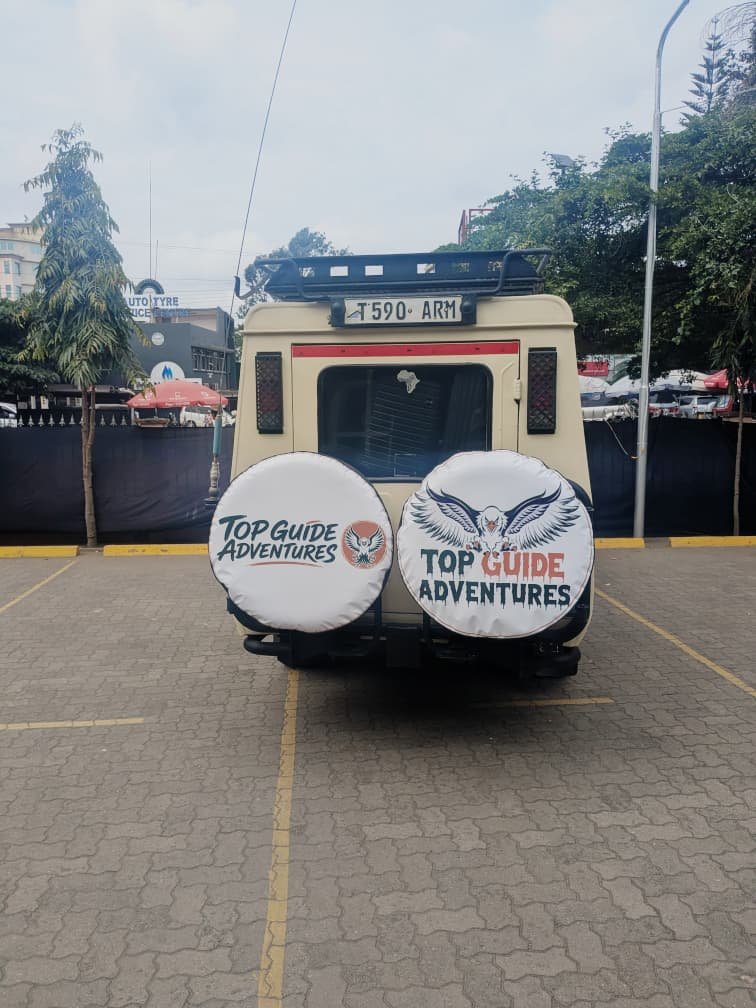
How Much Does It Cost To Climb Kilimanjaro In ? A Uk Guide 2026-2027
Planning a Kilimanjaro climb from the UK involves understanding various costs. This comprehensive guide breaks down the typical expenses for 2026-2027, helping you budget effectively for...
View package details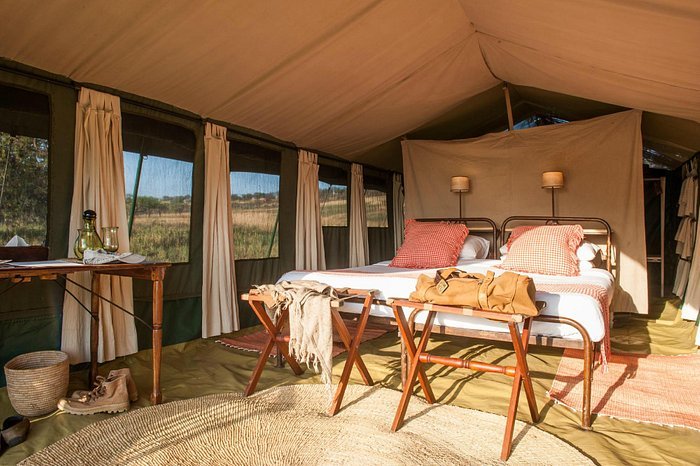
How Much Does It Cost To Climb Mount Kilimanjaro In ? 2026-2027
Climbing Mount Kilimanjaro involves a range of costs, typically from $2,000 to $5,000+ per person for a standard trek, depending on the route, duration, operator, and inclusions. This...
View package details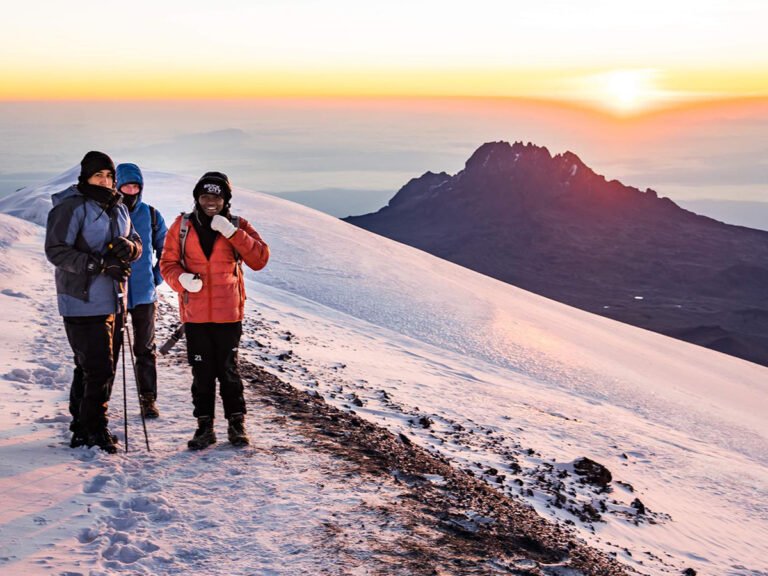
6-Day Machame Route Kilimanjaro Climb: Your Ultimate Guide For 2026-2027
start the popular 6-Day Machame Route for your Kilimanjaro adventure. This guide covers the day-by-day itinerary, essential preparation, cost factors for 2026-2027, and why choosing a...
View package detailsBest Climbing Kilimanjaro Price: Understanding Costs For 2026-2027
Discover the best climbing Kilimanjaro price for your 2026-2027 adventure. This comprehensive guide breaks down cost factors, route influences, and what to expect from reputable tour...
View package detailsNo closely related package is available for this topic yet.



