
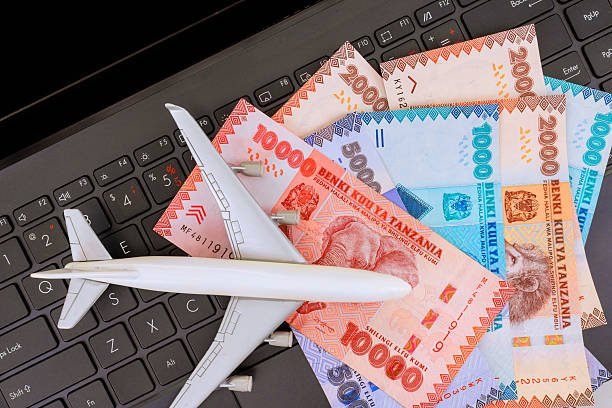
The cost to climb Kilimanjaro for travellers from the UK typically ranges from £1,500 to £3,500 per person for a standard 7-day trek in 2026 and 2027. This price often includes park fees, guide and porter salaries, accommodation on the mountain, basic meals, and transfers from Kilimanjaro International Airport. However, the exact cost varies significantly based on the route chosen, the duration of the climb, the tour operator’s service level, and what is included (e.g., private vs. group climbs, gear rental, tipping). International flights from the UK are a separate major expense, usually adding £600-£1,000 or more to the total budget.
Understanding Kilimanjaro Climb Costs for UK Trekkers
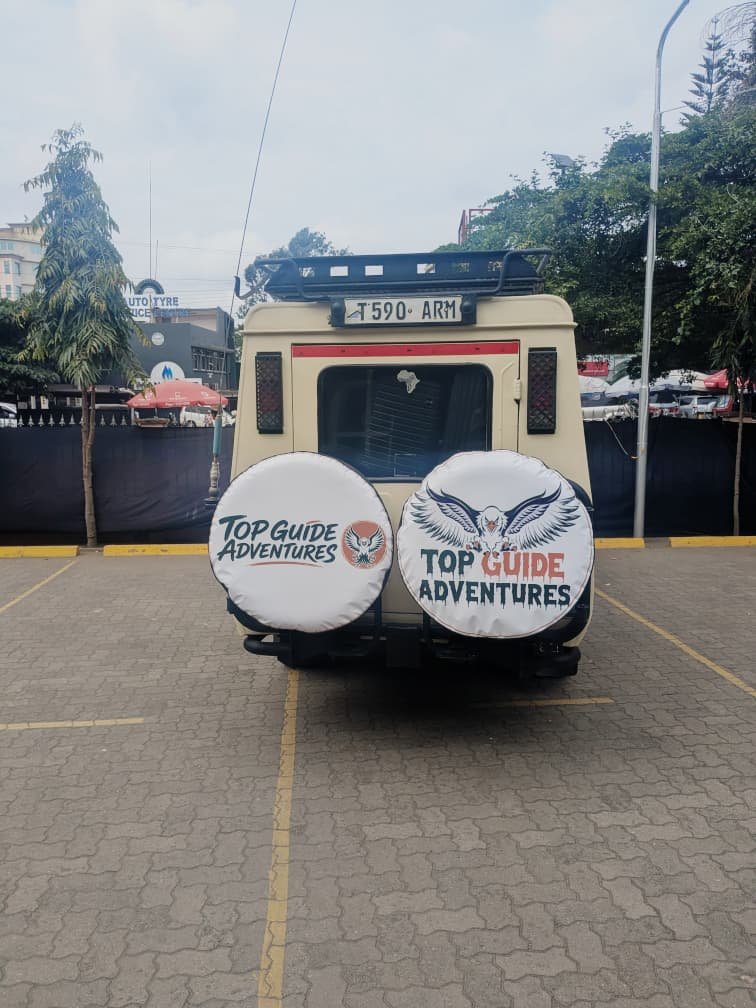
Mount Kilimanjaro, the Roof of Africa, beckons adventurers worldwide, and for many in the United Kingdom, it represents a significant bucket-list achievement. When planning a climb, particularly for 2026 or 2027, a primary concern is understanding the total cost involved. This isn’t a simple figure; it’s a mosaic of expenses that can shift based on numerous factors. Top Guide Adventures, as a trusted Tanzanian tour operator, aims to demystify these costs for our UK-based clients, ensuring you can budget accurately for this incredible journey.
The investment in climbing Kilimanjaro is more than just monetary; it’s an investment in an unforgettable experience. This article will provide a detailed breakdown of what contributes to the overall price, helping you make informed decisions for your 2026-2027 expedition.
Key Components of Your Kilimanjaro Climb Budget (2026-2027)
To effectively answer ‘how much does it cost to climb Kilimanjaro UK?’, we must first dissect the various cost categories. These elements are essential for any reputable Kilimanjaro trek and form the backbone of your tour package price.
1. Park Entrance Fees and Permits
These are non-negotiable government fees mandated by the Tanzania National Parks Authority (TANAPA) and Kilimanjaro National Park (KINAPA). They are a substantial part of the total cost and are usually included in reputable tour operator packages. For 2026-2027, these fees remain a significant fixed expense.
- Conservation Fees: These are charged daily per person. For Kilimanjaro, this is typically around $70 USD per day.
- Camping/Hut Fees: Depending on the route and accommodation choice (camping or mountain huts), there are daily fees, generally around $60 USD per person per night for camping or $70 USD for huts.
- Rescue Fees: A mandatory fee, usually around $30-40 USD per trekker, contributes to the park’s rescue services.
These fees can amount to several hundred US dollars per person over a typical 7-day climb. Reputable operators like Top Guide Adventures ensure these are covered in their quoted prices, offering transparency for UK clients.
2. Guide and Porter Wages
The safety, success, and enjoyment of your climb depend heavily on your mountain crew. Fair wages for guides, assistant guides, and porters are crucial and form a significant portion of the tour cost. Ethical operators prioritize paying their staff well above the minimum requirements, ensuring experienced and motivated teams. This is a key differentiator between budget operators and those offering a higher standard of service and safety for your 2026-2027 climb.
- Guides: Experienced guides are vital for navigation, acclimatization advice, and emergency management.
- Porters: They carry your main luggage, tents, food, and equipment, making your trek significantly more comfortable.
- Cooks: For camping routes, cooks prepare nutritious meals to keep you energized.
The number of porters required often depends on the number of trekkers and the amount of gear, influencing the total cost. Operators that pay well often attract the best talent.
3. Food and Water
All meals on the mountain are provided by your tour operator. This includes breakfast, lunch, and dinner, often prepared fresh by your cook (on camping routes) or served at the huts. The quality and variety of food can vary between operators. High-quality, nutritious food is essential for energy and acclimatization. Water is usually provided in boiled or purified form, and you’ll need to carry your own water bottles or hydration reservoirs.
4. Accommodation
This includes two main types of accommodation:
- Pre- and Post-Climb Hotels: Most packages include accommodation in Moshi or Arusha before and after the trek. This is typically in comfortable 3-star hotels with breakfast. Upgrades to higher-end lodges are usually available at an additional cost.
- On-Mountain Accommodation: This will either be in basic mountain huts (on routes like Marangu) or in tents (on routes like Machame, Lemosho, or Rongai). The quality of tents and sleeping mats can differ between operators.
5. Transportation
This usually covers:
- Airport Transfers: Pick-up and drop-off at Kilimanjaro International Airport (JRO).
- Trek Start/End Point Transfers: Transport from your hotel to the mountain gate and from the exit gate back to your hotel.
For UK travellers, these transfers are essential for a smooth start and end to your expedition in 2026 or 2027.
6. Equipment (Sometimes Included)
While many operators expect you to bring your own personal gear (like clothing, boots, sleeping bag), some include the rental of essential communal equipment like tents, sleeping mats, and cooking gear. Some may also offer rental of personal items such as sleeping bags and trekking poles. Be sure to clarify what is included and what you need to hire or purchase separately.
Factors Influencing the Cost of Your Kilimanjaro Climb
The base cost provided by a tour operator is influenced by several key decisions you’ll make during your planning for 2026-2027.
1. Choice of Route
Different routes have varying lengths, difficulty levels, and park fee structures, directly impacting the cost. Longer routes generally mean more days of park fees and porter/guide wages.
- Marangu Route (Coca-Cola Route): Often considered the cheapest due to its shorter duration (5 days) and hut accommodation. However, its lower success rate due to rapid ascent makes it less recommended for acclimatization.
- Machame Route (Whiskey Route): A popular 6-7 day route offering excellent acclimatization and higher success rates. It’s pricier than Marangu due to more days and camping.
- Lemosho Route: A longer, more scenic, and remote route (7-8 days), offering superb acclimatization and a high success rate. It’s one of the more expensive options.
- Shira Route: Similar to Lemosho but starts at a higher altitude.
- Rongai Route: Approaches from the north, drier side, often a good choice during rainy seasons. Typically 6-7 days.
- Northern Circuit: The longest route (9-10 days), offering the highest success rate due to excellent acclimatization and scenic beauty. It is also the most expensive.
- Umbwe Route: The steepest and most direct route, challenging and generally only recommended for experienced hikers. It’s shorter but demanding, often 6-7 days.
For 2026-2027 climbs, choosing a longer route like Lemosho or Northern Circuit will increase the overall cost but significantly improve your chances of reaching Uhuru Peak.
2. Duration of the Climb
The standard climb duration is 5 to 9 days. Longer treks allow for better acclimatization, leading to higher success rates. However, each additional day adds to the park fees, guide/porter wages, and food costs. A 7-day climb is generally considered a good balance between cost and acclimatization.
3. Tour Operator Choice (Budget vs. Mid-Range vs. Luxury)
This is perhaps the most significant factor influencing the price you’ll pay as a UK trekker.
- Budget Operators: These companies often offer the lowest prices. They may cut costs by using less experienced staff, providing basic food, using fewer porters, or having smaller support teams. While cheaper, they can sometimes compromise on safety, comfort, and overall experience. Be very cautious when choosing extremely low-cost options for your 2026-2027 climb.
- Mid-Range Operators (e.g., Top Guide Adventures): These operators strike a balance between quality and cost. They offer well-paid, experienced guides and porters, good quality food and equipment, and reliable logistics. They ensure ethical treatment of staff and focus on client safety and success. This is often the sweet spot for value and a positive experience.
- Luxury/Premium Operators: These companies charge a premium for enhanced services, such as higher-end hotel accommodations, more spacious tents, gourmet meals, private toilets, and smaller group sizes or private climbs as standard.
For UK travellers seeking a balance of safety, quality, and value for their 2026-2027 Kilimanjaro adventure, a mid-range operator is typically recommended.
4. Group Size (Private vs. Shared)
Climbing with a private group (family, friends) will generally be more expensive per person than joining a shared group departure. Shared departures distribute fixed costs like guide fees among more people, reducing the individual price. However, private climbs offer more flexibility in scheduling and pace.
5. Inclusions and Exclusions
Always scrutinize what is included in the package price. Common inclusions are listed above (park fees, crew, food, transport, basic accommodation). However, differences can arise in:
- Gear Rental: Is it included or extra?
- Tipping: Is a tipping guideline provided, or is it built into the cost? (Note: Tipping is customary and expected, usually paid directly to the crew).
- Pre- and Post-Climb Hotels: Are they included, or do you need to book them separately?
- Personal Porter: Some premium packages might offer a personal porter for your duffel bag.
- Oxygen Cylinders: Rarely included, but some high-end operators might offer them.
Understanding these details is crucial for accurate budgeting for your 2026-2027 climb.
Estimated Cost Breakdown for a UK Kilimanjaro Climber (2026-2027)
While exact figures depend on the operator and choices, here’s a realistic estimate for a standard 7-day Kilimanjaro climb from the UK, assuming a mid-range operator for 2026-2027:
Typical Cost Range (Per Person)
Trek Package: £1,500 – £2,500 (based on 7-day Machame or Lemosho route with a reputable operator)
International Flights (UK to JRO return): £600 – £1,000+
Visa (if required): Varies, check current requirements for UK citizens.
Travel Insurance (Mandatory): £100 – £200 (must include high-altitude trekking and emergency evacuation)
Vaccinations & Medications: £50 – £200 (depending on personal needs and doctor’s advice)
Personal Gear Purchase/Rental: £100 – £400 (if buying new or renting specific items like boots, sleeping bags, down jackets)
Tips for Crew: £150 – £300 (standard practice, calculated based on days and crew size)
Personal Expenses (Souvenirs, extra drinks, etc.): £50 – £150
Total Estimated Cost: £2,550 – £4,750+
This breakdown highlights that the climb package itself is only one part of the total expense for a UK resident. Flights and essential extras like insurance and tips significantly contribute to the overall budget for a 2026-2027 expedition.
What’s Typically Included in a Mid-Range Package for UK Trekkers?
When you book with a reputable operator like Top Guide Adventures, expect the following to be standard for your 2026-2027 climb:
- All park fees (conservation, camping/hut, rescue)
- Experienced, licensed English-speaking guides
- Assistant guides, porters, and cooks
- All meals on the mountain (breakfast, lunch, dinner)
- Boiled or purified drinking water on the mountain
- Accommodation in quality tents (or huts on Marangu)
- Group camping equipment (tents, mess tent, tables, chairs, cooking gear)
- All transfers to and from Kilimanjaro International Airport (JRO) and to/from the mountain
- Accommodation in a hotel in Moshi/Arusha before and after the climb (usually 2 nights)
- Portable toilet (on most routes, especially camping routes)
- Oxygen cylinders for emergency use (usually carried by guides)
- First-aid kit
What’s Typically NOT Included?
It’s equally important to know what to budget for separately:
- International flights from the UK to Kilimanjaro (JRO)
- Visa fees (if applicable)
- Travel and medical evacuation insurance (mandatory)
- Vaccinations and personal medication
- Personal climbing gear (e.g., waterproof jacket/trousers, hiking boots, warm layers, sleeping bag, headlamp, trekking poles) – rental options are usually available
- Tips for guides, porters, and cooks (this is a significant expected expense)
- Lunches and dinners in hotels before and after the climb (breakfast is usually included)
- Alcoholic beverages and soft drinks
- Gratuities for hotel staff
- Personal expenses (e.g., souvenirs, laundry, phone calls)
- Optional activities before or after the climb (e.g., safari, Zanzibar trip)
Calculating Your Kilimanjaro Climb Cost: 2026 vs. 2027
For UK travellers planning their Kilimanjaro climb for 2026 or 2027, the fundamental costs (park fees, guide salaries, etc.) are unlikely to change drastically year-on-year. However, there are subtle differences to consider:
- Inflation: Minor price increases are possible annually due to inflation, affecting park fees, wages, and general operational costs. This might mean a slight increase from 2026 to 2027, but usually not dramatic.
- Flight Prices: International flight costs from the UK can fluctuate based on demand, season, and how far in advance you book. Booking flights for either 2026 or 2027 early is advisable to secure better rates.
- Operator Pricing: Tour operators may adjust their pricing for 2027 based on their operational costs and market demand. It’s always best to get current quotes for your chosen year.
In essence, the cost to climb Kilimanjaro from the UK in 2026 and 2027 will be very similar, with the primary variables being your chosen operator, route, and the timing of your flight bookings.
How to Save Money on Your Kilimanjaro Climb (Without Compromising Safety)
While Kilimanjaro is not a budget destination, there are ways UK trekkers can manage costs effectively:
- Travel in the Shoulder Season: Avoid the peak months (January-March, June-October) for potentially lower flight prices and less crowded trails. The shoulder seasons (e.g., March-May, November) can offer good weather with fewer trekkers.
- Join a Group Departure: Shared climbs distribute fixed costs, making them more economical than private treks.
- Choose a Reputable Mid-Range Operator: As discussed, extremely cheap operators can be risky. A well-established mid-range company often provides the best value, balancing cost with essential safety and quality.
- Book in Advance: This applies particularly to international flights from the UK, where early booking often secures better fares for 2026 or 2027.
- Pack Smartly, Rent Strategically: Identify essential gear you might need to purchase (like good boots and base layers). For items you’ll only use once (e.g., a heavy down jacket), renting from your tour operator or a local shop in Moshi can save significant money compared to buying new.
- Consider Package Deals: Some operators offer discounts if you combine a Kilimanjaro climb with a safari or Zanzibar trip.
Why Extremely Cheap Kilimanjaro Tours Can Be Risky
It’s tempting to opt for the cheapest Kilimanjaro climb package advertised, especially when looking at costs from the UK. However, ultra-low prices often indicate corners being cut in critical areas:
- Underpaid Crew: This can lead to demotivation, poor service, and potentially unsafe practices. Ethical treatment of porters and guides is paramount.
- Insufficient Crew: Using fewer porters than recommended means they carry overloaded bags, which is dangerous and exhausting for them.
- Poor Quality Equipment: Substandard tents, sleeping bags, or cooking gear can lead to discomfort and exposure to the elements.
- Inadequate Safety Measures: Lack of proper first-aid kits, oxygen, or experienced guides trained in altitude sickness management.
- Limited Food Supplies: Skimping on nutritious food can lead to energy depletion and altitude sickness.
For a safe and successful climb in 2026 or 2027, prioritize safety and ethical operations over the absolute lowest price. A difference of a few hundred pounds might seem significant, but it’s negligible compared to the potential risks of a poorly managed expedition.
Comparing Kilimanjaro Costs: UK vs. Other Destinations
When budgeting from the UK, it’s helpful to compare Kilimanjaro costs with other major trekking destinations:
- Everest Base Camp (Nepal): While the trek itself might seem cheaper on the ground in Nepal, once you factor in international flights from the UK, visa costs, and potentially higher living expenses in Kathmandu, the total can be comparable or even higher than Kilimanjaro. EBC treks are also typically longer (12-14 days).
- Inca Trail to Machu Picchu (Peru): The Inca Trail permit is expensive and highly regulated, often costing upwards of $700-$1000 USD for a 4-day trek, plus flights from the UK. Kilimanjaro offers more flexibility and generally better value for a similar level of challenge.
- Mount Toubkal (Morocco): This is a significantly cheaper option, often costing under £500 for a 2-3 day trek from the UK, including flights. It offers a taste of high-altitude trekking but is far less demanding and iconic than Kilimanjaro.
Kilimanjaro sits in a mid-to-high range for global trekking destinations, offering a unique combination of accessibility (relatively speaking), challenge, and the prestige of climbing Africa’s highest peak. The costs reflect the logistical complexity and the need for a well-supported, safe expedition.
Booking Your Kilimanjaro Climb from the UK: Timelines and Considerations for 2026-2027
To secure your spot and manage costs effectively for a 2026 or 2027 Kilimanjaro climb, planning ahead is essential.
- 12-18 Months Before: Start researching tour operators. Look for companies with strong safety records, ethical practices, good reviews, and clear pricing. Contact a few, like Top Guide Adventures, to get detailed quotes and itineraries for your preferred dates in 2026 or 2027.
- 9-12 Months Before: Make your booking decision and pay the deposit. This secures your place and allows you to start planning other aspects. Book your international flights from the UK as soon as possible after booking your trek to get the best prices.
- 6-9 Months Before: Begin a structured training program. Start acquiring necessary gear, either by purchasing or planning rentals.
- 3-6 Months Before: Obtain any necessary vaccinations or medications. Arrange your travel insurance, ensuring it covers high-altitude trekking and emergency evacuation.
- 1-3 Months Before: Finalize any remaining gear purchases or rentals. Confirm all travel arrangements.
- 1-2 Weeks Before: Pack your bags. Make final currency exchanges.
Proactive planning ensures you get the best possible price for your Kilimanjaro climb from the UK and allows ample time for training and preparation for your 2026 or 2027 adventure.
The Value Proposition: Why Invest in a Kilimanjaro Climb?
When considering the cost to climb Kilimanjaro from the UK, it’s important to view it as an investment rather than just an expense. The value derived from such an expedition is immense:
- Personal Achievement: Reaching Uhuru Peak is a profound personal accomplishment that builds confidence and resilience.
- Unique Experience: Traversing diverse ecosystems, from rainforest to arctic summit, is a journey unlike any other.
- Cultural Immersion: Interacting with your Tanzanian guides and porters offers a glimpse into local life and culture.
- Health and Fitness: The training and trek itself promote a healthy lifestyle and physical well-being.
- Unforgettable Memories: The stunning vistas, the camaraderie with your team, and the sheer challenge create lasting memories.
For UK adventurers looking at 2026 or 2027, the cost is a gateway to an experience that offers returns far beyond the financial outlay.
Ready to Plan Your Kilimanjaro Climb?
Understanding the cost is the first step. The next is choosing the right partner to guide you on this incredible journey. Top Guide Adventures is dedicated to providing safe, ethical, and memorable Kilimanjaro climbs for clients from the UK and around the world. We pride ourselves on experienced guides, excellent support staff, and transparent pricing. Whether you’re planning for late 2026 or early 2027, we can help tailor an itinerary to suit your needs and budget.
To get a personalized quote or discuss your options for climbing Kilimanjaro, please feel free to reach out:
- WhatsApp: +255616946642
- Email: topguideadventures@gmail.com
- Backup Email: info@topguideadventurestanzania.com
Let us help you make your dream of climbing Kilimanjaro a reality in 2026 or 2027!
Check Availability for How Much Does It Cost To Climb Kilimanjaro In ? A Uk Guide 2026-2027
Ready to compare dates, prices, and the best option for your group? Send the package name and travel month so the team can reply with a clear quote, availability, and what is included.
Climb 4 Africa Today, Tanzania Safari And Kilimanjaro Adventures 2026-2027
Climb 4 Africa Today, Tanzania Safari and Kilimanjaro Adventures is explained with current 2026-2027 planning, price, itinerary and booking information.
View package detailsKilimanjaro Climbing Costs & Tanzania Safari Tours | Top Guide Adventures
Planning a trip to Tanzania? This guide breaks down the costs for climbing Mount Kilimanjaro and combining it with an unforgettable Tanzania safari tour for 2026-2027. Learn about pricing...
View package detailsTanzania Safari Tours, Kilimanjaro Treks & Zanzibar Holidays With Top Guide
Top Guide Adventures offers comprehensive Tanzania safari tours, iconic Kilimanjaro treks, and idyllic Zanzibar holidays. Discover the best of East Africa with personalized itineraries...
View package detailsDiscount Tanzania Treks And Affordable Safari Packages In 2026-2027
Discover how to plan discount Tanzania treks and affordable safari packages for your 2026-2027 adventure. This comprehensive guide covers budget-friendly options for iconic destinations...
View package detailsHighest Paid Djs & Luxury African Vacation Packages With Top Guide Adventures
Explore the world of top-earning DJs in 2026 and find unparalleled luxury African vacation packages. Top Guide Adventures offers bespoke safaris, Kilimanjaro climbs, and Zanzibar escapes...
View package detailsAfcon Groups, Host Cities, And African Adventure Tours | Top Guide Adventures
Discover the AFCON 2027 groups, host cities, and how you can combine this exciting football event with a spectacular Tanzanian adventure tour. Top Guide Adventures offers tailored safaris...
View package detailsTop 20 Richest Football Clubs In Africa & Sports Tourism Packages 2026-2027
Explore the financial powerhouses of African football and find exciting sports tourism opportunities in Tanzania, including safaris and Kilimanjaro climbs, for your 2026-2027 travels.
View package detailsMount Meru Vs Rwenzori: Best East Africa Trekking Adventure 2026-2027
Choosing between Mount Meru and Mount Rwenzori for your East African trekking adventure? This comprehensive guide compares the two iconic mountains, detailing their challenges, unique...
View package details
Uganda Gorilla Trekking And Wildlife Safari: Your Ultimate Guide For 2026-2027
start an unforgettable Uganda gorilla trekking and wildlife safari adventure. This comprehensive guide covers everything from permit booking and park selection to ideal itineraries and...
View package detailsNo related package matches those filters. Clear one or more filters to see the other topic-matched options.



