
The cost to climb Kilimanjaro typically ranges from $1,800 to $4,500+ per person for standard packages in 2026-2027, depending heavily on the route chosen, duration, operator quality, and inclusions. Budget operators might offer climbs closer to the lower end, while premium services with more amenities and support can exceed $4,500. This price generally covers park fees, crew wages, food, camping equipment, and some pre-climb support, but often excludes flights, visas, tips, and personal gear.

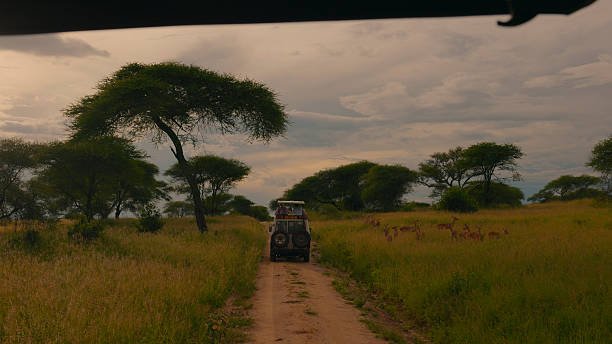
Understanding the Cost to Climb Kilimanjaro: A Comprehensive 2026-2027 Overview
Climbing Mount Kilimanjaro is a bucket-list adventure for many, and understanding the associated costs is a critical part of the planning process. Prices can vary significantly, making it essential to know what drives these expenses. For those planning their expedition in 2026 or 2027, this detailed guide will demystify the cost to climb Kilimanjaro, covering everything from essential fees to optional extras, helping you make an informed decision.
At Top Guide Adventures, we believe in transparent pricing. While exact quotes depend on your chosen route, duration, and specific service level, we aim to provide exceptional value without compromising safety or your experience. Expect a well-supported climb with experienced guides, quality equipment, and delicious meals, all contributing to your success on Africa’s highest peak.
Key Factors Influencing Kilimanjaro Climb Costs
Several core components contribute to the overall price of a Kilimanjaro trek. Understanding these will help you evaluate different tour operators and their offerings:
- Park Entrance Fees: These are mandatory fees set by the Kilimanjaro National Park authority and form a significant portion of the total cost. They are non-negotiable and apply to all climbers.
- Route Choice: Different routes have varying durations and complexities, impacting the number of days you’ll spend on the mountain and the associated fees and logistical costs. Longer routes generally cost more.
- Operator Type: Whether you choose a budget operator, a mid-range company, or a luxury provider, prices will differ based on service levels, group sizes, equipment quality, and guide experience.
- Group Size: Climbing in a private group versus a pre-arranged shared or “group departure” can affect the per-person cost. Shared climbs are often more budget-friendly.
- Duration of the Climb: Longer routes, while more expensive overall, often have a lower daily cost and higher success rates due to better acclimatization.
- Inclusions and Exclusions: What is included in the price package varies greatly. Always check for clarity on meals, accommodation (pre/post-climb), gear rental, and support staff.
- Time of Year: While park fees remain constant, some operators might have slight price adjustments for peak climbing seasons (e.g., January-March and June-October) due to higher demand.
Kilimanjaro Route Costs: A Comparative Look for 2026-2027
The route you select is one of the most significant determinants of your Kilimanjaro climb cost. Each route offers a different experience, duration, and scenic beauty, directly translating into varying price points.
Marangu Route (Coca-Cola Route)
Often considered the most affordable route due to its shorter duration (5-6 days) and unique hut accommodation. The cost to climb Kilimanjaro via Marangu is typically on the lower end of the spectrum.
- Typical Duration: 5 or 6 days.
- Accommodation: Mountain huts.
- Estimated Cost Range (2026-2027): $1,600 – $3,000 per person.
- Pros: Generally the cheapest, hut accommodation is more comfortable for some.
- Cons: Lower success rates due to rapid ascent, less scenic than other routes.
Machame Route (Whiskey Route)
This popular route is known for its scenic beauty and high success rates, achieved through a “climb high, sleep low” acclimatization strategy. It typically takes 6-7 days.
- Typical Duration: 6 or 7 days.
- Accommodation: Camping.
- Estimated Cost Range (2026-2027): $1,900 – $3,500 per person.
- Pros: Excellent acclimatization, very scenic, high success rates (especially on 7-day option).
- Cons: Can be crowded, camping requires comfort with basic facilities.
Lemosho Route
Considered one of the most beautiful routes, Lemosho offers stunning views and excellent acclimatization over 7-8 days. It’s a bit more expensive due to its longer duration and remoteness.
- Typical Duration: 7 or 8 days.
- Accommodation: Camping.
- Estimated Cost Range (2026-2027): $2,200 – $4,000 per person.
- Pros: Exceptional scenery, gradual ascent, good acclimatization, less crowded initially.
- Cons: Longer duration means higher overall cost, can be more remote.
Shira Route
Similar to Lemosho but starts at a higher altitude. It’s often chosen for its dramatic initial landscape but requires good acclimatization from the start.
- Typical Duration: 7 or 8 days.
- Accommodation: Camping.
- Estimated Cost Range (2026-2027): $2,300 – $4,100 per person.
- Pros: Stunning initial scenery, good acclimatization if well-prepared.
- Cons: High starting altitude can be challenging, longer duration.
Rongai Route
This route approaches Kilimanjaro from the north, offering a different perspective and drier conditions, especially during the rainy seasons. It’s a good option for those seeking fewer crowds.
- Typical Duration: 6 or 7 days.
- Accommodation: Camping.
- Estimated Cost Range (2026-2027): $1,900 – $3,500 per person.
- Pros: Less crowded, good success rates, drier climate.
- Cons: Less scenic on the initial approach compared to western routes.
Northern Circuit
The longest and most expensive route, the Northern Circuit circles the mountain, offering the best acclimatization and highest success rates. It’s ideal for those who want a more relaxed pace and incredible views.
- Typical Duration: 9 or 10 days.
- Accommodation: Camping.
- Estimated Cost Range (2026-2027): $2,800 – $4,500+ per person.
- Pros: Highest success rate, best acclimatization, most scenic, least crowded.
- Cons: Longest duration, highest overall cost.
Umbwe Route
This is the shortest, steepest, and most direct route, often considered the most challenging. It requires excellent physical condition and good acclimatization experience.
- Typical Duration: 6 or 7 days.
- Accommodation: Camping.
- Estimated Cost Range (2026-2027): $1,700 – $3,200 per person.
- Pros: Challenging, direct, can be cheaper due to shorter duration.
- Cons: Very steep, rapid ascent leads to poor acclimatization and low success rates.
Choosing the Right Route for Your Budget and Success
While budget is a factor, prioritizing success and safety is paramount. Longer routes like Lemosho, Shira, or the Northern Circuit offer superior acclimatization and thus higher success rates, often justifying their higher cost for the 2026-2027 climbing season. A 7-day Machame or 7-day Lemosho are excellent balances of cost, scenery, and acclimatization.
What’s Typically Included in Kilimanjaro Climb Packages?
When you invest in the cost to climb Kilimanjaro, a reputable operator will include a comprehensive set of services. Understanding these inclusions is crucial for comparing quotes. For 2026-2027 expeditions, expect the following from quality providers like Top Guide Adventures:
Standard Inclusions:
- Park Entrance Fees: All required fees for Kilimanjaro National Park.
- Camping/Hut Fees: Fees for overnight stays on the mountain.
- Rescue Fees: Mandatory fees for rescue services.
- Experienced Guides: Certified, trained, and experienced mountain guides.
- Assistant Guides: Additional guides for safety and support, especially on longer routes.
- Porters: To carry group gear, food, tents, and your duffel bag (usually limited to 15kg/33lbs).
- Cooks: To prepare all meals on the mountain.
- All Meals on the Mountain: Breakfast, lunch, and dinner, plus snacks and purified water.
- Accommodation: Tents (3-season or 4-season depending on operator and conditions) or huts (Marangu route).
- Cooking Equipment: All necessary cooking gear.
- Drinking Water: Purified water provided daily.
- Group Equipment: Dining tent (on camping routes), tables, chairs, first-aid kits.
- Oxygen Cylinders: Emergency oxygen for medical use.
- Pre-Climb Briefing: Important information session before your trek.
- Portable Toilet: For camping routes.
- Transfer: To and from Kilimanjaro International Airport (JRO) and the mountain gate.
What’s Typically Excluded from Kilimanjaro Climb Costs?
Being aware of exclusions helps prevent unexpected expenses. These items are generally not covered in the base price for a Kilimanjaro climb:
Common Exclusions:
- International Flights: Travel to and from Tanzania.
- Visa Fees: For entry into Tanzania.
- Travel Insurance: Comprehensive insurance covering high-altitude trekking and emergency evacuation is mandatory.
- Personal Climbing Gear: Sleeping bag, trekking poles, warm clothing, waterproofs, hiking boots, etc. (Some operators offer rental options).
- Tips for Guides, Porters, and Cooks: This is a significant expected cost, often amounting to several hundred dollars per climber.
- Lunches and Dinners in Moshi/Arusha: Accommodation before and after the climb usually includes breakfast only.
- Soft Drinks and Bottled Water: Beyond the purified water provided.
- Personal Expenses: Souvenirs, laundry, communication costs.
- Optional Gratuities: For hotel staff or drivers outside the mountain crew.
- Vaccinations and Medications: Personal health-related expenses.
Understanding the Porter and Guide Tipping Structure
Tipping is a crucial part of the culture and economy for the mountain crew. While it can add a significant amount to your overall cost to climb Kilimanjaro, it’s a vital way to show appreciation for their hard work and dedication. Reputable companies like Top Guide Adventures provide recommended tipping guidelines.
For 2026-2027 climbs, expect to budget approximately $250 – $400 per climber for tips. These are typically pooled and distributed among the guides, assistant guides, cooks, and porters. A common breakdown is:
- Lead Guide: $20 – $25 per day
- Assistant Guide(s): $15 – $20 per day per assistant guide
- Cook: $12 – $15 per day
- Porter: $8 – $10 per day per porter
These amounts are often paid in USD cash at the end of the trek in Moshi. Your tour operator will usually provide a detailed guideline and can facilitate the collection and distribution if preferred.
Budgeting for Additional Expenses: Flights, Visas, Insurance, and Gear
Beyond the tour package price, several other costs contribute to your total Kilimanjaro climb budget for 2026-2027.
International Flights
Costs vary widely based on your departure location, time of booking, and airline. Expect to budget anywhere from $800 to $2,000+ for round-trip flights to Kilimanjaro International Airport (JRO).
Tanzania Visa
Most nationalities require a visa for Tanzania. The cost is typically around $50 – $100 USD, depending on your nationality and type of visa. This can often be obtained online or upon arrival at the airport.
Travel Insurance
Mandatory for all Kilimanjaro climbs. Ensure your policy covers high-altitude trekking (up to 6,000 meters) and emergency medical evacuation. Budget around $100 – $300, depending on your provider and coverage level.
Personal Gear
While you can rent some items (like sleeping bags or trekking poles), you’ll need to purchase essential clothing and equipment. This can range from $300 to $1,000+ depending on what you already own and the quality you choose.
Pre and Post-Climb Accommodation
Most tours include airport transfers but not accommodation in Moshi or Arusha before and after the climb. Budget an additional $50 – $150 per night for comfortable hotel stays.
Comparing Kilimanjaro Tour Operators: Finding Value for Your 2026-2027 Climb
The market for Kilimanjaro tours is diverse, with operators ranging from small local outfits to large international companies. Here’s how to find the best value and avoid potential pitfalls:
Budget Operators
- Price Point: Often the lowest, potentially under $1,800.
- What to Expect: May use less experienced guides, lower quality equipment, smaller support crews, and potentially cut corners on safety. Food might be basic.
- Risks: Lower success rates, higher risk of safety incidents, less comfortable experience.
Mid-Range Operators (e.g., Top Guide Adventures)
- Price Point: Typically $1,900 – $3,500.
- What to Expect: Certified guides, good quality equipment, well-trained support crew, reliable food, and a strong emphasis on safety protocols. Offer a balance of quality and cost.
- Benefits: Good value for money, ensuring a safer and more enjoyable climb.
Premium/Luxury Operators
- Price Point: $3,500 – $5,000+.
- What to Expect: Higher guide-to-client ratios, top-tier equipment, private toilet tents, gourmet meals, often include gear rental, pre- and post-climb hotel nights, and more personalized service.
- Benefits: Maximum comfort and support, though the fundamental climbing experience remains the same.
Tips for Evaluating Operators for 2026-2027 Climbs:
- Check Reviews: Look for recent reviews on platforms like TripAdvisor.
- Verify Credentials: Ensure guides are certified by relevant bodies.
- Ask About Safety: Inquire about emergency procedures, oxygen availability, and evacuation plans.
- Understand Inclusions: Get a clear, detailed list of what’s included and excluded.
- Guide Ratios: A higher guide-to-client ratio often indicates better safety and support.
- Porter Welfare: Reputable companies treat their porters ethically and fairly.
Kilimanjaro Climb Cost Breakdown: A Sample 7-Day Machame Route
To illustrate the cost to climb Kilimanjaro, let’s break down a potential budget for a 7-day Machame Route climb with a reputable mid-range operator like Top Guide Adventures for a 2026-2027 expedition.
Estimated 7-Day Machame Route Cost (Per Person, 2026-2027)
| Item | Estimated Cost (USD) | Notes |
|---|---|---|
| Tour Operator Package (7-Day Machame) | $2,100 – $2,800 | Includes park fees, crew, food, camping gear, transfers |
| Tips for Crew | $300 – $400 | Recommended amount for guides, porters, cook |
| International Flights | $900 – $1,800 | Varies greatly by origin and booking time |
| Tanzania Visa | $50 – $100 | Check specific requirements for your nationality |
| Travel Insurance | $150 – $250 | Mandatory; ensure high-altitude coverage |
| Personal Gear (Purchase/Rental) | $400 – $800 | If buying new; rental costs are lower |
| Pre/Post-Climb Accommodation (2 nights) | $100 – $300 | Comfortable hotels in Moshi/Arusha |
| Miscellaneous (Souvenirs, etc.) | $100 – $200 | Optional personal spending |
| Total Estimated Cost Per Person | $4,100 – $6,650+ | This is a comprehensive estimate. |
Peak vs. Off-Season Climbing Costs for 2026-2027
While Kilimanjaro National Park fees remain consistent year-round, some tour operators may subtly adjust their pricing based on demand during peak seasons. Climbing during the shoulder or off-seasons can sometimes offer slight savings.
- Peak Seasons (June – October, December – February): Higher demand, potentially slightly higher package prices from some operators, but generally stable. Weather is typically drier and clearer.
- Shoulder Seasons (March – May, November): These months include the main rainy season (March-May). Prices might be slightly lower, but the weather can be unpredictable, increasing difficulty and potentially impacting views. November can be a good shoulder month with fewer crowds and reasonable weather.
For 2026-2027, booking in advance is always recommended, especially for peak seasons, to secure your preferred dates and operators.
Private vs. Group Climbs: Impact on Cost
Choosing between a private climb and joining a group departure significantly impacts the cost to climb Kilimanjaro.
- Private Climbs: You have a dedicated team (guides, porters, cook) exclusively for your group. This offers flexibility in start dates and pace but generally comes at a higher per-person cost, especially for smaller groups.
- Group Departures (Shared Climbs): You join a pre-scheduled climb with other individuals or small groups. This significantly reduces the per-person cost as expenses like park fees and crew wages are shared among more people. Operators like Top Guide Adventures offer fixed group departure dates for popular routes like Machame, which are excellent for solo travelers or couples looking to save money.
If budget is a primary concern for your 2026-2027 climb, opting for a group departure is the most effective way to lower your per-person expenses.
Hidden Costs and How to Avoid Them
Unexpected expenses can inflate your budget. Being proactive can help you stay within your planned cost to climb Kilimanjaro.
- Inadequate Gear: Renting essential items like boots or warm jackets on the mountain can be expensive and might not offer the best quality or fit. Invest in or rent good quality gear beforehand.
- Poorly Chosen Operator: Extremely cheap packages might hide costs related to safety, crew welfare, or food quality, leading to a less successful or even dangerous climb.
- Underestimating Tips: Not budgeting enough for tips can put you in an awkward position at the end of your trek.
- Unforeseen Medical Needs: Ensure your insurance is comprehensive and consider carrying a small personal medical kit.
- Lack of Acclimatization: Choosing a short, fast route can lead to altitude sickness, potentially requiring evacuation and incurring significant extra costs. Longer routes are often more cost-effective in the long run due to higher success rates.
Maximizing Value: Getting the Best Deal for Your 2026-2027 Kilimanjaro Climb
While you shouldn’t compromise on safety or quality, you can still get great value for your Kilimanjaro climb cost.
- Book in Advance: Especially for 2026-2027 peak seasons, early booking often secures better prices and availability.
- Consider Group Departures: If you’re flexible with dates, joining a group climb is the most economical option.
- Choose Mid-Range Operators: Companies like Top Guide Adventures offer a robust balance of quality, safety, and price. Avoid the absolute cheapest options.
- Pack Smart: Rent gear you’ll only use once, but invest in essentials like good boots and layers.
- Travel During Shoulder Seasons: If your schedule allows, slightly off-peak times might offer marginal savings and fewer crowds.
The Top Guide Adventures Difference: Value and Quality
At Top Guide Adventures, we are committed to providing an unforgettable and safe Kilimanjaro experience that represents excellent value. We understand that the cost to climb Kilimanjaro is a significant investment, and we ensure every shilling is well-spent.
Our packages for 2026-2027 are designed to offer:
- Experienced and Certified Guides: Our guides are highly trained in wilderness first aid and mountain rescue.
- Ethical Porter Treatment: We adhere to fair wages and conditions for our entire mountain crew.
- Quality Equipment: We use reliable tents, sleeping bags (available for rent), and cooking gear.
- Nutritious Meals: Our cooks prepare varied and energy-boosting meals to fuel your climb.
- Focus on Safety: We carry comprehensive first-aid kits and emergency oxygen.
- Transparent Pricing: We clearly outline what is included and excluded in our quotes.
We invite you to contact us directly to discuss your specific needs for a 2026 or 2027 Kilimanjaro climb. Our team is ready to help you plan the adventure of a lifetime.
Ready to Plan Your 2026-2027 Kilimanjaro Climb?
Let Top Guide Adventures help you navigate the options and find the perfect climb that fits your budget and aspirations. We offer personalized service and expert advice to ensure your journey to the Roof of Africa is safe, successful, and memorable.
Contact us today:
- WhatsApp: +255616946642
- Email: topguideadventures@gmail.com
- Backup Email: info@topguideadventurestanzania.com
- Website: Top Guide Adventures Tanzania
We look forward to helping you conquer Kilimanjaro!
Check Availability for Cost To Climb Kilimanjaro: Your Ultimate Guide 2026-2027
Ready to compare dates, prices, and the best option for your group? Send the package name and travel month so the team can reply with a clear quote, availability, and what is included.
Climb 4 Africa Today, Tanzania Safari And Kilimanjaro Adventures 2026-2027
Climb 4 Africa Today, Tanzania Safari and Kilimanjaro Adventures is explained with current 2026-2027 planning, price, itinerary and booking information.
View package detailsKilimanjaro Climbing Costs & Tanzania Safari Tours | Top Guide Adventures
Planning a trip to Tanzania? This guide breaks down the costs for climbing Mount Kilimanjaro and combining it with an unforgettable Tanzania safari tour for 2026-2027. Learn about pricing...
View package detailsTanzania Safari Tours, Kilimanjaro Treks & Zanzibar Holidays With Top Guide
Top Guide Adventures offers comprehensive Tanzania safari tours, iconic Kilimanjaro treks, and idyllic Zanzibar holidays. Discover the best of East Africa with personalized itineraries...
View package detailsDiscount Tanzania Treks And Affordable Safari Packages In 2026-2027
Discover how to plan discount Tanzania treks and affordable safari packages for your 2026-2027 adventure. This comprehensive guide covers budget-friendly options for iconic destinations...
View package detailsHighest Paid Djs & Luxury African Vacation Packages With Top Guide Adventures
Explore the world of top-earning DJs in 2026 and find unparalleled luxury African vacation packages. Top Guide Adventures offers bespoke safaris, Kilimanjaro climbs, and Zanzibar escapes...
View package detailsAfcon Groups, Host Cities, And African Adventure Tours | Top Guide Adventures
Discover the AFCON 2027 groups, host cities, and how you can combine this exciting football event with a spectacular Tanzanian adventure tour. Top Guide Adventures offers tailored safaris...
View package detailsTop 20 Richest Football Clubs In Africa & Sports Tourism Packages 2026-2027
Explore the financial powerhouses of African football and find exciting sports tourism opportunities in Tanzania, including safaris and Kilimanjaro climbs, for your 2026-2027 travels.
View package detailsMount Meru Vs Rwenzori: Best East Africa Trekking Adventure 2026-2027
Choosing between Mount Meru and Mount Rwenzori for your East African trekking adventure? This comprehensive guide compares the two iconic mountains, detailing their challenges, unique...
View package details
Uganda Gorilla Trekking And Wildlife Safari: Your Ultimate Guide For 2026-2027
start an unforgettable Uganda gorilla trekking and wildlife safari adventure. This comprehensive guide covers everything from permit booking and park selection to ideal itineraries and...
View package detailsNo related package matches those filters. Clear one or more filters to see the other topic-matched options.



