
A Katavi Wildlife Photography Safari offers unparalleled opportunities to capture raw, untamed African wildlife in one of Tanzania’s most remote and least-visited national parks. Expect dramatic landscapes, vast herds, and intimate encounters ideal for photographers seeking authentic, off-the-beaten-path experiences, especially in the prime dry seasons of 2026 and 2027.
Katavi National Park: A Photographer’s Untamed Frontier
Katavi National Park stands as a testament to Africa’s wild heart. Located in the remote southwest of Tanzania, it is the country’s third-largest national park, yet it receives a fraction of the visitors that flock to the more famous northern circuit parks. This seclusion is precisely what makes a Katavi Wildlife Photography Safari so compelling. Here, the landscapes are vast and dramatic, characterized by the seasonal floodplains of the Katuma River, the dense miombo woodlands, and the shimmering Lake Katavi and Lake Chada. These diverse habitats support an astonishing array of wildlife, creating a dynamic and unpredictable environment that is a dream for any wildlife photographer.
For photographers, Katavi presents a unique challenge and reward. The sheer scale of the park means wildlife sightings are never guaranteed in the same way as more managed reserves, but when they happen, they are often spectacular and undisturbed. This is a place where you can witness true wildness, where animals behave naturally without the constant presence of other vehicles. The opportunities for stunning, intimate shots are immense, from the colossal herds of buffalo and elephants congregating at waterholes during the dry season to the elusive predators that stalk the grasslands. Planning a Katavi Wildlife Photography Safari for 2026 or 2027 means stepping into a world that feels ancient and untouched.
Why Katavi is a Premier Destination for Wildlife Photography
The allure of Katavi for photographers lies in its raw, unfiltered beauty and the sheer abundance of wildlife, particularly during specific times of the year. Unlike popular parks where sightings can feel orchestrated, Katavi offers a sense of genuine discovery. The park’s vastness and limited infrastructure mean that encounters are often private, allowing for extended observation and photography without disturbance. This is crucial for capturing natural behaviors and creating truly compelling images.
- Unspoiled Wilderness: Katavi feels like stepping back in time. Its remoteness protects its ecosystems, offering a glimpse into a wild Africa that is increasingly rare.
- Dramatic Landscapes: The park’s varied terrain – from expansive floodplains to dense woodlands and shimmering lakes – provides stunning backdrops for wildlife photography.
- Abundant and Concentrated Wildlife: During the dry season, vast numbers of animals, including enormous herds of buffalo and elephants, converge on the remaining water sources, creating incredible photographic spectacles.
- Predator Density: Katavi is known for its high concentrations of lions, leopards, and cheetahs, offering excellent chances for predator action shots.
- Unique Birdlife: The park boasts a rich avian population, making it a haven for bird photographers, with numerous water birds, raptors, and woodland species.
- Low Visitor Numbers: The scarcity of tourists means you often have sightings all to yourself, allowing for unhurried photography sessions and unique angles.
The Best Time for a Katavi Wildlife Photography Safari (2026-2027)
Timing is everything for a successful wildlife photography safari, and Katavi is no exception. The park’s ecosystem is heavily influenced by its distinct wet and dry seasons, which directly impact wildlife behavior and accessibility. For photographers, the dry season is generally considered the prime time to visit.
Dry Season: The Peak for Wildlife Photography
The main dry season typically runs from June to October. During these months, the landscape becomes arid, and water sources dwindle. This forces large numbers of animals, including elephants, buffalo, zebras, wildebeest, and various antelopes, to congregate around the permanent rivers and lakes like the Katuma River, Lake Chada, and Lake Katavi. This concentration of wildlife provides unparalleled photographic opportunities.
- June – August: The beginning of the dry season. Vegetation starts to thin, and animals begin to gather. Days are pleasant, and nights are cool. This period offers good light and increasing wildlife concentrations.
- September – October: The peak of the dry season. Water is scarce, leading to the most dramatic wildlife concentrations. Herds are at their largest, and predator activity is often high as they stalk the vulnerable prey. This is arguably the absolute best time for a Katavi Wildlife Photography Safari, offering the most dramatic scenes. Expect hot days and comfortable nights.
Shoulder Seasons: Good Photography with Fewer Crowds
The periods just before and after the peak dry season can also be excellent for photography, often with fewer vehicles and potentially lower prices. These are the months of transition.
- May: The end of the rains. The landscape is still green and lush, offering beautiful scenery. Wildlife is more dispersed but still abundant. Birdlife is at its most vibrant with breeding plumage. This month can offer unique photographic opportunities with a greener backdrop.
- November – December: The start of the short rains. The landscape begins to revive, and the air cools. Wildlife starts to spread out again, but many species remain. Birdlife is excellent. This period can be good for photographers who appreciate a more verdant environment and a chance to capture young animals.
Green Season: Lush Landscapes and Birding
The long rainy season generally occurs from March to April, with shorter rains in November. During the peak of the long rains, some roads can become impassable, and wildlife disperses widely. However, this season offers incredibly lush, green landscapes that can be stunningly beautiful for photographers who prefer dramatic scenery and have specific interests in bird photography, as many migratory birds are present.
Recommendation for 2026-2027: For the most reliable and dramatic wildlife photography, aim for September or October 2026 or September or October 2027. If you prefer slightly cooler weather and are interested in migratory birds, consider June or July 2026/2027.
Photographic Opportunities in Katavi National Park
Katavi’s diverse ecosystems and wildlife populations provide a constant stream of photographic subjects and scenarios. The key is understanding where and when to find them.
Iconic Wildlife Subjects
- Elephants: Katavi is home to large herds of elephants, particularly around the floodplains. They are often seen bathing, socializing, and moving in large groups, offering great opportunities for wide-angle shots and intimate portraits.
- Buffalo: The park is famous for its enormous herds of Cape buffalo, sometimes numbering in the thousands. Witnessing these massive herds on the move across the plains or gathered at waterholes is a photographer’s dream.
- Predators: Katavi boasts a healthy population of lions, leopards, and cheetahs. Lions are often seen in large prides, sometimes even hunting buffalo. Leopards are more elusive but can be found in the woodlands. Cheetahs are typically seen on the open plains. Capturing these apex predators in their natural environment is a highlight of any Katavi Wildlife Photography Safari.
- Giraffes: Maasai giraffes are common and provide elegant subjects against the backdrop of acacia trees or open plains.
- Hippos: The rivers and lakes are teeming with hippos. During the dry season, they become incredibly concentrated in the remaining pools, leading to fascinating displays of territorial behavior and vocalizations.
- Crocodiles: Large Nile crocodiles are abundant in the rivers and are often seen basking on the banks, especially during the drier months.
- Antelopes and Gazelles: Numerous species, including topi, hartebeest, impala, waterbuck, and the rare Roan and Sable antelope, roam the park. Their diverse behaviors and interactions offer constant photographic potential.
Birdlife for Avian Photographers
With over 400 bird species recorded, Katavi is a paradise for birdwatchers and photographers. The seasonal floodplains and rivers attract a wealth of water birds, while the woodlands and grasslands host a variety of terrestrial species.
- Water Birds: Expect to see pelicans, various storks (e.g., Saddle-billed Stork, Marabou Stork), herons, egrets, kingfishers, and numerous ducks and geese, especially during the dry season when they are concentrated.
- Raptors: Eagles (e.g., Martial Eagle, Tawny Eagle), buzzards, and falcons are common.
- Woodland and Grassland Birds: Look for hornbills, rollers, bee-eaters, woodpeckers, and various finches and weavers.
- Rare Sightings: The park is also home to species like the Wattled Crane and the Secretarybird.
Landscape and Environmental Photography
Beyond the wildlife, Katavi’s dramatic landscapes offer excellent opportunities for environmental portraits and landscape photography. The vast, open plains bathed in the golden light of sunrise and sunset, the silhouettes of acacia trees against a fiery sky, and the stark beauty of the dry season present unique compositions.
- Sunrise and Sunset: The wide-open horizons are perfect for capturing the intense colors of African sunrises and sunsets.
- Misty Mornings: During the cooler parts of the year or after brief rains, misty mornings can create atmospheric and ethereal scenes.
- Dramatic Skies: The vast skies over Katavi can produce stunning cloud formations and light patterns, adding drama to any wildlife or landscape shot.
Planning Your Katavi Wildlife Photography Safari
A Katavi Wildlife Photography Safari requires careful planning due to the park’s remoteness and limited infrastructure. Working with an experienced tour operator is highly recommended to ensure a smooth and rewarding experience.
Choosing the Right Accommodation
Accommodation options in Katavi are limited and are primarily fly-in camps. These camps are designed to offer comfort while minimizing environmental impact. Most are safari lodges or tented camps, offering varying levels of luxury.
- Luxury Tented Camps: These offer spacious tents with en-suite bathrooms, comfortable beds, and often gourmet dining. They provide an authentic safari experience with modern comforts.
- Mid-Range Lodges: Simpler lodges or fixed tented camps that provide essential amenities.
When booking for 2026 or 2027, it’s advisable to book well in advance, especially for peak season travel, as availability is scarce.
Transportation and Logistics
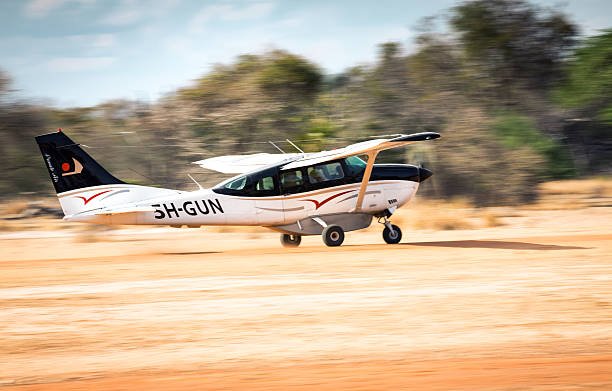
Getting to Katavi is typically done via light aircraft from major hubs like Arusha or Dar es Salaam. The flight itself offers spectacular aerial views of Tanzania’s landscapes.
- Flights: Charter or scheduled bush flights land at Katavi’s airstrips. These flights are weather-dependent and can be subject to schedule changes.
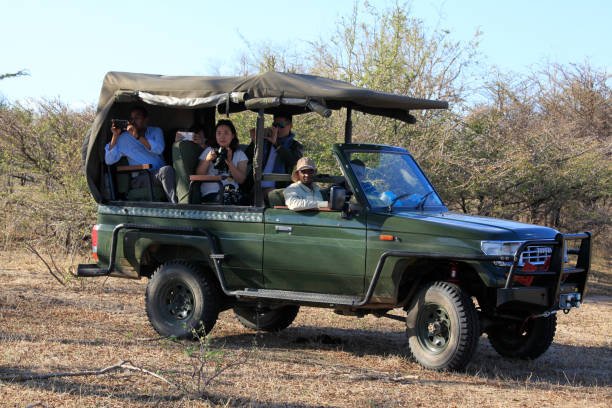
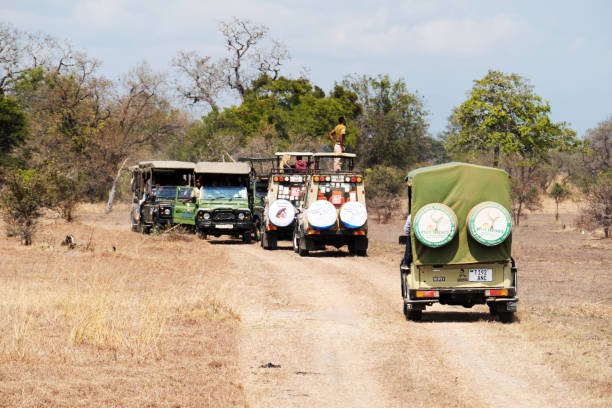
- Safari Vehicles: Specially adapted 4×4 safari vehicles are essential for navigating Katavi’s terrain. For photography, vehicles with open sides, pop-up roofs, and comfortable seating are ideal. Many operators provide beanbags for stabilizing cameras.
Essential Photography Gear for Katavi
To make the most of your Katavi Wildlife Photography Safari, bringing the right gear is crucial.
- Camera Bodies: A DSLR or mirrorless camera with good low-light performance and fast autofocus is recommended. Consider bringing a backup body.
- Lenses: A versatile range is key. A telephoto lens (e.g., 300mm, 400mm, or 600mm equivalent) is essential for wildlife. A wider lens (e.g., 24-70mm) is useful for landscapes and environmental shots. A macro lens can be great for insects and details.
- Tripod/Monopod: While sometimes difficult to use in a vehicle, a monopod can offer stability. Some camps have tripods available.
- Beanbags: Essential for stabilizing your camera and lens on the vehicle’s window sill or door. Most reputable tour operators provide these.
- Batteries and Chargers: Bring multiple spare batteries as charging opportunities may be limited.
- Memory Cards: Ample storage is vital. Bring more than you think you’ll need.
- Cleaning Kit: Dust is inevitable in the bush. A blower, lens cloths, and cleaning solution are necessary.
- Rain Protection: A rain cover for your camera and bag is advisable, especially during the shoulder seasons.
Camera Settings and Techniques
Adapt your settings to the changing light and action.
- Aperture Priority (Av/A): Often useful for controlling depth of field. Use a wide aperture (low f-number) for subject isolation or a narrower one for landscapes.
- Shutter Speed Priority (Tv/S): Crucial for freezing action. Aim for at least 1/500s for fast-moving animals. For static subjects, slower speeds can be used with stabilization.
- Manual Mode (M): Gives full control, ideal for consistent lighting or challenging situations.
- ISO: Be prepared to increase ISO in low light, but be mindful of noise. Modern cameras handle higher ISOs well.
- Focusing: Utilize continuous autofocus (AI Servo/AF-C) for moving subjects. Use single-point focus for precise aiming.
- Composition: Think about the rule of thirds, leading lines, framing, and negative space. Capture not just the animal but its environment.
Unique Photographic Highlights of Katavi
Katavi offers experiences that are hard to replicate elsewhere, making it exceptionally rewarding for dedicated photographers.
The Great Hippo and Crocodile Gatherings
During the dry season, the dwindling water in the Katuma River and Lake Chada forces hundreds, sometimes thousands, of hippos and large Nile crocodiles into close proximity. This creates intense territorial disputes, dramatic displays, and frequent interactions. The sheer density of these large animals in a confined space is a visual spectacle. Photographers can capture the raw power and ancient rivalry of these creatures, often with the parched landscape as a stark backdrop. The sounds and the sheer visual impact are overwhelming, providing incredible opportunities for powerful, visceral images. This is a scene that truly defines the wildness of Katavi.
Massive Buffalo Herds
Katavi is renowned for its immense herds of Cape buffalo. Seeing thousands of these formidable animals moving as one across the plains is an unforgettable sight. Whether it’s a dust cloud rising in the distance, a river crossing, or a large group gathered at a waterhole, the scale is immense. The textures of their scarred horns, their powerful bodies, and their coordinated movements offer endless photographic possibilities. Capturing the drama of a herd, perhaps with a lion pride lurking nearby, is a quintessential Katavi experience.
Lion Behavior and Predation
While lions are found in many Tanzanian parks, Katavi’s lions are known for their habit of hunting buffalo. This offers rare and thrilling photographic opportunities to witness predator-prey interactions at their most intense. Lions in Katavi often form larger prides than in other parks, and observing their social dynamics, hunting strategies, and interactions with other wildlife provides deep insight and compelling photographic narratives.
The Vastness of the Floodplains
The expansive floodplains of Katavi, especially during the dry season when they are exposed, offer a sense of immense scale and isolation. Photographing large herds against these vast, open backdrops emphasizes the wildness and the scale of nature. The interplay of light and shadow across these plains, with lone acacia trees dotting the landscape, creates classic African vistas that are perfect for environmental portraits of wildlife.
Birding Hotspots
Specific areas, particularly around Lake Chada and the Katuma River, become crucial birding hotspots during the dry season. The concentration of water birds, along with the presence of raptors and other species, makes these areas incredibly rewarding for bird photographers. The chance to photograph rare species or observe fascinating bird behaviors adds another dimension to a Katavi Wildlife Photography Safari.
Comparing Katavi to Other Tanzanian Safari Destinations for Photographers
While Tanzania offers a wealth of incredible safari destinations, Katavi provides a distinct experience for photographers, especially those seeking solitude and raw wilderness.
- Serengeti National Park: Famous for the Great Migration, the Serengeti offers unparalleled opportunities for action photography, especially during the migration months. It’s generally more accessible and has a higher density of vehicles. However, it can feel crowded, and the “wildness” might be less pronounced than in Katavi.
- Ngorongoro Crater: The “Eighth Wonder of the World” offers incredible wildlife density in a confined space, making it easy to get close-up shots. However, visitor numbers are strictly controlled, and the crater floor can feel busy. It’s less about vast landscapes and more about concentrated wildlife.
- Selous Game Reserve (Nyerere National Park): Located in southern Tanzania, Selous is also vast and wild, offering boat safaris and walking safaris which provide unique photographic perspectives not found in the northern parks. It shares some of Katavi’s remoteness but has different landscape features.
- Ruaha National Park: Another gem in southern Tanzania, Ruaha is known for its large elephant herds, baobab trees, and excellent predator sightings, particularly lions. It offers a similar sense of wildness to Katavi but with a different landscape character.
Katavi’s unique selling proposition for photographers: The combination of extreme remoteness, minimal visitor numbers, dramatic landscapes, and the sheer concentration of certain species (like buffalo and hippos) during the dry season makes it a truly special destination. It appeals to photographers who prioritize authenticity, solitude, and the chance to capture images of Africa as it once was.
Practical Tips for a Successful Katavi Wildlife Photography Safari
Beyond gear and timing, a few practical considerations can significantly enhance your Katavi experience.
- Pack Light but Smart: While lodges offer laundry services, pack versatile clothing layers. Neutral colors are best to avoid startling wildlife.
- Stay Hydrated and Protected: The climate can be hot and dry. Drink plenty of water and use sunscreen, hats, and insect repellent.
- Listen to Your Guide: Local guides are invaluable. They know the park intimately, understand animal behavior, and can position the vehicle for the best light and shots. Trust their expertise.
- Respect Wildlife: Maintain a safe distance. Never feed or disturb animals. Your presence should have minimal impact.
- Be Patient: Wildlife photography often requires patience. Waiting for the right moment, the right light, or the right behavior can yield the most rewarding images.
- Manage Expectations: While Katavi offers incredible opportunities, wildlife is unpredictable. Embrace the experience, and appreciate every sighting.
- Charge Everything: Ensure all batteries are fully charged each night. Camps may have limited power availability.
Environmental Considerations and Responsible Photography
As a visitor to one of Africa’s last truly wild places, responsible tourism and photography are paramount.
- Minimize Disturbance: Never ask your guide to approach wildlife too closely or to provoke reactions for a photo. Respect their natural behavior.
- Stay on Tracks: Off-road driving is generally not permitted and can damage fragile ecosystems.
- Leave No Trace: Pack out everything you pack in. Avoid littering.
- Support Local Communities: Choose tour operators who employ local guides and staff and contribute to conservation efforts.
- Ethical Wildlife Photography: Avoid using bait, spotlights at night (unless part of an official night drive and ethically conducted), or any method that unnaturally alters animal behavior for a photograph.
By adhering to these principles, you help preserve Katavi for future generations of photographers and wildlife enthusiasts. Planning your Katavi Wildlife Photography Safari for 2026 or 2027 with a responsible operator ensures your trip contributes positively to the park’s conservation.
Booking Your Katavi Wildlife Photography Safari in 2026-2027
Organizing a safari to a remote destination like Katavi requires expert knowledge. Top Guide Adventures specializes in crafting bespoke safari experiences across Tanzania, including the wild heart of Katavi.
Our team understands the nuances of wildlife photography and the specific needs of photographers. We can arrange:
- Custom Itineraries: Tailored to your photographic interests, focusing on the best locations and times for wildlife.
- Specialized Vehicles: Equipped for photography with pop-up roofs and beanbags.
- Experienced Guides: Knowledgeable about both wildlife and photography, assisting you in capturing the best shots.
- Accommodation Bookings: Securing spots in the best available camps and lodges.
- Flight Arrangements: Coordinating bush flights to and from Katavi.
We are committed to providing personal attention, care, and dedicated support for every client. Whether you are planning for late 2026 or looking ahead to early 2027, now is the time to start planning to secure the best availability and ensure a truly memorable Katavi Wildlife Photography Safari.
Contact us today to begin planning your extraordinary adventure.
WhatsApp: +255616946642
Email: topguideadventures@gmail.com
Backup Email: info@topguideadventurestanzania.com
Visit our website for more information on our Tanzania safari offerings: Top Guide Adventures Tanzania
“,
“faq_schema”: [
{
“question”: “What is the best time of year for a Katavi Wildlife Photography Safari in 2026-2027?”,
“answer”: “The prime time for a Katavi Wildlife Photography Safari is during the dry season, from June to October, with September and October offering the most concentrated wildlife viewing. This period provides excellent opportunities for capturing dramatic scenes of large herds and predator activity. The shoulder months of May and November can also be good, offering lush landscapes and fewer crowds.”
},
{
“question”: “What wildlife can I expect to photograph on a Katavi safari?”,
“answer”: “Katavi is renowned for its massive herds of Cape buffalo and elephants. You’ll also have excellent chances to photograph lions (often hunting buffalo), leopards, cheetahs, hippos, crocodiles, giraffes, zebras, and a wide variety of antelopes and gazelles. Birdlife is also abundant, making it a great destination for avian photography.”
},
{
“question”: “What photography gear is essential for a Katavi safari?”,
“answer”: “For a Katavi Wildlife Photography Safari, a good telephoto lens (300mm-600mm equivalent) is essential for wildlife. A versatile zoom lens (like a 24-70mm) and a macro lens are also recommended. Bring multiple camera bodies, plenty of memory cards and batteries, a sturdy beanbag for vehicle support, and a good cleaning kit for dust.”
},
{
“question”: “How do I get to Katavi National Park?”,
“answer”: “Katavi is remote and typically accessed by light aircraft from major Tanzanian cities like Arusha or Dar es Salaam. These flights land at local airstrips within or near the park. Ground transfers are then arranged by your safari operator to your chosen camp.”
},
{
“question”: “What are the accommodation options in Katavi?”,
“answer”: “Accommodation in Katavi is limited and primarily consists of fly-in safari lodges and tented camps. These offer varying levels of comfort, from luxury to mid-range, providing an authentic safari experience in a remote setting. Booking well in advance for 2026-2027 is crucial due to limited availability.”
}
]
}
Check Availability for Katavi Wildlife Photography Safari 2026-2027
Ready to compare dates, prices, and the best option for your group? Send the package name and travel month so the team can reply with a clear quote, availability, and what is included.
Katavi National Park: Tanzanias Untamed Wilderness Safari Guide 2026-2027
Katavi National Park offers an unparalleled safari experience in Tanzania's remote wilderness. This guide explores its vast landscapes, abundant wildlife, best visiting times for 2026-2027...
View package details
Tanzania Photography Safari Prices: Your Comprehensive Guide 2026-2027
Planning a photography safari in Tanzania for 2026 or 2027? This guide breaks down the expected costs, helping you budget for an unforgettable wildlife photography adventure. Learn what...
View package details
Tanzania Wildlife Safari Cost Breakdown: Your Budget Guide 2026-2027
Planning a Tanzania wildlife safari involves understanding the key cost components. This guide provides a detailed breakdown for 2026-2027, covering everything from park fees and...
View package details
Tanzania Private Safari Prices 2026-2027
Tanzania Private Safari Prices is explained with current 2026-2027 planning, price, itinerary and booking information.
View package details
Pemba Island Safari Prices: Your Guide To Costs In 2026-2027
Planning a safari on Pemba Island? Understand the pricing for 2026-2027, from budget options to luxury experiences. This guide breaks down the costs, inclusions, and factors affecting your...
View package details
Saadani National Park Entry Fees And Safari Prices For 2026-2027
Planning a safari to Saadani National Park? This guide details the essential entry fees and safari package prices for 2026-2027, helping you budget for your unforgettable Tanzanian...
View package details
Mahale Safari Prices: Your Guide To Chimpanzee Trekking Costs 2026-2027
Planning a Mahale safari? This guide breaks down Mahale safari prices for 2026-2027, covering chimpanzee trekking permits, accommodation options, transport, and essential budgeting tips for...
View package details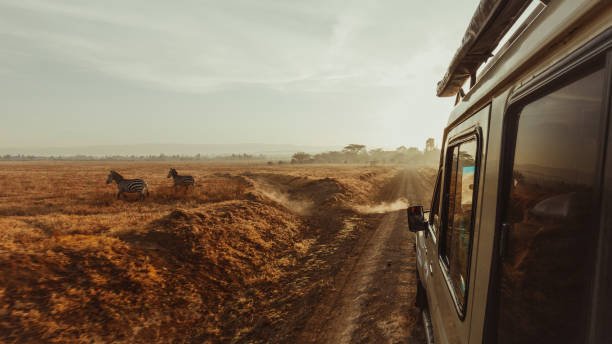
Nyerere Walking Safari Prices : Your Guide To Costs And Planning 2026-2027
Explore Nyerere National Park on a walking safari with Top Guide Adventures. Discover pricing for 2026-2027, understand cost factors, and plan your unforgettable adventure.
View package details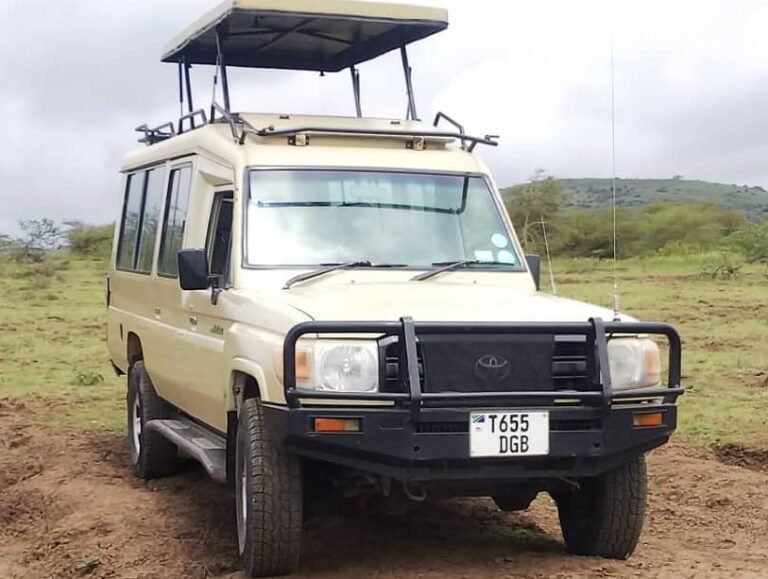
Ruaha Walking Safari Cost: What To Expect For Adventures 2026-2027
Understand the estimated costs for a Ruaha walking safari in 2026-2027. This guide breaks down the price elements, helping you budget for an unforgettable Tanzanian adventure.
View package details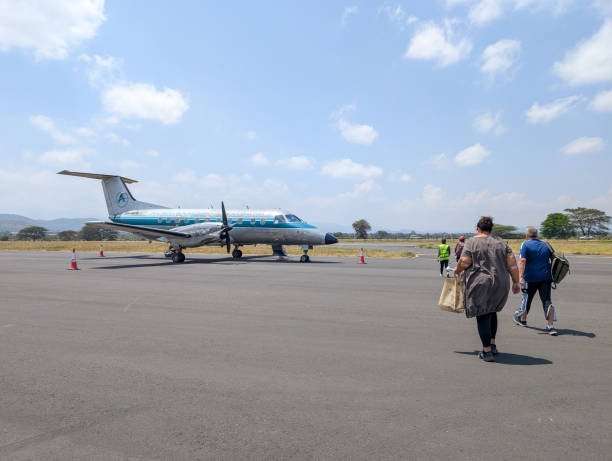
Mikumi National Park Entry Fees And Safari Prices 2026-2027
Planning a safari to Mikumi National Park? This guide details the essential entry fees, conservation charges, and safari package prices for 2026-2027, helping you budget for an...
View package details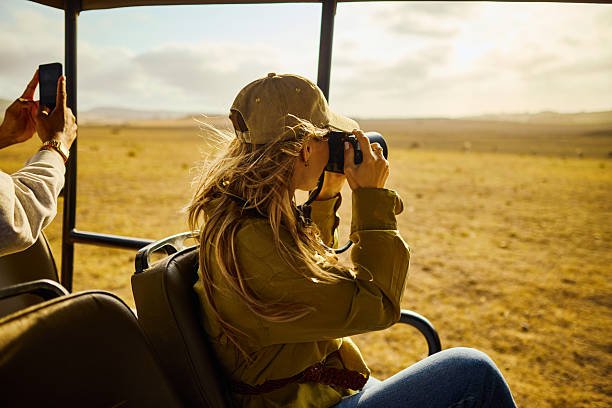
Mikumi National Park: Your Ultimate Safari Guide For 2026-2027
Mikumi National Park offers incredible wildlife viewing with its open plains and abundant animals, making it a top choice for Tanzania safaris. This guide covers everything you need to know...
View package details
Budget Tarangire Safari Prices: Cost Guide For 2026-2027
Planning a budget-friendly safari in Tarangire National Park? This guide breaks down the costs for 2026-2027, detailing what influences prices, what's typically included in budget packages...
View package detailsNo related package matches those filters. Clear one or more filters to see the other topic-matched options.



