
The Rukwa Region in Southern Tanzania offers a truly off-the-beaten-path safari experience, characterized by its vast, undeveloped wilderness, abundant and unique wildlife populations including large herds of wildebeest and zebras, and significant birdlife, making it an ideal destination for adventurous travelers seeking solitude and authentic encounters with nature, especially during the dry seasons of 2026 and 2027.
Discovering the Untamed Heart of Southern Tanzania: The Rukwa Region
When most travelers envision a Tanzanian safari, their minds often drift to the iconic plains of the Serengeti or the dramatic crater of Ngorongoro. However, Tanzania’s allure extends far beyond these famous northern parks. To the south lies a realm of unparalleled wilderness, a place where nature reigns supreme and human footprints are few: the Rukwa Region. This expansive area, encompassing Lake Rukwa and its surrounding landscapes, presents an entirely different facet of Tanzania – one of raw, untamed beauty, immense wildlife concentrations, and a profound sense of discovery.
For those yearning for an authentic safari experience, away from the crowds and closer to the pulse of the wild, the Rukwa Region stands as a compelling destination. Its vastness means that wildlife sightings are not just about ticking off the Big Five, but about observing intricate ecosystems in their natural, undisturbed state. From the shimmering expanse of Lake Rukwa itself, a vital water source supporting diverse life, to the rugged hills and sweeping savannas, the region is a mosaic of habitats, each teeming with its own unique character and inhabitants.
Planning a visit to the Rukwa Region requires a spirit of adventure and a desire for the genuine. Unlike its northern counterparts, infrastructure here is minimal, which is precisely part of its charm. This is a place for intrepid explorers, for those who appreciate the quiet majesty of nature and the thrill of venturing into less-charted territories. As we look towards 2026 and 2027, the Rukwa Region continues to represent a frontier of exploration for discerning safari-goers, offering a chance to connect with a wild Tanzania that remains remarkably untouched.
Geographical Significance and Landscape Diversity
The Rukwa Region is strategically located in the southwestern part of Tanzania, bordering the Katavi Region to the north, Mbeya Region to the east and south, and the Democratic Republic of Congo to the west. Its defining geographical feature is Lake Rukwa, a large, shallow, alkaline lake that fluctuates significantly in size depending on rainfall. The lake is the heart of the region’s ecosystem, a critical hub for wildlife, particularly during the dry season when water sources become scarce elsewhere.
The landscapes within the Rukwa Region are remarkably diverse, offering a stark contrast to the flat, grassy plains often associated with East African safaris. Here, you will find:
- Vast Savannas: Expansive grasslands stretch for miles, dotted with acacia trees and supporting large herds of herbivores.
- Woodlands and Bushlands: Denser vegetated areas provide cover for a variety of species and offer a different viewing experience, requiring more patient observation.
- Riverine Forests: Along the seasonal rivers and streams, lush vegetation thrives, attracting specific wildlife and offering shaded routes for game drives.
- The Lake Itself: Lake Rukwa is a spectacle of shimmering water, surrounded by reed beds and muddy shores, attracting an incredible array of waterbirds and larger mammals that come to drink or feed.
- Rocky Outcrops and Hills: In some areas, the terrain becomes more rugged, providing vantage points and habitat for animals adapted to such environments.
This topographical variety creates a rich mix of microhabitats, which in turn supports a diverse array of flora and fauna. The sheer scale of the Rukwa Region means that it remains largely undeveloped, preserving its natural beauty and ecological integrity. This is a landscape that feels ancient and wild, a place where one can truly appreciate the power and resilience of nature.
Wildlife Encounters: A Unique Southern Tanzania Safari Experience
The wildlife of the Rukwa Region is its primary draw, offering a different spectacle than the northern parks. While the iconic Big Five are present, the region is particularly renowned for its large concentrations of certain species and its unique ecological dynamics. For visitors in 2026 and 2027, the opportunity to witness these animals in such a pristine environment is a significant draw.
Key Wildlife Highlights:
- Wildebeest and Zebra Herds: Rukwa is famous for its immense migratory herds of wildebeest and zebras, which can rival those seen in the Serengeti. During certain times of the year, these herds create a dynamic and awe-inspiring spectacle as they move across the plains in search of grazing.
- Buffalo: Large herds of African buffalo are a common sight, often found near water sources or grazing in the open savannas.
- Elephants: While not as densely populated as in some northern parks, elephants are present, often found in the more wooded areas or near permanent water.
- Predators: Lions are the dominant predators, with prides often found in the grasslands and woodlands. Cheetahs are also present, though sightings can be rarer due to the varied terrain. Leopards are elusive, typically found in denser bush or rocky areas. Wild dogs, a prized sighting for many, also inhabit parts of the region.
- Hippos and Crocodiles: Lake Rukwa and its associated rivers and streams are home to substantial populations of hippos and Nile crocodiles, often visible basking on the banks or submerged in the water.
- Giraffes: Various species of giraffes can be spotted, adapted to browsing on the trees and shrubs.
- Antelopes: A wide variety of antelope species inhabit the region, including impala, topi, hartebeest, Grant’s gazelles, Thomson’s gazelles, and the endemic Roan and Sable antelopes, which are particularly notable in this part of Tanzania.
Birdlife: A Birder’s Paradise
The Rukwa Region is an ornithological treasure trove. Lake Rukwa, in particular, is a critical habitat for a staggering number of bird species. Birdwatchers can expect to see:
- Waterfowl: Large numbers of ducks, geese, and other waterbirds congregate on the lake.
- Wading Birds: Herons, egrets, storks, and ibises are abundant in the shallows.
- Pelicans and Cormorants: White and Pink-backed Pelicans, along with various cormorant species, are frequently observed.
- Raptors: Eagles, buzzards, and falcons patrol the skies, preying on smaller birds and mammals.
- Flamingos: Depending on water conditions, flocks of Lesser and Greater Flamingos can turn the lake shores into a vibrant pink spectacle.
- Other Species: Expect to see weavers, bishops, kingfishers, bee-eaters, rollers, hornbills, and many other terrestrial and avian species.
The sheer scale and diversity of wildlife, combined with the lack of dense tourist traffic, make the Rukwa Region a profoundly rewarding destination for those seeking a genuine and uncrowded safari experience. Planning your trip for late 2026 or early 2027 could align perfectly with optimal viewing seasons.
The Best Time to Visit the Rukwa Region
Timing is crucial for any safari, and the Rukwa Region is no exception. Its climate and wildlife viewing potential are highly seasonal, dictated by the rainfall patterns. Understanding these patterns will help you plan the most rewarding trip for 2026 or 2027.
Dry Season (June to October):
This is generally considered the prime time to visit the Rukwa Region for wildlife viewing. During these months:
- Concentrated Wildlife: As natural water sources dwindle, animals tend to congregate around the remaining waterholes and along Lake Rukwa, making them easier to spot.
- Easier Game Drives: The landscape is drier, with less vegetation cover, improving visibility. Roads are also typically in better condition, allowing for more accessible game drives.
- Pleasant Temperatures: Days are generally warm and sunny, with cooler evenings and mornings.
- Birding: While resident birds are always present, the dry season can still offer excellent birding opportunities, especially around permanent water sources.
Green Season (November to May):
This period is characterized by rainfall, which transforms the landscape into a lush, vibrant green. While it presents different opportunities, it also comes with challenges:
- Lush Scenery: The landscape is at its most beautiful, with fresh vegetation and wildflowers.
- Calving Season: For the wildebeest and zebra herds, this is often the calving season, offering a chance to see young animals.
- Birding: This is an excellent time for birdwatchers, as migratory birds arrive, and resident birds are often in breeding plumage.
- Challenges: Heavy rainfall can make roads impassable, limiting game drive access. Wildlife may disperse into the taller grass, making sightings more difficult. Some lodges or camps might close or operate with reduced services.
Shoulder Seasons (May/June and October/November):
These transitional periods can offer a good balance. You might experience fewer crowds, the landscape is transitioning from green to dry (or vice versa), and wildlife is often still relatively easy to find.
Recommendation for 2026-2027: For the best overall safari experience focused on abundant wildlife sightings and accessibility, aim for the dry season, from June to October. If birding or experiencing the lush green landscape is a priority, consider the early part of the green season or the shoulder months.
Activities and Experiences in the Rukwa Region
While game drives are the cornerstone of any safari in the Rukwa Region, the unique environment allows for a variety of other enriching experiences. The emphasis here is on immersion in nature and appreciating the vastness and solitude.
Classic Game Drives:
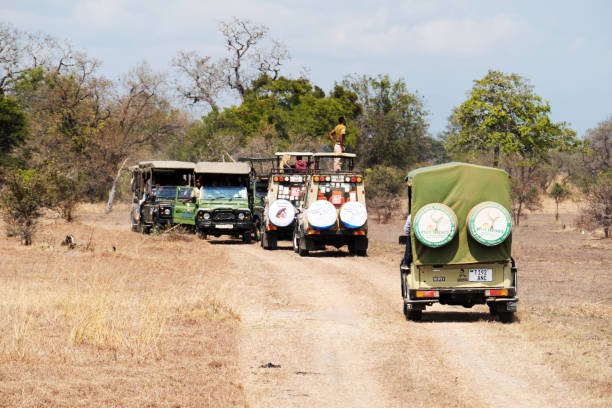
Explore the diverse habitats of the Rukwa Region in a 4×4 safari vehicle. Experienced guides will lead you through savannas, woodlands, and along the shores of Lake Rukwa, maximizing your chances of encountering wildlife. Game drives are typically conducted in the early morning and late afternoon, when animals are most active.
Walking Safaris:
In designated areas and under the guidance of armed rangers, walking safaris offer a more intimate connection with the bush. This allows you to appreciate the smaller details of the ecosystem – the tracks, the insects, the plants – and to feel the true pulse of the wilderness. Walking safaris provide a different perspective, allowing for deeper understanding and appreciation of the environment.
Birdwatching Excursions:
With its incredible avian diversity, the Rukwa Region is a haven for birdwatchers. Guided birdwatching trips, often combined with game drives or walks, focus on identifying the numerous resident and migratory species that call this area home. Lake Rukwa is a particularly rewarding spot for observing waterbirds and large flocks.
Photography Safaris:
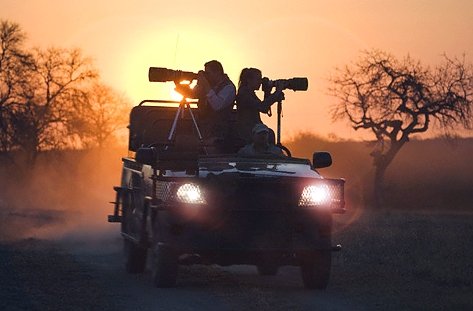
The raw, undeveloped beauty of the Rukwa Region, combined with its significant wildlife populations, makes it a photographer’s dream. The lack of crowds ensures that you have ample opportunity to capture stunning images without interference. The dramatic landscapes, vast herds, and diverse species offer endless photographic possibilities.
Cultural Encounters:
While the Rukwa Region is primarily known for its wildlife, it is also home to various local communities. Depending on your itinerary and the accessibility of specific areas, opportunities for respectful cultural interactions may arise, offering insight into the lives of the people who inhabit this wild landscape.
Stargazing:
Far from any significant light pollution, the night skies over the Rukwa Region are spectacular. On clear nights, the Milky Way stretches across the heavens, offering an unforgettable celestial display.
The experiences available in the Rukwa Region are designed to be deeply connected to the natural environment, offering a profound sense of peace and adventure for travelers in 2026 and 2027.
Planning Your Rukwa Region Adventure: Practical Considerations
A safari to the Rukwa Region is an adventure that requires careful planning due to its remote nature and limited infrastructure. This is not a destination for spontaneous, last-minute bookings without expert guidance.
Getting There:
Access to the Rukwa Region is challenging and typically involves a combination of flights and road travel.
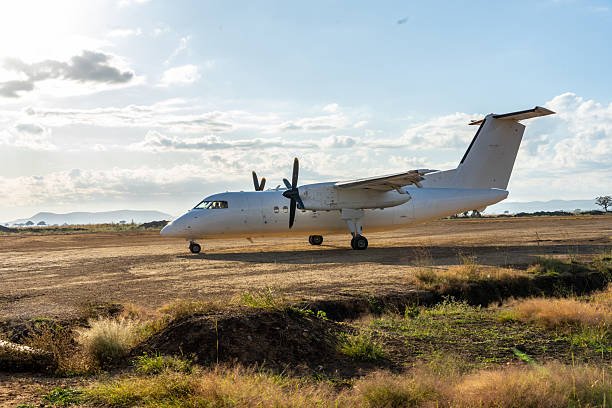
- By Air: The most common approach is to fly from major hubs like Dar es Salaam or Kilimanjaro International Airport to a regional airstrip. Mbeya Airport (MBI) is a common gateway for Southern Tanzania, from where further arrangements are made. Some remote camps may have their own airstrips, requiring charter flights.
- By Road: Driving to the Rukwa Region from major cities like Dar es Salaam or Arusha is a very long journey, often taking several days. The roads can be rough and challenging, particularly during the rainy season. This is usually undertaken with a dedicated safari vehicle and experienced driver-guide.
Accommodation Options:
Accommodation in the Rukwa Region is generally limited and geared towards providing an authentic wilderness experience. Expect:
- Tented Camps: These offer a comfortable yet close-to-nature experience, with en-suite bathrooms and permanent or semi-permanent tents. They are often situated in prime wildlife areas.
- Basic Lodges: A few lodges may exist, offering more permanent structures but still maintaining a rustic and remote feel.
- Mobile Camps: For a truly exclusive experience, mobile camps can be set up in specific locations, offering a more personalized and flexible safari.
It is essential to book accommodation well in advance, especially for travel in 2026 and 2027, as options are scarce and popular spots fill up quickly.
What to Pack:
Packing for a Rukwa Region safari should focus on practicality, comfort, and layering.
- Clothing: Neutral-colored, lightweight clothing (khaki, olive green, brown) is best for game drives. Include long-sleeved shirts and trousers for sun and insect protection. Pack warm layers for cool mornings and evenings.
- Footwear: Comfortable, sturdy walking shoes or hiking boots are essential, especially if you plan on walking safaris.
- Sun Protection: A wide-brimmed hat, sunglasses, and high-SPF sunscreen are vital.
- Insect Repellent: Especially important for evenings and dawn/dusk.
- Binoculars: High-quality binoculars are a must for spotting wildlife.
- Camera and Accessories: Plenty of memory cards and spare batteries.
- Personal Items: Basic first-aid kit, any personal medications, hand sanitizer, and a headlamp or flashlight.
Health and Safety:
- Malaria Prevention: The Rukwa Region is a malaria-endemic area. Consult your doctor about appropriate antimalarial medication and take precautions against mosquito bites.
- Vaccinations: Ensure you are up-to-date on routine vaccinations and discuss any specific travel-related vaccines with your doctor. Yellow fever vaccination may be required.
- Travel Insurance: Comprehensive travel insurance covering medical emergencies and evacuation is highly recommended.
- Water: Drink only bottled or purified water.
Given the remote nature, working with an experienced tour operator is highly recommended to navigate these logistical challenges and ensure a safe and enjoyable adventure in the Rukwa Region for late 2026 or 2027.
Comparing Rukwa Region with Other Tanzanian Destinations
To truly appreciate what the Rukwa Region offers, it’s helpful to compare it with more established safari destinations in Tanzania. Each region provides a distinct experience, catering to different traveler preferences.
Rukwa Region vs. Northern Circuit (Serengeti, Ngorongoro, Tarangire, Manyara)
- Crowds: Rukwa is significantly less crowded, offering a more exclusive and intimate wildlife experience. The Northern Circuit, especially during peak seasons, can be very busy.
- Landscape: Rukwa offers more varied terrain, including vast savannas, woodlands, and the unique alkaline lake. The Northern Circuit is predominantly known for its open grasslands (Serengeti) and the caldera (Ngorongoro).
- Wildlife Density: While the Northern Circuit boasts incredibly high densities of iconic species and is famous for the Great Migration spectacle, Rukwa offers large herds of wildebeest and zebras in a more undisturbed setting, alongside unique birdlife.
- Infrastructure: The Northern Circuit has well-developed infrastructure, including numerous lodges, camps, and good road networks. Rukwa’s infrastructure is minimal, focusing on remote, wilderness camps.
- Accessibility: The Northern Circuit is generally easier to access with more flight options and established road routes. Rukwa requires more complex travel arrangements.
- Cost: While both can be expensive due to the nature of safaris, Rukwa’s remoteness and reliance on charter flights can sometimes make it a more significant investment, though fewer crowds can offer a different value proposition.
Rukwa Region vs. Southern Circuit (Selous/Nyerere, Ruaha)
- Proximity and Style: Rukwa is geographically part of Southern Tanzania but offers a distinct experience from the more accessible southern parks like Nyerere National Park (formerly Selous) and Ruaha National Park.
- Nyerere National Park: Known for its vastness, boat safaris on the Rufiji River, and diverse wildlife, but can still see significant tourist numbers in certain areas.
- Ruaha National Park: Tanzania’s largest national park, renowned for its large elephant and lion populations, dramatic landscapes, and wild, remote feel. Ruaha shares some of Rukwa’s remote appeal but is generally more accessible and has more established guiding operations.
- Rukwa’s Uniqueness: Rukwa’s defining feature is its vast, largely untouched nature and the sheer scale of its Lake Rukwa ecosystem, which is less developed for tourism than Ruaha or Nyerere. The wildlife concentrations, particularly of wildebeest and zebra, can be spectacular.
For travelers in 2026 and 2027 looking for an ‘authentic’ or ‘off-the-beaten-path’ experience, Rukwa offers perhaps the most profound sense of remoteness and untouched wilderness among Tanzania’s safari destinations. Ruaha offers a similar wildness but with more established tourism infrastructure.
The Future of Tourism in the Rukwa Region: 2026-2027 and Beyond
The Rukwa Region represents a frontier for tourism in Tanzania. While its remoteness is a significant part of its appeal, it also presents challenges and opportunities for future development. As we look towards 2026 and 2027, and into the coming years, several factors will shape the tourism landscape here.
- Sustainable Tourism Development: There is a growing global demand for responsible and sustainable travel. The Rukwa Region, with its pristine environment, is perfectly positioned to embrace this. Development will likely focus on low-impact eco-lodges and community-based tourism initiatives that benefit local populations while preserving the natural heritage.
- Conservation Efforts: Protecting the unique biodiversity of the Rukwa Region is paramount. As tourism grows, so does the importance of robust conservation strategies to manage wildlife populations, combat poaching, and preserve habitats. Partnerships between tour operators, local communities, and conservation organizations will be key.
- Infrastructure Improvements: While the lack of infrastructure is a draw for some, gradual, well-planned improvements to airstrips and selective road maintenance could make the region more accessible without compromising its wild character. This is a delicate balance to strike.
- Niche Tourism: The Rukwa Region is likely to continue attracting a niche market of travelers seeking unique, remote experiences. This includes dedicated birdwatchers, photographers, and those looking for true wilderness immersion, far from mass tourism.
- Potential for Expansion: As awareness of the Rukwa Region grows, more specialized safari operators may begin to offer tailored itineraries, potentially opening up new areas within the region for exploration.
For travelers planning their adventures for 2026 and 2027, visiting the Rukwa Region now offers a chance to experience one of Tanzania’s last truly wild frontiers. It is a destination that rewards the adventurous spirit with unparalleled natural beauty and a profound sense of discovery.
Choosing the Right Tour Operator for Your Rukwa Region Safari
Given the complexities of organizing a safari to a remote region like Rukwa, selecting the right tour operator is critical. A reputable and experienced operator will handle all the logistics, ensuring a safe, smooth, and unforgettable experience.
What to Look for in an Operator:
- Experience in Southern Tanzania: Ensure the operator has specific experience with the Rukwa Region and Southern Tanzania. They should understand the logistics, best times to visit, and the unique challenges of the area.
- Local Knowledge: Operators with strong local ties often have better access to guides, accommodations, and can provide deeper insights into the culture and environment.
- Customization: The best operators will offer tailor-made itineraries to suit your interests, budget, and travel style.
- Commitment to Sustainability: Look for operators who demonstrate a commitment to responsible tourism, conservation, and community engagement.
- Safety Standards: They should adhere to strict safety protocols for vehicles, guides, and activities.
- Reputation and Reviews: Check independent reviews and testimonials from previous clients.
Top Guide Adventures, for instance, specializes in crafting comprehensive Tanzania safari experiences, including those in less-traveled regions. They offer personal attention, dedicated support, and can arrange tailor-made journeys across both Northern and Southern Tanzania. Their expertise ensures that even remote destinations like the Rukwa Region are accessible and enjoyable.
For an unforgettable adventure in the Rukwa Region, especially for your planned trip in 2026 or 2027, consider reaching out to specialists who can manage the intricate details of such a remote safari. You can contact them via WhatsApp +255616946642 or email at info@topguideadventurestanzania.com. Their other email is topguideadventures@gmail.com.
Frequently Asked Questions about the Rukwa Region
What are the main attractions of the Rukwa Region?
The primary attractions are its vast, undeveloped wilderness, significant wildlife concentrations (especially wildebeest and zebra herds), diverse birdlife around Lake Rukwa, and the opportunity for a truly off-the-beaten-path safari experience with minimal crowds.
Is the Rukwa Region suitable for first-time safari-goers?
While it offers an authentic experience, the Rukwa Region’s remoteness and limited infrastructure might be more suited for experienced safari travelers or those who are adventurous and seeking a different kind of safari. First-time visitors might prefer the more established Northern Circuit for an introduction to Tanzanian safaris, unless they are specifically seeking solitude and a rugged adventure.
What kind of accommodation can I expect in Rukwa?
Accommodation is typically limited to remote tented camps or basic lodges, designed to provide a close-to-nature experience with essential comforts. Options are fewer and more rustic compared to more developed safari areas.
How do I get to the Rukwa Region?
Access is challenging. It usually involves flying from major Tanzanian cities to regional airports like Mbeya, followed by road transfers, or charter flights to remote airstrips. Driving is a very long and often difficult journey.
When is the best time to visit the Rukwa Region for wildlife viewing?
The dry season, from June to October, is generally the best time for wildlife viewing as animals congregate around water sources. The green season (November to May) offers lush scenery and excellent birding but can present logistical challenges due to rains.
What is the cost of a safari to the Rukwa Region?
Safaris to remote regions like Rukwa can be expensive due to the logistical complexities, including transportation (often charter flights) and specialized guiding. Prices vary significantly based on the duration, accommodation style, and inclusions. It is best to get a personalized quote from a tour operator experienced in this region for 2026 or 2027.
The Rukwa Region beckons the adventurous traveler with the promise of an unparalleled encounter with Tanzania’s wild heart. For those planning a journey in 2026 or 2027, this remote gem offers an experience that is both profoundly wild and deeply rewarding. To start planning your bespoke adventure and to receive a personalized itinerary and quote, please contact Top Guide Adventures:
WhatsApp: +255616946642
Email: info@topguideadventurestanzania.com
Backup Email: topguideadventures@gmail.com
Let us help you explore the untamed beauty of the Rukwa Region, a truly unique destination for your next Tanzanian safari.
Check Availability for Rukwa Region Tanzania: Unveiling Southern Tanzanias Untamed Wilderness
Ready to compare dates, prices, and the best option for your group? Send the package name and travel month so the team can reply with a clear quote, availability, and what is included.



