
For 2026-2027, the standard Lake Manyara entrance fee is $55 USD per person per day for international tourists aged 16 and above. Children aged 5-15 pay $10 USD. These fees are collected by TANAPA (Tanzania National Parks Authority) and are crucial for park conservation efforts. The fee grants access to the park for a 24-hour period, allowing you to explore its diverse ecosystems and wildlife.
Understanding Lake Manyara National Park Entrance Fees for 2026-2027
When planning your unforgettable safari adventure in Tanzania, understanding the associated costs is paramount. Lake Manyara National Park, renowned for its tree-climbing lions, vibrant birdlife, and stunning Rift Valley escarpment views, is a must-visit destination. A significant component of your safari budget will be the park entrance fees. This guide provides a comprehensive breakdown of the Lake Manyara entrance fee for the 2026-2027 period, helping you budget accurately and make the most of your visit.
The Tanzania National Parks Authority (TANAPA) sets these fees, and they are subject to change. However, for the foreseeable future, including 2026 and 2027, the established rates provide a solid basis for planning. It’s essential to remember that these fees are per person, per 24-hour entry, and are separate from any tour operator costs, accommodation, or other safari expenses.
Current Fee Structure: A Detailed Look
The pricing for Lake Manyara National Park entrance is tiered, primarily distinguishing between international visitors (non-Tanzanian residents), East African residents, and Tanzanian citizens. For most international travelers considering a safari in 2026 or 2027, the following rates are applicable:
- Adults (16 years and above): $55 USD per person per day. This is the standard rate for most international tourists.
- Children (5 to 15 years): $10 USD per child per day. Children under 5 years old typically enter for free.
- Students (with valid ID): Sometimes a reduced rate is available, but the standard adult fee often applies for international students unless specified by TANAPA. It’s best to confirm with your tour operator.
These fees are collected at the park gates or can be pre-paid through authorized tour operators. For those planning a comprehensive Northern Circuit safari in 2026-2027, which often includes Lake Manyara, Serengeti, and Ngorongoro Crater, factoring in these daily park fees for each location is crucial for accurate budgeting.
Vehicle Entrance Fees
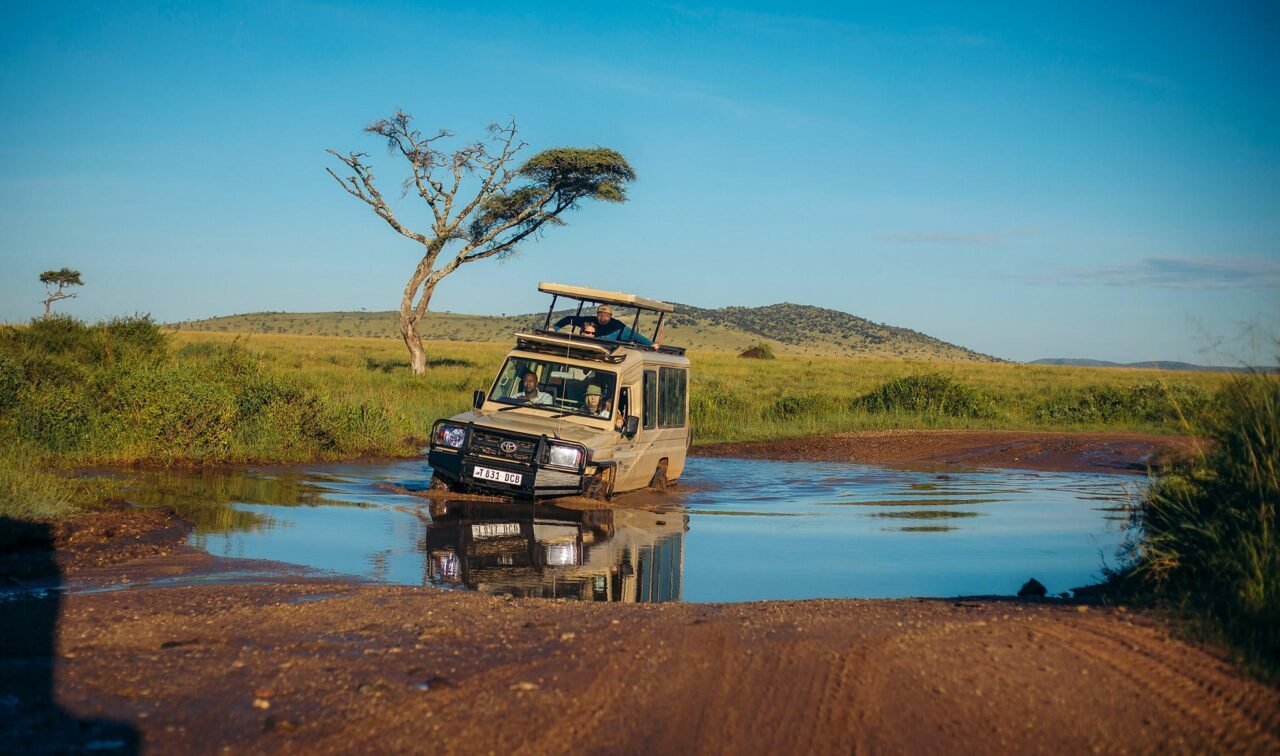
In addition to the per-person fees, there are also charges for vehicles entering the park. These vary based on the type and size of the vehicle. For standard safari vehicles typically used by tour operators (e.g., 4×4 Land Cruisers), you can expect:
- Standard Safari Vehicle (e.g., 4×4 Land Cruiser): Approximately $30 USD per vehicle per day.
- Larger Tour Buses/Coaches: Fees will be higher and depend on capacity.
These vehicle fees are usually incorporated into your overall safari package price by reputable tour operators like Top Guide Adventures. When obtaining a quote for your 2026 or 2027 safari, ensure that park fees, including vehicle fees, are clearly itemized or stated as included.
Why Are There Park Entrance Fees? The Importance of Conservation
The Lake Manyara entrance fee, like those for all Tanzanian National Parks, serves a vital purpose: the conservation and preservation of the park’s natural beauty, wildlife, and ecosystems. TANAPA uses the revenue generated from park fees to:
- Fund anti-poaching patrols and wildlife monitoring.
- Maintain park infrastructure, including roads, trails, and visitor facilities.
- Support research and conservation initiatives.
- Manage and protect the diverse flora and fauna unique to Lake Manyara.
- Contribute to local community development projects surrounding the park.
By paying the entrance fee, visitors directly contribute to the sustainability of Lake Manyara National Park, ensuring that future generations can also experience its wonders. This is particularly relevant as tourism to Tanzania, including safaris in 2026 and 2027, continues to grow.
How to Pay Your Lake Manyara Entrance Fee
There are two primary ways to handle your park entrance fees for Lake Manyara:
- Through Your Tour Operator: This is the most common and convenient method for international tourists. Reputable companies like Top Guide Adventures will include all necessary park fees in your safari package. They handle the logistics of payment directly with TANAPA, saving you time and potential hassle at the park gates. This is highly recommended for a smooth experience, especially when planning for peak safari seasons in 2026-2027.
- Directly at the Park Gate: While possible, this is generally less recommended for international visitors. You would need to have the exact amount in USD cash or be prepared to pay with a credit card (though card machines can sometimes be unreliable). It can lead to delays, especially during busy periods.
When booking your 2026 or 2027 safari, always clarify with your chosen tour operator exactly what is included in their quoted price. A transparent operator will detail whether park fees are covered.
Payment Methods and Currency
TANAPA primarily collects fees in US Dollars (USD) for foreign visitors. While some park gates might accept Tanzanian Shillings (TZS) or credit cards, it’s safest and most reliable to budget for USD cash if you intend to pay directly. However, as mentioned, booking with a tour operator who includes these fees is the most straightforward approach.
Factors Affecting Safari Costs Beyond Entrance Fees
While the Lake Manyara entrance fee is a fixed component, it’s just one part of your overall safari expenditure. For a complete picture of your 2026-2027 safari budget, consider these additional costs:
- Accommodation: Options range from budget-friendly campsites and lodges to luxurious tented camps and hotels. Prices can vary significantly.
- Transportation: The cost of your safari vehicle (typically a 4×4 Land Cruiser), fuel, and driver/guide fees.
- Guide Fees: Professional safari guides are essential for spotting wildlife and enriching your experience. Their fees are part of the package.
- Meals: Depending on your accommodation, meals might be included or charged separately.
- Activities: Optional activities like night game drives (where permitted), walking safaris, or cultural visits may incur extra charges.
- Tips: While not mandatory, tipping your guide and lodge staff is customary and appreciated.
- Other Park Fees: If your itinerary includes other parks like Serengeti, Ngorongoro Crater, Tarangire, or Arusha National Park, each will have its own distinct entrance fees. For instance, the Ngorongoro Crater fee is significantly higher than Lake Manyara’s.
- Travel Insurance: Highly recommended for any international travel.
- Visas: Check current visa requirements and costs for Tanzania.
- Flights: International and domestic flight costs to and from Tanzania.
A well-rounded safari package from a company like Top Guide Adventures typically bundles many of these elements, providing a clear total cost. Always request a detailed itinerary and inclusions list when comparing quotes for your 2026 or 2027 safari.
Comparing Lake Manyara with Other Parks
It’s useful to compare the Lake Manyara entrance fee with those of neighboring parks to understand the overall cost of a Northern Circuit safari:
| National Park | International Adult Fee (approx. per 24hr) | Vehicle Fee (approx.) |
|---|---|---|
| Lake Manyara | $55 USD | $30 USD |
| Tarangire National Park | $55 USD | $30 USD |
| Serengeti National Park | $70 USD | $40 USD |
| Ngorongoro Conservation Area (Crater Service Fee) | $300 USD per vehicle (plus $70 pp for Crater Floor Access) | Varies by vehicle type |
| Arusha National Park | $55 USD | $30 USD |
Note: These are approximate fees for 2026-2027 and are subject to change by TANAPA. Ngorongoro fees are particularly complex, often including conservation fees, crater service fees, and vehicle fees. Always confirm current rates with your tour operator.
As you can see, while Lake Manyara’s fee is standard for many parks, the Ngorongoro Crater has substantially higher associated costs. This is important information when structuring your 2026 or 2027 safari itinerary and budget.
Planning Your Lake Manyara Safari in 2026-2027
Lake Manyara National Park offers a unique safari experience, even for a single day. Its compact size makes it ideal for shorter visits or as part of a larger itinerary. When planning your trip for 2026 or 2027, consider:
Best Time to Visit
Lake Manyara is a year-round destination. However, the dry seasons (June to October and December to February) generally offer the best wildlife viewing conditions as animals congregate around water sources. The shoulder seasons (March-May, November) can offer fewer crowds and potentially lower accommodation rates, though rainfall might impact road conditions.
Duration of Stay
A single day is often sufficient to experience the highlights of Lake Manyara, especially if you are on a tight schedule or incorporating it into a longer Northern Circuit tour. However, spending two days allows for a more relaxed pace, exploring different sections of the park, and increasing your chances of spotting the elusive tree-climbing lions.
Typical Itinerary Inclusion
Lake Manyara is frequently included as the first or second stop on a Northern Circuit safari, often following Arusha or Tarangire National Park. A typical 3-day safari might look like:
Example 3-Day Northern Circuit Snippet (2026-2027)
- Day 1: Arrive in Arusha, meet your guide. Drive to Tarangire National Park for game drives. Overnight near Tarangire.
- Day 2: Morning game drive in Tarangire. After lunch, drive to Lake Manyara National Park for an afternoon game drive. Overnight near Lake Manyara or Karatu.
- Day 3: Morning game drive in Lake Manyara National Park. Continue to Ngorongoro Crater for a game drive, then drive back to Arusha.
This is a sample itinerary. Actual durations and park order can be customized. Remember that park fees apply for each day and each park visited.
What to Expect in Lake Manyara
Lake Manyara is famous for:
- Tree-Climbing Lions: A unique behavior rarely seen elsewhere.
- Large Elephant Herds: Often seen near the park’s water sources.
- Birdlife: The alkaline lake attracts thousands of flamingos, pelicans, and other water birds, making it a birdwatcher’s paradise.
- Baboon Troops: Large troops are common along the forest roads.
- Diverse Habitats: From groundwater forests and acacia woodlands to the lake shore and rift valley cliffs.
The park’s relatively small size (330 sq km) means game viewing can be quite concentrated, making it rewarding even for short visits. The Lake Manyara entrance fee is a worthwhile investment for experiencing these natural wonders.
Navigating TANAPA Regulations and Fees for 2026-2027
TANAPA enforces strict regulations to protect the parks. Understanding these can enhance your safari experience:
- 24-Hour Entry: The standard park fee grants access for a 24-hour period. If you enter at 10 AM one day and leave at 10 AM the next, you are charged for one day. Exceeding this period typically incurs an additional day’s fee.
- Park Hours: Gates usually open around 6:00 AM and close around 6:00 PM. Night game drives are generally not permitted within Lake Manyara National Park itself, though some lodges outside the park may offer them.
- Prohibited Activities: Off-road driving, littering, feeding animals, and damaging vegetation are strictly forbidden.
- Concession Areas: Lake Manyara does not have private concessions in the same way as some other areas, meaning all visitors access the same public areas.
Working with a knowledgeable tour operator like Top Guide Adventures ensures that you are compliant with all TANAPA regulations. They will manage your entry times and ensure your safari adheres to park rules, making your 2026-2027 trip smooth and legal.
Potential Fee Changes and Staying Updated
While we are providing estimates for 2026-2027, TANAPA does periodically review and adjust its fee structure. For the most current information:
- Consult Your Tour Operator: The best approach is to ask your safari provider for the latest fee schedule they are working with. Reputable companies maintain up-to-date information.
- Check the Official TANAPA Website: While often difficult to navigate for specific fee details, the official Tanzania National Parks Authority website is the ultimate source.
- Inquire Directly: If you are arranging parts of your trip independently, contacting TANAPA directly or the park’s information office can provide clarification.
For your 2026 or 2027 safari planning, assume the rates provided here are accurate, but always build a small buffer into your budget for potential minor fluctuations.
Maximizing Value: Getting the Most from Your Park Fees
The Lake Manyara entrance fee is an investment in an incredible experience. To ensure you maximize its value:
- Plan Your Time Wisely: Make the most of your 24-hour entry. Start your game drive early in the morning or plan for a full day to cover different areas and increase wildlife sighting opportunities.
- Hire an Experienced Guide: A knowledgeable guide from Top Guide Adventures will significantly enhance your experience. They know the park’s best spots, animal behaviors, and can help you find wildlife you might otherwise miss.
- Combine with Other Parks: Lake Manyara is often part of the Northern Circuit. Combining it with Tarangire, Serengeti, and Ngorongoro offers a diverse range of landscapes and wildlife, providing excellent value for the total park fees paid across the trip.
- Consider Off-Season Travel: While wildlife viewing is excellent year-round, visiting during the shoulder or low seasons (outside of July-October and December-January) might mean fewer crowds and potentially better rates on accommodation, making your overall safari investment feel more valuable.
Booking Your 2026-2027 Lake Manyara Safari
Booking your safari well in advance is highly recommended, especially for popular travel periods in 2026 and 2027. This secures your preferred accommodation and safari vehicle, and allows your tour operator ample time to manage all arrangements, including park fee payments.
Top Guide Adventures specializes in creating tailor-made Tanzanian safari experiences. We understand the intricacies of park fees, accommodation options, and optimal itineraries for parks like Lake Manyara. Whether you’re looking for a budget-conscious camping safari or a luxury lodge experience, we can craft the perfect trip for you.
To get a personalized quote for your 2026 or 2027 safari that includes the Lake Manyara entrance fee and all other essential components, please feel free to reach out:
Contact Top Guide Adventures:
- WhatsApp: +255616946642
- Email: info@topguideadventures.com
- Website: topguideadventurestanzania.com
Let us help you plan an unforgettable journey to Lake Manyara and beyond!
Final Thoughts on Lake Manyara Entrance Fees
The Lake Manyara entrance fee is a standard, albeit significant, part of any safari budget for this park. For international visitors in 2026-2027, expect to pay around $55 USD per person per day, plus vehicle fees. This fee is essential for the park’s conservation and ensures you can experience the magic of Lake Manyara’s wildlife and landscapes. By understanding these costs and working with experienced tour operators, you can plan a smooth and memorable Tanzanian safari adventure.
Check Availability for Lake Manyara Entrance Fee: What You Need To Know For 2026-2027
Ready to compare dates, prices, and the best option for your group? Send the package name and travel month so the team can reply with a clear quote, availability, and what is included.
Lake Manyara Canoeing Prices & Packages | Top Guide Adventures 2026-2027
Explore Lake Manyara canoeing prices and packages for 2026-2027. Top Guide Adventures provides detailed cost information and inclusions for this unique safari activity, ensuring you can...
View package details
Lake Manyara National Park 2026-2027
Lake Manyara National Park is explained with current 2026-2027 planning, price, itinerary and booking information.
View package details
Lake Manyara Camping Fees 2026-2027
Lake Manyara Camping Fees is explained with current 2026-2027 planning, price, itinerary and booking information.
View package details
Lake Manyara Day Trip Cost: Your Budget Guide 2026-2027
Planning a Lake Manyara day trip? Understand the typical costs involved for 2026-2027, what influences the price, and what your budget should cover for an unforgettable safari experience.
View package details
Lake Manyara National Park Entry Fees And Safari Prices 2026-2027
Understand the costs involved in visiting Lake Manyara National Park, including entry fees and safari package prices for 2026-2027. This guide provides essential financial information for...
View package details
Lake Manyara Park Fees Explained 2026-2027
Lake Manyara Park Fees Explained is explained with current 2026-2027 planning, price, itinerary and booking information.
View package details
Manyara Region 2026-2027
Manyara Region is explained with current 2026-2027 planning, price, itinerary and booking information.
View package details
1 Day Lake Manyara Safari From Moshi: Your Complete Trip Guide 2026-2027
Discover the magic of Lake Manyara on a single-day safari adventure starting from Moshi. This comprehensive guide details everything you need to know for an unforgettable experience in...
View package details
3 Days Tarangire, Ngorongoro & Lake Manyara Safari Cost: Guide 2026-2027
Planning a 3-day safari to Tarangire, Ngorongoro, and Lake Manyara? This guide breaks down the typical costs for 2026-2027, detailing what influences your budget and what inclusions to...
View package details
Group Joining 6 Days Tarangire, Serengeti, Ngorongoro & Lake Manyara Safari 2026
start an unforgettable 6-day group joining safari through Tanzania's most celebrated parks: Tarangire, Serengeti, Ngorongoro Crater, and Lake Manyara. This shared adventure offers...
View package details
Group Sharing 5 Days Tarangire, Serengeti, Ngorongoro, And Lake Manyara Safari
start an unforgettable 5-day group safari adventure through Tanzania's iconic Northern Circuit. This shared tour covers Tarangire National Park, the vast Serengeti, the unique Ngorongoro...
View package details
Join Group 3 Days Tarangire, Lake Manyara And Ngorongoro From Moshi/Zanzibar
Join Group 3 days Tarangire, Lake Manyara and ngorongoro from Moshi/Zanzibar is explained with current 2026-2027 planning, price, itinerary and booking.
View package detailsNo closely related package is available for this topic yet.



